- Unmasking the Reality: Why ‘Bulletproof’ Glass for Home Windows Isn’t What You Think
- Deconstructing the ‘Bulletproof’ Misnomer: Ballistic Resistance Explained
- The Fundamental Limitations of Traditional Ballistic-Resistant Solutions for Residential Use
- Understanding Different Levels of Ballistic Threat and Their Implications
- The Visual and Structural Impact of Conventional Ballistic Glass
- Obsolete vs. Optimized: The Clear Advantages of Retrofit Security Glazing
- Comparing Performance: Ballistic Resistance and Multi-Threat Protection
- Economic and Practical Considerations: Installation, Maintenance, and Lifecycle Value
- Preserving Original Aesthetics: Why Full Window Replacement is Rarely the Optimal Choice
- The Environmental and Efficiency Benefits of Advanced Retrofit Systems
- Engineering Seamless Defense: How Modern Retrofit Systems Fortify Your Home
- The Patented Technology Behind Advanced Retrofit Security Glazing
- The Multi-Layered Approach: Polycarbonate, Laminated Glass, and Integrated Anchoring
- Understanding Energy Dissipation and Superior Impact Resistance Mechanisms
- Addressing Common Vulnerabilities: Fortifying the Entire Window Assembly, Not Just the Glazing
- Design Without Compromise: Integrating High Security with Unseen Elegance
- The Aesthetic Imperative: Maintaining Architectural Authenticity and Value
- Invisible Protection: How Retrofit Systems Preserve Original Window Lines and Views
- Customization and Versatility Across Diverse Architectural Styles and Window Types
- Enhancing Property Value Through Discerning, Integrated Security Upgrades
- Tailored Protection: Demystifying UL Ratings and Your Home’s Security Needs
- Interpreting UL 752 Ballistic Resistance Classifications for Residential Applications
- Beyond Ballistics: Assessing Resistance to Forced Entry and Other Physical Threats
- Conducting a Comprehensive Home Security Threat Assessment: Identifying Vulnerabilities
- Matching Advanced Security Solutions to Specific Threat Profiles and Property Requirements
- Holistic Home Fortification: Beyond Ballistic Threats to Comprehensive Protection
- Mitigating Forced Entry: The Critical Role of Advanced Glazing in Deterring Intruders
- Guarding Against Natural Disasters: Hail, Windborne Debris, and Pressure Changes
- Enhancing Sound Attenuation, UV Protection, and Thermal Performance
- Protecting Valuables and Occupants from Smash-and-Grab Attacks and Vandalism
- From Concept to Curation: Navigating the Specification of Advanced Security Glazing
- Partnering with Security Engineering Experts and Architects for Integrated Solutions
- Key Considerations in Material Selection, System Design, and Performance Verification
- Understanding the Non-Invasive Installation Process and Minimizing Disruption
- The Long-Term Value Proposition: Warranty, Ongoing Support, and Unwavering Peace of Mind
- Conclusion: Key Takeaways and Next Steps
- Frequently Asked Questions
Unmasking the Reality: Why ‘Bulletproof’ Glass for Home Windows Isn’t What You Think
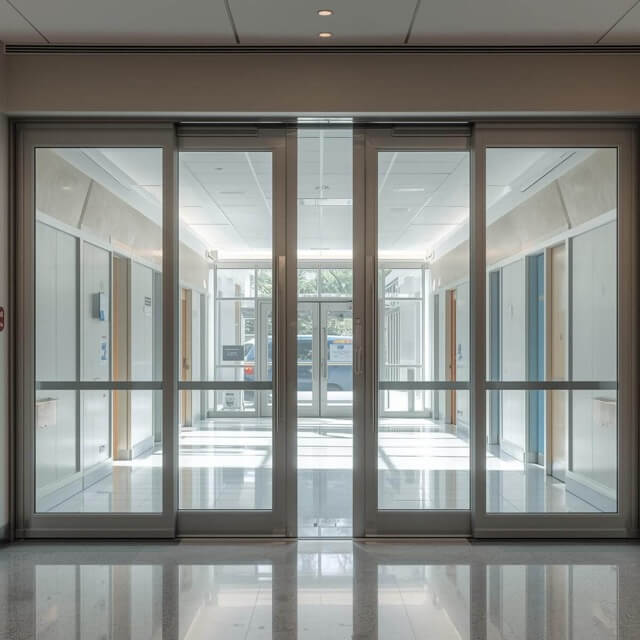

Deconstructing the ‘Bulletproof’ Misnomer: Ballistic Resistance Explained
The term ‘bulletproof glass’ is deeply ingrained in popular culture. However, in expert parlance, there is no truly ‘bulletproof’ material. Instead, security glazing solutions are engineered to be ‘ballistic resistant’ or ‘bullet-resistant.’ This distinction is crucial, as it acknowledges that any material can eventually be defeated given enough sustained force or specific weaponry.
Homeowners exploring bulletproof windows for homes are often surprised to learn that modern security solutions now deliver stronger protection, better aesthetics, and less disruption than traditional ballistic glass. Ballistic-resistant glazing is designed to delay or prevent penetration for a specified duration and against particular threat levels. This provides invaluable time for occupants to react and for emergency services to respond. It is not an impervious barrier.
The Fundamental Limitations of Traditional Ballistic-Resistant Solutions for Residential Use
Traditional ballistic-resistant glass, often seen in high-security commercial or government buildings, relies on significant material thickness and weight to achieve its protective properties. These conventional systems are typically multi-layered laminates, sometimes including polycarbonate panels, which can result in glazing units several inches thick. For residential applications, these inherent characteristics present substantial challenges. The sheer weight necessitates extensive structural reinforcement of existing window frames and surrounding architecture, often leading to costly and disruptive construction. Furthermore, the inherent optical properties of these thick laminates can introduce visual distortions or a pronounced green tint, compromising the clarity and aesthetic purity of a home’s views and architectural design.
Understanding Different Levels of Ballistic Threat and Their Implications
Ballistic resistance is not a monolithic standard. It is a tiered system classified according to rigorous industry benchmarks, such as UL 752. These classifications delineate the specific types of firearms and ammunition a material is designed to withstand without penetration. For instance, lower levels might protect against common handguns, while higher levels are engineered to resist assault rifles and multiple impacts.
- UL Level 1-3: Typically designed to resist handguns (e.g., 9mm, .357 Magnum, .44 Magnum).
- UL Level 4-6: Engineered for higher-caliber handguns and some shotguns.
- UL Level 7-8: Provides protection against high-powered rifles (e.g., 7.62mm NATO, 5.56mm NATO).
The implication for residential security is clear. Achieving higher levels of protection demands increasingly thicker, heavier, and more expensive materials. While absolute protection against every conceivable threat might seem desirable, it often leads to impractical and aesthetically detrimental solutions for a home, where a balance between security and livability is paramount.
The Visual and Structural Impact of Conventional Ballistic Glass
Integrating conventional bullet-resistant glass into a residential setting carries significant aesthetic and structural repercussions. The substantial thickness of these units results in deep, pronounced window sills and frames that can detract from the elegant lines of a home’s architecture. The inherent greenish hue, a byproduct of the iron content in the glass and the laminating process, can alter the perception of natural light and the colors of the exterior landscape. Structurally, the immense weight often mandates replacing original, perhaps historically significant, window frames with heavy-duty, reinforced alternatives. This not only incurs considerable expense but also fundamentally alters the home’s original design integrity, a critical concern for discerning homeowners and architects prioritizing aesthetic preservation.
Obsolete vs. Optimized: The Clear Advantages of Retrofit Security Glazing
Comparing Performance: Ballistic Resistance and Multi-Threat Protection
In contrast to the limitations of traditional ballistic glass, advanced retrofit security glazing systems offer an optimized approach to multi-threat defense. These systems are not merely a thicker piece of glass. They are engineered solutions that typically involve applying a transparent, high-strength polycarbonate shield to the interior side of existing window panes, often creating a sealed air gap. This multi-layered assembly provides comprehensive protection far beyond just ballistic resistance. It effectively mitigates threats from forced entry, impacts from high winds and flying debris during extreme weather events, and even blast scenarios, all while offering significant resistance to ballistic threats that often meet or exceed those of traditional bullet-resistant glass without the associated drawbacks. These home window security laminate solutions provide robust protection.
Economic and Practical Considerations: Installation, Maintenance, and Lifecycle Value
One of the most compelling advantages of retrofit security glazing lies in its economic and practical benefits. Installation is significantly less invasive and disruptive than replacing entire window units with conventional ballistic glass. There is no need for demolition, structural modifications, or extensive construction work. This dramatically reduces labor costs, project timelines, and the inconvenience to residents. From a maintenance perspective, these systems integrate seamlessly with existing windows, requiring no specialized cleaning or upkeep beyond standard window care. The lifecycle value is also enhanced, as the retrofit extends the life of existing windows, avoiding the high cost of bullet-resistant windows and full window replacement while simultaneously improving the overall security and performance of the property.
Preserving Original Aesthetics: Why Full Window Replacement is Rarely the Optimal Choice
For architects like Alex Chen, preserving the original design aesthetic is a non-negotiable aspect of high-end residential projects. This is precisely where advanced retrofit security glazing excels. Unlike full window replacement, which can lead to altered sightlines, changed frame profiles, and a departure from the home’s intended architectural character, retrofit systems are designed to be virtually invisible. They mount discreetly to the existing window frames, allowing the original glass, sashes, and external appearance of the home security windows to remain entirely intact. This meticulous approach ensures that the home’s design integrity, natural light, and unobstructed views are perfectly preserved, marrying advanced security with uncompromising aesthetic standards.
The Environmental and Efficiency Benefits of Advanced Retrofit Systems
Beyond security and aesthetics, advanced retrofit systems deliver tangible environmental and energy efficiency benefits. By retaining the home’s existing windows, these systems significantly reduce construction waste, diverting thousands of pounds of old glass and frames from landfills. This commitment to sustainability aligns with modern building practices and homeowner values. Furthermore, the additional layer of glazing creates an enhanced insulation barrier, reducing heat transfer and improving the overall thermal performance of the windows. This improved efficiency translates directly into lower energy consumption for heating and cooling, contributing to a reduced carbon footprint and considerable long-term savings on utility bills. It is a security solution that contributes positively to both the planet and the home’s operational efficiency.
Engineering Seamless Defense: How Modern Retrofit Systems Fortify Your Home

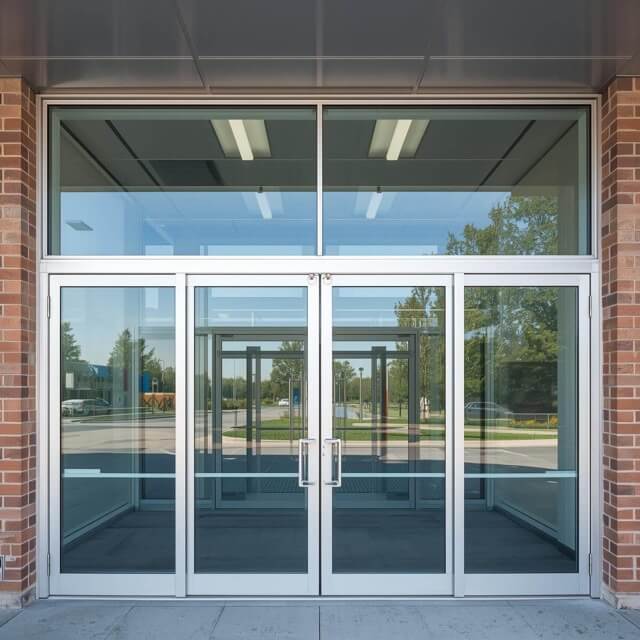
The Patented Technology Behind Advanced Retrofit Security Glazing
Modern residential security transcends simple brute force, evolving into a science of engineered resilience. At the heart of this evolution lies patented security glazing technology, meticulously developed to provide superior protection without the aesthetic drawbacks of traditional solutions. These systems leverage specific material compositions and installation methodologies, often proprietary, that are designed to absorb and dissipate extreme kinetic energy far more effectively than standard glass or even conventional “bulletproof” laminates. This innovation ensures that even under significant attack, the window assembly remains intact, preventing penetration and maintaining the building envelope.
The Multi-Layered Approach: Polycarbonate, Laminated Glass, and Integrated Anchoring
True window fortification relies on a sophisticated multi-layered construction, moving beyond the inherent limitations of glass alone. This advanced strategy typically involves a robust polycarbonate panel positioned over the existing laminated glass or tempered glass. Polycarbonate, renowned for its exceptional impact resistance and flexibility, forms the primary barrier against blunt force, ballistic threats, and forced entry prevention attempts.
The integrity of this multi-layered system is further secured by a proprietary, integrated anchoring mechanism. This system securely fastens the new security glazing to the existing window frame, transforming the entire opening into a unified, resilient barrier. It is this comprehensive integration that distinguishes advanced retrofit security glazing solutions, ensuring that the system functions as a cohesive unit designed to withstand prolonged and intense attacks.
Understanding Energy Dissipation and Superior Impact Resistance Mechanisms
The fundamental principle behind superior impact resistance in these advanced systems is intelligent energy dissipation. Unlike brittle materials that shatter upon impact, the polycarbonate layer is engineered to flex and absorb kinetic energy, distributing the force over a larger area rather than concentrating it at the point of impact. This allows the system to endure multiple, successive blows—whether from an attempted breach, severe weather, or ballistic fire—without fracturing or failing. The inherent elasticity of the materials, combined with the secure anchoring, effectively transforms a vulnerable glass opening into a dynamic energy absorption field, significantly mitigating the risk of penetration and protecting occupants.
Addressing Common Vulnerabilities: Fortifying the Entire Window Assembly, Not Just the Glazing
A common oversight in security planning is the singular focus on the glass pane, neglecting the vulnerabilities inherent in the surrounding window assembly. Traditional security upgrades often leave the existing frame, sash, and locking mechanisms susceptible to compromise, effectively creating a weak link. Modern retrofit systems address this holistically by reinforcing not just the glazing, but the entire residential security windows unit. The integrated anchoring system, for instance, often extends into or reinforces the existing frame, ensuring that the fortified glazing cannot be pried out or simply pushed through the opening. This comprehensive approach recognizes that the strength of a window assembly is defined by its weakest point, and therefore fortifies all critical components to achieve genuine multi-threat resilience.
Design Without Compromise: Integrating High Security with Unseen Elegance
The Aesthetic Imperative: Maintaining Architectural Authenticity and Value
For architects and discerning homeowners, the design aesthetic of a residence is paramount, reflecting both personal taste and architectural integrity. Introducing security measures that detract from this aesthetic, whether through bulky components or altered sightlines, is often an unacceptable compromise. Advanced retrofit security glazing systems are specifically engineered with this imperative in mind. They recognize that true residential security must enhance, not diminish, the value and character of a property. By preserving the original window design, these solutions ensure that security upgrades become an invisible enhancement, seamlessly integrated into the home’s existing architectural narrative.
Invisible Protection: How Retrofit Systems Preserve Original Window Lines and Views
A cornerstone of sophisticated residential security is the concept of invisible protection. Unlike traditional, often obtrusive, security bars or thick bullet-resistant glass units that can alter a building’s facade and diminish natural light, advanced retrofit systems are designed for near-invisibility. They are typically installed on the interior or exterior of the existing window, forming a discreet, transparent layer that follows the original window lines precisely. This meticulous integration means there is no need to replace existing windows, preserving the original frames, sashes, and historical nuances. The result is uncompromised views, unaltered curb appeal, and an undisturbed interior environment, proving that robust security can coexist elegantly with architectural authenticity.
Customization and Versatility Across Diverse Architectural Styles and Window Types
The diverse tapestry of residential architecture, from historic estates to contemporary designs, demands security solutions that are not only effective but also highly adaptable. Modern retrofit security glazing systems offer remarkable versatility, capable of being custom-fabricated to fit virtually any window shape, size, or type. This includes casement, double-hung, picture, or bay windows, as well as unique architectural security fenestration. This adaptability extends to various frame materials—wood, vinyl, aluminum—ensuring a precise, secure fit without requiring extensive structural modifications or compromising the original design intent. The ability to customize each installation ensures that sophisticated security is accessible for a wide array of discerning properties.
Enhancing Property Value Through Discerning, Integrated Security Upgrades
Strategic investments in home security can significantly enhance property value, particularly when those investments are both effective and aesthetically discreet. Discerning homeowners understand that visible, intrusive security measures can ironically signal vulnerability or detract from a home’s appeal. In contrast, an integrated security glazing system, which offers robust, multi-threat protection while preserving architectural integrity and views, represents a sophisticated upgrade. It communicates a commitment to safety and quality without sacrificing elegance. This subtle yet powerful enhancement appeals directly to high-end buyers and architects, positioning the property as a secure, thoughtfully protected asset, thereby contributing to its overall market desirability and long-term value.
Tailored Protection: Demystifying UL Ratings and Your Home’s Security Needs
Interpreting UL 752 Ballistic Resistance Classifications for Residential Applications
When considering enhanced residential security, the term “bulletproof glass” often arises, invariably leading to questions about ballistic ratings. Underwriters Laboratories (UL) Standard 752 is the widely recognized benchmark for ballistic resistance, classifying materials based on their ability to withstand specific firearm attacks. These classifications range from Level 1, designed to defeat common handguns like a 9mm, up to Level 8, which can resist multiple rounds from high-powered rifles such as a 7.62mm NATO. Each level specifies the type of weapon, bullet caliber, and number of shots the material must withstand without penetration or spall (fragments detaching from the protected side).
However, it is crucial to interpret these commercial and military-grade UL 752 ratings within the context of a high-end residential environment. While these standards are essential for applications like banks or government buildings, directly applying them to a home often leads to disproportionate, aesthetically cumbersome, and unnecessary solutions. The true residential threat profile rarely aligns with the highest ballistic levels, and an over-engineered approach can significantly compromise architectural design. The focus should instead be on intelligent, multi-threat solutions that balance protection with practicality and appearance.
Beyond Ballistics: Assessing Resistance to Forced Entry and Other Physical Threats
While ballistic threats are a significant concern, they represent only one facet of comprehensive residential security. For most homes, the more prevalent risks involve forced entry through blunt force, prying, cutting, or smash-and-grab attempts. These incidents are often perpetrated by opportunistic intruders seeking quick access, rather than those armed with high-powered firearms. Therefore, effective security solutions must prioritize resistance to these common physical assaults.
An advanced security glazing system goes beyond merely stopping a bullet. It is engineered to absorb significant impact energy, delay or prevent forced breaches, and remain intact even after repeated attack. This multi-faceted resistance ensures that windows and doors, often the weakest points in a home’s perimeter, become robust barriers against a diverse array of physical threats, from a crowbar to repeated sledgehammer blows.
Conducting a Comprehensive Home Security Threat Assessment: Identifying Vulnerabilities
Developing an effective security strategy begins with a thorough and professional threat assessment. This process moves beyond general assumptions to identify specific vulnerabilities and potential risks pertinent to a particular residence. It involves a detailed evaluation of several factors:
- Geographic Location: Analyzing local crime statistics, proximity to urban centers, and typical threat vectors in the area.
- Property Layout and Architecture: Identifying accessible entry points, blind spots, landscaping that could offer concealment, and the structural integrity of existing windows and doors.
- Occupant Profile: Considering the lifestyle of residents, any high-value assets stored on-site, and the need for discreet versus overt security measures.
- Existing Security Measures: Evaluating the efficacy of current alarms, cameras, lighting, and physical deterrents.
This comprehensive assessment provides the data necessary to design a security solution that is not only robust but also precisely tailored to the home’s unique requirements, rather than a one-size-fits-all approach.
Matching Advanced Security Solutions to Specific Threat Profiles and Property Requirements
With a detailed threat assessment complete, the next critical step is to align advanced security solutions with the identified threat profiles and architectural requirements. This involves a precise selection of materials and installation methods. For residential applications, the emphasis shifts from merely achieving a UL ballistic rating to deploying a multi-threat defense system that effectively addresses the most probable risks while maintaining aesthetic integrity.
Modern retrofit security glazing systems, for example, are uniquely designed to offer a graduated response to threats. They integrate seamlessly with existing window frames, providing exceptional resistance to forced entry, impact, and even certain ballistic threats, often surpassing the practical security needs of a home without resorting to the bulky frames or visible alterations associated with traditional “bulletproof” installations. This bespoke approach ensures optimal protection without compromising the architect’s vision or the home’s inherent character.
Holistic Home Fortification: Beyond Ballistic Threats to Comprehensive Protection
Mitigating Forced Entry: The Critical Role of Advanced Glazing in Deterring Intruders
The primary point of vulnerability in most homes remains the glazing—windows and glass doors. While locks secure frames, the glass itself can be a weak link. Advanced security glazing plays a critical role in mitigating forced entry by dramatically increasing the time and effort required for an intruder to gain access. Unlike standard annealed or tempered glass, which shatters or breaks easily, engineered security window film, often incorporating polycarbonate layers, resists repeated blunt force impacts, prying tools, and even prolonged attempts to cut through it.
This resistance transforms a potential rapid breach into a noisy, time-consuming endeavor, effectively deterring opportunistic criminals who rely on quick access. The robust nature of these systems ensures that the perimeter remains uncompromised, allowing time for security systems to activate and for authorities to respond, without sacrificing the visual appeal or natural light that original windows provide.
Guarding Against Natural Disasters: Hail, Windborne Debris, and Pressure Changes
Beyond intentional threats, homes are increasingly exposed to the unpredictable forces of nature. Advanced glazing solutions offer substantial protection against severe weather events, which are becoming more frequent and intense. High-performance security glazing is engineered to withstand significant impacts from windborne debris, such as tree branches or loose objects, during hurricanes, tornadoes, or severe thunderstorms. This capability drastically reduces the risk of envelope breach during extreme weather, which can lead to rapid internal pressurization and catastrophic structural failure.
Furthermore, these systems provide exceptional resistance to large hail, preventing costly damage to glass panes and maintaining the home’s integrity against one of nature’s most destructive forces. By reinforcing these critical vulnerabilities, homeowners gain peace of mind and minimize the potential for extensive damage and costly repairs associated with natural disasters.
Enhancing Sound Attenuation, UV Protection, and Thermal Performance
The benefits of advanced security glazing extend well beyond threat mitigation, contributing significantly to a home’s overall comfort, efficiency, and longevity. Modern retrofit systems are designed with layered compositions that inherently enhance sound attenuation, reducing external noise pollution from traffic, construction, or urban environments. This creates a quieter, more serene interior living space, a subtle yet profound enhancement to daily life.
Additionally, these engineered systems often incorporate advanced films or materials that provide superior UV protection, safeguarding valuable interiors, artwork, and furnishings from sun-induced fading and degradation. This invisible shield preserves the aesthetic and material integrity of a home’s interior over time. Finally, the improved insulation properties of multi-layered security glazing contribute to enhanced thermal performance, reducing heat transfer and leading to greater energy efficiency and lower utility costs, all while maintaining the home’s original fenestration.
Protecting Valuables and Occupants from Smash-and-Grab Attacks and Vandalism
Smash-and-grab attacks and vandalism represent common, disruptive threats to residential security. These incidents aim for quick access to valuables or simple property damage. Traditional glass offers virtually no resistance, allowing intruders to gain entry in seconds. Advanced security glazing systems are specifically designed to frustrate and ultimately prevent these rapid breaches. The multi-layered, highly impact-resistant materials resist shattering and hold together even under extreme attack, denying quick access and deterring would-be thieves.
This robust barrier protects not only tangible valuables but also the psychological well-being of occupants by creating a secure environment. In instances of vandalism, the system’s resilience significantly reduces property damage, maintaining the aesthetic appeal and structural integrity of the home. By providing a formidable, yet discreet, defense against these prevalent threats, advanced security glazing ensures comprehensive protection for both property and people.
From Concept to Curation: Navigating the Specification of Advanced Security Glazing
The journey from recognizing a security vulnerability to implementing an effective, aesthetically integrated solution requires a structured approach. It transcends simple product selection, evolving into a process of careful curation that balances advanced threat mitigation with architectural integrity. This comprehensive specification process ensures that the chosen security glazing solution aligns precisely with the homeowner’s unique needs and the architect’s design vision.
Partnering with Security Engineering Experts and Architects for Integrated Solutions
Effective residential security is a collaborative endeavor. It necessitates a close partnership between security engineering experts, who understand the nuances of threat vectors and material science, and architects, who safeguard the home’s design aesthetic and functional flow. This integrated approach ensures that security enhancements are not merely add-ons but rather seamless extensions of the original architectural intent. For architects like Alex Chen, who prioritize design integrity, this collaboration is paramount. It allows for the development of bespoke solutions that enhance protection without compromising the visual harmony or operational characteristics of existing fenestration. The goal is always a solution that is virtually invisible, yet unequivocally robust.
Key Considerations in Material Selection, System Design, and Performance Verification
Specifying advanced security glazing involves meticulous attention to several critical factors that determine its efficacy and longevity.
Material Selection
The foundation of any superior security glazing system lies in its material composition. Unlike traditional bullet-resistant glass that relies on multiple thick layers of glass, advanced retrofit systems leverage sophisticated polymer laminates, such as specialized polycarbonate panels or acrylics. These materials are engineered for exceptional impact resistance, flexibility, and optical clarity. Their lighter weight and superior strength-to-thickness ratio enable multi-threat mitigation against forced entry, ballistic impacts, and even extreme weather events, all while maintaining a low-profile aesthetic.
System Design
Beyond the material itself, the integration method is crucial. An advanced security glazing system is designed as a custom fit, secondary layer installed on the interior or exterior of existing window and door frames. Patented attachment methods are integral to this design, ensuring that the retrofit panel forms a robust, monolithic barrier that distributes impact forces effectively. This approach eliminates the need for frame replacement, preserving the original window design and structural integrity while enhancing overall energy efficiency.
Performance Verification
Credibility in security solutions is built on verifiable performance. Reputable security glazing systems undergo rigorous independent testing to validate their protective capabilities. This includes certifications for forced entry resistance, often adhering to standards like UL 752 (for ballistic protection) and ASTM F1233 (for forced entry). Such verification provides objective assurance that the specified system will perform as intended against a defined range of threats, offering transparent evidence of its effectiveness to discerning homeowners and their architects.
Understanding the Non-Invasive Installation Process and Minimizing Disruption
One of the most compelling advantages of advanced retrofit security glazing systems is their non-invasive installation methodology. Unlike the disruptive and costly process of replacing entire window units, retrofit systems are designed for rapid, clean, and minimally intrusive application.
- Preservation of Existing Structures: The system attaches directly to existing window and door frames, requiring no demolition or structural modifications. This preserves the home’s original architecture, minimizes debris, and avoids extensive interior or exterior finishing work.
- Efficiency and Speed: Installation typically occurs within a fraction of the time required for full window replacement. This means less disruption to daily life, allowing homeowners to maintain their routine with minimal interruption.
- Cleanliness and Convenience: Professional installation teams work meticulously to ensure a tidy process, with stringent measures to protect the home’s interiors and landscaping. The result is a high-security upgrade achieved with surprising ease and discretion.
The Long-Term Value Proposition: Warranty, Ongoing Support, and Unwavering Peace of Mind
Investing in advanced security glazing is an investment in long-term protection and value. The comprehensive nature of these solutions extends beyond initial installation to encompass ongoing assurance.
- Robust Warranty Programs: Leading manufacturers stand behind their engineered products with extensive warranties, covering material integrity and performance. This provides homeowners with confidence in the durability and longevity of their security investment.
- Dedicated Ongoing Support: Reputable providers offer continuous support, from routine inspections to advice on maintenance, ensuring the system operates at peak performance throughout its lifespan. This partnership approach ensures that any queries or potential needs are addressed promptly and professionally.
- Unwavering Peace of Mind: Ultimately, the most significant long-term value is the enduring peace of mind. Knowing that one’s home and family are protected by a discreet, yet formidable, multi-threat defense system allows homeowners to live without the constant undercurrent of security concerns, enhancing their quality of life immeasurably.
Conclusion: Key Takeaways and Next Steps
Reaffirming the Paradigm Shift in Residential Security
The discourse around residential security has fundamentally shifted. The outdated concept of bulky, obvious ‘bulletproof glass for home windows’ has given way to an understanding that true protection is sophisticated, subtle, and seamlessly integrated. The paradigm now embraces advanced retrofit security glazing systems as the definitive solution for homeowners and architects who demand uncompromising security without sacrificing aesthetic integrity or enduring disruptive renovations.
The Unrivaled Blend of Aesthetics, Performance, and Value in Advanced Retrofit Systems
The core strength of these engineered solutions lies in their ability to deliver a unique trifecta of benefits:
- Exceptional Aesthetics: They preserve the original architectural beauty and sightlines of a home, remaining virtually invisible post-installation.
- Superior Performance: They offer multi-threat defense against a spectrum of risks, from forced entry and ballistic attacks to extreme weather.
- Compelling Value: They represent a cost-effective, long-term investment that protects occupants and assets, often enhancing energy efficiency and requiring minimal installation disruption compared to full window replacements.
A Call to Action: Consulting with Security Glazing Specialists for Your Home’s Protection
For discerning homeowners and their architects contemplating an upgrade to their property’s security, the next crucial step is to engage with experienced security glazing specialists. A thorough, expert assessment of your specific property and threat profile is essential to tailor a solution that meets your unique requirements. This consultation will illuminate how advanced retrofit systems can provide a virtually invisible, yet profoundly impactful, layer of defense, ensuring that your home remains a sanctuary of safety and design excellence.
Frequently Asked Questions
What is the difference between “bulletproof glass” and ballistic resistant glazing?
The term “bulletproof glass” is a misnomer. In security engineering, materials are described as “ballistic resistant” or “bullet-resistant.” This distinction highlights that while these materials are designed to delay or prevent penetration against specified threat levels, no material is impervious to all forms of attack. Ballistic resistant glazing, such as laminated glass or polycarbonate panels, is engineered to withstand specific types of firearms and ammunition based on industry standards like UL 752.
Why are traditional ballistic glass solutions not ideal for residential use?
Traditional ballistic glass is typically very thick, heavy, and can have a noticeable green tint, compromising a home’s aesthetic and views. Its weight often requires significant structural modifications and costly window frame replacements. Advanced retrofit security glazing offers a superior alternative for residential security windows, providing multi-threat protection without these aesthetic and structural drawbacks.
How does retrofit security glazing preserve a home’s original design?
Retrofit security glazing systems are designed for near-invisibility. They install discreetly on the interior or exterior of existing window frames, preserving the original glass, sashes, and external appearance. This approach maintains the home’s architectural authenticity and natural light, a key concern for architects and homeowners seeking architectural security without compromise.
What types of threats do advanced retrofit systems protect against?
These engineered solutions provide comprehensive multi-threat defense. Beyond ballistic protection, they are highly effective against forced entry, smash-and-grab attacks, impacts from severe weather (like windborne debris and hail), and even enhance blast resistance. They make home security windows significantly more robust against a wide range of physical threats.
What is the typical bullet resistant windows cost for a retrofit system compared to full replacement?
While specific costs vary based on project scope and materials, retrofit security glazing is generally more cost-effective than full window replacement with traditional bullet-resistant glass. Retrofit systems minimize labor costs and disruption because they utilize existing window frames and structures, avoiding demolition and extensive construction work. This makes them a more economical choice for enhancing residential security.