- Deconstructing the Myth: Beyond “Bulletproof” to True Ballistic Resistance
- Defining the Standard: A Technical Overview of UL 752 for Ballistic Resistant Doors
- The Architect’s Conundrum: Balancing Uncompromised Security with Design Integrity
- The Traditional Paradigm: Full-Replacement Doors and Their Inherent Challenges
- High Costs and Significant Operational Disruption Associated with Full Replacements
- Compromising Original Architectural Aesthetics and Heritage with Traditional Systems
- Installation Complexities and Material Limitations of Conventional Bulletproof Glass Doors
- Environmental and Structural Implications of Full Door System Replacement
- A New Era of Protection: The Engineering Excellence of Retrofit Security Glazing
- Introducing Patented Retrofit Security Systems: An Innovative and Less Intrusive Approach
- The Science Behind Advanced Ballistic-Resistant Security Glazing for Doors
- Key Materials and Construction: Polycarbonate, Laminated Glass, and Advanced Adhesives for Enhanced Protection
- Superior Performance: Mitigating Threats from Ballistic Attacks and Forced Entry Simultaneously
- Architectural Integration in Practice: Achieving Invisible Security for Glass Entryways
- Preserving Original Design: The “Virtually Invisible” Advantage of Retrofit Systems
- Illustrative Scenarios: Retrofit Applications for Existing Curtain Walls and Storefront Systems
- Enhancing Existing Architectural Glass Without Disrupting Structure or Aesthetics
- Putting Theory into Practice: Seamlessly Integrating BulletShield on Glass Entry Doors
- Specifying and Implementing Advanced Ballistic Retrofit Systems
- A Streamlined Process for Architects and Security Specifiers
- Key Considerations for Specifying UL 752 Rated Doors with Retrofit Solutions
- Leveraging a Nationwide Network of Certified Dealers for Expert Installation and Support
- Long-Term Value: Maintenance, Durability, and Warranty Considerations for Retrofit Security Glazing
- Conclusion: Redefining Security and Design in Modern Architecture
- Key Takeaways: The Superiority of Retrofit Ballistic Solutions for Contemporary Buildings
- Empowering Architects: Achieving Advanced Security Without Aesthetic or Structural Compromise
- The Future of Architectural Security: Proactive, Integrated, and Aesthetically Sound Protection
- Next Steps: Continued Education and Expert Consultation for Tailored Security Strategies
- Frequently Asked Questions
Deconstructing the Myth: Beyond “Bulletproof” to True Ballistic Resistance
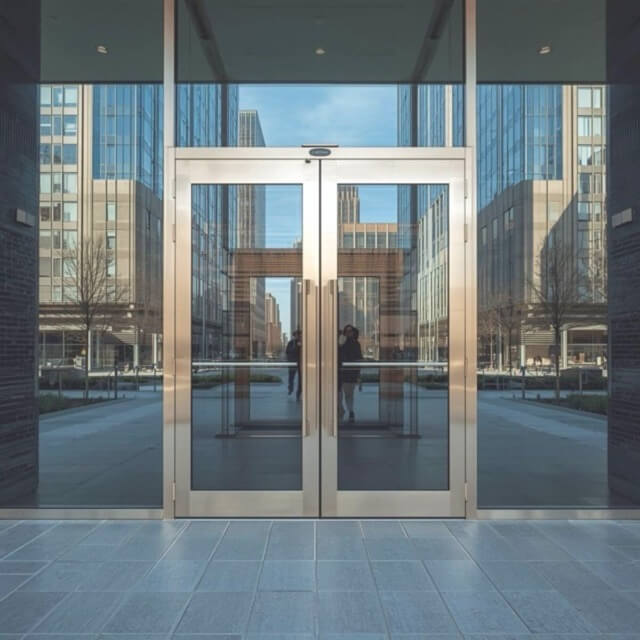
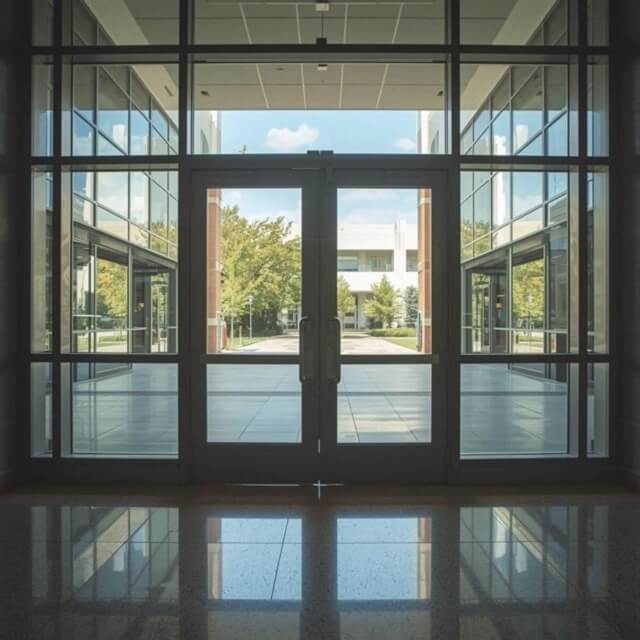
The Misconception of “Bulletproof”: Why Precision Matters in Security Terminology
The term “bulletproof” is a pervasive misnomer in public discourse, yet its inaccuracy can lead to significant misunderstandings when specifying security solutions for architectural applications. Entirely bulletproof glass doors do not exist. In reality, no material or system is entirely “proof” against all ballistic threats. This means it cannot be penetrated by every type of projectile under all conditions. This imprecise terminology implies an absolute invulnerability that simply does not exist. For architects, engineers, and security professionals, precision is paramount. We speak instead of “ballistic resistance”—a quantifiable measure of a material’s or system’s ability to resist penetration by specific types of projectiles traveling at defined velocities. This distinction is critical for establishing realistic expectations and ensuring that specified security measures genuinely address identified threat profiles without overpromising or underdelivering.
Introducing Ballistic-Resistant Solutions for Glass Doors
Modern building security necessitates a sophisticated approach to mitigating threats at vulnerable points, particularly glass entryways. Ballistic-resistant glass doors are engineered systems designed not to be impenetrable, but to effectively neutralize or significantly reduce the impact of ballistic attacks. These systems achieve their protective capabilities through advanced material science and layered construction, absorbing and dissipating projectile energy to prevent penetration into the protected space. The focus shifts from merely stopping a projectile to managing the threat’s outcome, ensuring occupant safety, and preserving the structural integrity of the barrier. Such solutions are specifically developed to integrate seamlessly with existing architectural designs, offering a discreet yet robust layer of defense.
The Imperative for Advanced Threat Mitigation in Modern Buildings
The contemporary security landscape demands that building design and construction move beyond conventional safety measures to proactively address advanced threats. Incidents involving active assailants and targeted violence underscore the critical need for robust, integrated threat mitigation strategies. For architects, this means evaluating building components not just for structural integrity and aesthetic appeal, but also for their resilience against malicious acts. Advanced threat mitigation, particularly at high-risk entry points, is no longer an optional add-on, but an essential component of responsible building design. Integrating such solutions early in the design or retrofit process ensures that security is intrinsic, effectively protecting occupants and assets while maintaining the building’s intended functionality and aesthetic vision.
Defining the Standard: A Technical Overview of UL 752 for Ballistic Resistant Doors
Understanding UL 752: Levels of Protection and Testing Protocols
When specifying ballistic-resistant doors and security glazing, the industry standard for performance evaluation is UL 752, “Standard for Bullet-Resisting Equipment.” This Underwriters Laboratories standard provides a comprehensive framework for testing and classifying materials and systems based on their ability to resist various ballistic threats. UL 752 defines eight distinct levels of protection, ranging from Level 1 (resisting handgun threats like a 9mm full metal jacket) to Level 8 (designed to resist multiple rounds from high-powered rifles such as a 7.62mm NATO M80).
The testing protocols are rigorous:
- Ammunition Specification: Each level mandates specific ammunition types, calibers, and bullet weights.
- Velocity: Projectile velocities are precisely controlled to simulate real-world threats.
- Number of Shots: Multiple shots (typically three) are fired in a tight pattern on a test specimen.
- Distance: Testing is conducted from a specified distance.
- Penetration Criteria: The primary criterion is the prevention of complete projectile penetration.
This structured approach allows architects to specify protection levels with confidence, matching the security solution precisely to the assessed threat.
Key Performance Indicators: Penetration, Spall, and Multiple Shot Resistance
Beyond simply preventing a bullet from passing through, UL 752 also evaluates other critical performance indicators essential for comprehensive safety.
- Penetration: This is the foundational criterion. A system fails if any part of the projectile or fragments passes entirely through the protected side of the material.
- Spall: Often overlooked, spall refers to fragments of the ballistic-resistant material that detach from the protected side upon impact. Even if the projectile does not penetrate, excessive spalling can cause severe injury to occupants inside the protected space. UL 752 categorizes systems as “No Spall” when tested, meaning no fragments capable of causing injury are ejected. This is a crucial safety consideration for architectural applications.
- Multiple Shot Resistance: Ballistic events rarely involve a single, isolated impact. UL 752 testing requires multiple shots to be fired in close proximity to assess the material’s ability to maintain its integrity under sustained attack. A system’s capacity to withstand repeated impacts in the same general area signifies its robust design and reliability in dynamic threat scenarios.
These indicators collectively ensure that a UL 752-rated system offers not just penetration resistance, but also a safer environment for occupants during an attack.
Differentiating Between Ballistic Resistance and Forced Entry Protection
It is crucial for specifiers to understand that ballistic resistance and forced entry protection are distinct security attributes, addressing different types of threats. While some advanced systems may offer capabilities in both areas, they are not inherently synonymous.
- Ballistic Resistance: Primarily focuses on preventing the penetration of projectiles from firearms. Its effectiveness is measured by standards like UL 752, which simulate bullet impacts.
- Forced Entry Protection: Aims to deter or delay unauthorized access through manual attack using tools such as hammers, crowbars, or cutting devices. Standards like UL 972 and ASTM F1233 evaluate a system’s ability to withstand these sustained, physical attacks for a specified duration.
A door or glazing system might be highly ballistic resistant but offer minimal resistance to a sustained manual forced entry attempt, and vice versa. For instance, a thin, hardened steel plate might stop bullets effectively but could be pried open with appropriate tools. Conversely, a robust, impact-resistant security door designed for forced entry might not stop a high-caliber bullet. Architects must conduct a thorough threat assessment to determine whether the primary concern is a ballistic attack, forced entry, or a combination of both, thereby ensuring the specified solution provides comprehensive protection tailored to the unique risks of the building’s context.
The Architect’s Conundrum: Balancing Uncompromised Security with Design Integrity
The Persistent Challenge: Security Demands versus Aesthetic Preservation
Architects today face an increasingly complex mandate: to deliver aesthetically significant structures that simultaneously provide uncompromising security against evolving ballistic threats. This creates a significant tension. On one hand, clients demand robust protection for occupants and assets. On the other hand, the foundational principles of architectural design prioritize natural light, open sightlines, material harmony, and the preservation of a building’s original aesthetic and intent. Integrating visible, heavy security elements can often undermine these design objectives, leading to a visual dissonance that detracts from the building’s overall impact and user experience.
Addressing the Architect’s Pain Point: Avoiding Design Compromise with Security Solutions
A primary concern for design professionals is the potential for security enhancements to compromise a building’s inherent character. Traditional security measures often involve bulky frames, opaque materials, or an overtly fortified appearance that clashes with the existing architectural language. This struggle to find security solutions that are both highly effective and virtually undetectable is a well-documented pain point. The ideal solution maintains the building’s aesthetic integrity, preserving natural light and original sightlines, without signaling an overt security posture. This discretion is critical for maintaining an inviting and unalarming environment.
The Growing Need for Discretionary, High-Performance Security in Public and Private Spaces
The demand for high-performance security measures that integrate seamlessly into public and private spaces is escalating. From corporate campuses and educational institutions to healthcare facilities and government buildings, stakeholders require protection against sophisticated ballistic threats without creating an atmosphere of fear or confinement. This necessitates solutions that are not only robust in their defensive capabilities but also possess an inherent discretion, performing silently in the background. The goal is to provide a secure environment where occupants feel safe without being constantly reminded of the potential for danger.
The Traditional Paradigm: Full-Replacement Doors and Their Inherent Challenges
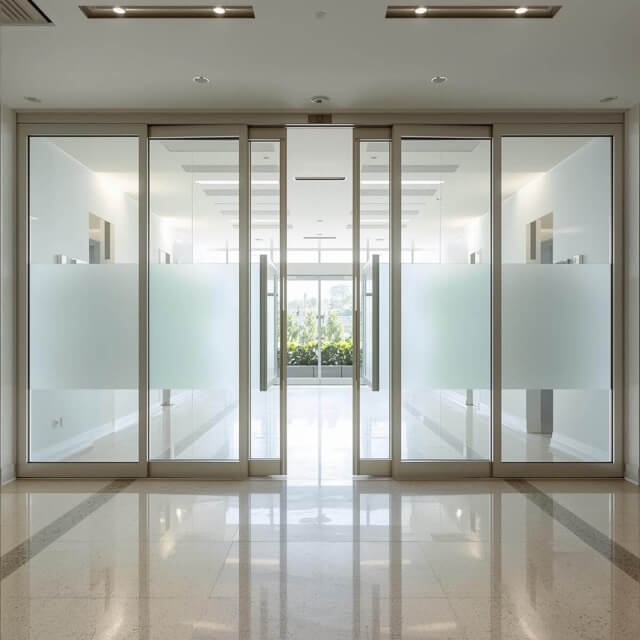
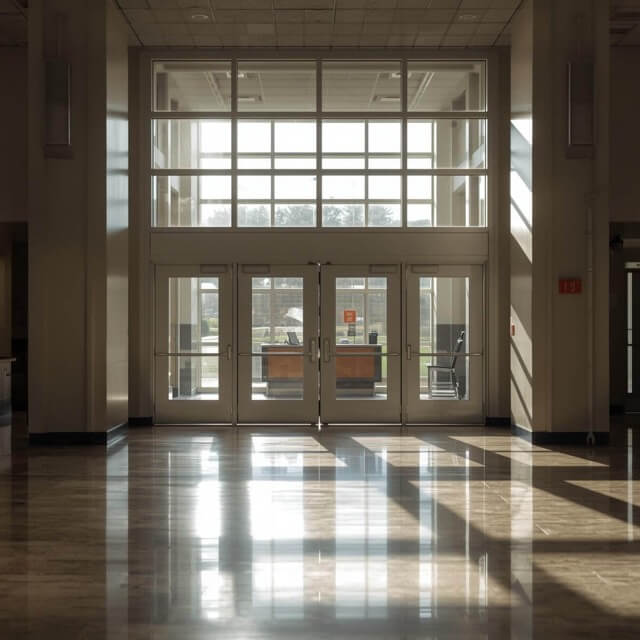
High Costs and Significant Operational Disruption Associated with Full Replacements
The conventional approach to enhancing ballistic resistance in glass entryways often involves the full replacement of existing door systems with purpose-built bulletproof glass doors. This strategy typically incurs substantial financial outlay, encompassing not only the cost of specialized materials and fabrication but also significant labor expenses for demolition, structural modifications, and installation. Beyond the direct financial impact, projects of this nature invariably lead to considerable operational disruption. Businesses may face temporary closures, restricted access for patrons or employees, and extended construction timelines, all of which contribute to indirect costs and potential revenue loss.
Compromising Original Architectural Aesthetics and Heritage with Traditional Systems
One of the most significant drawbacks of full door replacement is the unavoidable compromise to a building’s original architectural aesthetic, especially in structures with historical significance or unique design elements. Traditional bulletproof glass doors are often characterized by:
- Bulky Framing: Required to accommodate the increased weight and thickness of ballistic-resistant glass.
- Thicker Glazing: This can reduce light transmission and alter the visual transparency of an entryway.
- Inconsistent Materials: Leading to a mismatch with existing architectural finishes, hardware, and sightlines.
- Loss of Original Features: Elements like decorative muntins, specific glass textures, or custom door profiles are frequently sacrificed.
This often results in a visual discontinuity, detracting from the building’s intended design narrative and diminishing its perceived value.
Installation Complexities and Material Limitations of Conventional Bulletproof Glass Doors
The installation of traditional full-replacement ballistic doors presents a unique set of technical challenges. The substantial weight of multi-layered ballistic glass, often incorporating polycarbonate interlayers, necessitates the use of heavy-duty frames and specialized hardware. These components require precise structural support, which may entail reinforcement of existing door frames or adjacent wall structures. Furthermore, the handling and installation of these thick, heavy panels demand specialized equipment and highly trained personnel, adding to the project’s complexity and timeline. Materially, conventional ballistic glass can be prone to delamination over extended periods, and its inherent thickness can limit optical clarity or introduce a green tint, further impacting aesthetic quality.
Environmental and Structural Implications of Full Door System Replacement
Beyond the immediate costs and aesthetic concerns, replacing entire door systems carries notable environmental and structural implications. Environmentally, the process generates considerable waste from the demolition of existing doors and frames, while the manufacturing and transportation of new, heavy-duty components consume significant energy resources. Structurally, the increased weight of ballistic-rated doors places additional stress on building foundations and load-bearing elements. This often necessitates comprehensive structural assessments and, in many cases, costly modifications to ensure the building can safely support the new installations over its lifespan, impacting the long-term integrity and maintenance strategy of the building envelope.
A New Era of Protection: The Engineering Excellence of Retrofit Security Glazing
Introducing Patented Retrofit Security Systems: An Innovative and Less Intrusive Approach
The evolution of security technology has ushered in a new paradigm for protecting glass entryways. Modern retrofit security glazing for doors represents a significant leap forward, offering an innovative and far less intrusive alternative to the conventional, often disruptive, full replacement of existing doors and windows. These patented systems are engineered to integrate directly with existing architectural framing, transforming standard glass into a robust barrier against a spectrum of threats without compromising the original design intent or incurring extensive renovation costs. Their sophisticated design allows for precision application, maintaining the building’s aesthetic integrity while dramatically enhancing its protective capabilities.
The Science Behind Advanced Ballistic-Resistant Security Glazing for Doors
At its core, advanced ballistic-resistant security glazing operates on the principle of controlled energy absorption and dissipation. Unlike traditional monolithic glass, which shatters upon impact, these engineered systems are multi-layered, designed to capture and spread the kinetic energy of a projectile across multiple substrates. This intricate design prevents penetration and mitigates the dangerous spalling of glass fragments, a critical hazard in ballistic attacks. The scientific advancement lies in the material composition and the bonding agents, which work synergistically to maintain structural integrity even after sustaining significant impact.
Key Materials and Construction: Polycarbonate, Laminated Glass, and Advanced Adhesives for Enhanced Protection
The superior performance of these retrofit systems stems from their meticulously selected and integrated components. The construction typically involves a specialized combination of materials:
- Polycarbonate: Renowned for its exceptional impact resistance and ductility, polycarbonate layers are instrumental in absorbing and deflecting kinetic energy. This material’s inherent strength contributes significantly to the system’s ability to withstand repeated forceful impacts.
- Laminated Glass: Often forming the base or an intermediate layer, laminated glass consists of multiple glass panes bonded together with interlayers. This construction provides initial resistance and, crucially, helps contain glass fragments upon impact, reducing the risk of spall and injury.
- Advanced Adhesives: Proprietary, high-strength chemical bonding agents are critical for fusing these diverse materials into a single, cohesive unit. These adhesives ensure that layers remain structurally unified under extreme stress, facilitating efficient energy transfer and preventing delamination. Their optical clarity is also paramount, maintaining unobstructed views.
This composite construction creates a system far more resilient than any single material could achieve on its own, offering enhanced protection against complex threats.
Superior Performance: Mitigating Threats from Ballistic Attacks and Forced Entry Simultaneously
Modern retrofit security glazing systems are engineered for comprehensive threat mitigation. They are rigorously tested and certified to withstand both ballistic attacks and determined forced entry attempts. Against ballistic threats, these systems are designed to stop various calibers of projectiles, preventing their entry into occupied spaces. Simultaneously, their multi-layered, impact-absorbing construction provides substantial resistance against forced entry tools such as sledgehammers, crowbars, and blunt objects. This dual-threat capability means that a single integrated solution can address multiple security vulnerabilities, providing a robust defensive perimeter for critical entry points.
Architectural Integration in Practice: Achieving Invisible Security for Glass Entryways
Preserving Original Design: The “Virtually Invisible” Advantage of Retrofit Systems
A primary concern for architects is the preservation of a building’s original design aesthetic when implementing security enhancements. This is where retrofit security glazing systems offer a significant advantage, delivering a “virtually invisible” solution. These systems are engineered with minimal thickness and crystal-clear optical properties, seamlessly integrating with existing glass panels without altering sightlines or the building’s facade. The absence of bulky frames or noticeable alterations means that the architectural vision remains uncompromised, allowing security to enhance rather than detract from the design.
Illustrative Scenarios: Retrofit Applications for Existing Curtain Walls and Storefront Systems
The adaptability of modern retrofit application security glazing makes it ideal for a wide array of existing structures.
- Curtain Walls: For expansive glass curtain wall systems, which are often challenging and costly to replace, retrofit systems offer a practical solution. They can be applied to individual glass units, upgrading their protection without requiring extensive structural modifications to the entire facade system.
- Storefront Systems: Commercial storefront systems, frequently targets for both ballistic and forced entry attacks, benefit immensely from these upgrades. The system enhances security without disrupting daily operations or necessitating a complete overhaul of the entrance, preserving the retail experience and visual appeal.
These applications demonstrate the versatility and non-disruptive nature of the technology, providing high-level security where it is most needed.
Enhancing Existing Architectural Glass Without Disrupting Structure or Aesthetics
The fundamental value proposition of advanced retrofit security glazing lies in its ability to enhance the protective capabilities of existing architectural glass without causing significant structural or aesthetic disruption. Unlike full-replacement options that necessitate dismantling and rebuilding, these systems are installed directly onto or within the existing glass panels and framing. This approach saves considerable time and resources while avoiding the visual impact associated with thicker, more industrial-looking security glass typically found in full-replacement solutions. The result is a high-performance security upgrade that remains largely imperceptible to the casual observer.
Putting Theory into Practice: Seamlessly Integrating BulletShield on Glass Entry Doors
Bringing this advanced theory into practical application, systems like BulletShield exemplify seamless integration. When applied to glass entry doors, BulletShield is precisely engineered to bond with the existing glass, forming a formidable barrier. The installation process is streamlined, minimizing downtime and operational interruptions. Once installed, the system is virtually undetectable, preserving the door’s original appearance, dimensions, and operational functionality. This pragmatic approach ensures that enhanced protection is achieved efficiently, economically, and with utmost respect for the architectural integrity of the building.
Specifying and Implementing Advanced Ballistic Retrofit Systems
A Streamlined Process for Architects and Security Specifiers
Integrating advanced ballistic security into existing structures might appear complex, yet modern retrofit security glazing for doors is designed for architectural specification ease. The process begins with a comprehensive site assessment and threat analysis, performed by security glazing specialists, to accurately define the required protection level without over-engineering. This initial phase ensures that the specified solution precisely matches the project’s unique security profile and environmental context.
Subsequent steps involve selecting the appropriate UL 752 rated retrofit system, which is then custom-fabricated to precisely fit existing door frames and glazing openings. This bespoke approach eliminates the need for extensive structural modifications, preserving the building’s original integrity and architectural design. Architects receive detailed specifications and integration plans, simplifying their role in project oversight and ensuring seamless coordination with installation teams.
Key Considerations for Specifying UL 752 Rated Doors with Retrofit Solutions
When specifying ballistic protection for entryways, architects must navigate the critical technical requirements of the UL 752 standard while ensuring integration with existing door systems. Retrofit security glazing for doors is engineered to meet these rigorous standards, offering defined levels of protection from handgun to rifle fire without requiring full door replacement. Critical considerations include:
- UL 752 Rating Compatibility: Verifying that the retrofit system, when integrated with the existing door and frame, achieves the desired ballistic resistance protection level (e.g., Level 1 through Level 8). This is not merely about the glazing, but the performance of the entire assembly.
- Structural Load Bearing: Assessing the existing door frame and surrounding structure’s capacity to safely bear the added weight and operational forces of the enhanced glazing. Patented retrofit designs often minimize added mass, making them compatible with a wider range of existing structures.
- Hardware and Egress Functionality: Ensuring that all existing door hardware, including hinges, locks, and panic devices, remains fully operational and code-compliant post-retrofit. The system must not impede emergency egress or daily operational efficiency.
- Aesthetic Integration: Selecting systems engineered for minimal visual impact. Modern retrofit solutions are designed to be virtually invisible, preserving the original sightlines, material finishes, and overall design aesthetic of the entryway. This directly addresses the challenge of security integration without compromising architectural vision.
- Environmental Performance: Confirming that the retrofit system maintains or improves the door’s thermal, acoustic, and weatherproofing properties, contributing to overall building performance and occupant comfort.
Leveraging a Nationwide Network of Certified Dealers for Expert Installation and Support
The efficacy of any advanced security system is intrinsically linked to its professional installation. Retrofit ballistic glazing systems rely on a network of certified dealers and installers who possess specialized training in precision measurement, custom fabrication, and expert integration techniques. This nationwide presence ensures consistency in application across diverse geographical locations and project types.
Certified professionals guarantee adherence to stringent manufacturer specifications and UL 752 compliance protocols, which is paramount for the system’s ballistic performance and warranty validity. Their expertise minimizes installation time, reduces potential site disruptions, and ensures optimal system functionality from day one. Furthermore, a local certified dealer offers accessible post-installation support and maintenance services, contributing to the long-term reliability and performance of the security investment.
Long-Term Value: Maintenance, Durability, and Warranty Considerations for Retrofit Security Glazing
Investing in advanced security solutions necessitates a clear understanding of their long-term value. Retrofit security glazing systems are designed for exceptional durability and minimal maintenance, providing robust protection for decades. The materials used, such as specialized polycarbonate laminates and advanced framing components, are inherently resilient to environmental stressors, abrasion, and yellowing, preserving both their ballistic integrity and aesthetic clarity over time.
Maintenance typically mirrors that of standard architectural glass, involving routine cleaning with approved agents. Unlike traditional heavy security doors that often require specialized hardware maintenance due to their bulk, retrofit systems integrate seamlessly, placing less strain on existing components. Comprehensive warranties, covering both materials and ballistic performance, underpin the manufacturer’s confidence in these systems. This combination of inherent durability, low maintenance, and strong warranty support ensures a superior return on investment and sustained peace of mind for building owners and occupants.
Conclusion: Redefining Security and Design in Modern Architecture
Key Takeaways: The Superiority of Retrofit Ballistic Solutions for Contemporary Buildings
The paradigm of securing glass entryways against ballistic threats has fundamentally shifted. Modern retrofit security glazing for doors offers a demonstrable superiority over traditional full-replacement bulletproof glass doors, especially for contemporary architecture. They provide verified UL 752 protection levels, ensuring occupant safety, while critically maintaining the building’s original aesthetic and structural integrity. This approach streamlines implementation, reduces costs, and minimizes operational disruption, establishing a new benchmark for comprehensive security.
Empowering Architects: Achieving Advanced Security Without Aesthetic or Structural Compromise
For architects, the ability to integrate advanced security without compromising design is a powerful enabler. Retrofit systems are virtually invisible, preserving natural light, open sightlines, and the intended architectural vision that traditional heavy, opaque security doors often destroy. This innovation liberates architects from the false dilemma of choosing between safety and design excellence, allowing them to deliver secure, aesthetically pleasing, and highly functional spaces. By retaining existing doors and frames, these systems also mitigate the structural impacts and associated costs of full replacements.
The Future of Architectural Security: Proactive, Integrated, and Aesthetically Sound Protection
The trajectory of architectural security points toward solutions that are not merely reactive but proactively integrated into the building’s design fabric. Retrofit ballistic glazing exemplifies this future, offering protection that is seamless, smart, and sustainable. It represents an evolution from overt, often visually jarring security measures to sophisticated, integrated systems that blend effortlessly with modern design principles. This approach ensures that security enhances, rather than detracts from, the overall building experience.
Next Steps: Continued Education and Expert Consultation for Tailored Security Strategies
Architects and security specifiers are encouraged to deepen their understanding of these advanced retrofit ballistic solutions. Engaging with industry experts and manufacturers specializing in security glazing can provide invaluable insights into specific project requirements and performance capabilities. Tailored consultations ensure that selected solutions align precisely with unique threat assessments, aesthetic aspirations, and budgetary constraints, paving the way for truly integrated and effective security strategies in contemporary buildings.
Frequently Asked Questions
What does “ballistic resistance” mean for glass doors, and how is it different from “bulletproof”?
Ballistic resistance refers to a material or system’s quantifiable ability to resist penetration by specific types of projectiles at defined velocities. It is a precise, technical term measured by standards like UL 752. “Bulletproof” is a misleading, unscientific term implying absolute invulnerability, which no material truly possesses.
Can retrofit security glazing systems truly offer the same level of protection as full-replacement bulletproof glass doors?
Yes, modern retrofit security glazing systems are engineered to meet stringent ballistic resistance standards, including UL 752. When properly specified and installed, these systems provide comparable, and often superior, protection against ballistic threats and forced entry compared to traditional full-replacement bulletproof glass doors, all while preserving the original architectural aesthetic.
How does a retrofit security glazing system like BulletShield maintain a building’s aesthetic?
Retrofit systems are designed to be “virtually invisible.” They bond directly to existing architectural glass without bulky frames or significant added thickness. This preserves the original sightlines, natural light, and overall design of the entry point, integrating security without altering the building’s intended appearance.
What is UL 752, and why is it important for specifying security glazing for doors?
UL 752 is the Underwriters Laboratories standard for “Bullet-Resisting Equipment.” It defines various levels of ballistic resistance based on specific ammunition types, velocities, and testing protocols. Specifying UL 752 rated doors or glazing ensures a scientifically validated level of protection, allowing architects to precisely match the security solution to the assessed threat.
Are retrofit security glazing systems effective against forced entry as well as ballistic threats?
Many advanced retrofit security glazing systems, including those incorporating materials like polycarbonate and laminated glass, are engineered to provide dual protection. They are rigorously tested to mitigate both ballistic attacks and sustained forced entry attempts using tools, offering comprehensive impact security for vulnerable entry points.