Table of Contents
Introduction: Why ATM Vestibule Security Glass Matters in 2026
Crime Trends & Risk in ATM Vestibules
What ATM Vestibule Security Glass Must Do
Best Practices for Designing Secure ATM Vestibules
How Impact Security Retrofits ATM Vestibules
FAQs About ATM Vestibule Security Glass
Why Choose Impact Security for ATM Vestibule Projects
Next Steps: Schedule an ATM Vestibule Security Assessment
Introduction: Why ATM Vestibule Security Glass Matters in 2026
ATM vestibules give customers convenient, round-the-clock access to cash and banking services. That same 24/7 openness, however, can create a high-risk environment for forced entry, vandalism, and crimes against visitors. Traditional bank robberies have declined across the country, yet ATM crimes and physical attacks on vestibule atm locations have climbed steadily through the mid-2010s and into 2025 across the banking sector.
ATM vestibule security glass refers to the combination of forced entry resistant glazing, ballistic protection where warranted, and engineered framing and anchorage used to secure vestibule doors, sidelites, and surrounding walls. Security glass in ATM vestibules protects against forced entry and violent impacts, helping create a secure environment for customers and assets alike. Impact Security specializes in retrofit solutions that upgrade existing bank and credit union vestibules without full demolition or storefront replacement.
This article will cover crime trends, what good vestibule glass must do, design best practices, Impact Security’s retrofit process, and how facilities teams can move from vulnerability to a hardened, code-compliant lobby.
Crime Trends & Risk in ATM Vestibules
ATM vestibules have become favored targets because they are accessible after hours, relatively private, and often protected only by standard tempered storefront glass. The trend is shifting: fewer traditional teller-line robberies versus more smash-and-grab attacks, hook-and-chain attempts, skimming operations, and robberies inside atm vestibules themselves.
ATM crimes have surged, doubling or tripling annually since 2010. Physical attacks on ATMs increased by 17% in 2015 alone. ATM robberies have continued that rise through 2024, with industry loss reports showing double-digit annual growth in facility damage, especially across urban and suburban corridors. Skimming attacks remain a persistent threat as well-skimming losses rose 13% from 2013 to 2015 according to E.A.S.T., and while EMV technology adoption is crucial for compliance in banking, device-based theft continues to evolve.
Federal law does not address ATM user safety directly. Only New York and New Jersey mandate active ATM user protection, and non-compliance can lead to heavy penalties for banks in those states. Most institutions across the country rely on internal security standards and insurer guidance, leaving significant gaps. For facilities managers and security directors, these trends translate into rising repair costs, costly downtime for damaged atms, increased insurance scrutiny, and reputation damage when vestibule incidents reach local news or social media.
What ATM Vestibule Security Glass Must Do
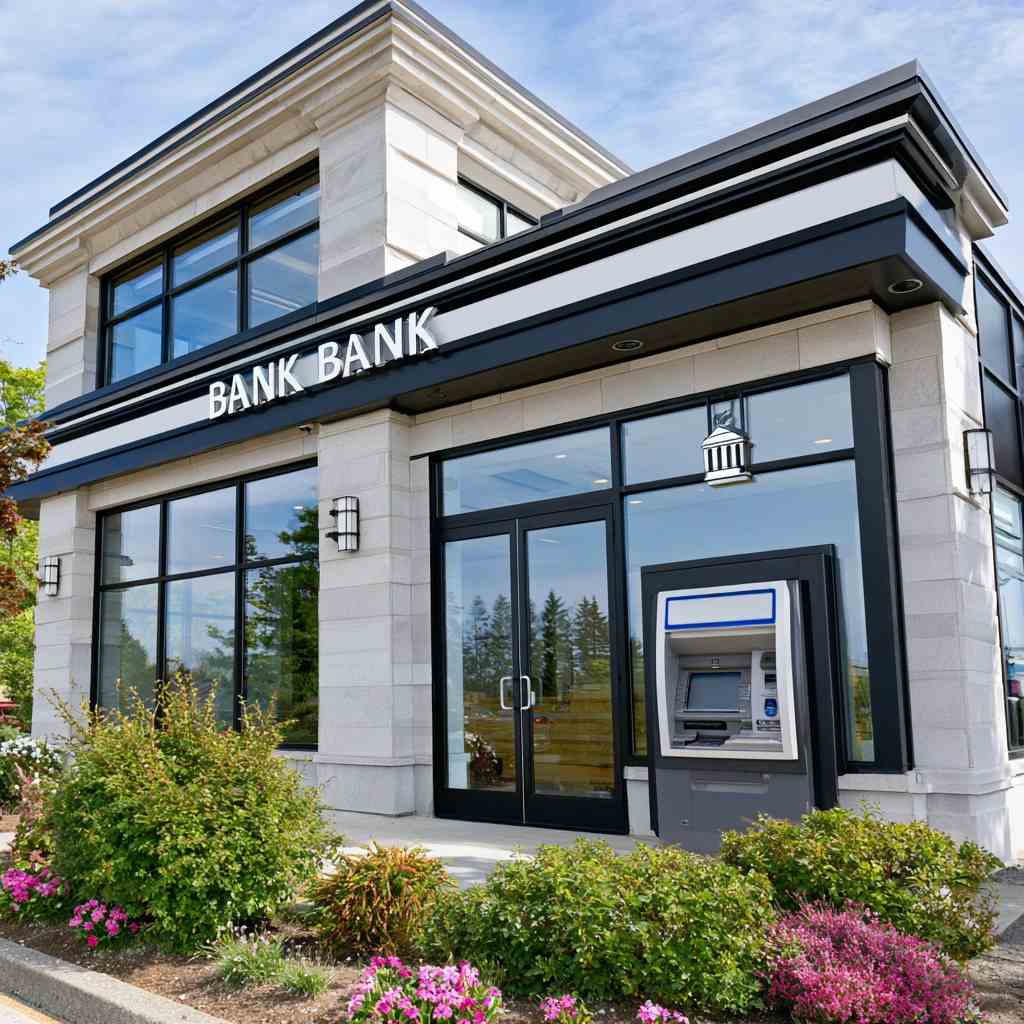
Not all glass is equal. Code-required tempered glass helps with basic occupant safety but shatters in seconds under blunt force, doing little to defend against determined forced entry or gunfire. Security glass reduces injury risks from sharp glass shards when broken, but its primary role is delaying or preventing penetration entirely.
Forced entry resistant glazing and framing systems are designed to withstand repeated blows from sledgehammers, pry bars, and common burglary tools long enough for offenders to abandon the attempt or for law enforcement to respond. Security glass can delay break ins by critical minutes. Laminated glass is designed to resist shattering due to impacts, while glass-clad polycarbonate combines scratch resistance with ballistic protection for higher-threat locations. The effectiveness of security glass relies on proper mounting in strong frames-the glazing material is only as strong as its anchorage and edge retention.
When should a bank upgrade to ballistic glass? Consider it where there is a documented history of gun threats, proximity to high-crime corridors, or insurer guidance requiring it. Ballistic glass can offer protection from UL 752 Levels 1 through 8, covering handgun rounds at Level 1 up to rifle threats at the highest levels. For forced entry, UL 972 and ASTM F1233 are the key standards the industry uses to verify performance.
Good security glazing should remain optically clear, maintain transparency and openness, and support CPTED principles like natural surveillance rather than turning vestibules into dark bunkers. Modern materials preserve 80–90% visible light transmission, so the welcoming aesthetic of retail banking stays intact.
Best Practices for Designing Secure ATM Vestibules
Effective atm vestibule security is layered. Glazing, lighting, access control, cameras, site design, and physical barriers all work together. Security practices should accompany physical security measures for optimal safety-no single element is sufficient on its own.
Locating the atm inside a controlled vestibule rather than on an exposed exterior wall improves control over sightlines, visibility, and entry, especially after lobby hours. For glazing strategy, replace or overlay all exterior vestibule windows, sidelites, and doors with forced entry resistant materials. In higher-risk markets, specify mixed systems where front-facing panels are ballistic resistant while side lites use high-strength forced entry protection. This approach is cost effective without sacrificing protection.
Well-lit vestibules should have at least 10 candlefoot power of consistent, bright illumination-comparable to a retail aisle. Proper lighting at ATMs should reach at least 10 candlefoot power to eliminate blind spots and enhance visibility for both customers and security personnel. Security glass increases visibility for ATM users and security personnel when paired with proper lighting and clear sightlines.
Controlled entry systems with security glass can prevent unauthorized access. Access control for ATM vestibules can reduce loitering and crime-use card or mobile-credential access outside lobby hours, integrated with the bank’s existing platform, and pair it with door hardware rated to work with the selected glass and frame system. Watch for weak credential setups; generic swipe cards defeat the purpose.
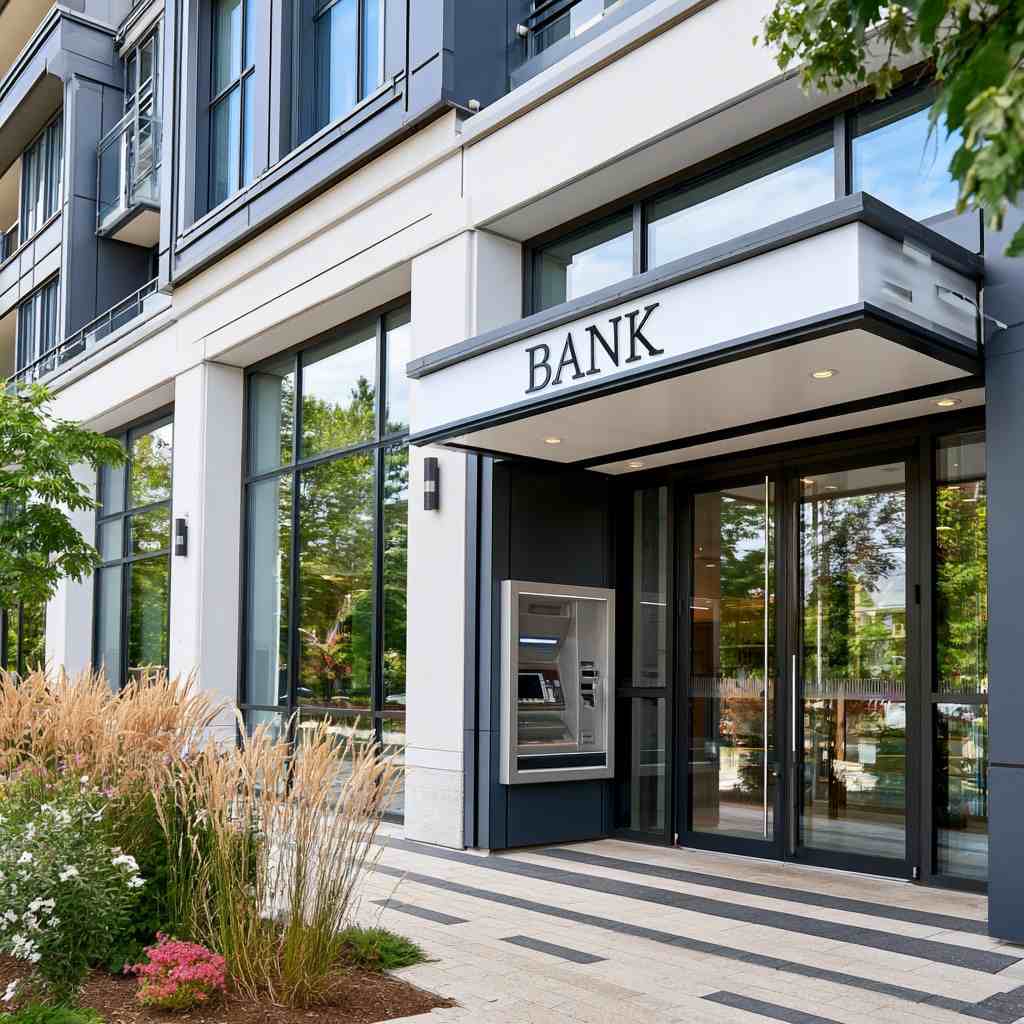
Bollards prevent ramming attacks on ATM vestibules. Install properly spaced steel bollards or planters to stop vehicle-ramming and hook-and-chain theft while maintaining ADA access and emergency egress. Apply CPTED principles: clear sightlines, trimmed landscaping, removal of hiding places around vestibule entrances, and signage that reinforces surveillance.
How Impact Security Retrofits ATM Vestibules With Security Glass
Impact Security is a U.S. manufacturer and installer of retrofit security glazing systems, founded in 2016 and headquartered in Marietta, Georgia. The company serves financial institutions nationwide through in-house crews and certified dealers, focusing on adding engineered glazing shields over existing glass and framing-minimizing downtime, permitting complexity, and disruption to vestibule atm operations.
The process begins with an assessment: site visit or plan review, threat and risk discussion with facilities or security leadership, evaluation of current glazing type, measurement of doors and sidelites, and identification of code constraints such as egress hardware and ADA clearances.
Key product families for atm vestibules include DefenseLite forced entry retrofit panels for windows and doors, BulletShield ballistic over-glazing for lobbies exposed to gun threats, and custom solutions for full vestibule enclosures adjacent to glass curtain walls. Panels are fabricated at regional centers in Marietta, GA and Glendale, AZ, using engineered aluminum framing and polycarbonate or glass-clad polycarbonate materials installed with minimal customer disruption-often during off-hours.
Impact Security coordinates with access control vendors, camera integrators, and branch remodel contractors so that vestibule doors, readers, and glazing function as a unified system. Banks receive as-built drawings, maintenance guidance, warranty documentation, and support responding to insurer or regulator questions about physical hardening.
In one representative project, a regional credit union upgraded 20-plus vestibules after repeated smash-and-grab attempts. The result: zero glass breakage incidents in the first 18 months after installation, dramatically reducing repair costs and building confidence among staff and visitors.
FAQs About ATM Vestibule Security Glass
What is the difference between safety glass and security glass in ATM vestibules?
Safety glass-typically tempered-meets code requirements by breaking into small, less dangerous pieces. It does not resist determined forced entry. Security glass for atm vestibules means laminated glass, polycarbonate, or composite systems engineered to resist repeated impacts, often tested to UL 972 or ASTM F1233 standards. Impact Security retrofit shields are installed over existing safety glass to convert it into a security glazing system without tearing out the storefront.
Do banks really need ballistic-resistant glass in ATM vestibules?
Not every branch requires ballistic protection. Many locations are adequately served by high-performance forced entry glazing that deters smash-and-grab attacks and robberies. Ballistic glass should be considered where there is a documented history of gun threats, proximity to high-crime corridors, or insurer guidance requiring it. Impact Security provides both non-ballistic and ballistic retrofit options for higher-threat locations so security leaders can calibrate protection to each location’s risk profile and budget.
How long does it take to retrofit an ATM vestibule with security glazing?
Many standard vestibule door and sidelite retrofits can be completed in one to two days per location once materials are fabricated. Larger glass walls take longer. Most of the project timeline is in assessment, engineering, and fabrication, coordinated to minimize on-site downtime. Impact Security frequently sequences work during off-hours or low-traffic windows to reduce impact on customers and branch staff.
Will security glazing make my ATM vestibule feel dark or unwelcoming?
Modern forced entry and ballistic glazing solutions are designed to remain optically clear, preserving natural light and visibility. Tinting or privacy interlayers are optional and used strategically. Most security retrofits maintain the open, transparent look that customers expect. Combining clear glazing with improved LED lighting and clean sightlines makes spaces feel safer and more comfortable, especially at night-protecting the customer experience rather than diminishing it.
Is security window film enough to protect an ATM vestibule?
Safety and security films can hold shards together and slow entry, but they are not equivalent to full forced entry or ballistic glazing systems against determined attacks. Films work as part of a layered solution, but institutions facing frequent smash-and-grab attempts or severe vandalism should explore dedicated retrofit shields. Treat film as a risk-reduction tool, not a universal answer for high-threat atm vestibules.
How much does ATM vestibule security glass cost?
Costs vary based on vestibule size, whether the project requires forced entry only or ballistic resistance, and whether the work is part of a larger branch remodel or stand-alone upgrade. Retrofit systems from Impact Security typically cost significantly less than full storefront replacement and can be phased across multiple branches to suit capital budgets. Talk to Impact Security for a site-specific estimate-they provide no-obligation assessments and budgetary pricing for banks and credit unions across the United States.
Why Choose Impact Security for ATM Vestibule Security Glass
Choosing the right security glazing partner matters as much as choosing the right glass. Engineering, installation quality, and ongoing support all affect how solutions perform during a real incident.
Impact Security brings specialization across high-risk sectors-retail banking, schools, healthcare, government, and critical infrastructure-equipped with depth of experience that generic glass contractors cannot reflect. Their turnkey model covers in-house design, engineering, fabrication, professional installation through vetted dealers, and full documentation including testing data and warranty terms.
Their retrofit expertise means strengthening existing atm vestibules with storefront-style security retrofits rather than investing in costly tear-outs, allowing institutions to roll out upgrades across large branch portfolios efficiently. Impact Security coordinates with architects and security integrators early in design, ensuring vestibule glazing, access control, cameras, and branch aesthetics all work together. With national reach, they support multi-state banking sector clients and local community banks alike-maintaining consistency and durability across every location.
Next Steps: Schedule an ATM Vestibule Security Assessment
ATM vestibules are both a convenience and a liability. Upgrading to security-grade glazing is one of the most effective ways to reduce forced entry, vandalism, and personal safety risks at any branch in the world of modern banking.
If you manage facilities, lead security, or design buildings for banks or credit unions, start with a focused vestibule review: evaluate current glass type, door hardware, lighting, camera coverage, and any recent incidents at that site. Then contact Impact Security for a free, no-obligation assessment and estimate-whether for a single high-risk branch or a multi-location program across your network. Visit the Impact Security website to get started. Early engagement during site selection, design, or remodel planning avoids costly change orders and helps you enhance protection before the next incident, not after.