- Bullet Proof Window Tint Protection for Glass
- Understanding Ballistic Window Protection
- Benefits of Bullet Resistant Windows
- Types of Ballistic Window Protection Solutions
- Bullet Proof Glass Applications
- Active Shooter Prevention
- Installation Process and Standards Compliance
- Maintenance and Inspection
- Common Challenges and Solutions
- Conclusion and Next Steps
- Frequently Asked Questions
Bullet Proof Window Tint Protection for Glass
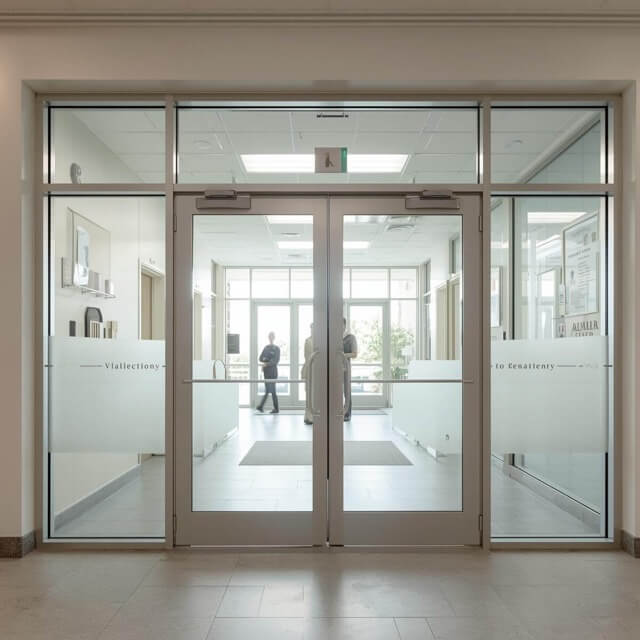
If you’re searching for bullet proof window tint, you need to know the truth immediately: no window film or tint product can stop bullets. This is a critical misconception that could leave your building, school, or facility dangerously unprotected. True ballistic protection requires purpose-built glazing systems—not films applied to existing glass.
The term ‘ballistic glass’ refers to specialized security glazing engineered to withstand ballistic threats such as gunfire. Ballistic glass is distinct from window film, as it is designed and tested to stop bullets, while window film is not.
This guide covers what you actually need to know about glass protection: true ballistic glazing options rated to stop bullets, security window film alternatives that serve different purposes, and realistic cost considerations for each approach. Security window films are sometimes referred to as ballistic window films, but they are not ballistically rated unless installed on ballistically rated glass. Bulletproof glass (ballistic glass) is engineered security glazing designed to stop ballistic threats, while security window film is not. We’ll examine the differences between security film products and genuine bullet-resistant glass, explore installation processes, and break down compliance standards like UL 752.
This content is designed for building owners evaluating protective glazing, school administrators seeking to prevent active shooter situations, and security professionals responsible for specifying total security solutions. Whether you’re protecting government buildings, commercial properties, or educational facilities, understanding what works—and what doesn’t—could be the difference between effective protection and false security.
Direct answer: Traditional window tint and security film cannot stop bullets. There is no such thing as bulletproof film for glass; it’s impossible for any type of glazing material that’s only a few millimeters thick to stop bullets of any caliber. Security window film is not ballistically rated unless installed on ballistically rated glass, and it does not stop bullets when installed on regular glass. To achieve actual ballistic protection, you need UL 752-rated bullet-resistant glazing systems—laminated glass, glass-clad polycarbonate, or polycarbonate overlay panels that have been independently tested against specific ammunition types. Again, there is no such thing as bulletproof film for glass.
What you’ll learn from this guide:
- Why “bulletproof window tint” doesn’t exist and what actually provides ballistic resistance
- The real capabilities and limitations of security window film
- Types of bullet-resistant glass systems and their protection levels
- Cost ranges from $25 to $300+ per square foot based on threat level
- Installation considerations and UL 752 compliance standards
Understanding Ballistic Window Protection
The term “bulletproof window tint” fundamentally misrepresents how ballistic protection works. No film applied to existing window glass can stop bullets—period. This isn’t a matter of using better film or applying it more carefully; the physics simply don’t work. True ballistic protection requires thick, multi-layered materials specifically engineered to absorb and dissipate the kinetic energy of projectiles.
The industry prefers “bullet-resistant” over “bulletproof” because no glazing system is invulnerable to all possible weapons. Every ballistically rated glass product is tested and rated against specific ammunition types at specific velocities. Understanding this distinction is essential before investing in any protection system.
Security Window Film vs Ballistic Glazing
Security window film is a polyester-based product applied to existing glass to strengthen it against impact. These films typically range from 4 mil to 20 mil thickness and use strong adhesives to bond with the glass surface. When properly installed, security film can hold glass together after impact, reducing flying shards and delaying entry by intruders.
What security film can do:
- Hold broken glass together, reducing injury from fragments
- Delay forced entry attempts by making break-ins more difficult
- Provide protection against extreme weather and debris
- Add a layer of protection against smash-and-grab theft
What security film cannot do:
- Stop bullets of any caliber
- Provide ballistic resistance against firearms
- Meet UL 752 ballistic testing standards
- Protect against active shooter situations
The marketing term “ballistic window film” or “bullet-resistant window film” is misleading. As of 2026, no security film product has achieved a UL 752 ballistic rating. Films may be commonly referred to as “ballistic film” in sales materials, but this claim cannot be verified through independent testing. When evaluating security products, due diligence requires asking for actual UL 752 certification—not just marketing claims.
True Ballistic Protection Systems
Genuine ballistic protection comes from UL 752-rated bullet-resistant glazing systems. These products undergo rigorous independent testing where they must stop specific ammunition types without allowing penetration or dangerous spalling (fragments breaking off the protected side).
True ballistic glazing systems include:
Laminated glass systems consist of multiple layers of glass bonded with interlayers of polyvinyl butyral (PVB) or ionoplast polymers. When a bullet strikes, the outer glass layers shatter while the interlayers absorb energy and prevent penetration. Higher protection levels require thicker systems—from approximately 0.75 inches for Level 1 handgun protection up to 2+ inches for rifle-rated systems.
Glass-clad polycarbonate combines a glass face (for scratch resistance and optical clarity) with a polycarbonate backing (for impact resistance and spall control). This hybrid approach offers excellent protection with somewhat reduced weight compared to all-glass systems.
Polycarbonate overlay systems like BulletShield allow retrofit installation over existing windows. These clear shield panels attach to the interior of the existing glazing frame, adding ballistic resistance without complete window replacement.
The key difference from security film is material thickness and construction. While film adds millimeters to existing glass, ballistic glazing adds inches of engineered protective material designed specifically to stop bullets.
Benefits of Bullet Resistant Windows
Bullet-resistant windows deliver a powerful combination of security and peace of mind for any building facing the risk of forced entry or ballistic attacks. By incorporating advanced materials and engineering, these windows are specifically designed to withstand ballistic threats, making it significantly harder for intruders to gain entry. This enhanced protection is especially valuable for schools, government buildings, and other institutions where occupant safety is a top priority.
One of the key advantages of bullet-resistant windows is their ability to hold broken glass in place, reducing the risk of injury from flying shards during an attack or attempted break-in. This not only protects people inside the building but also helps minimize property damage and liability. For many organizations, bullet-resistant windows represent a cost-effective solution—offering long-term security benefits that can outweigh the initial investment, especially when compared to the potential costs of property loss or harm to occupants.
In addition to deterring intruders, bullet-resistant windows can delay forced entry, providing valuable time for emergency response and increasing the overall safety of the building. Their effectiveness in protecting against both ballistic threats and common security risks makes them an essential component of a comprehensive security strategy for schools, government facilities, and any property where security and protection are paramount.
Types of Ballistic Window Protection Solutions
Choosing between ballistic protection options requires balancing security requirements, budget constraints, and installation feasibility. Each approach offers distinct advantages depending on your building’s needs and existing infrastructure.
Retrofit Ballistic Panels
Retrofit ballistic panels offer a cost-effective solution for adding bullet resistance to existing windows without complete replacement. These polycarbonate overlay systems attach to the interior side of your existing glass, creating a secondary barrier capable of stopping projectiles.
Products like BulletShield and similar systems can achieve UL 752 Level 1-3 ratings, providing protection against common handgun calibers. Installation involves securing the panel to the existing glazing frame using specialized mounting systems, clips, or structural adhesive. The exterior appearance of your window remains unchanged, making this approach suitable for buildings with architectural restrictions.
Key considerations for retrofit panels include:
- Weight: polycarbonate adds significant mass, requiring structural verification
- Optical clarity: Some systems may introduce slight distortion
- Maintenance: interior cleaning access may be affected
- Cost: typically $60-140 per square foot installed correctly
Replacement Bullet-Resistant Glass
For new construction or when retrofitting isn’t viable, replacement bullet-resistant glass provides the highest level of protection with optimal optical clarity. Complete window system replacement allows proper integration of ballistic glazing with frames engineered to support the additional weight.
Laminated glass systems dominate this category, with glass-clad polycarbonate hybrids used where weight is a critical concern. Higher UL 752 levels (4-8) typically require full replacement because the material thickness—often 1.5 to 2+ inches—cannot be accommodated by retrofit approaches.
Replacement systems offer advantages in optical clarity, proper weather sealing, and long-term durability. However, costs increase substantially: expect $90-150 per square foot for moderate protection levels, rising to $180-500+ per square foot for rifle-rated systems with premium optical qualities.
Security Film Applications
While security film cannot provide ballistic resistance, it remains a valuable component of total security solutions for appropriate applications. When true ballistic threats aren’t the primary concern, security film offers an effective solution for other security challenges.
Appropriate applications for security film include:
- Delaying forced entry at non-critical openings
- Protecting against broken glass injuries during storms or accidents
- Reducing smash-and-grab theft risk at retail locations
- Adding fragment retention for blast mitigation
Many schools and commercial properties use a tiered approach: installing ballistic glazing at main entrances and critical areas while using security film elsewhere to hold glass together and delay entry. This strategy extends protection across more openings within budget constraints.
Bullet Proof Glass Applications
Bulletproof glass is a versatile security solution used in a wide range of applications where protection against ballistic threats and forced entry is essential. In high-security environments such as government buildings, banks, and embassies, bulletproof glass is commonly installed in doors, windows, and other glazing systems to safeguard occupants and sensitive areas from ballistic attacks.
Schools and hospitals are increasingly turning to bulletproof glass to enhance security and provide a safer environment for students, staff, and patients. In residential settings, bulletproof glass is often used in safe rooms and panic rooms, offering families a secure retreat in the event of a security breach. The adaptability of bulletproof glass means it can be integrated into both new construction and retrofit projects, making it suitable for a variety of building types.
For maximum protection, bulletproof glass can be combined with other security measures such as security window film and ballistic panels. This layered approach helps delay forced entry, reinforces vulnerable points like doors and windows, and provides comprehensive protection against both ballistic and non-ballistic threats. Whether used in schools, commercial properties, or private residences, bulletproof glass is a proven solution for enhancing security and safeguarding people and property.
Active Shooter Prevention
Preventing active shooter situations is a critical priority for schools, government buildings, and other institutions responsible for the safety of large groups of people. One of the most effective ways to enhance protection is by installing bullet-resistant windows and doors, which can significantly delay or even prevent an attacker from gaining entry. This delay is crucial, as it provides valuable time for law enforcement and emergency responders to arrive on the scene.
In addition to bullet resistant glazing, the use of security window film and ballistic panels can further strengthen vulnerable areas, making it more difficult for an active shooter to breach windows or doors. These security products are increasingly common in schools and public buildings, where the goal is to prevent active shooter situations from escalating and to protect occupants from ballistic threats.
A comprehensive approach to active shooter prevention also includes regular security assessments, emergency response planning, and ongoing training for staff and administrators. By combining physical security measures like bullet-resistant windows and security window film with proactive planning, institutions can create a safer environment and reduce the risk of tragedy during active shooter situations.
Installation Process and Standards Compliance
Selecting the right ballistic protection solution requires understanding both the standardized threat levels and the practical realities of installation costs. UL 752 provides the framework for comparing products, while cost analysis helps match protection levels to available budgets.
UL 752 Ballistic Testing Standards
UL 752 is the primary standard for bullet-resistant materials in the United States. Products achieving these ratings have been independently tested against specific ammunition, number of shots, and projectile velocities. Understanding these levels helps you specify appropriate protection for your threat assessment.
Handgun Protection (Levels 1-3):
- Level 1: 9mm FMJ (124 grain) at approximately 1,175-1,293 fps, 3 shots
- Level 2: .357 Magnum JSP at approximately 1,250-1,375 fps, 3 shots
- Level 3: .44 Magnum semi-wadcutter at approximately 1,350-1,485 fps, 3 shots
Rifle Protection (Levels 4-8):
- Level 4: .30-06 soft point at approximately 2,540-2,794 fps, 1 shot
- Level 5: 7.62×51mm military ball at approximately 2,750-3,025 fps, 1 shot
- Level 6: 9mm high-velocity at approximately 1,400-1,540 fps, 5 shots
- Level 7: 5.56mm FMJ (.223) at approximately 3,080-3,383 fps, 5 shots
- Level 8: 7.62mm military FMJ at approximately 2,750-3,025 fps, 5 shots
Levels 9-10 address armor-piercing rounds and specialized threats. Most commercial and educational applications focus on Levels 1-4, with Levels 3-4 being increasingly common for school entrances where protection against both handguns and initial rifle threats is desired.
Cost Comparison Analysis
Understanding the cost differential between security film and true ballistic protection helps set realistic expectations for project budgets.
| Factor | Security Window Film | Ballistic Glazing (UL 1-3) | Ballistic Glazing (UL 4-8) |
|---|---|---|---|
| Material Cost/sq ft | $8-20 | $25-100 | $100-300+ |
| Installed Cost/sq ft | $15-35 | $60-140 | $150-500+ |
| Protection Level | None (ballistic) | Handgun resistance | Rifle resistance |
| Installation Complexity | Low | Moderate | High |
| Frame Modification | Rarely needed | Often needed | Usually required |
| Suitable Applications | Delay entry, fragment retention | Banks, storefronts, school entries | High-threat facilities, government buildings |
For complete projects, costs escalate quickly. A single entry door glass replacement with UL Level 3 protection might cost $3,000-8,000, including frame modifications. Full storefront systems protecting multiple windows can reach $10,000-50,000+. School vestibule hardening projects typically range from $15,000-75,000 depending on the number of openings and required protection level.
Security film offers a cost-effective alternative when ballistic threats aren’t the primary concern—but there’s no such thing as an inexpensive solution that actually stops bullets.
Maintenance and Inspection
To ensure that bullet resistant windows, doors, and related security products continue to provide reliable protection against ballistic threats, regular maintenance and inspection are essential. Building owners and administrators should establish a routine schedule to inspect all security glazing, including security window film and ballistic panels, for signs of wear, damage, or tampering.
Proper maintenance includes checking that windows and doors are securely installed, that locking mechanisms are functioning correctly, and that any applied window film remains intact and properly adhered to the glass. Following the manufacturer’s recommendations for care and inspection is critical to maintaining the effectiveness of these security measures.
By taking a proactive approach to maintenance and inspection, building owners can ensure that their investment in bullet resistant and security glazing continues to deliver optimal protection. Regular checks help identify potential issues before they compromise safety, ensuring that windows, doors, and security film remain a strong line of defense for the building and its occupants.
Common Challenges and Solutions
Implementing ballistic protection involves navigating common obstacles that can derail projects or lead to inadequate security measures. Addressing these challenges proactively ensures your investment delivers actual protection.
Misconceptions About Bulletproof Film
The most dangerous challenge is the persistent belief that window film can provide ballistic protection. This misconception is fueled by misleading marketing and the widespread use of terms like “bulletproof window film” and “ballistic film” for products that cannot stop bullets.
The solution: Require UL 752 certification documentation for any product claimed to offer ballistic resistance. If a vendor cannot provide third-party testing results showing their product stopped actual bullets under controlled conditions, the product is not ballistically rated. Security film can protect against many threats, but in most cases involving firearms, it will not prevent penetration.
Budget Constraints for True Ballistic Protection
Genuine ballistic glazing costs significantly more than security film—often 5-10 times more per square foot. For facilities with many windows, full ballistic protection may seem financially impossible.
Practical solutions include:
- Prioritized installation: Focus UL 752-rated glazing on main entries, vestibules, and high-visibility areas where active shooter situations most commonly begin
- Tiered protection: Use true ballistic glazing at critical points while installing security film elsewhere to delay entry and reduce glass fragment injuries
- Phased implementation: Budget for ballistic upgrades over multiple fiscal years, starting with the highest-priority openings
- Grant funding: Many schools and government buildings can access security-specific grants for ballistic glazing projects
Realistic budgeting for true ballistic protection means planning for $2,000-30,000+ per opening, depending on size and protection level. There’s no guarantee that cheaper alternatives will perform against ballistic attacks.
Building Code and Aesthetic Concerns
Historic buildings, architecturally significant structures, and properties with exterior appearance restrictions present unique challenges. Thick ballistic glazing may alter window proportions, and full replacement may violate preservation requirements.
Solutions for restricted buildings:
- Interior backglazing: Install polycarbonate or ballistic panels on the interior side of existing windows, preserving the exterior appearance completely
- Custom fabrication: Work with specialized manufacturers to match frame profiles, glass tints, and architectural details
- Selective protection: Apply ballistic glazing only to interior-facing surfaces or areas not visible from protected sight lines
Modern glass-clad polycarbonate systems offer improved optical clarity compared to older ballistic materials, reducing the aesthetic impact of protection upgrades. Working with architects experienced in security glazing helps balance protection requirements with design constraints.
Conclusion and Next Steps
The search for bulletproof window tint leads to an important realization: no film or tint can stop bullets, but genuine ballistic protection is available through UL 752-rated glazing systems. Security window film serves valuable purposes—delaying forced entry, protecting against broken glass injuries, and reducing property damage—but it cannot protect against ballistic threats.
Immediate actionable steps:
- Conduct a threat assessment: Identify which openings face the highest risk and determine appropriate protection levels based on realistic threat scenarios
- Establish your budget: Plan for $60-500+ per square foot installed for true ballistic protection, with total project costs often reaching $10,000-75,000+ for commercial or educational facilities
- Request UL 752 documentation: When evaluating any product claiming ballistic resistance, require certified test results from the manufacturer
- Consult specialized contractors: Seek installers with specific experience in ballistic glazing, not general window or film contractors
- Consider phased implementation: If budget constraints prevent full protection, prioritize critical entries and high-risk areas
For facilities where forced entry and glass fragment hazards are primary concerns (rather than firearms), quality security film installed correctly remains a cost-effective solution. Many organizations benefit from combining both approaches—ballistic glazing at critical points with security film providing additional layers of protection throughout the building.
Related topics worth exploring include forced entry protection systems, blast-resistant glazing for facilities near potential explosion hazards, and integrated security solutions combining ballistic glazing with access control and monitoring systems.
Frequently Asked Questions
Can window tint make glass bulletproof?
No. No window film, tint, or coating can make glass bulletproof or bullet resistant. Traditional window tint is designed for privacy, UV reduction, and solar control—not ballistic protection. Even heavy-duty security films marketed with terms like “ballistic film” cannot stop bullets. These products may help hold broken glass together and delay forced entry, but they will not prevent bullet penetration. True ballistic protection requires purpose-built glazing systems with multiple layers of glass, polycarbonate, or hybrid materials that have been independently tested and rated under UL 752 standards.
What is the difference between security film and bulletproof glass?
Security film is a thin polyester layer (typically 4-20 mil thick) applied to existing window glass to strengthen it against impact. It can hold glass shards together after breaking, delay intruders attempting to gain entry, and reduce injury from flying fragments. However, security film adds only millimeters of protection.
Bulletproof glass (properly called bullet resistant glass) consists of multiple laminated layers totaling 0.75 to 2+ inches thick, specifically engineered to absorb bullet energy and prevent penetration. These systems are independently tested against actual ammunition and rated under UL 752 standards. The fundamental difference: security film makes glass harder to break through while bullet resistant glass actually stops projectiles.
How much does real bulletproof window protection cost?
Costs vary significantly based on protection level, material type, and installation complexity:
- UL Level 1-3 (handgun protection): $25-100 per square foot for materials; $60-140 per square foot installed
- UL Level 4-8 (rifle protection): $100-300+ per square foot for materials; $150-500+ per square foot installed
- Complete door or window systems: $2,000-8,000 per opening for handgun protection; $5,000-30,000+ for rifle-rated systems
- Full project costs: $10,000-75,000+ for commercial storefronts or school vestibule hardening
Factors affecting cost include frame modifications, structural reinforcement requirements, optical clarity requirements, and regional labor rates. Security film costs far less ($8-35 per square foot installed) but provides no ballistic protection.
What UL 752 level do schools typically use?
Most schools implementing ballistic glazing specify UL Level 3 or Level 4 for main entry points and vestibules. Level 3 protects against .44 Magnum handguns, while Level 4 adds protection against a single .30-06 rifle round—addressing the most common weapons involved in school shooting incidents.
Many schools use a tiered approach: Level 3-4 ballistic glazing at primary entrances and front office areas, with security film on other windows to delay entry and reduce glass fragment injuries. This balances protection with budget constraints, focusing on ballistic resistance where active shooter situations most commonly begin while providing some protection throughout the building.
Can bulletproof glass be installed over existing windows?
Yes, through retrofit systems like polycarbonate overlays and interior backglazing. These clear shield products attach to the interior side of the existing glazing frame, adding ballistic protection without removing or replacing the original window. Retrofit approaches can achieve UL Level 1-3 protection in many configurations.
However, there are limitations. Existing frames must be structurally capable of supporting the additional weight (polycarbonate panels are heavy). Optical clarity may be slightly reduced. Weather sealing, cleaning access, and aesthetics require careful planning. For higher protection levels (UL 4-8), the material thickness typically exceeds what retrofit approaches can accommodate, requiring full window system replacement with reinforced frames.
Is security window film worth installing if it’s not bulletproof?
Absolutely—for the right applications. Security film provides genuine value when ballistic threats aren’t the primary concern:
- Forced entry delay: Quality security film significantly increases the time and effort required for intruders to break through windows, providing crucial response time
- Weather protection: Film helps prevent window failure during extreme weather events and holds broken glass in place after impact
- Injury reduction: By keeping shattered glass together, film reduces cuts and serious injuries from flying fragments during accidents, storms, or attacks
- Theft deterrence: The difficulty of quickly breaking through filmed glass discourages smash-and-grab crimes
At $15-35 per square foot installed, security film offers a cost-effective solution for many security challenges. It’s increasingly common in schools, retail locations, and commercial buildings where comprehensive window protection would be prohibitively expensive. Just ensure you maintain realistic expectations: film protects against many threats, but it cannot and will not stop bullets.