- What Is Ballistic Film for Schools?
- Understanding Ballistic Film for School Applications
- Standards and Testing for School Security Film
- Implementation and Installation in Schools
- Common Challenges and Solutions
- Conclusion and Next Steps
- Frequently Asked Questions
What Is Ballistic Film for Schools?
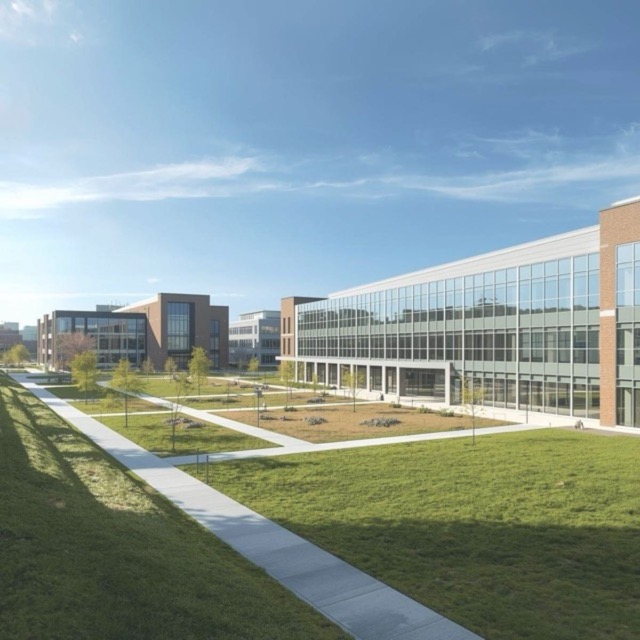
Ballistic film for schools refers to heavy-duty security window film systems designed to reinforce existing glass against forced entry attempts, contain shattered glass fragments, and delay unauthorized entry during active shooter situations or break-ins. These protective glazing solutions have become a critical layer in comprehensive school security strategies, offering educational facilities measurable protection without complete window replacement.
This guide covers the technical capabilities and limitations of security window film in school settings, relevant testing standards, implementation requirements, cost analysis, and funding opportunities. It excludes purely decorative films, military-grade ballistic plating beyond school applications, and security measures unrelated to window and door glass protection.
School administrators, security professionals, facility managers, and decision makers responsible for campus safety will find this content directly applicable to their planning needs. Understanding what ballistic window film can and cannot accomplish helps avoid costly mistakes and ensures security investments deliver real protection.
Direct answer: Ballistic film and secure glazing systems provide schools with increased resistance to forced entry, delay of intrusion following gunfire or physical attacks, containment of broken glass fragments, and enhanced time for lockdown implementation and law enforcement response. While most film-only applications are not truly bulletproof, properly rated systems paired with appropriate glazing offer significant security enhancement.
Key outcomes from this guide:
- Clear understanding of what security film can and cannot accomplish in school environments
- Knowledge of necessary standards and how to verify vendor claims
- Practical insight into installation requirements and frame anchoring considerations
- Benchmark cost analysis and budget planning framework
- Identification of grant funding sources and implementation strategies
Understanding Ballistic Film for School Applications
Before investing in window protection, schools must understand precisely what these systems deliver. The terminology surrounding security window film can be confusing, with terms like “bulletproof” and “ballistic resistant” often used interchangeably despite significant technical differences.
What Ballistic Film Is (and Isn’t)
Security window film typically consists of adhesive-laminated polyester or PET films that add fragment retention capabilities to existing windows. These films hold broken glass together when windows are compromised, preventing flying shards from injuring building occupants and slowing attempts to gain entry.
True ballistic glass—commonly referred to as bullet resistant glass or bulletproof glass—involves laminated glass or glass-clad polycarbonate systems specifically designed and tested to stop certain types of bullets. These systems require certification under standards like UL 752 for genuine bullet resistance.
What security film actually provides:
- Fragment containment that holds glass in place after impact
- Delay forced entry by requiring a sustained physical attack to breach compromised windows
- Protection against blunt and sharp tool attacks
- Enhanced time for lockdown procedures and emergency response
What standard films cannot do:
- Stop bullets without ballistically rated glass substrates
- Provide protection independent of frame strength and anchorage
- Replace comprehensive school safety planning and access control
Many schools need forced entry resistance rather than true bullet resistance. An effective solution for most educational facilities combines quality security film with proper frame anchoring, creating meaningful delay without the cost of complete ballistic glazing replacement.
How Ballistic Film Works in School Settings
Security film bonds to the interior surface of existing glass using specialized adhesive. When glass breaks from impact or ballistic attacks, the film holds shattered glass together rather than allowing fragments to scatter. This mechanism serves two purposes: protecting building occupants from glass injuries and maintaining a barrier that requires sustained effort to breach.
Frame anchoring represents the often-overlooked critical component. Even high-rated glazing fails without strong perimeter frames and proper anchorage to the building structure. Many retrofit systems include structural caulk applications, bead retention systems, and reinforced hardware to ensure the entire window assembly performs as tested.
During an active shooter situation, the protection mechanism works as follows: initial impacts may crack or compromise the glass, but the film prevents immediate breach. Potential intruders must then spend critical time physically attacking the weakened but intact barrier, providing precious minutes for lockdown completion and law enforcement arrival.
This protection integrates with broader security measures rather than replacing them. Schools must maintain proper access control, conduct regular drills, and ensure staff understand which windows and doors offer enhanced protection. Security film becomes one layer within a multi-layered approach to school security.
Standards and Testing for School Security Film
Verified performance through standardized testing separates legitimate security products from marketing claims. Schools must understand which standards matter and how to confirm vendors have independently tested their products under relevant protocols.
ASTM F3561-22 Standard for Forced Entry Resistance
The ASTM F3561-22 standard, published in 2022, specifically addresses forced entry resistance of fenestration systems after simulated active shooter attack. This testing protocol evaluates a glazing system’s ability to resist weakening from gunfire followed by mechanical assault attempting entry.
The test employs an 8-level rating scale:
- Levels 1-3: Basic forced entry resistance
- Levels 4-6: Moderate forced entry resistance with extended breach times
- Levels 7-8: Maximum forced entry resistance for high-security applications
A product passes only if, after ballistic weakening and forced entry attempts, no opening allows a test shape to pass through with 4 pounds or less of force. This practical measure ensures real-world breach prevention rather than theoretical ratings.
For example, products like the SchoolSafe Standard achieve ASTM F3561 Level 8 forced entry resistance, while premium versions add UL 752 Level 1 bullet resistant capability. Schools should request specific test reports showing the exact rating achieved, not just claims of “compliance.”
Industry Certifications and Testing Requirements
Multiple standards govern different aspects of security glazing performance:
UL 752 (Bullet Resistance): Defines levels 1-10 based on ammunition type and impact resistance. For school windows, Levels 1-3 address common handgun threats (.9mm, .357, .44 caliber). True bullet resistant glazing requires this certification.
UL 972 (Burglary Resistance): Addresses physical intrusion resistance against tools commonly used in break ins. This standard covers forced entry scenarios without ballistic components.
ANSI Z97.1 and CPSC 16 CFR 1201: Safety glazing standards addressing accidental human impact. While not security-focused, these remain mandatory in many school locations and must be maintained when upgrading to security film.
Verification is essential. Vendor claims require backing through third-party lab reports from recognized testing facilities like Intertek or HP White. Testing must cover the complete system—glass plus film plus frame plus seal—since ratings for components alone may not translate to installed performance.
Building Code Compliance for Schools
International Building Code Chapter 24 governs glass and glazing requirements, with Section 2406 specifically addressing safety glazing. Schools must maintain compliance with safety glazing requirements in hazardous locations—areas adjacent to doors, large panes, and panels with low bottom heights.
Fire-rated glazing adds complexity. When existing windows have fire ratings, replacement or retrofit glazing must maintain equivalent fire performance while adding security features. Combining fire performance, safety impact ratings, and security or ballistic performance significantly limits product options.
State and local variations matter. Many jurisdictions adopt IBC with amendments, and some now require security glazing in specified zones like entrance vestibules and administrative offices. Older schools may have glazing predating modern code requirements, creating both compliance obligations and upgrade opportunities.
Implementation and Installation in Schools
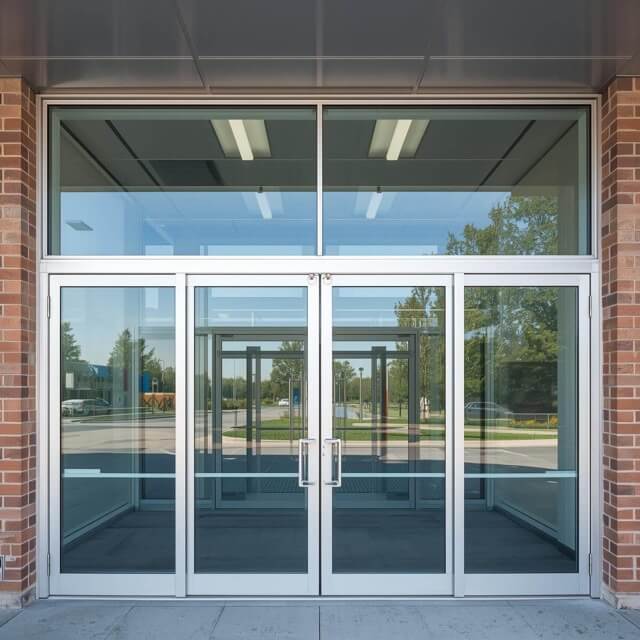
Moving from standards to practical implementation requires understanding installation processes, realistic cost expectations, and available funding mechanisms.
Professional Installation Process and Requirements
Professional installation is mandatory for security-rated applications. DIY installation or work by uncertified contractors typically voids product ratings and may create liability issues. Manufacturer certification for installers ensures proper techniques are followed.
Standard installation process:
- Assessment: Measure glass dimensions, evaluate frame condition, determine substrate type (annealed, tempered, or laminated glass)
- Surface preparation: Remove existing glazing beads or stops, thoroughly clean glass surfaces
- Film application: Apply security film or install retrofit panels with proper adhesive coverage
- Edge sealing: Apply structural caulk and retention systems, bond film to existing glazing frame
- Frame reinforcement: Upgrade hardware, reinforce frame anchoring where needed
- Documentation: Label installations for code compliance, provide performance certificates
Post-installation inspections verify proper adhesion without gaps, bubbles, or distortion. Periodic inspections after installation ensure continued performance over time.
Timeline considerations favor summer installations or extended breaks. Phased approaches allow portions of schools to remain operational while work progresses in completed sections.
Cost Analysis and Budget Planning
Security glazing costs vary significantly based on protection level, existing window conditions, and installation complexity.
| Protection Type | Cost Per Sq Ft | Protection Level | Installation Complexity |
|---|---|---|---|
| Basic security film | $12-$25 | Fragment retention, minor forced entry delay | Low – moderate |
| Enhanced security film | $25-$40 | Strong forced entry delay, ASTM F3561 compliance | Moderate |
| Hybrid systems (film + enhanced glazing) | $40-$70 | Forced entry + limited ballistic resistance | Moderate – high |
| Full ballistic glazing | $70-$100+ | UL 752 rated bullet resistance | High |
Budget planning should map priority areas first. Main entrances, administrative offices, reception areas, and door glass in high-traffic corridors represent highest-value investments. Secondary windows in classrooms may warrant less expensive forced entry film where ballistic threats are assessed as lower risk.
Product specifications affect costs significantly. A 3/8” thick system weighing approximately 4.5 pounds per square foot costs less than a 9/16” system at 5.15 pounds per square foot, with corresponding differences in protection levels.
Grant Programs and Funding Opportunities
Multiple funding sources support school security improvements:
Federal Programs:
- School Safety Grants through SchoolSafety.gov offer numerous options for physical security upgrades
- School Violence Prevention Program (SVPP) under the DOJ COPS office funds physical security and prevention measures
- Department of Education safety-focused grants may cover glazing improvements
State Programs:
- Many states offer dedicated school security grants. Virginia’s FY 2024 program distributed $18.5 million for equipment and building security upgrades
- State education departments often administer security improvement funds
Other Sources:
- Private foundations focused on school safety initiatives
- Congressional community project funding through local representatives
- Insurance carrier incentives for security improvements
Grant restrictions require attention. Some federal funds have expired deadlines, and eligibility requirements vary by program. Schools should verify current program availability and compliance requirements before planning around specific funding sources.
Common Challenges and Solutions
Schools implementing security film projects encounter predictable obstacles. Planning for these challenges improves project outcomes.
Budget Constraints and Cost Concerns
Many school districts face severe budget limitations that prevent comprehensive upgrades. Phased implementation addresses this reality by focusing initial investment on highest-risk zones—main entrances, administrative areas, glass doors at primary access points—while planning subsequent phases for secondary locations.
Bulk purchasing across multiple schools or district-wide contracts improves pricing. Combining security upgrades with scheduled maintenance or renovation cycles spreads costs across existing budgets.
Less expensive forced entry film on secondary windows provides cost effective protection where full ballistic ratings aren’t justified by threat assessment.
Aesthetic and Visual Impact Issues
Clear or low-iron laminated glass and films maintain visibility and natural daylight. Premium products achieve 80-90% visible light transmission while providing security benefits.
Community perception concerns about schools appearing “fortress-like” deserve attention. Transparent protective glazing that matches existing architectural style addresses these concerns. Discreet framing and minimal visual change help maintain welcoming school environments while adding protection.
Balance sun control benefits against security needs—some films provide both UV protection and security enhancement without darkening interiors.
Maintenance and Long-term Durability
Proper cleaning protocols preserve film integrity. Non-abrasive cleaners without ammonia prevent damage to interlayers and coatings. Staff training on approved cleaning methods prevents accidental damage.
Regular inspection identifies peeling, bubbling, delamination, or edge deterioration before failure occurs. Many manufacturers offer 5-10 year warranties covering coating integrity and optical clarity.
Replacement planning should anticipate 10-15 year cycles depending on environmental exposure and maintenance quality. Budget projections should include eventual replacement costs alongside initial installation.
Conclusion and Next Steps
Ballistic film and secure glazing represent powerful tools within school safety strategies—but they require proper selection, installation, and integration with broader security measures. Understanding the distinction between forced entry delay and true bullet resistance prevents costly misalignment between purchased protection and actual threats.
Immediate actionable steps:
- Conduct a security assessment identifying priority windows and doors based on access patterns and vulnerability
- Request proposals from multiple vendors with verified test reports showing ASTM F3561 or UL 752 certification
- Develop phased budget plans that address highest-risk areas first
- Research available grant funding at federal and state levels before finalizing budgets
- Schedule installation during extended breaks to minimize disruption
Schools implementing window protection should also evaluate related security topics: access control systems that work in conjunction with protected entrances, emergency response planning that accounts for enhanced protection zones, and staff training programs ensuring personnel understand lockdown procedures and the capabilities of installed systems.
Frequently Asked Questions
Is ballistic window film truly bulletproof for schools?
Standard security window film alone is not bulletproof and cannot stop bullets without ballistically rated glass. True bullet resistance requires certified glazing systems meeting UL 752 standards—typically laminated glass or glass-clad polycarbonate specifically designed to stop certain ammunition types. Most security films provide forced entry delay and fragment containment rather than bullet resistance. Schools needing actual bullet stopping capability must invest in complete ballistic glazing systems, not film retrofits on standard windows.
How much does ballistic film installation cost for an average school building?
Costs range from $12-$40 per square foot for basic forced entry resistant security film up to $70-$100+ per square foot for full ballistic glazing with UL 752 certification. A typical elementary school with 200 priority windows at 15 square feet each might spend $36,000-$120,000 for basic security film or $210,000-$300,000+ for comprehensive ballistic protection. Variables include glass substrate condition, frame reinforcement needs, and chosen protection level.
What standards should schools look for when selecting ballistic window film?
Essential standards include ASTM F3561-22 for forced entry resistance (Levels 1-8, with higher levels providing greater protection), UL 752 for actual bullet resistance (Levels 1-10 based on ammunition type), and UL 972 for burglary resistance. Safety glazing compliance with ANSI Z97.1 and CPSC 16 CFR 1201 must be maintained. Schools should require third-party test reports from recognized laboratories confirming claimed ratings, not just manufacturer assertions.
Can ballistic film be installed on all types of school windows and doors?
Installation feasibility depends on several factors: glass substrate type (annealed, tempered, or laminated), window size, frame strength, and available space for film or replacement glazing. Existing frames may not support thicker glazing systems, requiring frame reinforcement or complete replacement. Some older window systems cannot accommodate security films without modification. Professional assessment determines specific limitations for each installation location.
How long does ballistic window film last in school environments?
Quality security films and glazing systems typically carry warranties of 5-10 years covering optical clarity, coating integrity, and adhesion. Actual service life often extends to 10-15 years with proper maintenance. UV exposure, moisture, cleaning methods, and mechanical damage affect longevity. Schools should plan for eventual replacement and include these costs in long-term security budgets. Regular inspections identify deterioration before protective performance diminishes.
Are there grant programs specifically for school ballistic film installation?
Yes. Federal programs include School Safety Grants through SchoolSafety.gov and the School Violence Prevention Program (SVPP) under the DOJ COPS office. Many states offer dedicated school security grants—Virginia’s FY 2024 program provided $18.5 million for security improvements including building upgrades. Private foundations focused on school safety and congressional community project funding offer additional options. Schools should verify current program availability and eligibility requirements, as some funding sources have expiration dates or specific restrictions.