Is there such a thing as bulletproof window film? The short answer: no. The term “bulletproof film” is misleading, as it suggests that applying a film can transform ordinary glass into a protective barrier capable of stopping bullets, which is not the case. Understanding what security film actually does—and what requires engineered ballistic solutions—can save lives and prevent dangerous security gaps.
Table of Contents
- What Is “Bulletproof Film” for Glass?
- Can Any Window Film Actually Make Glass Bulletproof?
- How the Bulletproof Window Film Myth Started
- What Security Window Film Really Does
- How Security Film Works
- Ballistic-Grade Glass & Polycarbonate
- Choosing the Right Protection
- Why Choose Our Team
- FAQs
What Is “Bulletproof Film” for Glass?
There is no such thing as bulletproof film for glass. No window film, regardless of thickness or installation quality, can make glass truly bulletproof—that requires specialized ballistic glass construction.
“Bulletproof film” is a marketing term people use for thick safety or security window film, typically 8–15 mil, installed on existing glass. High-quality security window films are made from multi-layered polyester and are designed to enhance the glass’s performance under stress, thereby improving safety during unexpected events.
These films are designed for shatter resistance, forced entry delay, and blast mitigation—not stopping bullets on ordinary window glass. True ballistic protection comes from engineered systems like laminated bullet resistant glass or polycarbonate glazing, independently tested to UL 752 standards.
Can Any Window Film Really Make Glass Bulletproof?
No adhesive window film can turn standard commercial glass into certified bullet-resistant glazing. Here’s why:
- Ballistic performance requires testing to standards like UL 752 (Levels 1–8), NIJ, or ASTM F1233 / F3071, which specify firearms, bullet types, and shot counts
- Security window film does not stop bullets; it can only slow down an attacker by holding broken glass in place
- Standard security film is available in various thicknesses, typically ranging from 2 mil to 14 mil, primarily designed for anti-shatter and forced entry protection
- In video demonstrations, film may hold broken shards in the window frame after being shot, but the bullet still penetrates—this is not ballistic protection
- Relying on film alone against an active shooter creates dangerous security gaps for building occupants
Retrofit systems like BulletShield polycarbonate panels can add real bullet resistance to existing windows—covered below.
How Did the Myth of Bulletproof Film for Glass Start?
The confusion originated from legitimate applications:
- Security film has long been applied to genuine bulletproof glass in banks and government buildings to reduce spalling—glass fragments ejecting inward after ballistic impact
- When bullets strike laminated ballistic glass, front plies fracture and send sharp splinters toward the interior; film retains these fragments
- Observers saw film on “bulletproof glass” and incorrectly assumed the film stopped the bullets
- Marketing language blurred terms like “ballistic film” and “bullet-resistant film,” adding to misconceptions
- Viral range-test videos showed filmed glass surviving impacts without disintegrating—but surviving isn’t the same as stopping penetration
What Security Window Film Actually Does
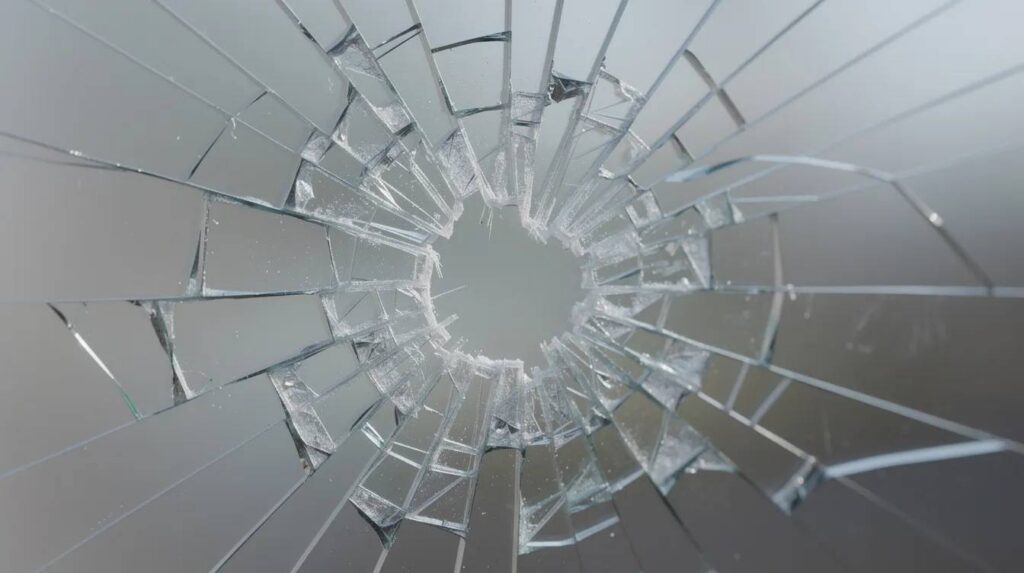
While security films can delay forced entry and improve safety, they are not a substitute for ballistic-grade glazing, which is specifically engineered to withstand bullet impacts. However, security film provides real value, especially when used as part of broader ballistic window film active-shooter mitigation strategies:
- Holds broken glass together after impact, reducing dangerous broken shards that cause 70–80% of break-in injuries
- Security films can delay an attacker’s entry for up to 60 seconds or more, buying valuable time for emergency response
- Reduces interior damage during blast scenarios by retaining fragments near the frame
- Security films can also provide UV protection, improve energy efficiency, and protect against severe weather like hail or hurricanes
- When applied to glass, security window film can delay forced entry by making it more difficult for an attacker to shatter the glass and gain entry
In a 2023 retail burglary, 12 mil film on storefronts delayed smash-and-grab entry by 2 minutes—enough for police arrival.
How Security Window Film Works: Shatter Resistance & Impact Management
Security film construction determines its performance:
- Multiple polyester layers (2–4 plies) laminated together achieve thicknesses from 4 to 15+ mil
- Strength comes from tear resistance and adhesive bond between film and glass
- Films must be anchored to the window frame using structural silicone or mechanical attachment for optimal performance
- Higher-risk applications often use thicker films, such as 23 mil security film, to provide maximum tear resistance
- Under impact, glass may crack fully, but the film membrane spans the opening, redistributing force across a wider area
Security window film is designed to improve human safety by holding shattered glass in place, reducing the risk of injury during break-ins or accidents, and it fits into a broader ecosystem of shatter-resistant glass protection options.
Ballistic-Grade Glazing & Polycarbonate Shields: Real Bullet Resistance
Bullet-resistant glazing is specifically engineered to withstand ballistic threats, while security window film is primarily designed to hold glass fragments together and delays forced entry; understanding bulletproof glass options and ballistic resistance levels helps match systems to real-world threats.
| Protection Level | UL 752 Standard | Ammunition | Typical Thickness |
|---|---|---|---|
| Level 1 | Handgun | 9mm FMJ | 1”+ |
| Level 2 | Handgun | .357 Magnum | 1.25”+ |
| Level 3 | Handgun | .44 Magnum | 1.5”+ |
| BulletShield is a clear polycarbonate security shield that can be retrofitted over existing windows and glass doors to provide ballistic protection against various firearms, including 9MM and .44 Magnum bullets. Ballistic-grade security glazing can be used to replace or retrofit existing glass surfaces, providing protection against ballistic attacks without allowing an attacker to reach through. |
There is no such thing as 100% bulletproof glass; however, different types of ballistic-grade doors and windows can stop certain types of bullets from specific firearms.
Security Film vs. Ballistic Glazing: Which Do You Need?
| Solution | Cost Level | Best For | Threats Addressed |
|---|---|---|---|
| Security Film | $5–15/sq ft | Retail, offices, homes | Smash-and-grab, vandalism, weather |
| Film + Anchoring | $8–20/sq ft | Schools, commercial buildings | Forced entry delay, blast |
| Ballistic Glazing | $50–150/sq ft | Banks, courthouses, critical infrastructure | Firearms, ballistic attack |
| Recommendations: |
- Choose security film for locations focused on break-in prevention and property protection
- Add attachment systems for schools seeking critical response time during lockdowns
- Specify ballistic glazing for high-risk environments where firearms are credible threats
- Remember: no system is 100% bulletproof—layer your security with access control, doors, and training
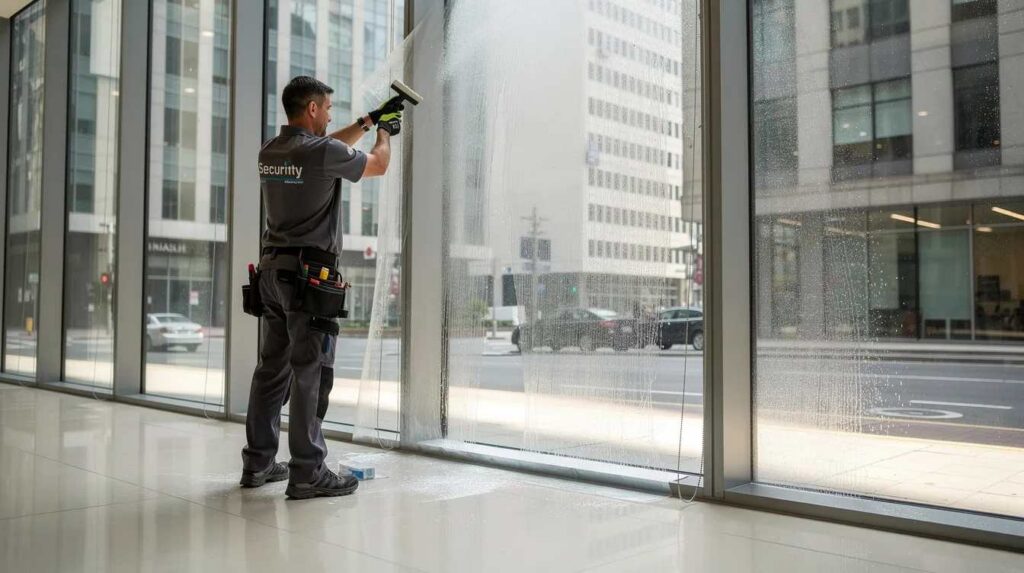
Applications: Schools, Retail, Offices, and Public Buildings
Following high-profile incidents, interest in window security film has surged across sectors:
Schools: K–12 facilities use film on entry vestibules and door glass sidelites to create 60–120 second delays, aligning with lockdown protocols. The goal is buying time—not defeating sustained rifle fire.
Retail & Pharmacies: Film on storefronts dramatically reduces smash-and-grab success. FBI reports 5,000+ such incidents annually; professionally installed film can cut losses 40–60%.
Offices & Government Buildings: Post-Oklahoma City federal mandates require blast protection in line with GSA/ISC blast resistant performance standards. Multi-function films add solar control and UV rejection while increasing security.
Why Choose Our Business for Security Film & Ballistic Glass Solutions
We specialize in matching security film and ballistic glazing systems to actual threats—not overselling film as a magic bulletproof solution. Our broader portfolio of bulletproof windows, doors, and glass security solutions lets us tailor systems to each opening. Our team delivers:
- Nationwide installation network with trained, GSA-certified technicians
- Experience across commercial, education, healthcare, and government projects using advanced DefenseLite polycarbonate glass security systems
- Partnerships with leading manufacturers of safety film, attachment systems, and ballistic panels
- Plain-language interpretation of UL 752 performance data for your specific openings
Request a free consultation that includes on-site glass survey, frame condition review, and prioritized recommendations. We offer budget-phased plans—deploy lower-cost film upgrades quickly while scheduling ballistic enhancements as funding allows.
Contact us today for a site-specific quote, or use our Austin ballistic window glazing estimate form or Houston ballistic window glazing request form if you’re in those regions. For a broader overview of our bulletproof windows, doors, and security window film offerings, explore our national solutions as well.
FAQs About Bulletproof Film, Security Window Film & Ballistic Glass
Is there any window film certified as bulletproof? No film alone carries UL 752 ballistic ratings on standard glass. True bullet resistance requires engineered glazing assemblies.
Can stacking multiple layers make glass bullet-resistant? Stacking increases tear resistance and forced entry delay but does not equal tested ballistic glazing. Security window film does not stop bullets from penetrating glass.
Why do some videos show glass “surviving” gunfire? Film may hold broken glass in place while the bullet still penetrates. This containment isn’t ballistic protection—it’s fragment retention.
What’s the difference between “bulletproof” and “bullet-resistant”? “Bullet-resistant” is the accurate term. Protection is always level- and threat-specific per UL 752 standards. No glass is 100% bulletproof.
Can I put security film on existing laminated or tempered glass? Yes. Combined systems improve performance, especially with proper frame anchoring, enhancing existing windows by 20–50%.
How long does security film last? Typical lifespan is 10–15+ years with proper care. Clean with non-abrasive, ammonia-free solutions to maintain optical clarity.
How much do upgrades cost? Film averages $6–20/sq ft installed; ballistic glazing runs $50–150/sq ft. Contact us for a site-specific quote based on your project scope.