- Introduction
- Understanding Bulletproof Glass Shield Technology
- Bulletproof Glass Shield Applications and Installation Methods
- Professional Installation and Protection Level Selection
- Common Challenges and Solutions
- Conclusion and Next Steps
- Frequently Asked Questions
Introduction
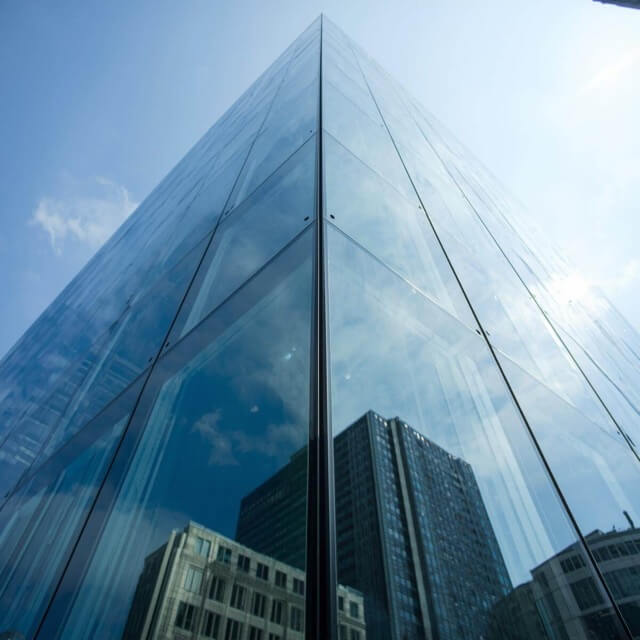
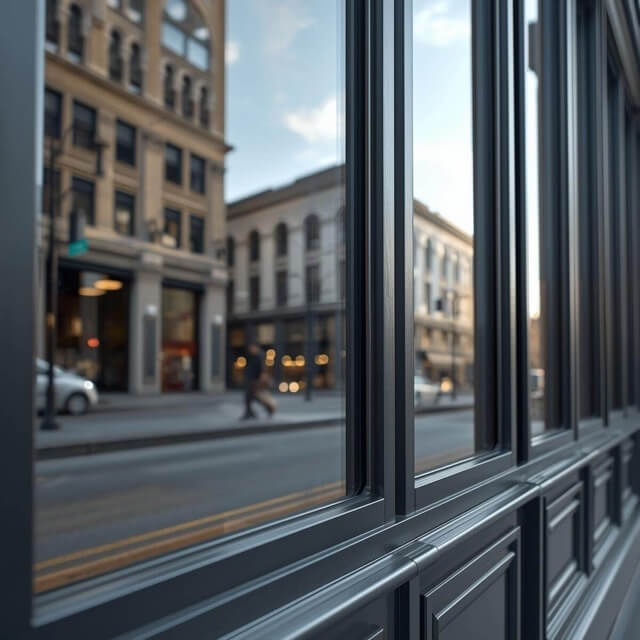
A bulletproof glass shield is a retrofit security system engineered to provide ballistic protection for existing windows and doors without requiring complete architectural replacement. These bullet resistant glass systems combine multiple layers of polycarbonate, laminated glass, and specialized interlayers to absorb and disperse projectile energy, stopping bullets and other projectiles at defined threat levels.
This guide serves facility managers evaluating security upgrades, security professionals advising on threat modeling, and building owners seeking cost-effective protection for vulnerable entry points. Whether you manage schools, banks, government buildings, or commercial storefronts, understanding bulletproof glass shield technology is essential for making informed decisions about your facility’s safety infrastructure.
Direct answer: Bulletproof glass shields are independently tested, UL 752-rated ballistic panels that can be installed over existing glass to provide certified protection against handgun and rifle threats—typically at one-third to one-quarter the cost of complete glazing replacement.
By the end of this guide, you will understand:
- How bullet resistant glazing technology absorbs ballistic energy across different threat levels
- The differences between polycarbonate shields, glass-clad systems, and all-glass laminates
- Installation methods and professional certification requirements
- Cost considerations and maintenance protocols for long-term performance
- How to evaluate and select the appropriate protection level for your specific location
Understanding Bulletproof Glass Shield Technology
Bulletproof glass shields operate on fundamentally different principles than ordinary glass. While standard glass panes shatter on impact, bullet resistant windows use engineered material combinations to absorb, flatten, and contain projectiles through controlled deformation rather than catastrophic breaking.
Ballistic Resistance Principles
When a bullet strikes a bulletproof glass shield, the outer layer—typically hardened glass—flattens the projectile and begins energy dissipation. Inner layers of polycarbonate or polyurethane interlayers then absorb the remaining kinetic energy through controlled deformation. This multi-stage process prevents penetration while minimizing spall (secondary fragments that could injure occupants on the protected side).
The construction relies on multiple layers working together: each layer serves a specific function in the energy absorption chain. The gold standard for measuring this performance is UL 752 certification, which tests glazing systems against specific ammunition types at defined velocities. Levels 1 through 3 address handgun threats, while levels 4 through 8 cover progressively more powerful rifle rounds.
Non-spall designs—required for many UL 752 certifications—prohibit any fragment ejection on the interior side, ensuring complete protection for occupants. This distinguishes professional ballistic glass from security window film products, which may slow forced entry but cannot stop bullets.
Shield Materials and Construction
Modern bulletproof glass shields use three primary architectures, each with distinct advantages:
All-glass laminates combine multiple glass plies with PVB, polyurethane, or ionoplast interlayers. These systems deliver exceptional optical clarity and scratch resistance but carry significant weight—approximately 14 to 30 pounds per square foot depending on threat level. Thickness ranges from 1-3/16 inches for Level 1 protection to over 2-1/2 inches for rifle-rated systems.
Glass-clad polycarbonate positions an outer glass layer over polycarbonate backing, using specialized adhesives engineered to maintain durability under temperature fluctuations and UV exposure. This construction reduces thickness and weight while maintaining ballistic performance. A typical UL 752 Level 2 glass-clad system measures approximately 0.96 inches thick at roughly 10 pounds per square foot.
Polycarbonate-only systems offer the lightest weight option for Level 1 through 3 applications. While softer and more susceptible to scratching than glass, polycarbonate shields provide excellent impact resilience and can be installed where frame loading capacity is limited.
UV-resistant coatings protect interior spaces from solar degradation while anti-scratch treatments extend the service life of polycarbonate surfaces. Low-iron glass options maximize light transmission for applications where natural daylight is critical.
Understanding these material options prepares facility managers to evaluate specific products against their protection requirements, aesthetic constraints, and structural limitations.
Bulletproof Glass Shield Applications and Installation Methods
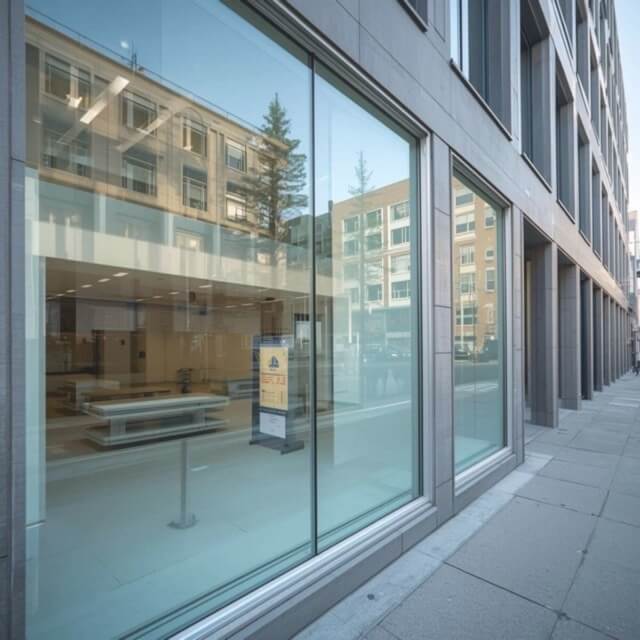
The decision between retrofit shields and complete glazing replacement depends on budget, timeline, and architectural constraints. Retrofit solutions install over existing window and door glass, typically reducing costs to 25-33% of full replacement while minimizing operational disruption.
Commercial and Government Facilities
Banks, courthouses, embassies, and commercial storefronts represent primary markets for bulletproof glass shields. These facilities face threats ranging from armed robbery to targeted attacks, requiring ballistic protection that maintains visibility and professional appearance.
Federal specifications increasingly mandate UL 752 Level 3 or higher protection for street-facing glazing in government buildings. This trend reflects threat assessments showing that most attacks on commercial and government facilities involve handgun-caliber weapons, though rifle threats drive requirements for Level 4 and above at high-profile locations.
Transaction windows, reception areas, and ground-floor facades receive priority in most security assessments. Glass-clad polycarbonate shields allow businesses to maintain customer-facing transparency while achieving certified protection against common ballistic threats.
Educational Institution Security
Schools present unique challenges for bulletproof glass implementation. Security solutions must balance protection against active shooter scenarios with educational environment requirements: natural light, visual openness, and non-institutional aesthetics.
Specialized products like SchoolSafe® glazing systems—installed in over 150 educational facilities—combine bullet resistant glazing with forced-entry resistance in retrofit packages designed for existing frames, doors, and storefronts. These systems address multi-hazard protection needs including ballistic threats, forced entry, and severe weather.
Mobile ballistic shields, such as UL 752 Level 8-rated whiteboards, provide dual-purpose solutions that function as everyday classroom tools while offering rapid-deployment protection during emergencies. This program designed specifically for educational settings demonstrates how security can integrate with rather than dominate school environments.
Law Enforcement and Military Applications
Tactical applications demand the highest protection levels, often requiring rifle-rated glazing capable of stopping multiple hits from military-caliber ammunition. Vehicle-mounted shields, checkpoint barriers, and tactical response equipment use advanced materials including transparent ceramics and glass-ceramic hybrids.
These applications prioritize multi-hit capability, optical clarity under varying light conditions, and minimal weight for mobile deployment. The thickness and weight constraints of vehicle applications have driven innovation in lightweight ballistic materials that increasingly benefit architectural applications.
Understanding these specialized requirements helps facility managers evaluate whether their threat assessment warrants military-grade protection or whether commercial-grade systems adequately address their risk profile.
Professional Installation and Protection Level Selection
Selecting appropriate bulletproof glass shields requires matching threat assessments to certified protection levels, then ensuring professional installation that maintains system integrity. Even the highest-rated ballistic glass fails if frames, anchoring, or sealing are inadequate.
UL 752 Protection Level Assessment
UL 752 establishes standardized testing protocols that allow direct comparison between products. Understanding these levels enables informed specification decisions:
Levels 1-3 (Handgun Protection):
- Level 1: Three shots of 9mm FMJ at 1,175-1,293 fps
- Level 2: Three shots of .357 Magnum at 1,250-1,375 fps
- Level 3: Three shots of .44 Magnum at 1,350-1,485 fps
Levels 4-5 (High-Powered Rifle):
- Level 4: Single .30 caliber rifle round at 2,540-2,794 fps
- Level 5: Single 7.62mm rifle round at 2,750 fps
Levels 6-8 (Military-Grade Protection):
- Level 6: Five 9mm rounds testing multi-hit handgun resistance
- Level 7: Five 5.56mm rifle rounds
- Level 8: Five 7.62mm military ball rounds at 2,750 fps
Levels 9-10 (Specialized Ammunition): These levels address shotgun slugs and specialized ammunition, requiring substantially thicker construction typically reserved for armored vehicles and military installations rather than architectural glazing.
The 12th edition of UL 752 introduced clearer designations—UL-HG (handgun), UL-RF (rifle), and UL-SG (shotgun)—to improve threat-type clarity in specifications.
Installation Methods Comparison
Professional installation ensures that certified glazing performs to specification under actual attack conditions. Research indicates approximately 68% of field failures result from installation deficiencies rather than material defects.
| Factor | Interior Mounting | Exterior Mounting |
|---|---|---|
| Protection Direction | Stops threats from outside | Stops threats from inside (less common) |
| Weather Exposure | Protected from elements | Requires weatherproofing |
| Aesthetic Impact | May reduce interior space | Maintains interior dimensions |
| Installation Access | Easier in occupied buildings | May require scaffolding |
| Cost Range | $5-$25/sq ft (retrofit) | Similar, plus weather sealing |
Mechanical anchoring systems use fasteners into frames and surrounding structure, providing positive attachment that maintains integrity under impact. This method requires adequate frame strength and proper anchor spacing per manufacturer specifications.
Adhesive installation bonds shields directly to existing glass or frames using structural adhesives. This approach works well for retrofit applications but requires surface preparation and curing time.
Complete replacement removes existing glazing entirely, installing certified frame-and-glass assemblies as integrated systems. While more expensive ($40-$80+ per square foot for high-level protection), this approach eliminates compatibility concerns and provides optimal long-term performance.
Professional certification requirements vary by jurisdiction, but warranties typically require installation by trained contractors using specified methods. Documentation of installation procedures supports both warranty claims and liability protection.
Common Challenges and Solutions
Implementing bulletproof glass shields presents predictable obstacles that experienced professionals address through established techniques and product options.
Aesthetic Integration with Existing Architecture
Thick ballistic panels and specialized frames can appear institutional if not carefully specified. Solutions include custom powder-coating to match existing trim colors, low-iron glass options that minimize green tinting, and glass-clad polycarbonate construction that reduces overall thickness while maintaining protection.
Slimline frame profiles accommodate ballistic glazing within dimensions similar to standard commercial windows. For historic buildings or architecturally sensitive locations, interior-mounted shields over existing glass preserve exterior appearance entirely.
Budget Constraints and Cost Management
Large facilities rarely implement complete ballistic protection simultaneously. Phased installation approaches prioritize the most vulnerable entry points—main entrances, transaction windows, ground-floor facades—then extend protection to secondary areas in subsequent budget cycles.
Retrofit shields over existing windows deliver certified protection at 25-33% of replacement cost, making ballistic security accessible for budget-constrained facilities. Grant programs for school safety and critical infrastructure may offset costs in qualifying applications.
Maintenance and Long-term Performance
Bulletproof glass shields require ongoing maintenance to preserve performance over their 20-30 year expected lifespan. Key protocols include:
Cleaning procedures using manufacturer-approved products that won’t damage coatings or delaminate interlayers. Avoid ammonia-based cleaners on polycarbonate surfaces.
UV degradation prevention through periodic reapplication of protective coatings, particularly for exterior-mounted or sun-exposed installations. Polycarbonate may yellow or develop haze without proper UV protection.
Inspection schedules quarterly for sealants and mounting hardware, annually for interlayer clarity and coating integrity, and immediately following any impact events. Document all inspections for warranty compliance.
While UL 752 certification doesn’t require periodic recertification, warranty coverage typically depends on documented maintenance following manufacturer specifications.
Conclusion and Next Steps
Bulletproof glass shields deliver certified ballistic protection for existing facilities at costs significantly below complete glazing replacement. By understanding material options, protection levels, and installation requirements, facility managers can specify systems that address actual threat profiles while respecting budget and aesthetic constraints.
Immediate action steps:
- Conduct a professional threat assessment to identify vulnerable entry points and appropriate protection levels
- Request quotes from multiple certified installers, comparing both retrofit and replacement options
- Evaluate frame and structural capacity at target locations to determine installation method feasibility
- Develop a phased implementation plan that prioritizes highest-risk areas within available budgets
- Establish maintenance protocols and inspection schedules before installation to support long-term performance
Related topics worth exploring include integration of bulletproof glass shields with electronic access control systems, emergency response planning that leverages ballistic-protected safe rooms, and comprehensive facility hardening strategies that address multiple threat vectors beyond ballistic protection.
Frequently Asked Questions
What is the difference between bulletproof and bullet-resistant glass shields?
The term “bulletproof” implies complete invulnerability, which no glazing system provides. Bullet resistant glass is the technically accurate term—these systems resist ballistic penetration up to defined threat levels but can be defeated by ammunition exceeding their rating. A UL 752 Level 3 shield stops .44 Magnum rounds but won’t stop rifle fire. Understanding this distinction prevents dangerous overconfidence in any protective system.
How long does professional installation of bulletproof glass shields typically take?
Installation timelines vary significantly by scope and method. Retrofit shields on single windows may require only hours to a day per opening. Large storefronts or multi-window installations typically take one to two weeks. Complete glazing replacement projects involving custom fabrication and frame modifications may extend to several weeks, particularly for high-level protection requiring specialized materials.
Can bulletproof glass shields be installed on curved or angled windows?
Yes, though with significant cost premiums and lead time extensions. Glass-clad polycarbonate can be thermoformed to match curved geometries, and laminated glass can be produced in curved configurations. However, ballistic testing must reflect the actual installed geometry—performance may differ from flat-panel ratings. Custom curved installations typically cost 2-3 times more than standard flat panels and require 4-8 weeks additional fabrication time.
What maintenance is required for bulletproof glass shields to maintain UL 752 certification?
Original UL 752 certification remains valid regardless of maintenance, but warranty coverage and actual performance depend on proper upkeep. Required maintenance includes quarterly inspection of seals and mounting hardware, annual assessment of interlayer clarity and coating condition, and immediate inspection following any impact. Use only manufacturer-approved cleaning products, and document all maintenance for warranty compliance.
Do bulletproof glass shields affect natural light transmission and energy efficiency?
Bulletproof glass shields reduce light transmission compared to standard glazing, typically by 5-15% depending on thickness and construction. Low-iron glass options minimize this reduction. Energy efficiency impacts vary: thicker glazing provides better insulation but may increase solar heat gain without appropriate coatings. Specifying insulating units with low-E coatings can actually improve energy efficiency compared to existing single-pane windows while adding ballistic protection.
What is the expected lifespan of a professionally installed bulletproof glass shield system?
Professionally installed bulletproof glass shield systems typically last 20-30 years under normal conditions. Glass components may outlast this timeframe, but polymer interlayers and polycarbonate surfaces require attention: UV coatings may need reapplication every 10-15 years, and sealants require periodic replacement. Polycarbonate surfaces are more susceptible to scratching and hazing than glass and may need replacement before structural failure. Proper maintenance significantly extends functional lifespan.