- The Unavoidable Reality: Increasing Storm Intensity and Risk
- Beyond the Surface: Deconstructing Traditional Hurricane Protection Shortcomings
- The Engineered Evolution: Introducing Advanced Retrofit Security Glazing
- Unseen Strength: The Science and Engineering Behind Retrofit Glazing
- Deflecting Disaster: Mitigating Wind-Borne Debris Impacts and Projectile Resistance
- Proprietary Advantages: Patented Technology for Superior Performance and Durability
- Material Science: The Role of Polycarbonate and Laminated Glass in Advanced Systems
- Adherence to Standards: Meeting and Exceeding ASTM International and Miami-Dade Requirements
- Preserving Vision and Value: Seamless Architectural Integration
- The Virtually Invisible Shield: Maintaining Original Design Intent and Building Aesthetics
- Enhancing Property Value and Occupant Experience Through Discreet Protection
- Overcoming Perceived Obstacles: Cost vs. Long-Term Value and ROI
- Design Flexibility: Adapting to Diverse Building Styles and Curtain Wall Systems
- Strategic Implementation: Integrating Retrofit Glazing into New and Existing Structures
- Assessment and Customization: Tailoring Solutions for Diverse Architectures
- Retrofit for Renovation: Enhancing Existing Buildings with Minimal Disruption
- Proactive Specification: Incorporating Advanced Glazing into New Commercial Hurricane Protection Projects
- Installation Protocols: Precision, Expertise, and Professionalism in Application
- Long-Term Performance and Maintenance Considerations
- Conclusion: Redefining Hurricane Resilience with Architectural Integrity
- Frequently Asked Questions
The Unavoidable Reality: Increasing Storm Intensity and Risk

The escalating frequency and intensity of severe weather events, particularly hurricanes, present an undeniable and growing threat to coastal and inland structures alike. Climate pattern shifts mean that building owners and occupants face heightened risks of property damage, business interruption, and personal harm. This intensified threat environment necessitates a re-evaluation of conventional building protection strategies, demanding solutions that offer uncompromising resilience.
The Architect’s Mandate: Balancing Robust Protection with Design Integrity
For architects, this new reality presents a complex mandate. The imperative to safeguard buildings against these formidable forces must be reconciled with the fundamental principles of design integrity and aesthetic preservation. Clients expect robust protection, but they equally value architectural vision, natural light, and unobstructed views. The challenge lies in harmonizing these seemingly conflicting requirements without resorting to compromises that diminish either safety or beauty.
The Core Challenge: Overcoming Obtrusive Security Solutions and Cost Resistance
The prevailing challenge for architects often stems from clients’ reluctance to embrace security measures perceived as visually disruptive or prohibitively expensive. Traditional hurricane protection methods frequently involve obtrusive elements that detract from a building’s aesthetic, leading to pushback from stakeholders focused on design appeal and property value. The perceived upfront cost of effective window hurricane protection options can overshadow their long-term benefits, creating a barrier to adoption. This resistance highlights a critical need for solutions that integrate seamlessly, offering superior protection without sacrificing architectural intent or incurring excessive long-term burdens.
Introducing the Paradigm Shift: Advanced Retrofit Glazing as the Integrated Solution
The evolution of material science and engineering now offers a paradigm shift in threat mitigation: advanced retrofit security glazing. This innovative approach moves beyond the limitations of conventional methods by providing robust, engineered protection that is virtually invisible. It offers a sophisticated answer to the architect’s dilemma, enabling buildings to withstand severe threats while preserving their original design, operational continuity, and intrinsic value.
Beyond the Surface: Deconstructing Traditional Hurricane Protection Shortcomings
The Familiar Face of Protection: Hurricane Shutters and Panels
Hurricane shutters and panels have long been the default solution for protecting window openings from wind-borne debris. While they offer a basic level of impact resistance, their inherent drawbacks often outweigh their benefits, particularly in architecturally significant or high-traffic buildings.
- Aesthetic Compromise: Shutters, whether roll-down, accordion, or colonial styles, fundamentally alter a building’s facade. When deployed, they obscure views, block natural light, and present an obtrusive, fortress-like appearance that contradicts original design intent. Even when stored, their mechanisms or stacked panels can be visually disruptive.
- Operational Burden: Deployment is labor-intensive, often requiring specialized tools or multiple personnel. This process is time-consuming, stressful during emergency preparations, and can lead to property damage if not handled correctly.
- Limited Threat Mitigation: While effective against direct impacts, hurricane shutters can be susceptible to failure under extreme wind pressures or prolonged storm exposure. They also do not provide continuous protection against other threats, such as forced entry or ballistic attacks, leaving a building vulnerable when not deployed.
- Maintenance and Storage: Shutters require regular maintenance to ensure proper function, especially after prolonged disuse. Storing removable panels also demands significant space, incurring additional operational costs and logistical challenges.
The Promise and Pitfalls of Full Impact Window Replacement
Full impact window replacement is often considered a more integrated solution than shutters, as it incorporates protective glazing directly into the window unit. However, this approach carries its own set of significant pitfalls that can undermine its perceived advantages.
- Prohibitive Cost and Disruption: Replacing entire window systems is an extremely expensive undertaking, often involving substantial capital expenditure per opening. The process is highly disruptive, requiring extensive demolition, disposal of old materials, and prolonged tenant displacement or operational downtime.
- Design Inconsistencies: Achieving a perfect match with original architectural details, especially in historic or custom-designed buildings, is challenging. New frames, sightlines, and glass tints can alter the building’s facade, compromising its historical accuracy or aesthetic cohesion.
- Environmental Impact: The removal and disposal of existing windows generate considerable construction waste. While new units may offer improved energy efficiency, the embedded energy costs and environmental footprint of manufacturing and installing entirely new systems are substantial.
- Extended Project Timelines: The complexity of full replacement projects typically leads to lengthy procurement and installation phases, extending vulnerability during construction and delaying project completion.
Analyzing the False Choice: Compromising Aesthetics for Security
Both hurricane shutters and full impact window replacements inherently present a false choice to building owners and architects. They compel a decision between prioritizing robust security or preserving a building’s aesthetic integrity and functional appeal. Shutters explicitly sacrifice visual continuity and natural light for protection, while full replacements, though less overtly obtrusive, often demand compromises in design authenticity and incur disproportionate costs and disruptions. Neither traditional solution fully addresses the architectural demand for integrated, unobtrusive, and continuous protection without a significant trade-off in design or operational convenience.
Operational Challenges and Long-Term Costs of Conventional Approaches
Beyond initial investment, traditional hurricane protection methods introduce significant long-term operational challenges and hidden costs. For shutters, these include the recurring labor expense and logistical overhead of annual deployment and storage, potential repair costs from storm damage or system failures, and the opportunity cost of lost views and natural light. Full window replacement, while offering a one-time installation, often incurs higher insurance premiums than advanced solutions. The initial capital outlay is amortized over decades, often without fully accounting for the intangible costs of architectural compromise or operational disruption during installation. These ongoing liabilities and aesthetic compromises demonstrate that conventional approaches are not merely an initial expense but a perpetual drain on both budget and design vision.
The Engineered Evolution: Introducing Advanced Retrofit Security Glazing

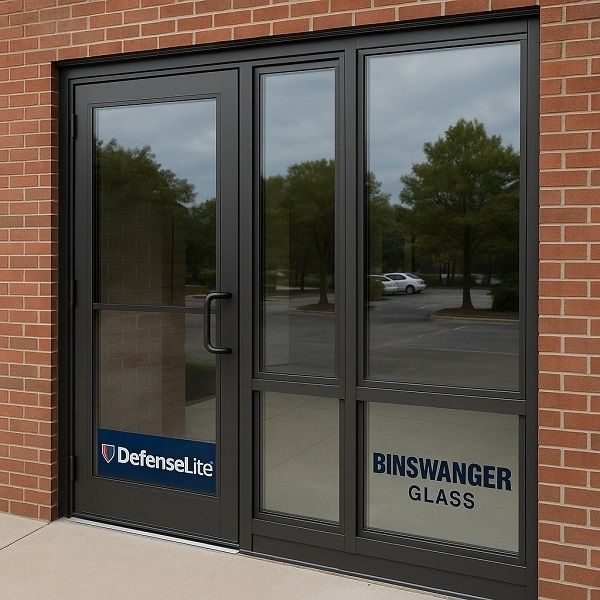
Beyond Film: The Distinction of High-Performance Glazing Systems
While traditional hurricane protection offers a basic layer of protection, advanced retrofit security glazing represents a fundamentally different class of engineered solution. Unlike films applied directly to existing glass, these high-performance systems involve a complete, multi-layered assembly integrated with the existing window frame. This distinction is critical, as it moves beyond superficial enhancements to provide a robust, structural upgrade that significantly elevates the building’s defensive capabilities against various threats.
Core Principles: What Defines Advanced Retrofit Solutions
Advanced retrofit security glazing is defined by several core principles that differentiate it from less comprehensive protective measures. These solutions are engineered to be unobtrusive, maintaining the architectural integrity and aesthetic appeal of the original structure. They provide a permanent, always-on layer of protection, eliminating the need for manual deployment during emergencies. Crucially, they are designed to absorb and distribute significant impact energy, preventing breach of the building envelope while remaining visually discrete.
Addressing Alex Chen’s Challenge: Value, Aesthetics, and Investment Justification
A significant hurdle for architects and building owners, such as Alex Chen, is the perception that robust security measures inevitably compromise design aesthetics or incur prohibitive costs. Advanced impact-resistant security glazing directly addresses this challenge by offering a solution that not only preserves but enhances a building’s architectural value. The initial investment is justified by several factors:
- Aesthetic Preservation: There is no visible alteration to the building’s facade, fulfilling the desire for seamless integration.
- Enhanced Property Value: A permanently secured building is inherently more valuable, offering peace of mind and protection against escalating threats.
- Reduced Operational Costs: Eliminating the need for temporary hurricane shutters or frequent repairs after incidents saves long-term operational expenses and labor.
- Continuous Protection: The system provides 24/7, invisible security against a spectrum of threats, from severe weather to forced entry, without daily management.
This approach transforms security from an obtrusive add-on to an integrated, value-generating asset that protects both occupants and investment.
Impact Resistant Security Glazing: A Proactive and Permanent Solution
Traditional methods, such as deployable hurricane shutters, are reactive, temporary, and often cumbersome. Impact-resistant security glazing, by contrast, is a proactive and permanent solution. Once installed, it forms an integral part of the building’s defensive perimeter, requiring no activation or removal. This continuous state of readiness ensures that the property is always protected against sudden events, whether a hurricane-force gust or an attempted forced entry, without human intervention.
Unseen Strength: The Science and Engineering Behind Retrofit Glazing
Deflecting Disaster: Mitigating Wind-Borne Debris Impacts and Projectile Resistance
The core engineering principle behind retrofit security glazing lies in its ability to absorb and distribute kinetic energy. These advanced systems are meticulously designed to withstand severe wind-borne debris impacts, preventing projectiles from penetrating the building envelope. This resistance is not simply about preventing glass breakage but about maintaining the integrity of the entire glazing system, ensuring that fragments are contained and the opening remains sealed. Different configurations can also provide advanced levels of projectile resistance, ranging from forced entry to specific ballistic threats, tailored to the security requirements of the facility.
Maintaining the Building Envelope: Cyclic Pressure Loading Resistance
During extreme weather events, buildings are subjected to immense and rapidly fluctuating pressure differentials, known as cyclic pressure loading. A breach in the building envelope, even a small one, can lead to catastrophic internal pressure buildup, potentially causing structural failure. Advanced retrofit security glazing is engineered to maintain the integrity of the building envelope under these intense, repeated pressure cycles. This ensures that the building remains sealed, protecting its occupants and interior from wind, water, and debris ingress, a critical factor in hurricane resilience.
Proprietary Advantages: Patented Technology for Superior Performance and Durability
The superior performance of leading retrofit security glazing systems often stems from proprietary and patented technologies. These innovations typically involve specialized interlayers, unique bonding agents, and custom framing integration methods developed through extensive research and development. Such patented advantages contribute to unparalleled impact resistance, extended durability, and a longer lifecycle compared to generic or off-the-shelf solutions. This commitment to innovation ensures that clients receive state-of-the-art protection engineered for specific environmental and threat challenges.
Material Science: The Role of Polycarbonate and Laminated Glass in Advanced Systems
The material science employed in advanced security glazing is paramount to its effectiveness. Two primary materials form the backbone of these systems:
- Polycarbonate: Renowned for its extreme impact strength and flexibility, polycarbonate glazing is a thermoplastic polymer often used in multi-layer security glazing. Its ability to absorb significant energy without shattering makes it an ideal choice for mitigating severe impacts from debris and resisting ballistic threats.
- Laminated Glass: This typically involves two or more panes of glass bonded together with one or more polymeric interlayers, often polyvinyl butyral (PVB) or SentryGlas®. Upon impact, the glass may crack, but the interlayer holds the fragments together, maintaining the overall integrity of the pane and preventing penetration.
Combining these materials in specific, engineered configurations allows for tailored solutions that balance clarity, strength, and desired threat mitigation levels.
Adherence to Standards: Meeting and Exceeding ASTM International and Miami-Dade Requirements
Credibility in security glazing is underpinned by rigorous testing and adherence to recognized industry standards. Advanced retrofit security glazing systems are designed to meet and often exceed stringent criteria established by organizations such as ASTM International. For hurricane-prone regions, compliance with Miami-Dade standards for hurricane-resistant windows is a gold standard, signifying superior resistance to large missile impacts and cyclic pressure loading. This adherence to verified standards provides architects and building owners with an empirical assurance of performance and reliability.
Preserving Vision and Value: Seamless Architectural Integration
The Virtually Invisible Shield: Maintaining Original Design Intent and Building Aesthetics
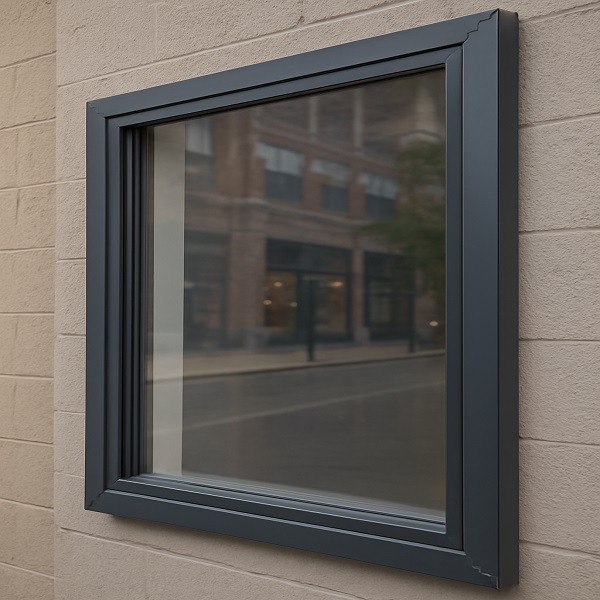
Traditional hurricane protection often imposes a difficult choice between safety and a building’s architectural integrity. Bulky hurricane shutters, whether roll-down, panel, or accordion, visibly alter facades, detracting from the original design intent and creating a temporary, often industrial, aesthetic during deployment. In contrast, advanced retrofit security glazing systems are engineered for virtually invisible integration. These clear, high-strength films or secondary glazing panels are applied directly to existing windows and doors, preserving the structure’s original sightlines, fenestration, and overall visual harmony. This approach ensures that a building’s architectural vision remains uncompromised, maintaining the aesthetic appeal that contributes significantly to its identity and value.
Enhancing Property Value and Occupant Experience Through Discreet Protection
The application of discreet, high-performance security glazing extends benefits far beyond threat mitigation alone. By preserving the unobstructed views and natural light ingress that architects meticulously design into a building, these systems enhance the occupant experience, promoting well-being and productivity without the visual confinement of traditional solutions. Furthermore, maintaining a building’s pristine exterior and interior aesthetics directly correlates with sustained or increased property valuation. Obtrusive security measures can deter potential tenants or buyers, whereas an integrated, invisible solution adds a layer of sophisticated protection that underscores quality and foresight, proving to be a valuable asset in competitive markets.
Overcoming Perceived Obstacles: Cost vs. Long-Term Value and ROI
While the initial investment in advanced retrofit security glazing may appear significant, it is crucial to evaluate this through the lens of long-term value and return on investment (ROI). Unlike disposable or high-maintenance traditional solutions, engineered glazing systems offer enduring protection with minimal operational overhead. The ROI is realized through multiple channels:
- Reduced Damage Costs: Mitigating extensive damage from severe weather events, forced entry, or ballistic impact drastically lowers repair and business interruption costs.
- Insurance Premium Reductions: Many insurers offer favorable rates for buildings equipped with certified, robust security glazing, recognizing the reduced risk profile.
- Enhanced Occupant Safety and Business Continuity: Protecting human lives and critical assets ensures operational resilience and minimizes costly downtime.
- Preserved Property Value: Maintaining the building’s aesthetic integrity and functional performance safeguards its market appeal and resale value.
- Energy Efficiency Gains: Some advanced films can also offer solar control and improved insulation, contributing to lower energy consumption.
Considering these factors, the initial outlay quickly transforms into a strategic investment that fortifies assets, protects occupants, and safeguards the financial health of the property over its lifecycle.
Design Flexibility: Adapting to Diverse Building Styles and Curtain Wall Systems
One of the distinct advantages of retrofit security glazing is its inherent design flexibility. These systems are not monolithic solutions; rather, they are adaptable to an extensive range of architectural styles, from historic landmarks with intricate window designs to contemporary high-rise structures featuring expansive curtain wall systems. The customization potential allows for precise application to various impact glass types, framing materials, and window configurations without requiring costly and disruptive structural modifications. This adaptability makes it an ideal solution for projects where maintaining specific design elements or adhering to strict aesthetic guidelines is paramount, offering robust protection without dictating architectural form.
Strategic Implementation: Integrating Retrofit Glazing into New and Existing Structures
Assessment and Customization: Tailoring Solutions for Diverse Architectures
Effective implementation of advanced security glazing begins with a comprehensive, site-specific assessment. This critical first step involves detailed analysis of the building’s existing fenestration, structural capabilities, and the specific threat vectors it faces, be it extreme weather, forced entry, or ballistic threats. Experts conduct thorough evaluations to understand the unique requirements of each façade, factoring in glass type, frame material, anchoring systems, and overall building dynamics. This meticulous data collection informs the customization process, ensuring that the chosen glazing system is perfectly tailored, specifying the appropriate film thickness, attachment system, and any necessary frame reinforcement for optimal performance and integration.
Retrofit for Renovation: Enhancing Existing Buildings with Minimal Disruption
The “retrofit” aspect is particularly beneficial for existing structures undergoing renovation or seeking enhanced protection. Unlike full window replacement, which can be prohibitively expensive, time-consuming, and highly disruptive, security glazing installation is designed for efficiency and minimal intrusion. The process typically involves applying the advanced film or secondary glazing unit directly to the interior surface of the existing glass, often completed without requiring extensive scaffolding or interior demolition. This significantly reduces project timelines, minimizes operational downtime for occupants, and allows for security upgrades to be seamlessly integrated into broader renovation schedules, making it a cost-effective and practical solution for preserving the past while protecting the future.
Proactive Specification: Incorporating Advanced Glazing into New Commercial Hurricane Protection Projects
For new construction or major redevelopment projects, the proactive specification of advanced security glazing presents an unparalleled opportunity for optimized integration and long-term performance. Incorporating these systems during the design phase allows architects and engineers to fully leverage their capabilities, potentially influencing frame specifications or opening designs for maximum synergy. Early engagement with security glazing specialists ensures that the chosen solution aligns perfectly with the building’s structural design, aesthetic goals, and specified threat mitigation requirements from the outset. This forward-thinking approach can also lead to cost efficiencies, as integration is planned rather than adapted, ultimately delivering a superior, fully integrated commercial hurricane protection system.
Installation Protocols: Precision, Expertise, and Professionalism in Application
The performance of any advanced security glazing system is fundamentally dependent on the quality of its installation. Precision, expertise, and professionalism are paramount throughout the application process. Certified installers adhere to rigorous, manufacturer-specific protocols, utilizing specialized tools and techniques to ensure proper adhesion, seal integrity, and secure anchoring. This includes meticulous surface preparation, precise film cutting and application, and careful integration with existing framing and sealants. Any deviation from these exacting standards can compromise the system’s ability to perform as engineered, making the selection of an experienced and reputable installation team as crucial as the product itself.
Long-Term Performance and Maintenance Considerations
Advanced retrofit security glazing systems are engineered for exceptional durability and long-term performance, often backed by extensive manufacturer warranties. Once installed, these systems require minimal maintenance, primarily limited to routine cleaning using non-abrasive methods, similar to standard window care. The materials used are highly resistant to yellowing, scratching, and delamination, ensuring sustained optical clarity and protective capabilities over decades. Regular, albeit infrequent, inspections can further confirm the integrity of the film and attachment systems, guaranteeing that the building’s invisible shield remains fully operational and continues to provide robust protection against evolving threats without ongoing significant investment or effort.
Conclusion: Redefining Hurricane Resilience with Architectural Integrity
Key Takeaways: Superior Protection Without Compromise
The evolution of building security has presented a clear paradigm shift: robust protection no longer demands a compromise on architectural integrity. Advanced retrofit security glazing emerges as the definitive solution, engineered to deliver unparalleled resilience against hurricane forces and other threats while seamlessly preserving the original design aesthetic of any structure. Unlike temporary hurricane shutters or complete window replacements, this technology provides continuous, always-on protection without altering a building’s appearance or functionality. It represents the pinnacle of modern window hurricane protection options.
The advantages are clear and compelling:
- Continuous, Passive Protection: Eliminates the need for manual deployment, offering immediate, 24/7 defense against severe weather and forced entry attempts.
- Architectural Preservation: Integrates invisibly with existing fenestration, maintaining historical accuracy and modern design intent.
- Multi-Threat Mitigation: Beyond hurricane impact, these systems provide enhanced security against ballistic threats, forced entry, and blast events, offering comprehensive safeguarding.
- Improved Energy Efficiency: Often contributes to better thermal performance and UV protection, adding value beyond just security.
- Reduced Lifecycle Costs: Minimizes potential damage from weather events and acts of vandalism, translating into significant long-term savings on repairs and insurance claims.
The Future of Building Security: Embracing Integrated and Aesthetic Solutions
The trajectory of building design and safety demands solutions that are as sophisticated as the structures they protect. The future of building security unequivocally lies in integrated, aesthetic approaches that anticipate threats rather than react to them. Advanced retrofit security glazing represents this future, moving beyond the binary choice between overt security measures and pristine architectural vision.
This technology allows architects to prioritize both occupant safety and design excellence, fostering environments that are secure without feeling like fortresses. It embodies a proactive stance, where security is an intrinsic element of a building’s performance and value, not an afterthought or a visible compromise. This integration enhances a building’s market appeal and longevity, setting new standards for resilient infrastructure.
Empowering Architects and Building Owners with Informed Choices
Understanding the distinct capabilities of advanced retrofit security glazing empowers architects and building owners to make truly informed decisions. By evaluating options beyond traditional, often obtrusive, hurricane protection methods, stakeholders can select solutions that genuinely align with their project’s aesthetic goals and performance requirements. This informed choice avoids the common pitfalls of sacrificing design for safety or underinvesting in critical protection.
Investing in engineered retrofit glazing is not merely an expense, it is a strategic enhancement that safeguards occupants, protects valuable assets, and preserves a building’s architectural legacy and market value. It directly addresses the concern of clients pushing back on security measures due to their appearance or perceived cost, presenting a superior, value-add solution that champions both form and function.
Next Steps: Consulting with Architectural Security Specialists for Bespoke Solutions
Navigating the nuances of advanced security glazing requires specialized expertise. For architects and building owners considering these sophisticated solutions, the crucial next step is to engage with architectural security specialists. These experts possess the technical knowledge to assess specific vulnerabilities, understand structural capacities, and recommend bespoke retrofit systems tailored to the unique demands of each project.
A specialist consultation ensures that the chosen solution not only meets stringent performance standards but also integrates flawlessly with the existing architectural framework. This collaborative approach guarantees optimal protection while maintaining, and often enhancing, the building’s original design intent and overall value.
Frequently Asked Questions
What are the primary window hurricane protection options available today?
The primary hurricane protection options for windows include traditional hurricane shutters, full-impact window replacement, and advanced retrofit security glazing. While shutters and full replacements offer some protection, advanced retrofit security glazing provides a permanent, unobtrusive, and highly engineered solution for comprehensive threat mitigation.
How does retrofit security glazing differ from traditional hurricane-resistant windows?
Retrofit security glazing enhances existing windows with high-performance films or secondary glazing units, preserving the original aesthetic and structure. Traditional hurricane-resistant windows involve replacing the entire window unit, which is often more costly, disruptive, and can alter the building’s design. Retrofit solutions integrate seamlessly without visible alteration.
Can impact-resistant security glazing truly withstand severe ballistic threats and forced entry attempts?
Yes, advanced impact-resistant security glazing is engineered with multi-layered materials like polycarbonate and laminated glass, combined with specialized attachment systems. These solutions are rigorously tested to meet and often exceed standards for projectile resistance, forced entry, and ballistic threats, providing robust protection beyond hurricane impact.
What are the long-term benefits and ROI of investing in commercial hurricane protection through retrofit glazing?
Investing in commercial hurricane protection with retrofit glazing offers significant long-term benefits and ROI. These include reduced damage costs from severe weather, potential insurance premium reductions, enhanced occupant safety, continuous business continuity, preserved property value due to maintained aesthetics, and improved energy efficiency. Its permanent, low-maintenance nature translates to substantial savings over the building’s lifecycle.
Is retrofit security glazing suitable for historic buildings or those with unique architectural designs?
Absolutely. Retrofit security glazing is highly adaptable and designed for seamless integration. It can be applied to diverse building styles, including historic landmarks and structures with complex curtain wall systems, without requiring costly and disruptive structural modifications or compromising the original architectural integrity. This design flexibility ensures that specific aesthetic guidelines are maintained.