- Hurricane Shutters: An Overview of Types, Benefits, and Significant Drawbacks
- The Engineering of Impact: What Happens to Glass in a Hurricane?
- Retrofit Security Glazing: The Best Hurricane Window Protection Alternative
- Architectural Security and Design Integrity: The Imperative for Design-Conscious Owners
- A Technical Look at Impact and Wind-Load Resistance in Engineered Glazing
- Meeting and Exceeding Industry Standards: Miami-Dade, ASTM F1915, and Beyond
- The Science of Laminated Polycarbonate: Durability, Flexibility, and Strength
- Beyond Direct Impact: Sustained Wind Pressure and Debris Mitigation
- Performance Verification: Rigorous Testing and Certifications for Peace of Mind
- Implementing an Engineered Solution for Lasting Peace of Mind
- Conclusion: Embracing a Permanent Standard for Storm Resilience
- Frequently Asked Questions
Hurricane Shutters: An Overview of Types, Benefits, and Significant Drawbacks


For decades, hurricane shutters have been a primary method for protecting window openings during severe weather events. These systems vary widely, from the familiar plywood sheets nailed into place to more robust options like colonial, Bahama, accordion, and roll-down shutters. Each type offers a fundamental benefit: creating a physical barrier against wind-borne debris and high winds, thereby preventing immediate glass breakage and maintaining the building envelope.
While their protective capability against direct impact is evident, shutters introduce several significant drawbacks. Architecturally, they are often bulky and utilitarian, fundamentally altering a building’s design aesthetic. This can be particularly problematic for projects where visual integrity and design harmony are paramount, compelling architects to compromise their vision for essential security.
- Aesthetic Compromise: Shutters often obscure windows entirely, transforming facades into fortress-like structures during deployment.
- Deployment Logistics: Many shutter systems require manual installation or deployment, a labor-intensive and time-consuming process that often occurs under duress as a storm approaches. This can be challenging for high-rise buildings or properties with numerous windows.
- Storage and Maintenance: Panel shutters necessitate dedicated storage space, and all types require regular maintenance to ensure operability.
- Intermittent Protection: Crucially, shutters are not an “always-on” solution. They only provide storm protection when deployed, leaving properties vulnerable to sudden, unexpected events or other security threats outside of hurricane season.
Impact-Resistant Replacement Windows: Advantages, Costs, and Limitations
A more permanent alternative to shutters involves replacing existing windows with specialized impact-resistant units. These systems typically feature laminated glass, where a tough interlayer (often polyvinyl butyral or SentryGlas Plus) is bonded between two panes of glass. This construction is designed to prevent shattering upon impact, holding fragments together and maintaining the building’s envelope, even if the glass is compromised.
Impact-resistant replacement windows offer clear advantages. Once installed, they provide continuous, 24/7 protection against hurricanes and other threats, eliminating the need for storm preparation. They can also offer ancillary benefits such as improved energy efficiency, enhanced sound insulation, and increased security against forced entry.
However, implementing these systems comes with considerable logistical and financial implications. The primary limitation is the sheer scope of the project. It involves the complete removal and replacement of every window.
- Prohibitive Cost: The cost of materials, demolition, and installation for an entire building can be exceptionally high, often representing a significant portion of a property’s total value.
- Extensive Disruption: Replacing all windows is a major construction undertaking. It creates significant noise, dust, and disruption for occupants, potentially necessitating temporary relocation or business interruption.
- Architectural Alteration: While designed to integrate, replacement windows fundamentally alter the original fenestration. For historic buildings or those with unique custom glazing, this can be an unacceptable compromise to architectural authenticity and design intent.
- Installation Dependence: The overall performance of impact windows is heavily reliant on the quality of their installation and the structural integrity of the surrounding frame, which may also require upgrades.
The Hidden Costs and Inconveniences of Temporary Protection Methods
Beyond the initial purchase price or upfront investment, temporary hurricane protection methods, encompassing both traditional shutters and makeshift solutions like plywood, carry a range of hidden costs and significant inconveniences. These factors can collectively diminish the perceived value and practicality of such approaches.
- Labor and Time Investment: The recurring cost of labor, whether professional or personal, for installing and removing temporary protection before and after each storm event adds up over time. This also represents a significant investment of valuable time and resources during periods of heightened stress.
- Storage Requirements: Panel shutters or plywood sheets require considerable off-season storage space, which can be scarce and costly, especially in urban environments or properties with limited utility areas.
- Property Damage Risk: Repeated installation of certain systems, such as direct-mount panels, can cause wear and tear or damage to window frames and building facades over time, necessitating repairs.
- Visibility and Occupant Experience: During deployment, these methods completely obstruct natural light and outdoor views, negatively impacting occupant well-being, comfort, and productivity for extended periods. This can be particularly impactful in residential settings or commercial operations.
- Emergency Preparedness Failures: In the chaotic lead-up to a storm, materials might be unavailable, or installation teams might be overbooked. This creates a reliance on external factors and can leave a property critically vulnerable if protection cannot be deployed in time.
- Security Gaps: As these are reactive solutions, buildings remain exposed to non-hurricane-related threats, such as vandalism or forced entry, outside of the immediate storm deployment period.
The Engineering of Impact: What Happens to Glass in a Hurricane?
Understanding the mechanisms of window failure during extreme weather events is fundamental to developing effective mitigation strategies. Glass, by its very nature, is a brittle material, designed primarily for light transmission and thermal insulation, not for absorbing the immense dynamic forces unleashed by a hurricane.
Understanding Wind Load Dynamics and Pressure Differentials on Fenestration
During a hurricane, windows are subjected to complex and rapidly changing aerodynamic forces. Wind load dynamics involve significant positive pressure on the windward side of a building, pushing inward, and equally significant negative pressure (suction) on the leeward side and at building corners, pulling outward. These pressure differentials are not constant. They oscillate rapidly, creating a cyclic loading effect that can stress the entire fenestration system, the glass, frame, and seals, to their breaking point. This continuous push-pull action can lead to material fatigue and eventual structural failure, even before wind-borne debris becomes a factor.
The Devastating Role of Wind-Borne Debris in Window Failure
While wind loads alone can compromise fenestration, the catastrophic breach of windows often originates from wind-borne debris. High wind speeds transform ordinary objects into high-velocity projectiles. Even small items like gravel, roofing tiles, or tree branches become potent weapons, striking glass with immense kinetic energy. The impact delivers a highly concentrated force to a localized area, immediately exceeding the glass’s tensile strength and causing it to shatter, creating an opening for further wind and water ingress. This initial breach is a critical failure point, as it rapidly escalates internal pressures, leading to subsequent structural damage.
Critical Failure Points of Standard and Even “Hurricane-Rated” Glass
Standard annealed glass shatters into sharp, dangerous shards upon impact, instantly compromising the building envelope. While laminated glass or “hurricane-rated glass” offers an improvement by typically staying within its frame due to a plastic interlayer, it still has inherent limitations. The glass layers themselves can crack extensively, obscuring vision, and the interlayer can stretch or tear under repeated or severe impacts. Furthermore, the framing system holding the glass is a significant vulnerability. If the frame deforms or detaches from the building structure due to extreme wind loads or direct debris impact, even seemingly robust glass can be dislodged, leaving the building exposed.
Retrofit Security Glazing: The Best Hurricane Window Protection Alternative
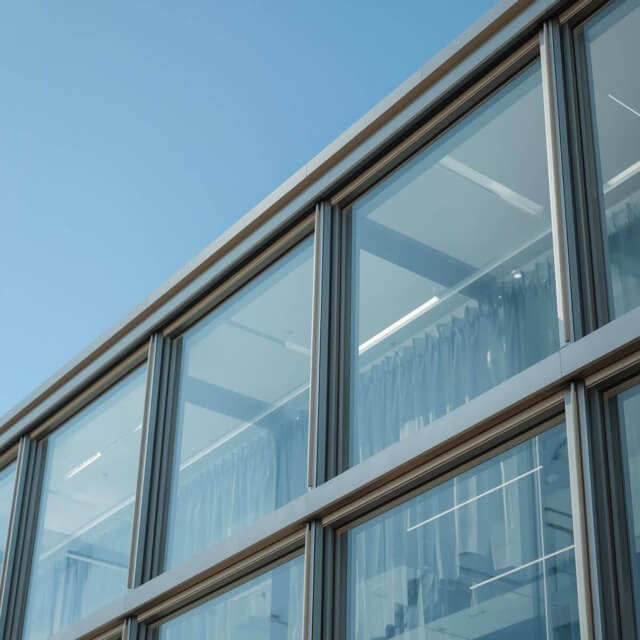

Moving beyond the limitations of traditional approaches requires a paradigm shift in how we engineer window protection. Retrofit security glazing represents a sophisticated, non-disruptive evolution, transforming existing windows into formidable barriers designed to withstand severe threats. This is arguably the best hurricane window protection available for comprehensive, architectural integrity.
The Core Principles of Advanced Glazing: Energy Dispersal and Laminated Polycarbonate
Unlike brittle glass, which absorbs impact energy by fracturing, advanced retrofit security glazing systems are engineered to disperse and absorb energy. At the heart of these systems is a multi-layered construction, often featuring high-strength laminated polycarbonate. Polycarbonate is renowned for its exceptional impact resistance and elasticity, allowing it to flex and deform under stress without shattering. When a projectile strikes, the system’s design ensures that the kinetic energy is spread across a wider area and dissipated through the material’s elastic deformation, significantly reducing the likelihood of penetration or catastrophic failure. This principle ensures the glass may crack, but the system remains intact, preventing a breach and maintaining storm protection.
Reinforcing Existing Structures: The Mechanics of Retrofit Window Reinforcement
Retrofit security glazing systems are designed to seamlessly integrate with a building’s existing fenestration, providing robust protection without the need for costly and disruptive window replacement. The mechanics involve mechanically bonding the advanced glazing material directly to the existing glass and window frame. This creates a composite system that leverages the structural integrity of the original window while significantly enhancing its impact resistance and providing critical window reinforcement.
- Mechanical Anchorage: Specialized framing and attachment systems are engineered to securely bond the new glazing layer to the existing frame, ensuring that the enhanced window can withstand massive pressure differentials and impacts without detaching.
- Structural Integration: The retrofit system effectively transforms the original window into a highly resilient unit, capable of absorbing and distributing forces across the entire opening, rather than relying solely on the original glass. This integrated approach ensures the enhanced window maintains its structural continuity and performance during a threat event.
The Difference Makers: Patented Systems and Custom Fabrication for Optimal Fit
The efficacy of retrofit security glazing lies not just in the materials but in the precision engineering and customization applied to each project. Patented systems reflect years of research and development, offering scientifically validated designs that outperform generic solutions. These proprietary designs optimize the layering, bonding agents, and attachment methods to achieve superior performance characteristics under extreme conditions.
Custom fabrication is equally crucial, ensuring that each retrofit solution is precisely tailored to the exact dimensions and specifications of the existing windows. This meticulous approach guarantees a virtually invisible integration, preserving the architectural aesthetics of the building. This is a primary concern for architects like Alex Chen. There is no bulky hardware, no intrusive overlays. Simply enhanced security that respects the original design intent. This engineered approach provides superior impact-resistant window film technology.
Architectural Security and Design Integrity: The Imperative for Design-Conscious Owners
Architects and building owners understand that security measures, while essential, should never come at the expense of a building’s aesthetic integrity or occupant experience. Traditional hurricane protection methods often introduce visual obstructions or require significant structural alterations. However, modern engineered glazing solutions offer a paradigm shift, providing robust protection that harmonizes with discerning design principles.
Preserving Uninterrupted Views: Why “Virtually Invisible” Matters
The primary appeal of advanced retrofit security glazing lies in its optical clarity and minimal visual footprint. Unlike bulky shutters or plywood, which completely obscure views and create a sense of enclosure, these systems are virtually invisible. They allow natural light to flood interior spaces and maintain unobstructed sightlines to the exterior, preserving the intended architectural experience and promoting occupant well-being. This design principle ensures that security enhancements do not diminish the living or working environment, nor do they detract from a building’s exterior presentation.
Maintaining Original Aesthetics: Custom Solutions for Historic and Modern Structures
A critical challenge for architects is safeguarding a structure against threats while honoring its original design. Engineered retrofit glazing excels in this regard by applying a protective layer to existing windows, thereby avoiding the need for their removal or replacement. This approach is invaluable for heritage properties, where preserving original elements is paramount, and equally beneficial for contemporary designs where clean lines and specific material palettes are central. Custom solutions ensure precise fitment to diverse window types, frames, and architectural styles, from intricate historic casements to expansive modern curtain walls, without altering the building’s facade.
Seamless Integration: Enhancing Building Value Without Compromise
The true measure of a superior security solution is its ability to integrate seamlessly, adding value without imposing drawbacks. Engineered retrofit security glazing achieves this by enhancing the inherent strength of existing windows, providing permanent, always-on protection without requiring any operational input during a storm. This integration means no visible hardware, no external modifications, and no storage requirements for protective panels. The result is a discreet, high-performance upgrade that elevates both the security profile and the market value of a property, aligning seamlessly with high-end architectural standards.
A Technical Look at Impact and Wind-Load Resistance in Engineered Glazing
The effectiveness of any protective system is ultimately determined by its engineering and its ability to withstand real-world forces. Advanced retrofit security glazing systems are developed through rigorous scientific principles and tested against the most demanding environmental challenges, offering unparalleled resilience.
Meeting and Exceeding Industry Standards: Miami-Dade, ASTM F1915, and Beyond
The benchmark for hurricane protection performance is established by stringent industry standards and certifications. Engineered retrofit glazing systems are designed not just to meet, but often to exceed, critical specifications such as Florida’s Miami-Dade protocols and ASTM F1915. These standards involve rigorous testing for large missile impact resistance and cyclic pressure loading, simulating the extreme conditions of a hurricane. Adherence to these global standards ensures that these glazing solutions provide verified, robust storm protection against the most severe wind and impact events.
The Science of Laminated Polycarbonate: Durability, Flexibility, and Strength
At the core of these advanced systems is the strategic use of laminated polycarbonate. Unlike traditional glass, which shatters on impact, polycarbonate is an exceptionally durable thermoplastic polymer. When engineered into multi-layered laminates, it offers extraordinary impact resistance while maintaining optical clarity.
- Exceptional Impact Strength: Polycarbonate can absorb significant energy from projectiles without fracturing or breaching. This is crucial for ballistic threats and wind-borne debris.
- Flexibility Under Stress: Its inherent flexibility allows it to deform momentarily under extreme pressure or impact, dispersing energy rather than succumbing to brittle failure.
- Bonding Technology: The lamination process, often involving proprietary interlayers, creates a cohesive unit that prevents delamination and ensures structural integrity even after repeated impacts.
This scientific combination of materials provides a protective barrier far superior to standard glass, preventing debris penetration and maintaining the building envelope.
Beyond Direct Impact: Sustained Wind Pressure and Debris Mitigation
While direct impact from flying debris is a critical concern during a hurricane, the sustained, fluctuating pressures of high winds also pose a significant threat. Engineered glazing solutions are designed to address both. The robust nature of laminated polycarbonate not only stops projectiles but also significantly reinforces the window against intense positive and negative wind loads that can cause standard glass to fail and detach from its frame. By maintaining the integrity of the building envelope, these systems prevent the catastrophic pressure equalization that can lead to structural damage from within, aligning with coastal building codes.
Performance Verification: Rigorous Testing and Certifications for Peace of Mind
The claims of superior performance are substantiated through comprehensive, third-party performance verification. This includes:
- Large Missile Impact Testing: Simulating impacts from a 2×4 lumber projectile traveling at high speeds.
- Cyclic Pressure Loading: Subjecting the glass to thousands of cycles of positive and negative pressure to mimic prolonged wind forces.
- Small Missile Impact Testing: Using ball bearings or similar objects to test resistance against smaller, faster debris.
Successful completion of these impact testing procedures results in certifications from reputable bodies, providing architects, building owners, and security stakeholders with objective evidence and absolute confidence in the system’s ability to protect lives and assets. This verifiable performance under extreme conditions underscores the reliability and engineering excellence of these advanced glazing solutions.
Implementing an Engineered Solution for Lasting Peace of Mind
Moving beyond the inherent limitations of temporary fixes and disruptive replacements, the implementation of advanced retrofit security glazing systems represents a paradigm shift towards proactive, permanent hurricane protection. This approach is not merely about applying a film. It is a meticulously engineered solution designed to integrate seamlessly into a building’s existing structure, delivering unparalleled security and peace of mind. This constitutes the best hurricane window protection for long-term resilience.
The Process: From Site Assessment to Professional Installation
The journey to superior window protection with an engineered retrofit solution begins with a comprehensive, scientific understanding of the existing structure and its vulnerabilities. This contrasts sharply with the often-generic application of shutters or the wholesale replacement mandated by impact windows.
- Detailed Site Assessment: Experts conduct an exhaustive analysis of the current glazing system, evaluating glass types, frame integrity, window conditions, and specific environmental exposures. This assessment also considers local building codes and potential threat profiles to inform the most effective security strategy.
- Custom Engineering and Design: Based on the assessment, a bespoke engineering plan is developed. This involves specifying the precise film layers, adhesive systems, and attachment mechanisms required to meet or exceed relevant impact and blast resistance standards. The design prioritizes preserving the original architectural aesthetic, a critical consideration for architects like Alex Chen.
- Precision Fabrication: The chosen materials, often patented multi-layered films combined with proprietary attachment systems, are meticulously fabricated to the exact dimensions and specifications of each window opening.
- Non-Disruptive Professional Installation: Certified technicians execute the installation with minimal intrusion to building occupants or operations. Unlike the noise and debris associated with window replacement, retrofit glazing is applied directly to the existing glass, integrating invisibly with the window system. This process ensures the structural integrity of the existing frames remains undisturbed, while adding a robust layer of protection.
- Rigorous Quality Assurance: Post-installation, thorough inspections confirm that every component meets stringent quality and performance criteria, guaranteeing the specified level of protection. This systematic approach ensures that the installed system performs exactly as engineered, offering reliable, always-on defense.
Understanding Longevity and Maintenance Requirements for Advanced Glazing
One of the significant advantages of engineered retrofit security glazing over traditional methods lies in its inherent longevity and minimal maintenance demands. Unlike hurricane shutters vs impact windows, which require seasonal deployment and storage, or impact windows that might have seals degrade over time, advanced glazing solutions are designed for enduring performance.
Modern retrofit security film is constructed from durable, optically clear polymers engineered to resist environmental degradation, including prolonged UV exposure and temperature fluctuations. These systems are typically warrantied for decades, often exceeding 15-20 years, effectively aligning with the lifecycle of other major building components.
Maintenance for these advanced systems is remarkably simple.
- Routine Cleaning: The film-enhanced glass can be cleaned using standard window cleaning solutions and non-abrasive materials, just like unprotected glass.
- No Seasonal Intervention: There is no need for annual installation or removal, eliminating labor costs, storage requirements, and the risk of damage associated with manual deployment.
- “Always On” Protection: Once installed, the system provides continuous, passive protection, meaning a building is constantly prepared for sudden severe weather events without any active intervention.
This “set it and forget it” aspect translates into substantial operational efficiencies and a consistent level of security that temporary measures simply cannot match.
The Investment in Protection: Cost-Effectiveness Over a Building’s Lifespan
Evaluating window protection solely on upfront cost often overlooks the true economic picture over a building’s lifespan. While initial investments for engineered retrofit security glazing may vary, a comprehensive analysis reveals a compelling case for its long-term cost-effectiveness compared to both traditional shutters and full impact window replacements.
Initial Cost Comparison:
- Impact Windows: Often represent the highest initial capital expenditure, requiring complete window unit removal and replacement.
- Shutters: Can have a lower initial purchase price but incur significant recurring costs for annual deployment, removal, storage, maintenance, and eventual replacement.
- Retrofit Glazing: Typically positions itself as a more economical alternative to full window replacement, while offering a superior, permanent solution compared to shutters.
Long-Term Value and Savings:
- Reduced Damage Costs: The primary financial benefit stems from significantly mitigating property damage during a hurricane. By preventing window breaches, secondary damage from wind, water, and debris is drastically reduced, leading to lower repair bills and insurance claims.
- Insurance Premium Reductions: Many insurance carriers recognize the enhanced protection offered by certified security glazing, potentially leading to reduced premiums for comprehensive hurricane coverage.
- Avoided Operational Disruption: For commercial properties, the “always-on” nature eliminates the disruption and downtime associated with pre-storm preparations and post-storm recovery, safeguarding business continuity.
- Enhanced Property Value: A building equipped with permanent, unobtrusive, engineered hurricane protection is inherently more resilient and therefore more valuable, appealing to discerning tenants and buyers.
- Total Cost of Ownership (TCO): When factoring in initial outlay, recurring labor, maintenance, potential damage, and insurance savings over a 20-30 year lifecycle, advanced retrofit glazing often presents the most financially prudent and effective solution. It transforms a reactive expense into a strategic, value-adding asset, providing the best hurricane window protection.
Conclusion: Embracing a Permanent Standard for Storm Resilience
The evaluation of traditional hurricane protection reveals a clear trade-off between safety, aesthetics, and operational effort. While shutters offer a reactive barrier and impact-resistant replacements provide a permanent (albeit disruptive) fix, neither fully addresses the needs of modern, design-conscious property owners. The hidden costs of manual labor, storage, and architectural compromise inherent in traditional methods often outweigh their initial utility.
Retrofit security glazing emerges as the definitive alternative, bridging the gap between high-level engineering and architectural integrity. By leveraging the energy-dispersal properties of laminated polycarbonate and the structural strength of specialized attachment systems, this “always-on” solution reinforces the building envelope without the need for total window replacement. It transforms a building’s most vulnerable points into a unified, transparent defense system that meets the most rigorous Miami-Dade and ASTM standards.
Ultimately, choosing an engineered retrofit solution is an investment in long-term value. It eliminates the frantic cycle of storm preparation, preserves the original vision of the architect, and provides year-round peace of mind. For those seeking to safeguard both their assets and their aesthetic standards, retrofit security glazing represents the future of coastal resilience—protection that is as invisible as it is invincible.
Frequently Asked Questions
What is retrofit security glazing?
Retrofit security glazing is an advanced engineered system that enhances existing windows with high-strength, multi-layered polycarbonate laminates and specialized attachment systems. This process significantly increases impact resistance and structural integrity without replacing the entire window unit, providing continuous storm protection.
How does retrofit glazing compare to hurricane shutters vs impact windows?
Retrofit glazing offers permanent, always-on protection, unlike temporary hurricane shutters, which require manual deployment. Unlike full impact window replacements, retrofit glazing integrates with existing windows, preserving architectural aesthetics, reducing disruption, and often proving more cost-effective.
Does retrofit security glazing meet building codes for hurricane zones?
Yes, reputable retrofit security glazing systems are engineered and rigorously tested to meet or exceed stringent industry standards such as Florida’s Miami-Dade protocols and ASTM F1915 for large missile impact and cyclic pressure loading. This ensures compliance with coastal building codes.
Will retrofit glazing change the appearance of my building?
No. One of the key advantages of engineered retrofit security glazing is its “virtually invisible” nature. It maintains optical clarity and integrates seamlessly with existing window frames, preserving the original architectural design and allowing for unobstructed views and natural light.
What are the long-term benefits of investing in retrofit security glazing?
Long-term benefits include continuous 24/7 hurricane protection, reduced property damage costs, potential insurance premium reductions, enhanced building value, minimal maintenance, and avoidance of operational disruptions. These systems are designed for decades of reliable performance, making them a cost-effective solution over a building’s lifespan.