Introduction: Why Debris Impact Window Protection Matters in 2026
Debris impact window protection refers to systems that protect windows and doors from windborne objects, forced entry, and blast events without requiring full replacement of existing glass. During hurricanes, tornadoes, riots, and explosions, flying debris can shatter conventional glass and compromise the entire building envelope within seconds. The Atlantic hurricane seasons from 2020 through 2025 produced above-average storm damage, and severe convective storms in the Midwest have increased risk for facilities previously considered safe.
This article is written for facility managers, school districts, retail chains, and government property owners. Impact Security’s retrofit glazing systems-DefenseLite, BulletShield, and RiotLite-offer a modern alternative to plywood or metal shutters. Here’s what you’ll learn:
- How debris breaks glass and what happens next
- Types of protection and their trade-offs
- How retrofit security glazing works
- Common mistakes to avoid
- How to start a project with Impact Security
Table of Contents
How Debris Breaks Glass and Compromises the Building Envelope
Types of Debris Impact Window Protection: From Temporary to Retrofit Systems
Key Considerations When Choosing a Debris Protection Strategy
How Retrofit Security Glazing Protects Windows and Doors from Debris
Inside the Retrofit Process with Impact Security
Common Mistakes to Avoid with Debris Impact Window Protection
Why Choose Impact Security for Debris Impact Window Protection
Next Steps and How to Get a Project Started
FAQs About Debris Impact Window Protection
How Debris Breaks Glass and Compromises the Building Envelope
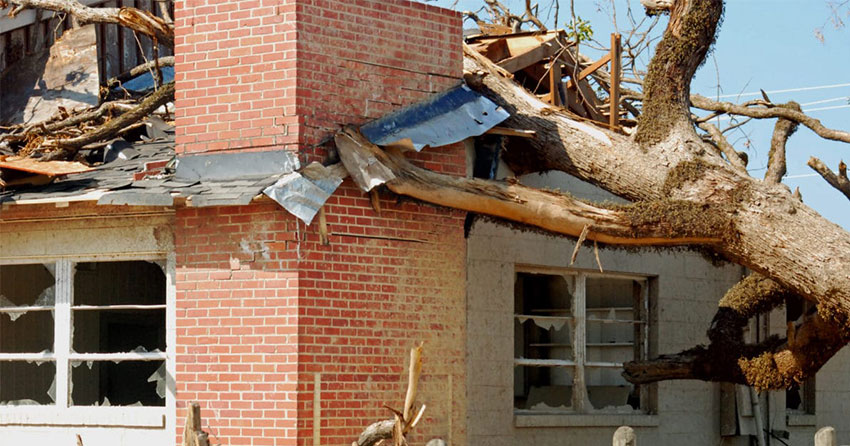
The building envelope-your roof, walls, windows, and doors-is the line between a controlled interior and the outside. Windows and doors are the most vulnerable openings. Protecting windows from debris during severe weather is crucial for maintaining structural integrity. When a 2×4 board traveling at 50 mph strikes annealed glass, it penetrates on first impact. Standards like ASTM E1996 use exactly this type of missile test to rate protection.
Once a window is broken, the chain reaction is fast:
- Internal pressure spikes, which can lead to roof failure
- Wind and rain enter the home or facility, destroying contents, ceilings, and electrical systems
- Water intrusion creates holes in insulation, inviting mold and long-term structure damage
Annealed glass shatters into dangerous shards. Tempered glass is stronger but still brittle when struck by large debris. Laminated glass holds fragments together but may still crack under repeated impact. Impact windows maintain integrity even when cracked, which is why they’re considered the baseline for serious protection. Key risk scenarios include hurricanes along the Gulf coast, tornado debris in the central U.S., and thrown objects during civil unrest.
Types of Debris Impact Window Protection: From Temporary to Retrofit Systems
Options range from temporary plywood to permanently installed impact windows and retrofit security glazing, each with different cost, performance, and disruption profiles. Understanding which types fit your situation is needed before you build a protection plan.
Temporary solutions: Plywood is a common method for window protection during hurricanes. Plywood shutters should be 14 mm thick (at least 5/8-inch) for effective protection against flying debris. However, OSB fails to stop a 2×4 projectile at hurricane speeds, making it a poor substitute. Hurricane fabric is designed to absorb and redirect the impact energy of debris, but it often allows glass breakage and doesn’t fully secure the building envelope. Avoid taping windows during a storm as it does not prevent breakage effectively.
Permanent mechanical barriers: Metal storm shutters provide robust, permanent window protection. Storm shutters can be quickly closed before a storm and provide excellent protection. Wind-rated roller shutters can reduce the size of openings during storms. However, metal storm shutters can fail if struck at vulnerable spots around lock points, and corrosion is a concern in coastal environments.
Code-approved impact windows and doors: Factory-built units with laminated glass and reinforced frames, tested to debris and pressure standards. Impact-resistant windows withstand winds up to 143 mph and prevent wind and rain from entering homes. They can lower energy bills with Low-E glass and reduce sound transmission significantly. Impact-rated windows or permanently installed storm shutters are reliable long-term investments. The downside: full tear-out and replacement is disruptive and costly for occupied buildings.
Retrofit security glazing: Polycarbonate panels allow natural light while protecting windows. Systems like DefenseLite mount over existing glass to create a stand-off protective layer, dramatically increasing debris impact resistance without removing original windows and doors.
Debris-rated screens are engineered to absorb impacts while allowing airflow and visibility, and must meet AS/NZS 1170.2 testing requirements. Retrofit is best for long-term, always-on protection in commercial and government facilities.

Key Considerations When Choosing a Debris Protection Strategy
The best solution depends on risk profile, building type, budget, and regulatory requirements. Proper preparation before hurricane season ensures better window protection from debris.
- Hazard profile: Coastal hurricane risk, tornado alley location, urban riot exposure, or federal blast requirements
- Building use: K-12 schools, hospitals, retail storefronts, and courthouses each have different tolerances for downtime
- Code requirements: IBC/IRC, local windborne debris regions, UFC, and GSA glazing criteria may apply
- Operational constraints: Keep windows and doors functional for egress; avoid boarding up before every event
- Total cost of ownership: Upfront cost vs. recurring labor, insurance savings, and avoided business interruption
Reinforcing window frames can prevent failure even if the glass remains intact-an often overlooked but beneficial step.
How Retrofit Security Glazing Protects Windows and Doors from Debris
A retrofit glazing system is a custom-engineered, clear shield mounted over existing glass and frames. It upgrades impact performance without removing original windows and doors. Construction typically includes thick, abrasion-resistant polycarbonate or laminated composite panels, custom aluminum framing anchored into existing structure, and a stand-off air gap that absorbs impact energy.
When debris strikes, the external shield flexes and captures the projectile. Energy disperses across the panel and into the framing, preserving interior glass and the building envelope. Even if the original glass develops a crack, it remains contained behind the shield-no dangerous shards, no pressure spikes inside. Window films can help hold shattered glass together to prevent dangerous flying shards, but they are not a substitute for engineered overglaze systems like DefenseLite.
Beyond debris, these systems defend against smash-and-grab at retail storefronts and are compatible with ballistic-rated panels like BulletShield, with DefenseLite overglaze security systems being a leading example. The air gap can also reduce noise and improve insulation, and the installation is easy to phase around operations with minimal disruption.
Inside the Retrofit Process with Impact Security
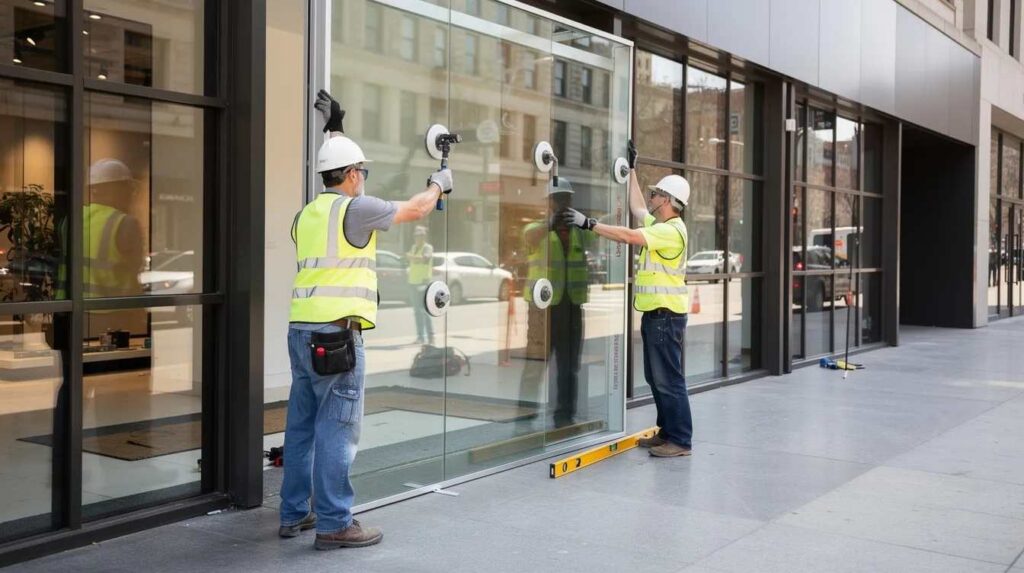
Impact Security offers turnkey design-fabrication-installation services nationwide through certified dealers, backed by the expertise described on their About Impact Security company page. The typical process:
- Assessment: On-site survey of existing windows, doors, frames, and threat exposure
- Engineering: Panel thickness, fasteners, and framing selected and tested for the specific building’s requirements
- Fabrication: CNC-cut at facilities in Marietta, GA and Glendale, AZ
- Installation: Scheduled nights, weekends, or school breaks to minimize disruption
- Documentation: Impact and forced-entry test results provided for building records
Timelines vary, but expect several weeks for engineering and fabrication, followed by phased install across your facilities, and you can begin the process through the DefenseLite contact form.
Common Mistakes to Avoid with Debris Impact Window Protection
Many property owners under-protect or mis-specify their systems, leaving windows vulnerable when they believe they are secure, despite having access to detailed guidance on hurricane window protection options that work.
- Relying solely on window film and assuming it provides full debris protection-most films are for shard retention, not stopping missiles
- Using OSB or undersized plywood that cannot stop projectiles at hurricane wind speeds
- Protecting only street-facing glass while ignoring side and courtyard openings still within the debris field
- Improper anchoring of shutters into weak substrates that fail under load
- Not inspecting existing frames and sealants before retrofitting, which compromises water-tightness
- Neglecting to train staff on when and how to deploy temporary systems before an event
- Selecting solutions solely on material cost, ignoring labor, downtime, and post-event recovery
Why Choose Impact Security for Debris Impact Window Protection
Impact Security has specialized in retrofit security glazing for commercial, educational, and government facilities since 2016, including solutions for bulletproof windows and doors with glass security measures. The company focuses on protecting existing windows and doors-no costly, disruptive full-replacement projects.
- Product range: DefenseLite for forced entry and debris, BulletShield for ballistic threats, RiotLite for civil unrest, and custom safe-room solutions
- Scale: Nationwide dealer network with fabrication in Georgia and Arizona
- Turnkey delivery: Assessment, design, fabrication, install, and warranty from a single team
- Proven applications: Storefront glass protection during protests and riots for pharmacies and retailers, glass hardening for K-12 entrances, and enhancements to municipal buildings and federal facilities
Impact Security’s solutions help maintain the building envelope, increase resilience, and support long-term risk reduction.
Next Steps and How to Get a Project Started
Getting started is straightforward:
- Compile basic information: locations, window and door counts, glass size, and known vulnerabilities
- Request a free remote or on-site assessment to discuss debris threats, forced-entry risk, and budget
- Review design concepts and phasing plans to prioritize the highest-risk openings first
Contact Impact Security today to connect with a certified local dealer or project consultant and take the first step toward protecting your facilities.
FAQs About Debris Impact Window Protection
Is film on my existing glass enough to protect against debris impact? Window films help hold shattered glass together, but they are designed for shard retention-not structural debris resistance. For effective protection, engineered overglaze or impact-rated systems are needed.
How do retrofit systems like DefenseLite compare to full impact-rated replacement windows? Retrofit systems deliver comparable debris and forced-entry protection at lower cost and with far less disruption. They install over existing glass, so buildings stay operational. Full replacements are best for new construction.
Will debris protection change the appearance of my storefront or campus? Modern polycarbonate shields offer high optical clarity and low-profile framing. Sightlines, branding, and daylight are preserved, making the retrofit virtually invisible from the street.
Can debris impact window protection also help with security threats like riots or smash-and-grab theft? Yes. Systems like RiotLite and DefenseLite resist thrown objects, crowbars, and repeated attacks, and smash-proof anti-theft glass panels are specifically designed for these threats. Pharmacies and electronics retailers use them to stop forced entry during civil unrest.
How long does installation take and will I have to close my building? Most openings take hours, not days. Installation is scheduled around your operations-nights, weekends, or school breaks-so buildings remain open and occupants are unaffected.
Does debris impact protection affect energy performance, noise, or maintenance? The engineered air gap can cut sound transmission and improve insulation. Polycarbonate requires occasional cleaning but carries warranties up to 15 years with proper care.