Table of Contents
Why Explosive Blast Glazing Matters
What Is Explosive Blast Glazing?
Standards & Ratings
Best Applications
Process & Cost
FAQs
Why Choose Impact Security
Why Explosive Blast Glazing Matters in 2026
Picture a downtown federal building or hospital atrium sitting in proximity to a busy street. If an explosion were to occur-whether from a terrorist attack or an accidental industrial blast-standard windows become the weakest link in the structure. Blast pressures can carry broken glass at speeds over 100 feet per second, turning ordinary glass panes into lethal projectiles. The Pentagon report linked 12 fatalities to glass shard injuries, and in the Oklahoma City bombing, 40 percent of survivors inside cited flying glass as contributing to their injuries. Lacerations from flying glass fragments cause many explosion injuries worldwide.
Explosive blast glazing refers to a complete system-blast-resistant glass bonded with interlayers, housed in reinforced frames, and anchored to the surrounding structure-engineered to absorb blast pressure and keep debris attached to the frame. These modern laminated glass systems are designed to save lives, protect people, and maintain building operations after an incident. Avoiding glass fragmentation during an explosion is crucial for occupant safety-and it’s the core purpose of every blast-resistant glazing system on the market today.
What Is Explosive Blast Glazing and How Does It Work?
Blast-resistant glass is fundamentally different from standard toughened glass or basic laminated glass. While toughened glass shatters into small cubes under explosive force and can detach from the frame, blast-resistant glazing is part of a broader protective design strategy for buildings. Performance depends on the whole glazing system-not glass alone.
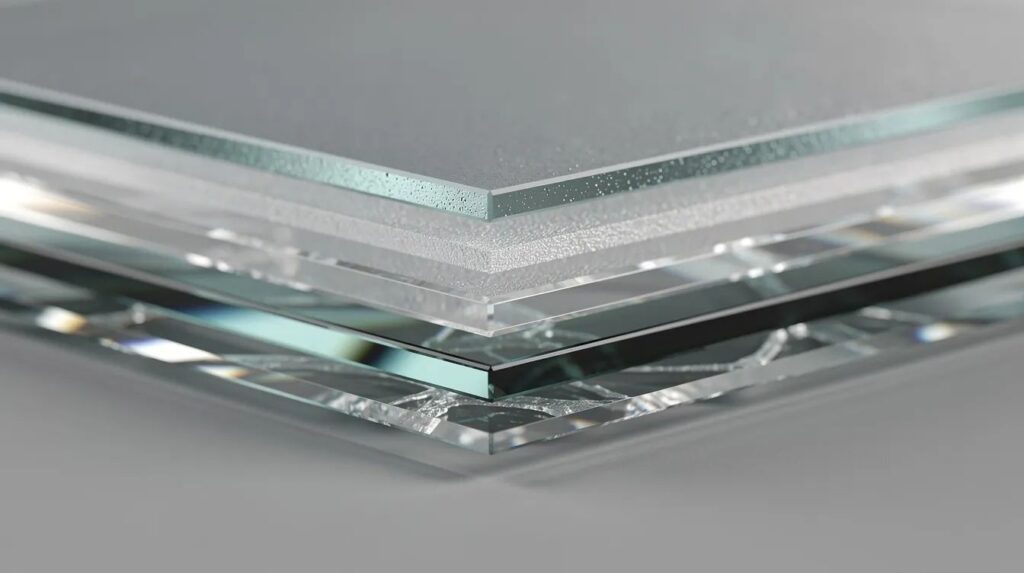
A typical blast-resistant unit combines multiple glass or polycarbonate plies, laminated with interlayers such as PVB or ionoplast polymers. Glass specifications include interlayer and bond quality for blast resistance, and laminated glass thickness is determined by building regulations and wind loading. Blast-resistant glass has a rating system for blast force absorption, giving engineers a way to determine exactly how much impulse and pressure a system can withstand.
Shockwave absorption is a key feature of blast-resistant glazing systems. When a blast wave creates a rapid pressure spike followed by suction, the glazing must flex without shattering. Blast-resistant glass is engineered to remain flexible under blast pressure-glass can crack but should not produce dangerous flying shards. The glass can crack but remains in its frame after an explosion, which is the critical defense against interior injury. Blast-resistant glass absorbs explosion forces to prevent shattering.
Blast glazing requires robust steel or aluminum framing anchored to the building. Proper wet glazing attachment is critical for blast-resistant glazing performance. The primary benefit of blast-resistant glazing is the mitigation of flying shards. Without adequate frame strength and edge engagement, even the best glass will fail-the outer pane and every component must form a combined, engineered assembly. Explosive blast glazing is engineered to resist shockwaves from explosions, but it is not automatically bulletproof. Blast resistance and ballistic protection address different threats, though some systems can be designed for both.
Blast Resistance Standards, Ratings, and Performance Criteria
Formal testing and standards are crucial for liability, insurance, and compliance. Common standards for blast-resistant glazing include ASTM F-1642 and GSA requirements. The GSA/ISC criteria define Performance Conditions 1 through 5 for federal facilities, while UFC 4-010-01 governs Department of Defense blast design. These test methods reveal how a glazing system performs under specific charge sizes and distance parameters.
Blast glazing is tested to meet performance standards based on peak pressure, and blast resistant glass is tested for damage under various pressures. A typical performance condition might read: “glass cracks but remains in frame; no hazardous fragments enter the interior.” European standards like EN 13541 provide additional classification, but U.S. projects primarily reference ASTM, GSA, and UFC blast-resistant performance requirements.
There is no universal “blast proof” rating. Performance is scenario-specific-charge weight, stand-off distance, and threat type all determine project requirements. Higher ratings mean heavier systems and more robust anchorage. Impact Security works with blast consultants and structural engineers to match glazing solutions to each building’s risk profile so windows never remain the weakest link.
Where Explosive Blast Glazing Is Used
Blast-resistant glazing is widely used in government and military facilities, but the world of blast mitigation has expanded well beyond embassies and military installations. Today’s applications include:
- Government buildings use blast-resistant glass for security-courthouses, admin centers, and facilities in positions near public plazas, with regional offerings such as Austin, TX safety and security ballistic window glazing
- Banks utilize blast-resistant glass to protect against attacks and manual attack threats, and facilities in major metros can leverage Chicago, IL window security and safety glazing services
- K–12 schools upgrading secure vestibules to protect against terrorist attacks and active threats
- Healthcare facilities, especially emergency departments near roadways where accidental blasts can occur and where active shooter mitigation solutions are a growing priority
- Industrial sites often require blast-resistant glass for safety, particularly energy and petrochemical facilities
- Shopping centers use laminated glass for blast resistance across high-traffic retail locations
- Transport buildings may require blast-resistant glazing solutions at transit hubs
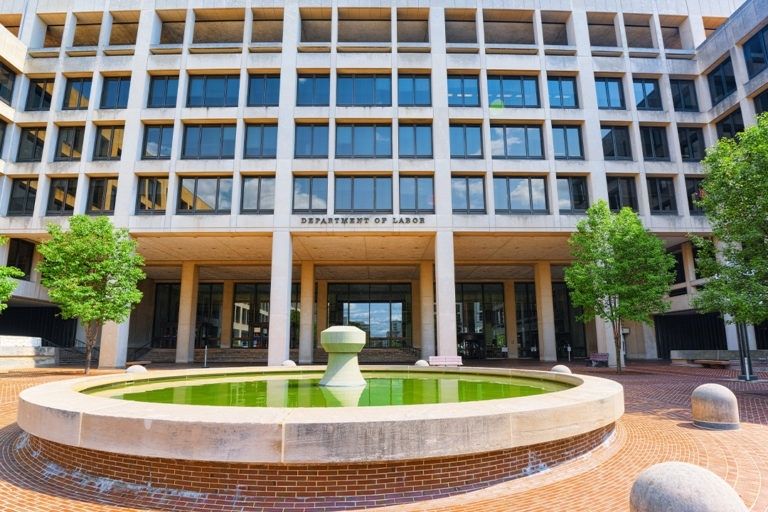
Factors that signal it’s time to act include formal threat assessments indicating blast or IED risk, proximity to unsecured parking, history of protest activity at the location, and lease or insurance requirements that meet specific security needs. Properly designed systems help save lives, reduce injuries, and keep facilities operational-allowing occupants to shelter in place even when nearby property is damaged. The ability to create a safe interior environment after an explosion can mean the difference between death and survival.
Retrofit vs. New Build: How the Process Works
Impact Security focuses on retrofit blast-resistant glass panels and bomb protection glazing systems that strengthen existing windows, doors, and storefronts without full tear-out-critical for occupied schools, hospitals, and 24/7 facilities. Fragment-retention films may be used in some retrofit applications of blast glazing. Safety films create a protective barrier against blast effects for buildings where full system replacement isn’t feasible.
The typical retrofit process follows these steps:
- Site assessment reviewing current glazing, frames, anchorage, and surrounding construction
- Threat discussion covering charge size, stand-off distance, and protection level
- Engineering and product selection based on specific needs and performance requirements
- Fabrication at Impact Security facilities in Marietta, GA and Glendale, AZ
- Professional installation by certified dealers or in-house crews
- Final inspection, documentation, and warranty
Blast-resistant systems must maintain structural integrity after an explosion. Cost drivers include the required blast resistance level, window sizes, frame condition, and whether combined features like blast plus ballistic protection using BulletShield retrofit panels are needed. Timelines vary-assessment and proposal typically take one to three weeks, with installation phased around building schedules to minimize disruption. A properly engineered retrofit is a complete system tied into the existing structure, not just thicker glass or added film.
FAQs About Explosive Blast Glazing
Is blast resistant glass the same as bulletproof glass? No. Blast resistance addresses explosive force and pressure waves, while forced entry and ballistic-resistant glazing systems stop projectiles and prevent intrusion. Some systems can be engineered for both, but they require different testing and engineering. Always verify which threat your glazing system is designed to withstand.
Will blast resistant glazing stop glass from breaking? Glass can crack under blast loading-that’s expected. The goal is to prevent dangerous shattering and keep glass fragments bonded to the interlayer and retained in the frame, so broken glass doesn’t become flying debris that causes injuries.
Can I upgrade existing windows or do I need full replacement? Impact Security specializes in retrofit solutions that strengthen existing glass in windows, doors, and storefronts. Secondary glazing systems and protective shields can be installed over current glass panes without full tear-out.
How do I know what blast rating my building needs? Work with a security consultant who can conduct a threat assessment and determine the appropriate protection level using GSA/ISC or UFC criteria. Impact Security’s team can help translate those findings into the right safety and security glass solution.
Does blast resistant glass affect visibility or natural light? Modern laminated glazing and retrofit shields are optically clear. They preserve normal daylighting and sightlines while providing protection that remains virtually invisible to occupants.
Can blast protection also help with forced entry and rioting? Yes. Impact Security’s product families-including DefenseLite Pro for advanced forced entry protection, RiotLite for riot defense, and BulletShield for ballistic threats-can be combined with blast glazing to address multiple threats in a single installation. Fire resistance considerations can also be addressed depending on project scope.
Why Choose Impact Security for Blast Resistant Glazing Retrofits
Impact Security is a U.S.-based retrofit security glazing manufacturer and installer that has specialized in retrofit security glazing since 2016, serving facilities across every sector from schools to government buildings.
- Retrofit-focused systems that protect existing glass without full replacement
- Turnkey service from assessment and engineering through fabrication, installation, and warranty
- Proven experience protecting schools, retail chains, government agencies, hospitals, and financial institutions
- Manufacturing in Marietta, GA and Glendale, AZ for quality control and predictable lead times
- Nationwide network of certified dealers and installers
Impact Security designs every solution so glass is no longer your building’s weakest link-integrating blast protection with visibility, energy performance, and daily usability. Request a free site assessment today to evaluate your current vulnerability and discover how the right glazing system can protect people, preserve operations, and deliver lasting safety for your property.