Table of Contents
Emergency rooms in 2026 face escalating workplace violence, forced entry attempts, and active shooter risks that demand more than standard glass. Security glazing for emergency rooms gives healthcare facilities a way to shield staff, patients, and critical operations without turning care spaces into fortresses. This guide is for facility managers, security directors, architects, and healthcare administrators ready to act.
The Rising Threat of Violence in Emergency Departments
What “Security Glazing for Emergency Rooms” Actually Means
Critical ER Zones That Benefit Most from Security Glazing
Types of Security Glazing Solutions for Emergency Rooms
Designing ER Security Glazing Without Sacrificing Care and Comfort
Implementation: How ER Security Glazing Projects Work in Active Hospitals
Why Work with Impact Security for Emergency Room Glazing
FAQs About Security Glazing for Emergency Rooms
The Rising Threat of Violence in Emergency Departments
Emergency departments have become the highest risk areas for violence in hospitals. Healthcare workers are five times more likely to face violence than workers in other industries, and Bureau of Labor Statistics data confirm that 73% of serious workplace assaults occur in healthcare settings. Nearly half of registered nurses reported increased workplace violence in recent years, with verbal or physical assaults now a daily reality for staff providing direct patient care.
Emergency rooms face unique security challenges due to unpredictable behaviors. They operate 24/7, serve potentially criminal patients and mentally ill individuals in crisis, and manage high volumes of patients and visitors whose patient confusion, perceived neglect, or substance use can trigger aggressive behavior. One-quarter of emergency department shootings involve security officer weapons, underscoring how even armed security measures can become liabilities. Specific threats that security glazing can address include thrown objects at triage areas, physical attacks on staff at reception desks, attempts to steal prescription drugs from pharmacy windows, and forced entry into treatment bays.
These trends drive measurable operational damage: staff turnover, emotional trauma, burnout among registered nurses and healthcare professionals, workers’ compensation claims, and even ambulance diversion. OSHA recommends physical barriers to reduce workplace violence risks, and security glazing stands out as one of the few physical measures capable of protecting healthcare workers without making emergency departments feel unwelcoming.
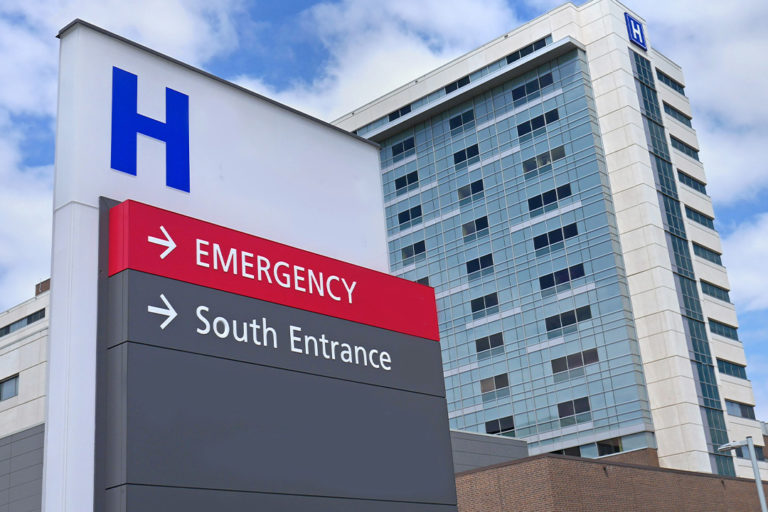
What “Security Glazing for Emergency Rooms” Actually Means
Security glazing refers to glazing systems engineered to resist impact, forced entry, and in some cases ballistic threats-far beyond what basic safety glass can do. The primary goal of security glazing is to delay forced entry and protect staff and patients in emergency rooms from threats, while enhancing visibility and maintaining a welcoming environment in hospitals.
Here is how the categories break down:
| Glazing Type | Purpose | Typical Use in ERs |
|---|---|---|
| Tempered / basic safety glass | Breaks in safer pattern | General patient rooms, resident rooms |
| Laminated safety glass | Holds shards together, prevents shattering | Behavioral health units, waiting areas |
| Forced-entry resistant glazing | Delays unauthorized access significantly | Internal doors, corridors, nurse stations |
| Bullet resistant glass | Stops firearm projectiles (tested to UL 752 standards) | Reception, entrances, pharmacy windows |
| Retrofit polycarbonate shields | Mounts over existing glass for rapid upgrade | All high risk areas without full replacement |
In emergency departments, the smartest approach is layered: forced-entry resistance first, then ballistic performance where risk justifies it. Key performance concepts include delay time against attackers, non-spall behavior that prevents shattered glass from becoming a hazard and maintaining clear communication through the barrier. Security glazing provides a safe separation without creating a fortress-like environment. The industry uses “bullet resistant” rather than “bulletproof” because all systems have rated limits. Forced entry-resistant glazing delays unauthorized access significantly, buying critical minutes for rapid response.
Impact Security specializes in retrofit security glazing systems-including DefenseLite and BulletShield-that allow hospitals to upgrade existing ER glass without full demolition or window replacement.
Critical ER Zones That Benefit Most from Security Glazing
Not every window in a healthcare facility needs the same protection level. Risk-based prioritization directs budgets to the zones where patient and staff safety depend on physical barriers most.
Triage and registration areas are where staff face the public first. Impact-resistant and forced-entry resistant glazing at check-in windows, bill payment counters, and triage areas should allow clear conversation and document pass-through while blocking face-to-face pathways where six feet of distance is not possible-consistent with OSHA guidance on barriers in high-traffic hospital areas. Level 3 or 4 ballistic materials are recommended for emergency departments at these public-facing openings, capable of stopping common handgun rounds while staff call security.
Main ER entrances and ambulance bays need exterior forced-entry security glazing and ballistic overlays to control armed intruder and smash-and-grab risks. Bullet-resistant glazing protects against active shooter threats at these high-traffic areas where patient and visitor activity is heaviest, and can be part of broader active shooter mitigation solutions that include training and procedural safeguards.
Nurses’ stations inside emergency departments need attack-resistant glazing that lets staff monitor patient conditions and maintain line-of-sight while staying protected from physical assaults. Hospitals should install shatterproof glass at nurses’ stations-a recommendation in place since 2004-to shield those managing disruptive behaviors.
Behavioral health units and assessment rooms adjacent to ERs require human-impact-resistant glazing to prevent self-harm and staff injury. Security glazing can be used in behavioral health treatment areas to minimize risks while preserving patient privacy.
Hospital pharmacy windows and medication rooms serving the ER are targets for those trying to steal prescription drugs or access sensitive medications. Ballistic or forced-entry resistant glazing here deters drug-seeking attacks. Properly placed security glazing supports overall hospital security plans, aligns with Occupational Safety and Health Administration guidelines, and maintains operational continuity during disruptive incidents.
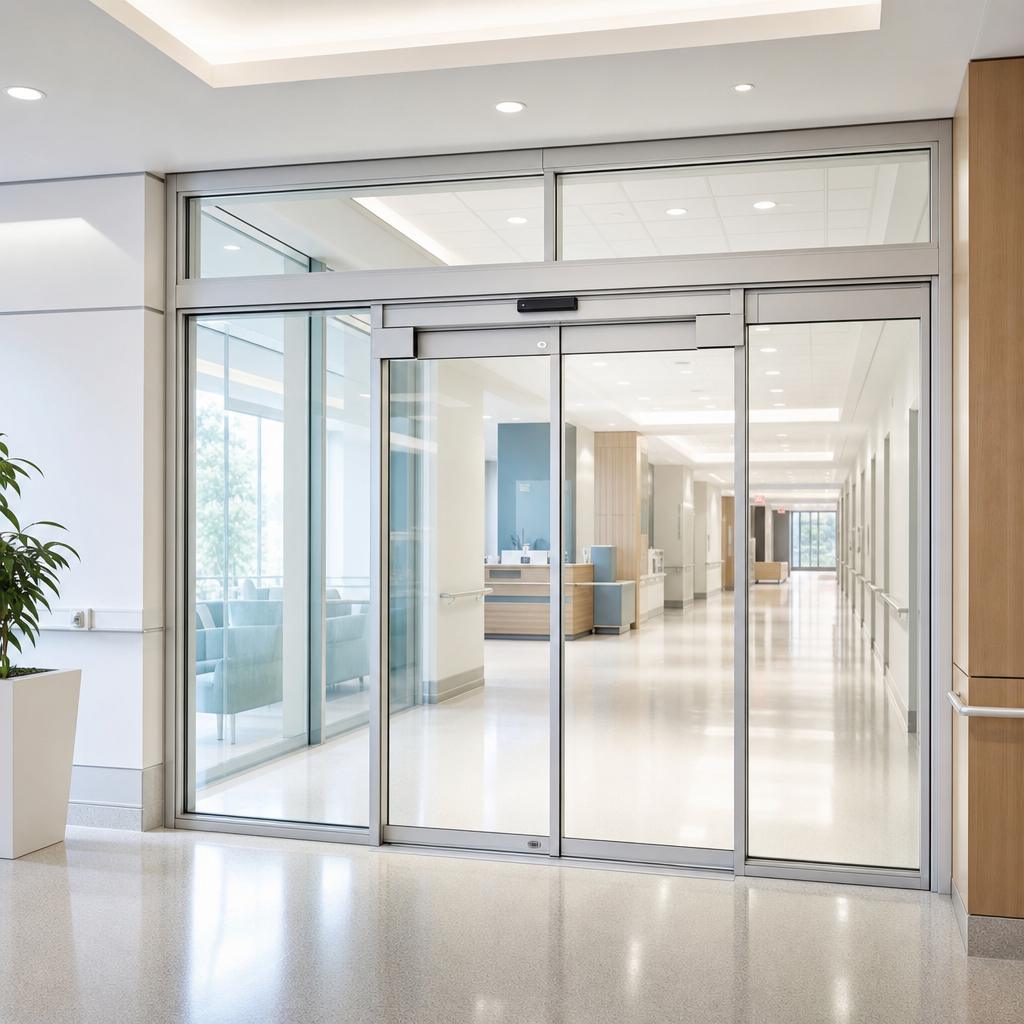
Types of Security Glazing Solutions for Emergency Rooms
Facility teams typically choose among window film, laminated glass, polycarbonate based security glazing, and full ballistic units. Each serves a different layer of the safety and security strategy.
Security window films are applied to existing glass to enhance safety and security by holding shattered glass together in hospitals. RiotLite high-impact security window film uses stackable interior laminates to add shatter resistance and delay intrusion during violent incidents. It prevents shattered glass from becoming a hazard in emergency rooms, but window film offers limited forced-entry resistance-position it as a supplementary measure for patient areas, not a primary ER barrier.
Laminated safety glass holds shards together if fractured, preventing injury. It is effective in behavioral health units and patient rooms where self-harm and accidental impact are key concerns. Human impact-resistant glazing prevents shattering from aggressive behavior, making it the go-to for direct patient care areas.
Forced-Entry-Resistant and Ballistic Glazing Solutions
Forced-entry-resistant retrofit systems like Impact Security’s DefenseLite, which outperforms traditional security glass film, mount over existing ER glass to stop break-and-enter attacks, vandalism, and thrown objects without removing old hospital security windows. DefenseLite impact-resistant overglaze security systems are engineered to flex and dissipate energy, providing durable, optically clear protection that can also reduce noise in busy ER environments. DefenseLite Pro meets ASTM F3561 Level 8 forced-entry resistance-addressing workplace violence with a proven solution that does not require full window replacement. Riot Glass and other ASTM F3561-tested security window film systems are also designed to withstand physical impact in hospitals and enhance hospital security where high-impact polycarbonate based security glazing is specified. Polycarbonate glazing resists impacts significantly better than conventional glass, absorbing repeated hits without shattering and producing no dangerous spall fragments for staff or patients.
Ballistic retrofit panels such as BulletShield retrofit security glazing provide bullet resistant protection at ER reception, security checkpoints, and pharmacy interfaces while looking like standard security glass. Readers comparing overglaze systems to traditional bulletproof glass options for ballistic resistance should weigh cost, installation complexity, and the ability to retrofit existing storefronts. These glazing systems are tested to UL 752 standards for firearm threats. Fire rated glass and x ray shielding glass serve adjacent specialized needs but are separate from the forced-entry and ballistic conversation, while hospital security retrofit solutions for glass and doors focus on violence and intrusion risks.
Match each glazing choice to the risk profile: ballistic at public-facing check-in, forced-entry at internal doors and corridors, impact-resistant at behavioral health rooms. Security glazing can aid in complying with safety regulations for high risk areas across healthcare environments.
Designing ER Security Glazing Without Sacrificing Care and Comfort
The tension between hardening emergency departments and preserving a calming healthcare environment is real. The good news: modern security glass maintains natural light, full visibility, and open sightlines. Clear, low-iron glazing and transparent polycarbonate shields keep the connection between staff and patients intact-no armed-checkpoint aesthetic.
Design strategies that work in healthcare settings include full-vision transparent barriers at nurses’ stations, integrated pass-through drawers that minimize clutter at reception desks, and frameless or slim-frame retrofits that blend into existing hospital architecture. Multi-layer security glazing also reduces noise in chaotic ERs, supporting patient care and staff focus, mirroring performance seen in other commercial security window solutions for doors and glazing where both impact resistance and acoustic comfort are priorities.
For infection control, smooth non-porous surfaces withstand hospital-grade disinfectants, minimal seams simplify cleaning, and installation follows infection-control construction protocols (ICRA). Design teams should coordinate with risk management, infection prevention, and nursing leadership so glazing sight lines support both staff security and rapid response to patient deterioration-preventing violent encounters while maintaining clear communication across direct patient care areas and waiting areas.
Implementation: How ER Security Glazing Projects Work in Active Hospitals
Upgrading emergency departments is complex because they cannot shut down. Work must be phased and tightly coordinated around patient flow, medical procedures, and life safety requirements.
A typical process with Impact Security follows these steps:
- On-site risk assessment of emergency departments and adjacent behavioral health units, evaluating patient and visitor activity patterns and incident history
- Identification of priority openings-check-in, ambulance entrance, pharmacy windows, staff stations
- Engineering and specifying appropriate forced-entry or bullet resistant systems per occupational safety standards
- Fabrication at regional centers in Marietta, GA and Glendale, AZ to minimize on-site disruption
- Scheduled installation in off-peak hours with infection-control barriers and clean work zones
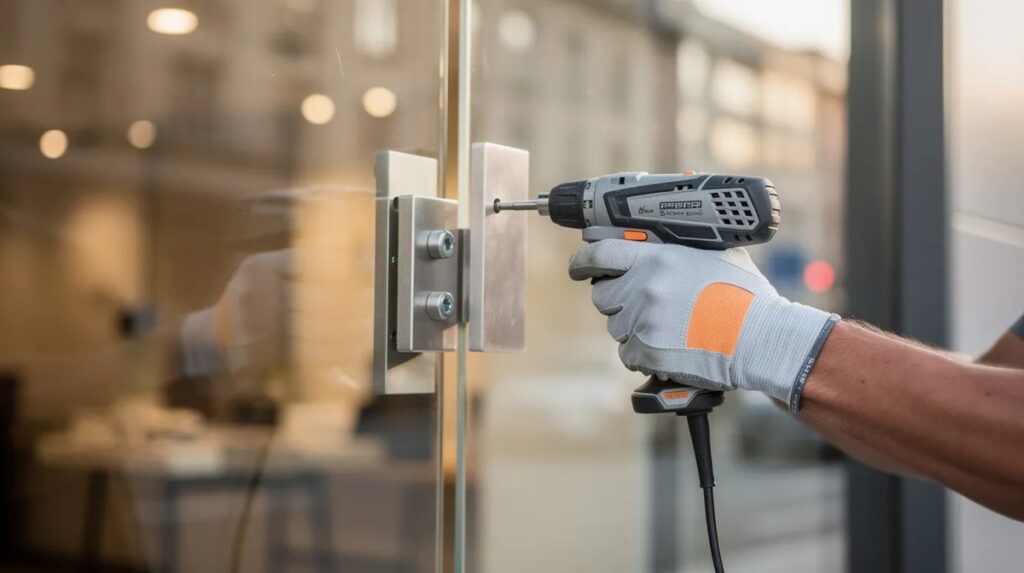
Retrofit security glazing installs over existing glass, reducing dust, demolition noise, and disruption to patient care compared with full window replacement; advanced systems such as DefenseLite Pro impact security glazing also increase durability at high-risk ER openings. Similar retrofit strategies can extend beyond windows to workplace environments with advanced ballistic protection using wall panels and other discreet upgrades. Regular threat assessments are recommended for selecting appropriate security glazing systems and updating them as threats evolve. Hospital staff should expect a single reception area retrofit to take days, while a full department phased project spans several weeks-with at least one registration bay and entrance open at all times.
Maintenance includes cleaning per manufacturer guidelines, periodic inspections of seal integrity and frame anchorage, and warranty-backed replacement of damaged panels without tearing out entire frames.
Why Work With Impact Security for Emergency Room Glazing
Impact Security is a U.S.-based manufacturer and installer focused on retrofit security glazing for high-risk facilities, including emergency departments, other healthcare facilities, and places of worship that benefit from bullet-resistant glass security solutions in the face of escalating threats. Since 2016, the company has delivered custom solutions through a national network of certified installers with a turnkey approach-assessment, engineering, fabrication, installation, and warranty support, including riot protective window and door systems that withstand extreme impact and vandalism.
DefenseLite addresses forced entry. BulletShield handles ballistic threats. Both allow hospitals to upgrade ER hospital security windows quickly without replacing existing storefront systems. Impact Security supports system-wide healthcare projects, from flagship trauma centers to smaller behavioral health units, urgent care clinics, and health administration facilities seeking to enhance safety across patient areas.
The collaborative approach brings together facility managers, security leaders, architects, and clinical leadership to align security solutions with hospital safety goals and budgets-addressing workplace violence while protecting healthcare workers and preventing violent encounters in healthcare facilities of every size, and can extend to integrated interior protection systems like SafeSuite for broader shelter-in-place needs. For projects where ballistic window film is appropriate, ballistic window film solutions such as RiotLite can complement rigid overglaze systems. Interested teams can contact the DefenseLite and Impact Security team to discuss project requirements and next steps.
Request a free ER glazing assessment from Impact Security. Their team will help you prioritize which emergency department openings to harden first, creating a safer environment for hospital staff and patients alike.
FAQs About Security Glazing for Emergency Rooms
Below are questions facility directors and healthcare professionals commonly ask when exploring ER security glazing.
Does security glazing make an emergency room feel less welcoming?
No. Modern attack-resistant and bullet resistant glass is optically clear and can look identical to standard storefront glazing. Thoughtful design-full-vision windows, minimal framing, and open sightlines-preserves a calming, patient-centered environment while still protecting staff.
Is “bulletproof glass” really necessary in every emergency department?
Not every ER needs ballistic glazing at every opening. A risk assessment should guide placement. Prioritize ballistic protection at main reception, public entrances, and security checkpoints in higher-risk communities or trauma centers. Lower-threat openings may only need forced-entry resistance.
How is security glazing different from standard safety or tempered glass?
Safety glass is designed to break in a safer pattern, while security glazing is engineered not to break through at all under sustained attack. Multi-layer laminates, polycarbonate shields, and systems tested for forced entry and ballistics offer delay times measured in minutes-enough for a rapid response from access control systems and security teams.
Can we retrofit existing ER windows, or do we have to replace everything?
Impact Security specializes in hospital security glazing retrofit systems that mount over existing glass, avoiding major demolition. This approach reduces cost, speeds installation, and minimizes disruption to emergency departments-critical when every hour of downtime affects patient safety-and leverages proven bulletproof windows and doors security solutions vetted across multiple high-risk property types.
How long does an emergency room security glazing upgrade usually take?
A single ER reception area can be completed in days. A full department phased project typically takes several weeks, with work planned around patient flow-often during nights and weekends-to keep care operations running without interruption.
Will security glazing help with other risks like storms or blasts?
Many forced-entry and ballistic systems also improve performance against wind-borne debris and blast overpressure compared to standard glass. Specialized blast design is sometimes needed, but the upgrade still contributes to all-hazards hospital safety and supports life safety goals well beyond preventing violent encounters alone.