Table of Contents
Why School Security Windows Matter in 2026
Understanding School Security Window Options
Security Window Film vs. Retrofit Glazing Systems
Bullet-Resistant and Ballistic Glass for Schools
How to Choose the Right School Security Windows
Compliance, Funding, and Grants for School Safety
Why Choose Impact Security for School Security Windows
FAQs About School Security Windows and Safety & Security Glazing
Plan Your School Security Window Upgrade
Why School Security Windows Matter in 2026
Across the country, many schools still rely on standard tempered or annealed glass in their windows and doors. That glass can shatter in seconds under blunt force or a single gunshot, creating an immediate opening for an intruder. Glass is usually the first thing to fail in a school attack-and in many american schools, it remains the weakest link in the building envelope despite millions spent on cameras and access control.
School security windows are not a standalone solution. They work as part of a comprehensive school safety program that includes access control at main entrances, lockdown procedures for school staff and students, and visitor management at reception areas. Effective school security windows require a layered approach, and window security is most effective with a broader security strategy already in place.
There is an important distinction between life-safety glazing and true security glazing. Life-safety glass-like standard tempered glass-is designed to break into small pieces so it does not injure people. Security windows, by contrast, are engineered to delay intrusion, not prevent it entirely. The goal is to buy critical time. Research shows that a window system resisting forced entry for even three to nine minutes allows 911 response teams to arrive, internal lockdowns to activate, and students to reach safe areas. That delay changes outcomes.
Understanding School Security Window Options
Most existing school windows fall into one of two categories: standard tempered glass or basic laminated glass. Neither was designed to resist a determined attacker. School security windows, on the other hand, are purpose-built or retrofitted to delay forced entry, stop bullets, or both.
Here is how the main categories break down. Standard tempered or laminated glass is found in the majority of U.S. K–12 buildings today. Laminated glass is used in high-risk areas because it holds together better on impact, but it still fails quickly under repeated strikes.
Security window film is a multi-layer polyester film applied directly to existing glass to improve fragment retention. Forced-entry-resistant retrofit systems-like polycarbonate shields-mount over existing glass and can withstand hundreds of impacts from bats, hammers, and crowbars. Materials like ArmorPlast® AP25 polycarbonate are virtually unbreakable under normal attack scenarios.
Finally, ballistic glass or bullet resistant glass systems (often called bulletproof windows in everyday language) are designed to stop bullets at various threat levels. Bulletproof glass is available in various levels of protection, rated under the UL 752 standard from Level 1 through Level 8.
It is worth noting that “bulletproof glass” is a marketing term. The technically accurate phrase is ballistic-resistant or UL 752-rated glazing. Security windows are engineered to balance safety, durability, and a welcoming atmosphere-they should not make a school feel like a fortress. Impact Security focuses specifically on retrofit security glazing systems, including DefenseLite-style shields for forced entry protection and BulletShield-style systems for ballistic threats, all designed to install over existing school windows and doors.
Security Window Film vs. Retrofit Glazing Systems
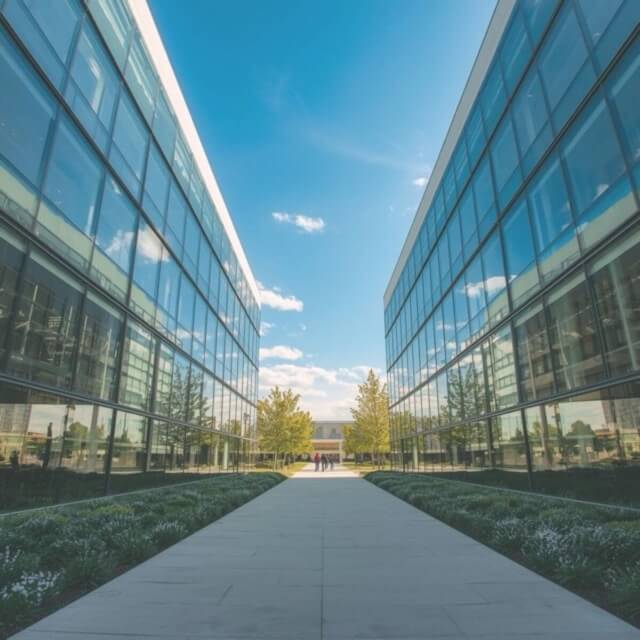
Many schools start by pricing security film for schools because installation of security window film is quick and cost-effective. But understanding the performance gap between film and retrofit glazing is essential before committing a budget.
Security window film is a multi-layer polyester material applied directly to existing glass. Its primary benefit is fragment retention: ballistic and security window film holds shattered glass together during impact, keeping dangerous shards contained. It delays forced entry, buying time for help to arrive-but the glass still breaks. Film also provides secondary benefits like sun control, and security window film blocks up to 99.9% of harmful UV rays, protecting classroom interiors. However, security window film is not designed to stop bullets or blasts. It does not create a true barrier. Installing security window film is appropriate for interior sidelites, office glass, and lower-risk openings where budgets are extremely tight.
Retrofit glazing shields are a fundamentally different category. These are clear polycarbonate or glass-clad polycarbonate panels installed over existing glass and mechanically anchored to the frame. Shatterproof windows of this type prevent blunt force entry attempts-they can absorb hundreds of hammer, bat, or crowbar strikes without forming a passable opening. Certain models are engineered for anti-intrusion only (non-ballistic) to keep costs lower while still dramatically outperforming film. By comparison, security bars prevent forced entry but not gunfire, making retrofit shields a more versatile and visually appropriate solution for schools. For a typical campus, film works for interior glass and non-critical windows, while retrofit shields belong at main entry vestibules, ground-floor classroom windows, administrative offices, and counseling rooms.
Bullet-Resistant and Ballistic Glass for Schools
When threats escalate beyond break-ins to concerns about school shootings and armed intruders, ballistic glass becomes the conversation. Bullet-resistant glass is tested under UL 752, which rates glazing from Level 1 (stopping 9mm handgun rounds) through Level 8 (high-powered rifle rounds). For most school applications, Levels 1 through 3 address the most common handgun threats.
Bulletproof glass is thicker and stronger than security films-typically constructed from laminated glass layers, polycarbonate, or glass-clad polycarbonate composites. Choosing the right bulletproof glass options for ultimate ballistic resistance depends on your threat profile, weight limits, and budget. Bulletproof glass is designed to trap bullets and disperse energy across the panel rather than allowing penetration.
Bulletproof glass can stop shots from commonly owned handguns, and bulletproof glass offers higher protection than security window films in every measurable category. Bulletproof glass offers superior protection against gunfire, and bulletproof products require third-party testing for compliance to be considered reliable. Always verify UL 752 or ASTM certifications-never rely on marketing claims alone.
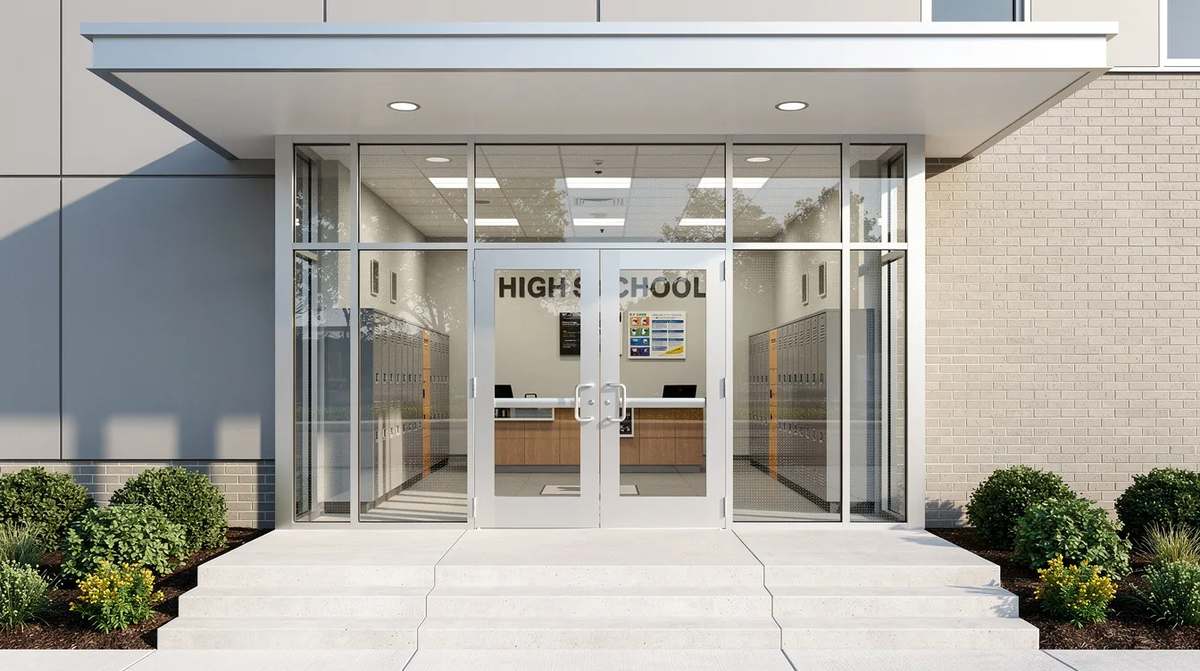
Common constructions include laminated glass-only systems as a cost effective solution for some handgun threats, and composite glass-clad polycarbonate systems for higher impact and ballistic resistance. Retrofit ballistic shields, like Impact Security’s BulletShield retrofit bullet-resistant glazing-style products, mount over existing glass to create a ballistic barrier without replacing the original window. This matters for older school buildings where full ballistic glass replacements would be extremely heavy and require structural re-engineering. A retrofit approach lets schools reach similar ballistic and forced entry protection capabilities at a fraction of the structural cost, preserving natural light and the building’s existing form.
How to Choose the Right School Security Windows
Implementing security windows in schools requires a layered strategic approach. Superintendents, facilities directors, and security professionals must balance threat profiles, budgets, and the physical condition of existing buildings.
Start by asking three questions. What threats are you most concerned about-vandalism, burglary, active shooter events, or community unrest? Which areas of campus are highest priority? Ground-level windows should be prioritized for reinforcement because they are most accessible. And can your existing frames structurally support heavier glazing or shields? Conduct a professional security assessment to determine window protection needs before specifying any product.
A layered strategy typically looks like this: ballistic or forced entry retrofit systems at main entrances, visitor reception areas, and front offices; non-ballistic forced entry shields for large ground-level student-occupied classroom areas; and security film for interior glass partitions and lower-risk openings. This type of layered active shooter mitigation strategy for schools focuses on slowing intruders at every critical point. Maximize visibility with windows for monitoring school grounds-natural surveillance can improve school safety by enhancing visibility for school staff. Security windows should support natural daylight and visibility, so the learning environment does not feel closed off.
Emergency exits must remain code-compliant in school security systems, and security features should not trap occupants during emergencies. Every product specified should allow proper egress. Regular inspection and maintenance are important for security windows to ensure continued performance over time. Avoid common mistakes: treating security film as bulletproof, hardening only the front door while leaving adjacent sidelites unprotected, and failing to confirm third-party testing for security products being specified.
Compliance, Funding, and Grants for School Safety
Requirements for school security windows vary significantly because each state has different school security requirements. Tennessee now requires entry-resistant or ballistic glazing on all exterior entry-level windows and doors for buildings constructed or remodeled after July 2023. Texas mandates that ground-level glass near exterior doors cannot be easily broken to allow entry. Many states have enacted similar legislation between 2023 and 2026, and more are following, often referencing new school security updates on reinforcing window and door glass and emerging ASTM standards for combined ballistic and forced-entry performance.
Local glazing contractors ensure compliance with security window laws, and products like Armorcoat films must be professionally installed for compliance with manufacturer warranties and code requirements. Many districts also explore broader safety and security glass protection for windows and doors to address break-ins, blasts, and storm impacts alongside intrusion threats. Working with a company that understands local building codes, fire egress rules, and grant documentation requirements is an important factor in any project’s success.
Many states offer grants for school security upgrades. The federal School Safety Enhancement program allocated $93 million for FY 2026. The COPS Office School Violence Prevention Program offers up to $73 million with individual awards up to $500,000 over three years. Local bond measures-like California’s Proposition 2 authorizing $10 billion for school facility improvements-provide additional grant funding pathways. A phased approach that starts with the highest-risk doors and windows is the most cost-effective way to protect students while waiting for full funding. Request detailed quotes itemizing materials, labor, warranties, and certifications to create defensible budget proposals.
Why Choose Impact Security for School Security Windows
Impact Security is a U.S.-based manufacturer and installer specializing in retrofit security glazing systems like DefenseLite and BulletShield for schools, government facilities, and high-risk commercial properties. Founded in 2016, the company operates fabrication centers in Marietta, GA and Glendale, AZ, with certified dealers and installers nationwide.
What sets Impact Security apart is a turnkey service model. From initial site assessment and engineering review to custom fabrication, professional installation, and long-term support, one accountable team manages the entire project.
Their retrofit systems-including DefenseLite-style forced entry shields and BulletShield-style ballistic solutions-strengthen existing school windows and doors without full replacement, which keeps disruption minimal and costs manageable.
These offerings mirror a broader portfolio of bulletproof windows, doors, and security window film solutions vetted against industry standards for diverse facilities. Most installation work is scheduled during school breaks, holidays, or after hours.

The finished systems are clean, visually transparent, and preserve natural light and sightlines. They create protection without creating a prison aesthetic. Many of these systems also deliver secondary benefits like improved energy performance and noise reduction, similar to other bulletproof window and door security glazing systems designed to enhance both protection and building performance. Impact Security is not just a product vendor-they are a long-term security partner who can help districts plan phased upgrades across multiple budget cycles, coordinating with grant timelines and board approval processes to keep projects moving.
FAQs About School Security Windows and Safety & Security Glazing
Here are answers to the most common questions school leaders ask about security windows for schools.
Are security window films enough to protect our school from forced entry? Security window film holds shattered glass together during impact and provides modest delay of forced entry, but it is not a complete forced entry protection solution. Film does not stop bullets and will not withstand sustained attack with tools, a limitation shared across schools, churches, and other public spaces that instead rely on bullet-resistant glass security solutions for vulnerable buildings when higher threat levels are a concern. For high-risk openings like main entrances and ground-floor classroom windows, retrofit glazing shields or ballistic systems provide dramatically better protection.
What is the difference between bulletproof glass and ballistic-resistant retrofit shields? Both are designed to withstand bullets, but retrofit shields mount over your existing glass rather than replacing it. This approach avoids the structural cost of full window replacement and allows schools to install protection faster. Both require third-party testing under standards like UL 752.
Do we need bulletproof windows on every classroom, or just at the main entrance? Most security professionals recommend a layered approach: ballistic protection at main entrances and front offices where threats are most likely to arrive, forced entry shields on ground-floor classroom windows, and security film on interior and upper-floor glass. Budget and threat assessment should drive the decision.
How long does it take to install security windows in a typical school? Timelines vary based on scope, but custom fabrication typically requires four to eight weeks of lead time. Physical installation at many schools can be completed during a single break period with minimal disruption to the learning environment.
Will security windows make our school look like a prison? No. Modern security glazing is designed to be transparent and aesthetically neutral. Systems from Impact Security maintain clear sightlines and natural daylight so students and staff feel safe without feeling confined.
How can we start planning a school window security project if we are still waiting on grant funding? Contact Impact Security for a free security glazing assessment. Their team can help prioritize which doors and windows to upgrade first, document performance specifications for grant applications, and create a phased plan that aligns with available funding cycles.
Plan Your School Security Window Upgrade
Glass remains the most exploitable vulnerability in school buildings across the country-but it does not have to stay that way. Modern school security windows, retrofit shields, and ballistic glazing offer cost-effective, scalable solutions that protect students and staff while preserving the welcoming atmosphere every school deserves.
Contact Impact Security to schedule a free security glazing assessment of your campus. Their team will help you prioritize which openings to upgrade first based on your property’s unique risk profile and budget, coordinate with certified local installers, and provide the documentation you need for grant applications or board approvals. Request your free estimate today or schedule an on-site evaluation during your next school break to get started.