Glass remains one of the most exploited vulnerabilities in any building. In 2026, with evolving threats ranging from smash-and-grab theft to active shooter events and bomb blast scenarios, standard windows and doors simply cannot protect building occupants. High security window glazing changes that equation by turning glass openings into hardened barriers that resist forced entry, ballistic attacks, and explosive overpressure.
This guide is written for facilities managers, security specialists, architects, and government buyers responsible for protecting buildings. Focus on the sections that correspond to your specific threat profile:
Table of Contents
What Is High Security Window Glazing and Why It Matters Now
Core Types of High Security Window Glazing Systems
Matching Glazing to Threat Levels
Where High Security Window Glazing Matters Most
How Retrofit High Security Glazing Works With Existing Windows
FAQs About High Security Window Glazing
Why Choose Impact Security
What Is High Security Window Glazing and Why It Matters Now
High security window glazing is designed to resist forced entry, ballistics, or blast impacts. These glazing systems combine advanced materials-laminated glass, polycarbonate, bullet resistant glass-with reinforced framing systems, specialized locking, and hardware engineered to keep openings sealed under deliberate attack. High-security glazing offers blast resistance to mitigate injuries from explosions, and high-security systems can delay intruders by maintaining integrity upon impact, buying critical minutes for first responders to arrive.
Standard tempered or insulated glass panes, even in new construction, typically shatter in seconds under tool attack or gunfire. The distinction matters: safety glazing protects against accidental breakage and falls, while security glazing is built to stop deliberate threats like forced entry, ballistic fire, and bomb blast pressure. Post-2020 civil unrest, school incidents from 2022 through 2025, and evolving 2024–2026 building safety codes have driven rapid adoption across the U.S. Impact Security is a U.S. manufacturer and installer specializing in retrofit security glazing under brands like DefenseLite, BulletShield, and AccessShield.
Core Types of High Security Window Glazing Systems
Understanding what protects your glass openings starts with knowing the main system types used to shield existing and new windows and doors at different security levels.
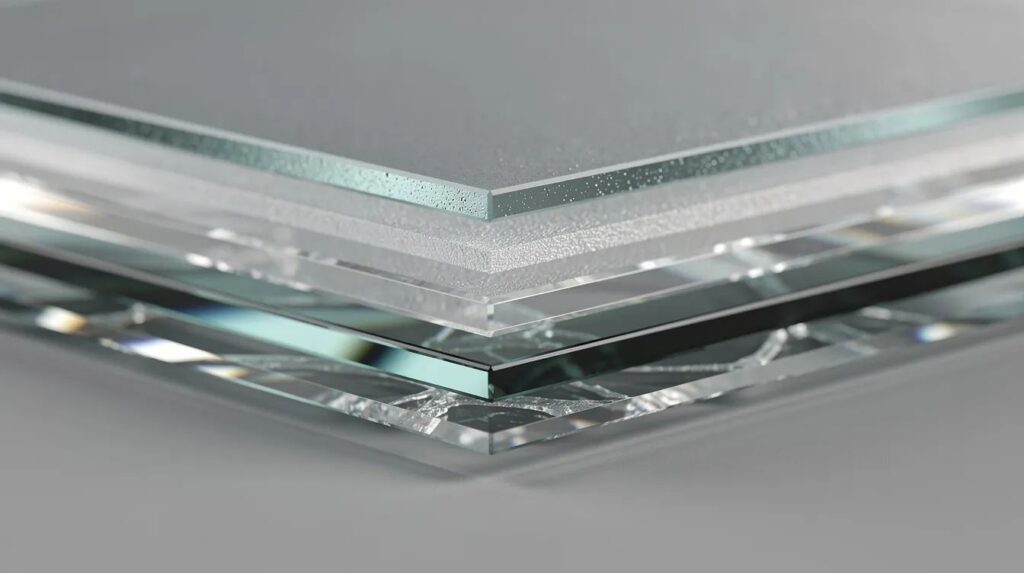
Forced-entry-resistant glazing uses laminated glass, polycarbonate shields, or hybrid composites. Laminated glass can provide forced entry resistance in buildings, while polycarbonate glazing is a strong, lightweight material that absorbs impacts effectively. These products are tested to ASTM forced entry standards including F3561, F1233, and F1915. Specialized security window film can also be applied to existing glass to enhance safety against tool attacks and casual break-ins.
Bullet-resistant glazing stops rounds from various weapons. High-security glazing systems can include laminated glass, polycarbonate, and bullet-resistant glass in multi-layer configurations. Ballistic glazing uses laminated glass with interlayers for strength, and laminated glass is used for ballistic resistance glazing systems rated to UL 752 Levels 1 through 8. Glass-clad polycarbonate combines weather-resistant glass with a polycarbonate core for impact resistance, offering ballistic protection with less weight than traditional monolithic systems.
Blast and bomb blast resistant glazing addresses explosive threats. Blast-resistant windows use polycarbonate for impact resistance, and laminated glass mitigates flying glass shards from bomb blasts. Blast pressure can tear down walls and break window glass, so specially designed framing systems anchor panels to transfer explosive loads into the surrounding structure.
Storm/hurricane impact-resistant glazing (ICC 500) resists wind-borne debris but generally lacks ballistic resistance or tested forced entry protection. Don’t confuse it with true security glass.
Impact Security focuses on secondary retrofit shields-DefenseLite for forced entry and riot protection and BulletShield for ballistic protection-that install over the original glass without full replacement.
Matching Glazing to Threat Levels: From Vandalism to Active Shooter and Bomb Blast
Effective high security window glazing starts with an honest threat assessment, not just buying the thickest ballistic glass available. High-security glazing is selected based on an assessment of threat levels and application.
- Low threat: Rocks, bricks, casual vandalism, opportunistic smash and grab. Security film or entry-level polycarbonate shields handle these impact events. Human impact-resistant windows withstand 300 lb. impact tests for personal attacks and accidental contact scenarios.
- Medium threat: Organized forced entry crews with sledgehammers and pry bars, random handgun fire. Thicker laminated glass and DefenseLite-style forced entry systems deliver tested forced entry resistance and penetration resistance rated through ASTM F1233, which tests measure forced entry resistance of glazing. ASTM F1233 and ASTM F1915 test forced entry resistance across different facility types. Test procedures for burglary resistance involve various weapon attacks over timed intervals.
- High threat: Active shooter incidents, coordinated ballistic attacks, riot scenarios, vehicle-based attacks, and bomb blast events. Bullet resistant glazing rated to UL 752 standards is required here. UL 752 defines eight levels of ballistic resistance, and UL 752 standards test ballistic resistance levels 1 through 8-from 9mm handgun rounds at Level 1 through 7.62mm rifle fire at Level 8. UL 752 standards verify ballistic protection against various threats. BulletShield ballistic panels and similar security glass can withstand multiple shots from specified weapons at the specified level. Products are tested against standards for resistance to forced entry and ballistic threats under live firing range conditions.
Throughout every security level, maintaining daylight, visibility, and normalcy matters-especially in schools, behavioral health facilities, and corporate environments. Impact Security routinely helps clients interpret standards like UL 752, ASTM F3561, and FEMA blast guidance so they can focus on operations, not codes.
Where High Security Window Glazing Matters Most
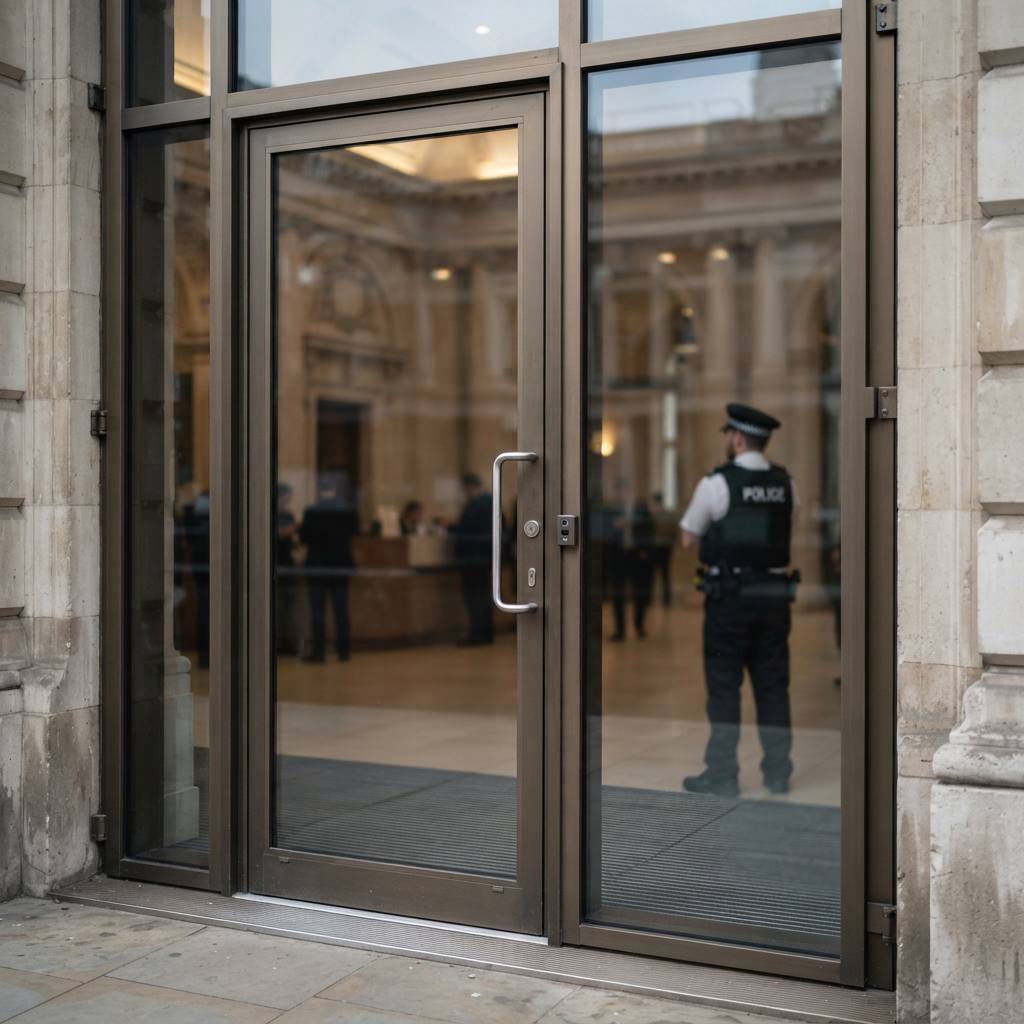
Government buildings and police stations require forced entry protection and ballistic protection at entrances, public lobbies, transaction windows, sally ports, and holding areas. Bullet-resistant glazing is essential in government buildings, including federal buildings, courthouses, and city halls. Blast-resistant glass panels and blast-resistant design are crucial for high-security buildings where elite law enforcement agencies and personnel operate from similar positions of public-facing exposure.
Schools and universities face extreme security concerns after years of targeted violence. BulletShield can withstand multiple gunshots in schools, protecting classrooms, vestibules, door glass, and corridor sidelites. Such glazing is utilized in high-risk public buildings including schools and detention centers, and 2024–2026 state legislation continues pushing for impact resistant and ballistic glazing in K–12. Childcare facilities and daycare centers increasingly follow the same protective design approach.
Healthcare and behavioral health environments need impact resistance at emergency entrances, triage areas, nurses’ stations, and pharmacies. OSHA has recommended shatterproof glass in healthcare since 2004. Acoustic insulation is typically enhanced in laminated security glazing compared to standard glass, which benefits patient environments.
Financial institutions are common targets. High-security glazing is often employed in financial institutions to deter armed robbery, securing banking halls, transaction windows, package passers, and ATM enclosures. Commercial security window solutions are common applications for high-security glazing in banks, embassies, and retail stores.
Retail stores, hospitality, and houses of worship need to protect people and high-value goods. Security glazing protects against smash-and-grab theft in retail, and congregations in houses of worship benefit from force protection products that don’t make spaces feel fortified.
How Retrofit High Security Glazing Works with Existing Windows
Retrofit high security window glazing is the fastest way to harden most buildings without tearing out every existing window or disrupting daily operations. For most facilities, it eliminates demolition entirely.
Secondary security glazing involves clear polycarbonate or glass-clad shields mounted on their own framing system over the existing glazing system, creating an air gap. This gap improves security and can help with energy efficiency and noise reduction-though factors like HVAC can impact energy efficiency in high-security glazing systems, so an engineering consultant should evaluate the full envelope. DefenseLite product FAQs further explain how vented overglaze systems manage condensation and long-term performance.
Impact Security’s 2026 process is straightforward: on-site assessment, threat and budget review, engineering, fabrication at facilities in Marietta, GA or Glendale, AZ, and certified installation by trained dealers nationwide. Vented aluminum frames flex to absorb energy from impact events, anchoring into the surrounding structure. The system stays in place even if the original glass behind it breaks.
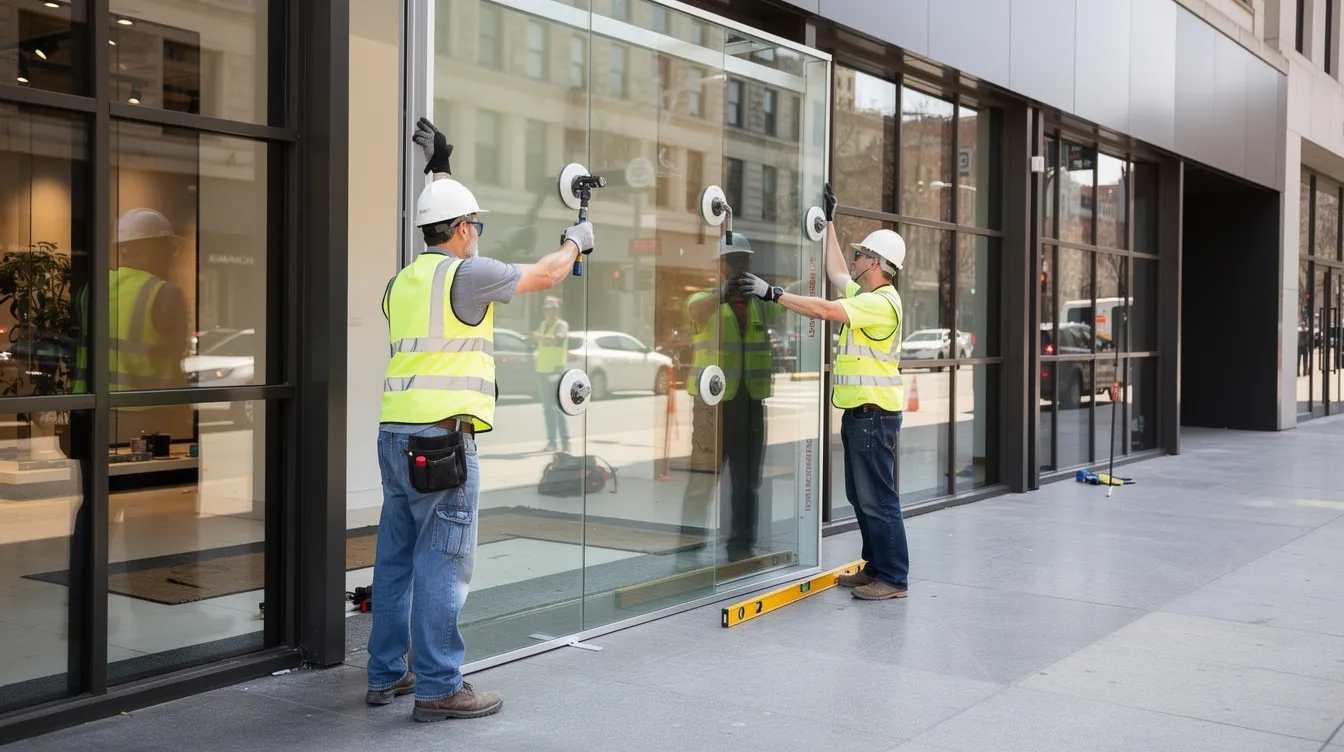
DefenseLite systems prevent uninvited entry after glass damage, maintaining the barrier even when the existing window is compromised. BulletShield systems meet UL 752 ballistic standards, and BulletBlock glazing meets UL 752 standards for ballistic threats at the rated level. Bulletproof windows and doors with security window film demonstrate how bullet-resistant glazing can withstand multiple gunshots without allowing bullet penetration. Scratch-resistant coatings, color-matched framing, and virtually invisible profiles keep the building looking like a building-not a bunker.
Retrofit solutions can be layered: start with forced entry and impact resistant shields like DefenseLite, then add ballistic protection via BulletShield where active shooter or targeted gunfire is a concern. This phased approach fits real-world budgets without compromising maximum protection.
FAQs About High Security Window Glazing
How is high security window glazing different from ordinary safety glass?
Ordinary tempered or laminated safety glass reduces injury if someone falls into it. High security glazing is engineered to resist deliberate attack-forced entry, ballistic fire, or explosions-and to keep openings closed as a protective barrier. Security glazing pairs robust glazing materials with reinforced framing systems tested for forced entry resistance, ballistic protection, and sometimes bomb blast performance.
Is “bulletproof glass” really bulletproof?
The accurate industry term is bullet resistant, not bulletproof. Performance is defined by specific testing standards like UL 752 Levels 1 through 8, where Level 1 stops 9mm handgun fire and higher levels address rifle threats from various weapons. Impact Security’s BulletShield systems meet UL 752 ballistic standards for forced entry and are custom-designed to match the ballistic threats a client actually faces.
Can high security glazing be retrofitted to my existing windows and doors?
Yes. In most commercial, school, retail, and government buildings, secondary security glazing can be installed over existing glass without full replacement. Impact Security specializes in retrofit systems like bulletproof windows and doors, glass security, and security window film using DefenseLite and BulletShield, and their door systems like AccessShield re-glaze door glass without replacing entire door assemblies-reducing downtime and protecting finished interior spaces.
Will high security glazing make my building look like a bunker?
Modern systems use clear polycarbonate or glass-clad materials and low-profile framing that remain virtually invisible from normal viewing distances. Many 2024–2026 school, healthcare, and hospitality projects choose retrofit glazing precisely because it preserves openness, daylight, and branding while significantly upgrading protection. These are products sold and installed specifically to protect building occupants without visual compromise.
How do I know what level of forced entry or ballistic resistance I need?
Required protection depends on building use, location, public access, incident history, and regulatory or insurer expectations. Impact Security’s team and security design partners walk clients through threat assessment and relevant security standards-ASTM F3561, UL 752, FEMA guidance-to define a right-sized solution. We strongly advise against over-specification, which increases cost and structural load without matching actual risk. Glass experts on staff help match products tested to the right standard for each opening.
How long does it take to install a retrofit high security glazing system?
Assessment, engineering, and fabrication typically take several weeks depending on scope. On-site installation for many projects is completed over nights or weekends to minimize disruption to business and building occupants. Impact Security’s national installer network allows phased rollouts across multiple locations-critical for school districts and national retail or banking chains managing custom solutions across a portfolio.
Why Choose Impact Security for High Security Window Glazing
Impact Security is an industry leader in retrofit security glazing-a 100% U.S.-based manufacturer and installer serving commercial, institutional, and government buildings since 2016.
- Focused expertise: Fabrication centers in Marietta, GA and Glendale, AZ with thousands of DefenseLite and BulletShield installations nationwide
- Turnkey delivery: Assessment, engineering, manufacturing, and installation handled by Impact Security and its certified dealer network
- Rigorous testing: Products tested to ASTM F3561, UL 752, and other forced entry and impact protocols, including testing under live firing range conditions with elite law enforcement agencies
- Sector breadth: Proven security products across schools, government buildings, police stations, hospitals, retail stores, financial institutions, and houses of worship
Impact Security solutions protect people and operations while preserving appearance, branding, and natural light. Whether you need to protect a single storefront or harden hundreds of openings across a national footprint, the process starts with a conversation.
Request a free estimate, send your architectural drawings, or connect with a local certified installer to review your specific openings and threat profile today.