- The Evolving Threat: Why Traditional Hurricane Protection Falls Short
- Evaluating Modern Window Protection for Hurricane and Multi-Threat Resilience
- The Engineering Advantage: Retrofit Security Glazing for Superior Protection
- The Science of Superior Protection: Polycarbonate Security Glazing Explained
- Unmatched Strength Against Wind-Borne Debris: Material Composition and Construction
- Adhering to the Highest Standards: Miami-Dade Testing and Beyond
- The Innovation of Retrofit Systems: Patented Solutions for Existing Structures
- The Unseen Edge: 24/7 Multi-Threat Protection and Seamless Architectural Integration
- Preserving Design Integrity: The Aesthetic Superiority of Permanent Solutions
- Beyond the Storm: Proactive Defense Against Forced Entry and Vandalism
- The Holistic Value of Building Envelope Protection: Mitigating Diverse Threats
- Transforming Vulnerabilities into Resilient, Architecturally Sound Assets
- Specifying the Right Solution: A Strategic Approach to Building Envelope Protection
- Assessing Your Property’s Unique Vulnerabilities and Security Requirements
- The Critical Role of Expert Consultation for Commercial Hurricane Window Protection
- Customization and Integration: Tailoring Solutions for Diverse Architectural Styles
- Long-Term Investment: Evaluating Durability, Maintenance, and Return on Security
- Conclusion: Year-Round Defense as the Optimal Hurricane Protection
- Frequently Asked Questions
The Evolving Threat: Why Traditional Hurricane Protection Falls Short

Understanding the Escalating Risks to Property and Occupants
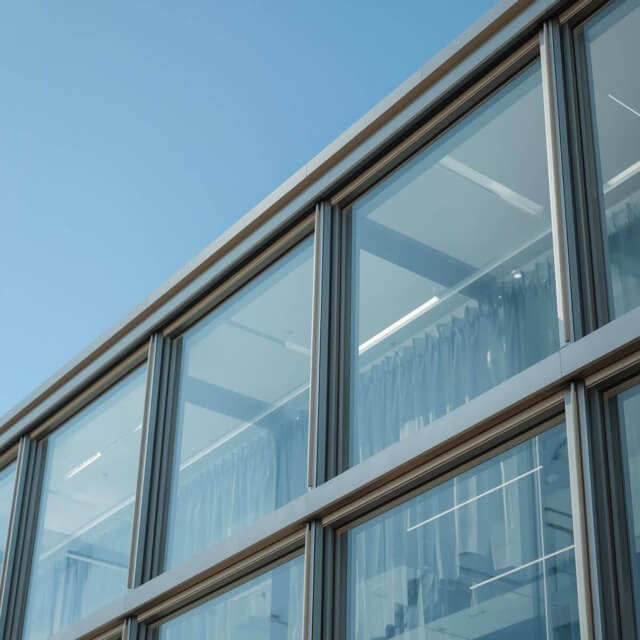
The security landscape for property owners has evolved significantly. While hurricane threats remain a primary concern in vulnerable regions, the spectrum of risks now extends far beyond severe weather events. Properties today face an increased likelihood of forced entry, vandalism, and civil unrest. The unpredictability of these occurrences necessitates a preparedness strategy that extends beyond seasonal storm readiness. A truly robust security posture must account for these multifaceted and year-round threats, demanding solutions that offer continuous, passive protection rather than temporary, reactive measures.
The Inadequacy of Obsolete Hurricane Preparedness Methods
Many traditional hurricane preparedness methods, while once considered standard, are increasingly inadequate against the backdrop of escalating threats. Solutions such as temporary plywood boarding or basic metal hurricane shutters are fundamentally reactive. They require significant advance notice, substantial manual labor for installation and removal, and often fall short in providing comprehensive protection against modern security challenges. These methods frequently leave critical vulnerabilities exposed outside of direct storm warnings, offering no defense against opportunistic forced entry or unexpected impacts during clear weather. Their reliance on human intervention also introduces points of failure, diminishing overall reliability.
Unveiling the Hidden Costs and Aesthetic Compromises of Temporary Solutions
Beyond their functional limitations, temporary hurricane protection solutions carry substantial hidden costs and significant aesthetic compromises that impact property value and occupant experience. The logistical burden of these systems often involves considerable labor expenses for installation and removal, annual maintenance, and dedicated storage space. Furthermore, the deployment of temporary barriers inherently obstructs views, blocks natural light, and disrupts the architectural integrity of a building. This visual degradation not only detracts from the property’s design aesthetic but also communicates a perception of vulnerability, which can be detrimental to both property value and occupant comfort.
Evaluating Modern Window Protection for Hurricane and Multi-Threat Resilience
Examining Traditional Hurricane Shutters: Functionality Versus Frustration
Traditional hurricane shutters provide a direct physical barrier against wind-borne debris and high wind pressures during a storm. Their primary functionality is impact resistance, often meeting local building codes for hurricane protection. However, their operational drawbacks often lead to significant frustration for property owners.
- Manual Deployment: Most shutter systems require time-consuming manual deployment, often necessitating professional assistance or significant physical effort.
- Limited Protection Window: They offer protection only when deployed, leaving properties vulnerable to non-storm threats during clear weather.
- Aesthetic Impact: When deployed, shutters completely obscure views and natural light, creating a claustrophobic environment and visually isolating occupants. When stored, they can be cumbersome and unsightly.
- Maintenance: Tracks, hinges, and locking mechanisms require regular maintenance to ensure proper function, especially in coastal environments.
- Single-Threat Focus: They are primarily designed for hurricane impact, offering minimal protection against forced entry outside of a storm event.
The Role and Limitations of Security Film in Hurricane Defense
Security film offers an enhancement to existing glazing by providing a protective layer that helps hold glass fragments together upon impact. In a hurricane scenario, this can prevent shards from scattering inward, mitigating injury and structural damage from water ingress. However, the comparison of hurricane impact windows vs film reveals distinct limitations for film:
- Glass Breakage Not Prevented: The film does not prevent the glass itself from breaking. It only manages post-breakage integrity.
- Edge Retention Dependency: Its effectiveness heavily relies on robust edge-retention systems, which mechanically bond the film to the window frame. Without proper edge retention, the entire pane can still be dislodged.
- Limited Forced Entry Resistance: While it can deter smash-and-grab attempts, standard security films typically do not provide sufficient resistance against determined forced entry tools or extended attack durations.
- Degradation Over Time: Exposure to UV light and environmental factors can lead to film degradation, reducing its long-term effectiveness.
Deconstructing Impact Windows: Benefits, Drawbacks, and Laminated Glass Technology
Impact windows represent a permanent hurricane protection solution by replacing standard windows with specially engineered units. Their primary benefit is passive, 24/7 protection without any manual deployment. They also often offer improved energy efficiency and sound attenuation.
At the core of impact window technology is laminated glass. This consists of two or more panes of glass bonded together with an interlayer, typically polyvinyl butyral (PVB) or SentryGlas Plus (SGP). When impacted, the glass may crack, but the interlayer maintains the integrity of the window, preventing a breach. This design allows the window to remain largely intact, preventing water, wind, and debris from entering the structure.
Despite these benefits, impact windows have several drawbacks:
- High Replacement Cost: The cost of replacing all existing windows with impact-rated units can be substantial, representing a significant capital investment.
- Installation Disruption: The installation process involves significant construction disruption, impacting occupants and operations.
- Variable Forced Entry Performance: While resilient against hurricane debris, the forced entry resistance of impact windows varies widely depending on the interlayer material and frame strength. Not all impact windows are designed to withstand sustained forced entry attempts with the same efficacy as dedicated security glazing.
- Limited Frame Improvement: While the glass is upgraded, the overall performance is also tied to the strength of the window frame, which may not always be sufficient for comprehensive security threats beyond hurricane impacts.
Why Single-Purpose Solutions Fail to Address Comprehensive Security Needs
The fundamental limitation of traditional hurricane shutters, security films, and even many standard impact windows is their single-purpose design. While effective against their specific target threat, they largely fail to address the broader spectrum of security challenges faced by modern properties. A solution focused solely on wind-borne debris will not adequately protect against a determined forced entry attempt using tools, nor will it deter vandalism or mitigate active threats.
True comprehensive security requires a multi-faceted approach. Relying on disparate, single-threat solutions often leads to gaps in protection, increased operational complexity, and ongoing aesthetic compromises. The most effective strategy integrates defense against catastrophic weather events, forced entry, and other potential threats into a single, permanent, and unobtrusive system that operates continuously, without requiring active deployment. This holistic approach ensures consistent, robust protection, transforming the building envelope into a formidable, always-on security barrier.
The Engineering Advantage: Retrofit Security Glazing for Superior Protection
The Science of Superior Protection: Polycarbonate Security Glazing Explained
Traditional glazing materials, including standard and even heat-strengthened glass, are inherently brittle. Under significant impact, they fracture, creating hazardous shards and compromising the building envelope. Polycarbonate security glazing fundamentally redefines this paradigm. This advanced material is an amorphous thermoplastic polymer, specifically engineered for extreme impact resistance. Unlike glass, which dissipates kinetic energy by fracturing, polycarbonate absorbs and disperses energy across its surface due to its exceptional flexibility and strength. This allows it to withstand significant blunt force and projectile impacts without shattering, maintaining its integrity and preventing breach.
Unmatched Strength Against Wind-Borne Debris: Material Composition and Construction
The superior performance of security glazing against wind-borne debris stems directly from its sophisticated material composition and layered construction. Unlike single-pane glass, or even typical hurricane films applied to glass, these systems often employ multiple plies of high-strength polycarbonate sheets. These layers are thermally fused or laminated with specialized interlayers that create a composite structure. This construction strategy ensures that upon impact from high-velocity objects, such as a 2×4 propelled by hurricane-force winds, the energy is not concentrated at a single point but is distributed throughout the panel. This allows the system to flex and deform, absorbing the impact without perforation or catastrophic failure, thereby preventing building depressurization and internal damage.
Adhering to the Highest Standards: Miami-Dade Testing and Beyond
The efficacy of advanced security glazing is not merely theoretical. It is rigorously validated through stringent testing protocols. Foremost among these are the Miami-Dade County product approval standards, which are globally recognized as the most demanding for hurricane-resistant building materials. These tests include:
- Large Missile Impact Test: Simulating impact from a 9-pound 2×4 timber traveling at speeds up to 50 feet per second (approximately 34 mph). The glazing must withstand two such direct impacts without creating an opening large enough to admit a 3-inch sphere.
- Small Missile Impact Test: For areas below 30 feet, this involves projectiles like ball bearings or gravel at high velocities.
- Cyclic Pressure Loading Test: Subjecting the glazing to thousands of cycles of positive and negative pressure, mimicking the sustained buffeting of hurricane winds after initial impact.
Achieving Miami-Dade certification signifies that a security glazing system is engineered not just to resist, but to endure the most extreme conditions, providing a quantifiable and reliable measure of protection. Many leading systems exceed these baseline requirements, offering even greater resilience.
The Innovation of Retrofit Systems: Patented Solutions for Existing Structures
One of the most significant advancements in modern building protection is the development of retrofit hurricane protection systems. These innovative solutions transform existing fenestration without the cost, disruption, and lengthy timelines associated with full window replacement. Retrofit systems are typically custom-fabricated panels or laminates designed to seamlessly integrate with a building’s existing window frames, either on the interior or exterior. Many of these integration methods involve patented attachment systems that create a robust, energy-absorbing buffer zone, distributing impact loads safely into the building structure. This approach not only provides a high level of protection but also extends the life of existing windows, making it a sustainable and architecturally sound upgrade for any structure seeking the best window protection for hurricanes and other threats.
The Unseen Edge: 24/7 Multi-Threat Protection and Seamless Architectural Integration
Preserving Design Integrity: The Aesthetic Superiority of Permanent Solutions
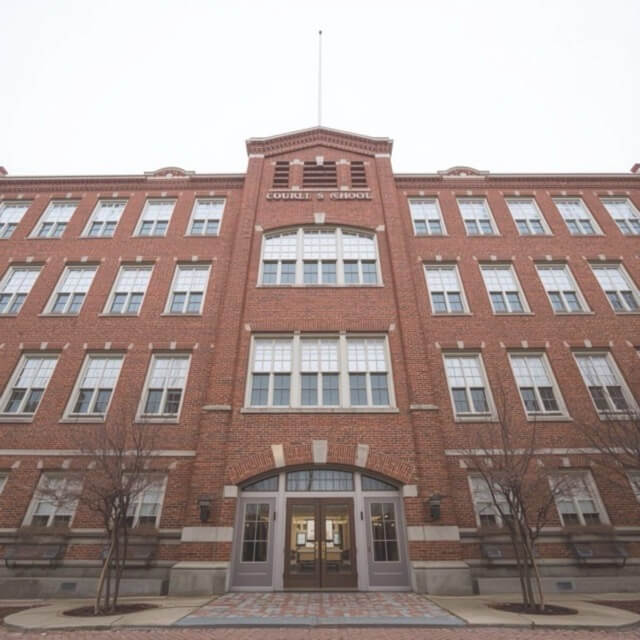
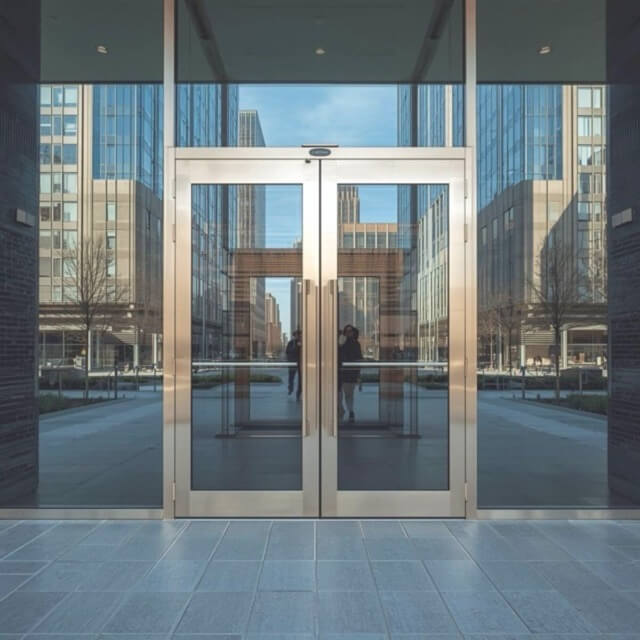
For architects and building owners, the aesthetic impact of security measures is often as critical as their functional performance. This is where permanent retrofit security glazing offers a distinct advantage over traditional, temporary solutions like hurricane shutters. Unlike bulky, obtrusive shutters that significantly alter a building’s appearance when deployed, security glazing is virtually invisible. Its optical clarity ensures unobstructed views and allows natural light transmission without compromise. When expertly installed, these systems integrate so seamlessly with existing window frames that they are indistinguishable from standard glazing, preserving the original design intent and architectural integrity of the structure 24 hours a day, 7 days a week.
Beyond the Storm: Proactive Defense Against Forced Entry and Vandalism
While exceptional hurricane defense is a primary benefit, the inherent strength of security glazing provides comprehensive, year-round protection that extends far beyond meteorological events. The same impact resistance that deflects wind-borne debris also creates a formidable barrier against human threats. These systems are engineered to resist prolonged forced entry attempts using common tools such as hammers, crowbars, and even repeated blunt force impacts. This proactive defense deters intruders and significantly delays entry, providing critical time for security personnel or law enforcement to respond. Furthermore, the robust nature of the material makes it highly resistant to vandalism, including smashing and graffiti, thereby reducing maintenance costs and preserving the building’s appearance.
The Holistic Value of Building Envelope Protection: Mitigating Diverse Threats
Implementing retrofit security glazing represents a strategic investment in holistic building envelope protection. It transforms a building’s most vulnerable points, its windows and glass openings, into resilient assets capable of mitigating a diverse array of threats. This goes beyond just hurricane and forced entry protection to include other potential hazards such as active threats, blasts, and even accidental impacts. By reinforcing these critical areas with an engineered, permanent solution, building owners achieve a layered defense strategy that enhances safety and operational continuity across various scenarios, not just during specific storm protection events.
Transforming Vulnerabilities into Resilient, Architecturally Sound Assets
Ultimately, the deployment of advanced retrofit security glazing is about more than just adding a protective layer. It is about fundamentally transforming inherent vulnerabilities into robust, architecturally integrated assets. It shifts the paradigm from reactive, temporary measures to proactive, permanent solutions that enhance both the security and the value of a property. Buildings equipped with these systems demonstrate an elevated level of resilience, capable of withstanding the unpredictable challenges of both nature and human intent, all while maintaining their aesthetic appeal and functional performance without compromise. This makes it the best window protection for hurricanes and other security needs.
Specifying the Right Solution: A Strategic Approach to Building Envelope Protection
Implementing a robust building envelope protection strategy demands a precise, analytical approach that moves beyond generic product selection. It involves understanding the interplay of potential threats, architectural considerations, and long-term operational costs. This strategic perspective ensures that the chosen solution not only provides unparalleled security but also integrates seamlessly with the building’s design and operational goals.
Assessing Your Property’s Unique Vulnerabilities and Security Requirements
Effective protection begins with a thorough and impartial assessment of a property’s specific risk profile. This goes beyond generalized concerns about hurricane impact and delves into the distinct vulnerabilities inherent to a building’s location, use, and exposure. Factors such as prevailing wind patterns, historical storm intensity, potential for forced entry, and proximity to sensitive areas all influence the required level of defense.
A comprehensive vulnerability assessment considers a spectrum of threats that a building’s glazing system might encounter. These include:
- Environmental Hazards: High-velocity hurricane-force winds, airborne debris, and storm surge pressure.
- Security Breaches: Deliberate forced entry attempts using various tools, from blunt instruments to firearms.
- Vandalism: Impact from thrown objects or attempts to shatter glass.
- Blast Mitigation: The need to contain fragmentation in the event of an explosive incident.
Understanding these multifaceted threats is paramount to specifying an engineered solution that offers continuous, multi-threat mitigation, rather than a single-purpose, temporary fix.
The Critical Role of Expert Consultation for Commercial Hurricane Window Protection
Navigating the complexities of advanced security glazing systems requires specialized expertise. Engaging with seasoned professionals is not merely advisable but essential for optimizing both performance and compliance. These experts possess an in-depth understanding of material science, structural engineering, threat dynamics, and relevant building codes and certifications.
Expert consultants provide invaluable guidance throughout the specification process. They translate complex technical data into practical solutions tailored to the assessed vulnerabilities and architectural constraints. This ensures that the chosen retrofit security glazing system meets stringent performance criteria for hurricane resistance, forced entry deterrence, and other specified threats, without over-engineering or compromising vital functions. Their role is to deliver an integrated security strategy, not just a product, particularly for commercial hurricane window protection.
Customization and Integration: Tailoring Solutions for Diverse Architectural Styles
A significant concern for building owners and architects is ensuring that security enhancements do not detract from a property’s aesthetic appeal or historical integrity. Traditional hurricane protection methods, such as bulky hurricane shutters, often necessitate visible alterations and operational inconveniences that clash with design intent. Advanced retrofit security glazing, however, offers a solution that is virtually imperceptible once installed.
This innovative technology allows for the seamless integration of high-performance protection into existing window systems. It maintains the building’s original sightlines, natural light transmission, and architectural character. The ability to customize solutions means that whether a building features historic wooden frames, modern aluminum profiles, or expansive glass facades, a compatible and aesthetically sympathetic security glazing solution can be engineered and installed without compromising visual harmony.
Long-Term Investment: Evaluating Durability, Maintenance, and Return on Security
While the initial investment in a permanent, engineered security glazing system may appear higher than temporary alternatives, a comprehensive long-term financial analysis reveals significant advantages. Traditional hurricane shutters, for instance, incur recurring costs related to storage, deployment, repair, and potential replacement due to wear or storm damage. These operational expenses accumulate over the lifespan of a building, diminishing their perceived cost-effectiveness.
In contrast, retrofit security glazing systems are designed for extreme durability and minimal maintenance. They operate passively, providing continuous, 24/7 protection without requiring human intervention during a threat event. This inherent resilience translates into:
- Reduced Operational Costs: Eliminating the need for seasonal deployment, storage, or frequent repairs associated with temporary solutions.
- Extended Lifespan: Engineered materials and robust installation techniques ensure decades of reliable performance.
- Asset Protection: Comprehensive defense against multiple threats safeguards the building structure and interior assets, mitigating potential financial losses from damage or theft.
- Business Continuity: Maintaining operational integrity during and after severe weather events or security incidents, preventing costly downtime.
Viewing security glazing as a long-term capital improvement rather than a recurring expense underscores its substantial return on security, enhancing property value, occupant safety, and business resilience.
Conclusion: Year-Round Defense as the Optimal Hurricane Protection
Choosing the best window protection for hurricane risk is no longer just about preparing for seasonal storms. Today’s property owners need year-round defense that also addresses forced entry, vandalism, and costly disruptions. While shutters, film, and standard impact windows each offer partial benefits, permanent retrofit security glazing delivers the most complete solution by combining continuous protection, architectural preservation, and long-term value.
By investing in a system engineered for both severe weather and modern security threats, owners can transform vulnerable openings into resilient assets that protect people, property, and peace of mind every day.
Frequently Asked Questions
What is the best window protection for hurricane seasons?
The best window protection for hurricane seasons is typically considered to be a permanent, engineered solution like retrofit security glazing. Unlike temporary hurricane shutters or basic film, it offers continuous, 24/7 protection against wind-borne debris, forced entry, and other threats without compromising a building’s aesthetic.
How do retrofit hurricane protection systems compare to traditional impact windows?
Retrofit hurricane protection systems enhance existing windows by adding a layer of security glazing, often made from polycarbonate. This provides similar or superior impact resistance to new impact windows, but at a lower cost and with less installation disruption, as it doesn’t require replacing entire window units.
What are the key differences when comparing hurricane impact windows vs film?
Impact windows are completely new window units featuring laminated glass designed for storm protection. Security film is a layer applied to existing glass. While film can prevent glass from shattering, it doesn’t prevent the glass itself from breaking and offers less resistance to sustained forced entry compared to dedicated impact windows or robust security glazing.
What are the benefits of polycarbonate security glazing over standard glass for building envelope protection?
Polycarbonate security glazing is an advanced thermoplastic polymer engineered for extreme impact resistance. Unlike glass, which shatters, polycarbonate absorbs and disperses energy without breaking, making it highly effective against wind-borne debris, forced entry, and ballistic threats. It forms a critical part of comprehensive building envelope protection.
Why is expert consultation important for commercial hurricane window protection?
Expert consultation is crucial for commercial hurricane window protection because it ensures the chosen solution aligns with specific threat assessments, architectural constraints, and compliance requirements. Professionals understand material science, engineering, and certifications like Miami-Dade standards, ensuring an optimized, integrated, and reliable security strategy for the property.