- The Allure of Simple Solutions Versus the Reality of Hurricane Threats
- Deconstructing the “Window Film for Hurricane Protection” Myth
- Understanding the Unseen Forces: Hurricane Dynamics and Glazing Vulnerability
- Engineered Superiority: The Foundational Science of Polycarbonate Security Glazing Systems
- The Superior Material: Unpacking the Properties of Advanced Polycarbonate Panels
- Beyond Adhesion: The Power of Mechanically Anchored Retrofit Security Systems
- Holistic Defense: Protecting the Entire Window Opening, Not Just the Glass
- Innovation in Action: Patented Design for Unparalleled Strength and Durability
- Beyond the Brochure: Performance Metrics That Define True Protection
- Navigating Industry Testing Protocols: Miami-Dade TAS 201, 202, 203 Explained
- Large Missile Impact Resistance: Demonstrating Real-World Superiority and Survival
- Sustained Wind Load Performance: Maintaining Building Envelope Integrity Under Stress
- Longevity, Reliability, and Return on Investment: A Long-Term Analysis
- Architectural Integrity Meets Uncompromised Defense: A Symbiotic Relationship
- Maintaining Building Aesthetics: Why Obtrusive Solutions Are Not an Option for Modern Design
- Optical Clarity and Distortion: Comparing Visual Impact Over Time
- Seamless Integration: The Discreet Nature of Advanced Security Glazing Systems
- Beyond Hurricanes: Everyday Security, Energy Efficiency, and Occupant Comfort Benefits
- Strategic Specification: Building a Future of Resilient Design
- Key Questions for Architects, Building Owners, and Facility Managers
- Differentiating Between Marketing Claims and Certified Performance Standards
- The Long-Term Value Proposition of Engineered Protection for Commercial Structures
- Investing in True Hurricane-Resistant Windows: A Commitment to Safety and Asset Preservation
- Conclusion: Elevating Protection and Redefining Building Safety
- Frequently Asked Questions
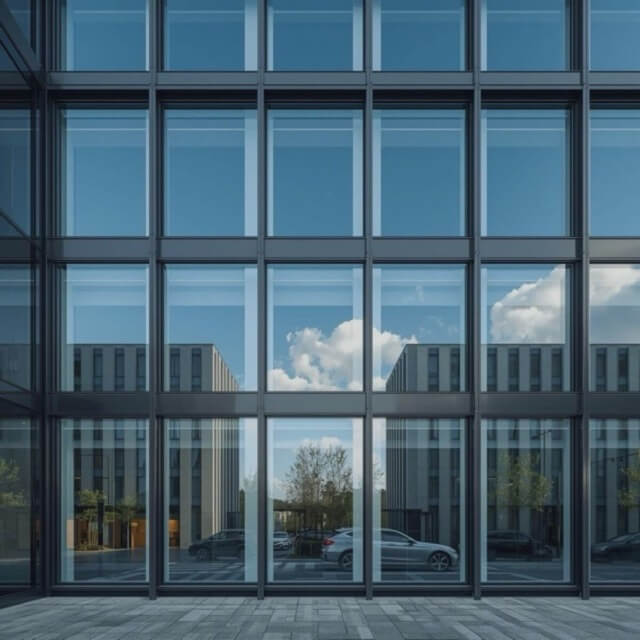
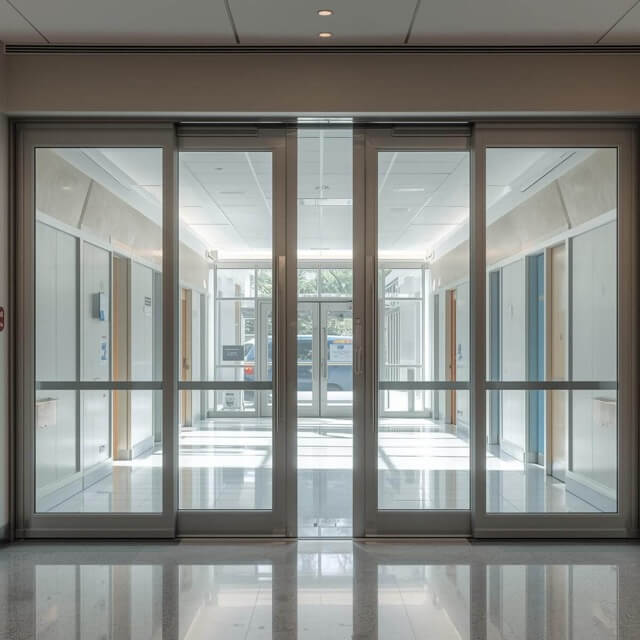
The Allure of Simple Solutions Versus the Reality of Hurricane Threats
The appeal of a seemingly simple, cost-effective solution for window film hurricane protection is understandable. In an architectural context, it promises an unobtrusive defense without altering a building’s aesthetic, a common concern for design-conscious stakeholders. However, this allure often masks a profound misunderstanding of the dynamic and destructive forces at play during a hurricane. These events do not merely exert static pressure. They unleash extreme wind speeds, cyclic pressure variations, and the high-velocity impact of wind-borne debris, from small gravel to substantial projectiles. True protection demands a robust, engineered response that accounts for this full spectrum of threats, not just minimal shatter resistance.
Why “Hurricane Window Film” Is a Popular, Yet Misleading, Term
The prevalence of “hurricane window film” as a search term highlights a critical gap between market perception and engineering reality. While certain films can offer some degree of glass shatter retention under less severe conditions, the designation “hurricane” implies a level of comprehensive protection that single-layer, adhesive-applied film rarely delivers. This terminology often fosters a false sense of security, positioning a product designed for basic safety or solar control as a viable defense against Category 3+ hurricane impacts. This misconception risks critical infrastructure failure and significant property damage when structures are subjected to the true force of a major storm.
Shifting Paradigms: From Superficial Protection to Engineered Resilience
Achieving genuine building resilience against hurricanes necessitates a fundamental shift in perspective. Moving beyond superficial surface treatments, embracing integrated, engineered systems is crucial. This paradigm recognizes that protecting a building from catastrophic wind and impact events requires more than just holding shattered glass together. It demands a solution that maintains the entire integrity of the window opening—frame, glazing, and anchorage—under extreme stress. This strategic approach ensures that design aesthetics are preserved not by a minimal application but by an integrated system that inherently complements the architectural vision without compromise, offering robust storm protection that stands the test of severe weather.
Deconstructing the “Window Film for Hurricane Protection” Myth
Material Science Explained: The Fundamental Limitations of Polyester Film
At its core, most security window film is constructed from multi-layered polyester (PET). While PET possesses good tensile strength and tear resistance, its material properties have inherent limitations when confronted with the extreme, dynamic forces of a hurricane. It is designed to hold fractured glass shards together, mitigating the immediate hazard of flying glass. However, PET is a flexible, ductile material. Under high-velocity impact from debris or sustained cyclic pressure, it can stretch, delaminate, or simply detach from the glass substrate, leading to catastrophic failure of the entire window unit. This is fundamentally different from the rigid, impact-absorbing capabilities of advanced glazing materials like polycarbonate panels, which are engineered to deflect and resist penetration.
Adhesion: The Critical Weak Link in Film-Based Systems
The performance of any window film is entirely dependent on its adhesive bond to the glass surface. This adhesion layer, typically a pressure-sensitive acrylic, represents a critical weak link in the context of hurricane protection. During a hurricane event, windows are subjected to:
- Immense Wind Pressure: Both positive and negative pressures exert tremendous shear and peel forces on the film-to-glass bond.
- Cyclic Loading: Repeated pressure variations can fatigue the adhesive, leading to progressive delamination.
- Hydrostatic Pressure: Water ingress can compromise the adhesive bond, particularly at film edges.
Once this bond fails, the film’s ability to retain glass fragments is compromised, and the entire glass pane, film included, can be displaced inward, leading to immediate building envelope breach. Unlike mechanically anchored systems, which distribute loads across a frame, film relies solely on a chemical bond with a limited surface area.
Surface-Level Defense: Why Film Cannot Protect the Entire Window Opening
A crucial oversight when considering window film for hurricane defense is its purely surface-level application. Window film only adheres to the glass pane itself. It does not reinforce the window frame, the glazing beads, or the structural anchorage of the window unit to the building envelope. During a hurricane, failure modes extend far beyond glass breakage. These can include:
- Frame Deformation: High winds can bend or dislodge the window frame from its rough opening.
- Glazing System Failure: Even if the glass remains intact, it can pop out of the frame due to pressure differentials or frame distortion.
- Seal Compromise: The seals between the glass and frame, or frame and building, can fail, leading to significant water intrusion.
Since film provides no structural reinforcement to these critical components, it offers no protection against such comprehensive system failures, leaving the entire window opening vulnerable.
Testing Standards: Where Common Window Films Fall Short
Hurricane protection solutions are rigorously tested against established industry standards designed to simulate real-world storm conditions. Key standards, such as ASTM E1886/E1996 and protocols from entities like Miami-Dade County (TAS 201, 202, 203), specifically evaluate:
- Large Missile Impact: Resistance to the impact of a 9-pound 2×4 timber traveling at 50 feet per second.
- Cyclic Pressure Loading: Ability to withstand thousands of positive and negative pressure cycles simulating sustained hurricane winds.
Most standard window films, applied to conventional annealed glass, generally fail to meet these stringent impact and cyclic pressure standards when tested as a standalone hurricane protection measure. While some thicker, specialized films might offer enhanced shatter resistance, they rarely achieve the full impact and pressure ratings required for certified hurricane protection without additional structural reinforcement or being part of a specifically engineered and tested glazing system. This deficiency in independent certification underscores their inadequacy for critical protective applications, especially when compared to hurricane-resistant windows.
Understanding the Unseen Forces: Hurricane Dynamics and Glazing Vulnerability
The Dynamic Nature of Hurricane Wind Loads on Building Envelopes
Hurricane-force winds impose complex and dynamic loads on building envelopes, far exceeding the static pressures typically considered in standard architectural design. These forces are not merely uniform pushes. They involve rapid fluctuations between positive pressure (wind pushing in) and negative pressure (wind pulling out, creating a vacuum effect) as the wind flows over and around structures. This cyclical loading creates immense stress on window frames, glass, and their anchoring systems, leading to fatigue and potential failure points often overlooked when considering superficial protective measures against wind load.
Large Missile Impact: The Unseen Threat to Glass and Its Surroundings
Beyond direct wind pressure, hurricanes propel large missiles—debris such as roofing materials, tree limbs, and construction elements—at extreme velocities. These impacts present a critical and often catastrophic threat to standard glazing. The energy transferred during such an event can shatter even thick glass, not only breaching the building envelope but also turning the broken glass itself into dangerous projectiles. Furthermore, the integrity of the window frame and the surrounding wall structure can be compromised by these high-velocity impacts, leading to more widespread damage than a simple glass pane replacement.
Why Standard Glass Fails: The Mechanism of Breach During a Storm
Standard annealed or even tempered glass, while seemingly robust, possesses an inherent brittleness that makes it highly susceptible to large missile impact and extreme pressure variations. When struck or subjected to excessive wind loads, stress concentrations rapidly propagate through its molecular structure, resulting in immediate and complete failure. This initial breach is not merely an inconvenience. It allows hurricane-force winds to penetrate the building, rapidly equalizing pressure, or worse, creating positive internal pressure that can exert explosive outward forces on other structural components, including the roof and opposing walls.
The Imperative for True Impact-Resistant Glazing in Commercial Storm Protection
The vulnerabilities of standard glazing under hurricane conditions highlight an imperative for truly impact-resistant glazing solutions in commercial and institutional settings. Relying on minimal barriers or surface treatments fails to address the multifaceted nature of hurricane threats. Effective storm protection demands systems engineered to withstand both sustained wind loads and high-velocity large missile impacts, maintaining the integrity of the building envelope to prevent internal damage, structural compromise, and subsequent operational disruptions.
Engineered Superiority: The Foundational Science of Polycarbonate Security Glazing Systems
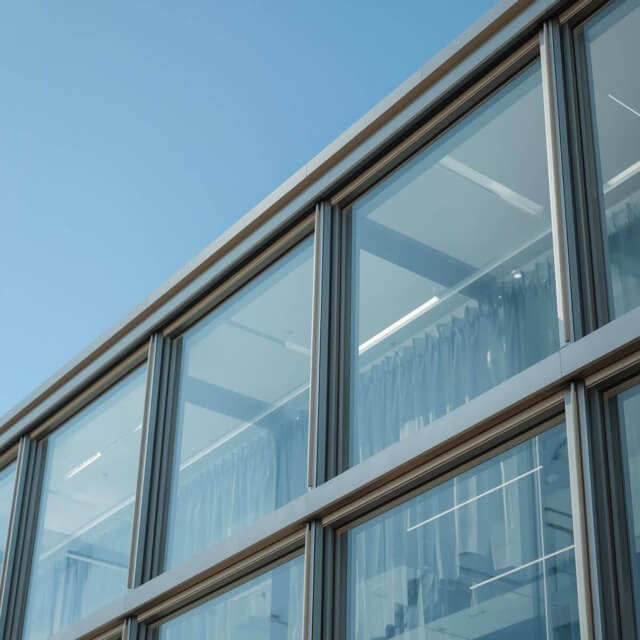
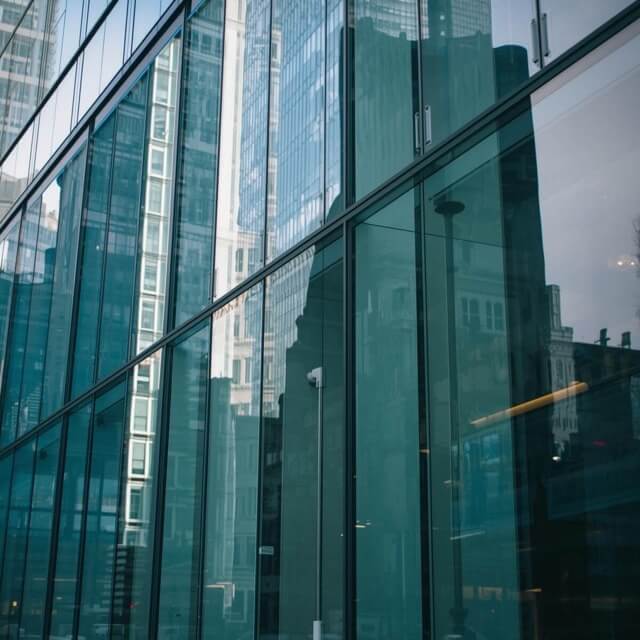
The Superior Material: Unpacking the Properties of Advanced Polycarbonate Panels
Advanced polycarbonate is not merely “plastic”. It is a high-performance thermoplastic polymer specifically engineered for extreme impact resistance and optical clarity. Unlike glass, which is rigid and brittle, polycarbonate possesses exceptional ductility and tensile strength, allowing it to flex and absorb significant impact energy without shattering. This inherent material superiority translates directly into verifiable protection against large missile impacts and extreme wind pressures, all while maintaining a virtually invisible profile that preserves architectural aesthetics. This is the hallmark of true impact-resistant glass alternatives.
Beyond Adhesion: The Power of Mechanically Anchored Retrofit Security Systems
A fundamental distinction between effective hurricane protection and superficial treatments lies in the method of attachment. While window films rely solely on the adhesion of a thin layer to the existing glass surface—a bond susceptible to degradation and limited by the inherent weakness of the glass itself—engineered polycarbonate systems utilize robust mechanical anchoring. These systems are securely fastened to the existing window frame or directly to the building’s structural substrate, distributing load across a far greater area and ensuring that the protective panel remains in place even if the original glass shatters behind it. This mechanical anchoring system is non-negotiable for true hurricane resilience and retrofit security.
Holistic Defense: Protecting the Entire Window Opening, Not Just the Glass
True security glazing systems provide holistic defense, safeguarding the entire window opening as an integrated unit, rather than just the glass pane itself. This comprehensive approach means that the system protects not only against impact to the glazing surface but also reinforces the vulnerable edges of the frame and the connection points to the building. This design prevents common failure modes where the glass might remain intact, but the frame detaches or the entire assembly is blown out, a critical oversight in solutions that focus solely on the glass’s surface integrity.
Innovation in Action: Patented Design for Unparalleled Strength and Durability
The efficacy of advanced polycarbonate security glazing systems, such as DefenseLite, stems from innovative and often patented designs that integrate material science with sophisticated engineering. These systems frequently feature multi-layer constructions, sometimes incorporating an air gap that enhances thermal and acoustic performance while also providing an additional layer of defense. Proprietary anchoring methodologies are developed through rigorous testing, ensuring that each component contributes to unparalleled strength and long-term durability. This commitment to engineered design and performance standards delivers a verifiable level of protection that simple, adhesive-based solutions for hurricane window protection cannot replicate.
Beyond the Brochure: Performance Metrics That Define True Protection
The assessment of any security solution for glazing systems must transcend marketing claims and delve into verifiable performance metrics. True protection, particularly against severe threats like hurricanes, is not an accessory applied to a surface. It is an intrinsic quality engineered into a system. This distinction is paramount when evaluating options for building resilience.
Navigating Industry Testing Protocols: Miami-Dade TAS 201, 202, 203 Explained
For a product to be genuinely considered hurricane-rated, it must undergo rigorous and standardized testing. The Miami-Dade County testing protocols, specifically TAS 201, 202, and 203, represent the gold standard in the industry for demonstrating resistance to hurricane forces. These tests are not superficial assessments. They scrutinize the entire window assembly—glass, frame, and anchoring system—for its ability to withstand extreme conditions.
- TAS 201 (Large Missile Impact Test): This protocol simulates the impact of windborne debris by firing a 2×4 timber at the window at speeds up to 50 feet per second. The objective is not merely for the glass to remain in one piece, but for the entire system to prevent a breach in the building envelope.
- TAS 202 (Cyclic Pressure Test): Following a successful impact test, the system is subjected to tens of thousands of cycles of positive and negative pressure, mimicking the intense fluctuating wind loads experienced during a hurricane. This tests the structural integrity of the frame, seals, and anchoring.
- TAS 203 (Water Penetration Test): This final phase evaluates the system’s ability to prevent water intrusion under extreme wind-driven rain conditions, a critical factor in mitigating interior damage during a storm.
Security window films, by their very nature, are unable to pass these comprehensive system-level tests because they are an applied product to glass, not an integrated, mechanically anchored system designed to protect the entire window opening.
Large Missile Impact Resistance: Demonstrating Real-World Superiority and Survival
The ability to withstand large missile impacts is a non-negotiable requirement for hurricane protection. Engineered security glazing systems, such as DefenseLite, are designed with a multi-layered approach that includes a robust polycarbonate shield. This design dissipates and absorbs impact energy, preventing the projectile from breaching the building envelope. While security window film can hold shattered glass together, it does not prevent the glass itself from breaking and creating a compromised, dangerous opening. In a real-world hurricane scenario, this distinction is critical for survival and the preservation of building contents. An engineered system maintains the integrity of the opening; film merely contains the debris.
Sustained Wind Load Performance: Maintaining Building Envelope Integrity Under Stress
Beyond initial impact, a building’s glazing system must endure sustained, fluctuating wind pressures for hours during a hurricane. This continuous stress can cause traditional window frames to flex, distort, and even fail, leading to catastrophic breaches of the building envelope. Engineered security glazing systems are mechanically anchored to the existing window frame or structure, creating a secondary layer of protection that reinforces the entire opening. This significantly enhances the system’s ability to resist both positive and negative pressures, ensuring the building envelope remains sealed against both wind and water intrusion, a performance level unachievable by surface-applied polyester film.
Longevity, Reliability, and Return on Investment: A Long-Term Analysis
Investing in building security and resilience is a long-term decision. The longevity and reliability of the chosen solution directly impact its return on investment. Window films, while initially less expensive, often come with shorter warranties. They are susceptible to bubbling, peeling, discoloration, and hazing over time, especially when exposed to UV radiation. These degradation issues not only compromise their limited security performance but also detract from the building’s aesthetic, necessitating costly replacement within a few years.
Conversely, engineered polycarbonate security glazing systems are designed for durability, offering multi-decade performance with minimal maintenance. Their robust construction and UV-stabilized materials ensure consistent optical clarity and structural integrity, contributing to a lower total cost of ownership and a more predictable security posture over the building’s lifespan. This long-term reliability and preserved aesthetic value underscore a superior return on investment when compared to transient film solutions.
Architectural Integrity Meets Uncompromised Defense: A Symbiotic Relationship
Modern architectural design emphasizes light, transparency, and a seamless connection between interior and exterior spaces. The challenge for building security is to achieve robust protection without sacrificing these core aesthetic principles. Solutions that compromise the visual appeal or functional elegance of a building are increasingly deemed unacceptable.
Maintaining Building Aesthetics: Why Obtrusive Solutions Are Not an Option for Modern Design
Traditional hurricane protection often involves unsightly, bulky shutters or boards that obscure views, alter the building’s facade, and require significant effort to deploy. For architects and property owners who prioritize design and occupant experience, such obtrusive solutions are simply not viable. The goal is to provide invisible security that works harmoniously with the building’s existing design language, offering robust protection without visual disruption. This means solutions must be discreet, preserve natural light, and maintain the intended architectural lines and material finishes.
Optical Clarity and Distortion: Comparing Visual Impact Over Time
The visual performance of a glazing system is critical for occupant comfort and aesthetic appeal. Security window films, despite initial clarity, can suffer from several visual impairments over time. Common issues include:
- Bubbling and Delamination: Air or moisture trapped between the film and glass, or adhesive failure, leads to unsightly bubbles.
- Hazing and Cloudiness: The film material can degrade, becoming cloudy or hazy, especially in direct sunlight.
- Yellowing and Discoloration: UV exposure often causes films to yellow, altering the natural light entering the building.
- Distortion: Imperfect application or material inconsistencies can lead to visual distortion, particularly noticeable when looking through the glass.
Engineered security glazing systems, employing high-quality, optical-grade polycarbonate, are designed to maintain exceptional optical clarity without distortion for decades. Advanced coatings and material formulations ensure the transparency and color neutrality of the glass remain uncompromised, preserving views and natural light without degradation over time.
Seamless Integration: The Discreet Nature of Advanced Security Glazing Systems
One of the significant advantages of advanced security glazing systems like DefenseLite is their ability to integrate seamlessly with existing window and door frames. Unlike shutters or external reinforcement, these systems are designed as a secondary glazing layer, installed on the interior or exterior of the existing glass, making them virtually invisible from a distance. The precise engineering ensures a perfect fit, without altering the building’s façade or requiring extensive structural modifications. This discreet approach allows for uncompromised defense that is always active, yet entirely blends into the architectural design, providing peace of mind without visual intrusion.
Beyond Hurricanes: Everyday Security, Energy Efficiency, and Occupant Comfort Benefits
While hurricane protection is a primary driver, engineered security glazing systems offer a multi-faceted value proposition that extends far beyond storm resilience. These advanced systems provide continuous, everyday security by deterring smash-and-grab attempts and resisting forced entry. The added layer of polycarbonate also contributes significantly to a building’s thermal performance, enhancing energy efficiency by reducing heat transfer and improving insulation values, which can lead to substantial operational cost savings. Furthermore, the enhanced acoustic insulation provided by a secondary glazing layer significantly reduces external noise, creating a quieter, more comfortable interior environment for occupants. This combination of security, energy savings, and comfort makes engineered solutions a comprehensive upgrade to any property.
Strategic Specification: Building a Future of Resilient Design
Key Questions for Architects, Building Owners, and Facility Managers
The transition from a reactive posture to a proactive, resilient design strategy demands a critical re-evaluation of building envelope integrity, particularly concerning glazing systems. For architects, building owners, and facility managers, identifying genuine hurricane protection requires asking pointed questions that extend beyond superficial claims. These inquiries should probe the foundational engineering and long-term performance of proposed solutions.
- Does your current glazing solution meet or exceed the rigorous impact and pressure cycle requirements of industry standards such as the Florida Building Code or ASTM E1886/E1996 for hurricane zones?
- Beyond simple shatter resistance, is the entire window opening protected against high-velocity impacts, ensuring the complete building envelope integrity against wind-borne debris and extreme wind pressure?
- Does the proposed solution maintain the architectural aesthetics and natural daylighting of the structure, avoiding the need for unsightly shutters or temporary board-ups that compromise design intent and occupant experience?
- What is the certified lifespan and long-term maintenance profile of the security enhancement, and does it degrade over time with exposure to UV radiation or environmental factors, necessitating frequent replacement?
- How does the chosen system contribute to reduced insurance premiums, uninterrupted business operations during and after an event, and the overall asset value of the property?
Differentiating Between Marketing Claims and Certified Performance Standards
A critical aspect of strategic specification involves distinguishing between generalized marketing assertions and verifiable, certified performance data. Many products claim “security” benefits, but only engineered solutions undergo the rigorous third-party testing necessary to meet established hurricane resistance standards. For instance, the Miami-Dade Notice of Acceptance (NOA) or specific ASTM standards like E1886 and E1996 are not merely guidelines. They are mandates that demonstrate a system’s capacity to withstand large missile impact and cyclic wind pressures.
Unlike a generic security film that may offer minimal shatter resistance without formal certification for specific hurricane conditions, a true engineered impact-resistant glazing system provides comprehensive protection. These robust systems are designed from the ground up to pass demanding tests, ensuring the entire mechanically-anchored unit—not just the glass surface—remains intact and operational under severe storm loads. This distinction is paramount when evaluating solutions for critical infrastructure or commercial storm protection, where failure is not an option.
The Long-Term Value Proposition of Engineered Protection for Commercial Structures
Investing in engineered polycarbonate security glazing systems represents a long-term strategic advantage for commercial structures. Beyond the immediate benefit of superior hurricane protection, these systems deliver substantial value by enhancing operational resilience, safeguarding occupants, and preserving critical assets. By preventing building envelope breaches, they mitigate the risk of costly interior water damage, structural compromise, and extended business interruptions that often follow severe weather events.
Furthermore, these advanced solutions eliminate the need for temporary, often cumbersome, and aesthetically disruptive measures like plywood or hurricane shutters, which can detract from a building’s design. The clarity and durability of engineered glazing systems ensure that architectural aesthetics and natural light remain uncompromised for decades. This preservation of design integrity, coupled with potential reductions in insurance premiums and the avoidance of significant post-storm recovery expenses, positions engineered protection as a financially sound, proactive investment.
Investing in True Hurricane-Resistant Windows: A Commitment to Safety and Asset Preservation
The decision to install true hurricane-resistant windows is more than a compliance measure. It is a profound commitment to safety, business continuity, and asset preservation. It reflects an understanding that robust, mechanically-anchored security glazing systems are integral to a building’s long-term resilience and operational viability in hurricane-prone regions. This investment secures occupants against environmental threats, ensures the uninterrupted flow of business, and protects the substantial financial assets embodied in the commercial property itself. By choosing engineered solutions, stakeholders proactively mitigate risks, enhance peace of mind, and solidify the structural integrity and aesthetic value of their buildings for years to come.
Conclusion: Elevating Protection and Redefining Building Safety
The pursuit of true building safety and resilience in the face of hurricanes necessitates a departure from superficial security enhancements. Relying on simple window film for hurricane protection is a critical design flaw. Instead, strategic specification calls for engineered, mechanically-anchored glazing systems that protect the entire window opening. These advanced solutions are backed by rigorous testing and certified performance standards, delivering verifiable protection against high-velocity impacts and extreme wind pressures. By embracing these superior systems, architects, building owners, and facility managers can elevate building protection, redefine safety paradigms, and ensure that robust security is achieved without compromising architectural integrity or long-term value.
Frequently Asked Questions
What makes engineered security glazing superior to standard window film for hurricane protection?
Engineered security glazing systems utilize robust polycarbonate panels with mechanical anchoring systems, protecting the entire window opening against large missile impact and sustained wind load. In contrast, standard window film is a polyester film relying on adhesive, only providing surface-level glass shatter retention without reinforcing the frame or preventing a full breach of the building envelope under hurricane conditions.
Can impact-resistant glass or film preserve a building’s aesthetic design?
While some window film is marketed as unobtrusive, it often suffers from bubbling, discoloration, and hazing over time, compromising aesthetics. True impact-resistant glazing systems, especially those using optical-grade polycarbonate panels with seamless integration, maintain exceptional optical clarity and do not alter the building’s facade, preserving architectural design without obtrusive shutters or visual degradation.
Do engineered hurricane-resistant windows meet industry testing standards like Miami-Dade TAS 201?
Yes, reputable engineered security glazing systems are designed and rigorously tested to meet stringent industry standards such as Miami-Dade TAS 201 (large missile impact), TAS 202 (cyclic pressure), and TAS 203 (water penetration). These tests confirm the system’s ability to protect the entire window assembly against severe hurricane forces, a level of certification typically unachievable by basic window film hurricane protection.
What are the long-term benefits of investing in a mechanical anchoring system for commercial storm protection?
A mechanically anchored system provides multi-decade durability, consistent optical clarity, and structural integrity, leading to a lower total cost of ownership compared to films requiring frequent replacement. Beyond superior storm protection, it offers enhanced everyday security, energy efficiency, and improved occupant comfort, contributing to a significant return on investment through asset preservation and operational resilience.