- The Traditional Compromise: A Look at Hurricane Shutters and Panels
- The Full Replacement Approach: Analyzing Impact-Resistant Glass
- The Engineering of Impact-Resistant Laminated Glass
- Performance Standards and Certifications (Miami-Dade, ASTM E1886/E1996)
- Benefits of Integrated Protection: Enhanced Security and Energy Efficiency
- Significant Installation Disruption and High Capital Investment
- Design Flexibility and Limitations Within a Full Replacement Scope
- A Surface-Level Solution: The Efficacy of Hurricane Window Films
- The Modern Evolution: Retrofit Security Glazing Systems
- Defining Advanced Retrofit Security Glazing for Enhanced Protection
- The Engineering Principles Behind Patented Retrofit Systems
- Seamless Architectural Integration: Addressing the Design Aesthetic Concern
- Minimal Disruption: Installation Over Existing Glazing Systems
- Comparing Durability and Longevity with Traditional Methods
- Beyond the Compromise: Retrofit Glazing as the Optimal Solution
- Unmatched Impact Resistance and Glazing System Protection
- Preserving Design Integrity: The ‘Virtually Invisible’ Advantage
- Cost-Effectiveness and Return on Investment Compared to Full Replacement
- Versatility Across Diverse Building Envelopes and Glazing Types
- Mitigating Broader Security Risks Beyond Hurricanes
- Strategic Specification: Integrating Advanced Protection with Architectural Vision
- Assessing Project Needs and Specific Threat Vectors
- Navigating Performance Standards and Certifications for Retrofit Solutions
- Collaboration with Advanced Security Glazing Specialists
- Considerations for Long-Term System Performance and Maintenance
- Realizing a Sustainable and Resilient Building Envelope
- Conclusion: Redefining Security and Design Integrity
- Recapping the Limitations of Traditional Hurricane Protection
- The Paradigm Shift Offered by Advanced Retrofit Glazing Systems
- Empowering Architects to Achieve Both Security and Aesthetic Excellence
- Final Thoughts for Building Owners and Developers
- Charting the Future of Hurricane Resilient Architecture
- Frequently Asked Questions
The Traditional Compromise: A Look at Hurricane Shutters and Panels
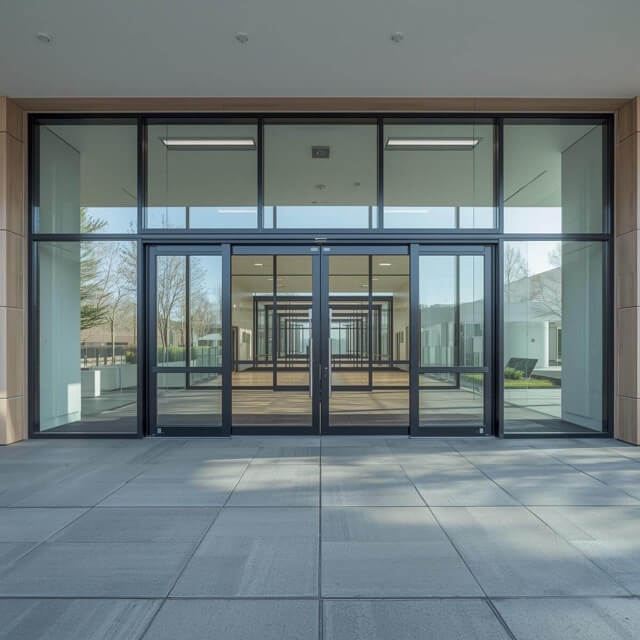
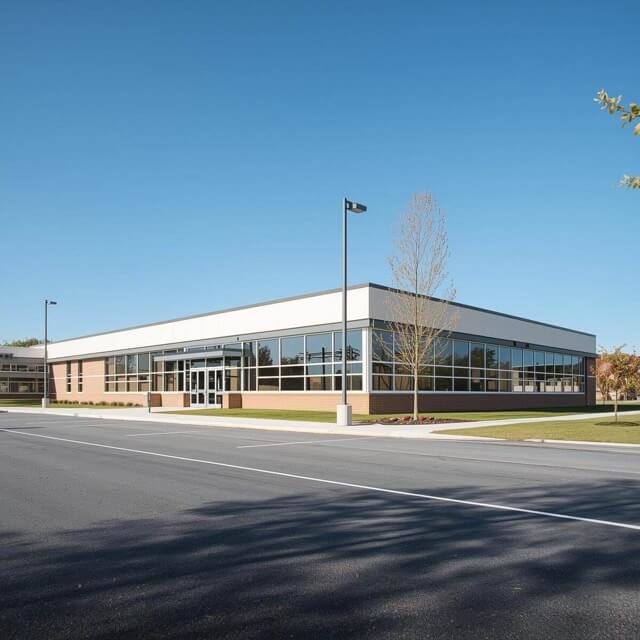
Historically, protecting a structure from the devastating forces of a hurricane has often necessitated a compromise between robust security and the preservation of a building’s inherent design aesthetic. Traditional types of hurricane window protection, while offering a degree of physical barrier, frequently introduce visual obstructions and operational challenges that diverge significantly from the architectural vision. This section delves into these conventional solutions, examining their performance capabilities, aesthetic drawbacks, and the practicalities of their deployment and upkeep.
Understanding Various Shutter and Panel Systems
Hurricane shutters and panels represent a spectrum of protective measures, each designed to safeguard fenestration during severe weather events. These systems vary in material, deployment mechanism, and permanence.
- Plywood and Metal Panels: These are among the most basic and common, consisting of pre-cut panels fastened directly over windows and doors using various hardware systems. While cost-effective, they are labor-intensive to install and store.
- Accordion Shutters: Permanently affixed to the sides of windows, these systems fold and unfold horizontally, resembling an accordion. They offer quick deployment and do not require off-site storage.
- Roll-Down Shutters: Housed in a box above the opening, these shutters deploy vertically, either manually or electrically, to cover the window or door. They provide a high level of storm protection and are convenient to operate.
- Colonial and Bahama Shutters: These are decorative, louvered shutters that are also functional. Colonial shutters hinge on the sides and close over the window, while Bahama shutters hinge at the top and prop open, offering shade, then close downward for hurricane protection.
- Fabric/Mesh Systems: Composed of high-strength, lightweight fabrics or mesh, these deploy like panels but are more flexible and often translucent. They are lightweight for handling and storage.
Performance Against Windborne Debris: Strengths and Limitations
The primary function of any hurricane protection system is to resist the impact of windborne debris and prevent high wind pressures from breaching the building envelope. Traditional hurricane shutters and panels can be effective in this regard, provided they are correctly installed and rated for the anticipated forces. For instance, properly installed aluminum panels or robust roll-down shutters can withstand significant impacts from large missile debris as defined by ASTM E1886/E1996 standards.
However, their performance has specific limitations. The effectiveness of many panel systems is heavily reliant on the integrity of their fastening points, which can be vulnerable to fatigue or failure under sustained high-wind loads. Some lighter-gauge panels or older designs may flex considerably upon impact, potentially transferring stress to the window frame or glass behind them. Fabric and mesh systems, while capable of stopping large debris, often stretch significantly, allowing some pressure equalization, which can still stress the underlying window system.
Aesthetic Impact and Architectural Integration Challenges
One of the most significant challenges with traditional hurricane window protection, particularly for architects and building owners focused on design integrity, is its undeniable aesthetic impact. When deployed, plywood or aluminum panels completely obscure windows, plunging interiors into darkness and presenting an uninviting, fortified exterior that fundamentally alters the building’s facade. This visual disruption is a direct contravention of design intent, often reducing the property’s curb appeal during critical periods.
Even when not in use, many traditional systems present significant integration issues. Roll-down shutters require visible housing boxes above each window or door, while accordion shutters feature permanent tracks and stacks at the sides of openings. Colonial and Bahama shutters, though often designed with some decorative intent, still represent an additional layer over the primary fenestration that can detract from minimalist or contemporary architectural styles. For structures where transparency, natural light, and an unobstructed view are paramount, these obtrusive additions represent a significant aesthetic compromise that architectural firms find difficult to reconcile with their design principles. This directly addresses the pain point of seeking security solutions that do not compromise a building’s design aesthetic.
Installation Realities, Storage Requirements, and Operational Drawbacks
Beyond aesthetics, the practical realities of traditional types of hurricane window protection present considerable operational and logistical challenges.
Installation Realities
- Labor Intensive: Panel systems, particularly plywood or corrugated aluminum, demand significant manual labor for installation, often requiring multiple individuals to secure them across all building openings. This process is time-consuming and can be particularly challenging under impending storm conditions.
- Hardware Dependency: Many systems rely on numerous fasteners, clips, and tracks, which must be precisely aligned and maintained. Missing or damaged hardware can compromise the entire system’s effectiveness.
Storage Requirements
- Space Consumption: Detachable panel systems necessitate substantial storage space when not in use. This can be a major issue for properties with limited auxiliary space, forcing panels to be stored off-site or in visible, cluttered areas, detracting from overall property management.
- Logistical Complexity: Retrieving, transporting, and organizing panels for deployment adds a layer of logistical complexity and stress during a hurricane threat.
Operational Drawbacks
- Deployment Time: The time required to deploy traditional systems can be extensive, particularly for larger buildings or properties with numerous openings. This can delay evacuations or place occupants at risk if deployment is left until the last minute.
- Reliance on Human Action: Many systems, especially panels and some accordion or roll-downs, require manual operation. This dependency on human intervention introduces potential for error, injury, or delayed action, particularly if personnel are unavailable or conditions become too hazardous.
- Limited Light and Egress: Once deployed, most traditional hurricane shutters completely block natural light and often obstruct emergency egress, creating a sense of confinement and posing safety risks.
Cost Considerations and Long-Term Maintenance
Evaluating traditional types of hurricane window protection also requires a thorough understanding of their financial implications, encompassing both initial outlay and ongoing expenditures.
- Initial Investment: The upfront cost for shutters and panels varies widely. Basic plywood is inexpensive but has a short lifespan and a high labor cost for repeated installation. More robust aluminum panels, accordion, or roll-down systems represent a greater initial investment, ranging from a few hundred to several thousand dollars per opening, depending on size, material, and automation features.
- Maintenance and Repair: Over time, these systems require maintenance. Metal components can rust or corrode, tracks may seize, and moving parts need lubrication. Fabric systems can degrade from UV exposure. Damage from impacts, faulty operation, or normal wear and tear necessitates repairs or replacements, adding to the long-term cost.
- Storage Costs: For panel systems, if on-site storage is unavailable, off-site storage solutions can incur recurring rental fees.
- Deployment Labor Costs: For commercial properties or owners who cannot install panels themselves, contracting labor for pre-storm installation and post-storm removal is a recurring operational expense.
These combined factors highlight that while traditional storm protection systems offer a fundamental barrier against storm forces, they often come with significant compromises in terms of aesthetic integrity, operational convenience, and cumulative cost over the lifecycle of a building.
The Full Replacement Approach: Analyzing Impact-Resistant Glass
The pursuit of robust hurricane protection often leads building owners and architects to consider the full replacement of existing fenestration with impact-resistant glass. This approach, while effective, involves a comprehensive overhaul of the building envelope, offering a distinct set of advantages and challenges.
The Engineering of Impact-Resistant Laminated Glass
Impact-resistant laminated glass fundamentally alters a window’s resilience through its unique construction. It consists of two or more panes of glass bonded together with one or more interlayers of polymeric materials, typically polyvinyl butyral (PVB) or ionoplast. Upon impact, the glass may crack, but the strong, flexible interlayer holds the fragments securely in place, preventing breach and maintaining the integrity of the building envelope against wind and water ingress. This design is engineered to absorb significant kinetic energy, mitigating the risk of projectiles penetrating the interior.
Performance Standards and Certifications (Miami-Dade, ASTM E1886/E1996)
For hurricane protection, impact-resistant glass must meet stringent performance standards to be considered viable. Key among these are the Miami-Dade County Product Control Protocols (TAS 201, 202, 203) and the ASTM E1886/E1996 standards. These certifications require products to withstand:
- Large Missile Impact: Simulating debris impacts from objects like a 2×4 lumber projectile fired at high velocity.
- Cyclic Pressure Loading: Testing the window’s ability to endure thousands of cycles of positive and negative pressure, mimicking hurricane-force winds.
Compliance with these Miami-Dade standards indicates a product’s verified capacity to resist severe weather events, ensuring that the entire window system—glass, frame, and anchoring—can perform as intended under extreme conditions, providing effective hurricane-resistant windows.
Benefits of Integrated Protection: Enhanced Security and Energy Efficiency
Installing new impact-resistant windows offers inherent advantages that extend beyond hurricane resilience. As an integral component of the window unit, the laminated glass provides 24/7 protection against various threats, including forced entry attempts, without requiring any manual deployment. Many modern impact-resistant window systems are designed with insulated glass units (IGUs), which significantly improve thermal performance. This integration can lead to:
- Reduced energy consumption for heating and cooling.
- Improved acoustic insulation, diminishing exterior noise.
- Enhanced UV protection guards interiors against sun damage.
Significant Installation Disruption and High Capital Investment
Despite the clear benefits, the decision to fully replace windows with impact-resistant alternatives carries substantial implications. This process involves the complete removal of existing window frames and glass, necessitating:
- Extensive Demolition: Removal of existing window units, potentially requiring structural modifications to accommodate new frames.
- Interior and Exterior Work: Disruption to interior finishes, exterior facades, and landscaping around each window opening.
- Prolonged Installation Timelines: The scope of work for a full replacement is significant, leading to extended project durations that can impact building operations and tenant comfort.
These factors contribute to a considerably high capital investment, making it one of the most expensive hurricane protection solutions available.
Design Flexibility and Limitations Within a Full Replacement Scope
From a design perspective, full window replacement offers architects the opportunity to select new window styles, frame materials, and glass types that align with contemporary aesthetic preferences or specific energy performance goals. However, this flexibility comes with a critical limitation: it inherently alters the building’s original design. For historic structures, buildings with unique architectural character, or those where preserving the existing fenestration is paramount to maintaining the building’s identity, a full replacement constitutes a significant design compromise. The goal of integrating security without sacrificing the building’s original aesthetic is often challenged by this approach.
A Surface-Level Solution: The Efficacy of Hurricane Window Films
When considering less intrusive options, hurricane window films emerge as a common, albeit often misunderstood, solution. These films are typically applied to existing glass, promising an added layer of protection. However, a detailed analysis reveals both their utility and their critical limitations, particularly in the context of high-velocity hurricane events.
How Security and Safety Window Films Operate
Security and safety window films are generally multi-layered polyester-based laminates that adhere to the interior surface of existing glass. Their primary mechanism involves enhancing the glass’s ability to resist shattering. Upon impact, the film holds the broken glass fragments together, preventing them from scattering inward and minimizing the risk of injury from flying shards. This adhesive bond aims to maintain the integrity of the glass pane itself, even after it has fractured.
Understanding Protection Against Shatter and Limited Impact
Window films are effective at mitigating specific types of threats. They offer excellent protection against:
- Glass Shatter: Significantly reduces the hazard posed by flying glass fragments during an impact or spontaneous breakage.
- Minor Impacts: Can deter opportunistic smash-and-grab attempts by making the glass more difficult to penetrate quickly.
- Blast Mitigation: Certain thicker films can help contain glass fragments in the event of an explosive force, limiting immediate injuries.
It is crucial to differentiate this from comprehensive hurricane protection. While the film holds the glass pieces together, it does not reinforce the overall strength of the glazing systems or the window frame against severe forces.
Aesthetic Implications and Optical Clarity Considerations
A key concern for architects and building owners, who prioritize design integrity, is the aesthetic impact of window films. While marketed as clear, films can introduce subtle changes to a window’s appearance over time:
- Optical Clarity: Some films may cause a slight haziness, distortion, or alter the natural reflection properties of the glass.
- Bubbling and Delamination: Improper installation or environmental factors can lead to bubbles, creases, or edge delamination, detracting from the window’s aesthetic.
- Discoloration: Over extended exposure to UV radiation, some film types can yellow or degrade, particularly around the edges, impacting the long-term visual quality.
These aesthetic compromises can be particularly noticeable on large expanses of glass or in buildings where pristine optical clarity is essential.
Installation Requirements and Expected Lifespan
Proper installation is paramount for window films to perform effectively. This typically requires professional application in a clean, controlled environment to ensure optimal adhesion and avoid aesthetic imperfections. Even with expert installation, window films have a finite lifespan. Depending on the film type, environmental conditions (e.g., UV exposure, temperature fluctuations), and maintenance, their adhesive properties and clarity can degrade, necessitating replacement every 10 to 15 years, or sooner if visible defects appear. This periodic replacement adds to the long-term cost and maintenance burden.
Critical Performance Gaps for High-Velocity Windborne Debris
For hurricane protection, window films exhibit critical performance gaps when faced with high-velocity windborne debris. While they prevent glass from shattering into dangerous fragments, they do not prevent the entire glass pane from being dislodged from its frame, nor do they prevent the glass itself from being penetrated by larger, heavier projectiles traveling at hurricane-force speeds.
- The film reinforces the surface of the glass, but the system (glass, frame, and anchorage) remains vulnerable to significant structural failure.
- Under sustained high wind loads and direct impacts from large debris, the entire filmed pane can be pushed inward, compromising the building envelope and exposing the interior to wind, rain, and further debris.
This fundamental limitation means that window films alone cannot provide the comprehensive, code-compliant hurricane protection required for high-risk zones, often failing to meet stringent impact and pressure cycling standards for hurricane-resistant windows.
The Modern Evolution: Retrofit Security Glazing Systems
Defining Advanced Retrofit Security Glazing for Enhanced Protection
Advanced retrofit security glazing represents a significant evolution in protective building envelopes. Unlike traditional methods that either replace entire window units or add external, often obtrusive, coverings, these systems are engineered to enhance the existing glass infrastructure. They typically involve the application of a transparent, high-strength material directly to the interior surface of existing glazing. This approach transforms standard windowpanes into robust barriers capable of withstanding severe impacts from hurricane-force winds, flying debris, and forced entry attempts, providing a level of protection previously requiring extensive and costly renovations. This category represents a superior type of hurricane window protection.
The Engineering Principles Behind Patented Retrofit Systems
The efficacy of advanced retrofit security glazing systems stems from sophisticated engineering principles and material science. At their core are materials like high-grade polycarbonate, which possess exceptional impact strength and flexibility. These materials are often integrated with specialized, high-bond adhesives and, in some patented systems, proprietary framing or attachment mechanisms that anchor the protective layer firmly to the existing window frame. When subjected to impact, the system works by absorbing and distributing the kinetic energy across a larger surface area, preventing the glass from shattering into large, dangerous fragments and maintaining the integrity of the glazing system. This combination of material resilience and engineered attachment allows the system to resist penetration and contain glass shards, significantly enhancing safety and contributing to building hardening.
Seamless Architectural Integration: Addressing the Design Aesthetic Concern
One of the most compelling advantages of advanced retrofit security glazing is its virtually invisible integration, directly addressing the common architectural pain point of compromising design for security. Unlike exterior hurricane shutters or bars that inherently alter a building’s facade, retrofit security glazing systems are applied internally and are completely transparent. This preserves the original architectural lines, maintains unobstructed views, and allows natural light to permeate the space without interruption. The building’s exterior remains visually unchanged, ensuring that aesthetic integrity is not sacrificed for robust protection. For professionals like Alex Chen, this means finding security solutions that don’t compromise a building’s design aesthetic is now possible.
Minimal Disruption: Installation Over Existing Glazing Systems
The installation process for advanced retrofit security glazing is markedly less disruptive than alternatives. These systems are designed to be applied directly over existing glazing, negating the need for window removal, demolition, or extensive structural alterations. This streamlined approach minimizes construction time, reduces labor costs, and allows for continued building occupancy during the installation period. For building owners and occupants, this translates to significantly less inconvenience and operational downtime compared to a full window replacement, such as installing new hurricane-resistant windows.
Comparing Durability and Longevity with Traditional Methods
The durability and longevity of modern retrofit security glazing systems significantly surpass many traditional types of hurricane window protection. While plywood or removable shutters require annual installation, removal, and storage, and are prone to wear and tear, advanced retrofit films and panels offer permanent, robust protection. Engineered to withstand continuous environmental exposure, including UV radiation and temperature fluctuations, these systems maintain their structural integrity and optical clarity for decades. Their inherent resistance to impact and tearing also makes them less susceptible to damage compared to external coverings, which can degrade or be compromised by repeated impact or environmental stress.
Beyond the Compromise: Retrofit Glazing as the Optimal Solution
Unmatched Impact Resistance and Glazing System Protection
Advanced retrofit security glazing systems deliver a level of impact resistance that is often unmatched by other solutions short of complete window replacement with laminated glass or impact-resistant glass. These systems are specifically engineered to endure extreme forces, including high-velocity hurricane debris and persistent forced-entry attempts. The protective layer not only prevents the glass from breaching but also helps to hold the entire glazing system within its frame, mitigating against structural failure and maintaining the building envelope’s integrity during severe events. This comprehensive protection extends beyond preventing glass breakage to safeguarding the entire window opening.
Preserving Design Integrity: The ‘Virtually Invisible’ Advantage
The paramount advantage of retrofit security glazing systems, particularly for architects and building owners prioritizing aesthetics, is their capacity to preserve design integrity without compromise. By integrating seamlessly with existing windows, these systems remain effectively ‘virtually invisible.’ There are no unsightly external fixtures, no blocked views, and no alteration to the building’s original architectural vision. This allows for superior protection that respects the building’s aesthetics, crucial for both modern designs and historic properties where preserving character is essential.
Cost-Effectiveness and Return on Investment Compared to Full Replacement
From a financial perspective, advanced retrofit security glazing presents a highly cost-effective solution with a compelling return on investment when compared to the extensive undertaking of full window replacement. The capital expenditure for retrofit solutions is typically a fraction of the cost associated with removing and installing new impact-resistant windows. Reduced installation time and minimal disruption translate to lower labor costs and less operational downtime. Over time, the benefits include enhanced security, potential reductions in insurance premiums, and avoided costs associated with hurricane damage repair, all contributing to a strong long-term financial return.
Versatility Across Diverse Building Envelopes and Glazing Types
The adaptability of advanced retrofit security glazing systems is a key differentiator. They are not confined to standard window installations but can be effectively applied across a broad spectrum of building envelopes and glazing types. This includes complex curtain wall systems, expansive storefront windows, skylights, and varied residential window styles. Their versatility allows architects and building owners to implement a consistent, high-performance security solution across an entire property, regardless of specific window configurations or glass types, ensuring comprehensive protection for the entire building perimeter.
Mitigating Broader Security Risks Beyond Hurricanes
While initially considered for hurricane protection, advanced retrofit security glazing systems offer significant benefits in mitigating a much broader range of security risks. Beyond storm-related impacts from windborne debris, these systems provide a formidable barrier against forced entry attempts, deterring smash-and-grab theft and active threat scenarios by delaying or preventing ingress. For specialized applications, certain advanced systems can even be engineered to provide ballistic resistance. This multifaceted protection enhances the overall security posture of a building, addressing concerns that extend far beyond environmental threats.
Strategic Specification: Integrating Advanced Protection with Architectural Vision
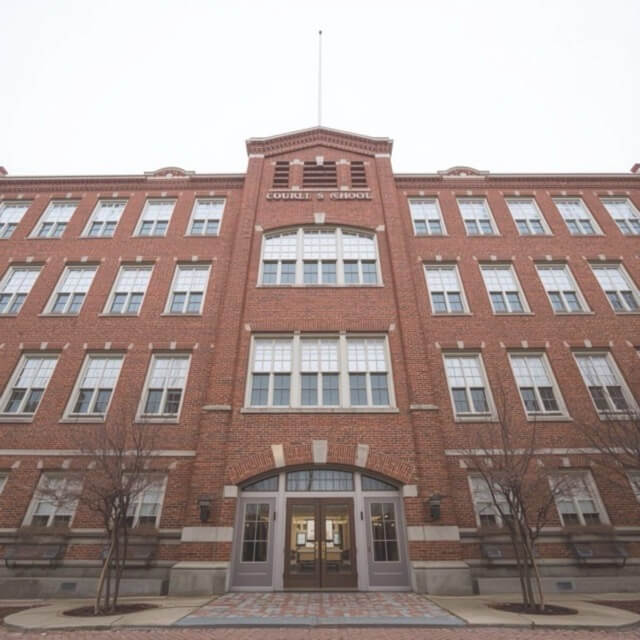

The decision to enhance a building’s resilience against hurricane-force winds and other threats requires a strategic approach that extends beyond simple material selection. It involves a comprehensive understanding of risk, adherence to stringent performance standards, and specialized collaboration to ensure optimal integration with the existing architectural vision for various types of hurricane window protection.
Assessing Project Needs and Specific Threat Vectors
Effective building hardening begins with a precise assessment of the project’s unique requirements and its exposure to specific threat vectors. This involves more than just geographical location. It includes analyzing local building codes, historical weather data for wind speeds and projectile risks, and potential vulnerabilities within the existing building envelope. For commercial properties, considerations also extend to potential security threats such as forced entry or even ballistic risks, which advanced security glazing systems can simultaneously address. Identifying these specific challenges allows for the tailored specification of retrofit security glazing solutions designed to meet or exceed the anticipated demands.
Navigating Performance Standards and Certifications for Retrofit Solutions
For architects and building owners, navigating the myriad of performance standards and certifications is critical to ensuring the efficacy and reliability of any protective system. Advanced retrofit security glazing solutions are rigorously tested to meet or surpass industry benchmarks.
- Impact Resistance: For hurricane protection, certifications like Miami-Dade County Notice of Acceptance (NOA) and Florida Product Approval (FPA) are paramount, demonstrating the system’s ability to withstand repeated large missile impacts and cyclic wind pressure.
- Forced Entry: ASTM F1233 (Standard Test Method for Security Glazing Materials and Systems) and ASTM F1915 (Standard Test Methods for Glazing for Forced Entry Resistance) specify performance against various attack methodologies.
- Ballistic Resistance: UL 752 (Standard for Bullet-Resisting Equipment) defines levels of protection against different calibers and weapon types.
These certifications provide objective, third-party validation that the chosen retrofit security glazing system will perform as specified, offering transparent assurance of its protective capabilities.
Collaboration with Advanced Security Glazing Specialists
The successful integration of sophisticated retrofit security glazing necessitates close collaboration with specialized experts from the project’s inception. These specialists possess a deep understanding of material science, structural engineering principles, and precise installation techniques that are unique to these advanced systems. Their expertise ensures that the chosen solution not only meets performance requirements but also integrates seamlessly with the building’s existing structure and aesthetic. Early engagement allows for optimized design, accurate threat mitigation strategies, and streamlined project execution, preventing costly modifications later in the process.
Considerations for Long-Term System Performance and Maintenance
Investing in advanced retrofit security glazing is a long-term commitment to building resilience. Therefore, evaluating the system’s projected lifespan, its maintenance requirements, and the manufacturer’s warranty is essential. Unlike traditional, often cumbersome, hurricane shutters that require regular deployment and seasonal storage, retrofit glazing systems are passive and require minimal ongoing maintenance. The inherent durability of these engineered materials ensures sustained performance over decades, reducing operational burdens and preserving the structural and aesthetic integrity of the fenestration system without recurrent intervention.
Realizing a Sustainable and Resilient Building Envelope
The implementation of advanced retrofit security glazing contributes significantly to realizing a truly sustainable and resilient building envelope. Beyond immediate threat mitigation, these systems enhance energy efficiency by improving thermal insulation and reducing solar heat gain, which can lower heating and cooling costs. By protecting a building’s most vulnerable points against extreme weather events and other threats, they extend the lifespan of the structure, reduce the need for costly post-storm repairs, and minimize operational downtime. This approach aligns with modern architectural principles that prioritize longevity, occupant safety, and environmental stewardship, ensuring buildings remain functional and secure for future generations.
Conclusion: Redefining Security and Design Integrity
The dialogue surrounding building protection has long been characterized by a perceived trade-off between robust security and uncompromised architectural design. This article has explored the evolution of hurricane and security solutions, culminating in a paradigm shift brought about by advanced retrofit glazing systems.
Recapping the Limitations of Traditional Hurricane Protection
Historically, options like storm shutters, plywood boarding, and impact-resistant windows presented significant limitations. While offering some degree of protection, traditional hurricane shutters inherently compromise a building’s aesthetic by obscuring views, altering facades, and requiring manual deployment – a recurring operational burden. Impact-resistant glass and hurricane-resistant windows, while effective, often necessitate complete window replacement, which is both expensive and disruptive, and still do not offer the same multi-threat protection as advanced retrofit solutions. These options often forced architects and building owners to choose between protecting their assets and preserving their design vision.
The Paradigm Shift Offered by Advanced Retrofit Glazing Systems
Advanced retrofit security glazing systems represent a definitive paradigm shift, effectively eliminating the historic compromise between security and aesthetics. These engineered films and laminates bond directly to existing glass, transforming standard windows into robust, multi-threat barriers capable of withstanding hurricane-force impacts, forced entry attempts, and even ballistic threats, all without altering the building’s original design. The result is a virtually invisible layer of protection that maintains the building’s visual integrity and occupant comfort, offering superior security with unmatched discretion. This advanced type of hurricane window protection allows for seamless architectural integration.
Empowering Architects to Achieve Both Security and Aesthetic Excellence
This technological advancement empowers architects to confidently specify security solutions that not only meet the most stringent protection requirements but also enhance, rather than detract from, their design aesthetic. By integrating advanced retrofit security glazing, architects can deliver projects that are both structurally resilient and visually uncompromised. The capability to achieve unparalleled security without sacrificing design integrity provides a critical tool for creating truly modern, defensible, and beautiful structures.
Final Thoughts for Building Owners and Developers
For building owners and developers, the implications of this shift are profound. Investing in advanced retrofit security glazing offers a proven strategy for safeguarding assets, protecting occupants, and ensuring business continuity in the face of escalating threats. This intelligent integration of protection translates directly into enhanced property value, reduced insurance premiums, and a superior tenant experience, reinforcing a commitment to long-term resilience and responsible asset management. It is an investment that pays dividends in safety, operational efficiency, and peace of mind.
Charting the Future of Hurricane Resilient Architecture
As climate patterns evolve and security challenges intensify, the demand for truly resilient architecture will only grow. Advanced retrofit security glazing systems are not merely a current solution but a foundational component for charting the future of hurricane-resilient architecture. By offering a comprehensive, discreet, and highly effective means of protection, these systems enable the construction and renovation of buildings that are prepared for tomorrow’s challenges while maintaining the highest standards of design and sustainability. This technology defines the next generation of architectural integrity, where robust security is no longer an add-on, but an inherent, invisible component of the design.
Frequently Asked Questions
What are the main types of hurricane window protection available?
The main types of hurricane window protection include traditional options like storm shutters (e.g., plywood, accordion, roll-down), full replacement with impact-resistant glass or hurricane-resistant windows, and advanced retrofit security glazing systems. Each offers varying levels of protection, aesthetic impact, and cost.
How do traditional hurricane shutters impact a building’s aesthetic?
Traditional hurricane shutters, such as plywood or aluminum panels, typically obscure windows when deployed, altering the facade and blocking natural light. Even when not in use, systems like roll-down or accordion shutters can leave visible tracks and housing boxes, detracting from the original architectural design.
What is impact-resistant glass, and how does it protect against hurricanes?
Impact-resistant glass is made from two or more panes of glass bonded together with a strong interlayer (often PVB or ionoplast). Upon impact, the glass may crack, but the interlayer holds the fragments in place, preventing breach of the building envelope against windborne debris and water ingress. This typically requires full window replacement.
What is retrofit security glazing, and how does it address design concerns?
Retrofit security glazing involves applying a transparent, high-strength material, often polycarbonate, to the interior of existing windows. This transforms standard glass into a robust barrier against impacts, forced entry, and ballistic threats. It addresses design concerns by being virtually invisible, preserving the building’s original aesthetic and views, unlike external hurricane shutters or full window replacement.
Are retrofit security glazing systems certified for hurricane protection?
Yes, advanced retrofit security glazing solutions undergo rigorous testing to meet or exceed industry standards such as Miami-Dade County Notice of Acceptance (NOA) and Florida Product Approval (FPA). These certifications verify their ability to withstand large missile impacts and cyclic wind pressure, ensuring robust storm protection.