This guide covers everything facility managers, architects, and property owners need to know about hurricane impact security glazing in 2026-from what it is and how it’s tested, to how retrofit protective systems can shield your building from severe storms and forced entry without full window replacement.
Table of Contents
What Is Hurricane Impact Security Glazing?
Building Codes and Testing Standards
Hurricane Impact Glass vs. Security and Ballistic Glazing
Energy Efficiency and Comfort Benefits
How Impact Security Retrofit Systems Work
FAQs on Impact Glass and Building Codes
Why Choose Impact Security
What Is Hurricane Impact Security Glazing and Why It Matters in 2026
The hurricane seasons of 2023 through 2025-including Hurricane Idalia, Milton, and the devastating aftermath of Hurricane Ian-exposed how quickly standard windows and doors fail under severe weather. The 2024 Atlantic season alone caused over $131 billion in losses. Schools, government buildings, and retail storefronts suffered catastrophic envelope breaches when flying debris shattered conventional glass. Since Hurricane Andrew first revealed these vulnerabilities decades ago, the industry has evolved-but many facilities remain dangerously under protected.
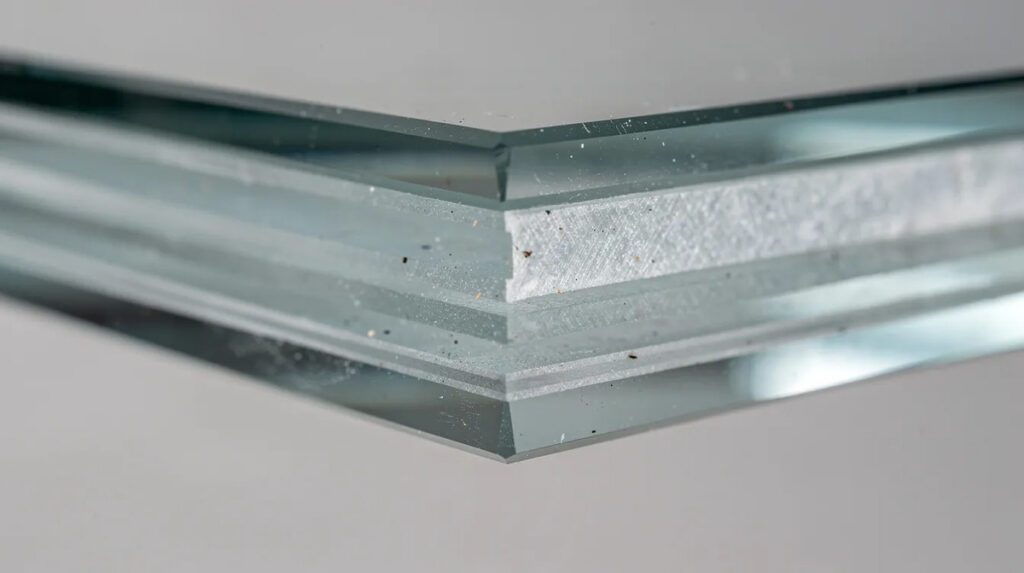
Hurricane impact security glazing refers to specifically designed systems that combine hurricane resistant glass performance with forced-entry and security protection. Hurricane resistant windows primarily use laminated glass, which consists of multiple bonded panes with a plastic interlayer-commonly polyvinyl butyral (PVB), SentryGlas Plus (SGP), or ethylene vinyl acetate (EVA). Impact glass is designed to prevent dangerous shards during breakage, holding large pieces in the frame rather than scattering them across the interior. These windows are often constructed with heavy-duty frames to withstand high pressures from severe storms and sustained winds.
Unlike residential impact windows, hurricane impact security glazing serves commercial and institutional facilities-storefronts, curtain walls, exterior windows, doors, and interior secure areas. Security glazing absorbs impact energy and helps prevent catastrophic structural failure while providing passive, year-round protection that deters forced entry. Impact glass protects against hurricanes and severe weather while also enhancing security against home invasions and smash-and-grab attacks. Security glazing is engineered to withstand extreme hurricane conditions across varying threat levels.
Core benefits include:
- Protection from hurricane impact, flying objects, and debris impacts
- Improved security against intrusion, vandalism, and ballistic threats
- Reduced business interruption and safer post-storm recovery
- Compliance with local building codes in coastal areas
- Retrofit installation over existing glass-critical for occupied facilities
Building Codes, Testing Standards, and Hurricane Impact Requirements
Thick glass or security window film alone does not satisfy building code requirements in wind-borne debris regions. Impact glass must pass rigorous testing to be certified, and impact-resistant windows must meet various quality-assurance testing standards before they can be installed.
The International Building Code requires impact-resistant windows in coastal areas, and the Florida Building Code layers additional requirements for high velocity hurricane zones. Florida Building Code mandates impact-resistant glass within one mile of the coast. Miami-Dade County requires compliance with Florida Building Code testing standards-specifically, impact windows must pass Miami-Dade TAS 201, 202, and 203 tests. Miami-Dade requires TAS 201 (large-missile impact), TAS 202 (air, water infiltration, and structural performance), and TAS 203 (cyclic pressure) testing standards. ASTM E1886 and ASTM E1996 are key impact testing standards used nationally.
Impact-rated windows must withstand a 9 lb. 2×4 wood projectile launched at 50 ft/s for general structures and 80 ft/s for essential facilities. Impact glass must pass cyclic pressure tests for certification, simulating thousands of wind gust cycles. The glazing system is tested for high design pressure ratings to withstand intense storms-evaluating the full assembly including glass, frame, sealants, and anchorage. A high design pressure rating alone does not mean a window or door is impact rated; both impact and pressure testing are required. Impact-rated windows must meet ASTM E1886 and E1996 standards in addition to any local protocols.
Hurricane impact security glazing can also overlap with UL 752 for ballistic protection, UL 972 for burglary resistance, or ICC 500 safe-room standards-but only when specifically tested and listed. Code officials increasingly expect documentation early, so specifiers should request test data and product approvals before procurement.
Hurricane Impact Glass vs. Security and Ballistic Glazing
Not all impact resistant glass solves the same problem. Hurricane impact glass, security glazing, and ballistic glazing are engineered for different threats, though system design can combine them.
Hurricane impact glass and hurricane resistant windows are built to withstand high winds and flying debris, keeping the structural integrity of the building envelope intact during a storm. When standard glass breaks, it can lead to increased internal pressure in buildings, which can blow off roofs and cause cascading damage. Impact glass prevents this by using multiple layers of laminated glass with a plastic interlayer that holds fragments together even after a direct hit.
Security glazing goes further-it’s designed to delay or prevent forced entry from repeated blows with tools, bricks, or weapons. Many residential impact rated windows pass debris tests but can still be breached by a determined intruder with a crowbar. Forced-entry resistance requires separate testing under standards like ASTM F3561. Ballistic glazing, rated under UL 752 at varying levels, stops specific projectile threats and is used in government, financial, and school applications.
Impact Security systems can layer an extra layer-a retrofit polycarbonate shield-over existing hurricane impact glass, upgrading from basic storm protection to forced-entry and ballistic mitigation. For example, a Gulf Coast bank branch kept its existing impact rated windows for hurricane protection and added BulletShield panels over select glazing to achieve UL 752 ballistic resistance without replacing the entire window system.
Performance Beyond Storms: Energy Efficiency, Noise, and Everyday Security
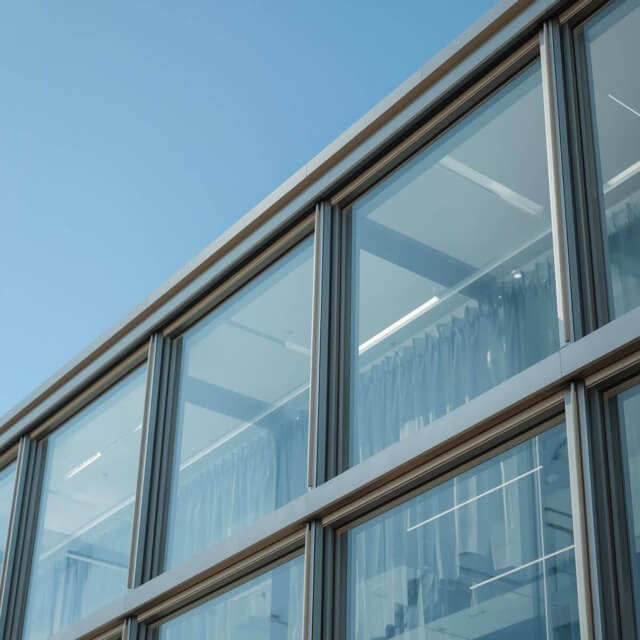
Modern hurricane impact security glazing delivers benefits well beyond natural disasters and severe winds. Impact glass can reduce energy costs by improving thermal comfort-laminated insulating glass units with low-E coatings and gas fills can drop U-factors from approximately 1.0 (single pane) to around 0.30, significantly cutting energy bills in hot, humid climates. Reduced solar heat gain means less HVAC load per square foot, helping improve energy efficiency across the building. Impact glass blocks up to 99% of UV rays, protecting interiors from fading.
The glazing significantly reduces the amount of water that enters the building during storm surges and wind-driven rain. Security glazing helps keep the building envelope intact during severe weather events, meaning facilities can stay operational-or at least weather-tight-after a storm rather than facing immediate emergency repairs.
Noise reduction is another advantage: multi-layer impact-resistant glazing cuts outside sound from traffic, aircraft, and coastal storms-valuable for schools, hospitals, and 24/7 operations. On the security side, these protective systems deter smash-and-grab, rioting, and vandalism year-round, keeping occupants on the safe side of the glass—an especially critical consideration for school and campus security glazing upgrades.
Many insurers in coastal areas now ask whether buildings use impact glass and security glazing when underwriting, and stronger glazing can support premium incentives. A multi-site Florida retailer used Impact Security retrofit panels to simultaneously boost hurricane impact performance, after-hours security, and storefront energy efficiency-all without closing locations for major construction.
How Impact Security Retrofit Glazing Systems Work
Impact Security specializes in retrofit security glazing that installs over existing frames, allowing facilities to upgrade hurricane and security performance without a full tear-out. The process follows a clear sequence:
- Site assessment and threat evaluation-review existing windows, doors, storefronts, and curtain walls for hurricane exposure, forced-entry history, and any ballistic concerns
- Engineering and design-select the appropriate retrofit shield (DefenseLite Pro for forced entry, BulletShield for ballistic protection, custom solutions for hurricane-prone sites) and confirm compatibility with local building codes
- Fabrication-custom-sized, optically clear polycarbonate or laminated shields are produced at facilities in Marietta, GA and Glendale, AZ, with proper installation hardware and edge treatments
- Installation-shields attach to existing framing with anchoring systems, creating a stand-off airspace while maintaining egress and operability for any window or door
Where base windows are already hurricane rated, the retrofit adds forced-entry and riot resistance. Where they are not, Impact Security coordinates with architects and glazing contractors to integrate their shields alongside code-compliant materials and industry standards.
Most installations are completed from the exterior, after hours, with limited disruption-critical for schools, hospitals, and occupied buildings. Maintenance mirrors standard glazing care, with scratch-resistant coatings and replacement panels available if shields sustain damage from debris or force.
FAQs: Hurricane Impact Glass, Building Codes, and Security Glazing
How is hurricane impact resistant glazing tested for flying debris and high winds?
Testing includes TAS 201, where a 9 lb. 2×4 wood missile is launched at the glazing at specified speeds, and TAS 203 or ASTM E1886/E1996 cyclic pressure tests simulating thousands of wind gust cycles. These tests evaluate the full system-impact glass, frame, sealants, and anchorage. A high design pressure rating alone does not make a window impact rated; both impact and cyclic testing are required for certification.
Does hurricane impact glass also improve energy efficiency and comfort?
Yes. Laminated impact glass paired with low-E coatings and insulated glazing units reduces thermal transfer, lowers solar heat gain, and can meaningfully cut energy bills. Secondary benefits include UV reduction that protects interior finishes from fading and improved comfort for occupants near large windows.
Is security window film enough to meet hurricane impact requirements?
Security films help hold broken glass together but generally do not pass large-missile and cyclic pressure tests required under the Florida Building Code or Miami-Dade County standards. Impact glass and engineered retrofit security glazing are the appropriate choices when compliance and true hurricane impact performance are required.
How long does hurricane impact security glazing last before it should be evaluated?
Many systems are designed for multi-decade service when materials are properly installed and maintained. In harsh coastal environments, professional inspections every 8–10 years are recommended to check for sealant degradation, frame corrosion, or interlayer edge issues. After major events like a Category 3+ landfall, schedule a post-storm assessment immediately.
Can I retrofit hurricane impact security glazing on an occupied building without replacing all the windows?
Yes. Impact Security specializes in retrofit systems that mount over existing glass and frames with minimal disruption. Typical applications include schools, retail chains, government offices, and healthcare facilities upgrading both storm resilience and forced-entry resistance. A site assessment confirms structural capacity and the best combination of impact glass and security shields.
What is the difference between impact windows and full hurricane impact security glazing solutions?
Impact windows typically refer to individual window units with impact glass and reinforced frames, commonly used in residential construction. Hurricane impact security glazing solutions encompass a broader system-storefronts, doors, curtain walls, interior partitions, and retrofit shields-engineered for specific threat profiles including storm, forced entry, and ballistic protection. For larger facilities, the approach often mixes code-approved impact rated windows with targeted security glazing retrofits to balance cost, performance, and aesthetics.
Why Choose Impact Security for Hurricane Impact Security Glazing
Impact Security is a US-based manufacturer and installer focused exclusively on retrofit security glazing for high-risk and public-facing buildings. With fabrication centers in Marietta, GA and Glendale, AZ, a nationwide dealer network, and proven product families-DefenseLite Pro, BulletShield, RiotLite, and AccessShield-the company delivers turnkey solutions from threat assessment through professional installation and warranty support.
Key differentiators include deep experience navigating the Florida Building Code and International Building Code requirements, coordination with architects and facility teams, and the ability to engineer systems that address hurricane impact, forced entry, and ballistic concerns in a single retrofit. Optical quality remains high-clear views, minimal distortion, and preserved daylighting and branding. Trusted by school districts, federal and local agencies, and Fortune 500 retailers, Impact Security hardens glass openings without a complete tear-out.
Take the Next Step: Plan Your Hurricane Impact Security Glazing Upgrade
With increasingly active Atlantic hurricane seasons and rising security threats, the time to protect your facility is before peak season-not after. Early planning avoids supply bottlenecks and ensures systems are engineered, fabricated, and installed on schedule.
Schedule a site assessment or request a free estimate from Impact Security for retrofitting your impact windows, doors, storefronts, or curtain walls. Connect with a certified local installer for design-assist and budgeting support. Whether you’re hardening a single entrance or upgrading an entire campus, Impact Security works collaboratively with your team to deliver the right combination of hurricane impact glass, security shields, and code compliance for your building.