Table of Contents
Introduction: Why Security Glazing Matters for Modern Police Stations
Threats and Vulnerabilities: How Glass Openings Expose Police Stations
Types of Security Glazing for Police Stations: Forced Entry and Bullet Resistant
Strategic Placement: Where Bullet Resistant Glazing Makes the Biggest Difference
How Retrofit Security Glazing Works and Why Choose Impact Security
FAQs: Security Glazing for Police Stations
Introduction: Why Security Glazing Matters for Modern Police Stations
Since 2020, police stations across the United States have faced a sharp increase in targeted attacks-ambush gunfire, forced entry attempts, arson, and coordinated vandalism aimed at lobbies, entrances, and perimeter windows. The primary threat to police stations is ambush attacks, and standard float glass remains the weakest point in nearly every facility. When that glass fails, police officers, staff, visitors, and building occupants are exposed in seconds.
Security glazing for police stations addresses this gap directly. It combines forced-entry-resistant shields and bullet-resistant glazing into systems engineered to protect officers and keep everyone inside the station safe-without turning the building into a fortress. Security glazing enhances safety and security by delaying intruders, giving personnel precious time to respond.
Impact Security specializes in retrofit security glazing systems that install over existing glass, so police departments can upgrade protection without a full tear-out or new construction. You can learn more about Impact Security’s background and security glazing expertise and how their team supports complex public-sector projects. A Systems Approach integrates multiple security measures for police stations, layering glazing, frames, hardware, and doors into a unified defense.
Here’s what this article covers:
- Where bullet-resistant and forced-entry glazing is needed in a police station
- How UL 752 ballistic resistance levels work and which ones matter for your station
- What the retrofit process looks like in a working law enforcement facility
- How to evaluate vendors and determine the right solution for your precinct
Threats and Vulnerabilities: How Glass Openings Expose Police Stations
Police station security is a layered system, but attackers almost always target glass first because it offers the fastest, lowest-effort point of breach. Whether someone is attempting to force entry with a vehicle or pry bar, firing at windows from a distance with firearms, or hurling bricks and Molotov cocktails during civil unrest, glass openings are where the building’s perimeter fails first. Security glazing prevents glass shrapnel during explosions and ballistic events, protecting the people inside from secondary injury.
Different zones of a station face different risks. Public lobbies and the reception area see close-range aggression-someone lunging at a transaction window, for example, or smashing through a vestibule door. Exterior windows and parking-lot-facing glass, by contrast, are exposed to standoff rifle fire where officers may not even see the threat coming. Forced-entry-resistant glazing can withstand attacks using tools such as hammers or pry bars, but those same panels may not stop a rifle round-and that distinction is critical when you’re trying to protect officers and keep staff safe.
Common weak spots in many police stations include:
- Main vestibule glazing and entrance doors
- Lobby transaction windows and counters
- Ground-floor perimeter windows facing streets or sidewalks
- Sally port doors with vision lites
- Interview and intake room observation windows
- Dispatch and communications viewing windows
- Rear and side officer entrances
Safety glass-tempered or basic laminated glass-is designed to break into less-harmful fragments, reducing injury from accidental breakage. It is not engineered to resist deliberate attack. True security glazing is constructed to delay penetration under sustained, intentional assault. The core performance metric is time and distance: how many seconds or minutes the glazing buys before breach, giving officers the ability to mount a response. A single shattered pane can turn a secure station into an open target, so understanding the difference between safety and security is the starting point for every upgrade.
Types of Security Glazing for Police Stations: Forced Entry and Bullet Resistant
Most police stations need both forced entry protection and bullet resistant glazing, but not necessarily at the same level everywhere. Police stations should use a combination of different glazing systems based on risk assessment, matching each zone’s glazing to the credible threats it faces. A layered strategy balances security, visibility, and cost in police stations-letting you invest heavily where risk is highest and deploy lighter solutions where the threat profile is lower.
Forced-entry resistant glazing uses multi-layer polycarbonate or laminated systems-such as Impact Security’s DefenseLite Pro impact security glazing and RiotLite-to withstand repeated blows from bats, hammers, pry bars, sledgehammer strikes, and thrown objects like bricks. Polycarbonate security glazing, including systems like DefenseLite polycarbonate overglaze security, offers excellent resistance to vandalism, making it ideal for exterior windows with street exposure, public lobbies, interview corridors, and rear or side staff entrances where mob-style attacks or burglary attempts are more likely than rifle fire. These shields can be installed over existing glass and frames without full window replacement, creating a hardened barrier that absorbs impact energy across multiple hits.
Bullet resistant glazing is a distinct category. Retrofit systems like Impact Security’s BulletShield bullet resistant overglazing mount over existing glass to achieve UL 752 ballistic ratings. Bullet-resistant glass must meet UL 752 ballistic resistance standards, and UL 752 defines ballistic resistance levels from 1 to 10, covering everything from handgun rounds to high-velocity rifle fire. Key levels commonly specified for police station security include:
- Level 1–3: Designed for handgun threats. Level 3 glazing stops multiple shots from handguns, making it the standard for transaction windows, reception areas, and interior partitions.
- Level 4–5: Engineered for rifle threats. Level 4 glazing protects against high-powered rifle fire at exterior windows, squad parking views, and dispatch lines of sight. Level 4 glazing can stop bullets from high-powered rifles, which is essential for any glass facing public streets.
- Level 8: For extreme threat environments. Level 8 glazing withstands significant ballistic attacks from military-grade ammunition, though this level is less common in standard precinct applications.
Bullet-resistant glazing is typically 1 to 1.5 inches thick, depending on the rated level-true “bulletproof glass” thickness ranges from 1 to 1.5 inches as well, though the term “bulletproof” is a misnomer. Every bullet resistant system is rated for specific calibers, velocities, and number of shots. No glazing stops everything indefinitely, so departments must match their glazing to credible threats rather than assuming blanket protection.
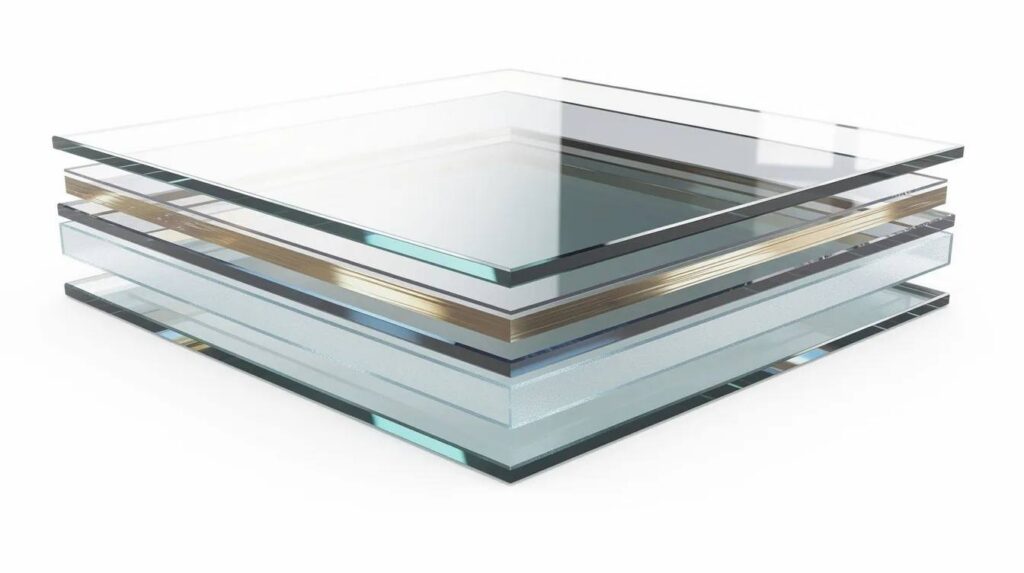
Glass-clad polycarbonate combines ballistic and forced-entry protection into a single assembly, using layers of glass and polycarbonate bonded with specialized interlayers to absorb energy and control spall, similar in concept to other bulletproof glass and ballistic glazing options used to resist high-velocity threats. Glass-clad polycarbonate options offer visibility and security for police stations, maintaining clear sightlines while stopping rounds, and can be paired with forced-entry-resistant doors and window systems to create a continuous protective envelope. All-glass ballistic laminates offer minimal spalling and superior acoustic performance, which matters in areas like dispatch rooms where communication clarity is critical.
A complete protective system includes security frames and appropriate doors for glazing-because a bullet-resistant window mounted in a weak frame or next to an unprotected door leaves an exploitable gap. Ballistic doors, reinforced wall panels, and rated counters must all work together. For example, pairing bullet-resistant glass with ballistic fiberglass behind the front desk ensures that the entire barrier system performs to the same standard.
Strategic Placement: Where Bullet Resistant Glazing Makes the Biggest Difference
You do not need Level 5 bullet-resistant glazing on every pane in the building. You need the right protection in the right zones. High-level ballistic protection typically aims for UL 752 Level 3 to Level 5, and police stations often use UL Level 3 to Level 5 glazing across their most vulnerable openings. Ballistic protection must match the threat level of each area, so strategic placement is where thoughtful design meets real-world budget constraints.
Here is how police station planners typically prioritize:
- Public lobby and reception: Transaction windows, report-writing counters, and lobby vestibules need UL 752 Level 1–3 glazing with integrated intercoms and pass-through trays. Ballistic barriers are increasingly included at police station entrances, and police stations should install bullet-resistant glazing in entrances to mitigate close-range threats. Bullet-resistant glazing protects police staff from immediate threats in these high-traffic zones.
- Main entrances and secure vestibule areas: Double-door airlocks with bullet resistant glass and access-controlled ballistic doors create a secure vestibule that can delay active shooter events and separate public visitors from staff zones. This is often the single most impactful upgrade a station can make.
- Ground-floor perimeter windows: Any glass facing public streets, parking lots, or walk-up approaches where line-of-sight gunfire is possible should receive Level 4–5 ballistic glazing. Bullet-resistant glazing can withstand active shooter events at these exposures, buying critical delay for lockdown procedures.
- Dispatch and communications rooms: Viewing windows in dispatch must be upgraded to match the ballistic rating of the surrounding wall construction. Security glazing maintains visibility in critical areas while providing protection, ensuring dispatchers can monitor activity without compromising their safety.
- Interview, intake, and holding areas: Observation windows here balance visibility and custody safety with impact-resistant or ballistic glazing, depending on the detainee profile and risk assessment. Similar considerations apply in any correctional facility where observation is essential.
- Rear and side officer entrances and sally ports: Vision panels and adjacent sidelites should be reinforced against both forced entry and close-range handgun threats, securing these access points that are often less monitored than the front entrance.
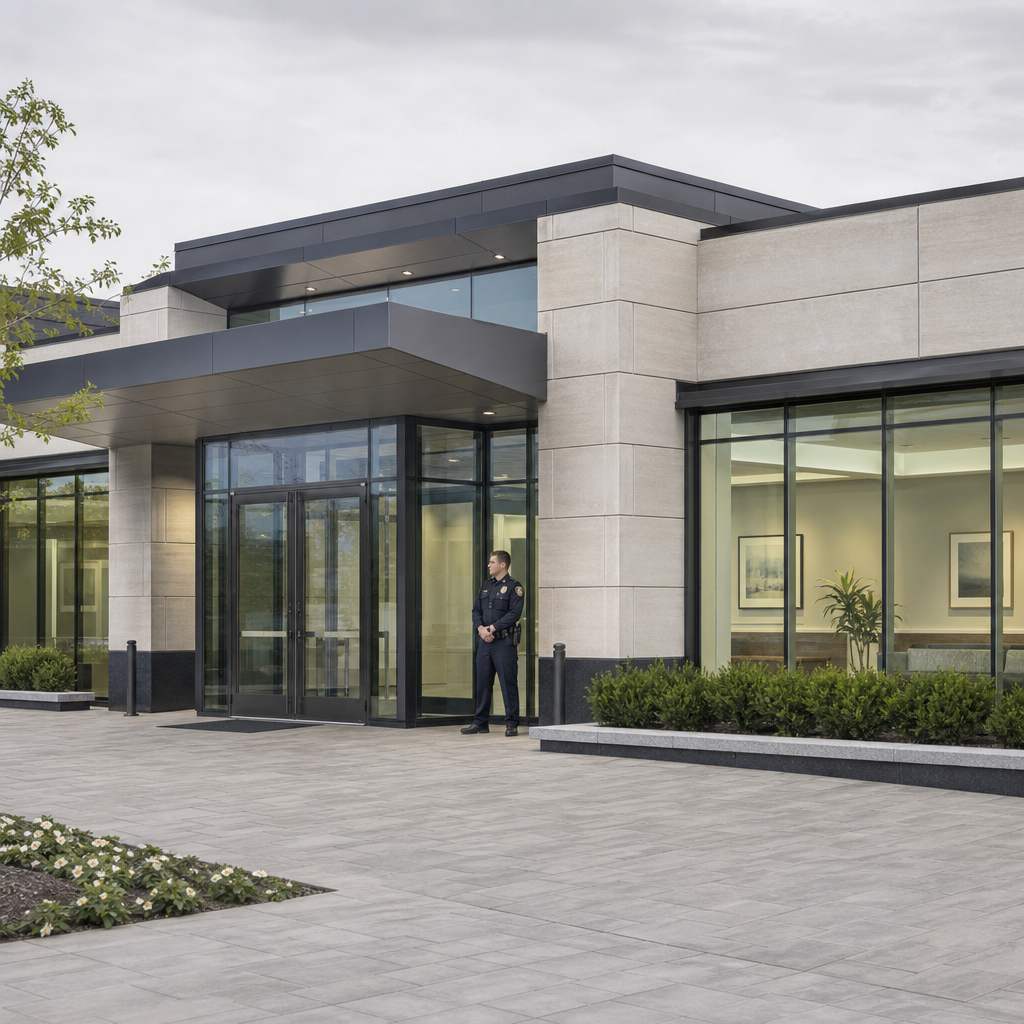
Modern station design aims for community accessibility-maintaining a welcoming environment that doesn’t feel like a bunker. Security glazing should preserve natural light, good sightlines, and non-intimidating aesthetics while delivering the protection your personnel need.
Ballistic protection must match the credible threat level in police stations, but it doesn’t have to compromise the openness that builds trust with the community you serve.
Impact Security engineers typically start with a security walk-through, mapping current glass openings, existing frames, and operational patterns to identify which locations get forced entry protection only and which require bullet resistant upgrades.
This assessment helps facilities managers determine priorities and phase their project across budget cycles.
How Retrofit Security Glazing Works & Why Choose Impact Security
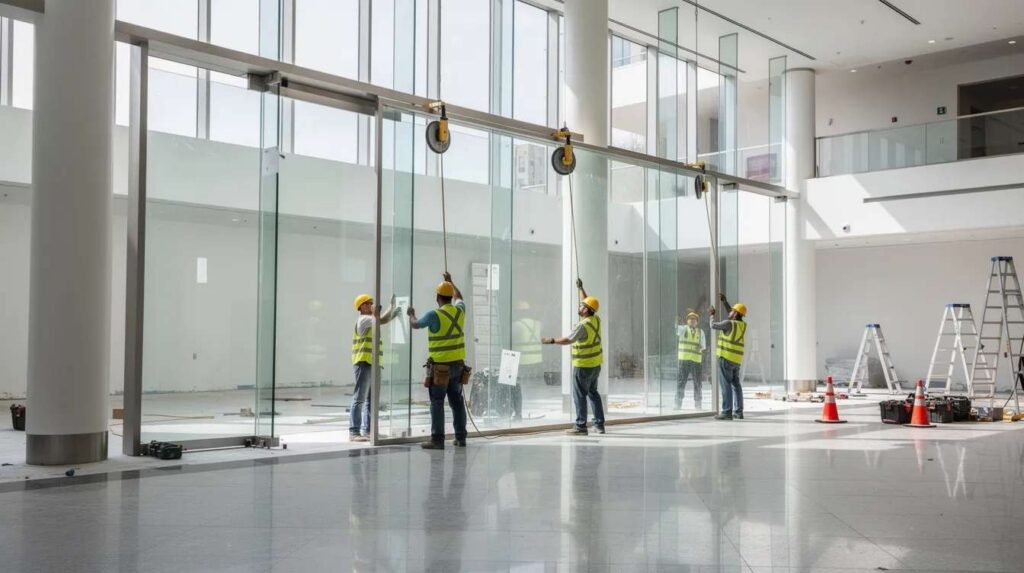
Retrofit security glazing means installing engineered shields or ballistic panels over existing glass and frames-often after hours-so the police station can remain operational with minimal disruption. For many police stations, this approach avoids the cost and complexity of full window replacement while delivering measurable ballistic resistance and forced entry protection where it matters most.
The Typical Retrofit Process
Here is how a retrofit project works for a U.S. police department in 2026:
- On-site assessment: Impact Security or a certified dealer conducts a detailed walk-through, measuring existing windows, doors, storefronts, and curtain wall openings. They identify every glass element that needs to be addressed and evaluate frame conditions.
- Threat and code review: The team aligns UL 752 ballistic levels and forced entry resistance requirements with local policies, documented risk assessments, and building codes. The UL 752 standard defines ballistic resistance levels for materials, so this step ensures every opening gets the right rating. Police station security upgrades often use UL Level 3 glazing as a baseline for lobbies and transaction windows.
- Custom fabrication: Glazing systems are constructed at Impact Security’s facilities in Marietta, GA or Glendale, AZ, with lead times coordinated around police station schedules and public procurement rules.
- Professional installation: Trained crews familiar with active law enforcement environments handle installation, coordinating with command staff to maintain security and access control throughout the project. Work is staged by zone so that the front desk, holding areas, and dispatch remain functional.
- Inspection and warranty: Final inspection documents all ratings. Ongoing service and warranty support ensure the system performs over its full lifespan.
Why Retrofit Instead of Full Replacement?
Agencies choose retrofit security glazing for several practical reasons:
- Lower cost compared to tearing out and rebuilding entire window assemblies
- Faster deployment-ballistic glazing can be installed in weeks rather than months
- Less structural work, since shields mount over existing openings
- The ability to phase upgrades by priority area or budget year, spreading investment across fiscal cycles
Why Choose Impact Security
- Public-sector specialization: Impact Security has direct experience with security glazing for police stations, courthouses, and correctional facility campuses-not just generic commercial jobs.
- Complete systems, not components: Product families like DefenseLite (forced entry) and BulletShield (ballistic) are engineered as complete systems with proprietary framing, hardware, and anchoring rather than piecemeal parts that may not integrate.
- Nationwide reach: A certified dealer and installer network means precincts, sheriff’s offices, and municipal agencies across the country can access consistent engineering and installation quality.
- Procurement experience: Impact Security works within public procurement processes, from competitive bids to grant-funded security hardening projects, and provides documentation to support funding applications.
If you’re ready to learn what a retrofit upgrade would look like for your specific station, contact Impact Security for a free security glazing assessment through their DefenseLite project contact form. Their team can help you determine the right combination of DefenseLite security glazing and complementary systems based on your layout, threat profile, and budget.
FAQs: Security Glazing for Police Stations
These FAQs address common questions from police chiefs, municipal facility managers, and architects planning station security upgrades. If you don’t see your question here, Impact Security’s team can help you find answers specific to your project.
How is bullet resistant glazing for a police station different from standard safety glass?
Standard safety glass-tempered or basic laminated glass-is designed to reduce injury when it breaks, shattering into small, less-dangerous fragments. It offers no meaningful resistance to deliberate attack. Bullet resistant glazing, by contrast, is engineered and tested under UL 752 to resist specific calibers and shot counts. These systems typically use layered polycarbonate and glass-clad polycarbonate, constructed to absorb ballistic energy and prevent penetration. UL 752 defines ballistic resistance levels for police station materials, so every rated product has been tested against defined ammunition types, velocities, and numbers of shots before it earns its rating.
Do we need bulletproof glass at every window in the station?
No. Most departments use a tiered approach: bullet resistant glazing at high-risk locations like lobbies, entrances, and exposed ground-floor glass, and forced entry resistant glazing or impact shields elsewhere. This lets you balance risk, cost, and appearance across the building. The term “bulletproof glass” itself is misleading-no glazing is truly bulletproof against all threats. Every system is rated for specific acts of ballistic attack, and the goal is to match the level to the credible threat at each point in the facility.
Can security glazing be retrofitted without shutting down the police station?
Yes. Impact Security installers typically work in phases and after hours, staging work by zone so the front desk, holding areas, and dispatch remain functional and secure during the upgrade. Securing each zone before moving to the next ensures that the station never has an unprotected gap. This phased approach also lets command staff maintain normal operations, access control, and visitor processing throughout the project.
What ballistic level should our police station choose under UL 752?
General guidance: Level 1–3 covers handgun threats and is appropriate for transaction windows, interior partitions, and reception counters. Level 3–5 addresses rifle threats and is specified for exterior glass with street exposure. Impact Security helps departments align levels with documented threats and local policies, ensuring each opening gets the right rating without over-specifying areas that face lower risk. High-level ballistic protection typically aims for UL 752 Level 3 to Level 5 across the most critical zones.
How long do retrofit security glazing systems last, and what maintenance is required?
Properly installed systems are long-life building elements, with typical maintenance limited to cleaning with approved solutions and periodic hardware checks. Coatings can be specified for abrasion resistance and UV stability, maintaining optical clarity over years of service. Because these systems are installed over existing glass, they also add a layer of insulation and can contribute to noise reduction-though their primary purpose remains ballistic and forced entry protection.
Are there grants or funding sources for police station security glazing upgrades?
Yes. Agencies should explore federal and state security hardening programs, including homeland security grants, COPS programs, and critical infrastructure protection funds. Many municipalities have successfully leveraged these funding sources to upgrade storefront and lobby glazing at police facilities. Impact Security can provide technical documentation-including UL 752 test reports and project specifications-to support funding applications and competitive bid requirements. Contact your regional grant coordinator or Impact Security directly to identify programs available in your area.