Your commercial entry doors are almost certainly the easiest point of breach in your building’s perimeter. Standard glass fails in seconds under attack, regardless of how much you’ve invested in locks, cameras, or access control systems. This guide walks through the commercial entryway security glazing options that actually stop forced entry, vandalism, and ballistic threats at the door-plus how to choose the right solution for your building, budget, and risk profile.
Table of Contents
Click any link to jump directly to the section that answers your question.
Why Entryway Glass Is Your Weakest Security Link
Commercial Entryway Security Glazing Options
Retrofit vs. Replacement for Existing Storefronts
Performance Levels: From Forced-Entry to Bullet Resistant Glazing
Beyond Security: Energy Efficiency, Noise & UV Benefits
Why Choose Impact Security for Commercial Entry Doors
FAQs About Commercial Entryway Security Glazing
Next Steps: Assessing and Upgrading Your Entryway Security
Why Entryway Glass Is Your Weakest Security Link
Most commercial break ins in the United States begin at glass doors and storefronts, not at door hardware or access control systems. Post-2020, smash and grab incidents surged across major cities-California alone launched a $267 million program specifically to address storefront glass breaches.
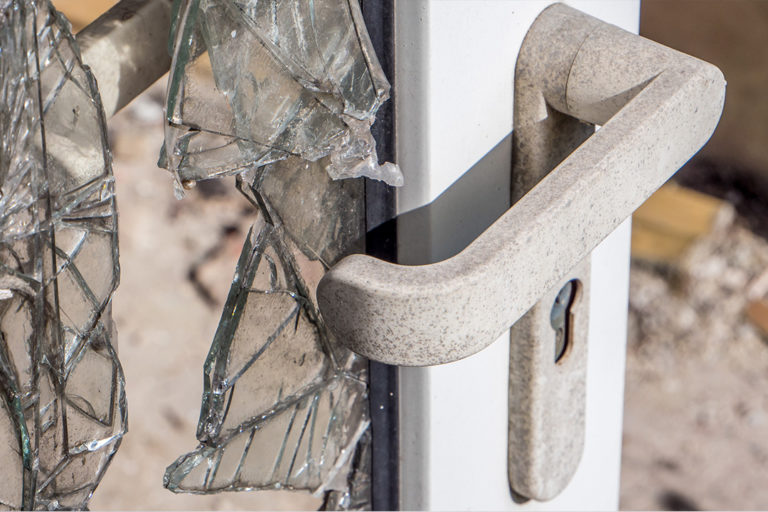
The pattern is consistent: tempered glass breaks easily under impact from blunt objects like hammers, crowbars, or even bricks. Unprotected glass can be breached in seconds with common tools, letting an attacker step through, grab valuable assets, or access sensitive areas before security response teams arrive.
Even when paired with high security glass doors, keypads, or card readers, standard glass surrounding the door remains the vulnerable point. Commercial entryway security glazing addresses this by upgrading the glass, framing systems, and assembly of doors, sidelites, and surrounding storefronts to resist forced entry, vandalism, and ballistic threats.
These security glazing systems create time barriers that delay intrusion attempts, and visible damage-resistant glazing acts as a psychological deterrent, shifting a determined intruder to easier targets.
Commercial Entryway Security Glazing Options
Here’s a practical breakdown of the main security glazing types used in commercial entry doors, vestibules, and storefront perimeters.
Forced-entry-resistant polycarbonate shields like DefenseLite mount directly over existing glass as a non-intrusive over-glaze system. Polycarbonate security glass is harder to break than tempered glass-roughly 250 times stronger in impact energy absorption. High-security glass doors absorb and disperse impact energy without shattering, and these shields can withstand multiple impacts without breaking, buying critical minutes for police response during forced entry attempts.
Containment-grade systems use laminated polycarbonate or hybrid composites engineered to flex and absorb hundreds of hits. Laminated glass holds together upon impact, reducing injury risks, and commercial entryway security glazing reduces injury from broken glass during attacks or civil unrest. Security glazing can include laminated glass and polycarbonate materials depending on threat level.
Bullet resistant glazing options like BulletShield provide ballistic protection rated under UL 752 for lobbies in financial institutions, government buildings, courthouses, and healthcare settings. High-security glass can resist attacks from 9mm handguns at Level 1, and ballistic glass is rated by specific threat levels ranging from handguns to rifles. Glass-clad polycarbonate offers maximum ballistic resistance while preserving clear sightlines and natural light.
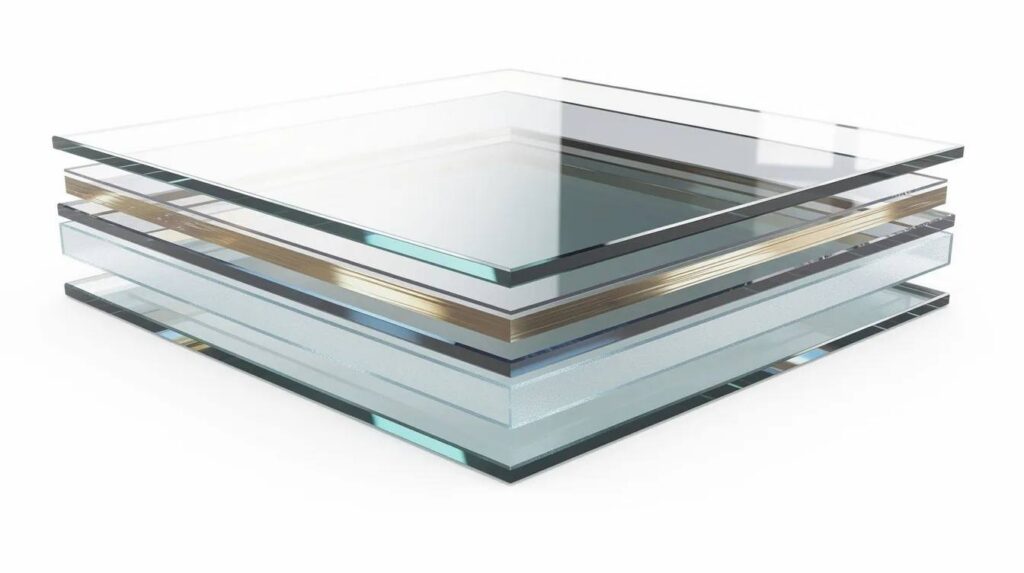
Compared to basic security film or standard safety glass, polycarbonate-based shields and laminated systems deliver dramatically higher forced entry resistance and physical protection. The key consideration is integrating security glazing with your commercial security windows and storefront framing so that vulnerable windows and sidelites don’t become the weakest pane in your perimeter.
Retrofit vs. Replacement for Existing Storefronts and Entry Doors
Building owners and facility managers in existing structures usually face a choice: full door and storefront replacement or retrofit security glazing installed over current glass. In most cases, retrofit is faster, less disruptive, and significantly more cost-effective.
Retrofit over-glaze systems like DefenseLite and BulletShield mount onto existing aluminum or steel storefront framing with custom-engineered forced entry security glazing brackets. Security glazing retrofits can enhance existing glass doors’ strength without removing existing glass, altering interior finishes, or shutting down operations. Backglazing reinforces security without replacing original windows, and forced entry resistant glass can be retrofitted to existing structures with proper engineering. Installation must ensure proper anchoring of security glass for the system to perform as rated.
Full entryway replacement is recommended when framing is corroded or structurally compromised, during major façade renovations, or when a commercial building must meet new ballistic, blast, or energy efficiency standards from scratch. Security glazing can be designed to meet various building codes and operational needs in either scenario.
A professional site assessment evaluates door traffic volume, framing condition, glass sizes, and surrounding wall construction before recommending retrofit vs. replacement. Impact Security provides turnkey B2B and B2G retrofit services nationwide, coordinating fabrication in Marietta, GA and Glendale, AZ with local certified installers for quick project timelines.
Performance Levels: Forced-Entry, Vandalism, and Bullet Resistant Protection
Not every entryway needs bullet resistant glass. Security performance should match the specific risks of your commercial property, its location, and its operations.
Forced entry resistance covers smash and grab burglaries, pry-bar attacks on glass doors, and mob-style entry attempts during civil unrest. ASTM F3038 certifies forced-entry resistance for high-security glass and glazing materials, while ASTM F1233-21 is the standard for forced entry resistant glazing that evaluates tool attacks including crowbars, axes, and hammers in sustained sequences.
Vandalism protection matters for high-visibility lobbies, schools, transit-facing retail spaces, and government offices, especially in locations exposed to riot-related vandalism and looting. High-security glass withstands multiple impacts without shattering, handling rocks, bats, and thrown objects without requiring costly glass replacements after each incident.
Bullet resistant glass is rated under UL 752, the standard for ballistic-rated glazing. Levels 1–3 are commonly specified for entry vestibules in banks, pharmacies, government buildings, and healthcare facilities. High-security glass doors absorb impact energy without shattering, remaining intact for escape routes and security response.
The key considerations here: security glass should be combined with reinforced framing and secure hardware for effectiveness. True commercial security involves the entire glazed assembly-glass, framing, anchorage, and door hardware-tested together under rigorous testing standards, not just the glazing material alone. Commission a threat and vulnerability assessment before selecting a performance level rather than defaulting to either overbuilt or under-protective security solutions.
Beyond Security: Energy Efficiency, Comfort, and Operational Benefits
Modern commercial entryway security glazing improves more than just physical protection, especially for retail storefronts and glass doors. It delivers measurable gains that affect operating budgets and occupant comfort.
Retrofit polycarbonate over-glaze systems create an insulating airspace in front of existing glazing, and high-performance security glazing can reduce heat transfer significantly. Some systems improve thermal performance by up to 2.5 times compared to the original glass-meaningful energy efficiency gains at the most heavily trafficked part of any façade.
High-security glazing can improve energy efficiency and sound insulation simultaneously, with multilayer configurations reducing noise transfer by up to 50% at busy street-level entrances.
UV and glare reduction options block up to 99% of UV rays, protecting flooring, displays, and fixtures near entry doors-important for retail spaces and hospitality properties with large glass vestibules. Operationally, durable coated polycarbonate panels reduce the frequency and cost of glass replacement after vandalism, extending the life of existing entry systems.
Security glazing allows for natural light while maintaining protection, and security glazing can enhance aesthetics while providing protection. Well-designed systems maintain a welcoming, transparent appearance that supports branding and visibility while quietly delivering commercial security performance.

Why Choose Impact Security for Commercial Entryway Security Glazing
Impact Security is a specialized U.S. manufacturer-installer focused exclusively on retrofit security glazing for doors, storefronts, and commercial openings since 2016, with a team dedicated to innovative security glazing solutions. Unlike general glass contractors, every product and process is engineered around hardening existing glass against real-world threats.
The company designs, engineers, fabricates, and installs systems including DefenseLite Pro and DefenseLite for forced entry protection, BulletShield for ballistic protection, RiotLite for vandalism and civil unrest defense, and AccessShield for transaction windows and executive suites. Each system upgrades existing commercial glass without full replacement.
Impact Security operates a turnkey B2B and B2G model: security assessments, engineered drawings, shop fabrication in Marietta, GA and Glendale, AZ, coordinated logistics, certified installation, and ongoing warranty support for national portfolios across commercial spaces.
Experience spans retail chains vulnerable to smash and grab attacks, schools and universities seeking active-shooter mitigation at main entries, hospitals and behavioral health facilities balancing safety with a non-institutional look, and government agencies hardening public-facing lobbies. The company collaborates directly with architects, facility managers, and security teams to align glazing performance with access control systems, surveillance, and broader security measures.
Readers can request a free estimate or connect with the authorized dealer network to discuss specific door sizes, threat profiles, and budgetary options for their commercial building.
FAQs About Commercial Entryway Security Glazing
These FAQs address the practical selection, installation, and budgeting questions facility managers commonly ask about security glazing for commercial entries.
How is commercial entryway security glazing different from standard safety glass?
Standard tempered glass is designed to break safely into small pieces-not to stay intact under attack. Standard glass offers almost no resistance to sustained blows or pry-bar entry attempts. Commercial security windows and doors with security glazing use laminated glass, laminated polycarbonate, or hybrid systems mounted in reinforced framing systems that withstand sustained blows, prying, and in some cases gunfire through rigorous testing to standards like ASTM F3038, which certifies glass for forced-entry resistance against attacks.
Can I upgrade my glass doors without replacing the entire entrance system?
Yes. In many commercial buildings, over-glaze retrofit systems can be added over existing glass and frames, turning standard doors and sidelites into high-security entryways with minimal disruption. A site visit verifies frame condition, clearances, and hardware, after which custom-fabricated impact resistant panels are installed with specialized attachment hardware.
Is bullet resistant glazing really necessary for my building?
Bullet resistant glazing is typically reserved for high risk environments such as banks, pharmacies, courthouses, police lobbies, and some schools or hospitals, based on formal threat assessments. Most offices and retail stores primarily need strong forced entry resistance against smash and grab or burglary, which can often be achieved without full ballistic systems.
How does security glazing interact with access control systems?
Reinforced entry glazing complements electronic access control systems by ensuring attackers cannot simply bypass card readers, keypads, or biometric devices by smashing the glass around them. Well-secured glass and frames keep intruders outside long enough for electronic alarms, monitoring centers, and on-site security response teams to respond effectively to forced entry attempts.
Will security glazing make my entrance look like a bunker?
Modern commercial entryway security glazing is designed to be visually subtle-usually clear and low-profile-so that doors, sidelites, and storefronts maintain aesthetic appeal and a welcoming appearance. Impact Security’s retrofit systems are often nearly invisible to casual observers, preserving branding, merchandising, and natural light while delivering a major security upgrade.
How long does installation typically take for a commercial entryway?
A typical single or double set of glass entry doors with adjacent sidelites in a small commercial space can often be retrofitted in a day or over a weekend, minimizing business interruption. Larger multi-door vestibules or multi-tenant lobbies may require phased installation over several nights to keep the building operational.
Next Steps: Assessing and Upgrading Your Entryway Security
Commercial entry doors and surrounding glass are critical weak points that can be significantly strengthened with modern security glazing. Before speaking with a glazing specialist, document your existing entry configuration-photos, dimensions, glass types-along with any recent incidents or concerns including break ins, vandalism, or threat assessments.
The process is straightforward: request a consultation from Impact Security, review recommended forced entry or bullet resistant options matched to your threat profile, align them with existing access control systems and security measures, and schedule installation at low-traffic times to protect operations.
If you manage a commercial property, school campus, retail portfolio, or government office with vulnerable glass entries, contact Impact Security for a free commercial entryway security glazing assessment and estimate. Your entry glass doesn’t have to be your weakest link.