- The Architectural Imperative: Merging Advanced Security Glazing with Superior Window Soundproofing
- Beyond Traditional Approaches: Understanding the Shortcomings of Standard Window Soundproofing
- The Limitations of Single-Pane and Standard Insulated Glass Units (IGUs) for Noise Reduction
- Evaluating Acoustic Window Inserts: Benefits, Drawbacks, and Aesthetic Compromises
- Understanding the Physics: How Different Materials and Gaps Transmit and Block Sound Waves
- The Hidden Costs and Ineffectiveness of Suboptimal Acoustic Solutions
- Deciphering Silence: A Deep Dive into Acoustic Performance Metrics (STC, OITC)
- The Multi-Layered Advantage: How Advanced Security Glazing Achieves Superior Sound Dampening
- The Science of Sound: How Mass, Air Gap, and Dissimilar Materials Optimize Noise Blocking
- Laminated Glass and Polycarbonate: The Role of Viscoelastic Interlayers in Acoustic Dampening
- Physics in Practice: Explaining the Enhanced Effectiveness of Multi-Layered Systems
- Quantifying the Difference: Exemplary STC and OITC Ratings Achieved by Advanced Glazing (e.g., DefenseLite)
- Seamless Integration: Retrofit Security Glazing as the Unobtrusive Solution for Noise Reduction
- Preserving Architectural Integrity: The ‘Virtually Invisible’ Advantage of Advanced Retrofit Systems
- Installation Methods: Enhancing Existing Windows Without Compromising Original Aesthetics
- Addressing the Aesthetic Concern: How Modern Systems Maintain Design Fidelity
- Cost-Effectiveness, Sustainability, and Operational Benefits of Retrofit Compared to Full Window Replacement
- Integrated Solutions: Illustrative Scenarios of Acoustic Excellence and Physical Security
- Commercial Applications: From Bustling Cityscapes to Serene Office Environments
- Educational Institutions: Creating Optimal Learning Spaces While Ensuring Occupant Safety
- Residential and Mixed-Use Developments: Combining Urban Comfort with Robust Protection
- Demonstrating Dual Benefits: Forced Entry Resistance and Noise Reduction in Action
- Design Without Compromise: Specifying Advanced Glazing for Architectural Integrity and Occupant Well-being
- Key Considerations for Architects: Balancing Performance, Aesthetics, Function, and Budget
- Understanding Product Specifications: Glazing Composition, Framing Systems, and Installation Nuances
- Integrating Security as a Primary Specification: Moving Beyond a Secondary “Add-on”
- The Role of Expert Partners: Consulting with Architectural Acoustics and Security Specialists
- Conclusion: Key Takeaways and Next Steps
- Frequently Asked Questions
The Architectural Imperative: Merging Advanced Security Glazing with Superior Window Soundproofing
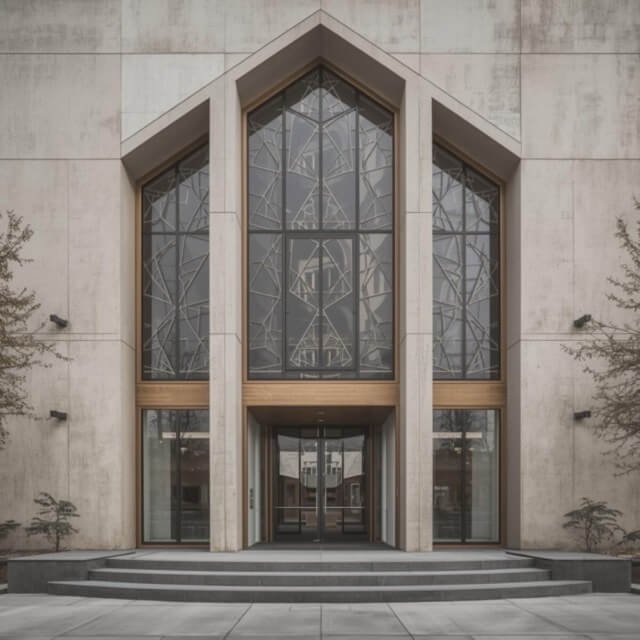
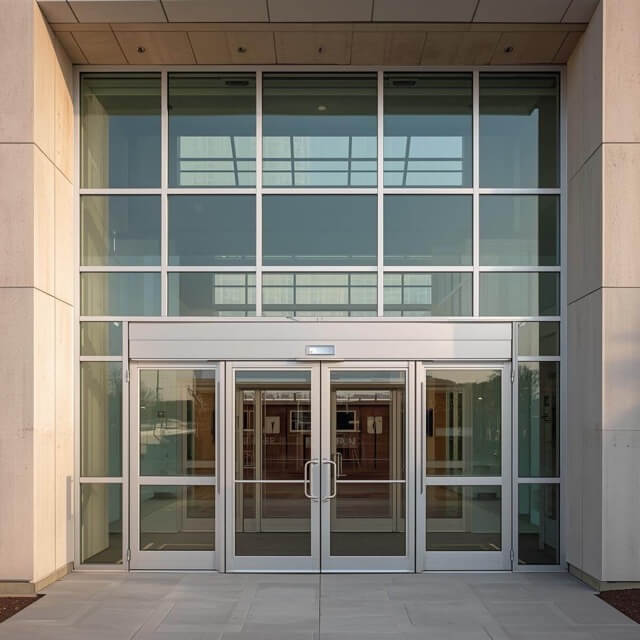
The Dual Challenge: Noise Pollution and Evolving Security Threats in Modern Design
Window soundproofing has evolved into a multi-functional architectural strategy, combining advanced acoustic performance with integrated security glazing to create quieter, safer, and more visually refined spaces.
Modern architectural design contends with increasingly complex environmental factors. Urban centers, once hubs of innovation, now frequently present a cacophony of sound from traffic, construction, and public activity, translating directly into significant noise pollution within buildings. Concurrently, the spectrum of security threats has broadened, demanding robust protective measures against vandalism, forced entry, and even ballistic impact. These twin challenges necessitate integrated solutions that safeguard both the structural integrity and the occupant comfort of a building. Architects and building owners are therefore tasked with specifying fenestration systems that simultaneously provide high-level acoustic dampening and formidable security without compromising design intent.
Why Traditional Solutions Fall Short for Discerning Architects and Building Owners
Conventional approaches to either noise reduction or security often address only one facet of this dual challenge, leading to compromises. Implementing thicker glass or standard insulated glass units (IGUs) primarily aims for thermal performance, offering only marginal improvements in sound transmission class (STC) ratings. For security, traditional methods might involve unsightly grilles, bars, or film applications that detract significantly from a building’s aesthetic value. These piecemeal solutions often introduce visible alterations, disrupt sightlines, and fail to meet the stringent performance and aesthetic criteria demanded by discerning architects like Principal Architect Alex Chen, who prioritize the preservation of original architectural intent. Such conventional fixes are typically reactive, bulky, or simply inadequate for the multifaceted demands of contemporary building envelopes.
Introducing the Paradigm Shift: Security Glazing as the Integrated Answer for Comfort and Protection
A fundamental re-evaluation of fenestration design is essential, recognizing that advanced security glazing systems offer an integrated solution to both noise mitigation and threat deterrence. This paradigm shift positions security glazing not merely as a protective barrier, but as a multi-functional component engineered to deliver superior acoustic performance as a direct co-benefit. By design, these systems utilize materials and structures inherently suited for sound attenuation, such as laminated glass with viscoelastic interlayers and decoupled glazing configurations. This integrated approach ensures that buildings achieve exceptional levels of both occupant comfort and physical security, seamlessly woven into the architectural fabric without aesthetic compromise.
Beyond Traditional Approaches: Understanding the Shortcomings of Standard Window Soundproofing
The Limitations of Single-Pane and Standard Insulated Glass Units (IGUs) for Noise Reduction
Single-pane glass, commonly found in older structures, offers minimal resistance to sound transmission due to its low mass and propensity to resonate at various frequencies. Its STC rating is typically in the low 20s, rendering it largely ineffective against common urban noise. While standard insulated glass units (IGUs) improve thermal performance with two panes separated by an air or gas-filled gap, their acoustic performance often remains inadequate. The uniform air gap in standard IGUs can lead to a phenomenon known as the “coincidence effect,” where sound waves at specific frequencies pass through with reduced attenuation, limiting their overall STC rating. Achieving significant noise reduction requires more sophisticated engineering than simple thermal insulation provides.
Evaluating Acoustic Window Inserts: Benefits, Drawbacks, and Aesthetic Compromises
Acoustic window inserts, typically secondary panels installed within or over existing window frames, are often considered for retrofit soundproofing. They can improve STC ratings by creating an additional air gap and often employ thicker acrylic or laminated glass.
- Benefits:
- Improved STC performance over existing single-pane windows.
- Relatively simple installation compared to full window replacement.
- Can be a cost-effective alternative for some scenarios.
- Drawbacks:
- Aesthetic Compromise: Many systems are visibly intrusive, altering interior sightlines and adding bulk to window reveals. This can detract significantly from the original architectural design, a key concern for architects like Alex Chen.
- Maintenance: Creates additional surfaces that can accumulate dust and condensation, requiring more frequent cleaning.
- Functionality: Can impede access to the original window for cleaning or operation, and some designs may interfere with existing window treatments.
- Security: Offers no inherent security enhancement beyond the original window.
Understanding the Physics: How Different Materials and Gaps Transmit and Block Sound Waves
Effective window soundproofing relies on fundamental principles of acoustic physics. Sound waves, which are mechanical vibrations, transmit through materials based on their mass, stiffness, and damping characteristics.
- Mass Law: Generally, the heavier and denser a material, the more effective it is at blocking sound. Doubling the mass of a pane typically adds about 6 decibels (dB) to its STC rating.
- Decoupling: Separating two panes of glass with an air space significantly improves acoustic performance by creating a discontinuity that sound waves struggle to bridge. The wider the air gap, the better the sound isolation, up to a practical limit.
- Laminated Glass: This is crucial for superior sound attenuation. Laminated glass incorporates a viscoelastic interlayer (e.g., PVB) between two panes of glass. This interlayer dissipates sound energy by converting it into heat, effectively dampening vibrations and significantly reducing sound transmission across a broad frequency range. This also mitigates the coincidence effect common in monolithic glass.
By strategically combining these elements—increased mass, decoupled glazing, and laminated glass with dampening interlayers—advanced systems can achieve exceptional STC ratings far beyond traditional glazing.
The Hidden Costs and Ineffectiveness of Suboptimal Acoustic Solutions
Investing in suboptimal acoustic solutions often leads to a cycle of hidden costs and persistent dissatisfaction. While initially appearing less expensive, these solutions frequently require additional modifications, repairs, or eventual replacement due to their ineffectiveness or aesthetic shortcomings. The tangible costs include repeated installation fees, material expenditures for supplementary fixes, and ongoing maintenance. More profoundly, the intangible costs impact occupant well-being, productivity, and the building’s overall value. Persistent noise intrusion reduces concentration, disrupts sleep, and negatively affects the quality of life within the space, undermining the very purpose of a comfortable and secure environment. Specifying an integrated, high-performance solution from the outset avoids these compounding expenses and ensures enduring satisfaction and functionality.
Deciphering Silence: A Deep Dive into Acoustic Performance Metrics (STC, OITC)
Effective acoustic design in commercial architecture hinges on a precise understanding of how building components attenuate sound. For windows, two primary metrics, Sound Transmission Class (STC) and Outdoor-Indoor Transmission Class (OITC), are critical for evaluating performance and specifying appropriate glazing solutions.
What is Sound Transmission Class (STC)? A Foundational Explanation for Architects
Sound Transmission Class (STC) is a single-number rating system used to quantify a material’s or assembly’s ability to reduce airborne sound transmission. Developed for evaluating interior noise isolation, STC primarily measures attenuation in the frequency range of 125 Hz to 4000 Hz, which encompasses human speech, office sounds, and common internal mechanical noise. A higher STC rating indicates greater sound insulation. Architects commonly refer to STC ratings when designing partitions, doors, and internal window systems to ensure privacy and minimize noise transfer between adjacent spaces within a building. While foundational, STC’s frequency weighting means it may not fully capture the impact of lower-frequency exterior noise.
Beyond STC: The Crucial Importance of Outdoor-Indoor Transmission Class (OITC) for Exterior Noise
While STC provides valuable insight into general sound attenuation, the Outdoor-Indoor Transmission Class (OITC) offers a more accurate assessment for facades, particularly windows exposed to exterior noise sources. OITC is specifically weighted for lower frequencies (80 Hz to 4000 Hz), making it highly relevant for evaluating how well a glazing system mitigates common outdoor sounds such as traffic, aircraft, trains, and construction equipment. For commercial buildings situated in urban environments or near transportation hubs, relying solely on STC can be misleading. OITC provides a more realistic measure of a window’s performance against the pervasive low-frequency rumble that often compromises occupant comfort and productivity, establishing it as the superior metric for exterior fenestration.
Interpreting Ratings: What Constitutes Truly “Superior” Sound Reduction in Commercial Settings
Interpreting STC and OITC ratings requires understanding the context of the noise environment and desired interior noise levels. For standard single-pane windows, STC ratings typically fall in the low 20s, offering minimal sound reduction. Conventional dual-pane insulated glass units (IGUs) often achieve STC ratings in the low to mid-30s.
- STC Rating Context:
- STC 25-30: Speech easily intelligible through the barrier.
- STC 35-40: Speech is audible but not easily understood, a noticeable reduction.
- STC 40-45: Loud speech or music barely audible, good reduction for most office environments.
- STC 45-50+: Excellent sound isolation, making loud sounds virtually inaudible.
- OITC Rating Context:
- OITC 20-25: Minimal reduction of exterior noise.
- OITC 25-30: Moderate reduction, some traffic noise still present.
- OITC 30-35: Good reduction for urban traffic.
- OITC 35+: Superior reduction of low-frequency external noise, ideal for high-impact environments.
Truly “superior” sound reduction in commercial settings often necessitates STC ratings above 40 and OITC ratings above 30, especially in areas with significant external noise or where high levels of acoustic comfort are paramount.
Setting Performance Benchmarks for Effective Commercial Window Soundproofing
Establishing effective performance benchmarks for commercial window soundproofing involves a meticulous analysis of several factors. Architects must consider the building’s intended use (e.g., offices, healthcare facilities, educational institutions, hospitality), its proximity to noise sources, and any regulatory or certification requirements (such as LEED or WELL Building Standard acoustic criteria). For instance, a hospital operating room will demand significantly higher sound attenuation than a retail storefront.
To set appropriate benchmarks, acoustic consultants often conduct site surveys to quantify existing noise levels and frequency profiles. This data then informs the target STC and OITC ratings required to achieve a comfortable and productive interior environment, often correlating with specific Noise Criteria (NC) or Room Criteria (RC) values. For many commercial applications in urban areas, targeting an STC of 40-45 and an OITC of 32-38 represents a robust benchmark for effective soundproofing. Achieving these levels typically necessitates more advanced glazing systems than standard options, often aligning perfectly with the capabilities of retrofit security glazing.
The Multi-Layered Advantage: How Advanced Security Glazing Achieves Superior Sound Dampening
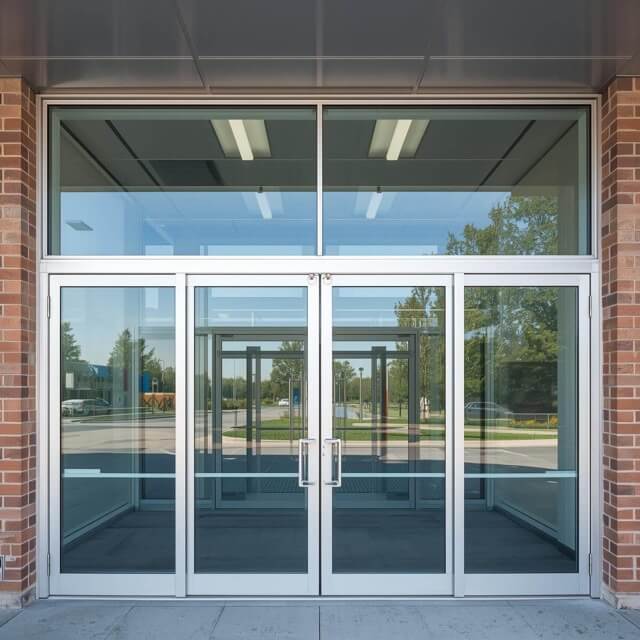
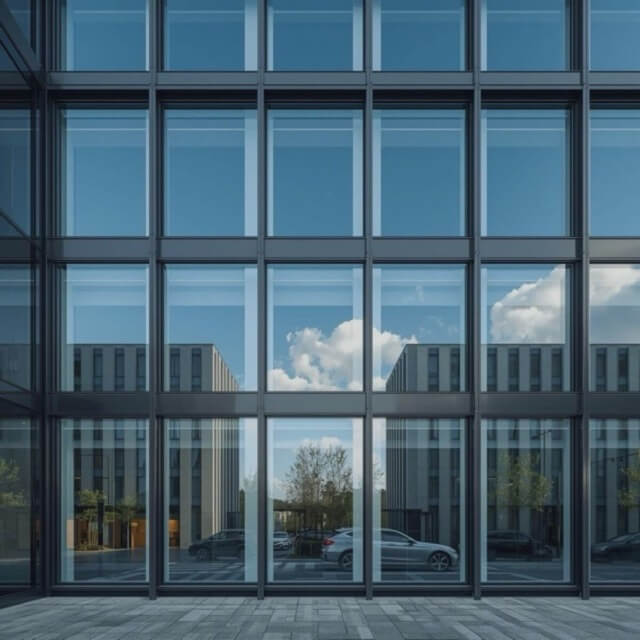
The inherent design principles of advanced security glazing systems, particularly retrofit solutions, align seamlessly with the physics of superior acoustic dampening. These systems are engineered not only for threat mitigation but also for their outstanding ability to block a broad spectrum of sound frequencies.
The Science of Sound: How Mass, Air Gap, and Dissimilar Materials Optimize Noise Blocking
The effectiveness of any acoustic barrier is fundamentally governed by three core principles: mass, air gap, and the use of dissimilar materials.
- Mass: Heavier, denser materials inherently resist sound transmission more effectively. Sound energy requires more effort to vibrate a heavier pane, less energy is passed through.
- Air Gap: Introducing an air gap between two panes of glass creates an insulating cushion. This gap acoustically decouples the panes, preventing vibrations from easily transferring from one surface to the next. The wider the air gap, the greater the acoustic isolation, up to a certain point.
- Dissimilar Materials: Utilizing different materials for each pane in a multi-layered system (e.g., existing glass paired with a high-performance polycarbonate) disrupts the sound wave’s path. Different materials have varying resonant frequencies, preventing sympathetic vibrations across the entire assembly and thereby broadening the range of frequencies that are effectively attenuated.
Advanced security glazing systems leverage these principles by combining the existing window with a new, robust layer, often creating an optimized air gap and introducing dissimilar, high-mass materials.
Laminated Glass and Polycarbonate: The Role of Viscoelastic Interlayers in Acoustic Dampening
At the heart of superior acoustic performance in advanced glazing lies the strategic use of laminated glass and, particularly, engineered polycarbonate systems featuring viscoelastic interlayers. Laminated glass, composed of multiple glass panes bonded by a polymeric interlayer, significantly improves sound attenuation over monolithic glass. The interlayer acts as a dampening mechanism, absorbing sound energy and converting it into heat, rather than allowing it to transmit as vibration.
Polycarbonate, known for its extreme impact resistance, also possesses excellent acoustic properties due to its inherent density and ability to flex. When these materials are combined, such as in a retrofit system where a layer of polycarbonate is installed over existing glass, and especially when a proprietary viscoelastic interlayer is integrated, the acoustic performance is profoundly enhanced. These specialized interlayers are designed to be highly efficient at dissipating acoustic energy across a broad frequency spectrum, making the assembly exceptionally effective against both high-frequency noises and the challenging low-frequency rumble.
Physics in Practice: Explaining the Enhanced Effectiveness of Multi-Layered Systems
The synergy of mass, air gaps, dissimilar materials, and viscoelastic interlayers culminates in the superior acoustic performance of multi-layered security glazing systems. A retrofit security glazing system, such as DefenseLite, provides a compelling example. By installing a durable polycarbonate shield to the interior of an existing window system, an intentional air gap is created between the original glass and the new shield. This configuration leverages:
- Increased Mass: The added polycarbonate layer significantly increases the overall mass of the window assembly.
- Optimized Air Gap: The space between the existing glass and the new polycarbonate acts as a powerful acoustic buffer, decoupling the two panes.
- Dissimilar Materials: The combination of traditional glass and advanced polycarbonate, often with a viscoelastic interlayer, prevents sound from efficiently traveling through the entire assembly. The differing material properties ensure that sound waves are absorbed and dissipated at various stages, rather than simply vibrating through.
This engineered approach means that sound waves attempting to penetrate the window are met with a series of obstacles designed to absorb, reflect, and dissipate their energy, resulting in a dramatic reduction of transmitted noise. This inherent multi-layering for security simultaneously delivers an elite level of acoustic dampening.
Quantifying the Difference: Exemplary STC and OITC Ratings Achieved by Advanced Glazing (e.g., DefenseLite)
The measurable difference in acoustic performance between standard glazing and advanced security glazing systems is substantial. While a typical single-pane window might offer an STC of 26 and an OITC of 22, and a standard dual-pane IGU might reach STC 32-35 and OITC 28-30, advanced retrofit security glazing systems elevate these figures considerably.
Solutions like DefenseLite, for instance, can achieve impressive STC ratings typically ranging from STC 42 to 49 and OITC ratings from OITC 32 to 38, depending on the existing window configuration and the specific security glazing system deployed. These figures represent a significant acoustic upgrade, often equating to a perceptible halving or even quartering of perceived noise levels compared to conventional glazing. Such exemplary ratings demonstrate that architects need not choose between security and silence; multi-layered security glazing delivers both, preserving the building’s aesthetic integrity while providing an unparalleled level of occupant comfort and protection.
Seamless Integration: Retrofit Security Glazing as the Unobtrusive Solution for Noise Reduction
Preserving Architectural Integrity: The ‘Virtually Invisible’ Advantage of Advanced Retrofit Systems
Modern architectural design frequently prioritizes expansive fenestration for daylighting and aesthetic appeal. However, this often comes with challenges related to acoustic performance and security. Advanced retrofit glazing systems offer a solution that respects and enhances existing structures without visual intrusion. These systems are engineered to integrate seamlessly, often appearing virtually invisible, maintaining the original architectural intent while significantly upgrading performance. The clear optical properties of high-performance laminates, combined with precision-engineered attachment mechanisms, ensure that sightlines remain unobstructed and the facade’s character is preserved.
Installation Methods: Enhancing Existing Windows Without Compromising Original Aesthetics
The non-invasive installation of retrofit security glazing is a significant advantage over full window replacement. Rather than demolishing existing window frames and sashes, these systems are applied as a secondary layer to the interior or exterior of the existing glass. This approach minimizes disruption to building operations and occupant activities. The installation typically involves securing a high-strength, optically clear polycarbonate or laminated glass panel directly to the existing window frame. This method avoids extensive renovation, preserving the original window design, framing details, and historical elements.
Addressing the Aesthetic Concern: How Modern Systems Maintain Design Fidelity
A primary concern for architects, particularly when dealing with historic properties or structures with unique design elements, is maintaining design fidelity. Modern retrofit security glazing systems directly address this by prioritizing discretion. Key aspects include:
- Low-Profile Framing: Attachment systems are designed to be slim and discreet, often color-matched or recessed to blend with existing window frames, ensuring they do not protrude or alter the window’s visual depth.
- Optical Clarity: The use of advanced polycarbonate and laminated glass materials ensures exceptional optical clarity, preventing distortion or cloudiness that could detract from exterior views or interior light quality.
- Preservation of Proportions: By adhering to the existing window’s dimensions and frame, these systems uphold the original proportions and rhythm of the facade, a critical element in architectural aesthetics.
Unlike bulky secondary glazing units or interior storm windows that can create a visible air gap or obscure frame details, advanced retrofit security glazing systems are engineered for minimal visual impact.
Cost-Effectiveness, Sustainability, and Operational Benefits of Retrofit Compared to Full Window Replacement
Beyond aesthetic preservation, retrofit glazing solutions offer compelling practical advantages compared to a complete window replacement project. These benefits extend across financial, environmental, and logistical domains.
- Cost-Effectiveness: Full window replacement is a capital-intensive undertaking, encompassing demolition, new frame fabrication, and extensive labor. Retrofit solutions, by leveraging existing infrastructure, drastically reduce material and labor costs, offering a superior return on investment for both security and acoustic improvements.
- Sustainability:
- Reduced Waste: Retrofit avoids the disposal of perfectly functional, albeit underperforming, windows, significantly reducing landfill waste.
- Embodied Carbon Preservation: Replacing windows discards the embodied carbon contained within their materials. Retrofitting retains this embodied energy, aligning with sustainable building practices and contributing to a lower overall carbon footprint for the structure.
- Operational Benefits:
- Minimal Disruption: Installation is typically swift and non-invasive, allowing building occupants to maintain their routines with little to no downtime, which is crucial for commercial or educational environments.
- Speed of Implementation: Projects can be completed far more quickly than full replacements, offering immediate enhancements in security and acoustic comfort.
Integrated Solutions: Illustrative Scenarios of Acoustic Excellence and Physical Security
Commercial Applications: From Bustling Cityscapes to Serene Office Environments
In commercial settings, the dual benefits of advanced security glazing are paramount. Businesses situated in dense urban centers frequently contend with high ambient noise levels from traffic, construction, and public thoroughfares. Retrofit glazing systems provide a substantial increase in STC ratings, transforming noisy environments into quieter, more productive workspaces conducive to focus and collaboration. Simultaneously, these systems deliver robust protection against forced entry, deterring theft, vandalism, and mitigating risks from active threats, safeguarding valuable assets and personnel. Examples include financial institutions requiring enhanced security, high-street retail stores needing smash-and-grab protection, and corporate offices seeking a tranquil atmosphere amidst urban intensity, proving effective commercial window soundproofing.
Educational Institutions: Creating Optimal Learning Spaces While Ensuring Occupant Safety
Educational facilities present a unique set of challenges where both acoustic comfort and physical security are critical. External noise, whether from playgrounds, adjacent roads, or construction, can significantly impede concentration and learning outcomes. Advanced security glazing systems effectively dampen these external distractions, creating quieter classrooms and administrative areas. Concurrently, the inherent forced entry resistance of these systems provides a crucial layer of defense against intruders, enhancing the safety and security of students, faculty, and staff. This integrated approach supports optimal learning environments while providing peace of mind for school administrators and parents.
Residential and Mixed-Use Developments: Combining Urban Comfort with Robust Protection
For residential and mixed-use developments, particularly those in vibrant urban cores, the demand for comfort and security is high. Residents seek respite from city noise—traffic, sirens, nightlife—to ensure restful sleep and a peaceful home environment. Retrofit security glazing substantially reduces sound transmission, improving occupant well-being. Furthermore, it offers superior protection against home invasions and opportunistic crime, a significant concern in densely populated areas. In mixed-use buildings, the same system can provide acoustic dampening for residential units above and enhanced security for ground-floor retail or commercial spaces below, all while maintaining a consistent aesthetic across the entire facade.
Demonstrating Dual Benefits: Forced Entry Resistance and Noise Reduction in Action
The efficacy of advanced security glazing systems lies in their ability to simultaneously deliver both superior forced entry resistance and significant acoustic dampening. Consider a scenario where a building’s perimeter windows are targeted in a forced entry attempt. The engineered laminate and robust attachment system delay or completely prevent ingress, providing critical response time. During this incident, the same multi-layered composition that resists impact also inherently functions as an exceptional sound barrier. The mass, stiffness, and dampening properties of the system disrupt sound waves, reducing noise transmission by an average of 10-15 STC points or more. This illustrates that the core engineering principles designed for physical security inherently contribute to acoustic excellence, proving that these dual benefits are not merely co-existing features but deeply integrated functions of a singular, high-performance solution.
Design Without Compromise: Specifying Advanced Glazing for Architectural Integrity and Occupant Well-being
Achieving a harmonious balance between performance, aesthetics, and occupant well-being is a perennial challenge for architects. Modern building envelopes must contend with myriad demands, from energy efficiency to security and acoustic attenuation. Crucially, addressing these complex requirements should not necessitate compromising the design intent or introducing obtrusive elements. Advanced security glazing systems offer a sophisticated solution, seamlessly integrating multiple functions into a single, virtually invisible application.
Key Considerations for Architects: Balancing Performance, Aesthetics, Function, and Budget
For architects, the decision-making process for glazing specifications involves a meticulous evaluation of interconnected factors. Performance metrics, such as STC ratings for acoustic dampening and ballistic or forced entry resistance for security, are paramount. Concurrently, the aesthetic integration of these solutions must preserve the architectural vision, especially for projects involving historic preservation or contemporary minimalist designs. Functionality encompasses aspects like durability, ease of maintenance, and long-term operational costs, while budget constraints require solutions that deliver superior value without excessive initial outlay or future expenditure on corrective measures.
Advanced retrofit glazing systems excel in addressing this intricate balance. By reinforcing existing fenestration, they avoid the disruptive and costly full window replacement typically associated with significant performance upgrades. This approach not only enhances security and soundproofing but also maintains the original sightlines and visual character of the building, making the aesthetic impact virtually undetectable. The long-term value proposition is also compelling, as a single, integrated solution mitigates multiple risks and improves occupant comfort, leading to reduced liability and enhanced property value.
Understanding Product Specifications: Glazing Composition, Framing Systems, and Installation Nuances
A deep understanding of product specifications is critical for architects seeking optimal performance from advanced glazing. The effectiveness of a security glazing system in both mitigating threats and attenuating sound is intrinsically linked to its composition and integration with the existing structure.
Glazing Composition and Interlayers
At the core of these systems is the multi-layered glazing composition, often incorporating various forms of laminated glass or advanced polycarbonate panels. These materials are engineered with specific interlayers designed to dissipate kinetic energy from impacts, while simultaneously acting as effective acoustic dampeners. The density, stiffness, and internal damping characteristics of these interlayers, combined with air gaps in multi-pane configurations, contribute significantly to superior sound transmission loss. For example, a robust polycarbonate sheet retrofitted over existing glass creates a secondary glazing layer with a substantial air cavity, directly improving the STC rating without altering the primary window.
Framing Systems and Integration
The choice and design of framing systems are equally important. For retrofit solutions, the framing must securely anchor the advanced glazing to the existing window frame or building structure, ensuring both the security and acoustic integrity of the entire assembly. These framing systems are precision-engineered to be low-profile and discreet, often utilizing proprietary mounting hardware that blends seamlessly with the existing architecture. Proper integration ensures that thermal performance is maintained or improved, preventing acoustic flanking paths that could compromise the STC rating.
Installation Nuances
The installation process is a nuanced aspect that directly influences the realized performance of any advanced glazing system. Precise measurements, meticulous sealing around the perimeter, and adherence to manufacturer-specific installation protocols are non-negotiable. An improperly installed security glazing panel, even if composed of the most advanced materials, will underperform both acoustically and in its protective capabilities. Expert installation ensures that the airtight seal necessary for optimal acoustic isolation is achieved and maintained, while simultaneously guaranteeing the structural integrity required to withstand security threats.
Integrating Security as a Primary Specification: Moving Beyond a Secondary “Add-on”
The traditional approach to building design often compartmentalizes security and acoustic performance, treating one as a primary concern and the other as a potential secondary enhancement. However, the most effective and aesthetically integrated solutions emerge when security is elevated to a primary specification from the outset. This paradigm shift recognizes that the very properties engineered into advanced security glazing, robust, multi-layered construction, high-strength materials, and secure attachment mechanisms inherently provide exceptional acoustic dampening as a co-benefit.
When architects specify security glazing as a foundational element, they are not merely addressing a threat; they are simultaneously investing in superior window soundproofing. This eliminates the need for bulky, separate acoustic treatments that often detract from architectural aesthetics or introduce installation complexities. Instead of adding a “soundproofing layer” to a window and then attempting to fortify it, a security-first system provides inherent acoustic isolation by design. This integrated strategy delivers a more cohesive, cost-effective, and aesthetically pleasing outcome, fulfilling multiple performance requirements with a single, elegant solution.
The Role of Expert Partners: Consulting with Architectural Acoustics and Security Specialists
Navigating the complexities of advanced glazing specifications requires specialized expertise. Architects and building owners benefit significantly from collaborating with expert partners who possess a deep understanding of both architectural acoustics and physical security. Firms like Impact Security LLC, with their patented DefenseLite systems, exemplify such specialized knowledge.
These consultants can provide:
- Tailored Performance Analysis: Evaluating specific project requirements, threat profiles, and ambient noise levels to recommend the most appropriate glazing composition and system design.
- Acoustic Modeling and STC Calculation: Providing precise projections of sound reduction based on proposed glazing configurations and existing building conditions.
- Seamless Integration Strategies: Advising on installation nuances that ensure aesthetic preservation, structural integrity, and optimal multi-functional performance.
- Compliance and Code Adherence: Ensuring that proposed solutions meet all relevant building codes, safety standards, and insurance requirements.
- Budget Optimization: Identifying the most efficient and effective solutions that maximize value across security, acoustics, and aesthetic preservation.
Engaging with these specialists transforms the specification process from a series of independent decisions into a strategic, integrated approach that leverages cutting-edge technology for comprehensive building performance.
Conclusion: Key Takeaways and Next Steps
Reiterating the Thesis: The Inherent Synergy of Security Glazing for Superior Window Soundproofing
The central thesis of this discussion is clear: for architects and building owners, specifying for window soundproofing should no longer be a single-issue decision. The most advanced, aesthetically integrated, and effective acoustic solutions are inherently security-focused glazing systems that protect assets and occupants without compromise. This inherent synergy means that investing in robust, retrofit security glazing delivers elite sound attenuation as a core capability, rather than an add-on. The multi-layered composition, secure framing, and precise installation required for superior security naturally create an impermeable barrier against unwanted noise.
Empowering Architects: Designing for a Quieter, Safer, and More Aesthetically Pleasing Future
This understanding empowers architects to design for a quieter, safer, and more aesthetically pleasing future. By embracing advanced security glazing, they can meet stringent performance specifications for both occupant protection and acoustic comfort without sacrificing design integrity. The ability of systems like retrofit glazing to integrate seamlessly with existing fenestration, maintaining original sightlines and architectural character, directly addresses the critical need for solutions that are virtually invisible. This allows for the creation of environments that are not only resilient against threats but also sanctuaries of calm and productivity, enhancing the overall occupant experience.
Actionable Insights for Specifiers and Building Owners Seeking Integrated Solutions
For specifiers and building owners seeking to elevate both the security and acoustic performance of their facilities, several actionable insights emerge:
- Prioritize Integrated Solutions: Move away from piecemeal approaches. Evaluate glazing systems that intrinsically link security and acoustic performance.
- Consult Specialists Early: Engage with experts in architectural acoustics and security glazing during the initial design or renovation phases. Their expertise is invaluable for optimizing specifications and ensuring successful project outcomes.
- Focus on Retrofit Capabilities: For existing structures, explore advanced retrofit glazing options that provide significant upgrades without the disruption and cost of full window replacement, preserving architectural heritage and aesthetic appeal.
- Demand Performance Specifications: Insist on detailed product specifications, including STC ratings, blast mitigation data, and forced entry resistance, ensuring that chosen systems meet all project requirements comprehensively.
By adopting these principles, stakeholders can implement intelligent glazing solutions that deliver unparalleled security and acoustic comfort, securing assets and enhancing occupant well-being in a manner that is both elegant and highly effective.
Frequently Asked Questions
What is the primary difference between STC and OITC ratings for windows?
STC (Sound Transmission Class) is primarily for interior noise, measuring sound attenuation from 125 Hz to 4000 Hz, common for speech and office sounds. OITC (Outdoor-Indoor Transmission Class) is weighted for lower frequencies (80 Hz to 4000 Hz), making it more accurate for exterior noise sources like traffic, aircraft, and construction. For effective commercial window soundproofing, OITC is crucial.
Can retrofit glazing truly provide effective window soundproofing without compromising aesthetics?
Yes, advanced retrofit glazing systems are engineered for minimal visual impact. They feature low-profile framing, exceptional optical clarity, and maintain existing architectural proportions, making them virtually invisible. This allows for significant acoustic dampening and security enhancement without altering a building’s design integrity.
How do advanced security glazing systems improve acoustic performance?
Advanced security glazing systems improve acoustic performance through a multi-layered design. They combine mass, often using polycarbonate and laminated glass, with precisely engineered air gaps for decoupling. Viscoelastic interlayers within the laminated glass dissipate sound energy, and the use of dissimilar materials prevents sound waves from efficiently traveling through the entire assembly, leading to superior noise reduction.
Is full window replacement always necessary to achieve high-level soundproofing and security?
No, full window replacement is often unnecessary. Advanced retrofit glazing offers a cost-effective, sustainable, and less disruptive alternative. These systems install a high-performance layer over existing windows, significantly enhancing both window soundproofing and security without the extensive labor, material waste, and operational downtime associated with full replacement.
What are the key benefits of integrating security glazing and soundproofing into a single solution?
The primary benefit is a cohesive, high-performance solution that addresses multiple building challenges simultaneously. This integration means that the engineering required for robust security against forced entry and ballistic threats inherently provides superior acoustic dampening, eliminating the need for separate, often obtrusive, solutions. It results in a more cost-effective, aesthetically pleasing, and functionally superior outcome.