- Rethinking Noise Reduction: Architectural Evolution Beyond Traditional Soundproof Materials
- The Architect’s Quest for Tranquility: Addressing Noise Pollution in Modern Design
- The Fundamental Flaws of Conventional Soundproofing for Architectural Glazing
- Limitations of Single-Purpose Noise Abatement Solutions
- Common Misconceptions Regarding Window Soundproofing
- Compromising Aesthetics: The Unwanted Trade-offs of Add-on Solutions
- Understanding the Science of Sound: Key Metrics in Architectural Acoustic Performance
- Redefining Performance: How Advanced Security Glazing Inherently Delivers Superior Sound Dampening
- Beyond Noise Reduction: The Dual Advantage of Acoustic Excellence and Robust Physical Security
- Preserving Architectural Integrity: Seamless Integration of High-Performance Glazing Solutions
- Strategic Specification: Guiding Architects Through Advanced Glazing Selection for Multi-faceted Performance
- Conclusion: Elevating Architectural Solutions with Integrated Acoustic and Security Glazing
- Frequently Asked Questions
Rethinking Noise Reduction: Architectural Evolution Beyond Traditional Soundproof Materials
The Architect’s Quest for Tranquility: Addressing Noise Pollution in Modern Design
Choosing the right soundproof material is essential for reducing noise transmission, improving occupant comfort, and maintaining architectural integrity in today’s high-performance buildings.
Modern architectural design frequently confronts a significant challenge: integrating serene interior environments within increasingly noisy urban landscapes. The demand for spaces that offer acoustic comfort for focus, rest, or sensitive operations is paramount. Architects consistently seek robust solutions to mitigate external noise intrusion without compromising design intent or structural integrity. This quest extends beyond mere sound absorption, focusing on preventing sound transmission through the building envelope, especially through its most vulnerable component: glazing.
The Fundamental Flaws of Conventional Soundproofing for Architectural Glazing
Traditional approaches to soundproofing architectural glazing often reveal inherent limitations. These methods frequently treat noise abatement as an isolated problem, leading to solutions that are either insufficient, short-lived, or visually intrusive. Relying solely on standard double-pane windows, for instance, offers a baseline improvement but often falls short of meeting stringent acoustic requirements in high-noise environments. The underlying issue is that many conventional solutions are not engineered for the complex, multifaceted nature of sound transmission through transparent surfaces.
Limitations of Single-Purpose Noise Abatement Solutions
Single-purpose noise abatement solutions, such as simple acoustic films or heavier curtains, primarily address sound reduction without considering other critical architectural needs. These add-on products rarely offer comprehensive protection against external threats, nor do they contribute to the structural resilience of the glazing system. Their application often introduces additional installation complexities and maintenance requirements, adding to project costs without delivering broader value. The focus on a singular problem inherently limits their utility and overall return on investment for building owners.
Common Misconceptions Regarding Window Soundproofing
Several misconceptions persist regarding effective window soundproofing. A common belief is that simply adding more panes of glass or a thin film will adequately block significant noise. While increased mass can help, it is often insufficient on its own, particularly for low-frequency sounds that permeate urban environments. Another misconception is that all double-pane windows perform equally well acoustically. However, the type of glass, the air gap, and the presence of laminated interlayers dramatically influence performance. Effective soundproofing is a science, not merely an accumulation of material.
Compromising Aesthetics: The Unwanted Trade-offs of Add-on Solutions
A critical pain point for architects and building owners involves the aesthetic compromises often demanded by traditional noise abatement solutions. External grilles, bulky secondary windows, or opaque films can obscure views, reduce natural light, and fundamentally alter the building’s intended design aesthetic. Interior solutions like heavy drapes, while providing some acoustic benefit, can clash with minimalist designs or operational requirements. These add-ons frequently lead to an undesirable trade-off: improved acoustics at the expense of visual appeal and architectural integrity. This challenge highlights the need for solutions that integrate seamlessly, preserving the design vision while enhancing performance.
Understanding the Science of Sound: Key Metrics in Architectural Acoustic Performance
Achieving optimal acoustic performance in architectural glazing requires a fundamental understanding of how sound behaves and how its transmission is measured. Effective solutions are rooted in scientific principles, leveraging specific material properties and design configurations to attenuate noise.
Deciphering Acoustic Terminology: STC, OITC, and Beyond
To accurately specify and evaluate soundproofing effectiveness, architects and engineers rely on standardized acoustic metrics:
- Sound Transmission Class (STC): This rating is primarily used for interior-to-interior noise reduction. It measures a material’s ability to reduce airborne sound transmission over a frequency range typically relevant to human speech (125 Hz to 4000 Hz). A higher STC value indicates better sound insulation.
- Outdoor-Indoor Transmission Class (OITC): Specifically designed for exterior-to-interior noise reduction, OITC provides a more accurate representation of how well a building envelope blocks common outdoor noises, such as traffic, aircraft, and construction. Unlike STC, OITC places greater emphasis on lower frequencies, which are prevalent in outdoor soundscapes. This metric is crucial for glazing systems, as it directly reflects performance against real-world external noise sources.
Understanding these distinctions is vital for selecting glazing solutions that meet specific project requirements for acoustic comfort and regulatory compliance.
How Sound Transmits Through Glazing: Principles and Pathways
Sound, as vibrational energy, transmits through glazing via several interconnected principles. When sound waves strike a glass pane, they cause it to vibrate. This vibration then transfers energy to the air on the opposite side, propagating the sound. The primary pathways for sound transmission through glazing include:
- Direct Transmission: Sound energy passes directly through the solid material of the glass.
- Vibrational Resonance: Specific frequencies can cause the glass to vibrate more intensely, allowing those sounds to pass through more easily. This phenomenon is known as the “coincidence effect.”
- Airborne Gaps: Any gaps or leaks in the window frame or seals can allow sound to bypass the glass entirely, significantly reducing overall acoustic performance.
Effective soundproofing strategies aim to disrupt these pathways, primarily by increasing mass, damping vibrations, and isolating acoustic energy.
Factors Influencing Glazing Acoustic Performance: Thickness, Lamination, and Airspaces
The acoustic performance of a glazing system is a complex interplay of several physical characteristics:
- Thickness and Mass: Generally, increasing the thickness and therefore the mass of the glass pane improves its ability to block sound. Heavier materials require more energy to vibrate, thus attenuating sound more effectively.
- Lamination: Laminated glass incorporates a specialized interlayer, typically of polyvinyl butyral (PVB) or similar polymers, sandwiched between two panes of glass. This interlayer acts as a damping element, absorbing vibrational energy and significantly reducing the transmission of sound, particularly at critical frequencies where monolithic glass might underperform. It is highly effective at minimizing the coincidence effect.
- Airspaces and Insulated Glazing Units (IGUs): In insulated glazing units (double or triple pane windows), the air or gas-filled space between panes creates a decoupler, impeding the transfer of vibrations from one pane to the other. Varying the thickness of these airspaces, or using different glass thicknesses for each pane (asymmetrical glazing), can further enhance acoustic performance by broadening the range of frequencies effectively attenuated. This strategic separation and varied material composition are key to optimizing sound insulation.
Redefining Performance: How Advanced Security Glazing Inherently Delivers Superior Sound Dampening
The Engineered Advantage: Laminated Polycarbonate and Glass Composites
Advanced security glazing systems leverage a sophisticated multi-layered construction to achieve their exceptional performance. At their core often lies a combination of glass and robust polycarbonate, bonded together with specialized interlayers. Polycarbonate, a thermoplastic polymer, is renowned for its high impact resistance and inherent flexibility, properties that are critical for both physical security and acoustic dampening.
This lamination process creates a composite structure that significantly outperforms monolithic glass or standard insulated glass units (IGUs). The varying densities and viscoelastic properties of the multiple materials—glass, polymer interlayers, and polycarbonate—work in concert to disrupt sound waves more effectively than a single material ever could. It is this meticulously engineered composition that forms the foundation of superior acoustic insulation as a co-benefit of robust security.
Energy Dissipation: The Mechanism Behind Enhanced Acoustic Insulation
The effectiveness of security glazing in mitigating noise stems from its ability to dissipate sound energy. When sound waves encounter a multi-layered security glazing system, they must pass through materials of different densities and characteristics. Each interface and material layer reflects, refracts, and absorbs a portion of the acoustic energy.
Specifically, the viscoelastic interlayers, often made of proprietary polycarbonates, play a crucial role. These layers convert sound wave vibrational energy into low-grade heat, effectively dampening the transmission. This energy dissipation mechanism is further enhanced by the inherent mass of the composite system, which requires more energy to set into vibration than lighter, simpler glass constructions. The result is a substantial reduction in transmitted noise across a broad frequency spectrum, making it an excellent sound-dampening window solution.
Comparing Acoustic Properties: Security Glazing vs. Standard Insulated Glass Units
Acoustic performance is quantitatively measured using metrics such as the Sound Transmission Class (STC) rating. Standard insulated glass units (IGUs), while offering some thermal benefits, typically achieve STC ratings in the range of 25 to 32. Their primary mechanism for noise reduction is the air gap, which can resonate at certain frequencies, sometimes limiting overall performance.
In contrast, high-performance security glazing systems, due to their laminated and multi-material construction, inherently achieve STC ratings that frequently surpass those of standard IGUs, often reaching 35 to 45 or even higher, depending on the specific configuration. This superior acoustic dampening is a direct consequence of the integrated engineering designed for physical threat mitigation. The heavy, damped, and often decoupled layers within security glazing effectively block a wider range of sound frequencies, delivering a quieter interior environment without the need for additional, dedicated acoustic treatments. This makes them a highly effective acoustic insulating glass option.
Beyond Noise Reduction: The Dual Advantage of Acoustic Excellence and Robust Physical Security

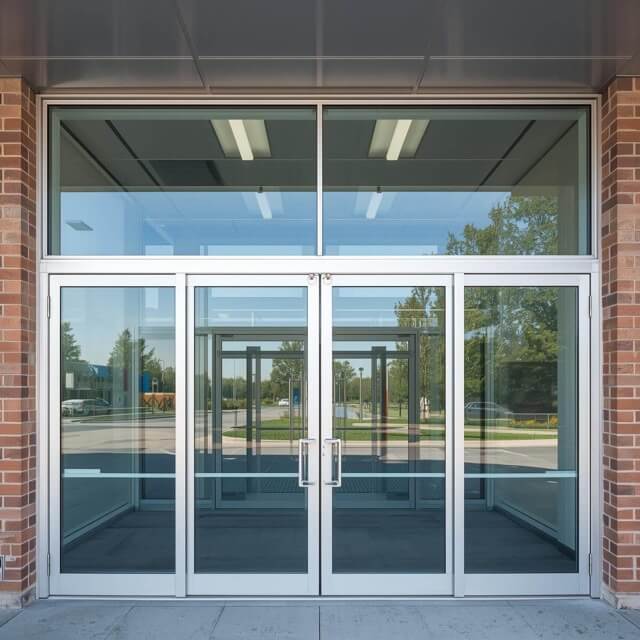
Seamless Protection: Mitigating Forced Entry While Ensuring Interior Serenity
The strategic advantage of advanced security glazing systems, such as retrofit solutions, lies in their ability to deliver multifaceted benefits without compromising architectural integrity. For building owners and architects, the dilemma of integrating security without resorting to obtrusive bars or disruptive window replacements is a significant pain point. These systems provide formidable protection against forced entry, deterring and delaying intruders through their extreme resistance to impact and penetration.
Simultaneously, this robust physical barrier inherently delivers superior acoustic performance, creating quieter interior spaces. This dual functionality means that a single, often optically clear and virtually invisible installation can secure a building against external threats while also fostering an environment of interior serenity, addressing concerns about both safety and occupant comfort without aesthetic compromise.
Multi-Threat Resilience: Integrating Sound Dampening with Impact and Ballistic Resistance
The engineering behind advanced security glazing is fundamentally about multi-threat resilience. These patented systems are designed not only to withstand repeated impacts from tools used in forced entry but also, in many configurations, to provide protection against ballistic threats. The layered composite structure that provides this impact and ballistic resistance is precisely what contributes to their exceptional sound-dampening capabilities.
Consider the example of DefenseLite, a system engineered to mitigate a spectrum of risks. Its robust design, incorporating high-strength polycarbonates and proprietary interlayers, ensures that the system absorbs and dissipates the energy from both physical attacks and acoustic waves effectively. This integrated approach means that enhanced sound dampening is not an add-on, but an inherent property of a system primarily designed for extreme protection.
Illustrative Scenarios: Where Dual Functionality Becomes Critical for Occupant Well-being
The dual benefits of superior sound dampening and robust physical security are critical across various building types and functions, directly contributing to occupant well-being.
- Educational Institutions: Reducing external noise improves concentration and learning outcomes in classrooms, while simultaneously providing critical protection against active threats.
- Healthcare Facilities: Quiet environments are essential for patient recovery and staff focus. Security glazing delivers this while safeguarding against potential security breaches.
- Government and Financial Institutions: These facilities require the highest levels of security against diverse threats. The integrated acoustic performance supports a more private and less distracting work environment, essential for sensitive operations.
- High-End Commercial and Residential Properties: Preserving aesthetic appeal is paramount, while occupants demand both security from intrusions and peaceful interiors shielded from urban noise pollution.
In each of these scenarios, the ability of security glazing to manage both external threats and unwanted noise through a single, elegant solution eliminates the need for disparate, often visually disruptive, product integrations.
Preserving Architectural Integrity: Seamless Integration of High-Performance Glazing Solutions
Aesthetic Harmony: Maintaining Design Vision Without Visible Compromises
One of the foremost challenges in enhancing building security and acoustic comfort has traditionally been the potential compromise to architectural aesthetics. Obtrusive bars, visible films, or the complete replacement of original windows can fundamentally alter a building’s design integrity. Modern security glazing solutions, however, are engineered to integrate seamlessly, providing robust protection and superior sound attenuation without sacrificing visual appeal. They achieve this by utilizing transparent, multi-layered systems that adhere to or replace existing glass, maintaining original sightlines and facade characteristics. The result is an invisible layer of defense that also significantly reduces external noise transmission.
This approach ensures that historic details remain untouched, contemporary designs retain their sleekness, and critical views are preserved. The high optical clarity of advanced security laminates ensures that there is no discernible visual distortion, haze, or alteration of the glass’s reflective properties. Architects and building owners can achieve enhanced safety and quiet interiors without the visual clutter associated with traditional security measures.
Retrofit Systems: Enhancing Existing Structures with Advanced Glazing Technology
For existing structures, the prospect of undertaking extensive renovations to improve security and soundproofing can be daunting and cost-prohibitive. Retrofit security glazing systems offer an efficient and effective alternative to full window replacement. These patented systems are designed to be applied directly over the building’s existing glass, creating a multi-layered composite unit that dramatically elevates performance. This process involves minimal disruption to occupants and daily operations, making it an ideal solution for occupied buildings.
The core technology often involves a durable, optically clear polycarbonate shield bonded to the existing glass using a proprietary, high-strength adhesive and a robust framing system. This creates a formidable barrier that resists forced entry, ballistic threats, and blast impacts. Critically, the added mass and the multi-layer construction with a precisely engineered air-gap inherent to these retrofit systems also act as a highly effective sound dampener, significantly improving the window’s Sound Transmission Class (STC) and Outdoor-Indoor Transmission Class (OITC) ratings. This dual benefit underscores the inherent value of these advanced glazing solutions.
Addressing Design Challenges: Custom Solutions for Unique Architectural Demands
Architectural diversity necessitates flexible and adaptable security solutions. Not all buildings conform to standard window dimensions or designs. Historical properties, unique structural elements, and specific performance requirements demand tailored approaches. Advanced security glazing providers excel in engineering custom solutions that meet these distinct challenges while upholding the highest standards of protection and acoustic performance.
Customization extends to several key areas:
- Non-Standard Sizes and Shapes: Systems can be fabricated to fit unique window dimensions, arches, circles, or other unconventional shapes.
- Historical Preservation: Solutions are designed to be reversible or minimally invasive, protecting the original fabric of historically significant buildings.
- Specific Performance Criteria: Beyond standard security and acoustics, custom solutions can integrate features like enhanced thermal insulation, UV protection, or specific tinting requirements.
- Frame Compatibility: Engineered mounting systems ensure secure integration with a wide variety of existing window frames, including wood, aluminum, and steel, without requiring frame replacement.
This bespoke capability ensures that even the most architecturally complex projects can benefit from advanced security and sound attenuation without compromising the original design intent.
Strategic Specification: Guiding Architects Through Advanced Glazing Selection for Multi-faceted Performance
Key Considerations for Specifying Acoustic Insulating Security Glazing
Selecting the appropriate advanced glazing system requires a comprehensive understanding of a project’s specific needs, encompassing both security threats and acoustic performance objectives. Architects and specifiers must navigate a range of technical factors to ensure the chosen solution delivers optimal, multifaceted benefits.
Primary considerations include:
- Threat Assessment: Clearly define the level of security required, whether it is forced entry resistance, ballistic protection (e.g., UL 752 levels), or blast mitigation.
- Acoustic Performance Goals: Determine the desired noise reduction in sound transmission, often quantified by Sound Transmission Class (STC) and Outdoor-Indoor Transmission Class (OITC) ratings, which will dictate the necessary material composition and air gap configurations for acoustic insulating glass.
- Existing Fenestration: Evaluate the condition and type of current windows and frames to ensure compatibility with retrofit systems or to inform replacement specifications.
- Building Type and Occupancy: Consider the operational context of the building, such as schools, government facilities, or commercial spaces, which may have specific regulatory or user comfort requirements.
- Maintenance and Longevity: Assess the long-term durability, warranty, and maintenance needs of the system, ensuring it aligns with operational budgets and expectations.
- Aesthetic Integration: Confirm that the chosen solution will blend seamlessly with the building’s architectural design and internal views, maintaining optical clarity and preserving design integrity.
- Thermal Performance: While the primary focus is security and acoustics, also evaluate the system’s impact on thermal insulation and energy efficiency.
Evaluating Performance: Matching STC and OITC Ratings to Project Requirements
The effectiveness of glazing in reducing noise is quantified by standardized metrics, primarily Sound Transmission Class (STC) and Outdoor-Indoor Transmission Class (OITC). Understanding and appropriately specifying these ratings is crucial for achieving desired acoustic comfort.
- Sound Transmission Class (STC): The STC rating measures a material’s ability to reduce airborne sound over a frequency range typically associated with human speech (125 Hz to 4000 Hz). Higher STC values indicate better sound insulation. For environments where speech privacy or the attenuation of general indoor noise is critical, STC is the primary metric.
- Outdoor-Indoor Transmission Class (OITC): The OITC rating is specifically designed to evaluate a material’s performance against lower-frequency, external noise sources such as traffic, aircraft, and industrial machinery (80 Hz to 4000 Hz). It provides a more accurate representation of how well a building component insulates against typical outdoor sounds.
Security glazing, particularly multi-layered or retrofit laminated systems, inherently improves both STC and OITC ratings. The increased mass of the composite system, coupled with the damping properties of interlayers and the inclusion of air gaps, disrupts sound wave propagation more effectively than monolithic glass. When specifying, align the required STC for internal noise control and OITC for external noise mitigation directly with the project’s acoustic objectives and surrounding environment. For instance, a building near a highway will prioritize a higher OITC, while an office needing speech privacy will focus on STC.
Long-Term Value Proposition: Cost-Benefit Analysis of Multi-Functional Glazing
The initial investment in high-performance security glazing that also provides superior acoustic insulation might appear greater than that for single-purpose materials. However, a comprehensive cost-benefit analysis reveals a compelling long-term value proposition stemming from its multi-functional capabilities. This integrated approach consolidates several critical performance attributes into a single system, leading to significant savings and enhanced operational efficiency.
The value proposition includes:
- Consolidated Investment: Eliminating the need for separate security enhancements (e.g., grilles, shutters) and dedicated soundproofing solutions. This reduces material costs, installation labor, and project coordination efforts.
- Enhanced Security: Mitigation of threats such as forced entry, ballistic attacks, and blast incidents, protecting assets, data, and human life. This reduces potential financial losses from theft, vandalism, and liability.
- Improved Occupant Well-being: A quieter interior environment contributes to reduced stress, improved concentration, and enhanced productivity for occupants. This can lead to lower absenteeism and higher tenant satisfaction.
- Energy Efficiency: Many security glazing systems offer improved thermal performance, reducing heating and cooling loads and leading to tangible energy cost savings over the building’s lifecycle.
- Reduced Maintenance: A robust, integrated system typically has a longer lifespan and requires less maintenance compared to multiple disparate systems.
- Preserved Aesthetics: Maintaining the building’s design integrity avoids the intangible cost of diminished curb appeal or historical value.
Ultimately, specifying multi-functional security glazing like advanced retrofit systems represents a strategic investment that delivers robust protection, superior acoustic comfort, and long-term financial benefits, far surpassing the value of conventional, single-purpose alternatives.
Conclusion: Elevating Architectural Solutions with Integrated Acoustic and Security Glazing
Reaffirming the Paradigm Shift: From Single-Purpose to Multi-Benefit Solutions
The contemporary architectural landscape demands solutions that transcend singular functionalities, particularly in glazing. Historically, addressing acoustic challenges often involved dedicated soundproof materials, while security necessitated visible deterrents or complete window replacement. This article has detailed a fundamental paradigm shift: modern retrofit security glazing systems, exemplified by solutions like DefenseLite, inherently deliver superior acoustic insulation as a co-benefit of their primary function. This integration eliminates the need for disparate, often aesthetically compromising, single-purpose products.
This shift presents a critical advantage for architects and building owners, effectively streamlining design and construction processes. By opting for an advanced security glazing system, stakeholders simultaneously acquire robust protection against forced entry, ballistic threats, and severe weather, alongside a significant reduction in noise pollution. This multi-benefit approach resolves the complex challenge of integrating multiple, often conflicting, architectural requirements into a cohesive and high-performing building envelope.
The Intelligent Choice for Modern Architectural Design: A Holistic Approach
For architects navigating the complexities of modern building design, the intelligent choice increasingly points towards holistic solutions. Security glazing provides a testament to this philosophy, offering an unparalleled combination of performance metrics without compromising aesthetic integrity. Unlike obtrusive bars, security grilles, or even the visual alterations of security films, advanced retrofit systems integrate invisibly, preserving the original design intent and fenestration aesthetics.
The decision to implement security glazing is not merely an upgrade; it is a strategic investment in a building’s overall resilience and occupant well-being. This integrated approach simplifies specification and procurement, yielding a more efficient project lifecycle. Key benefits include:
- Invisible Protection: Maintains original window aesthetics, avoiding bulky or unsightly additions.
- Superior Acoustic Performance: Significantly reduces external noise, creating quieter interior environments.
- Enhanced Security: Provides formidable resistance against forced entry, ballistic threats, and impact.
- Thermal Efficiency: Multi-layered systems often contribute to improved insulation, reducing energy costs.
- Retrofit Versatility: Installs over existing glazing, minimizing disruption and construction costs compared to full window replacement.
Future Perspectives: The Continuing Evolution of High-Performance Glazing for Architects
The trajectory of high-performance glazing continues to evolve at a rapid pace, driven by advancements in material science, engineering methodologies, and smart technologies. For architects, this evolution promises an expanding array of integrated solutions that will further enhance building security, energy efficiency, and occupant comfort. Research and development are actively exploring novel polymer composites, advanced interlayers, and smart coatings that will further refine acoustic attenuation capabilities while simultaneously increasing resistance to increasingly sophisticated threats.
Looking ahead, we anticipate even greater integration of passive and active security features within glazing systems, potentially incorporating embedded sensors for threat detection or dynamic tinting for solar control and privacy, alongside enhanced acoustic properties. The imperative to design buildings that are resilient, sustainable, and conducive to well-being will ensure that multi-functional security glazing remains at the forefront of architectural innovation. This commitment to continuous improvement reinforces its position as a foundational element for future-proofed architectural design.
Frequently Asked Questions
How does security glazing improve soundproofing?
Security glazing inherently improves soundproofing due to its multi-layered construction, often incorporating laminated glass and polycarbonate with viscoelastic interlayers. These layers work together to absorb and dissipate sound wave energy, preventing its transmission more effectively than traditional single-pane or standard double-pane windows. The increased mass and damping properties contribute to higher Sound Transmission Class (STC) and Outdoor-Indoor Transmission Class (OITC) ratings.
Can security glazing be retrofitted onto existing windows?
Yes, many advanced security glazing systems are designed for retrofit applications. These systems are installed over a building’s existing glass, creating a robust, multi-layered barrier. This approach offers significant security and acoustic benefits without requiring the costly and disruptive full replacement of existing windows and frames.
What is the difference between STC and OITC ratings?
Sound Transmission Class (STC) measures a material’s ability to reduce airborne sound over frequencies relevant to human speech (125 Hz to 4000 Hz), primarily for interior-to-interior noise reduction. Outdoor-Indoor Transmission Class (OITC) is specifically designed for exterior-to-interior noise reduction, emphasizing lower frequencies common in outdoor environments like traffic and aircraft noise (80 Hz to 4000 Hz). OITC provides a more accurate assessment for external noise mitigation.
Will security glazing compromise my building’s aesthetic design?
No, advanced security glazing systems are engineered for seamless integration. They are typically optically clear and apply to or replace existing glass without introducing obtrusive bars, grilles, or films. This ensures that the building’s original architectural design, views, and natural light are preserved while enhancing both security and acoustic performance.