- Deconstructing the Acoustic Barrier: Understanding Sound Transmission Through Fenestration
- Engineering Serenity: The Mechanics of Advanced Retrofit Glazing Systems for Noise Attenuation
- The Core Principle: Disrupting Sound Waves Through Engineered Layering and Damping
- The Critical Role of Laminated Glass and Polycarbonate in Acoustic Insulation
- Technical Innovations in Retrofit Glazing: Understanding Patented Design for Superior Sound Dampening
- How Retrofit Glazing Surpasses Traditional Window Replacement in Acoustic Performance
- Holistic Building Envelope Upgrade: Integrating Acoustics, Security, and Architectural Integrity
- Preserving Aesthetics: Seamless Integration with Existing Fenestration Without Visual Compromise
- Enhanced Building Security: The Dual-Purpose Benefit of Advanced Retrofit Glazing
- Addressing the Alex Chen Conundrum: Solutions That Are Both Effective and Visually Stunning
- The Superiority of Retrofit Glazing Over Bulky Secondary Windows or Unattractive Films
- Specifying a Solution: Guiding Architects and Owners Through Acoustic Glazing Selection
- Assessing Your Specific Vehicular Noise Challenge: Site-Specific Acoustic Audits
- Navigating Acoustic Performance Metrics: Matching Solutions to Measured Noise Profiles
- Considerations for Different Building Types and Occupancy Requirements
- The Long-Term Value Proposition: Cost-Benefit Analysis of Advanced Acoustic Glazing Solutions
- Strategic Implementation: From Consultation to Certification
- The Importance of Expert Consultation in Design and Product Selection
- Ensuring Seamless Installation for Optimal Acoustic and Structural Performance
- Verifying Performance: Post-Installation Acoustic Testing and Certification
- Maintaining Performance: Longevity and Durability of Retrofit Glazing Systems
- Conclusion: Engineering Quieter Spaces and Elevating Architectural Standards
- Frequently Asked Questions
Deconstructing the Acoustic Barrier: Understanding Sound Transmission Through Fenestration
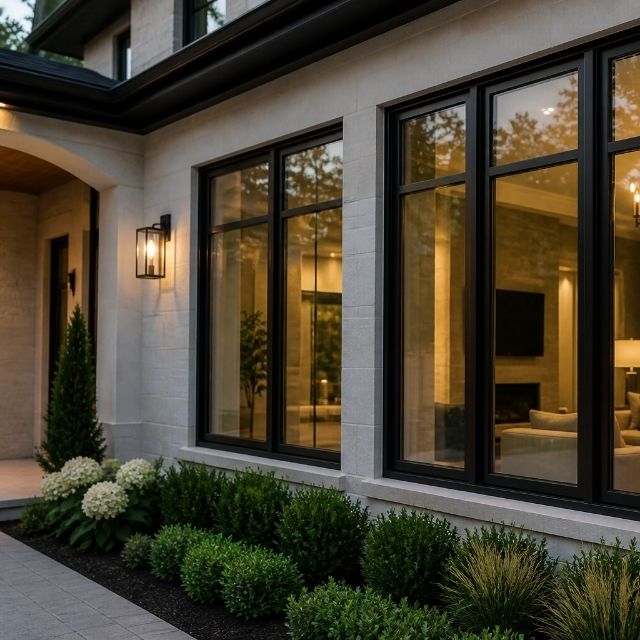
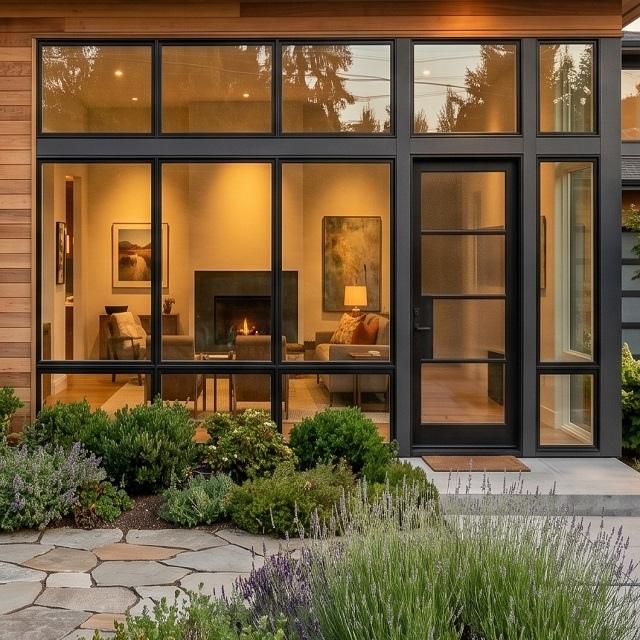
These same principles are increasingly important for homeowners seeking effective ways to reduce noise pollution at home without sacrificing natural light, aesthetics, or existing window systems.
To effectively mitigate vehicular noise, it is critical to first understand the fundamental mechanisms by which sound infiltrates a building’s interior, particularly through its fenestration. This detailed comprehension informs precise engineering solutions that transcend superficial fixes, showing architects how to reduce noise pollution caused by vehicles.
The Fundamental Physics of Sound Propagation and Attenuation
Sound is essentially mechanical energy that propagates as vibrations through a medium. In the context of exterior noise, these vibrations travel through the air as pressure waves, striking a building’s façade. When these waves encounter a solid barrier, like a window, several phenomena occur:
- Reflection: A portion of the sound energy bounces off the surface.
- Absorption: Some energy is converted into heat within the material.
- Transmission: The remaining energy causes the barrier itself to vibrate, re-radiating sound into the interior space.
Acoustic attenuation, therefore, is the process of reducing this transmitted sound energy. The effectiveness of a barrier in attenuating sound is primarily governed by its mass, stiffness, and damping characteristics, along with the presence and nature of any air gaps within its structure. Greater mass generally impedes vibration, while specific material properties and multi-layered configurations can introduce damping, dissipating sound energy more efficiently.
Quantifying Acoustic Performance: A Deep Dive into STC and OITC Ratings
Architects and specifiers rely on standardized metrics to objectively compare the acoustic performance of building materials, especially glazing systems. The two primary ratings for window performance against airborne noise are Sound Transmission Class (STC) and Outdoor-Indoor Transmission Class (OITC). These are crucial for understanding how to reduce noise pollution caused by vehicles.
Sound Transmission Class (STC)
The STC rating is a single-number value derived from laboratory measurements of sound attenuation across a range of frequencies (125 Hz to 4000 Hz). It specifically quantifies a material’s effectiveness in reducing airborne noise, with a strong emphasis on mid to high frequencies, which are characteristic of speech and office environments. A higher STC rating indicates greater sound insulation. While widely used, STC may not fully capture performance against pervasive low-frequency noise sources like heavy vehicular traffic, which often includes significant energy below 125 Hz.
Outdoor-Indoor Transmission Class (OITC)
The OITC rating was developed to address the limitations of STC when evaluating exterior noise sources. OITC also presents a single-number value but is specifically weighted towards lower and mid-range frequencies (80 Hz to 4000 Hz). This broader frequency range, particularly its inclusion of lower frequencies, makes OITC a more accurate and relevant metric for assessing a window system’s ability to attenuate outdoor noise, such as vehicular traffic, aircraft, and railway noise. For projects focused on mitigating traffic noise, an OITC rating provides a more comprehensive and directly applicable measure of performance for soundproof windows for traffic noise.
Identifying the Weakest Link: How Standard Glazing Systems Contribute to Interior Noise
Despite advancements in wall construction, windows invariably remain the primary pathway for noise infiltration in most buildings. Standard glazing systems, by their very nature, present inherent vulnerabilities to sound transmission.
- Single-Pane Glazing: A single pane of glass offers minimal resistance to sound waves. Its relatively low mass and stiffness allow it to vibrate readily, directly transmitting noise. Its performance follows the “mass law,” where sound reduction increases with mass, but beyond a certain point, diminishing returns and practical thickness limitations make it ineffective for significant noise reduction.
- Insulated Glass Units (IGUs): While an improvement over single-pane glass for thermal performance, standard IGUs (double-pane windows) can still be acoustically suboptimal. The air gap between panes can create a resonant frequency, meaning certain sound frequencies can actually be amplified or pass through with less attenuation than expected. The width of the air gap, the type of gas filling, and the glass thickness all play roles, but without specific acoustic engineering, standard IGUs often fall short for high-performance noise reduction.
- Flanking Paths and Air Leaks: Beyond the glass itself, the window frame, sash, and perimeter seals represent critical vulnerabilities. Gaps, cracks, or poorly sealed joints allow sound to “flank” the primary barrier, bypassing the glazing entirely. Even minuscule air leaks can significantly compromise the overall acoustic performance of an otherwise well-designed window system.
The Limitations of Conventional Soundproofing Approaches for Windows
Facing pervasive noise challenges, many building owners and architects have explored conventional soundproofing strategies for windows. However, these often present significant drawbacks, failing to meet the dual requirements of effective noise reduction and preserved architectural aesthetics.
- Secondary Glazing Systems: The installation of a second, entirely separate window unit on the interior side of an existing window can offer substantial noise reduction by creating a large air gap. However, this approach adds considerable bulk, alters the interior sightlines, necessitates additional cleaning surfaces, and often clashes with the original architectural design, compromising the aesthetic integrity of the façade.
- Heavy Curtains and Blinds: While capable of absorbing a small amount of high-frequency sound within a room, heavy fabric window treatments provide negligible attenuation against airborne noise transmitting through the glass. Their primary function is light control and visual privacy, not acoustic performance.
- Acoustic Films: Adhesive films applied to existing glass panes are primarily designed for security or solar control, not significant noise reduction. While some specialized films may offer marginal improvements, their impact on vehicular noise, particularly low frequencies, is generally too limited to address the core problem effectively.
- Full Window Replacement: Replacing entire window systems with new, acoustically rated units can be effective, but it represents a major renovation. This option is often prohibitively expensive, highly disruptive to occupants, and carries the risk of altering the building’s historical or desired aesthetic if new frames do not precisely match the existing architectural language. Furthermore, the embodied carbon associated with full replacement can be substantial.
Engineering Serenity: The Mechanics of Advanced Retrofit Glazing Systems for Noise Attenuation

The Core Principle: Disrupting Sound Waves Through Engineered Layering and Damping
Effective noise attenuation in building envelopes relies fundamentally on disrupting the transmission of sound waves. Advanced retrofit glazing systems achieve this by leveraging principles of mass, stiffness, and damping. Sound waves lose energy as they attempt to pass through multiple layers of dissimilar materials, particularly when separated by an air gap. This engineered layering creates impedance mismatches that reflect a portion of the sound energy, while the remaining energy is absorbed and dissipated by viscoelastic interlayers or the inherent properties of the materials themselves. The result is a significant reduction in sound transmission into the interior space. This provides effective acoustic glazing solutions to reduce road noise in buildings.
The Critical Role of Laminated Glass and Polycarbonate in Acoustic Insulation
The material selection in advanced retrofit glazing is paramount for superior acoustic performance. Laminated glass, comprising two or more panes of glass bonded together with a viscoelastic interlayer (such as polyvinyl butyral or PVB), is a cornerstone of this technology. The interlayer acts as a damping element, absorbing vibrational energy and preventing sound waves from resonating through the glass. Similarly, polycarbonate offers exceptional acoustic properties due to its inherent material damping characteristics, which are more pronounced than those of monolithic glass. When engineered into multi-pane systems, often in combination with glass, polycarbonate contributes to a higher Sound Transmission Class (STC) rating by effectively dampening a broad spectrum of noise frequencies.
Technical Innovations in Retrofit Glazing: Understanding Patented Design for Superior Sound Dampening
Beyond basic lamination, technical innovations in retrofit glazing systems significantly enhance sound-dampening capabilities. Patented designs often incorporate proprietary interlayers with optimized viscoelastic properties, specifically engineered to target and attenuate prevalent vehicular noise frequencies. Furthermore, these systems frequently employ unique mounting mechanisms that acoustically decouple the retrofit pane from the existing window frame. This decoupling prevents vibrations from transferring directly, thereby optimizing the “mass-spring-mass” effect where the air gap between the original and retrofit glazing acts as a spring, further isolating sound. Such precision engineering allows for customized solutions that provide superior performance across various acoustic environments.
How Retrofit Glazing Surpasses Traditional Window Replacement in Acoustic Performance
While a new, thicker insulating glass unit (IGU) might seem like an obvious solution, advanced retrofit glazing systems often outperform traditional full window replacements in acoustic attenuation. This superiority stems from the ability of retrofit systems to create a substantial, decoupled air gap between the existing primary window and the newly installed secondary pane. A wider air gap significantly improves sound isolation, especially for lower frequency traffic noise. In contrast, even high-performance replacement IGUs typically have a smaller, sealed air gap or inert gas fill, which is primarily optimized for thermal insulation rather than broad-spectrum acoustic dampening. The strategic air gap provided by retrofit solutions creates a more effective acoustic barrier at a fraction of the cost and disruption of a full replacement.
Holistic Building Envelope Upgrade: Integrating Acoustics, Security, and Architectural Integrity
Preserving Aesthetics: Seamless Integration with Existing Fenestration Without Visual Compromise
A critical advantage of advanced retrofit glazing systems is their seamless integration with existing building fenestration. Unlike bulky secondary window units that can detract from a building’s original design, these engineered systems are designed to fit discreetly within or just inside the existing window frame. This minimally invasive approach means that from the exterior, there is no discernible change to the building’s facade or architectural intent. Interior sightlines remain clear, and the aesthetic integrity of historical or architecturally significant structures is entirely preserved, making them an ideal solution for discerning architects and building owners seeking to reduce road noise in buildings.
Enhanced Building Security: The Dual-Purpose Benefit of Advanced Retrofit Glazing
The very components that enable superior acoustic performance in advanced retrofit glazing—laminated glass, robust polycarbonate, and specialized interlayers—simultaneously provide significant security enhancements. These materials are inherently resistant to forced entry, offering a formidable barrier against intrusion. Beyond everyday security, certain engineered retrofit systems are designed to mitigate threats such as ballistic impacts, blast pressures, and severe weather events. This dual-purpose functionality transforms a singular noise mitigation project into a comprehensive building envelope upgrade, delivering both occupant serenity and enhanced protection without additional structural modifications.
Addressing the Alex Chen Conundrum: Solutions That Are Both Effective and Visually Stunning
For stakeholders like Alex Chen, who demand solutions that are not only highly effective but also visually unobtrusive, advanced retrofit glazing presents an ideal answer. The “Alex Chen conundrum” highlights the persistent challenge of achieving high performance without compromising aesthetic values. Retrofit glazing resolves this by delivering exceptional acoustic attenuation and enhanced security within a discreet profile that maintains the original window’s appearance. This approach ensures a building’s visual appeal, historical character, or modern design remains uncompromised, proving that superior functionality can indeed coexist with exquisite aesthetics when addressing how to reduce noise pollution caused by vehicles.
The Superiority of Retrofit Glazing Over Bulky Secondary Windows or Unattractive Films
When evaluating options for noise reduction, advanced retrofit glazing systems stand apart from common alternatives like bulky secondary windows or adhesive films. Secondary window installations, while sometimes effective for noise, often introduce an additional, visible frame that can be cumbersome, difficult to clean, and visually intrusive, altering the building’s intended facade. Window films, primarily designed for UV protection or privacy, offer negligible acoustic improvement and no meaningful security benefits, often showing signs of wear or bubbling over time. Retrofit glazing, by contrast, offers a clean, integrated, and high-performance solution that addresses acoustic, security, and aesthetic concerns simultaneously, providing a durable and visually superior outcome.
Specifying a Solution: Guiding Architects and Owners Through Acoustic Glazing Selection
Assessing Your Specific Vehicular Noise Challenge: Site-Specific Acoustic Audits
Effective noise mitigation begins with a precise understanding of the existing acoustic environment. Generic noise level estimates are insufficient for engineered solutions. A site-specific acoustic audit involves deploying specialized equipment, such as sound level meters and frequency analyzers, to measure ambient noise levels, identify dominant noise sources, and pinpoint specific frequencies that contribute most to the intrusion. This detailed analysis distinguishes between general background hum and transient, high-impact noises like truck braking or engine acceleration. Understanding the exact noise profile is crucial for tailoring an acoustic glazing solution that targets the problem frequencies efficiently, ensuring optimal performance without over-engineering or underperforming, especially when specifying soundproof windows for traffic noise.
Navigating Acoustic Performance Metrics: Matching Solutions to Measured Noise Profiles
Architects and building owners must understand key acoustic performance metrics to specify appropriate glazing solutions. The Sound Transmission Class (STC) is a single-number rating of a material’s ability to reduce airborne sound, generally most effective for speech and typical indoor sounds. For vehicular noise, particularly the lower frequencies associated with traffic, the Outdoor-Indoor Transmission Class (OITC) is a more relevant metric. OITC values specifically account for a broader frequency range, including the low-frequency rumble of heavy vehicles, making it a more accurate indicator for facade performance against outdoor noise sources. Advanced retrofit glazing systems, through their laminated structures and air gaps, can achieve significantly higher OITC ratings than standard insulated glass units, directly correlating to superior traffic noise reduction.
Considerations for Different Building Types and Occupancy Requirements
The optimal acoustic glazing solution is not a one-size-fits-all proposition. It must be carefully matched to the building’s specific function and occupant needs. For example, a hospital or research facility demands significantly lower interior noise levels than a commercial office or residential building, necessitating a higher degree of sound attenuation. Historical buildings may present unique structural constraints that influence installation methods and glazing thickness, requiring solutions that integrate seamlessly while preserving architectural integrity. Furthermore, the type of occupancy dictates the acceptable noise thresholds. For instance, enhanced speech privacy in executive suites or undisturbed sleep in residential units directly influences the required OITC performance.
The Long-Term Value Proposition: Cost-Benefit Analysis of Advanced Acoustic Glazing Solutions
Investing in advanced acoustic retrofit glazing offers a compelling long-term value proposition that extends beyond immediate noise reduction. While the initial outlay may be higher than conventional glazing, a comprehensive cost-benefit analysis reveals significant returns. These systems inherently improve thermal insulation, leading to measurable reductions in heating and cooling costs. The enhanced occupant well-being—manifesting as increased productivity in commercial spaces, improved health outcomes in healthcare facilities, and higher quality of life in residential properties—contributes to reduced tenant turnover and increased property values. Compared to a full window replacement, retrofit glazing preserves the existing window frames, significantly reducing material waste, installation time, and the associated labor costs, all while providing comparable or superior acoustic performance. This represents a strategic approach to reducing road noise in buildings.
Strategic Implementation: From Consultation to Certification
The Importance of Expert Consultation in Design and Product Selection
The successful integration of high-performance acoustic glazing hinges on expert consultation from the outset. Engaging specialists, such as acoustic engineers and glazing system consultants, ensures that the chosen solution precisely addresses the identified noise challenges while aligning with the building’s aesthetic, structural, and budgetary parameters. These experts provide critical guidance on material selection, system design, and interface details, preventing common pitfalls that can compromise acoustic performance or architectural continuity. Early collaboration guarantees that the retrofit system is not merely an add-on, but an integral, optimized component of the building envelope, preserving the original design intent without compromise.
Ensuring Seamless Installation for Optimal Acoustic and Structural Performance
The meticulous installation of retrofit glazing is paramount for achieving specified acoustic and structural performance. Acoustic integrity can be severely compromised by even minor air gaps or improper sealing around the perimeter. Professional installation involves precise measurements, careful preparation of existing frames, and the expert application of specialized seals and gaskets to create an airtight and thermally broken barrier. Trained installers understand the nuances of integrating the new glazing system with the existing structure, minimizing disruption to building operations and ensuring the longevity and durability of the entire assembly. This precision is what differentiates a high-performing system from a merely installed one.
Verifying Performance: Post-Installation Acoustic Testing and Certification
To ensure the retrofit glazing system performs as specified, post-installation acoustic testing is a critical step. This involves independent third-party assessments, often using the same methodologies as the initial site audit, to measure the actual noise reduction achieved. Comparative measurements (before and after installation) provide objective, quantifiable data that validates the effectiveness of the solution against the project’s acoustic targets. Obtaining certification from recognized bodies provides an additional layer of assurance, confirming that the installed system meets industry standards and delivers the promised level of sound attenuation, thereby safeguarding the investment and guaranteeing occupant comfort.
Maintaining Performance: Longevity and Durability of Retrofit Glazing Systems
Advanced retrofit glazing systems are engineered for exceptional longevity and durability, designed to maintain their acoustic and structural performance over decades. The use of high-quality materials, such as laminated glass and robust framing components, provides inherent resistance to environmental factors like UV degradation, extreme temperatures, and moisture ingress. Unlike some temporary solutions, these systems require minimal maintenance, typically limited to standard window cleaning. This long operational lifespan ensures that the initial investment continues to provide superior noise mitigation, energy efficiency, and security benefits, affirming their role as a sustainable and enduring enhancement to the building envelope.
Conclusion: Engineering Quieter Spaces and Elevating Architectural Standards
Reaffirming the Transformative Power of Advanced Retrofit Glazing for Noise Mitigation
The preceding analysis has underscored a critical truth: advanced retrofit glazing systems represent a profoundly effective and architecturally sensitive solution for mitigating vehicular noise pollution. Unlike comprehensive window replacements or bulky secondary installations, these engineered solutions integrate seamlessly into existing structures. They leverage sophisticated laminates and precise installation methodologies to create a formidable barrier against pervasive urban soundscapes, specifically addressing the low-frequency rumble and high-frequency din associated with road traffic.
The transformative power lies in their ability to dramatically reduce sound transmission without compromising the building’s original design intent. By augmenting the existing glass, these systems enhance the Sound Transmission Class (STC) and Outdoor-Indoor Transmission Class (OITC) ratings of the fenestration, directly translating into a quieter, more controlled interior acoustic environment. This technical efficacy, coupled with minimal visual intrusion, positions retrofit glazing as a superior intervention for noise abatement in densely populated areas, clearly demonstrating how to reduce noise pollution caused by vehicles.
A Strategic Imperative for Modern Urban Design and Enhanced Occupant Well-being
In the contemporary urban landscape, effective noise control is no longer merely an amenity. It is a strategic imperative for fostering healthy and productive environments. Vehicular noise pollution is a significant stressor, impacting occupant well-being by disrupting sleep, impairing concentration, and contributing to overall stress levels. Engineered retrofit glazing directly addresses these concerns, enabling architects and building owners to deliver spaces that are not only visually appealing but also acoustically serene.
Investing in these advanced acoustic glazing solutions is a proactive step toward creating sustainable and human-centric buildings. It allows for the preservation of historical facades and unique architectural elements while simultaneously upgrading performance to meet modern demands for comfort and quiet. This approach supports enhanced occupant well-being, translating into higher property values, improved tenant satisfaction, and a more positive daily experience for residents and workers alike.
Pioneering a Future of Quiet, Secure, and Aesthetically Pleasing Architectural Environments
The integration of advanced retrofit glazing systems marks a significant leap forward in architectural problem-solving. By offering a high-performance solution that reduces noise, enhances security, and maintains aesthetic integrity, these systems pioneer a future where urban buildings can achieve optimal functional and visual harmony. They provide a blueprint for how existing structures can be modernized to withstand the challenges of urban noise without sacrificing their inherent character.
This technology empowers architects to design and rehabilitate structures that are inherently resilient, contributing to the broader goal of creating more livable cities. The ability to dramatically improve interior acoustics using non-invasive, high-strength glazing systems ensures that future architectural environments can be both quiet sanctuaries and visually uncompromised testaments to thoughtful design, offering advanced acoustic glazing solutions.
Frequently Asked Questions
What is the most effective way to reduce noise pollution caused by vehicles in a building?
The most immediate and impactful way to reduce noise pollution caused by vehicles is by fortifying the building envelope, particularly its fenestration, with engineered retrofit glazing. This solution enhances occupant well-being without sacrificing architectural integrity, offering superior acoustic insulation compared to standard windows or temporary fixes.
How do soundproof windows for traffic noise work?
Soundproof windows for traffic noise, especially advanced retrofit glazing, work by using multi-layered systems, often incorporating laminated glass with viscoelastic interlayers and creating a decoupled air gap between existing and new panes. This design disrupts sound waves through mass, stiffness, and damping, significantly reducing sound transmission into the interior.
What are STC and OITC ratings, and which is better for traffic noise?
STC (Sound Transmission Class) measures sound attenuation for mid to high frequencies, common in speech. OITC (Outdoor-Indoor Transmission Class) is specifically weighted for lower and mid-range frequencies (80 Hz to 4000 Hz), making it a more accurate metric for assessing a window system’s ability to attenuate outdoor noise like vehicular traffic. For reducing road noise in building, OITC is the more relevant performance indicator.
Can retrofit glazing also enhance building security?
Yes, advanced retrofit glazing systems offer a dual-purpose benefit. The laminated glass, robust polycarbonate, and specialized interlayers used for superior acoustic performance also provide significant security enhancements. These materials are inherently resistant to forced entry and can be engineered to mitigate threats such as ballistic impacts, blast pressures, and severe weather events.
Is retrofit glazing a visually unobtrusive solution for noise reduction?
Absolutely. Unlike bulky secondary windows or unattractive films, advanced retrofit glazing systems are designed for seamless integration. They fit discreetly within or just inside the existing window frame, ensuring no discernible change to the building’s facade or architectural intent. This preserves interior sightlines and the aesthetic integrity of the structure.