- The Unseen Threat: Reclaiming Urban Serenity with Advanced Acoustic-Security Glazing
- Traditional Limitations: Why Existing Methods Fall Short in Reducing Noise Pollution in Cities
- Understanding the Building Envelope: The Science of Sound Transmission Through Glazing
- Beyond Security: How Advanced Retrofit Acoustic Security Glazing Delivers Superior Acoustic Comfort
- Patented Multi-Layer Polycarbonate Systems: A Paradigm Shift in Acoustic Dampening
- The Mechanism of Sound Reduction: How Laminated Layers and Air Gaps Optimize Performance
- Quantifiable Improvements: Documented STC and OITC Enhancements with Advanced Systems
- The Dual Advantage: Simultaneous Threat Mitigation and Urban Noise Abatement
- The Architectural Advantage: Integrating Acoustic Performance Without Compromise
- Preserving Aesthetics: Maintaining Original Sightlines and Visual Integrity with Retrofit Solutions
- Seamless Integration: The Retrofit Process and Minimal Disruption to Building Occupants
- Durability and Longevity: A Sustainable Investment in Building Performance and Value
- Addressing Alex Chen’s Vision: Crafting Safe, Functional, and Visually Stunning Structures
- Specifying for Serenity and Security: A Practical Guide for Architects
- Assessing Project Needs: Identifying High-Risk and High-Noise Urban Environments
- Collaboration with Acoustic and Security Specialists for Optimal Building Envelope Design
- Evaluating Product Specifications: Beyond Basic Glazing Requirements for Enhanced Performance
- Illustrative Scenarios: Applying Advanced Acoustic Security Glazing in Diverse Urban Projects
- Conclusion: Elevating Urban Environments Through Integrated Acoustic-Security Design
- Frequently Asked Questions
The Unseen Threat: Reclaiming Urban Serenity with Advanced Acoustic-Security Glazing
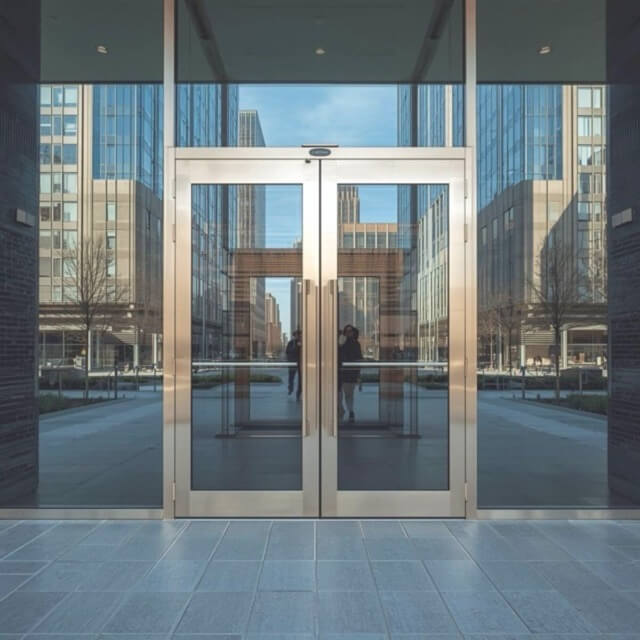
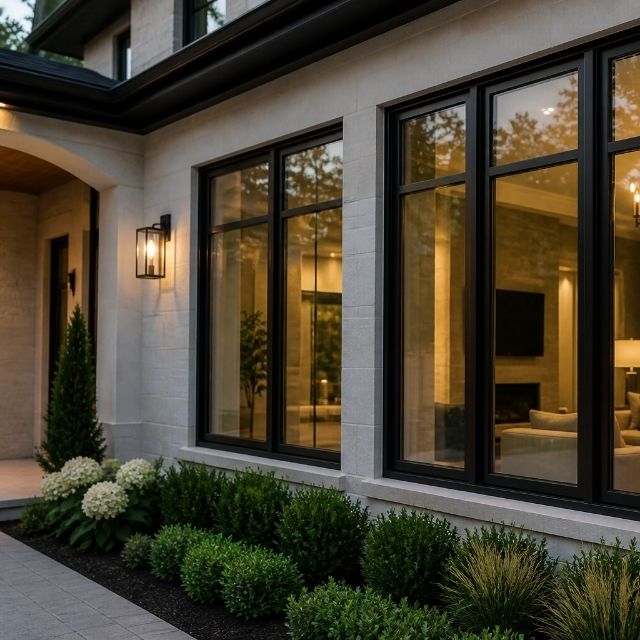
The Growing Challenge of Urban Noise Pollution on Occupant Well-Being
In the dense tapestry of modern urban environments, the incessant clamor of city life poses a formidable, often underestimated, challenge to occupant well-being. Architects are increasingly tasked not only with constructing visually striking and structurally sound buildings but also with creating internal environments that foster peace and productivity. Urban noise pollution, from its subtle hum to its piercing peaks, directly counteracts this objective, impacting the very functionality of a building and its ability to provide a comfortable refuge. This evolving mandate requires a more sophisticated approach to the building envelope, transforming it into a proactive shield against acoustic intrusion. Learning how to reduce noise pollution in cities begins with understanding how exterior sound infiltrates commercial buildings through poorly insulated glazing and vulnerable building envelopes.
The Ubiquitous Threat: Defining Urban Noise and Its Sources
Urban noise encompasses a broad spectrum of unwanted sounds that permeate city life. Its sources are diverse and pervasive, ranging from the continuous rumble of vehicular traffic and public transportation systems to the intermittent din of construction sites and the collective effervescence of human activity in public spaces. These persistent external sounds coalesce to create an elevated ambient noise floor, making it challenging for building interiors to maintain a desirable level of acoustic comfort. Effective building design must account for the full range of these external pressures to mitigate their entry into occupied spaces.
The Silent Impact: Health, Productivity, and Quality of Life Implications
The insidious nature of chronic noise exposure often means its detrimental effects accumulate silently, eroding occupant health, productivity, and overall quality of life. Prolonged exposure to high levels of urban noise has been linked to increased stress levels, sleep disturbances, cardiovascular issues, and cognitive impairments. In professional settings, it can significantly diminish concentration, impede clear communication, and reduce overall work efficiency. For residential occupants, it translates to a reduction in home comfort and a diminished sense of personal sanctuary. Addressing this “silent impact” is paramount for creating truly functional and habitable urban spaces.
The Architect’s Mandate: Designing for Acoustic Resilience in High-Density Areas
Given these profound implications, the modern architect bears a crucial mandate: to design for acoustic resilience. This means intentionally integrating noise mitigation strategies into the initial design phase and also considering them for retrofit projects in high-density areas. Achieving acoustic resilience involves selecting materials and systems that effectively dampen sound transmission through the building envelope, particularly through its most vulnerable points, such as fenestration. This proactive design approach ensures that buildings not only stand tall but also provide an internal environment conducive to health, focus, and serenity, aligning with the goal of creating spaces that are safe, functional, and visually stunning.
Traditional Limitations: Why Existing Methods Fall Short in Reducing Noise Pollution in Cities
Limitations of Standard Insulated Glass Units (IGUs) in High-Noise Environments
Standard Insulated Glass Units (IGUs), while excellent for thermal performance, often fall short when confronted with the high acoustic demands of dense urban environments. These units, typically composed of two or more glass panes separated by an inert gas or air-filled space, are primarily engineered to reduce heat transfer. Their acoustic dampening capabilities are generally limited, especially against the low-frequency sounds characteristic of urban traffic and machinery. Standard IGUs usually achieve Sound Transmission Class (STC) ratings in the mid-20s to low-30s. While adequate for quieter suburban settings, this performance is often insufficient to provide a significant reduction in noise levels from busy streets or industrial areas, leaving occupants exposed to disruptive external sounds. The resonant frequencies of the air gap within an IGU can also allow specific noise frequencies to pass through relatively unimpeded.
The Aesthetic and Structural Challenges of Full Window Replacement
For decades, addressing inadequate acoustic performance in existing buildings often led to the recommendation of full window replacement. However, this approach presents a myriad of challenges that make it an impractical and often undesirable solution for modern urban design projects.
- Prohibitive Costs: Significant capital expenditure includes new windows, labor, scaffolding, and disposal.
- Operational Disruption: Highly disruptive, often requiring tenant relocation and extended construction, leading to productivity or revenue loss.
- Structural Implications: Potential need for structural modifications to the building envelope, adding complexity and cost.
- Aesthetic Compromise: Difficulty matching existing architectural facades, particularly in historic buildings, compromising design integrity or violating preservation guidelines.
- Sustainability Concerns: Disposal of old windows contributes to landfill waste, conflicting with sustainability objectives.
Ineffectiveness of Interior-Only Sound Abatement Strategies and Their Compromises
Interior-only sound abatement strategies, such as the installation of acoustic panels, heavy drapes, or even secondary interior glazing, offer limited effectiveness in truly addressing external noise transmission through the primary building envelope. While these methods can absorb some reverberant noise within a room or offer a marginal secondary barrier, they fundamentally fail to prevent the initial ingress of sound.
- Limited Primary Barrier: Insufficient enhancement of the primary exterior glazing’s Sound Transmission Class (STC) rating to counter high urban noise levels.
- Aesthetic Intrusion: Can drastically alter interior aesthetics, obscuring architectural features or reducing natural light.
- Space Consumption: Consumes valuable interior floor space and complicates window operation and maintenance.
- Compromised Views: Impedes views, diminishing a key benefit of urban window expanses.
- Partial Solution: These methods offer palliative relief, failing to transform exterior glazing into a robust acoustic barrier.
Understanding the Building Envelope: The Science of Sound Transmission Through Glazing
The building envelope, encompassing a structure’s exterior walls, roof, and fenestration, serves as the primary barrier between interior environments and external elements. While its role in thermal regulation and structural integrity is widely recognized, its function in mitigating noise intrusion is equally critical for occupant comfort and well-being. Glazing, specifically, represents a significant vulnerability in this envelope, often acting as the weakest link in a building’s acoustic defense against the pervasive din of urban landscapes.
Key Acoustic Metrics: Deciphering STC and OITC Ratings for Glazing Performance
To objectively quantify the acoustic performance of building materials, industry-standard metrics are employed. For glazing, the two most pertinent ratings are Sound Transmission Class (STC) and Outdoor-Indoor Transmission Class (OITC). Understanding these distinctions is fundamental for effective acoustic design.
- Sound Transmission Class (STC): This single-number rating represents a material’s ability to reduce airborne sound across a range of typical indoor speech and domestic noise frequencies (125 Hz to 4000 Hz). A higher STC value indicates better sound insulation. While widely used, STC can sometimes overstate performance against lower-frequency, external noises.
- Outdoor-Indoor Transmission Class (OITC): Specifically designed for exterior building components like windows and doors, OITC measures sound reduction across a broader frequency spectrum (80 Hz to 4000 Hz), with a particular emphasis on lower-frequency sounds characteristic of outdoor transportation noise (e.g., traffic, airplanes). For urban environments, OITC provides a more accurate representation of a window’s real-world performance against exterior noise sources.
Achieving an optimal acoustic environment necessitates careful consideration of both ratings, ensuring that the glazing system effectively blocks the specific types of noise prevalent in its location.
Principles of Sound Attenuation: Mass, Damping, and Decoupling in Window Design
Effective sound attenuation in glazing systems relies on three core physical principles:
- Mass: Simply put, heavier materials are generally more effective at blocking sound. Increased mass resists the propagation of sound waves, converting acoustic energy into vibrational energy that dissipates within the material. Thicker glass panes or multiple layers of glass contribute to higher mass.
- Damping: This principle involves dissipating vibrational energy within a material, reducing its ability to transmit sound. Certain materials, like specific interlayers in laminated glass or viscoelastic compounds, are designed to absorb and dampen these vibrations, preventing sound waves from passing through.
- Decoupling: This refers to separating elements within a system to prevent sound waves from “short-circuiting” across them. In double or triple-pane windows, the air gap between panes serves to decouple the glass layers, significantly reducing sound transfer. The width of this air gap and the presence of inert gases can further enhance acoustic performance.
Optimizing these three principles within a window system is essential for achieving superior sound insulation, directly impacting a building’s overall acoustic comfort.
The Critical Role of the Window in the Overall Building Envelope Performance Against Noise
Windows, by their very nature, are often the most acoustically vulnerable components of a building’s exterior. Even when a wall assembly boasts a high STC rating, a poorly chosen or inadequately installed window can severely compromise the entire facade’s sound insulation performance. Sound, like water, will find the path of least resistance. A high-performance wall paired with standard single-pane windows will result in a building interior that is only as quiet as its weakest link: the window. This makes the selection and integration of acoustically advanced glazing solutions paramount for architects aiming to create serene interior environments within bustling urban settings.
Beyond Security: How Advanced Retrofit Acoustic Security Glazing Delivers Superior Acoustic Comfort
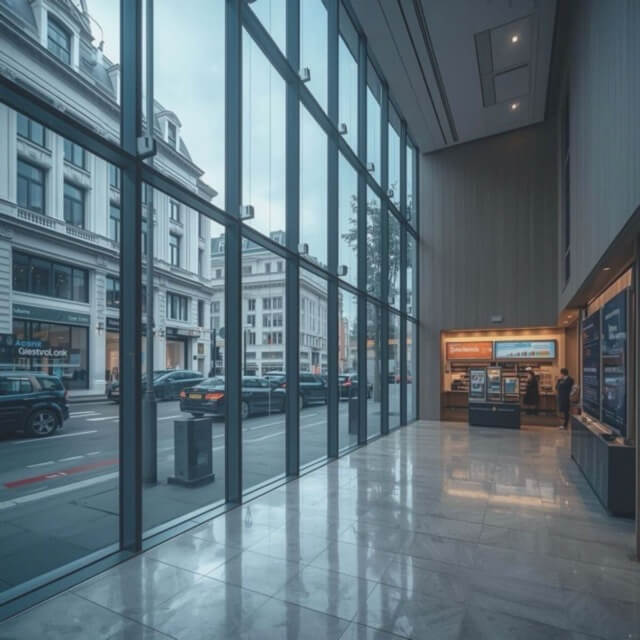
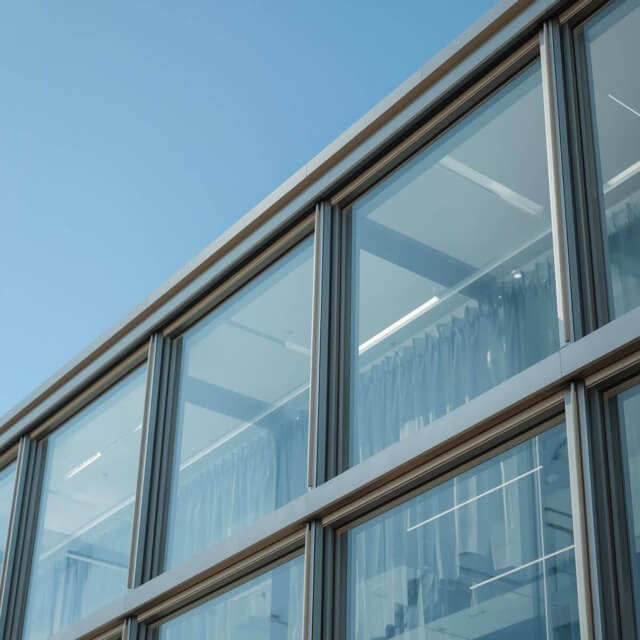
The evolution of security glazing has ushered in an era where protecting occupants from physical threats can simultaneously address another pressing urban challenge: noise pollution. Advanced retrofit systems, originally engineered for threat mitigation, now offer a sophisticated, dual-benefit solution that dramatically enhances acoustic comfort without necessitating the disruptive and costly process of full window replacement.
Patented Multi-Layer Polycarbonate Systems: A Paradigm Shift in Acoustic Dampening
Traditional acoustic window upgrades often involve replacing entire window units, a process that is expensive, time-consuming, and aesthetically disruptive. However, patented multi-layer polycarbonate retrofit systems present a paradigm shift. These innovative solutions are designed to be installed over existing glazing, forming a robust secondary layer. The inherent properties of engineered polycarbonate, combined with specific layering methodologies, provide exceptional acoustic dampening capabilities that far exceed conventional glass options. This approach leverages material science to achieve superior sound reduction while maintaining the original architectural aesthetics.
The Mechanism of Sound Reduction: How Laminated Layers and Air Gaps Optimize Performance
The effectiveness of advanced retrofit glazing in reducing sound transmission stems from its sophisticated multi-layered construction and strategic use of air gaps, directly applying the principles of mass, damping, and decoupling:
- Enhanced Mass and Damping: The multiple layers of polycarbonate, often combined with viscoelastic interlayers, significantly increase the overall mass of the glazing system. More importantly, these layers provide superior damping properties. As sound waves attempt to pass through, the energy is absorbed and dissipated within the composite material, reducing its ability to transmit vibrations.
- Optimized Decoupling with Air Gaps: When installed over existing windows, these retrofit systems create a sealed air gap between the original glass pane and the new polycarbonate layer. This air gap effectively decouples the two glazing components, preventing vibrations from easily transferring from one to the other. The specific depth of this air gap is engineered to optimize sound wave disruption across a wide frequency range, particularly targeting the lower-frequency urban noises that OITC ratings address.
This synergistic combination of increased mass, inherent material damping, and precise decoupling through an engineered air gap allows these systems to achieve remarkable acoustic attenuation.
Quantifiable Improvements: Documented STC and OITC Enhancements with Advanced Systems
The acoustic performance of advanced retrofit glazing systems is not merely theoretical. It is demonstrably superior and quantifiable through rigorous testing. These systems consistently deliver substantial improvements in both STC and OITC ratings. Depending on the existing window and the specific retrofit solution deployed, documented enhancements can elevate the acoustic performance of standard single or dual-pane glass to levels comparable to, or even exceeding, specialized acoustic window units. For example, a typical existing window might have an STC of 26-32. By adding an advanced retrofit system, the combined unit can achieve STC ratings in the mid-40s or even higher, representing a dramatic reduction in perceived noise levels. This direct improvement translates into a quieter, more comfortable interior environment for building occupants.
The Dual Advantage: Simultaneous Threat Mitigation and Urban Noise Abatement
The most compelling aspect of advanced retrofit security glazing lies in its unique dual advantage. Originally conceived to provide robust protection against forced entry, ballistic threats, and extreme weather events, these systems inherently offer exceptional acoustic benefits. Architects and developers no longer face a compromise between security and serenity. By investing in these innovative urban noise abatement solutions, building owners can fortify their structures against a spectrum of threats while simultaneously transforming their interiors into havens from urban noise pollution. This integrated approach ensures that buildings are not only safe and functional but also contribute significantly to the well-being and productivity of their occupants, achieving Alex Chen’s vision for aesthetically pleasing structures that excel in both security and comfort.
The Architectural Advantage: Integrating Acoustic Performance Without Compromise
Preserving Aesthetics: Maintaining Original Sightlines and Visual Integrity with Retrofit Solutions
One of the foremost concerns for architects is the preservation of a building’s aesthetic and historical integrity. Full window replacement, while effective for acoustic improvement, often necessitates significant structural alterations, disrupting original sightlines and potentially compromising the architectural intent. Advanced retrofit glazing systems, however, are engineered to integrate seamlessly with existing window frames and sashes. This approach maintains the building’s original facade, a critical consideration for both modern designs and historically significant structures.
The discreet nature of these systems ensures that the visual impact is negligible. By installing a clear, high-performance optical-grade polycarbonate or acrylic pane on the interior side of the existing glass, the building’s exterior remains untouched. This preserves the visual continuity and allows architects to enhance functionality without sacrificing the “visually stunning” aspect that defines successful urban projects.
Seamless Integration: The Retrofit Process and Minimal Disruption to Building Occupants
The practical application of acoustic and security enhancements is often as critical as their performance specifications. Traditional window replacement projects are labor-intensive, time-consuming, and highly disruptive to building occupants, often requiring temporary relocation or significant operational downtime. Retrofit security glazing systems offer a distinct advantage through their streamlined installation process.
Installation typically involves precise measurements, custom fabrication, and a non-invasive application. The panels are affixed to the existing window frame using engineered attachment systems, minimizing the need for heavy equipment or extensive construction work. This efficiency translates to:
- Reduced installation time: Often a fraction of full replacements.
- Minimal operational disruption: Allowing businesses and residents to maintain continuity.
- Lower labor costs: Due to rapid, specialized installation.
Durability and Longevity: A Sustainable Investment in Building Performance and Value
Beyond immediate security and acoustic benefits, advanced retrofit glazing solutions represent a sustainable, long-term investment in a building’s performance and overall value. The core materials, often multi-layered polycarbonate or acrylic, are inherently robust, offering exceptional resistance to impact, abrasion, and environmental stressors. This significantly extends the lifespan of the existing windows, deferring the need for costly full replacements.
The enhanced durability contributes to a more resilient building envelope, capable of withstanding severe weather events and mitigating wear and tear over decades. This longevity ensures that the initial investment continues to provide acoustic dampening and advanced threat protection well into the future, contributing to both occupant well-being and the building’s market desirability. Such systems align with sustainable building practices by leveraging existing infrastructure and reducing material waste associated with demolition and new construction.
Addressing Alex Chen’s Vision: Crafting Safe, Functional, and Visually Stunning Structures
For architects like Alex Chen, the challenge lies in creating structures that seamlessly blend security, functionality, and aesthetic appeal. Advanced retrofit security glazing directly addresses this multifaceted vision. It delivers robust security by fortifying vulnerable glazing against a range of threats, from forced entry to ballistic impacts, thereby enhancing the “safe” aspect. Simultaneously, its superior acoustic performance transforms noisy urban environments into tranquil interior spaces, making the building profoundly more “functional” for its occupants.
Crucially, these systems achieve these high-performance outcomes without compromising the building’s original design or visual integrity, satisfying the demand for “visually stunning” structures. By integrating a dual-purpose solution, architects can achieve a holistic improvement to the building envelope, ensuring occupant comfort and safety are paramount without aesthetic trade-offs.
Specifying for Serenity and Security: A Practical Guide for Architects
Assessing Project Needs: Identifying High-Risk and High-Noise Urban Environments
The initial phase of any project involving advanced glazing solutions requires a comprehensive assessment of site-specific challenges. This involves accurately identifying both high-risk security vulnerabilities and prevalent sources of urban noise pollution. For security, architects should consider factors such as the building’s location relative to street level, public access points, historical crime rates in the vicinity, and the value of assets or occupants within. Concurrently, an acoustic assessment must pinpoint dominant noise frequencies and sources, such as vehicular traffic, public transportation, construction, or adjacent commercial operations.
Understanding the magnitude and nature of these threats allows for precise specification of the appropriate performance levels. This ensures that the chosen retrofit system provides an optimal balance of protection and acoustic comfort tailored to the unique demands of each urban project.
Collaboration with Acoustic and Security Specialists for Optimal Building Envelope Design
Achieving superior building performance in both security and acoustics necessitates interdisciplinary collaboration. Architects are advised to engage early with certified acoustic consultants and security specialists. Acoustic consultants can conduct detailed sound mapping, predict sound transmission levels (STC ratings), and recommend specific material compositions or air gap configurations required to achieve desired interior noise reduction targets.
Security specialists, on the other hand, provide expert threat assessments, evaluate compliance with standards such as GSA or ballistic resistance ratings, and advise on optimal attachment methods to resist specific threat vectors. This collaborative approach ensures that the glazing solution is not only effective but also integrated seamlessly into the overall building envelope strategy, optimizing performance without unintended compromises.
Evaluating Product Specifications: Beyond Basic Glazing Requirements for Enhanced Performance
When specifying advanced acoustic security glazing, architects must move beyond conventional glass requirements and meticulously evaluate the comprehensive product specifications. A critical aspect is the Sound Transmission Class (STC) rating, which should be assessed for the entire retrofit system, not just the base glass. Key evaluation criteria include:
- Material Composition: Type and thickness of the protective layer (e.g., high-grade polycarbonate or acrylic) and specialized acoustic dampening interlayers.
- Air Cavity Design: Optimal sizing and presence of an air gap between existing glass and retrofit panel for acoustic isolation.
- Attachment System Integrity: Engineering of attachment methods for security resilience and airtight acoustic seals.
- Certifications and Testing: Compliance with industry standards (e.g., UL 752 for ballistic resistance, ASTM F1233 for forced entry, ASTM E90 for STC ratings).
- Optical Clarity and UV Stability: High light transmission and resistance to yellowing or hazing, preserving visual quality.
Illustrative Scenarios: Applying Advanced Acoustic Security Glazing in Diverse Urban Projects
The versatility of advanced acoustic security glazing allows for its effective application across a diverse range of urban architectural projects, each presenting unique challenges.
- High-Rise Residential Towers: In bustling downtown cores, upper-floor residential units often seek refuge from incessant street noise while requiring robust security against potential intrusions. Retrofit glazing provides a high STC rating to dramatically reduce traffic and pedestrian noise, simultaneously offering protection from forced entry without altering the building’s exterior aesthetic.
- Educational Institutions in Urban Settings: Schools and universities located in noisy urban environments can significantly benefit from these systems. They create quieter, more conducive learning environments by mitigating external distractions and enhancing perimeter security against active threats or vandalism, crucial for student and staff safety.
- Commercial Properties and Retail Fronts: For businesses, maintaining an inviting, secure, and quiet interior is essential. Advanced glazing protects against smash-and-grab thefts and other security breaches, while effectively reducing urban clamor from passing traffic or public spaces. This dual benefit ensures a more pleasant customer experience and safeguards valuable merchandise, all without obstructing window displays or storefront visibility, making them ideal for soundproof commercial windows.
Conclusion: Elevating Urban Environments Through Integrated Acoustic-Security Design
The Strategic Imperative: Redefining the Building Envelope as a Holistic Barrier
The complexities of modern urban environments demand a paradigm shift in how we approach building design, particularly concerning the performance of the building envelope. Traditionally, security and acoustic mitigation have been treated as separate, often competing, design challenges, leading to fragmented solutions. However, a truly resilient and occupant-centric structure necessitates an integrated approach, transforming the building envelope into a holistic barrier. Advanced retrofit security glazing systems exemplify this strategic imperative by concurrently addressing both external threats and pervasive urban noise pollution. They provide a high-performance, multi-functional layer that fortifies against intrusions while dramatically enhancing interior acoustic comfort, all without the disruptive and costly implications of full window replacement. This unified strategy is critical for projects aiming to achieve superior functionality and occupant well-being in challenging urban settings.
Investing in Occupant Well-being and Long-Term Property Value
The benefits of integrating superior acoustic and security performance extend far beyond immediate protection. They represent a foundational investment in both occupant well-being and the enduring value of a property. A tranquil and secure internal environment directly correlates with improved concentration, reduced stress levels, and overall enhanced quality of life for building occupants. This human-centric approach is increasingly recognized as a key differentiator in competitive real estate markets.
- Enhanced Occupant Experience: Buildings become havens of safety and calm, fostering productivity and comfort by mitigating physical threats and unwanted noise.
- Preservation of Aesthetics: Retrofit solutions retain original architectural elements and views, ensuring security and acoustic improvements do not compromise design.
- Strategic Market Positioning: Properties with advanced security and superior acoustic performance command a premium, reflecting enhanced value and future-proofing.
- Operational Efficiency: Non-invasive retrofit installations minimize disruption, maintaining tenant and operational continuity.
This strategic investment translates into tangible long-term value, attracting discerning tenants and buyers while solidifying a building’s reputation for quality, innovation, and thoughtful design.
The Future of Urban Architectural Resilience and Human-Centric Design
The evolution of building technology, particularly in advanced glazing systems, is paving the way for a new era of urban architectural resilience and genuinely human-centric design. As cities continue to densify and urban noise levels rise, the ability to create interior spaces that are both inherently secure and acoustically serene will define architectural excellence. Integrated security glazing solutions are at the forefront of this transformation, offering architects and developers the tools to create structures that are not only aesthetically compelling but also robust, comfortable, and responsive to the intricate demands of urban living. This forward-thinking approach ensures buildings are equipped to withstand future challenges, providing occupants with environments that promote safety, tranquility, and ultimately, a higher quality of life. The future of urban design lies in this intelligent convergence of protection and peace, where every component of the building envelope works in concert to deliver unparalleled performance.
Frequently Asked Questions
How does advanced retrofit glazing help reduce noise pollution in cities?
Advanced retrofit security glazing dramatically reduces urban noise pollution by employing a multi-layered polycarbonate system over existing windows. This system utilizes enhanced mass, inherent material damping, and an engineered air gap to effectively block and dissipate sound waves, significantly improving Sound Transmission Class (STC) and Outdoor-Indoor Transmission Class (OITC) ratings.
What are the advantages of acoustic security glazing over traditional window replacement for noise reduction?
Acoustic security glazing offers several advantages over full window replacement. It is less disruptive, more cost-effective, preserves the building’s original aesthetics and sightlines, and provides dual benefits of superior sound dampening and enhanced physical security without extensive structural modifications.
What technical specifications should architects consider when selecting soundproof commercial windows?
When specifying soundproof commercial windows, architects should meticulously evaluate: the system’s overall Sound Transmission Class (STC) and Outdoor-Indoor Transmission Class (OITC) ratings, the material composition (e.g., multi-layered polycarbonate with viscoelastic interlayers), the design of the air cavity for optimal decoupling, the integrity of the attachment system for both security and acoustic sealing, and relevant certifications for both acoustic performance and forced entry resistance.
Can advanced retrofit glazing improve the functionality and visual appeal of a building?
Yes, advanced retrofit security glazing significantly enhances a building’s functionality by transforming noisy urban environments into acoustically serene interior spaces. It maintains visual appeal by integrating seamlessly with existing window frames, preserving original architectural aesthetics and natural light, allowing buildings to be both safe and visually stunning without compromise.