- Reclaiming Your Home: How to Reduce Noise Pollution at Home
- The Pervasive Problem of Modern Noise: From City Streets to Suburban Serenity
- Defining Acoustic Comfort: What Constitutes a Peaceful Living Environment
- The Impact of Unwanted Sound: Beyond Annoyance to Well-being and Property Value
- Common Sources of Home Noise: Identifying Internal and External Challenges
- Beyond Band-Aids: Why Common Noise Solutions Fall Short for Lasting Peace
- The Achilles’ Heel of Your Home: Why Windows are the Primary Pathway for Noise
- The Building Envelope’s Weakest Link: Fenestration as a Sound Conduit
- How Standard Windows Facilitate Sound Transmission: Glass Thickness and Air Leaks
- The Physics of Sound Intrusion: Understanding Vibration and Resonance
- Quantifying the Problem: Baseline Sound Transmission Class (STC) Ratings of Typical Windows
- Addressing Specific Noise Culprits: Traffic Noise, Urban Din, and Environmental Sounds
- An Engineered Silence: The Architectural Principles Behind Superior Sound Reduction
- The Science of Acoustic Performance: Beyond Simple Soundproofing
- Harnessing Sound Transmission Class (STC) Ratings: What the Numbers Truly Mean
- The Power of Mass and Damping: Engineering for Effective Noise Attenuation
- The Critical Role of Air Gaps: Creating Acoustic Decoupling for Optimal Results
- Explaining Laminated Glass Technology: Enhanced Sound Reduction Through Design
- Professional-Grade Solutions: Introducing High-Performance Retrofit Glazing
- Elevating Your Home’s Acoustic Performance: The Concept of Retrofit Systems
- The Mechanics of Advanced Acoustic Window Inserts: A Layered Approach
- Engineering for Significant Decibel Reduction: Illustrative Scenarios of STC Improvement
- Seamless Architectural Integration: Preserving Aesthetics While Enhancing Comfort
- The Expertise of Installation: Why Professional Implementation is Crucial for Performance
- More Than Just Quiet: Unlocking Dual Benefits with Advanced Retrofit Systems
- Beyond Acoustic Comfort: The Enhanced Security Advantage of Specialized Glazing
- Fortifying the Building Envelope: Deterring Intrusion with Robust Window Systems
- Mitigating External Threats: Protection Against Forced Entry and Impact
- The Value Proposition: Combining Peace of Mind with Physical Security
- Long-Term Benefits: Energy Efficiency and Increased Property Resilience
- Integrating Serenity: Selecting an Acoustic Solution That Preserves Your Home’s Design Integrity
- Prioritizing Aesthetics: Solutions for Discerning Homeowners and Architects
- Maintaining Original Window Charm: Options for Historical or Unique Fenestration
- Virtually Invisible Upgrades: Ensuring Design Harmony Post-Installation
- Evaluating Long-Term Value: Performance, Durability, and Maintenance Considerations
- Consulting with Experts: Tailoring Solutions to Specific Noise Profiles and Architectural Styles
- Conclusion: Key Takeaways and Your Path to Lasting Acoustic Serenity
- Recapitulating the Core Argument: The Imperative for Architectural Solutions
- The Transformative Impact of Engineered Sound Reduction on Home Life
- Embracing a Professional-Grade Approach for Uncompromised Comfort and Security
- Empowering Informed Decisions: Moving Beyond Superficial Fixes to Strategic Upgrades
- Your Next Steps: Reclaiming Your Home with Architectural Acoustic Excellence
- Frequently Asked Questions
Reclaiming Your Home: How to Reduce Noise Pollution at Home

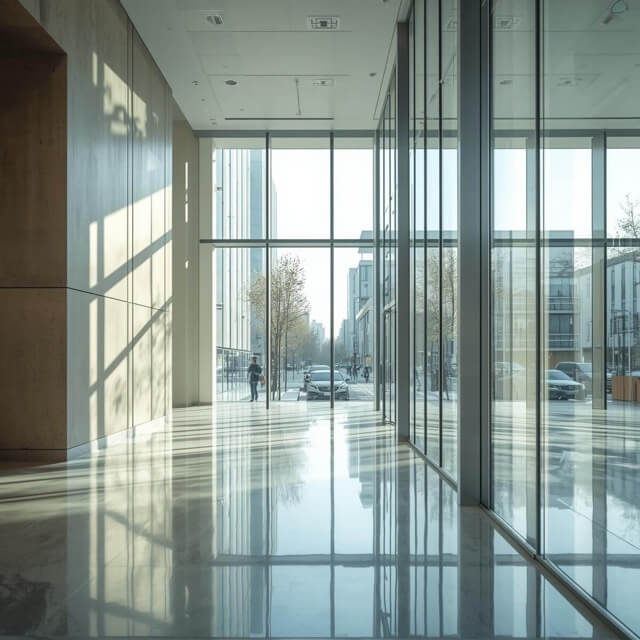
The Pervasive Problem of Modern Noise: From City Streets to Suburban Serenity
If you are searching for practical ways to understand how to reduce noise pollution at home, the answer begins with identifying how sound enters your living space and upgrading the weakest points in your home’s acoustic envelope.
The quest for peace and quiet within one’s home is a challenge increasingly faced by discerning homeowners, regardless of their immediate surroundings. Modern life, with its constant hum of activity, has transformed noise pollution from an urban inconvenience into a pervasive issue. This article provides an authoritative guide on how to reduce noise pollution at home, transforming your living space into a tranquil sanctuary. From the incessant drone of traffic and distant construction to the less obvious sounds of overhead flight paths and neighboring lawn care, unwanted noise infiltrates our personal spaces, eroding the tranquility we seek.
Defining Acoustic Comfort: What Constitutes a Peaceful Living Environment
Acoustic comfort extends beyond mere silence. It is the subjective experience of aural well-being, characterized by control over one’s sound environment. It implies the absence of disruptive noise while allowing for the presence of desired sounds, such as conversation or music, without interference. Achieving this comfort often means maintaining a background noise level low enough to prevent distraction, ensure speech intelligibility, and protect auditory privacy. It directly correlates with an environment conducive to rest, concentration, and overall quality of life.
The Impact of Unwanted Sound: Beyond Annoyance to Well-being and Property Value
The intrusion of unwanted sound into a home transcends simple annoyance. Chronic exposure to noise pollution is a documented stressor, contributing to sleep disturbance, elevated blood pressure, and impaired cognitive function, particularly in children. It diminishes the restorative quality of one’s home, impacting mental clarity and overall physical health. For property owners, a home perpetually infiltrated by external noise can also suffer a tangible reduction in perceived value, as acoustic comfort becomes an increasingly significant determinant of desirability in the high-end residential market.
Common Sources of Home Noise: Identifying Internal and External Challenges
Understanding the provenance of noise is the first step toward mitigation. Home noise typically originates from two primary categories:
External Noise Sources
- Traffic: Vehicular noise from cars, trucks, and motorcycles, particularly from busy roads or highways.
- Aircraft: The distinctive roar of planes, especially for properties under flight paths.
- Construction & Commercial Activity: Intermittent but often intense sounds from nearby building sites or commercial operations.
- Environmental Sounds: Loud weather conditions, landscaping equipment, or even persistent animal sounds.
- Neighboring Activities: Music, voices, or outdoor gatherings from adjacent properties.
Internal Noise Sources
- HVAC Systems: The operational hum or air movement sounds from heating, ventilation, and air conditioning units.
- Plumbing & Appliances: Water flows through pipes, dishwashers, washing machines, or refrigerators.
- Home Entertainment Systems: Sound bleed from televisions, stereos, or home theaters.
- Adjacent Rooms: Voices, footsteps, or general activity migrating between internal spaces.
For many homes, the most significant point of external noise ingress is the window system, representing a critical vulnerability in the building envelope’s acoustic performance.
Beyond Band-Aids: Why Common Noise Solutions Fall Short for Lasting Peace
The Allure of Quick Fixes: DIY Approaches and Their Inherent Limitations
In the face of persistent noise, the appeal of readily available, do-it-yourself solutions is understandable. Homeowners often seek immediate relief through accessible, budget-friendly options, such as heavy drapes, weatherstripping, or strategic furniture placement. While these measures may offer a marginal subjective improvement, they frequently fall short of providing the significant, lasting acoustic peace required for genuine comfort. These quick fixes tend to address symptoms rather than the fundamental architectural weaknesses contributing to noise transmission.
Exploring Basic Soundproofing Techniques: Curtains, Seals, and Insulation
A variety of common strategies are often employed to mitigate home noise. These include:
- Heavy Curtains and Drapes: Thicker fabrics can absorb some sound within a room and slightly reduce sound reflections, but their mass is insufficient to block significant airborne noise transmission.
- Window Seals and Weatherstripping: Improving the seal around existing windows and doors can prevent sound leaks through gaps, offering some improvement, particularly for high-frequency sounds. However, this addresses only air leakage, not sound transmission through the glass itself.
- Rugs and Carpeting: Floor coverings absorb reverberant sound within a room, reducing echo and improving the room’s internal acoustics, but they do little to block noise entering from outside.
- Insulation and Wall Treatments: Adding insulation to walls or using acoustic panels can help with internal sound isolation or absorption, yet these are ineffective against noise entering through windows, which typically have a far lower Sound Transmission Class (STC) rating than a well-insulated wall.
Understanding Decibel Reduction Expectations: The Gap Between Theory and Reality
The effectiveness of any noise reduction strategy is best understood in terms of decibel (dB) reduction. It is crucial to recognize that the human ear perceives changes in loudness logarithmically. A reduction of just 1-3 dB might be barely noticeable. A 5-7 dB reduction is generally considered noticeable, while a 10 dB reduction is perceived as roughly halving the sound’s loudness. Most common DIY or soft furnishing solutions typically offer only a modest 2-5 dB reduction, which, while perhaps a slight improvement, often fails to deliver the profound sense of quiet homeowners genuinely seek when facing significant noise problems. The gap between perceived quiet and the reality of minor decibel changes can be a source of frustration.
Why Standard Solutions Struggle with Significant Noise Problems
The primary reason conventional, non-architectural noise solutions prove inadequate for significant sound problems lies in a fundamental principle of acoustics: sound will always find the path of least resistance. In a residential structure, windows are almost invariably the weakest link in the building envelope’s acoustic defense. Standard single-pane windows, and even many double-pane units, possess significantly lower sound transmission class (STC) ratings compared to a well-insulated wall.
Basic soundproofing techniques, while valuable for minor issues or internal acoustic comfort, do not fundamentally alter the sound-blocking performance of these critical entry points. They absorb some sound, mitigate drafts, or reduce internal reflections, but they do not add the substantial mass, create the necessary air gap, or introduce the specific sound-dampening properties required to block high levels of external airborne noise effectively. For true acoustic transformation, a solution must directly address and dramatically improve the STC rating of the windows themselves, a challenge beyond the scope of simple home remedies.
The Achilles’ Heel of Your Home: Why Windows are the Primary Pathway for Noise
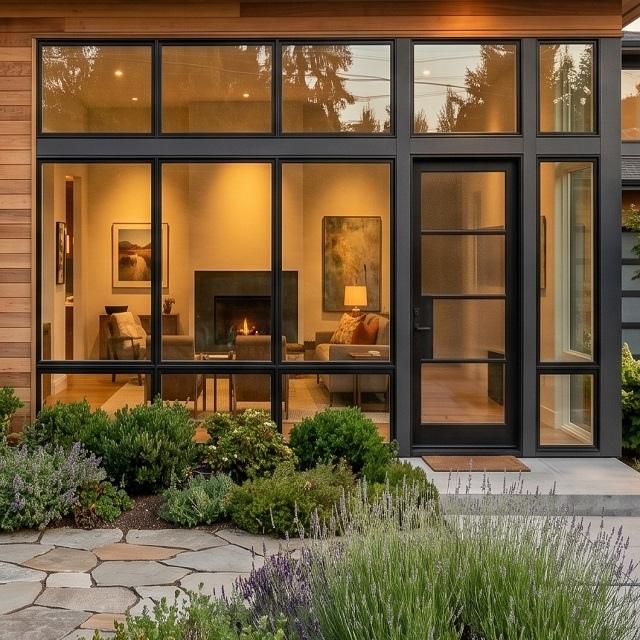
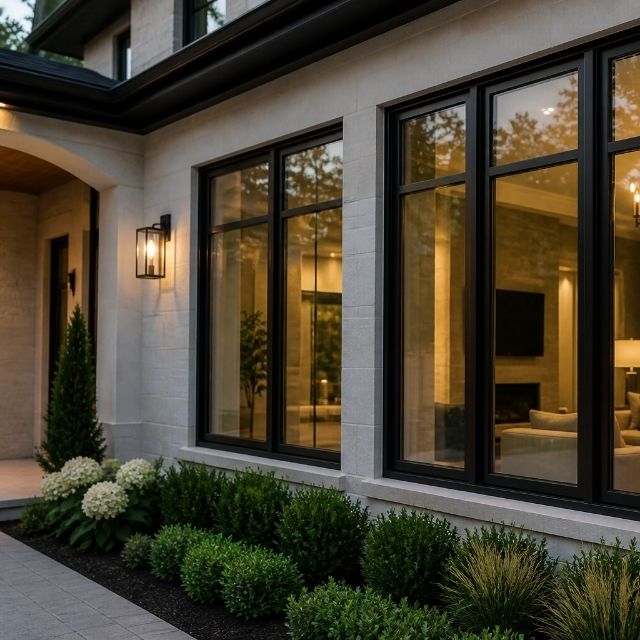
The Building Envelope’s Weakest Link: Fenestration as a Sound Conduit
Every structure possesses a “building envelope,” the physical separator between the conditioned interior and the unconditioned exterior environments. This envelope comprises walls, roofs, floors, and fenestration elements like windows and doors. While walls and roofs are typically constructed with multiple layers of dense materials designed for structural integrity and insulation, windows inherently represent a break in this robust barrier. Their primary purpose, to admit light and offer views, often comes at the cost of acoustic performance, making them the most vulnerable point for external noise intrusion.
How Standard Windows Facilitate Sound Transmission: Glass Thickness and Air Leaks
Standard residential windows, particularly older single-pane installations, are inherently poor sound insulators. Their limited mass allows sound waves to easily vibrate through the thin glass, acting like a drum skin. Even modern double-pane windows, while offering improved thermal performance, often fall short acoustically if not specifically designed for sound reduction. Furthermore, air leaks around frames, sashes, and seals are significant contributors to noise transfer. Sound, like air, exploits the path of least resistance, and even minute gaps can substantially compromise a window’s overall acoustic integrity.
The Physics of Sound Intrusion: Understanding Vibration and Resonance
Noise travels as pressure waves through the air. When these waves encounter a solid surface like a windowpane, they impart energy, causing the material to vibrate. This vibration then re-radiates sound into the interior space. The effectiveness of a material in blocking sound is largely dependent on its mass, stiffness, and sound-damping characteristics. A particular challenge arises with resonance, where a material vibrates with greater amplitude at certain frequencies. Thin glass panes can resonate with common outdoor noises, effectively amplifying rather than diminishing them, especially mid-frequency sounds.
Quantifying the Problem: Baseline Sound Transmission Class (STC) Ratings of Typical Windows
To objectively measure how well a building element blocks airborne sound, we use the Sound Transmission Class, or STC, rating. A higher STC value indicates better sound insulation.
- Single-pane windows typically have STC ratings in the range of 18-20. This offers minimal noise reduction, allowing most conversations and street sounds to be clearly audible.
- Standard double-pane windows, often found in modern homes, usually achieve STC ratings between 25-30. While an improvement, an STC 30 window still permits loud speech and typical urban noise to be easily heard, albeit at a reduced level.
- For context, a 10-point increase in STC rating roughly halves the perceived loudness of noise. To achieve a truly significant reduction in noise, particularly from urban environments, an STC rating well above 35 is generally required.
Addressing Specific Noise Culprits: Traffic Noise, Urban Din, and Environmental Sounds
The type of noise dictating the required STC can vary. Low-frequency traffic noise, mid-frequency urban chatter, and high-frequency environmental sounds (e.g., birdsong, construction tools) all transmit differently. However, windows consistently serve as the primary entry point for this diverse spectrum of noise. Standard windows struggle particularly with low-frequency sounds due to their inherent lack of mass and the phenomenon of acoustic coincidence, where sound waves at certain frequencies pass through thin panes with minimal attenuation. This makes them a critical weak point regardless of the specific noise source.
An Engineered Silence: The Architectural Principles Behind Superior Sound Reduction
The Science of Acoustic Performance: Beyond Simple Soundproofing
Achieving true acoustic comfort extends far beyond rudimentary soundproofing techniques, which often imply merely adding soft materials or sealing obvious gaps. Instead, it demands an understanding of architectural acoustic principles, leveraging materials and designs specifically engineered to impede sound transmission. This involves a scientific approach to isolating, absorbing, and deflecting sound waves, ensuring that noise energy is dissipated or reflected before it can infiltrate the interior space. The goal is to create a controlled acoustic environment, not simply to muffle existing sounds.
Harnessing Sound Transmission Class (STC) Ratings: What the Numbers Truly Mean
As discussed, the STC rating is a critical metric for evaluating sound insulation. However, understanding what these numbers truly represent for a homeowner’s experience is key. Each additional STC point indicates a measurable improvement in sound attenuation, but the human ear perceives changes logarithmically.
- An increase of 5 STC points is generally considered a noticeable improvement.
- An increase of 10 STC points represents a significant halving of perceived loudness.
Therefore, moving from a standard STC 28 window to a system rated at STC 38 or higher offers a dramatically quieter interior. It transforms intrusive noise into a distant, background hum, fundamentally changing the living experience.
The Power of Mass and Damping: Engineering for Effective Noise Attenuation
Two fundamental principles are crucial for effective sound reduction:
- Mass: Simply put, heavier, denser materials are more effective at blocking sound. Sound waves have difficulty vibrating and passing through substantial mass. This is why concrete walls are better sound insulators than drywall. In window design, this translates to thicker glass or multiple layers of glass.
- Damping: This refers to the ability of a material to dissipate vibrational energy rather than transmit it. Certain materials, like specific polymers, excel at absorbing and converting sound energy into minute amounts of heat. Incorporating such sound-dampening layers within a window system is vital for breaking the direct transmission path of sound waves through rigid materials like glass.
The Critical Role of Air Gaps: Creating Acoustic Decoupling for Optimal Results
Perhaps one of the most effective strategies in acoustic design for windows is the strategic use of an air gap. When two panes of glass are separated by an air space, they become acoustically “decoupled.” Sound waves passing through the first pane lose energy as they enter the air gap, and then lose more energy as they encounter the second pane. This significantly reduces the direct transmission of vibration.
- Impact of Gap Size: A larger air gap generally provides superior sound attenuation. The greater the separation between the glass panes, the more effectively the sound energy can dissipate within the gap.
- Preventing Resonance: An appropriately sized air gap also helps to prevent the two panes from vibrating sympathetically, or resonating, at the same frequencies, which would otherwise undermine the sound-blocking effort.
Explaining Laminated Glass Technology: Enhanced Sound Reduction Through Design
Laminated glass technology stands out as a sophisticated solution for superior noise reduction. Unlike traditional monolithic glass or even standard insulated glass units, laminated glass consists of two or more panes of glass bonded together by an interlayer, most commonly made from Polyvinyl Butyral (PVB).
- Damping Layer: The PVB interlayer acts as a viscoelastic sound-damping layer. When sound waves cause the glass to vibrate, the soft, flexible interlayer absorbs and dissipates this vibrational energy, preventing its efficient transfer across the entire pane. This is a crucial distinction from simply adding more glass, as the interlayer specifically targets the damping of sound.
- Mass and Decoupling: When integrated into a larger system, laminated glass contributes mass and, if combined with an air gap and another pane, further enhances acoustic decoupling. This multi-layered approach tackles sound transmission from several angles, yielding significantly higher STC ratings.
- Additional Benefits: Beyond acoustics, laminated glass also offers enhanced security by holding together when broken, improved UV protection, and can contribute to thermal performance. This multi-functional aspect makes it an ideal material for high-performance architectural applications where quiet, safety, and comfort are paramount.
Professional-Grade Solutions: Introducing High-Performance Retrofit Glazing
Elevating Your Home’s Acoustic Performance: The Concept of Retrofit Systems
Achieving truly significant noise reduction demands an engineered approach that directly addresses the weakest links in a building’s envelope. This often brings us to windows, which are typically the primary conduits for external sound. High-performance retrofit glazing systems, effectively acting as soundproof windows for the home, offer a sophisticated architectural solution, effectively creating a high-performance acoustic barrier without the disruption and cost of full window replacement. These systems involve adding a secondary, precision-engineered layer to the interior of existing window frames, transforming standard fenestration into a formidable sound buffer.
The Mechanics of Advanced Acoustic Window Inserts: A Layered Approach
The efficacy of advanced acoustic window inserts lies in their layered design and material science. Unlike a simple second pane of glass, these systems leverage specific engineering principles to attenuate sound waves. Key elements include:
- Decoupling: A critical air gap is maintained between the existing window and the new insert. This separation prevents sound vibrations from easily transferring from one pane to the other, effectively “decoupling” the two surfaces.
- Mass and Damping: The insert itself is typically constructed from specialized materials such as laminated glass or specific acrylics, which are denser and possess inherent sound-dampening properties. This added mass helps to reflect and absorb sound energy.
- Sealing: Precision-engineered seals around the perimeter of the insert prevent acoustic leaks, ensuring that sound cannot bypass the barrier through gaps.
This combination creates a multifaceted barrier that is highly effective at disrupting and diminishing sound waves across a broad frequency spectrum.
Engineering for Significant Decibel Reduction: Illustrative Scenarios of STC Improvement
The performance of acoustic glazing is quantified using the Sound Transmission Class (STC) rating, a single-number measure of a material’s or assembly’s ability to reduce airborne sound. Standard single-pane windows might have an STC rating in the low 20s, while typical double-pane units might reach the high 20s. However, these figures are often insufficient for areas plagued by persistent noise.
High-performance retrofit glazing systems are engineered to drastically elevate these ratings. It is not uncommon for such systems to boost the STC rating of an existing window assembly by 10 to 20 points or more. For example, an original window with an STC of 27 could be upgraded to an STC of 40 or even 45+. To illustrate the real-world impact:
- An STC 27 might allow loud speech to be clearly understood.
- An STC 35 would reduce loud speech to a murmur.
- An STC 40+ can make heavy city traffic or construction noise nearly inaudible, effectively helping to reduce traffic noise in the house, transforming a chaotic exterior into a tranquil interior.
This level of decibel reduction represents a substantial improvement in acoustic comfort, making a tangible difference in daily living.
Seamless Architectural Integration: Preserving Aesthetics While Enhancing Comfort
For discerning homeowners and architects, the visual impact of any modification is paramount. A significant advantage of advanced retrofit glazing systems is their ability to deliver superior acoustic performance without compromising a home’s aesthetic integrity. These systems are designed for unobtrusive integration, meaning:
- Preservation of Original Windows: They maintain the existing window frames, sashes, and exterior appearance. This is particularly crucial for historic properties or homes with custom fenestration.
- Minimal Visibility: The interior inserts are often custom-fitted and designed to blend seamlessly with the existing interior trim and finishes, appearing as a natural extension of the window assembly.
- No Exterior Alteration: From the exterior, the property’s design remains unchanged, addressing a common concern for clients who value their home’s curb appeal and architectural character.
This ensures that the pursuit of enhanced comfort does not necessitate a sacrifice in design, offering a truly elegant solution.
The Expertise of Installation: Why Professional Implementation is Crucial for Performance
The sophisticated engineering behind high-performance retrofit glazing demands an equally professional and precise installation. Unlike off-the-shelf DIY solutions, these systems require specialized knowledge and techniques to achieve their advertised acoustic performance. Key reasons why expert installation is non-negotiable include:
- Precise Measurement and Fit: Each insert must be custom-measured and fitted to ensure an airtight seal and optimal air gap, both critical for sound attenuation.
- Material Handling: Specialized glazing materials require careful handling and installation to prevent damage and ensure their integrity.
- Acoustic Sealing: Correct application of acoustic-grade seals around the perimeter of the insert is vital to prevent flanking paths for sound. Even minor gaps can significantly degrade performance.
- Structural Integration: Ensuring the retrofit system is securely and correctly integrated into the existing window frame without compromising its structural integrity.
Improper installation can severely diminish the system’s effectiveness, leading to disappointing results and wasted investment. Professional installers guarantee that the engineered solution performs as designed, delivering the promised decibel reduction and comfort.
More Than Just Quiet: Unlocking Dual Benefits with Advanced Retrofit Systems
Beyond Acoustic Comfort: The Enhanced Security Advantage of Specialized Glazing
While the primary motivation for considering professional-grade retrofit glazing often centers on acoustic comfort, a significant, often overlooked, benefit is the substantial enhancement of a home’s security. Many advanced acoustic glazing solutions are inherently designed with materials and structures that offer superior resistance to impact and penetration. This dual functionality means that an investment made for peace and quiet simultaneously fortifies your home against external threats.
Fortifying the Building Envelope: Deterring Intrusion with Robust Window Systems
Windows are commonly identified as the most vulnerable points of entry for intruders. Standard glass, even double-pane, offers minimal resistance against blunt force. High-performance retrofit glazing, however, significantly strengthens these vulnerabilities. The robust materials used in these engineered systems, such as laminated acrylic or polycarbonate, create a formidable barrier that is far more difficult to breach than conventional glass. This added layer acts as a powerful deterrent, often preventing opportunistic intruders from even attempting forced entry, as the time and effort required become prohibitive.
Mitigating External Threats: Protection Against Forced Entry and Impact
The specialized construction of advanced retrofit systems provides robust protection against a range of external threats. These include:
- Forced Entry: The layered, impact-resistant materials can withstand repeated blows from common tools, significantly delaying or preventing an intruder’s access.
- Vandalism: The durable surface resists scratching and other forms of damage, maintaining the aesthetic appeal and integrity of the window.
- Impact Protection: Beyond human threats, these systems also offer enhanced protection against accidental impacts or even severe weather events, such as flying debris during storms.
This advanced security glazing does not shatter like traditional glass. Instead, it typically absorbs impact or cracks in a way that maintains its barrier function, keeping the exterior out.
The Value Proposition: Combining Peace of Mind with Physical Security
The decision to invest in advanced retrofit glazing extends beyond mere soundproofing. It is an investment in comprehensive well-being. The dual benefits of superior acoustic comfort and enhanced physical security deliver an unparalleled value proposition for homeowners. This combination translates directly into:
- Elevated Peace of Mind: Knowing your home is quieter and more secure contributes significantly to your sense of safety and comfort.
- Improved Quality of Life: A quieter home promotes better sleep, concentration, and relaxation, while enhanced security reduces anxiety.
- Holistic Home Enhancement: It is a strategic upgrade that addresses multiple facets of modern living, making your home a true sanctuary.
This integrated approach provides a robust and intelligent solution for the discerning client.
Long-Term Benefits: Energy Efficiency and Increased Property Resilience
Beyond the immediate advantages of quiet and security, advanced retrofit glazing systems offer additional long-term benefits that further enhance a property’s value and sustainability. The added layer of glazing and the sealed air gap create a highly effective thermal barrier, significantly improving the window’s insulation properties. This leads to:
- Enhanced Energy Efficiency: Reduced heat transfer means less reliance on heating and air conditioning, translating into noticeable savings on energy bills.
- UV Protection: Many advanced glazing materials offer superior UV filtration, protecting interior furnishings, artwork, and flooring from sun damage and fading.
- Increased Property Resilience: The fortified window systems contribute to the overall resilience of the building envelope, offering better protection against extreme weather conditions and extending the lifespan of existing windows.
Thus, these systems represent a multifaceted investment that yields continuous returns in comfort, safety, and operational efficiency over the life of the property.
Integrating Serenity: Selecting an Acoustic Solution That Preserves Your Home’s Design Integrity
While the pursuit of quiet is paramount, it should not come at the expense of a home’s intrinsic character or architectural vision. For discerning homeowners and the architects who serve them, the challenge lies in identifying sound reduction solutions that seamlessly integrate, rather than detract from, the existing design. True architectural solutions offer a path to profound acoustic improvement without compromising aesthetic integrity or historical accuracy.
Prioritizing Aesthetics: Solutions for Discerning Homeowners and Architects
The sophisticated homeowner often views their residence as a curated space, an extension of their personal style and values. For this audience, and for architects committed to preserving design intent, any modification must enhance, not diminish, the property’s appeal. This means moving beyond bulky or visually disruptive additions that might offer some acoustic benefit but compromise the very essence of the home. The ideal solution provides a high degree of noise attenuation while remaining virtually unnoticeable, a testament to thoughtful engineering and design.
Maintaining Original Window Charm: Options for Historical or Unique Fenestration
Many residences boast historical or custom-designed windows that are integral to their architectural identity. These fenestration elements often present a unique challenge for acoustic upgrades. Traditional replacements can be prohibitively expensive, disrupt original detailing, or even be prohibited by historical preservation guidelines. A superior approach involves solutions that work with the existing fenestration, rather than replacing it. This can include:
- Retrofit glazing systems: These systems are designed to be installed on the interior or exterior of existing windows, creating an insulating air space that significantly improves acoustic performance without altering the original sash or frame.
- Non-invasive installation techniques: The best solutions utilize mounting methods that require minimal alteration to the existing window structure, preserving historical integrity and avoiding costly restoration work.
- Customizable profiles: Products that can be tailored to match existing trim lines or be virtually invisible from both inside and out are essential for maintaining architectural charm.
Such considerations are critical for preserving the value and authenticity of period homes or structures with distinctive architectural features.
Virtually Invisible Upgrades: Ensuring Design Harmony Post-Installation
The hallmark of a truly engineered acoustic solution is its ability to perform robustly without drawing attention to itself. For windows, this translates to systems that blend seamlessly with the existing interior and exterior finishes. The goal is to enhance the window’s performance in terms of sound reduction and often thermal insulation, without visually altering its appearance or the home’s facade. This requires precise manufacturing, slim profiles, and thoughtful integration, ensuring that the visual impact is negligible. When an upgrade is virtually invisible, it means the architectural design remains undisturbed, and the focus shifts entirely to the newfound peace and quiet within.
Evaluating Long-Term Value: Performance, Durability, and Maintenance Considerations
Investing in an acoustic solution for your home is a long-term decision that extends beyond initial installation costs. The true value is realized through sustained performance, inherent durability, and minimal maintenance requirements.
Key Aspects of Long-Term Value:
- Acoustic Effectiveness: The solution must deliver consistent, high-level noise reduction over many years, unaffected by environmental factors or aging.
- Material Durability: Components should be engineered from robust materials that resist wear, impact, and degradation from UV exposure or temperature fluctuations. This includes materials like high-grade acrylic or polycarbonate, which offer superior impact resistance compared to standard glass.
- Security Enhancement: Many high-performance acoustic glazing systems inherently offer enhanced security, protecting against forced entry, and in some cases, even ballistic threats. This dual benefit significantly increases the overall value proposition.
- Ease of Maintenance: Low-maintenance systems ensure that the homeowner’s time and resources are not burdened by complex cleaning or repair processes. Simple cleaning routines, similar to those for standard windows, are ideal.
- Warranty and Support: A comprehensive manufacturer’s warranty and accessible technical support are indicators of a quality product and a commitment to customer satisfaction.
Selecting a solution with these attributes ensures that the investment continues to pay dividends in comfort, security, and peace of mind for decades.
Consulting with Experts: Tailoring Solutions to Specific Noise Profiles and Architectural Styles
Every home and every noise problem is unique. Therefore, a generic, one-size-fFits-all approach to acoustic remediation is rarely effective. Engaging with specialists in architectural acoustics and high-performance glazing is crucial. These experts can perform a detailed analysis of your specific noise challenges, identify the primary sound pathways, and assess your home’s unique architectural characteristics.
The Expert Consultation Process Typically Involves:
- Noise Assessment: Identifying the type, frequency, and intensity of external noise sources.
- Architectural Review: Analyzing window types, construction, historical significance, and aesthetic requirements.
- Performance Specifications: Recommending specific Sound Transmission Class (STC) ratings or Outdoor-Indoor Transmission Class (OITC) ratings based on the desired level of noise reduction.
- Custom Solution Design: Tailoring a system that integrates seamlessly with existing windows while meeting performance goals.
- Installation Planning: Coordinating with contractors to ensure precise and non-invasive installation.
This professional approach ensures that the chosen solution is not only acoustically effective but also maintains the architectural integrity and aesthetic appeal of your home, delivering a truly bespoke outcome.
Conclusion: Key Takeaways and Your Path to Lasting Acoustic Serenity
Recapitulating the Core Argument: The Imperative for Architectural Solutions
The journey to a quieter home culminates in a fundamental understanding. Superficial fixes offer only fleeting relief. True, lasting acoustic serenity demands an architectural solution that directly addresses the weakest link in a building’s envelope: its windows. This shift from temporary measures to engineered upgrades is not merely about reducing decibels. It is about reclaiming the sanctity and comfort of your living space with a professional-grade approach.
The Transformative Impact of Engineered Sound Reduction on Home Life
Implementing an engineered sound reduction strategy profoundly impacts daily life. Beyond the immediate benefit of reduced noise, it contributes to improved sleep quality, enhanced concentration for work or study, and a greater sense of privacy and well-being. A home transformed by effective acoustic design becomes a true sanctuary, resilient to the intrusions of the outside world, fostering an environment where peace and productivity can thrive.
Embracing a Professional-Grade Approach for Uncompromised Comfort and Security
A professional-grade acoustic solution, particularly one involving advanced security glazing, offers a dual advantage. It delivers superior noise attenuation alongside robust protection against forced entry, accidental impact, and even more severe threats. This holistic approach ensures that comfort is not achieved at the expense of security, providing uncompromised peace of mind for residents and a smart investment for property owners. It represents an upgrade to your home’s performance envelope, enhancing both its quiet and its resilience.
Empowering Informed Decisions: Moving Beyond Superficial Fixes to Strategic Upgrades
Making an informed decision about noise reduction requires understanding the limitations of conventional solutions and recognizing the long-term benefits of strategic, architectural upgrades. By prioritizing performance, aesthetic integration, durability, and expert consultation, homeowners and architects can confidently select solutions that truly deliver on their promise. This empowers a shift from reactive, short-term fixes to proactive, enduring enhancements.
Your Next Steps: Reclaiming Your Home with Architectural Acoustic Excellence
The path to lasting acoustic serenity is clear. Begin by assessing your specific noise challenges and understanding your aesthetic requirements. Then, seek out expert advice from specialists in high-performance glazing and architectural acoustics. Engage with providers who offer engineered, retrofit solutions designed to integrate seamlessly with your existing windows, preserving your home’s character while profoundly enhancing its comfort and security. By taking these decisive steps, understanding how to reduce noise pollution at home, you can transform your home into the tranquil haven it was meant to be, proving that true peace is an architectural possibility.
Frequently Asked Questions
What is the most effective way to reduce noise pollution at home?
The most effective strategy involves an architectural solution focusing on your windows, which are typically the weakest link in your home’s sound insulation. Professional-grade retrofit glazing systems, such as acoustic window inserts, are engineered to significantly reduce sound transmission without requiring full window replacement.
How do I know if acoustic window inserts will work for my specific noise problem, like traffic noise?
Acoustic window inserts are highly effective at reducing various external noises, including traffic noise, urban din, and environmental sounds. Their performance is measured by an STC (Sound Transmission Class) rating. A professional acoustic assessment can determine the appropriate STC rating needed to mitigate your specific noise profile and significantly reduce traffic noise in your house.
Will installing soundproof windows for my home change its appearance or compromise its design?
High-performance soundproof windows for home, especially retrofit glazing systems, are specifically designed for seamless architectural integration. They are custom-fitted to the interior of your existing window frames, preserving your original windows and exterior aesthetics. The goal is to enhance acoustic performance without altering your home’s design integrity.
What are the benefits of advanced security glazing beyond just sound reduction?
Advanced security glazing offers dual benefits. In addition to superior decibel reduction, these robust systems significantly enhance your home’s security by deterring forced entry and providing protection against impact, vandalism, and even ballistic threats. They also offer long-term advantages such as improved energy efficiency and UV protection.
Why are DIY soundproofing methods often insufficient for significant noise problems?
DIY methods like heavy curtains or weatherstripping offer minimal sound dampening (typically 2-5 dB reduction) because they do not address the fundamental acoustic weakness of windows. Sound will always find the path of least resistance. For true acoustic comfort, an engineered solution that adds significant mass, damping, and an air gap is required to effectively block airborne noise.