- Beyond ‘Soundproof’: Deconstructing the Myth of Absolute Window Silence
- The Science of Silence: Decoding Acoustic Performance Metrics (STC vs. OITC)
- Understanding Sound Transmission Class (STC) Ratings: What They Measure and Why They Matter
- The Importance of Outdoor-Indoor Transmission Class (OITC) for Exterior Noise
- Factors Influencing a Window’s Acoustic Performance: Mass, Airspace, and Damping
- Limitations of Single-Pane and Standard Double-Pane Glazing for Noise Control
- Engineering Acoustic Serenity: The Mechanics of Advanced Retrofit Glazing
- The Core Principle of Acoustic Dampening through Retrofit Systems
- How Laminated Polycarbonate Layers and Air Gaps Work in Concert for Attenuation
- The Role of Patented and Engineered Systems in Enhancing Fenestration Performance
- Illustrative Improvements: Elevating Existing Window STC/OITC Ratings with Retrofit Solutions
- Beyond Noise: The Synergistic Advantage of Acoustic and Security Glazing
- Uniting Environmental Comfort with Robust Forced-Entry Protection
- The Dual-Layered Benefit: Laminated Glass and Polycarbonate for Multifaceted Protection
- Mitigating Broader Threats: From Noise Pollution to Enhanced Impact Resistance
- The Strategic Value of a Combined Solution vs. Disparate Investments
- Seamless Integration: Preserving Design Integrity with “Virtually Invisible” Solutions
- Architectural Integration: Specifying Advanced Acoustic Retrofit Glazing for Your Projects
- Key Considerations for Acoustic Performance Assessment and Project Scoping
- Matching Specific Noise Reduction Goals with Engineered Retrofit Solutions
- Understanding Installation Processes for Minimal Disruption to Occupants and Operations
- Long-Term Performance, Maintenance, and Warranty Considerations for Building Owners
- Partnering with Acoustic Engineering Specialists for Optimal Project Outcomes
- Conclusion: Key Takeaways and Next Steps
- Frequently Asked Questions
Beyond ‘Soundproof’: Deconstructing the Myth of Absolute Window Silence

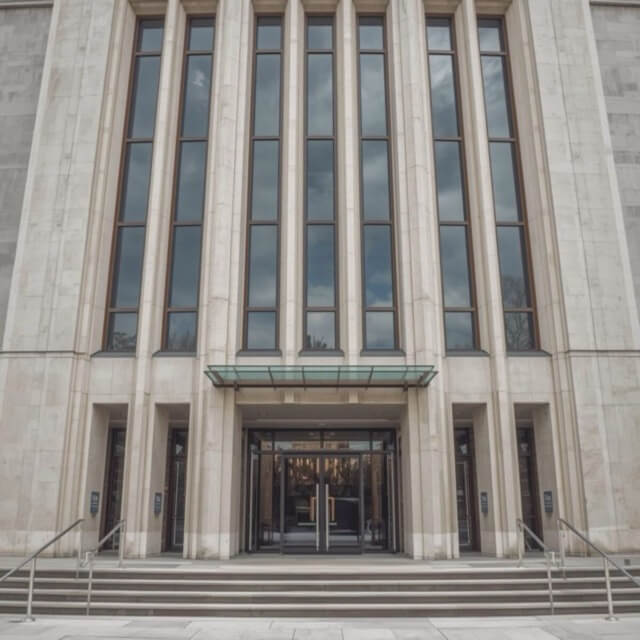
The Elusive Ideal: Why “Soundproof” Windows are a Misnomer in Architectural Acoustics
The term “soundproof windows” often conjures an image of absolute silence, an unattainable ideal in the realm of architectural acoustics. In reality, no material or assembly can completely block all sound transmission. Sound energy, a physical vibration, will always find a path or be attenuated to varying degrees. The goal in architectural design is not soundproofing, but rather effective sound attenuation, reducing sound to a level that provides acoustic comfort and minimizes disturbance. This distinction is crucial for architects and building owners, as it shifts focus from an impossible standard to engineered, measurable solutions.
Common Misconceptions About Window Noise Reduction
Several common misconceptions often cloud the understanding of window noise reduction. One prevalent belief is that simply installing thicker glass will resolve significant noise issues. While increased mass does contribute to better sound attenuation, it is only one component of a multifaceted acoustic design. Another frequent misunderstanding is that standard double-pane windows, designed primarily for thermal insulation, inherently offer superior acoustic performance. Without specific acoustic engineering, the uniform air gap in typical insulated glass units (IGUs) can sometimes create a resonance effect. This means certain frequencies are amplified rather than effectively blocked, resulting in only marginal acoustic improvement over single-pane glazing for specific noise profiles.
The Fundamental Challenge of Building Envelope Acoustics
The building envelope represents the primary barrier against external environmental noise. Windows, by their nature, are inherently the weakest link in this envelope from an acoustic perspective. Unlike solid walls with significant mass, windows consist of relatively thin materials and have numerous potential air leakage points around their frames and seals. Sound, much like air or water, will exploit the path of least resistance. Addressing window acoustics, therefore, requires a comprehensive understanding of how sound propagates, including direct transmission through the glass and frame, as well as flanking paths around the window unit itself.
Reframing Expectations: From “Soundproof” to “Advanced Sound Attenuation”
Given the technical realities, it is more accurate and productive to reframe expectations from the elusive concept of “soundproof” to achieving “advanced sound attenuation.” This acknowledges that the objective is to significantly reduce unwanted noise to create an acoustically comfortable interior environment, rather than eliminate it entirely. By focusing on measurable performance metrics and engineered solutions, architects can specify window systems that deliver tangible acoustic improvements, aligning with a practical and technically sound approach to building design. This perspective allows for the integration of solutions that not only enhance acoustic comfort but also preserve the aesthetic integrity of the building.
The Science of Silence: Decoding Acoustic Performance Metrics (STC vs. OITC)
Understanding Sound Transmission Class (STC) Ratings: What They Measure and Why They Matter
The Sound Transmission Class (STC) is a single-number rating system widely used to quantify how well a building partition, such as a wall, door, or window, attenuates airborne sound. It represents the decibel reduction in noise levels from one side of the partition to the other, specifically across the frequency range of 125 Hz to 4000 Hz. While STC ratings provide a valuable benchmark for general noise reduction, particularly for interior sound control, their applicability to exterior noise sources with lower frequency components can be limited. Higher STC values indicate greater sound attenuation.
The Importance of Outdoor-Indoor Transmission Class (OITC) for Exterior Noise
For applications addressing exterior noise sources like traffic, aircraft, or industrial activity, the Outdoor-Indoor Transmission Class (OITC) rating offers a more accurate and relevant metric than STC. OITC is specifically designed to evaluate the sound isolation performance of exterior building elements, including windows, doors, and curtain walls, against prevalent outdoor noise spectra. Its calculation incorporates a broader and lower frequency range, typically from 80 Hz to 4000 Hz, giving greater weight to the lower frequency sounds common in outdoor environments. Therefore, when specifying acoustic glazing for urban or high-noise locations, OITC provides a more representative measure of actual performance.
Factors Influencing a Window’s Acoustic Performance: Mass, Airspace, and Damping
Effective window sound attenuation is a result of carefully engineered interactions between several key factors:
- Mass: Generally, the greater the mass of the glazing, the more energy is required to set it into vibration, thus reducing sound transmission. Thicker glass panes inherently offer more mass.
- Airspace: The air gap between multiple panes of glass plays a critical role. An asymmetrical air gap, where the distance between panes is varied, can disrupt sound waves more effectively than a uniform gap. Introducing a wider airspace also generally improves acoustic performance by decoupling the panes.
- Damping: Damping refers to the ability of a material to dissipate vibrational energy. Laminated glass, incorporating a viscoelastic interlayer between two panes of glass, is a prime example of a damping mechanism. This interlayer absorbs sound vibrations, preventing them from passing directly through the assembly.
Limitations of Single-Pane and Standard Double-Pane Glazing for Noise Control
Traditional glazing systems often fall short in providing adequate noise control for modern architectural demands. Single-pane windows, with their minimal mass and direct sound path, offer very limited sound attenuation, typically achieving STC ratings in the low 20s. Standard double-pane insulated glass units (IGUs), while excellent for thermal performance, often have a small, uniform airspace that can inadvertently lead to a “coincidence effect.” This phenomenon occurs when specific sound frequencies match the resonant frequency of the glass-air gap system, causing the glass to vibrate in sync and effectively transmit those frequencies, thus limiting overall acoustic improvement. For true acoustic comfort, especially against common outdoor noise, more advanced, engineered solutions are required beyond these conventional approaches.
Engineering Acoustic Serenity: The Mechanics of Advanced Retrofit Glazing
The Core Principle of Acoustic Dampening through Retrofit Systems
The fundamental challenge in addressing unwanted noise ingress through fenestration lies in disrupting the direct transmission path of sound waves. Traditional methods often advocate for full window replacement, which can be disruptive, costly, and architecturally compromising. Advanced retrofit glazing systems, conversely, operate on the principle of creating a secondary, decoupled barrier. This approach effectively introduces an additional layer of material and an insulating air gap to the existing window assembly, significantly enhancing its sound attenuation capabilities without altering the original facade.
How Laminated Polycarbonate Layers and Air Gaps Work in Concert for Attenuation
Effective acoustic dampening in retrofit solutions relies on the synergistic interplay of specific materials and an engineered air gap. The core component is a proprietary laminated polycarbonate panel. Unlike monolithic glass, the multi-layered polycarbonate structure inherently dampens vibrations and dissipates sound energy more effectively. When this panel is installed a precise distance from the existing window pane, it creates a sealed air pocket. This air gap acts as an acoustic insulator, reflecting and absorbing sound waves as they attempt to pass through, thereby interrupting the transmission of vibrational energy. The combined effect of the dense, laminated polycarbonate and the strategic air space provides a superior barrier against external noise. This system is a prime example of advanced window sound attenuation.
The Role of Patented and Engineered Systems in Enhancing Fenestration Performance
Generic additions to existing windows rarely achieve optimal acoustic performance. True advancements in sound attenuation come from patented and meticulously engineered retrofit systems. These systems are not merely additional panes of glass. They are precisely manufactured solutions designed to integrate seamlessly with existing fenestration. Engineering considerations extend to the selection of specific polycarbonate compositions, the optimal width of the air gap, and the design of mounting systems that prevent acoustic flanking paths. This scientific approach ensures maximum Sound Transmission Class (STC) and Outdoor-Indoor Transmission Class (OITC) ratings are achieved, delivering verifiable improvements in indoor acoustic comfort while maintaining the integrity of the original window.
Illustrative Improvements: Elevating Existing Window STC/OITC Ratings with Retrofit Solutions
The tangible benefit of engineered retrofit glazing systems is their proven ability to substantially improve the STC and OITC ratings of existing windows. For instance, a standard single-pane window might possess an STC rating in the low 20s. The addition of a high-performance retrofit system can elevate this into the mid-to-high 30s or even low 40s. Similarly, OITC ratings, which are crucial for evaluating performance against common external noise sources like traffic and aircraft, see significant gains. This level of improvement often translates to a perceptible reduction in perceived noise by 75% or more, creating a measurably quieter indoor environment. This dramatic enhancement is achieved without the need for extensive structural modifications or the aesthetic compromises inherent in full window replacements. These acoustic window inserts provide a superior way to reduce traffic noise through windows.
Beyond Noise: The Synergistic Advantage of Acoustic and Security Glazing
Uniting Environmental Comfort with Robust Forced-Entry Protection
The strategic advantage of advanced retrofit glazing systems extends far beyond mere acoustic comfort. These solutions uniquely converge the demand for a serene interior environment with the critical necessity for enhanced security. For architects and building owners, this unified approach represents an intelligent investment. Instead of addressing noise pollution and security vulnerabilities as separate, discrete problems requiring distinct and often visually disparate solutions, a single, integrated retrofit system delivers both environmental comfort through superior sound attenuation and robust protection against various threats. This synergy simplifies project execution and optimizes resource allocation.
The Dual-Layered Benefit: Laminated Glass and Polycarbonate for Multifaceted Protection
The very composition that makes retrofit systems effective for acoustic dampening also contributes significantly to their security capabilities. The outer layer, typically the existing window’s glass, provides initial resistance and maintains the building’s aesthetic. The inner layer, a high-strength laminated polycarbonate panel, forms the core of the enhanced protection. This material is inherently more resilient than glass, offering superior resistance to impact, forced entry, and even ballistic threats, depending on the specific system’s engineering. The combination creates a formidable barrier that is incredibly difficult to breach, providing occupants with both peace of mind and protection against a range of hazards. This security glazing is engineered to mitigate risks effectively.
Mitigating Broader Threats: From Noise Pollution to Enhanced Impact Resistance
The comprehensive nature of these retrofit solutions means they mitigate a broad spectrum of threats. While the primary acoustic benefit addresses noise pollution, the inherent strength of the polycarbonate layer extends protection to:
- Forced Entry: Significantly delays or prevents unauthorized access through windows.
- Blast Mitigation: Offers enhanced protection against pressure waves and flying debris from explosions.
- Ballistic Resistance: Certain engineered systems can withstand various ballistic threats.
- Weather Extremes: Provides added resilience against high winds, impacts from airborne debris during storms, and seismic activity.
This holistic approach transforms a building’s fenestration from a potential vulnerability into a multifaceted protective asset.
The Strategic Value of a Combined Solution vs. Disparate Investments
Considering the complexities of modern building management, investing in a combined acoustic and security retrofit glazing solution presents compelling strategic value over disparate, single-purpose investments. Opting for separate soundproofing measures and security upgrades often leads to:
- Increased Costs: Multiple installations, labor, and material procurement.
- Design Compromise: Separate systems can introduce visual clutter or alter the building’s original design intent.
- Extended Project Timelines: Coordinating multiple contractors and installation schedules.
- Reduced Efficiency: Potential for redundancy or suboptimal integration between different systems.
A single, integrated retrofit system, by contrast, offers a streamlined, cost-effective, and aesthetically discreet solution that addresses multiple critical building performance requirements simultaneously, preserving the architectural vision while enhancing both comfort and safety.
Seamless Integration: Preserving Design Integrity with “Virtually Invisible” Solutions
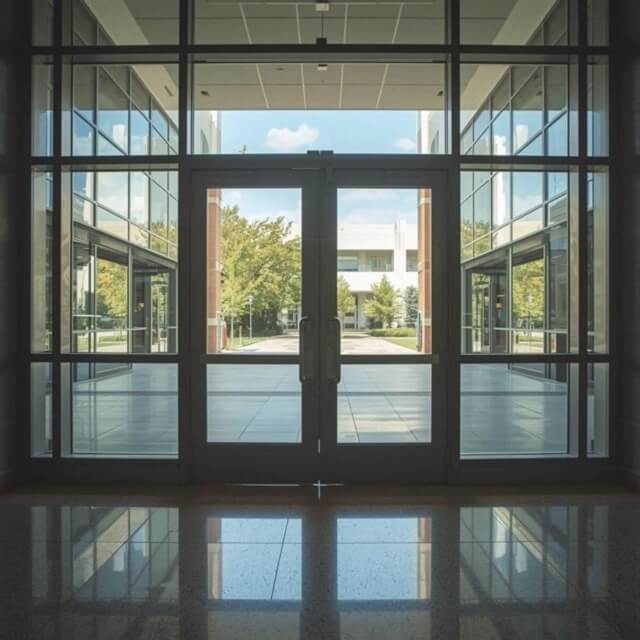

Addressing the Architect’s Dilemma: Security Without Compromising Aesthetics
For architects and building owners, the challenge of enhancing security and comfort often collides with the imperative to preserve architectural aesthetics. Traditional security enhancements, such as bulky grilles, fortified framing, or opaque films, frequently detract from a building’s original design intent. This dilemma forces a difficult compromise between functional requirements and visual integrity. Advanced retrofit glazing systems directly address this conflict by offering robust security and superior acoustic performance solutions that integrate seamlessly, leaving the building’s facade and window sightlines uncompromised.
The “Virtually Invisible” Advantage: Maintaining Original Window Appearance and Facade
The hallmark of engineered retrofit glazing for both security and sound attenuation is its “virtually invisible” characteristic. Unlike full window replacements that alter the frame, glass type, and often the overall aesthetic, retrofit solutions are installed on the interior side of the existing window system. This approach means the original exterior facade, frame, and glass remain untouched, preserving the architectural authenticity and historical character of the building. The retrofit panels are precisely engineered to integrate cleanly with the existing window jamb, often featuring sleek, low-profile designs that are imperceptible from the exterior and minimally noticeable from the interior. This is a critical factor for architects focused on preserving building aesthetics.
Avoiding Disruptive and Costly Full Window Replacement
Opting for full window replacement to achieve improved sound attenuation or security introduces significant logistical and financial burdens. Such projects typically involve extensive demolition, prolonged installation times, and substantial material costs. The disruption to building occupants and daily operations can be considerable, often necessitating temporary relocation or extended downtime. In contrast, advanced retrofit glazing systems offer a non-invasive alternative. Installations are significantly faster, typically requiring hours rather than days per opening, and generate minimal debris or noise. This efficiency translates directly into reduced project costs, minimized operational interruptions, and a more streamlined implementation process, making it a pragmatic choice for active buildings.
Compatibility Across Diverse Architectural Styles and Historical Buildings
The inherent adaptability of retrofit glazing systems makes them suitable for a vast array of architectural styles, from modern commercial high-rises to historic landmark properties. Their design flexibility allows for custom fabrication to match the exact dimensions and operational requirements of existing windows, regardless of their age or complexity. This compatibility is particularly critical for historical buildings, where preserving original fabric is paramount. Unlike full replacements that could violate preservation guidelines, retrofit solutions provide a reversible, non-destructive path to upgrading performance without sacrificing architectural integrity or historic value.
Architectural Integration: Specifying Advanced Acoustic Retrofit Glazing for Your Projects
Key Considerations for Acoustic Performance Assessment and Project Scoping
Effective acoustic retrofits begin with a comprehensive assessment of the existing noise environment and the building’s specific acoustic vulnerabilities. This involves detailed site surveys to identify dominant exterior noise sources, analyze existing window STC (Sound Transmission Class) ratings, and establish precise noise reduction objectives. Architectural and acoustic engineering specialists utilize sophisticated measurement tools and predictive modeling to quantify current noise intrusion and define the target STC improvement required for optimal interior comfort. This granular data informs the precise engineering of the retrofit solution, ensuring that the specified system delivers tangible and measurable sound attenuation.
Matching Specific Noise Reduction Goals with Engineered Retrofit Solutions
Not all noise is equal, and therefore, not all acoustic retrofit solutions are interchangeable. An engineered approach involves tailoring the retrofit glazing system to address the specific frequency profile of the prevailing external noise. For instance, low-frequency traffic noise requires different acoustic dampening strategies than high-frequency industrial sounds. Advanced retrofit systems achieve significant STC improvements, often ranging from 12 to 20 points, by strategically incorporating specific air-gap dimensions, specialized laminate layers, and optimized frame designs. The selection of glass thickness and interlayers is precisely calculated to target and mitigate the dominant noise frequencies, ensuring the most effective and efficient sound attenuation for the given environment.
Understanding Installation Processes for Minimal Disruption to Occupants and Operations
One of the significant advantages of advanced acoustic retrofit glazing is its non-disruptive installation methodology. The process typically involves custom-fabricating panels off-site, which are then delivered and meticulously installed on the interior side of the existing windows. This method avoids the need for exterior scaffolding, minimizes intrusion into occupied spaces, and drastically reduces the overall installation timeline. Most installations are completed within hours per opening, allowing for phased deployment that keeps building operations largely uninterrupted. This streamlined process ensures that occupants experience minimal disturbance, enhancing project efficiency and occupant satisfaction.
Long-Term Performance, Maintenance, and Warranty Considerations for Building Owners
Investing in advanced acoustic retrofit glazing extends beyond immediate installation. It represents a long-term commitment to building performance and occupant well-being. These engineered systems are designed for durability, often featuring robust materials and patented attachment mechanisms that ensure sustained acoustic and security performance over decades. Maintenance requirements are typically minimal, limited to routine cleaning, similar to standard window care. Building owners should prioritize manufacturers offering comprehensive warranties that cover both materials and workmanship, providing assurance of lasting quality and support. Evaluating a system’s long-term operational costs and expected lifespan is crucial for a complete understanding of its value proposition.
Partnering with Acoustic Engineering Specialists for Optimal Project Outcomes
The successful implementation of advanced acoustic retrofit glazing hinges on collaboration with experienced acoustic engineering specialists. These experts possess the knowledge to conduct thorough site analyses, recommend appropriate STC ratings and material specifications, and oversee the precise installation. Their involvement ensures that the chosen retrofit system is optimally designed to meet specific noise reduction goals, integrate seamlessly with existing architecture, and comply with all relevant building codes and performance standards. Partnering with these specialists from the initial assessment through post-installation verification is critical for achieving superior acoustic outcomes and maximizing the return on investment in building comfort and security.
Conclusion: Key Takeaways and Next Steps
Reaffirming the Paradigm Shift: From “Soundproof” to Engineered Sound Attenuation
The conventional pursuit of “soundproof windows” often leads to approaches that are both technically inefficient and aesthetically compromising. The term itself implies an absolute, which is rarely achievable or necessary in practical applications. Instead, a more precise and effective paradigm focuses on engineered sound attenuation. Advanced retrofit glazing systems represent this shift, moving beyond the limitations of full window replacements to offer targeted, measurable improvements in acoustic performance. These systems leverage specialized laminates and air gap designs to significantly enhance STC ratings, providing a superior solution for mitigating environmental noise without the invasive and costly procedures associated with traditional methods. This engineering-centric approach ensures optimal noise reduction while preserving the structural and design integrity of the existing fenestration.
The Strategic Value Proposition for Architects and Building Owners
For architects, the imperative to balance security enhancements with design aesthetics is paramount. Traditional security upgrades or complete window overhauls often necessitate compromises that detract from a building’s original architectural vision. Retrofit security glazing systems, however, present a compelling strategic value proposition. They integrate seamlessly with existing windows, offering a virtually invisible layer of protection against various threats, from forced entry to ballistic impacts, all while significantly improving acoustic comfort. This non-invasive integration directly addresses the critical need for solutions that safeguard design integrity.
For building owners, the value extends to operational efficiency and tenant satisfaction. Retrofit solutions avoid the extensive downtime, high material costs, and labor-intensive processes associated with full window replacements. This translates to a more cost-effective pathway to enhanced security and acoustic performance, directly contributing to asset value and occupant well-being. The dual benefit of superior sound attenuation and robust security, achieved without altering a building’s exterior or interior design, makes this an indispensable consideration for modern property management.
Embracing Multi-Benefit Solutions for Modern Building Challenges
Modern urban and commercial environments present a complex array of challenges, from persistent noise pollution to evolving security threats. Addressing these issues in isolation often results in fragmented, expensive, and visually disruptive solutions. Engineered retrofit glazing stands as a prime example of a multi-benefit solution capable of tackling several challenges concurrently and cohesively. By integrating advanced laminates and attachment systems, these solutions provide:
- Significant Acoustic Performance Improvement: Elevating STC ratings to create quieter, more comfortable interior spaces.
- Enhanced Security: A robust defense against forced entry, ballistic threats, and blast mitigation, protecting occupants and assets.
- Architectural Preservation: Maintaining the original aesthetic and historical character of the building, a crucial factor for architects and conservationists.
- Cost-Effectiveness: A more economical and less disruptive alternative to full window replacement.
This holistic approach underscores a strategic shift towards integrated solutions that deliver comprehensive value, aligning security, comfort, and design preservation within a single, elegant system.
A Call to Action: Exploring Advanced Retrofit Glazing for Your Next Project
The evidence unequivocally points towards advanced retrofit glazing as a superior, multi-faceted solution for contemporary building challenges. We encourage architects, building owners, and facility managers to move beyond conventional notions of “soundproof windows” and consider the engineered advantages offered by these innovative systems. Investigating the technical specifications and implementation benefits of retrofit glazing is a strategic step towards achieving enhanced security, superior acoustic comfort, and preserved architectural integrity. We invite you to explore how these sophisticated solutions can integrate seamlessly into your next project, delivering measurable improvements and long-term value.
Frequently Asked Questions
What are the key differences between STC and OITC ratings for windows?
STC (Sound Transmission Class) is a rating that measures how well a building material or assembly attenuates airborne sound across a frequency range of 125 Hz to 4000 Hz, often used for interior noise. OITC (Outdoor-Indoor Transmission Class) is specifically designed for exterior noise, such as traffic or aircraft, incorporating a broader and lower frequency range of 80 Hz to 4000 Hz to more accurately represent outdoor sound profiles.
Can retrofit glazing truly reduce traffic noise through windows effectively?
Yes, advanced retrofit glazing systems are specifically engineered for superior window sound attenuation, offering significant improvements in OITC ratings. By adding a decoupled layer of laminated polycarbonate and a strategic air gap to existing windows, these systems can dramatically reduce external noise, including traffic, creating a measurably quieter interior environment.
How do retrofit window inserts impact a building’s design aesthetics?
Unlike full window replacements or bulky traditional security measures, advanced retrofit window inserts are designed to be “virtually invisible.” They are installed on the interior side of the existing fenestration, preserving the original exterior facade, frames, and glass. Their low-profile design integrates cleanly with the window jamb, ensuring minimal aesthetic impact from both inside and out.
What are the security benefits of acoustic glazing retrofit systems?
Beyond noise reduction, the laminated polycarbonate used in high-performance acoustic glazing retrofit systems provides robust security. It offers enhanced resistance against forced entry, impact, and can even be engineered to withstand ballistic threats and provide blast mitigation. This dual functionality means one system addresses both acoustic comfort and critical security needs.
Is installing retrofit glazing less disruptive or costly than replacing existing windows?
Yes, installing retrofit glazing is significantly less disruptive and generally more cost-effective than full window replacement. Installations are typically completed within hours per opening, minimizing operational downtime and occupant disturbance. This avoids the extensive demolition, prolonged timelines, and higher material and labor costs associated with replacing entire window units.