- Beyond Basic Noise Control: Why Traditional Noise Dampening Panels Fall Short for Architects
- Decoding Acoustic Performance: The Science Behind STC and OITC Ratings
- Revolutionizing Acoustic Insulation: The Power of Retrofit Security Glazing
- The Multi-Layered Mechanism: Laminated Glass, Air Gaps, and Polycarbonate Explained
- How Decoupled Systems and Mass-Spring Principles Enhance Soundproofing
- Patented Retrofit Security Systems: An Advanced Approach to Acoustic Barriers
- Superior Performance Compared to Acoustic Window Inserts and Soundproof Glass Windows
- Seamless Integration, Uncompromised Vision: Preserving Design with Advanced Glazing
- Beyond Sound: The Multi-Layered Advantages of a Hardened Building Envelope
- Strategic Specification: Unifying Security, Acoustics, and Aesthetics in Architectural Design
- Conclusion: Key Takeaways and Next Steps
- Frequently Asked Questions
Beyond Basic Noise Control: Why Traditional Noise Dampening Panels Fall Short for Architects
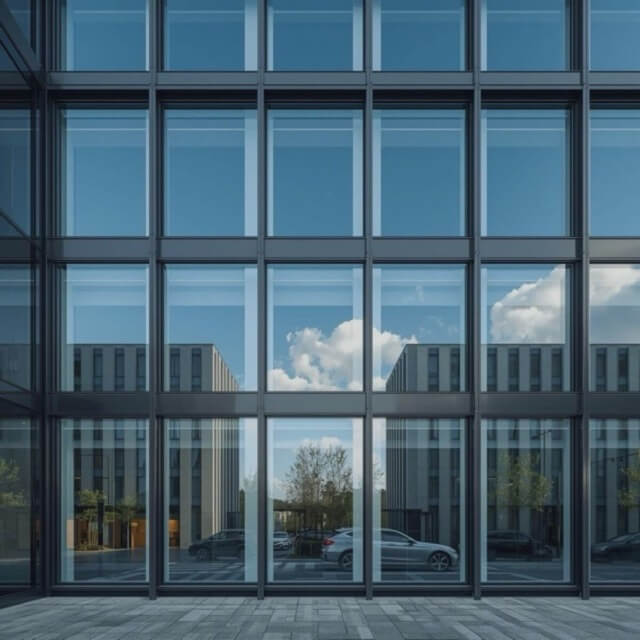
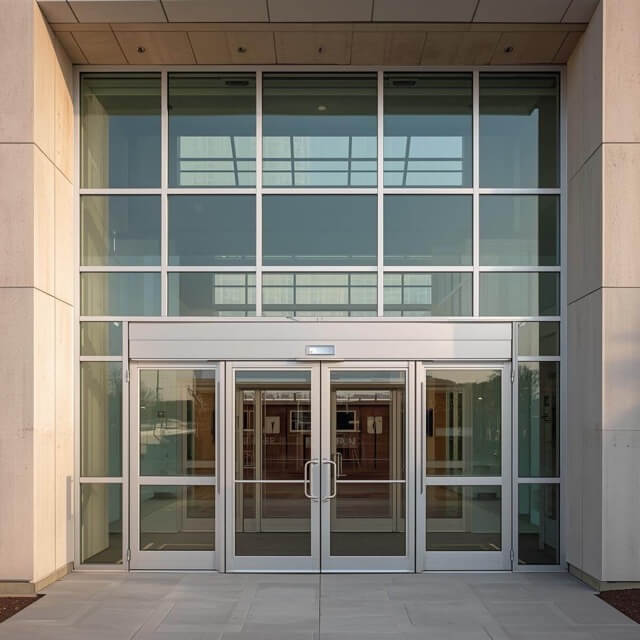
The Architect’s Initial Search: Addressing External Noise Pollution
Noise-dampening panels may seem like a simple fix for exterior noise pollution, but today’s architects are increasingly turning to advanced glazing systems that combine superior acoustic insulation with enhanced security and unobtrusive design.
Architects frequently grapple with mitigating external noise intrusion, a critical factor for occupant comfort, interior tranquility, and overall building functionality. This necessity often initiates a search for straightforward acoustic solutions, with noise-dampening panels commonly emerging as an initial consideration for attenuating unwanted sound.
The Aesthetic and Practical Limitations of Noise Dampening Panels
Traditional noise-dampening panels, while conceptually simple, introduce significant aesthetic and practical challenges when applied to fenestration. They inherently obstruct views, fundamentally alter the building’s original design intent, and often require bulky installations that disrupt existing window lines and frames. For high-design architectural projects, this aesthetic compromise is frequently deemed unacceptable. Furthermore, their application can impede natural light penetration, compromise ventilation strategies, and complicate routine maintenance or emergency egress, creating a cascade of secondary issues that undermine the architectural vision.
Understanding the Inefficiency of Single-Purpose Solutions
Relying on single-purpose solutions like noise-dampening panels represents an inefficient use of both resources and the building envelope’s inherent potential. These installations are designed to address only one specific aspect of performance, acoustic attenuation, leaving other critical vulnerabilities unaddressed. A modern building, particularly in urban or high-threat environments, demands integrated solutions that simultaneously enhance multiple performance metrics. This singular focus often overlooks opportunities for synergistic protection that can be achieved through multi-functional systems, which can provide superior acoustic performance alongside other essential benefits.
Decoding Acoustic Performance: The Science Behind STC and OITC Ratings
Effective acoustic design hinges on a precise understanding of how sound travels and how building materials attenuate it. Two primary metrics define this performance for architectural components, especially glazing systems: Sound Transmission Class (STC) and Outdoor-Indoor Transmission Class (OITC). Differentiating between these ratings is critical for specifying solutions that genuinely meet project requirements.
Defining Sound Transmission Class (STC) for Interior Comfort
Sound Transmission Class (STC) quantifies a material’s or assembly’s ability to reduce airborne sound passing through it across a range of frequencies (typically 125 Hz to 4000 Hz). This rating system is predominantly utilized for interior building elements like walls, doors, and partitions to ensure acoustic privacy and comfort within a structure. A higher STC rating indicates greater sound attenuation, primarily focusing on mid to high-frequency sounds characteristic of speech.
Understanding Outdoor-Indoor Transmission Class (OITC) for Façade Performance
While STC provides valuable insights for interior sound control, the Outdoor-Indoor Transmission Class (OITC) offers a more accurate and relevant metric for exterior-facing building components, particularly glazing systems and entire facade assemblies. OITC specifically accounts for the lower-frequency sounds prevalent in outdoor environments, such as vehicular traffic noise, aircraft, and construction equipment. This rating provides a comprehensive assessment of how effectively a facade system mitigates broadband external noise pollution from entering the building.
Why Relying on STC Alone Can Be Misleading
Specifying exterior windows and doors based solely on STC can be profoundly misleading and lead to unsatisfactory acoustic outcomes. STC ratings are weighted towards mid to high-frequency sounds, which are less representative of typical outdoor noise spectra where lower frequencies dominate. Consequently, a glazing system with a seemingly high STC might still perform poorly against common urban low-frequency noise sources if its OITC is inadequate. This disparity can result in occupant dissatisfaction and project failure in achieving desired quiet environments, despite fulfilling STC specifications.
The Importance of Material Properties in Acoustic Design
The acoustic performance of any barrier, particularly complex multi-layer systems like advanced architectural glazing, is intrinsically linked to its fundamental material properties and precise layered composition. Factors such as overall mass, inherent stiffness, internal damping characteristics, and the strategic inclusion of air gaps or specialized laminated interlayers critically influence both STC and OITC ratings. Understanding how these elements interact to dissipate sound energy is fundamental to designing truly effective sound attenuation systems that meet stringent performance criteria.
Revolutionizing Acoustic Insulation: The Power of Retrofit Security Glazing
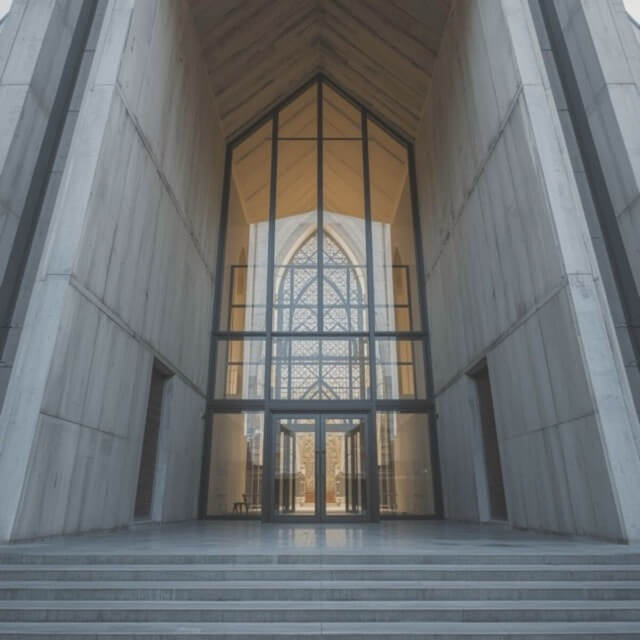
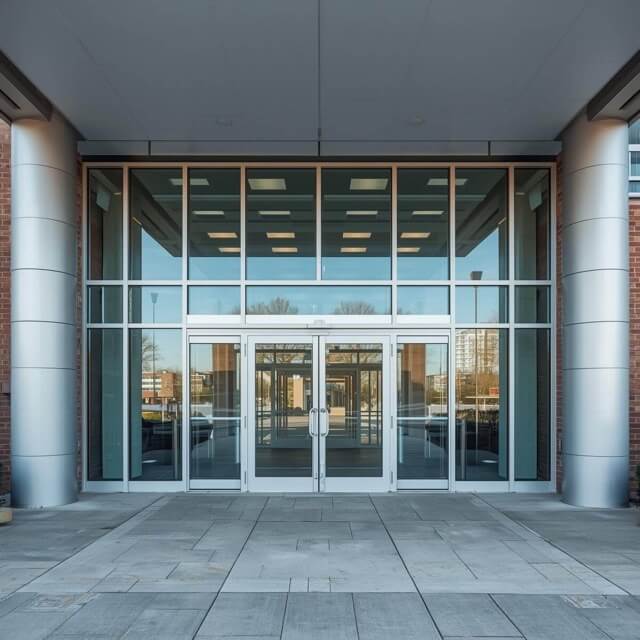
Architects confronting the challenge of exterior noise mitigation require solutions that are both effective and intelligently integrated. Single-purpose noise-dampening panels often fall short, offering limited acoustic performance while introducing aesthetic compromises. A more advanced and holistic approach emerges with retrofit security glazing systems, engineered to deliver superior acoustic insulation as an inherent co-benefit to robust physical security.
The Multi-Layered Mechanism: Laminated Glass, Air Gaps, and Polycarbonate Explained
Effective sound attenuation in glazing systems relies on a strategic combination of materials and structural design. Modern retrofit security glazing systems typically employ a multi-layered mechanism. Laminated glass, often forming the core, incorporates a viscoelastic interlayer that dissipates sound energy through damping. This specialized interlayer is crucial for reducing vibration transfer.
The introduction of precisely engineered air gaps between the existing glazing and the retrofit security layer creates a crucial buffer. These air spaces decouple the layers, preventing sound waves from directly transmitting through the assembly. Finally, the use of advanced materials such as high-strength polycarbonate provides significant mass and additional damping capabilities, further blocking and absorbing acoustic energy across a broad frequency spectrum.
How Decoupled Systems and Mass-Spring Principles Enhance Soundproofing
The acoustic performance of these systems is fundamentally rooted in the mass-spring-mass principle, a cornerstone of soundproofing engineering. This principle dictates that two layers of mass (the existing glass and the retrofit security glazing) separated by a flexible medium (the air gap acting as a spring) are highly effective at impeding sound transmission. As sound waves strike the first mass, some energy is reflected, some is absorbed, and some is transmitted into the “spring” (air gap). This air gap then dissipates and reflects the remaining energy before it reaches the second mass.
This decoupled system effectively creates a barrier that significantly reduces vibrational resonance and direct sound wave propagation, leading to a marked improvement in the Sound Transmission Class (STC) rating of the overall fenestration. By carefully controlling the air gap’s dimensions and the mass of each layer, engineers optimize the system for maximum acoustic attenuation.
Patented Retrofit Security Systems: An Advanced Approach to Acoustic Barriers
Proprietary retrofit security systems represent an evolution in acoustic barrier technology by leveraging their inherent structural integrity for dual-purpose functionality. These patented designs are engineered to bond securely to existing window or door frames, creating a new, highly robust glazing assembly. This approach does not merely add an extra pane; it integrates a sophisticated system that enhances both security and soundproofing simultaneously.
The engineering behind these systems specifically accounts for acoustic performance, ensuring that the additional layers and their secure attachment contribute significantly to reducing noise ingress. This advanced methodology results in an acoustic barrier that is specifically designed to meet rigorous security standards while delivering exceptional sound mitigation.
Superior Performance Compared to Acoustic Window Inserts and Soundproof Glass Windows
When critically evaluated against conventional alternatives, retrofit security glazing systems consistently demonstrate superior performance. Traditional acoustic window inserts, while offering some reduction in noise, are typically limited in their STC improvement and provide no meaningful security enhancement. Similarly, dedicated soundproof glass windows, often double or triple-pane units, primarily focus on acoustics but may not meet stringent security requirements for forced entry, ballistic resistance, or blast mitigation. Furthermore, they necessitate a complete, often costly, window replacement.
In contrast, advanced retrofit security glazing provides a comprehensive solution. It surpasses the acoustic performance of many dedicated soundproofing products, achieving higher STC ratings through its multi-layered, decoupled design, while simultaneously delivering formidable protection against physical threats. This combined capability offers a streamlined, cost-effective, and performance-driven approach unparalleled by single-function alternatives.
Seamless Integration, Uncompromised Vision: Preserving Design with Advanced Glazing
Architectural design integrity is paramount, and any proposed building envelope solution must respect and enhance the original aesthetic vision. The integration of security and acoustic solutions traditionally presented a dilemma, often forcing a compromise between functionality and visual appeal. However, advanced retrofit glazing systems redefine this paradigm.
The Aesthetic Disruption of Exterior Noise Dampening Panels
The application of exterior noise-dampening panels, a common but visually intrusive approach, often results in significant aesthetic disruption. These panels typically introduce an opaque or highly visible layer to the building facade, altering its texture, color, and depth. Such additions can block natural light, obscure views, and fundamentally change the intended architectural character of the fenestration. For projects where aesthetic continuity and the preservation of original design elements are critical, these panels represent an unacceptable compromise, actively detracting from the building’s visual harmony.
Maintaining Fenestration Integrity with Virtually Invisible Retrofit Solutions
Advanced retrofit security glazing systems are engineered with visual subtlety as a core design principle. Unlike exterior panels, these solutions are applied directly to the existing glazing or frame, within the original fenestration opening. The transparency of the high-strength materials and the precision of the installation ensure that the added layer is virtually invisible once installed.
This approach maintains the integrity of the original windows and doors, preserving natural light transmission and unobstructed views. By enhancing the performance of existing fenestration without altering its fundamental appearance, architects can achieve significant security and acoustic improvements without compromising the visual coherence of their designs.
Preserving Original Architectural Aesthetics: A Key Differentiator
The ability to preserve original architectural aesthetics is a critical differentiator for advanced retrofit glazing. For historic buildings, architecturally significant structures, or projects with specific design guidelines, maintaining the initial visual intent is non-negotiable. These systems eliminate the need for cumbersome external additions or full window replacements that could alter the facade’s historical or contemporary character.
Architects can confidently specify a solution that enhances occupant comfort and safety without requiring redesigns or sacrificing the carefully crafted visual elements of their projects. This capability allows for seamless integration, making the security and acoustic enhancements imperceptible to the casual observer.
How Advanced Glazing Aligns with Architectural Security and Design Principles
Advanced architectural glazing systems are not merely functional additions; they are sophisticated components that align perfectly with modern architectural security and design principles. They embody a holistic approach to building performance, addressing multiple objectives simultaneously. By providing superior acoustic insulation, robust physical protection against forced entry and ballistic threats, and enhanced thermal performance, these systems contribute to a more resilient, comfortable, and secure building envelope.
This multi-functional capability allows architects to achieve optimal occupant well-being and safety without compromising on aesthetic quality or historical accuracy. The integration of advanced glazing represents a strategic design choice that enhances a structure’s functionality while upholding the highest standards of architectural integrity.
Beyond Sound: The Multi-Layered Advantages of a Hardened Building Envelope
Fortifying the Building Envelope Against Physical Threats
While acoustic performance is a primary concern, modern architectural security glazing systems offer a robust defense against a spectrum of physical threats. These engineered solutions are specifically designed to resist forced entry attempts, mitigate ballistic impacts, and in some applications, provide blast protection. The inherent strength of a multi-layer laminated glass system, anchored by a high-strength interlayer, transforms the building envelope from a vulnerable point to a resilient barrier. This integrated approach ensures comprehensive security without the visual obtrusion or compromised aesthetics often associated with traditional, single-purpose security measures.
Enhanced Energy Efficiency Through Superior Insulation
Beyond their security and acoustic capabilities, these advanced architectural glazing systems significantly contribute to a building’s thermal performance. The multiple layers of glass and specialized interlayers create an enhanced insulating barrier, reducing heat transfer more effectively than standard window units. This superior thermal insulation minimizes heating and cooling loads, leading to substantial reductions in energy consumption and associated operational costs. Architects can thus achieve higher levels of occupant comfort and contribute to ambitious sustainability targets without compromising on security or sound control.
Comprehensive UV Protection for Interior Preservation
The high-performance interlayers within architectural security glazing are engineered to filter a significant percentage of harmful ultraviolet (UV) radiation. This comprehensive UV protection extends the lifespan and preserves the integrity of interior furnishings, artwork, and sensitive materials by preventing premature fading and degradation. Such protection is a critical, yet often overlooked, benefit that safeguards valuable interior assets and maintains the aesthetic quality of indoor spaces over time.
The Long-Term Value of a Multi-Functional Investment
Specifying a multi-functional security glazing system represents a strategic, long-term investment in a building’s overall performance and resilience. By simultaneously addressing critical needs such as acoustic insulation, physical security, energy efficiency, and UV protection, these systems deliver a superior return on investment compared to implementing disparate, single-function solutions. The consolidation of multiple benefits into a single, elegant solution not only simplifies maintenance and management but also enhances the building’s asset value and operational longevity.
Strategic Specification: Unifying Security, Acoustics, and Aesthetics in Architectural Design
Assessing Project Needs: From Urban Noise to Security Vulnerabilities
Effective architectural design begins with a thorough assessment of the specific challenges a project faces, encompassing both pervasive environmental noise and potential security vulnerabilities. Architects must move beyond isolated considerations of sound transmission or threat mitigation to evaluate the holistic performance requirements of the fenestration. This involves identifying the primary sources of external noise, such as urban traffic or nearby infrastructure, alongside an appraisal of potential risks ranging from opportunistic vandalism to more sophisticated forced entry or ballistic threats. A comprehensive understanding of these contextual factors is crucial for defining precise performance specifications.
Collaborative Design: Working with Architectural Acoustics and Security Specialists
Integrating advanced security glazing into a project necessitates a collaborative approach, engaging both architectural acoustics and physical security specialists early in the design process. These experts bring specialized knowledge of Sound Transmission Class (STC) ratings, dynamic blast loads, and forced entry protocols, ensuring that the chosen system meets rigorous performance criteria without compromising the intended aesthetic. Their involvement facilitates the selection of optimal glass compositions, interlayer technologies, and framing systems, translating complex technical requirements into seamless design solutions. This interdisciplinary collaboration is key to delivering an integrated solution that truly unifies security, acoustics, and architectural intent.
Evaluating System Components for Optimal Performance
The performance of an architectural security glazing system hinges on the precise evaluation and selection of its individual components. This includes the glass plies, which can vary in thickness and type (e.g., annealed, heat-strengthened, or tempered), and the critical interlayer material that provides adhesion, energy absorption, and UV filtering. Additionally, the framing system, its material, design, and connection to the building structure, plays a pivotal role in ensuring the entire assembly delivers the specified level of security and acoustic attenuation. Architects must scrutinize these elements to ensure they are engineered to perform synergistically against identified threats and noise profiles.
Reframing the Specification: From Problem to Integrated Solution
Ultimately, the goal is to shift from a reactive, single-problem approach to a proactive, integrated design philosophy. Architects can move beyond specifying disparate solutions for noise and security, instead embracing a unified system that intrinsically delivers both. This reorientation in specification not only streamlines the design process but also elevates the overall performance and resilience of the building, proving that superior acoustic control and robust physical security are not mutually exclusive but rather complementary aspects of sophisticated architectural design. By reframing the specification from individual problems to an integrated solution, designers can preserve aesthetic vision while enhancing occupant safety and comfort.
Conclusion: Key Takeaways and Next Steps
The pursuit of a tranquil interior environment for a building project often leads architects to consider specialized solutions for exterior noise mitigation. As we have explored, focusing solely on single-purpose noise-dampening panels overlooks a significantly more robust, efficient, and aesthetically superior approach. The paradigm shift lies in recognizing that the most effective acoustic solutions for window systems are inherently multi-functional.
The core message is clear: advanced architectural security glazing systems, engineered with multi-layer compositions and patented interlayers, deliver superior acoustic insulation not as an afterthought, but as an inherent co-benefit to their primary function of fortifying the building envelope against a spectrum of physical threats. This integrated approach directly addresses the architectural imperative for both performance and uncompromised design integrity.
Here are the key takeaways from this comprehensive analysis:
- Integrated Performance: High-performance security glazing systems simultaneously mitigate noise intrusion, forced entry attempts, ballistic threats, and blast impacts, streamlining specification and delivering comprehensive protection. They consolidate multiple performance requirements into a single, elegant solution.
- Design Preservation: Unlike obtrusive external or internal noise-dampening panels that alter the building’s aesthetic, security glazing integrates seamlessly within existing window frames. This preserves the original architectural vision and maintains critical sightlines, addressing a principal concern for design-conscious architects.
- Superior Acoustic Attenuation: Through advanced laminates and specific air gap configurations, these systems achieve significantly higher Sound Transmission Class (STC) ratings than standard glazing or add-on acoustic panels, effectively reducing ambient noise from urban environments, traffic, or adjacent construction.
- Long-Term Value and Efficiency: By adopting a multi-functional security glazing system, architects specify a solution that not only enhances occupant comfort and safety but also offers a durable, long-lasting investment that minimizes ongoing maintenance and avoids the visual clutter associated with piecemeal solutions.
- Retrofit Capability: These systems are engineered for efficient retrofit integration into existing window frames, making them a practical and less disruptive upgrade path for both new constructions and renovation projects seeking enhanced security and acoustic performance without extensive structural modifications.
For principal architects like Alex Chen, who prioritize both the functional integrity and the aesthetic vision of their projects, the strategic advantage of specifying architectural security glazing systems is undeniable. They offer a sophisticated answer to the complex challenge of environmental noise while simultaneously elevating the building’s resilience against physical threats. This consolidates specification requirements, optimizes material utilization, and ultimately delivers a superior occupant experience.
To delve deeper into how these high-performance, multi-functional glazing solutions can be precisely tailored to the unique demands of your next project, we invite you to engage directly with our engineering and architectural support teams. Our specialists are prepared to provide detailed technical specifications, performance data, and comprehensive integration guidance to ensure optimal outcomes that align with both your design objectives and security protocols.
Frequently Asked Questions
What are the main disadvantages of traditional noise-dampening panels for architects?
Traditional noise-dampening panels often obstruct views, alter a building’s original design aesthetic, and can impede natural light and ventilation. They are also single-purpose solutions, providing acoustic attenuation without addressing other critical security vulnerabilities.
How do retrofit security glazing systems improve acoustic performance?
Retrofit security glazing systems enhance acoustic performance through a multi-layered design incorporating laminated glass with viscoelastic interlayers, precisely engineered air gaps, and high-strength polycarbonate. This decoupled mass-spring system significantly reduces sound transmission across a broad frequency spectrum, resulting in higher STC and OITC ratings.
What is the difference between STC and OITC ratings for windows?
Sound Transmission Class (STC) primarily measures a material’s ability to reduce mid to high-frequency airborne sounds, common in interior environments. Outdoor-Indoor Transmission Class (OITC) is a more relevant metric for exterior building components, specifically accounting for the lower-frequency sounds prevalent in outdoor environments like traffic and aircraft noise.
Can advanced security glazing systems be installed without compromising a building’s aesthetic?
Yes, advanced retrofit security glazing systems are specifically engineered for visual subtlety. They integrate seamlessly within existing window frames, maintaining the original fenestration’s appearance, natural light transmission, and unobstructed views. This preserves the building’s architectural integrity without requiring external additions or full window replacements.
What are the multi-functional benefits of advanced architectural glazing beyond sound control?
Beyond superior acoustic insulation, advanced architectural glazing systems fortify the building envelope against physical threats like forced entry, ballistic threats, and blast impacts. They also offer enhanced energy efficiency through superior thermal insulation and comprehensive UV protection for interior preservation, providing a robust, long-term, multi-functional investment.