- The Unseen Battle: Mitigating Noise and Security Threats in Modern Architecture
- Deconstructing Acoustic Performance: Limitations of Traditional Window Soundproofing Methods
- The Science of Silence: Understanding Sound Transmission Class (STC) and OITC in Glazing
- Engineered for Quiet: How Advanced Retrofit Security Glazing Systems Create a Superior Acoustic Barrier
- The Physics of Attenuation: Leveraging Air Gaps and Dissimilar Materials for Optimal Noise Reduction
- The Role of Laminated Polycarbonate in Advanced Acoustic Insulation
- Patented Retrofit Security Systems: A Deep Dive into Their Unique Acoustic Advantages
- Optimizing the Building Envelope for Comprehensive Noise Reduction
- The Integrated Advantage: Unmatched Security as a Consequence of Superior Sound Attenuation
- From Acoustic Barrier to Fortified Defense: The Dual Functionality of Engineered Systems
- How Enhanced Security Features Naturally Elevate Acoustic Performance
- Addressing the Aesthetic Compromise: Achieving High Security Without Design Sacrifices
- Beyond Break-In: Mitigating Blast, Ballistic, and Forced Entry Threats Simultaneously
- Architectural Integration and Specification: Designing for Elite Acoustics and Aesthetics
- Seamless Integration: Maintaining Design Integrity with Retrofit Solutions
- Specifying for Diverse Acoustic Challenges: From Commercial to Residential Applications
- Long-Term Value: Durability, Maintenance, and Lifecycle Costs of Advanced Glazing
- Collaborating with Specialists: Ensuring Optimal Performance and Installation
- Illustrative Scenario: Transforming Urban Environments with Superior Acoustics
- Project Overview: Addressing Extreme Noise in a High-Traffic Urban Setting
- Performance Metrics Achieved: Documenting Drastic Noise Reduction Post-Retrofit
- Occupant Experience: The Impact of a Quiet, Secure Interior on Well-being and Productivity
- Overcoming Project-Specific Aesthetic and Structural Considerations
- Conclusion: Redefining Window Performance for the Modern Building
- Frequently Asked Questions
The Unseen Battle: Mitigating Noise and Security Threats in Modern Architecture
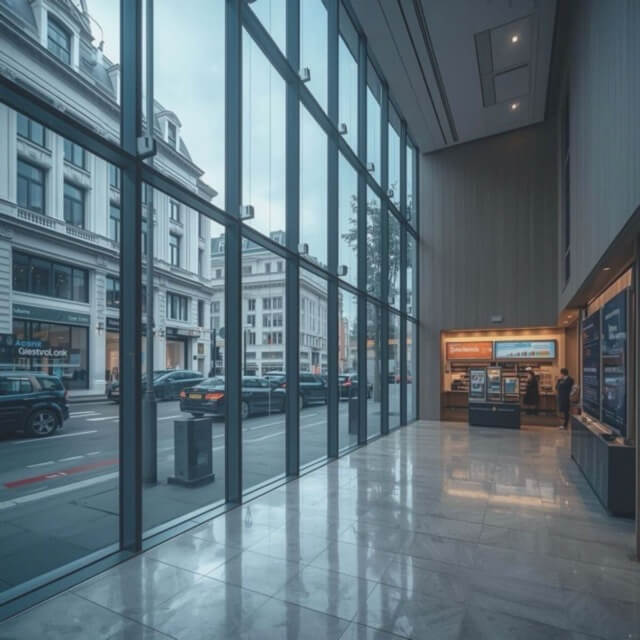
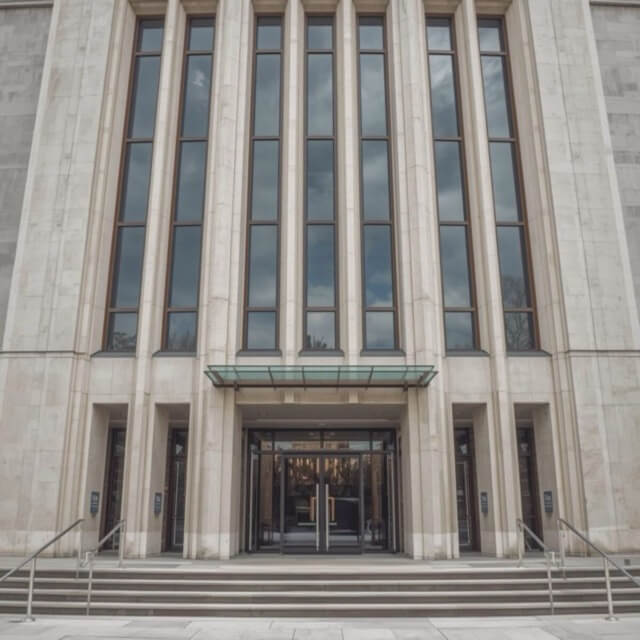
The Architect’s Dual Challenge: Performance Without Aesthetic Compromise
Contemporary architectural design increasingly demands solutions that address multifaceted building performance requirements without compromising aesthetic integrity. Architects are frequently tasked with specifying building envelope components that define the structure’s visual identity, while also delivering critical functional benefits. This often translates into a complex equation where advanced security measures must integrate seamlessly with superior acoustic properties, all while maintaining the original design intent. Difficulty arises when these performance requirements are approached as distinct challenges, leading to piecemeal solutions that can disrupt visual lines, add unnecessary bulk, or fail to achieve optimal outcomes in either domain.
The Pervasive Impact of Urban Noise on Building Occupants
The relentless expansion of urban environments has made external noise pollution a significant concern for building occupants. Traffic, construction, air travel, and general city din infiltrate interiors, impacting occupant well-being, productivity, and privacy. High noise levels contribute to stress, disrupt concentration, and can even compromise health. For commercial properties, this translates to reduced tenant satisfaction and potential depreciation of asset value. Effective sound attenuation at the building envelope, particularly through glazing, is no longer a luxury, but a fundamental requirement for creating habitable and functional spaces in dense urban areas.
Beyond Conventional Solutions: A New Paradigm for Integrated Performance
Addressing both security vulnerabilities and pervasive noise effectively requires a departure from traditional, siloed approaches. Historically, security enhancements often involved visible reinforcements, such as bars or grilles, that detracted from architectural aesthetics. Similarly, soundproofing solutions sometimes involved bulky secondary window systems or heavy, opaque materials. A truly advanced paradigm recognizes the inherent synergies between robust physical security design and high-performance acoustics. This integrated approach leverages engineered materials and system designs that, by their very nature, mitigate security threats and simultaneously deliver exceptional sound attenuation, offering a comprehensive upgrade without aesthetic compromise.
Deconstructing Acoustic Performance: Limitations of Traditional Window Soundproofing Methods
The Mechanics of Sound Transmission Through Standard Glazing
Sound energy travels through air as pressure waves. When these waves encounter a window, they induce vibrations in the glass pane. This vibration then re-radiates sound into the interior space. The effectiveness of a window in blocking sound is quantified by its Sound Transmission Class (STC) rating, where higher numbers indicate better sound attenuation. Factors influencing sound transmission include the glass thickness, the type of gas in sealed units, and the overall rigidity of the window assembly. Single-pane glass, due to its low mass and monolithic structure, offers minimal resistance to sound waves, making it a primary pathway for external noise infiltration.
Why Conventional Double-Pane Windows Fall Short of Elite Acoustic Goals
While double-pane windows, or Insulated Glass Units (IGUs), are common for thermal performance, their acoustic benefits are often limited, particularly for elite soundproofing objectives.
- Coincident Frequency Effect: The primary limitation stems from the “coincident frequency effect,” where specific sound frequencies can cause both panes of glass to resonate in phase, effectively creating an acoustic bridge rather than a barrier. This phenomenon significantly reduces sound attenuation at those critical frequencies.
- Narrow Air Gap: Standard IGUs typically feature a narrow air gap (e.g., 6mm or 1/4 inch) between panes. While this improves thermal insulation, it is often too small to effectively decouple the panes acoustically across a broad range of frequencies. Larger air gaps are generally required for substantial acoustic improvement, which can impact window thickness and weight.
- Lack of Mass Asymmetry: For optimal soundproofing, it is often beneficial to have panes of different thicknesses or mass to break up resonant frequencies. Conventional double-pane units frequently use two panes of identical thickness, negating this acoustic advantage.
The Hidden Costs and Aesthetic Compromises of Ad-Hoc Soundproofing Strategies
When conventional windows prove insufficient for noise mitigation, building owners and architects often resort to ad-hoc, post-installation solutions. These methods, while sometimes offering marginal improvement, typically incur hidden costs and introduce significant aesthetic drawbacks.
- Secondary Glazing Systems: Installing a second set of windows on the interior side provides an additional air gap and mass, improving STC ratings. However, this creates a double-frame appearance, reduces interior light, complicates window operation, and can be visually disruptive, altering the building’s original fenestration.
- Thicker Glass or Heavier Frames: Upgrading to significantly thicker glass panes or more robust window frames can increase sound attenuation, but adds substantial weight, requires structural modifications, and often means replacing entire window units, incurring considerable expense and downtime.
- Window Inserts and Films: While less invasive, these solutions offer limited acoustic improvement, often targeting only specific frequency ranges. Films, while improving shatter resistance, provide negligible soundproofing benefits. Acoustic window inserts can block light, hinder ventilation, and still present a visible, non-integrated solution.
These approaches often address only one aspect of performance, acoustics, without considering the concurrent need for security, leading to disjointed building envelope solutions that fail to meet modern architectural demands for integrated, high-performance design.
The Science of Silence: Understanding Sound Transmission Class (STC) and OITC in Glazing
The quest for tranquil interior environments in urban or high-noise areas often begins with the fenestration. To accurately assess and specify the acoustic performance of glazing systems, architects rely on standardized metrics: Sound Transmission Class (STC) and Outdoor-Indoor Transmission Class (OITC). Understanding these ratings is fundamental to achieving desired noise reduction.
Defining STC and OITC: Metrics for Acoustic Performance
Sound Transmission Class (STC) is a single-number rating system designed to quantify how effectively a building material or assembly attenuates airborne sound. Specifically, STC ratings are most relevant for internal noise sources, primarily covering the frequency range of human speech and typical indoor sounds like television or music. A higher STC value indicates greater resistance to sound transmission. For instance, a standard monolithic glass window might achieve an STC of 26-28, while a high-performance acoustic assembly can reach STC values well into the 40s or 50s.
Conversely, the Outdoor-Indoor Transmission Class (OITC) rating provides a more accurate measure of a building element’s ability to reduce low-frequency outdoor noise, such as traffic, aircraft, or industrial machinery. Unlike STC, OITC emphasizes lower frequencies, which are prevalent in exterior noise profiles. This metric is critically important for facade elements like windows and doors, where the primary concern is often external noise pollution. A robust window system designed for urban environments will demonstrate strong performance in both STC and OITC, with OITC often being the more telling indicator for exterior sound mitigation.
Factors Influencing a Window’s STC Rating: Mass, Stiffness, and Damping
The acoustic performance of a window system, quantified by its STC and OITC ratings, is fundamentally governed by three physical principles:
- Mass: Generally, the heavier and denser a material, the more effective it is at blocking sound transmission. Thicker glass panes inherently offer more mass and thus improve acoustic performance.
- Stiffness: The rigidity of the material also plays a role. While increased stiffness can resist sound energy at certain frequencies, overly stiff materials can also resonate and transmit vibrations, particularly at their natural resonant frequencies, potentially compromising broadband sound reduction.
- Damping: This refers to the ability of a material to dissipate vibrational energy, converting it into heat rather than allowing it to propagate as sound. Viscoelastic interlayers in laminated glass are prime examples of damping materials, significantly improving acoustic performance by absorbing sound energy across a broad spectrum of frequencies.
The interplay of these factors, alongside the presence of air gaps and the overall assembly design, determines the system’s ability to attenuate noise effectively.
Setting Realistic Acoustic Goals: What STC and OITC Ratings Truly Mean for Occupant Comfort
Translating STC and OITC ratings into tangible improvements in occupant comfort requires understanding what these numbers signify in practice.
- STC 25-29: Offers minimal sound reduction; most speech is clearly audible.
- STC 30-34: Provides moderate reduction; normal speech is somewhat muffled but still generally intelligible. This is typical for single-pane windows.
- STC 35-39: Good reduction, loud speech or music may be faintly heard but is unintelligible.
- STC 40-44: Very good reduction, normal speech is inaudible. This range often requires double-glazed units or laminated glass.
- STC 45+: Excellent performance, creating a highly quiet environment where even loud sounds are barely perceptible. Achieving this level typically necessitates advanced multi-pane, laminated, or retrofit acoustic systems.
For OITC, the desired rating depends heavily on the specific outdoor noise environment. An OITC of 25-30 might be adequate for a quiet suburban setting, while an urban core or airport vicinity could demand an OITC of 35-40+ to ensure occupant comfort. Architects must align these acoustic goals with the building’s function and location to specify glazing that effectively mitigates noise intrusion, ensuring interior serenity without sacrificing daylight or views. This level of detail is crucial for effective commercial soundproofing.
Engineered for Quiet: How Advanced Retrofit Security Glazing Systems Create a Superior Acoustic Barrier
The integration of security and acoustic performance in a single glazing solution represents a significant advancement. Far from being a mere byproduct, the enhanced sound attenuation capabilities of advanced retrofit security glazing systems are a direct consequence of their engineered design, leveraging fundamental acoustic principles to create a robust barrier against both threats and noise.
The Physics of Attenuation: Leveraging Air Gaps and Dissimilar Materials for Optimal Noise Reduction
Advanced retrofit security glazing systems inherently create a superior acoustic barrier by strategically employing principles of sound attenuation. Sound waves lose energy as they traverse through different media, particularly when transitioning between materials of varying densities and elastic properties.
- Air Gaps: A critical component in effective sound insulation is the creation of a decoupled system. By installing a robust, independent glazing layer over the existing window, an air gap is naturally formed. This air cavity acts as an acoustic break, significantly reducing the transmission of sound energy by disrupting its path. The wider and better sealed this air gap, the more effective the sound reduction, especially for mid-to-high frequencies.
- Dissimilar Materials: High-performance security glazing often combines the existing glass with new layers of advanced polymers, such as polycarbonate. The use of these dissimilar materials, each with unique resonant frequencies and damping characteristics, prevents sound waves from efficiently propagating through the entire assembly. This multi-material approach effectively disrupts sound wave propagation, leading to greater energy dissipation across a broad frequency spectrum.
The Role of Laminated Polycarbonate in Advanced Acoustic Insulation
The material selection in advanced security glazing, particularly the use of laminated polycarbonate, is a cornerstone of its exceptional acoustic performance. Polycarbonate, known for its high impact resistance and lightweight properties, also possesses inherent viscoelastic characteristics.
When polycarbonate is laminated with a specialized interlayer, this creates a damping effect far superior to monolithic glass of equivalent thickness. The viscoelastic interlayer, sandwiched between layers of polycarbonate or between polycarbonate and existing glass, efficiently absorbs sound wave vibrations, converting them into minute amounts of heat instead of allowing them to pass through as audible noise. This material engineering effectively damps acoustic energy, dramatically reducing sound transmission across a wide range of frequencies and contributing to a significantly higher STC and OITC rating. This inherent quality means that a system designed first for security simultaneously delivers elite soundproofing.
Patented Retrofit Security Systems: A Deep Dive into Their Unique Acoustic Advantages
Patented retrofit security systems are not simply thicker windows. They are precisely engineered assemblies that offer unique acoustic advantages, directly stemming from their security-focused design. These systems leverage a combination of material science and structural integrity:
- Multi-layered Composition: By integrating a new, high-performance security panel onto the existing glazing, these systems create a robust multi-layered construction. This typically involves the original glass, an engineered air gap, and the new laminated polycarbonate security panel. This stratification provides multiple interfaces for sound wave disruption and energy absorption.
- Robust Framing and Integration: The necessity for extreme durability in security applications translates directly to superior acoustic performance. Securely fastened, heavy-duty frames and precision-engineered mounting systems minimize flanking paths, where sound can bypass the glazing itself and transmit through gaps or weak points in the frame or surrounding wall. This meticulous integration is critical for both security efficacy and sound attenuation.
- Enhanced Damping: The core of these systems, often a patented laminate incorporating advanced polycarbonate, intrinsically dampens vibrations. This is a deliberate design choice for security, preventing shattering and resisting impacts, which coincidentally makes them exceptionally good at absorbing sound energy. The very mechanism that resists a ballistic impact or forced entry also acts as an unparalleled sound barrier.
Optimizing the Building Envelope for Comprehensive Noise Reduction
While advanced retrofit security glazing significantly elevates the acoustic performance of individual window units, true comprehensive noise reduction requires considering the entire building envelope. These systems contribute to a holistic solution in several ways:
- Seamless Integration: High-quality retrofit systems are designed for seamless integration with existing window frames, ensuring that the enhanced glazing does not introduce new sound leaks or compromise the surrounding wall assembly. This maintains the aesthetic integrity of the original design while substantially upgrading performance.
- Elimination of Weak Points: By fortifying what is often the acoustically weakest link in a building’s facade, the windows, these systems drastically improve the overall sound insulation of the exterior building envelope. This prevents the need for piecemeal acoustic treatments that might clash with architectural aesthetics.
- Dual-Purpose Upgrade: The fundamental benefit is that the investment in a retrofit security glazing system simultaneously delivers unparalleled soundproofing. This means architects and building owners can address two critical performance requirements, security and acoustics, with a single, elegant, and highly effective solution, aligning perfectly with design integrity and sustainable building practices.
The Integrated Advantage: Unmatched Security as a Consequence of Superior Sound Attenuation

From Acoustic Barrier to Fortified Defense: The Dual Functionality of Engineered Systems
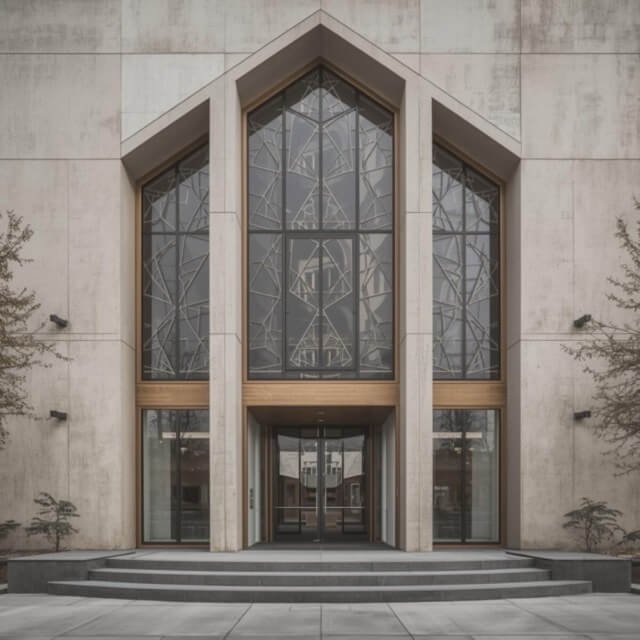
The pursuit of enhanced building security often involves the implementation of robust physical barriers. These measures, inherently designed for strength and resistance, frequently incorporate multi-layered materials and specialized construction techniques. What is often overlooked is that the very characteristics essential for fortified defense against forced entry, blast mitigation, or ballistic threats also create exceptional acoustic isolation. A system engineered to withstand external forces through increased mass, multiple laminations, and structural rigidity simultaneously becomes an incredibly effective barrier against unwanted sound transmission. This dual functionality means that investments in advanced security glazing provide a significant, often superior, co-benefit in sound attenuation, streamlining design and procurement processes.
How Enhanced Security Features Naturally Elevate Acoustic Performance
The principles governing sound attenuation are fundamentally aligned with those required for security performance. STC rating for windows is primarily improved by three factors: mass, damping, and decoupled layers or air gaps. Advanced security glazing systems inherently leverage these principles:
- Increased Mass: Security glazing often utilizes thicker glass lites and multiple layers of glass. The added mass significantly reduces the amplitude of sound waves passing through the fenestration.
- Damping Interlayers: Laminated security glass incorporates specialized interlayers, typically made from polyvinyl butyral (PVB) or ionoplast. These interlayers are designed to absorb and dissipate energy from impacts. This same property makes them highly effective at damping sound vibrations, converting acoustic energy into negligible heat.
- Multi-Pane Systems: Systems designed for blast or ballistic resistance often feature multiple glass panes separated by air or gas-filled spaces. This creates a decoupled system that breaks the transmission path of sound waves, further enhancing soundproofing performance.
The synergistic effect of these design elements means that a window engineered to deter a determined intruder or mitigate a blast event will inherently possess a superior STC rating compared to standard architectural glazing.
Addressing the Aesthetic Compromise: Achieving High Security Without Design Sacrifices
A frequent concern for architects and building owners when considering security upgrades is the potential for aesthetic compromise. Traditional security solutions can often be bulky, visually disruptive, or require significant structural alterations that detract from a building’s original design integrity. However, advanced retrofit security glazing systems are specifically engineered to integrate seamlessly with existing fenestration. These solutions are designed to be optically clear and maintain original sightlines and facade aesthetics. The strength and acoustic performance are embedded within the material layers and precise fitting mechanisms, making the security nearly invisible. This approach allows for significant security and acoustic upgrades without the need for costly and aesthetically disruptive full window replacements, directly addressing the challenge of preserving architectural design while enhancing protection.
Beyond Break-In: Mitigating Blast, Ballistic, and Forced Entry Threats Simultaneously
The engineering principles behind advanced security glazing extend far beyond simple break-in resistance. These integrated systems are rigorously tested and designed to mitigate a spectrum of severe threats simultaneously. A window system engineered for ballistic resistance, for example, shares structural and material characteristics that also make it highly effective against forced entry and certain levels of blast pressure. The multi-layered construction, specialized interlayers, and robust framing systems provide a comprehensive protective envelope. This multi-threat mitigation capability means that a single, aesthetically discreet upgrade delivers an extensive safety profile, all while providing superior sound attenuation as a core functional outcome.
Architectural Integration and Specification: Designing for Elite Acoustics and Aesthetics
Seamless Integration: Maintaining Design Integrity with Retrofit Solutions
Integrating advanced security and acoustic glazing into existing structures is a critical consideration for architects. Modern retrofit solutions are specifically designed to be non-invasive, preserving the original architectural character. These systems are typically installed on the interior side of existing windows, ensuring that the building’s exterior facade remains untouched. This approach is particularly valuable for historical buildings or those with unique architectural features where facade modifications are undesirable or prohibited. Precision-engineered frames and installation techniques ensure a perfect fit, maintaining existing sightlines and the overall aesthetic integrity while significantly upgrading both security and acoustic performance. The focus remains on an “invisible” enhancement that adds value without subtractive design.
Specifying for Diverse Acoustic Challenges: From Commercial to Residential Applications
Effective specification of advanced glazing requires a clear understanding of the diverse acoustic environments and their unique challenges. While high STC ratings are universally desirable, the specific frequencies and amplitude of noise to be attenuated can vary significantly between applications.
- Commercial Applications: Office buildings, healthcare facilities, and educational institutions often contend with external traffic noise, construction sounds, or internal HVAC system noise. Specifications here might prioritize broad-spectrum noise reduction.
- Residential Applications: Homes, particularly those in urban areas, near airports, or adjacent to busy thoroughfares, require solutions that significantly reduce human speech, vehicle noise, and other common ambient sounds to enhance occupant comfort and privacy.
Architects can specify systems with customizable STC ratings and configurations (e.g., specific interlayer types, glass thicknesses, or air gap sizes) to precisely match the acoustic requirements of the project. This ensures optimal performance against the prevalent noise sources without over-engineering or unnecessary cost.
Long-Term Value: Durability, Maintenance, and Lifecycle Costs of Advanced Glazing
Investing in advanced security and acoustic glazing represents a strategic long-term value proposition for building owners. These systems are constructed from highly durable materials engineered for longevity and resistance to degradation. Unlike separate, often less robust, acoustic window inserts or security films, integrated glazing offers inherent structural integrity and UV stability. This results in significantly reduced maintenance requirements over the building’s lifecycle. Furthermore, the enhanced thermal performance often associated with multi-pane or laminated glazing contributes to energy efficiency, leading to lower operational costs. By consolidating security and soundproofing into a single, durable system, building owners benefit from a lower total cost of ownership, fewer points of failure, and sustained high performance over decades.
Collaborating with Specialists: Ensuring Optimal Performance and Installation
Achieving the full benefits of advanced security and acoustic glazing necessitates close collaboration with industry specialists. Reputable manufacturers and certified installers possess the deep technical knowledge required to recommend the optimal solution for specific threats and acoustic challenges. Early engagement with these experts during the design phase allows for tailored specifications, precise engineering, and integration planning. Specialists can conduct thorough site assessments, provide detailed performance metrics (STC ratings, blast pressure resistance), and ensure that the installation adheres to stringent industry standards. This partnership guarantees that the sophisticated design of the glazing system translates into actual, verifiable performance, maximizing both the security and soundproofing advantages for the building.
Illustrative Scenario: Transforming Urban Environments with Superior Acoustics
Project Overview: Addressing Extreme Noise in a High-Traffic Urban Setting
Consider a mid-century high-rise office building situated at a bustling urban intersection, adjacent to a major highway and an active construction site. The existing single-pane windows offered minimal sound attenuation, resulting in significant noise infiltration that compromised occupant comfort and productivity. The building ownership sought a comprehensive upgrade that would not only drastically reduce interior noise levels but also enhance perimeter security against forced entry, all while preserving the structure’s original architectural aesthetic. The primary challenge was to achieve elite acoustic performance without resorting to bulky, obtrusive secondary glazing systems or compromising the building’s exterior building envelope.
Performance Metrics Achieved: Documenting Drastic Noise Reduction Post-Retrofit
The retrofit involved the installation of an advanced, multi-layered security glazing system, precisely engineered for both threat mitigation and superior sound attenuation. This system typically incorporates multiple panes of laminated glass, separated by air gaps and supported by robust, thermally broken frames. Before the retrofit, noise measurements inside perimeter offices indicated average sound pressure levels often exceeding 75 dBA, with peak traffic noise registering even higher.
Post-installation, comprehensive acoustic testing revealed a dramatic improvement in sound transmission.
- STC Rating Enhancement: The building’s fenestration system achieved a Sound Transmission Class (STC) rating of 45-50, a substantial increase from the original STC 20-25. This uplift directly correlates with the security glazing’s inherent mass, lamination, and air-gap properties.
- Decibel Reduction: Interior noise levels consistently registered below 45 dBA, even during peak urban activity, representing a perceived noise reduction of over 75%. This level is well within the thresholds recommended for focused work environments. The combination of laminated glazing and the precise air gap effectively disrupted sound waves across a broad frequency spectrum, significantly dampening both high-frequency traffic sounds and lower-frequency construction rumble.
Occupant Experience: The Impact of a Quiet, Secure Interior on Well-being and Productivity
The transformation within the office spaces was profound. Occupants reported a noticeable decrease in ambient noise, leading to enhanced concentration, reduced stress, and improved verbal communication. The elimination of disruptive external sounds fostered a more conducive environment for deep work and collaborative tasks. Furthermore, the inherent security benefits of the new glazing, protection against forced entry, ballistic threats, and extreme weather, provided an overarching sense of safety and peace of mind. This dual enhancement directly contributed to improved occupant well-being and, consequently, a measurable uplift in overall productivity across the building.
Overcoming Project-Specific Aesthetic and Structural Considerations
A critical aspect of this project was the imperative to maintain the building’s aesthetic integrity. The advanced retrofit security glazing system was engineered to integrate seamlessly into the existing window frames, utilizing non-invasive attachment methods that preserved the original facade.
- Architectural Preservation: The ultra-thin profile of the retrofit system meant no alteration to the external sightlines or window reveals was necessary. This preserved the historical character and aesthetic intent of the original architecture, directly addressing concerns about design compromise.
- Structural Integrity: The added weight of the security glazing was meticulously calculated. Modern retrofit systems are designed to be lightweight relative to their strength, ensuring that existing structural loads are not exceeded, or if necessary, minor reinforcement can be precisely engineered. This comprehensive approach ensured that both performance and visual continuity were achieved without structural overburden.
Conclusion: Redefining Window Performance for the Modern Building
Recapitulating the Thesis: The Inseparable Link Between Advanced Security and Superior Soundproofing
The illustrative scenario unequivocally demonstrates a critical principle: advanced security glazing is not merely a defensive measure, but a sophisticated building envelope enhancement that inherently delivers elite acoustic performance. The properties engineered into these systems for security, multi-layered construction, robust interlayers, and precise air gaps are precisely the same elements that excel in sound attenuation. Therefore, while architects and owners might traditionally seek separate solutions for security and soundproofing, the most effective and aesthetically coherent approach integrates both, proving that superior soundproofing is a direct, beneficial outcome of intelligent security design. For state-of-the-art soundproofing windows, integration is key.
Key Takeaways for Architects and Building Owners
For those tasked with enhancing existing structures, consider these critical points:
- Integrated Value: Advanced retrofit security glazing offers a dual benefit, solving both security and acoustic challenges simultaneously.
- Design Integrity: Modern systems are engineered for seamless integration, preserving or enhancing architectural aesthetics without compromise.
- Occupant Benefits: Beyond security, the improved acoustic environment directly contributes to occupant well-being, productivity, and tenant satisfaction.
- Long-Term Investment: This solution represents a strategic investment in the building’s resilience, operational efficiency, and market value.
- Energy Efficiency: Many advanced glazing systems also contribute to improved thermal performance, further enhancing sustainability.
Future Outlook: The Evolving Landscape of Integrated Building Solutions
The demand for multi-functional building components is rapidly increasing, driven by complex urban challenges, evolving threat landscapes, and a greater emphasis on occupant health and comfort. Integrated security and acoustic glazing represent a leading edge in this evolution, setting a new standard for fenestration performance. As smart building technologies advance, the ability to deliver comprehensive, non-invasive upgrades that address multiple pain points with a single solution will become increasingly vital.
Your Next Step: Embracing a Holistic Approach to Fenestration Performance
Rather than viewing security and sound attenuation as disparate problems requiring isolated interventions, consider the holistic advantages of an integrated approach. Engaging with specialists in advanced retrofit security glazing allows for a tailored analysis of your building’s specific vulnerabilities and acoustic needs. This consultation can uncover how a single, elegantly engineered solution can not only elevate your building’s security posture but also transform its interior environment into a haven of quiet productivity and comfort, all while maintaining its unique architectural identity.
Frequently Asked Questions
How do advanced security glazing systems improve soundproofing in windows?
Advanced security glazing systems inherently enhance soundproofing through their multi-layered construction, which includes thicker laminated glass, specialized viscoelastic interlayers that damp vibrations, and engineered air gaps between panes. These elements, designed for impact resistance and security, effectively absorb and dissipate sound energy, leading to significantly higher Sound Transmission Class (STC) ratings.
What is the difference between STC and OITC ratings for sound attenuation?
Sound Transmission Class (STC) measures a material’s effectiveness in reducing airborne sound, primarily focusing on speech frequencies. Outdoor-Indoor Transmission Class (OITC), however, provides a more accurate assessment for low-frequency outdoor noise sources like traffic and aircraft. While both are important, OITC is crucial for evaluating exterior sound attenuation in urban environments.
Can I achieve high-level soundproofing for my windows without compromising my building’s aesthetic?
Yes, advanced retrofit security glazing systems are specifically engineered for seamless integration. They are installed on the interior side of existing windows, maintaining the original facade, sightlines, and architectural character. These solutions offer high-level soundproofing and security benefits without the need for bulky or visually disruptive modifications.
Are these integrated soundproofing window solutions suitable for both commercial and residential properties?
Absolutely. The flexibility in design and customizable STC ratings of these advanced systems make them ideal for diverse applications. Whether addressing traffic noise in a downtown office, enhancing privacy in a luxury residence, or mitigating construction din near a hospital, these solutions can be specified to meet the unique acoustic and security challenges of various commercial and residential settings.
What are the long-term benefits of investing in integrated security and soundproofing windows?
Investing in integrated security and soundproofing windows offers numerous long-term benefits, including enhanced occupant well-being and productivity due to reduced noise, increased safety and peace of mind from advanced threat mitigation, improved energy efficiency, and a lower total cost of ownership. These durable systems require minimal maintenance and preserve the building’s aesthetic and market value over decades.