- The Challenge of Weight and Structural Load
- Retrofit Security Glazing: An Engineered Approach
- Specifying Ballistic Glazing for Modern Architecture
- Architectural Integration in Practice
- Frequently Asked Questions
For decades, specifying ballistic protection meant relying on traditional bullet resistant glass. While functionally capable of stopping projectiles, this legacy approach represents an older engineering paradigm. It forces architects and specifiers to accept significant compromises that impact structural integrity, aesthetic vision, and project budgets. Understanding these inherent limitations is the first step toward appreciating the advantages of modern, engineered retrofit systems.
The Challenge of Weight and Structural Load
The primary engineering challenge of traditional ballistic glass is its immense weight. A UL 752 Level 8 glazing panel, designed to stop multiple 7.62mm rifle rounds, can weigh over 25 pounds per square foot and be more than two inches thick. This creates a cascade of structural problems.
Existing window frames and curtain wall systems are rarely engineered to support such a significant dead load, necessitating a full rip-and-replace with custom-fabricated, heavily reinforced steel or aluminum framing. This load is then transferred to the surrounding wall, often requiring costly and invasive structural reinforcement of the facade itself. For retrofit applications in existing buildings, these requirements can render a project logistically and financially infeasible.
The Hidden Danger of Spall
A critical and often overlooked failure mode of traditional laminated glass is spall. Spall occurs when a projectile impacts the exterior surface, but the force is sufficient to eject glass fragments from the interior, or “safe side,” of the glazing. These shards can become high-velocity projectiles, posing a severe threat to building occupants even if the primary bullet is stopped.
For any occupied space, spall is an unacceptable risk. A glazing system that defeats a ballistic threat but injures personnel has failed its primary mission of life safety. Achieving a “no spall” rating with traditional laminated glass requires additional thickness and weight, exacerbating an already challenging engineering problem.
Aesthetic Sacrifices and Design Constraints
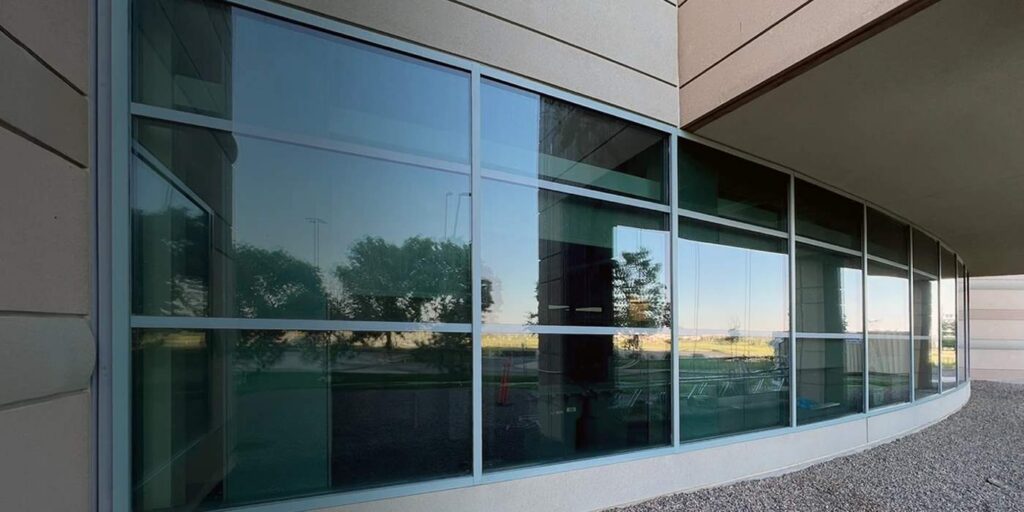
From a design perspective, traditional ballistic glazing presents a clear compromise. The sheer thickness of multi-layered assemblies often results in poor optical quality, with a noticeable green tint, reduced light transmission, and visual distortion. This fundamentally alters a building’s relationship with natural light and undermines core design principles. The requisite bulky framing systems also create a fortified, institutional appearance that is antithetical to modern architectural aesthetics, which favor clean lines and minimalist profiles.
Retrofit Security Glazing: An Engineered Approach
The limitations of monolithic glass have driven the development of a new philosophy in architectural security, one that shifts the paradigm from wholesale replacement to strategic augmentation. Instead of removing existing window systems, an advanced retrofit system is installed over the primary glazing, preserving the original building envelope, including its waterproofing and thermal performance. This is a solution that integrates with the building, rather than demanding the building conform to it.
The Anatomy of a Modern Retrofit System
A modern retrofit system is an engineered assembly of components working in concert to defeat ballistic threats. Its design leverages multiple physical principles.
- Outer Shield: A sheet of specialized polycarbonate forms the first line of defense. This sheet is engineered to flex upon impact, absorbing a significant portion of the projectile’s initial kinetic energy without shattering.
- Engineered Air Gap: Between the outer shield and the existing glass, a vented air chamber is maintained. This space is critical. It allows the outer shield to deform, destabilizes the projectile, and prevents the transfer of energy that would cause the primary glass to break and create spall.
- Patented Framing System: The polycarbonate shield is secured by a custom-extruded aluminum frame. This frame is key to integration, as it is designed to anchor the entire assembly to the existing window mullion or surrounding wall structure. It effectively transfers the impact load away from the vulnerable glass and into the robust building frame.
Superior Performance with Less Weight
A layered retrofit system achieves the same or even higher UL 752 ratings with a system that is significantly thinner and lighter than traditional ballistic glass. By leveraging the energy-dissipating qualities of the air gap and the ductility of polycarbonate, the system can defeat projectiles with less material mass.
This decouples the relationship between weight and protection, making it possible to secure existing windows and openings without altering the original building design or undertaking prohibitively expensive structural work. Because the system is installed outboard of the existing glass, the primary window remains intact, completely eliminating the risk of spall to building occupants.
BulletShield: A Patented, Integrated System
The culmination of this advanced, retrofit-first philosophy is the patented BulletShield system by Impact Security LLC. It is an engineered, independently tested, and UL-certified ballistic-resistant over-glazing solution. BulletShield embodies the principles of advanced material science and thoughtful integration to provide maximum protection with minimal aesthetic or structural impact. It proves that superior, life-safety security can be achieved without compromising architectural vision.
Specifying Ballistic Glazing for Modern Architecture
Properly specifying a ballistic glazing system requires a clear understanding of threat levels, performance standards, and integration methodologies. Selecting the right solution involves creating a cohesive security envelope that meets specific risks without introducing unnecessary complexity.
Decoding UL 752 Threat Levels
The most widely recognized standard for ballistic resistance in the United States is UL 752. This standard defines levels of protection based on the firearm, ammunition, and number of shots a material can withstand.
- Levels 1-3: These levels are designed to stop projectiles from common handguns, such as a 9mm (Level 1) or a .44 Magnum (Level 3).
- Levels 4-8: These higher levels provide protection against high-power rifles and military-grade assault rifles. Level 8, for instance, requires a material to withstand five shots from a 7.62mm rifle, making it a common specification for high-risk government, military, and critical infrastructure facilities.
Specifying the correct UL 752 level requires a thorough threat assessment. Over-specifying can lead to unnecessary cost and complexity, while under-specifying creates a critical vulnerability.
Ballistic Resistance vs. Forced Entry Protection
A common misconception is that all ballistic-resistant glazing also provides forced entry protection. This is not the case. The two threats involve entirely different attack vectors. UL 752 ballistic standards test against projectiles, while forced entry standards test against sustained physical attacks with tools. For comprehensive security, specifiers must consider both threats. An ideal solution integrates both ballistic resistance and forced entry resistance into a single, tested assembly.
The Advantage of a Comprehensive, Single-Source System
One of the most significant challenges for architects is the complexity of integrating disparate security components from multiple vendors. This fragmented process creates points of failure and raises questions of accountability. A comprehensive, factory-engineered system eliminates these challenges. By providing an integrated solution that includes the security glazing, the patented framing, and all necessary components, the manufacturer ensures that every part of the assembly is designed and tested to work in concert. This single-source approach streamlines specification and guarantees performance, shifting the burden of integration from the architect to the security partner.
Streamlining Installation with a Certified Dealer Network
Even the best-engineered system will fail if installed improperly. Leading manufacturers rely on a network of certified dealers and installers who are factory-trained on specific installation protocols. This model eliminates the need to vet and manage unfamiliar local contractors. By working with a certified dealer, the architect or security specifier is assured of a professional, consistent, and correct installation, providing a single point of accountability for the performance of the entire security glazing system.
Architectural Integration in Practice
A system’s true value is revealed in its application. An architect’s challenge is to integrate UL 752 rated protection into a cohesive design. These scenarios illustrate how a layered, retrofit system overcomes the limitations of traditional monolithic ballistic glass.
Securing Modern Glass Curtain Wall Systems
Glass curtain walls define the modern commercial facade. The immense weight of monolithic ballistic glazing often exceeds the load-bearing capacity of a curtain wall’s mullions, necessitating a complete and cost-prohibitive re-engineering of the facade. A retrofit ballistic system circumvents this issue. By installing the system over existing insulated glass units, the building’s thermal envelope and original aesthetic remain untouched. The system’s patented framing is engineered to anchor directly to the curtain wall’s existing structural mullions, transferring impact loads without compromising the integrity of the original glazing.
Preserving the Character of Historic Buildings
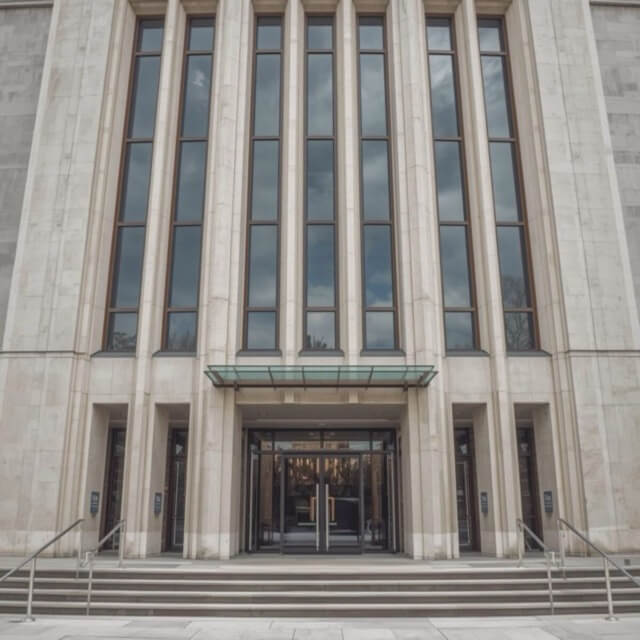
For projects involving historic properties, preservation is paramount. Replacing original glass and custom millwork with thick, heavy glazing would irreversibly damage the building’s historic fabric. A non-destructive, over-glazing solution is the only viable path. A retrofit system can be installed on the interior side of existing windows, rendering the upgrade virtually invisible from the exterior. The mounting profiles can be custom-finished to match historic trim, allowing the building to meet modern security requirements without sacrificing its character.
Invisible Protection for Commercial Lobbies
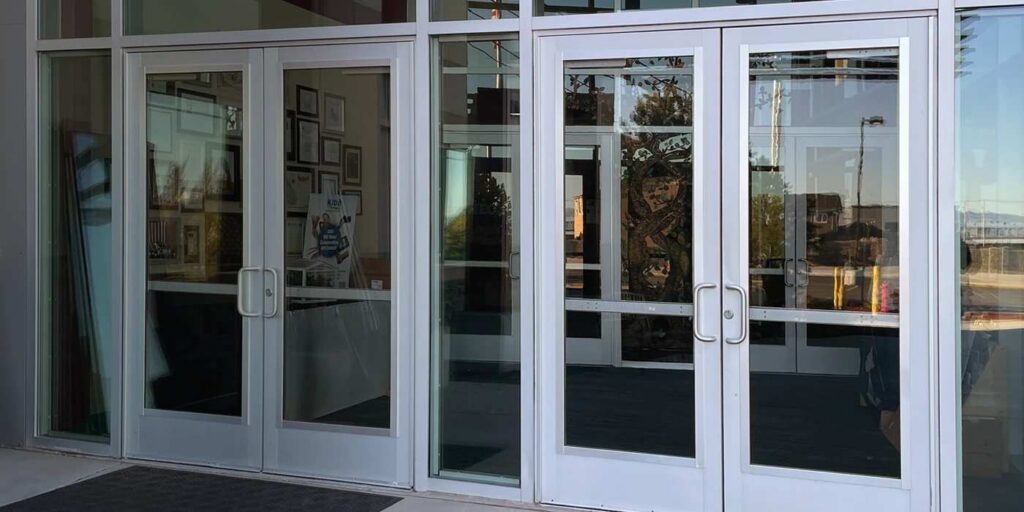
Corporate and hospitality lobbies are designed to be open and welcoming. Traditional security measures, like thick transaction windows, create an immediate physical and psychological barrier. Layered retrofit systems allow for the discreet fortification of the entire glass envelope. Instead of creating a single, conspicuous point of protection, the system can be applied to entire storefronts and entryways. The high optical clarity of the polycarbonate shield maintains the open feel of the original design, and security is continuous across the entire glazed area.
Balancing Daylight, Views, and Security
A core tenet of modern architecture is the connection to the outdoors. Advanced retrofit systems utilize polycarbonate shields engineered for exceptional optical clarity, minimizing distortion and color shifting. Views remain true and the maximum amount of natural light enters the space. The result is a UL-rated protection that does not force a compromise on the quality of the indoor environment, preserving the architect’s vision for a daylit and visually open building. This balance is simplified by specifying a single, integrated system from a certified provider, streamlining the entire process from specification to installation.
Frequently Asked Questions
What is the difference between ballistic glazing and forced entry protection?
Ballistic glazing is engineered and tested under standards like UL 752 to stop projectiles from firearms. Forced entry protection is designed to withstand sustained physical attacks with tools like hammers and pry bars. While some systems offer both, they are distinct threats, and a product rated for ballistic resistance is not automatically rated for forced entry.
Can ballistic glazing be added to existing windows?
Yes. Modern retrofit security glazing systems are designed specifically to be installed over existing windows. These systems use a patented frame to anchor a polycarbonate shield to the existing window mullions or surrounding structure, adding a layer of ballistic protection without requiring the removal and replacement of the original glass.
What is a UL 752 rating for bullet resistant glass?
UL 752 is the industry standard for rating the ballistic resistance of materials. It consists of different levels, from Level 1 (resisting smaller caliber handguns) up to Level 8 (resisting multiple shots from a high-powered rifle). The appropriate level is chosen based on a facility’s specific threat assessment.
Does retrofit security glazing affect the appearance of a building?
When properly designed and installed, a high-quality retrofit system is virtually invisible. It utilizes optically clear polycarbonate and low-profile framing that integrates with the existing window system, such as a curtain wall or storefront. This preserves the building’s original design intent, sightlines, and access to natural light.