- Aesthetic Compromises and Visual Distortion
- The Modern Alternative: Patented Retrofit Security Glazing
- A Comparative Analysis: Retrofit Systems vs. Conventional Ballistic Glass
- How to Specify Ballistic Protection Without Sacrificing Design
- Assessing the Existing Envelope for Retrofit Solutions
- The Specification Process for Architects
- Balancing Threat Levels, Budget, and Aesthetics
- Collaborating with Security Glazing Specialists
- Illustrative Scenarios: Modern Security Glazing in Practice
- Securing a Modern Glass-Fronted Corporate Lobby
- Protecting High-Value Retail While Maintaining an Inviting Facade
- Conclusion: The New Standard in Architectural Security
- Frequently Asked Questions
Traditional ballistic glass systems address specific threat levels, but their implementation forces architects into a series of difficult compromises. The mass, density, and lamination that make this glass effective also create significant challenges that undermine design intent, strain budgets, and complicate project logistics. For architects tasked with seamlessly integrating security into a building’s fabric, these trade-offs represent a fundamental conflict between safety and design.
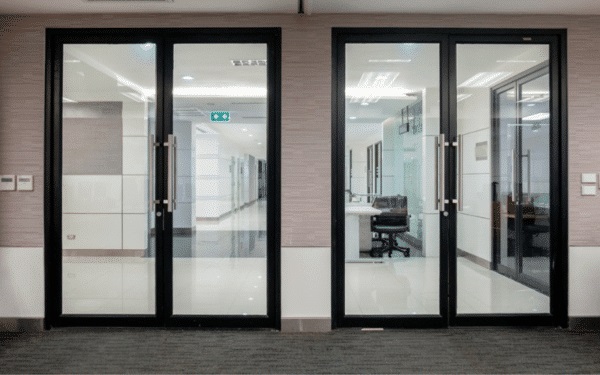
Aesthetic Compromises and Visual Distortion
The most immediate compromise of conventional bullet resistant glass is its impact on visual clarity and architectural aesthetics. Achieving a UL 752 rating requires substantial thickness, often resulting in glazing that is inches deep. This bulk necessitates oversized, heavy-duty framing systems that disrupt the clean lines and minimalist profiles favored in modern design.
The multi-layered composition of laminated polycarbonate and glass frequently introduces a noticeable greenish or yellowish tint. This color distortion can alter the perception of interior and exterior palettes and degrade the quality of natural light entering a space. The thickness can also lead to optical distortion, creating a “fishbowl” effect that disconnects occupants from the outside world. For projects where transparency is paramount, such as retail storefronts or corporate lobbies, this aesthetic degradation is a significant drawback.
The High Cost of Weight: Structural Load Challenges
The sheer weight of traditional ballistic glass presents a formidable engineering challenge. High-level ballistic glazing can weigh upwards of 25 pounds per square foot, a massive increase over standard commercial glass. This imposes significant dead load on the building’s structure.
For new construction, this requires engineers to over-specify structural supports and foundations from the outset, adding material cost and complexity. The challenge is even greater in retrofit applications. Existing buildings, particularly older structures, often lack the structural capacity to support the immense weight of traditional ballistic glazing without extensive and costly reinforcement. This can render a security upgrade infeasible or prohibitively expensive.
Installation Disruption and Operational Downtime
Specifying traditional ballistic glass for an existing building requires a full ‘rip-and-replace’ installation. This invasive process involves the complete removal of the existing window or curtain wall system, including frames, sashes, and surrounding finishes.
The operational reality of such a project includes significant disruption, noise, and debris, often requiring the secured area to be shut down for an extended period. This downtime translates directly to lost revenue for commercial clients or suspended operations for public institutions. The process also risks damaging adjacent architectural elements, requiring additional remediation work and driving up the final project cost.
Why Security Film Alone Fails as a Ballistic Solution
Some may consider applied security films to avoid the compromises of ballistic glass. It is critical to understand, however, that security films are not a ballistic-rated solution. While high-quality films excel at mitigating blast hazards and delaying forced entry by holding shattered glass together, they do not have the mass or rigidity to stop a projectile.
A bullet will perforate a window with security film. The film may catch some glass fragments, but it will not prevent the round from penetrating the glazing and entering the secured space. Relying on film for ballistic protection creates a false sense of security and fails to meet the performance standards defined by UL 752. True ballistic protection requires a system engineered specifically to absorb and dissipate the immense kinetic energy of a projectile.
The Modern Alternative: Patented Retrofit Security Glazing
While traditional ballistic glass has served as a foundational security element, its implementation often forces a conflict between protection and design. The evolution of security engineering now presents a superior alternative in retrofit security solutions. These systems integrate with a building’s existing envelope, providing robust threat mitigation without the architectural compromises, structural reinforcement, and operational disruptions of full window replacement.
Redefining Protection with Over-Glazing Technology
Over-glazing, also known as retrofit security glazing, is an engineered system installed over a building’s existing glass. This technology does not require removal of the original window panes. Instead, a transparent shield of advanced material, typically a polycarbonate composite, is mounted to the interior or exterior of the existing window frame.
This approach creates a protective buffer, absorbing and dissipating impact energy before it can compromise the primary glass. The result is a layered defense that preserves the original architectural glazing, including any specialized low-e coatings or historical characteristics, while seamlessly upgrading the opening’s security posture.
The Engineering Behind BulletShield: A Patented Approach
BulletShield by Impact Security LLC is a patented over-glazing system that represents the pinnacle of this technology. Its efficacy is rooted in a three-part, synergistic design that includes a high-optic-grade polycarbonate shield, a proprietary shock-absorbing gasket, and a custom-extruded aluminum frame. This frame is anchored directly to the existing window mullion system.
When a projectile strikes the BulletShield panel, the polycarbonate material flexes to absorb the initial kinetic energy. The impact force is then transferred through the gasket and into the aluminum frame, which is engineered to disperse these loads into the building’s structural frame. This patented system manages immense stress without relying on the strength of the original glass, which remains intact behind the shield.
How Retrofit Solutions Preserve Architectural Glazing
For the architect, the preservation of design intent is paramount. Retrofit security glazing is engineered specifically to honor this priority. Because the system mounts onto existing window frames, the original glass is left entirely undisturbed. This method ensures that the building’s exterior facade remains exactly as designed.
Sightlines, curtain wall aesthetics, and the visual character of the building are maintained. The thermal and solar performance of the original insulating glass units (IGUs) is not compromised. This non-invasive integration allows for a significant security upgrade that is virtually invisible from the outside, protecting both the occupants and the architectural integrity of the structure.
Integrating Forced Entry Resistance with Ballistic Protection
Modern threat assessments recognize that ballistic attacks are often followed by attempts at forced entry. Traditional ballistic glass, especially monolithic or laminated glass constructions, can stop a bullet but may still crack or spall, becoming vulnerable to breach by tools like sledgehammers or pry bars.
BulletShield’s polycarbonate construction offers a decisive advantage. Polycarbonate is inherently resistant to shattering and can withstand repeated, high-energy impacts. This means the system not only provides certified ballistic protection but also acts as a formidable barrier against forced entry, active assailants, and mob-style attacks. This dual-threat mitigation creates a more comprehensive security solution from a single, integrated system.
A Comparative Analysis: Retrofit Systems vs. Conventional Ballistic Glass
When evaluating security glazing solutions, architects must weigh multiple factors beyond the stated UL protection level. A direct comparison between retrofit systems like BulletShield and conventional ballistic glass reveals critical differences in aesthetics, structural requirements, installation, and overall value.
Design and Aesthetics: Maintaining Clarity and Preserving Sightlines
Conventional ballistic glass is notoriously thick and heavy, often resulting in poor light transmission, a noticeable color tint, and visual distortion. Its layered construction can create distracting reflections and reduce the clarity of views.
BulletShield, by contrast, is engineered for optical clarity. Utilizing high-optic-grade polycarbonate, the system is virtually invisible and free from the color tinting common in thick glass laminates. The slim-profile framing can be custom-finished to match any existing mullion color and sightline, ensuring it blends seamlessly with the original architectural design. The view from inside remains clear and unobstructed.
Structural Impact: Weight and Frame System Requirements
The dead load of traditional ballistic glass is a significant engineering challenge. A UL Level 3 glass assembly can weigh over 7 pounds per square foot, while higher levels can easily exceed 20 pounds per square foot. This immense weight necessitates heavily reinforced or completely new framing systems.
BulletShield offers a dramatically lighter solution. The polycarbonate shield is a fraction of the weight of ballistic glass providing equivalent protection. More importantly, its patented framing system is designed to transfer impact loads away from the window and into the building structure itself. This allows for installation on most standard commercial window frames without requiring costly and disruptive structural modifications.
Installation Efficiency: Non-Invasive Approach vs. Full Replacement
Replacing existing windows with new ballistic glass is a major construction project. It involves a full ‘rip-and-replace’ process that is invasive, time-consuming, and highly disruptive to building operations. Tenants may need to be relocated and the building envelope is exposed during installation.
The installation of a retrofit system like BulletShield is efficient and non-invasive. Because the system is mounted over the existing glass, typically from the interior, there is no demolition or noise associated with window removal. A certified team can often complete an entire floor in a fraction of the time required for a full replacement, with minimal disruption for building occupants.
Overall Performance: Threat Mitigation and Long-Term Value
While both solutions can achieve certified ballistic resistance, their performance profiles and value propositions differ significantly. Traditional ballistic glass serves a single purpose, whereas BulletShield provides a multi-hazard defense that includes exceptional forced entry protection. This creates a more resilient and adaptable security posture.
The overall value of the retrofit approach is derived from several key advantages. It preserves the original high-performance windows, avoiding the cost of replacement. The lightweight system eliminates the need for expensive frame reinforcement. Fast, clean installation reduces business disruption. Finally, the integrated ballistic and forced entry protection addresses a wider range of threats, and the system can be adapted as security needs evolve, making it a sustainable and flexible investment.
How to Specify Ballistic Protection Without Sacrificing Design
The integration of ballistic protection into a building’s design has historically presented a significant challenge. Advanced retrofit security glazing systems have fundamentally altered this dynamic. It is now possible to specify robust, UL-rated ballistic mitigation that integrates seamlessly into the building envelope, preserving the original design intent without disruptive and costly replacement projects.
Assessing the Existing Envelope for Retrofit Solutions
The first step is a thorough assessment of the existing building envelope. Unlike traditional ballistic glass, which requires complete replacement, a retrofit solution like BulletShield is engineered to work with the structure already in place. The analysis focuses on the existing framing system, whether it is a modern curtain wall, a punched opening, or a commercial storefront.
This evaluation determines the mounting strategy and ensures the existing framing can support the minimal additional load. Patented over-glazing systems are designed to anchor discreetly onto or over existing mullions. This preserves original sightlines and the exterior appearance, making the security upgrade virtually invisible from the outside.
The Specification Process for Architects
Specifying a retrofit system is a collaborative and precise process. The typical specification journey includes several key phases.
- Initial Consultation and Threat Assessment: The process begins with a consultation with security glazing specialists to define the specific threats and the required UL 752 ballistic protection level.
- System Selection and Engineering: Based on the threat level and existing envelope, the appropriate system is selected. Detailed engineering drawings are produced to show how retrofit components will integrate with existing frames.
- Architectural Integration: The specialist provides detailed specifications and CAD drawings for inclusion in the project’s construction documents. This documentation outlines materials, installation methods, and performance criteria.
- Coordination and Installation: The specialist works alongside the general contractor to coordinate a non-disruptive installation. Because the system is installed over existing glass, the building envelope is never breached, allowing operations to continue uninterrupted.
Balancing Threat Levels, Budget, and Aesthetics
One of the most significant advantages of modern retrofit security glazing for architects is its ability to decouple threat level from aesthetic compromise. In the past, a higher level of ballistic protection meant accepting thicker, heavier, and darker glass.
Today, architects can specify a UL 752 Level 8 system that is visually indistinguishable from a lower-rated system. The protective shield is a clear polycarbonate layer mounted on the interior, preserving the clarity of the original glass. This allows for a consistent aesthetic across a project, even if different areas require varying levels of protection.
Collaborating with Security Glazing Specialists
To achieve a truly integrated security solution, early collaboration with a security glazing specialist is essential. Engaging an expert during the design development phase transforms them from a product vendor into a design partner. This partnership ensures that the security measures are a foundational component of the design, not a corrective afterthought. A specialist provides invaluable guidance on detailing connections, concealing anchor points, and aligning the retrofit system with existing architectural elements.
Illustrative Scenarios: Modern Security Glazing in Practice
The theoretical benefits of retrofit security glazing are best understood through its application in real-world architectural contexts. These scenarios demonstrate how systems like BulletShield solve common design and security challenges.
Securing a Modern Glass-Fronted Corporate Lobby
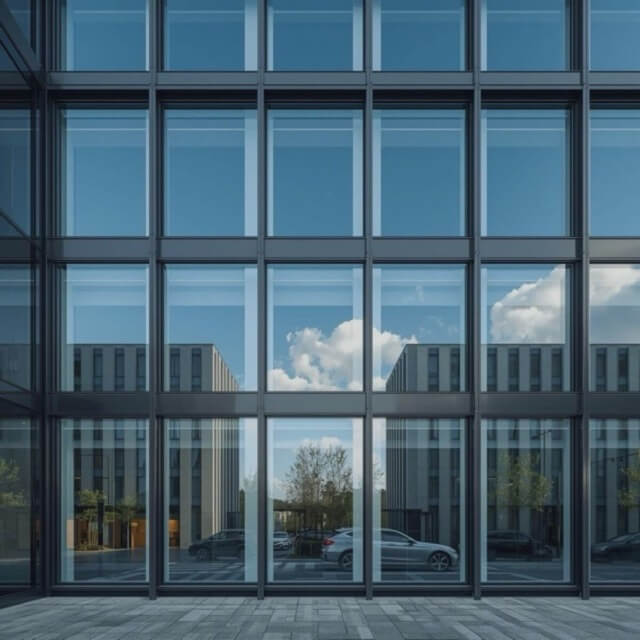
A modern corporate headquarters often features an expansive glass curtain wall designed to project transparency. Replacing this glazing with traditional ballistic glass would be prohibitively expensive and would require extensive reconstruction of the framing system. A retrofit solution is applied to the interior of the existing curtain wall. The polycarbonate shield is anchored to the mullions, creating a standoff space that absorbs and dissipates ballistic energy. The building’s appearance is unchanged, and the open, light-filled atmosphere of the lobby is maintained.
Retrofitting a Historic Building with Heightened Security Needs
Government buildings and cultural institutions in historic structures present a unique challenge, as preservation standards often forbid altering the original building fabric. A retrofit system is the ideal solution. It is installed on the interior side of the original windows, preserving the irreplaceable exterior frames, muntins, and glass. The installation is fully reversible and does not damage historic elements, allowing the building to meet modern security mandates without compromise.
Protecting High-Value Retail While Maintaining an Inviting Facade
For high-end retail, the storefront is a critical marketing tool that must offer clear views. These large glass facades are also targets for forced entry. Retrofit security glazing resolves this conflict by providing an invisible layer of protection. Installed over existing storefront glass, the system withstands repeated impacts from tools in addition to providing ballistic resistance. Crucially, it does so without unsightly bars or shutters, ensuring the store maintains its open, inviting, and premium appearance.

Conclusion: The New Standard in Architectural Security
The landscape of architectural security has fundamentally shifted. For decades, implementing ballistic protection was an exercise in compromise, forcing architects to balance safety against design integrity, natural light, and structural load. The emergence of advanced retrofit security glazing systems presents a new paradigm. This technology resolves the long-standing conflict between security and aesthetics, empowering architects to enhance building resilience without altering the original design intent.
Architects no longer need to accept the trade-offs of traditional ballistic glass. Engineered retrofit systems offer a technically superior and architecturally sensitive alternative. They are designed to mount onto existing frames, preserving the original building envelope and avoiding costly structural modifications. This nearly invisible layer of protection does not compromise sightlines or introduce visual distortions. The installation process is significantly less disruptive than a full window replacement, minimizing operational downtime and reducing material waste.
The future of architectural security is the intelligent and seamless integration of protection into the building fabric itself. This evolution grants architects unprecedented freedom, allowing security to become a background attribute that is robustly engineered yet completely subordinate to the architectural vision.
Frequently Asked Questions
What is the main difference between ballistic glass and security film?
Ballistic glass is a thick, multi-layered glazing product engineered to stop bullets and meet specific UL 752 ratings. Security film is a thin polymer sheet applied to existing glass. While security film can help hold shattered glass together to resist forced entry or blast pressure, it does not have the mass or structural integrity to stop a projectile. It is not a ballistic-rated solution.
Can retrofit security glazing be installed on historic buildings?
Yes. Retrofit security glazing is an ideal solution for historic buildings. The system is typically installed on the interior of the existing windows, which preserves the original, often irreplaceable, frames and glass. This non-destructive, reversible installation allows historic structures to meet modern security requirements without compromising their architectural and historical integrity.
Does retrofit bullet resistant glass change a building’s appearance?
No. A key advantage of high-quality retrofit systems is that they are virtually invisible. They are engineered with high-optic-grade polycarbonate for maximum clarity and are mounted with slim-profile frames that can be color-matched to existing mullions. This preserves the building’s original sightlines, design, and exterior appearance.
How are retrofit security glazing systems attached to existing windows?
These systems are anchored directly to the existing window frame or mullion system, typically on the interior side of the glass. A custom-extruded aluminum frame holds the polycarbonate shield, which is separated from the original glass by a small air gap. This patented framing is engineered to absorb and transfer impact energy into the building’s structure, protecting the original glass from shattering.