- Introduction
- Understanding Ballistic Film Technology
- Performance Standards and Limitations
- Installation and Implementation Requirements
- Common Challenges and Solutions
- Conclusion and Next Steps
- Frequently Asked Questions
Introduction
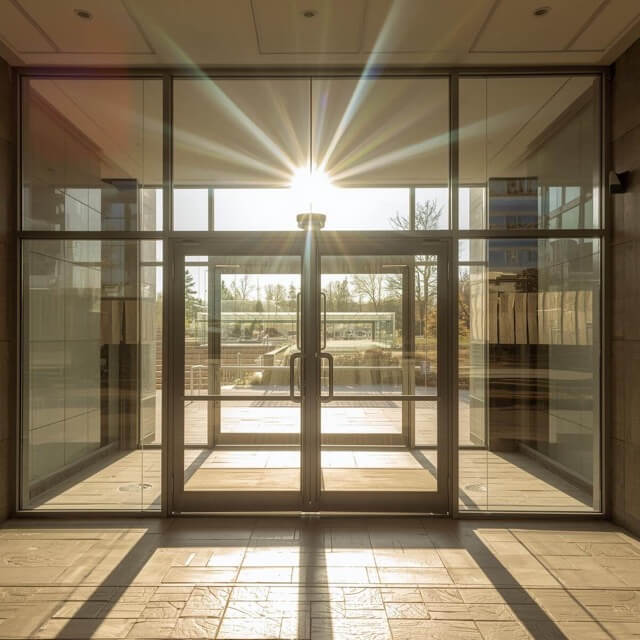

Ballistic film for windows is a thick, security-grade polyester laminate applied to existing glass to hold shattered fragments together during impacts, delay forced entry, and reduce injury from flying glass shards. Despite what marketing claims might suggest, this window film cannot stop bullets on its own—that capability requires UL 752-rated bullet resistant glass or certified ballistic glazing systems.
This article covers the true capabilities and limitations of security window film, proper installation requirements, cost comparisons with actual ballistic protection solutions, and guidance for determining when film is appropriate versus when bullet resistant products are necessary. The content falls outside the scope of DIY installation guidance or specific brand recommendations.
The target audience includes facility managers evaluating security upgrades, school administrators addressing safety concerns, security professionals conducting threat assessments, and commercial property owners seeking cost-effective window protection. Whether you’re protecting a retail storefront from smash-and-grab theft or reinforcing school entry points, understanding the difference between security enhancement and ballistic protection is essential for making informed decisions.
Direct answer: Ballistic window film provides meaningful security enhancement by keeping broken glass intact during impacts and can delay forced entry by 45 seconds to several minutes, but it cannot stop bullets—only independently tested UL 752-rated glazing can provide actual bullet resistance.
By reading this article, you will:
- Understand the actual capabilities and limitations of security films
- Learn proper installation requirements that determine real-world performance
- Compare costs between film retrofit and full ballistic glass replacement
- Identify when security film is appropriate versus when bullet resistant glazing is required
- Develop a framework for assessing your building’s security needs
Understanding Ballistic Film Technology
Security window film represents a retrofit approach to strengthening existing windows without complete glazing replacement. The technology works by bonding multiple layers of polyester to glass windows, creating a composite that holds together under stress rather than shattering into dangerous fragments.
Film Composition and Materials
Modern security films consist of multi-layer polyester laminates—typically 8 to 14 individual layers bonded together—with UV-stable adhesives designed to resist degradation from sunlight exposure. Film thickness ranges from 4 mil for basic safety applications up to 14+ mil for premium forced entry protection, with most security-focused products falling in the 8-12 mil range.
The adhesive system is as critical as the film itself. Quality adhesives must maintain bond strength across temperature fluctuations, resist moisture intrusion, and prevent yellowing or hazing that would compromise optical clarity over the film’s 10-15 year typical lifespan. When properly manufactured and installed, these films maintain transparency while adding meaningful structural reinforcement to window glass.
Security Enhancement Mechanisms
When glass protected by security film experiences impact—whether from a blunt object, storm debris, or even gunfire—the film holds shattered fragments together in a “spider web” pattern rather than allowing dangerous shards to break free. This fundamental mechanism serves two purposes: protecting people from flying glass and maintaining a physical barrier that an intruder must breach to gain access.
Frame anchoring transforms film from a simple adhesive layer into a glazing system component. Edge retention systems—using structural sealants like 3M’s IPA (Impact Protection Adhesive)—bond the film edges directly to the window frame. Without this anchoring, even thick film can be defeated simply by pushing the glass-film assembly out of its frame. With proper anchoring, the entire system must be destroyed piece by piece, creating meaningful delay.
This connection between film, glass, and frame determines whether an installation provides seconds or minutes of forced entry delay—a critical distinction that leads directly to understanding how these systems are tested and rated.
Performance Standards and Limitations
The security industry has developed specific testing protocols to measure window protection performance, though significant confusion exists about what different standards actually measure and what claims manufacturers can legitimately make.
Industry Testing Standards
ASTM F3561-22, “Standard Test Method for Forced-Entry-Resistance of Fenestration Systems After Simulated Active Shooter Attack,” represents the current benchmark for security glazing evaluation. This 2022 standard tests complete fenestration systems—glazing, frame, and hardware together—not film or glass in isolation.
The testing protocol involves two phases: first, ballistic weakening (simulated gunfire to damage the system), followed by forced entry attempts using mechanical impactors. Performance is measured by how long the system resists breach and the size of any openings created. Critically, ASTM F3561-22 prohibits claiming compliance for film-only installations; only complete tested assemblies qualify.
UL 752 defines actual bullet resistance through eight levels of protection based on caliber, velocity, and number of rounds. This standard applies to bullet resistant glass and glazing systems—not to security films. The difference between forced entry testing and ballistic testing is fundamental: one measures delay, the other measures whether bullets can penetrate.
Actual vs. Perceived Protection
No security film currently available has achieved UL 752 bullet resistant certification. When subjected to direct gunfire, window film will not stop bullets from penetrating the glass. Marketing terms like “ballistic film” or “bulletproof film” create confusion, but the IWFA (International Window Film Association) confirms that such thing as bullet-stopping film alone does not exist.
Security films can serve as spall shields when installed on the interior surface of actual bullet resistant glazing, catching glass fragments that might otherwise break free after the glazing stops a projectile. This is a legitimate application but represents a supporting role rather than primary ballistic protection.
The practical performance security films can deliver includes forced entry delay times of 30 seconds to 3.5 minutes, depending on film thickness, anchoring quality, frame integrity, and attack methods. Research by Amarok Defense documented delays across this range using hammers and crowbars against various film configurations. These delay times can be meaningful—potentially allowing alarm activation, lockdown procedures, or law enforcement response.
Proper Application Scenarios
Security window film is appropriate when the threat assessment identifies forced entry, vandalism, smash-and-grab theft, storm damage, or glass breakage as primary concerns. Retail storefronts benefit from making break-ins more difficult and time-consuming. School buildings can use film on ground-floor windows and door glass to create barriers that slow an intruder and protect people from broken glass during emergencies.
Low-threat environments where the goal is reducing property crime, protecting building occupants from glass injuries, or meeting basic security enhancement requirements represent ideal film applications. The cost-effectiveness of retrofitting existing windows rather than replacement makes film attractive for projects with limited budgets.
High-threat environments—facilities facing potential ballistic attacks, government buildings, financial institutions with significant assets—require actual bullet resistant solutions. When the security assessment identifies firearms as a realistic threat, UL 752-rated glazing becomes necessary regardless of film thickness. Recognizing this distinction before installation prevents creating a false sense of security.
Installation and Implementation Requirements
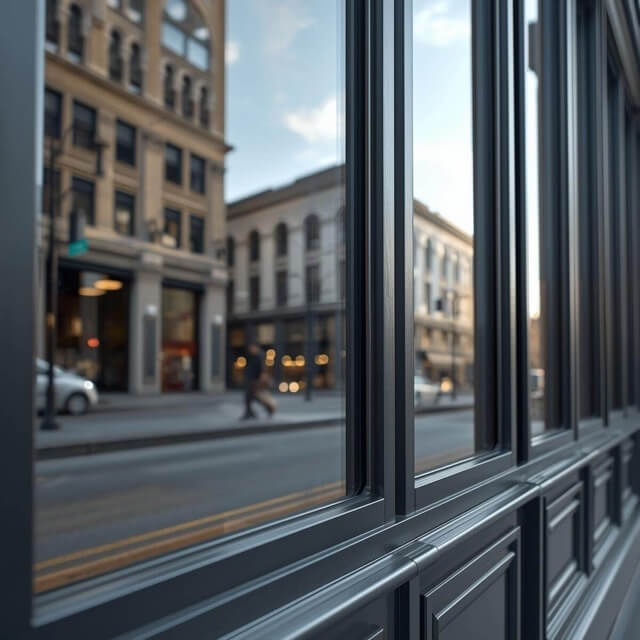
Proper installation determines whether security film performs as designed or fails prematurely. The difference between professional and amateur installation often means the difference between minutes of forced entry delay and seconds.
Installation Process
Surface preparation begins with thorough cleaning to remove all residues, oils, and contaminants that could interfere with adhesion. The glass must be free of defects or damage that could propagate during curing. Frame surfaces—whether wood, metal, or vinyl—require assessment for compatibility with anchoring systems.
Film application involves precise measurement, cutting, and wet installation using slip solution that allows positioning before the adhesive cures. Professional installers squeegee out air bubbles and moisture, working from center to edges to achieve uniform adhesion. Temperature and humidity conditions during installation affect cure time and final bond strength.
Frame anchoring installation follows film application. For 3M’s IPA sealant system, this means applying a 3/8-inch bead for forced entry protection or a 1/2-inch bead for blast applications along the film-to-frame junction. The sealant bonds both the film edge and the glass to the frame, creating an integrated system that resists displacement.
Typical installation requires 2-4 hours per window, including preparation and anchoring. Sealant curing takes 7-14 days for full strength, during which cleaning should be avoided and the window should not be subjected to stress. Environmental conditions—moderate temperature, low humidity—during both installation and curing affect final performance.
Cost Comparison Analysis
Understanding cost differences between protection options helps determine appropriate investment levels based on threat assessment results:
| Protection Type | Installed Cost (per sq ft) | Best Application |
|---|---|---|
| Basic Safety Film (4-8 mil) | $7-12 | Shatter protection, UV filtering |
| Security Window Film (8-14 mil) | $12-18 | Forced entry delay, vandalism deterrence |
| Premium Security Film (14+ mil) | $25+ | High-security commercial applications |
| Laminated Security Glass | $25-40 | New construction, moderate threat levels |
| Retrofit Ballistic Panels | $50-100 | Adding ballistic protection to existing frames |
| UL 752 Ballistic Glass | $75-200+ | Actual bullet resistance requirements |
This cost analysis reveals security film’s primary value proposition: meaningful security improvement at a fraction of ballistic glazing cost. A building with 500 square feet of vulnerable window glass might spend $6,000-9,000 for quality security film installation versus $37,500-100,000 for UL 752 replacement—a difference that influences which solution is practical for many organizations.
However, this comparison also highlights the fundamental consideration: if ballistic protection is actually required, film cannot substitute for glazing regardless of cost savings. The decision framework must start with honest threat assessment, not budget constraints.
Common Challenges and Solutions
Implementation of security window film encounters predictable obstacles that, when anticipated, can be addressed before they compromise performance or create liability issues.
Unrealistic Expectations About Ballistic Protection
Organizations sometimes purchase security film believing it provides bullet resistance, particularly when marketing materials use terms like “ballistic film” without clarification. This misunderstanding creates dangerous gaps between perceived and actual protection levels.
Solution: Conduct a formal threat assessment before selecting protection. Work with security professionals to determine whether the risk profile involves forced entry and vandalism (where film is appropriate) or potential ballistic attacks (where UL 752-rated glazing is necessary). When bullet resistance is required, specify independently tested bullet resistant products that meet documented ballistic standards. Film may still play a role as a spall shield on the interior surface of ballistic glazing, but it cannot serve as the primary protection layer.
Poor Adhesion and Film Failure
Common failure modes include edge lifting, adhesive degradation, corner delamination where sealant application was insufficient, and frame failures where the window structure itself couldn’t maintain integrity. Without proper edge anchoring, film may hold glass together but the entire assembly can simply be pushed out of the frame.
Solution: Engage professional installers with manufacturer certification and documented experience with the specific film and anchoring systems being used. Verify that the installation includes proper frame attachment—whether structural glazing tape, wet-applied sealant, or mechanical retention systems. Review warranty terms, which typically require certified installation and may be voided by improper surface preparation or anchoring. Establish maintenance protocols including periodic inspections for edge lift, cloudiness, or adhesive failure. Professional installation typically costs more but protects the investment.
Inadequate Security Coverage
Film on windows provides limited benefit if nearby doors remain vulnerable, access control is weak, or no monitoring detects intrusion. Partial protection creates potential breach points and may not meaningfully delay a determined intruder who simply avoids the reinforced areas.
Solution: Integrate film installation within comprehensive security planning that addresses all building entry points. Combine glazing reinforcement with door hardware upgrades, access control systems, alarm monitoring, and staff training on emergency response protocols. The delay that security film provides only creates value if it triggers response—whether lockdown procedures, law enforcement notification, or evacuation. Security solutions should be considered as interconnected systems rather than isolated products.
Conclusion and Next Steps
Security window film offers genuine protection value when properly understood, correctly installed, and appropriately applied. The technology holds broken glass together, delays forced entry, and reduces injury risk from shattered windows—meaningful benefits for the right threat profiles at significantly lower cost than full glazing replacement.
However, film cannot stop bullets. Organizations facing ballistic threats must specify UL 752-rated bullet resistant glazing or equivalent independently tested ballistic products. No thickness of security film, regardless of marketing terminology, provides actual bullet resistance.
Immediate next steps:
- Conduct a security assessment identifying your building’s vulnerable openings and realistic threat scenarios
- Determine protection requirements based on whether forced entry delay or actual bullet resistance is needed
- Request professional quotes from certified installers with documented experience in your required protection level
- Verify installer credentials including manufacturer certifications and references from comparable projects
- Integrate with comprehensive security planning ensuring film installation complements rather than substitutes for complete building protection
Related topics worth exploring: comprehensive facility security planning, access control system integration, emergency response protocol development, and staff training for security events. Each of these areas determines whether the delay that security film provides translates into actual protection outcomes.
Frequently Asked Questions
Can ballistic film stop bullets from penetrating windows?
No. Standard security film and products marketed as “ballistic film” cannot stop bullets from penetrating window glass. While film may hold the glass together after impact and reduce fragmentation, bullets will pass through. Only UL 752-rated bullet resistant glazing—typically laminated glass-clad polycarbonate systems 1-2 inches thick—can stop bullets. Film may serve as a spall shield on the interior surface of actual bullet resistant glass, catching fragments that break loose after projectiles are stopped, but this requires the primary glazing to provide ballistic protection.
What is the difference between security film and ballistic film?
These terms are often used interchangeably by manufacturers to describe similar polyester security films. Neither has a standardized industry definition indicating different performance levels. The term “ballistic film” is primarily marketing language—it does not indicate the product has passed ballistic testing or can provide bullet resistance. Both typically refer to multi-layer polyester laminates in the 8-14 mil thickness range designed for forced entry delay and glass fragment retention. When evaluating products, focus on specific performance data—tested forced entry delay times and applicable standards—rather than marketing terminology.
How long does ballistic film installation take?
Professional installation typically requires 2-4 hours per window, including surface preparation, film application, and frame anchoring system installation. Larger commercial windows may take longer. However, full protection is not achieved immediately after installation. Edge retention sealants like 3M’s IPA require 7-14 days to cure completely, during which the window should not be cleaned or subjected to stress. Planning should account for this curing period when scheduling security upgrades, particularly in occupied buildings where windows must remain functional.
What maintenance is required for window security film?
Routine maintenance includes periodic visual inspection for edge lifting, delamination, cloudiness, or adhesive degradation. Clean using manufacturer-recommended solutions—typically mild soap and water without ammonia-based products that can damage adhesive bonds. Avoid abrasive cleaning tools that could scratch the film surface or compromise optical clarity. Most quality installations carry 10-15 year warranties, but actual lifespan depends on sun exposure, temperature cycling, and environmental conditions. Buildings in high-UV environments or with southern exposures may require more frequent inspection. Any signs of film failure—particularly edge lifting or adhesive breakdown—should prompt professional evaluation.
Is ballistic film cost-effective compared to replacing windows?
For security enhancement against forced entry and vandalism, film is significantly more cost-effective than replacement. Quality security film installation costs $12-25 per square foot compared to $75-200+ per square foot for UL 752 bullet resistant glazing—a difference of 3-10x. For a building with substantial glass exposure, this can mean tens of thousands of dollars in savings while still achieving meaningful forced entry delay. However, if actual bullet resistance is required based on threat assessment, cost comparison becomes irrelevant—film cannot substitute for ballistic glazing regardless of price difference. The appropriate question is whether the threat profile requires bullet resistance or forced entry delay, with protection method following that determination.
Can I install ballistic film myself or do I need professionals?
Professional installation is strongly recommended for any security application. Proper performance depends on correct surface preparation, bubble-free application, complete curing, and—critically—proper frame anchoring installation. Without manufacturer-specified edge retention systems, even thick film provides minimal forced entry delay because the glass-film assembly can simply be displaced from the frame. Additionally, most manufacturer warranties require certified professional installation and are voided by DIY application. While DIY installation might work for basic safety film on non-critical residential windows, any installation intended to provide security benefits should be performed by professionals with documented training and experience with the specific products being installed.