- Introduction
- Understanding Ballistic Film
- How Ballistic Film Technology Works
- Applications and Implementation
- Common Challenges and Solutions
- Conclusion and Next Steps
- Frequently Asked Questions
Introduction
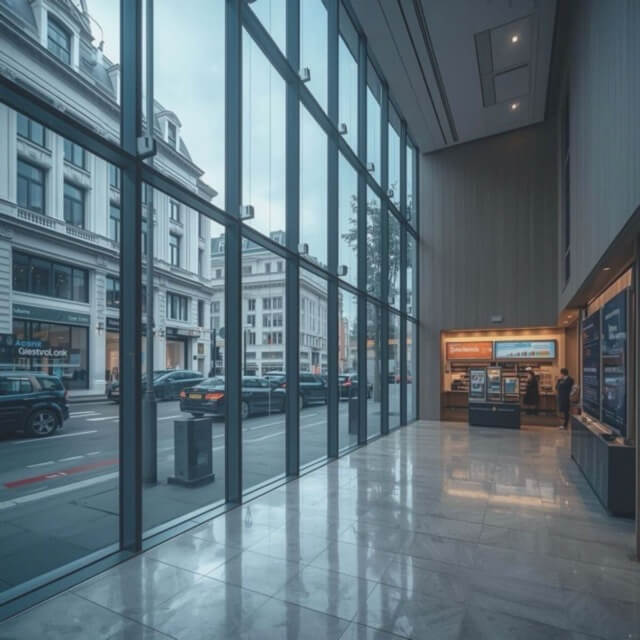
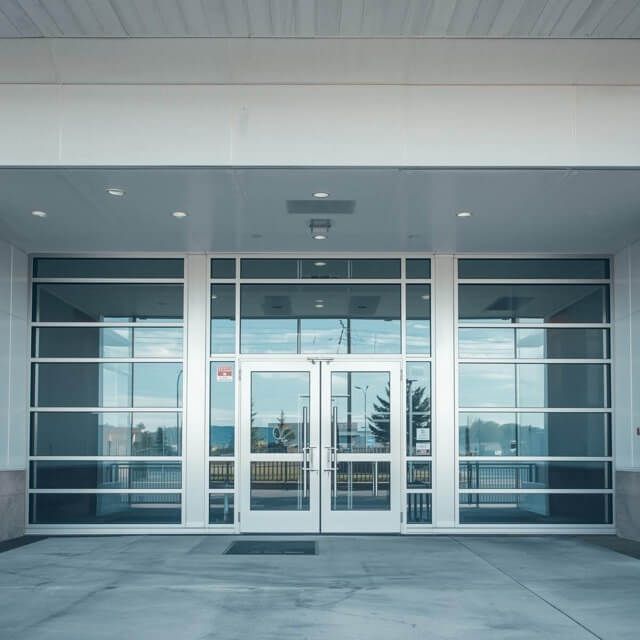
Ballistic film is a security window film applied to existing glass that holds shattered panes together after impact, delaying forced entry and reducing injury from flying glass fragments. This polyester-based protective layer bonds to glass surfaces through specialized adhesives, creating a retention system that keeps broken glass in place rather than scattering dangerously or allowing immediate breach.
This guide covers what ballistic film can and cannot do, proper applications across schools and other facilities, installation requirements, cost considerations, and critical security limitations. The target audience includes security professionals, facility managers, school administrators, and building owners evaluating window protection options. Understanding these details matters because misleading claims about bulletproof protection can create dangerous gaps in security planning.
Direct answer: Ballistic film is a security window film that holds shattered glass together to delay entry and protect building occupants from glass fragments, but it is not bulletproof and cannot reliably stop bullets without additional certified ballistic materials.
Key outcomes from this guide:
- Understanding what ballistic window film actually does versus marketing claims
- Knowing proper applications for schools, offices, and high-risk facilities
- Learning installation requirements that determine whether film performs correctly
- Comparing costs between film retrofit and bullet resistant glass replacement
- Recognizing when true ballistic protection is necessary
Understanding Ballistic Film
Ballistic film functions as a physical security layer that transforms standard window glass into a more resilient barrier. Rather than preventing glass from breaking, this technology ensures broken glass remains adhered to the film surface, maintaining the window’s structural presence even after impact from projectiles, blunt force, or natural disasters.
What Ballistic Film Is
Ballistic film consists of multiple polyester layers bonded together with high-strength adhesives, typically ranging from 3 to 8 mils in thickness. The adhesive technology creates a permanent bond with glass surfaces, allowing the film to absorb and distribute impact energy across a wider area rather than concentrating it at a single point.
This material belongs to the broader security window film category, which includes products designed for shatter protection, UV filtering, and storm damage mitigation. Ballistic window film represents the higher-strength end of this spectrum, engineered specifically to resist ballistic attacks and forced entry attempts. The film is manufactured to maintain optical clarity while providing this protective function, preserving natural light and visibility in protected spaces.
What Ballistic Film Is Not
Ballistic film is not bulletproof glass, bullet resistant glass, or any form of certified ballistic material capable of stopping bullets on its own. No such thing as standalone “bulletproof window film” exists that meets recognized ballistic standards like UL 752 without being part of a complete glazing system.
True bullet resistant products require multi-layer constructions involving laminated polycarbonate, glass clad polycarbonate, or specialized acrylic materials tested and certified to specific threat levels. UL 752 standards define protection levels from Level 1 (handgun threats) through Level 10 (armor-piercing rifle rounds), and ballistic film alone does not qualify for any of these ratings.
The relationship between film and true ballistic protection is complementary rather than equivalent. Film can enhance existing glass performance and may be combined with other materials in certified systems, but claims that security window film alone provides bullet resistance are misleading and potentially dangerous.
How Ballistic Film Technology Works

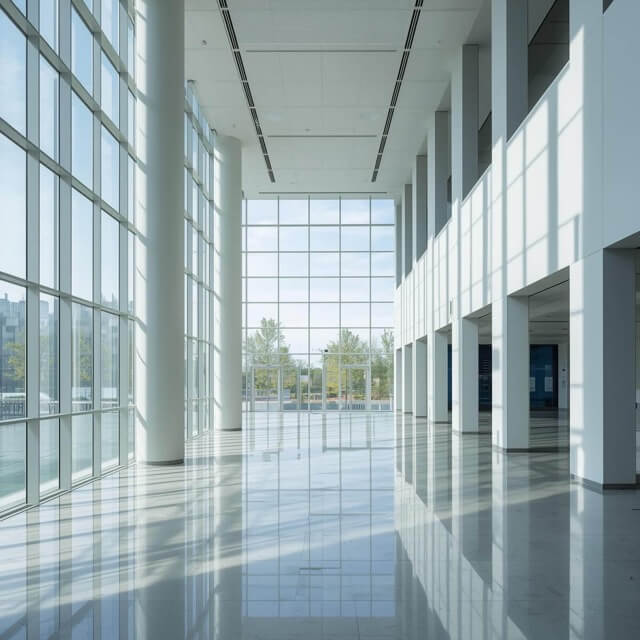
The protective function of ballistic film depends on three interconnected mechanisms: glass retention, energy absorption, and anchoring systems that keep the entire assembly in place during and after impact.
Glass Retention Mechanism
When force strikes film-protected glass, the window may crack or shatter, but the adhesive layer prevents fragments from separating. The film’s polymer structure stretches and deforms to absorb impact energy while maintaining contact with glass particles across the entire surface.
This retention capability provides two critical safety functions. First, it prevents broken glass from becoming dangerous projectiles that could injure building occupants. Second, it maintains the window as a physical barrier that an intruder must work through rather than simply stepping past. The film essentially converts a fragile barrier into a flexible membrane that continues providing protection even after structural failure of the glass itself.
Impact resistance varies with film thickness, adhesive quality, and the condition of the underlying glass. Thicker films with stronger adhesives provide greater resistance, though even premium films have finite capacity against sustained attack or high-velocity projectile impact.
Entry Delay Capabilities
The primary security value of ballistic film lies in entry delay rather than absolute prevention. Studies and vendor testing indicate that properly installed film can delay entry by 15 to 60 seconds depending on threat type, film thickness, and glass construction.
Without protective film, a typical window can be breached in seconds through a rock, crowbar, or single firearm discharge. The glass shatters and falls away, creating an immediate opening. With film in place, an attacker must contend with a flexible, resistant membrane that requires significant effort to cut, tear, or push through.
This time advantage proves critical in active shooter situations and forced entry scenarios. Additional seconds allow building occupants to escape, lock interior doors, contact emergency services, or reach secure locations. For many schools and commercial buildings, this delay represents the difference between a contained incident and a catastrophic breach.
Installation Requirements
Film performance depends entirely on proper installation. Three elements determine whether ballistic window film functions as designed: surface preparation, edge sealing, and frame anchoring.
Surface preparation ensures complete adhesive contact with clean, undamaged glass. Any contamination, scratches, or existing damage compromises the bond and creates failure points under stress.
Edge sealing requires film application to within 1/8 inch of the frame perimeter. Gaps at edges allow attackers to peel film away from glass or force the entire assembly out of the frame opening.
Frame anchoring through structural glazing adhesive systems secures the glass-film combination to the window frame itself. Even perfectly applied film fails if the frame cannot hold the assembly in place. This anchoring ensures that impact energy transfers into the building structure rather than simply pushing the protected window out of its opening.
When installed correctly, these three elements create an integrated system. Shortcuts in any area dramatically reduce protection levels and may create a false sense of security more dangerous than having no film at all.
Applications and Implementation
Ballistic film provides the most value in situations where forced entry delay and glass fragment control address primary security concerns. The technology offers a cost effective solution for protecting large glass areas where full ballistic glass replacement would be prohibitively expensive.
Professional Installation Process
Quality installation follows a systematic process that ensures maximum film performance:
Step 1: Surface preparation and glass assessment – Technicians clean glass surfaces thoroughly and inspect for damage, chips, or existing coatings that could compromise adhesion. Severely damaged or tempered glass may not be suitable candidates for film application.
Step 2: Film application and bubble removal – The film is positioned precisely and squeegeed to remove air bubbles and ensure complete contact between adhesive and glass. Any trapped air creates weak points that can fail under impact.
Step 3: Edge sealing and frame anchoring – Structural glazing adhesive secures film edges to window frames, creating the critical connection that prevents the entire assembly from being pushed out. This step requires proper adhesive selection and curing procedures.
Step 4: Curing time and quality inspection – Adhesive systems require specific curing times before reaching full strength. Professional installers inspect for bubbles, wrinkles, edge lifting, or other defects that could compromise performance.
Application Comparison
| Building Type | Typical Threat Level | Recommended Film Thickness | Approximate Cost | Protection Level |
|---|---|---|---|---|
| Schools | Forced entry, active shooters | 6-8 mil | $12-25/sq ft | Entry delay, glass retention |
| Retail | Smash-and-grab, vandalism | 4-6 mil | $12-20/sq ft | Entry delay, theft deterrence |
| Offices | Forced entry, civil unrest | 4-8 mil | $15-30/sq ft | Entry delay, occupant safety |
| Government | Ballistic threats | Film + certified glazing | $100-300+/sq ft | Certified bullet resistance |
| High-Risk Facilities | Rifle-level threats | Full ballistic systems | $150-400+/sq ft | UL 752 Level 4+ |
Cost versus protection analysis reveals clear patterns. For many schools and commercial buildings, ballistic film at $12-40 per square foot provides practical entry delay and fragment protection at a fraction of bullet resistant glass costs ($25-100+ per square foot for basic handgun levels, $100-300+ for rifle-rated systems).
However, facilities facing genuine ballistic threats require certified bullet resistant glass systems. Film alone cannot protect against determined attackers with firearms, and substituting film for proper ballistic glazing in high-risk environments creates dangerous vulnerabilities.
The decision framework should consider: actual threat probability, budget constraints, regulatory requirements, and acceptable risk levels. A graded approach—ballistic glazing at critical entry points, film for general window areas—often provides the most practical balance of protection and cost.
Common Challenges and Solutions
Implementation of ballistic window film frequently encounters obstacles related to expectations, installation quality, and decision-making about protection levels.
Misconceptions About Bulletproof Protection
Marketing materials sometimes use terms like “bulletproof window film” or “bullet proof” that misrepresent actual capabilities. The solution requires clear communication with all stakeholders about what film does and does not accomplish.
Effective communication emphasizes that ballistic film delays entry and protects against glass fragments—valuable functions that can save lives in many scenarios. It does not stop bullets or provide certified ballistic protection. Security professionals and school administrators should ensure this distinction appears in all planning documents, vendor contracts, and staff training materials.
Inadequate Frame Anchoring
Film installed without proper frame connection provides substantially less protection than advertised. Structural glazing adhesive systems must secure the glass-film assembly to frames capable of withstanding significant force.
The solution involves specifying anchoring requirements in installation contracts, inspecting completed work for proper edge sealing, and verifying frame structural integrity before installation. Older windows with deteriorated frames may require frame reinforcement or replacement before film provides meaningful protection.
Cost vs. True Ballistic Glass Confusion
Decision-makers sometimes view film as equivalent to ballistic glass at lower cost, leading to inappropriate application in high-threat environments.
A clear framework helps: film addresses forced entry delay and glass retention; bullet resistant glass addresses projectile threats. If the security assessment identifies firearms as a primary concern, certified ballistic materials are necessary regardless of cost considerations. Film may supplement ballistic glazing in lower-risk areas of the same facility but cannot substitute for it in high-threat zones.
Conclusion and Next Steps
Ballistic film serves as an entry delay and glass retention solution that protects building occupants from flying fragments and provides critical seconds during forced entry or active shooter events. It is not a bulletproof barrier and cannot replace certified bullet resistant glass where genuine ballistic threats exist.
Immediate actionable steps:
- Conduct facility assessment identifying window vulnerability, threat types, and priority protection areas
- Evaluate vendors based on installation quality standards, not just product specifications
- Specify proper anchoring, edge sealing, and frame requirements in installation contracts
- Communicate accurate capabilities to all stakeholders, avoiding misleading “bulletproof” terminology
- Plan integration with broader security systems including access control, detection, and response protocols
Related topics worth exploring include UL 752 ballistic glass standards for facilities requiring certified protection, comprehensive security system design that integrates physical barriers with detection and response capabilities, and formal threat assessments that identify appropriate protection levels for specific environments.
Frequently Asked Questions
Is ballistic film actually bulletproof?
No. Ballistic film cannot stop bullets and is not certified under any ballistic standard (UL 752, NIJ, EN 1063) as bullet resistant material. The term “bulletproof window film” is misleading. Film holds shattered glass together and delays forced entry, but stopping projectiles requires multi-layer bullet resistant glass systems with laminated polycarbonate or glass clad polycarbonate components tested to specific threat levels.
How long does ballistic film delay forced entry?
Properly installed ballistic window film typically delays forced entry by 15 to 60 seconds, depending on film thickness, glass type, frame anchoring quality, and attack method. Without film, windows can be breached in seconds. This additional time allows building occupants to escape, secure interior spaces, or contact emergency services—potentially critical in an active shooter situation or break-in scenario.
Can ballistic film be installed on any type of glass?
Ballistic film works best on smooth, intact annealed or laminated glass in good condition. Glass with chips, cracks, severe weathering, or previous damage may not bond properly with film adhesive, reducing protection levels. Some tempered glass applications require special consideration. Professional installers assess glass condition before application and may recommend replacement of damaged panes before film installation.
What’s the difference between ballistic film and security window film?
Security window film is a broad category including products for shatter protection, UV filtering, storm damage mitigation, and privacy. Ballistic window film represents the higher-strength end of this category, specifically engineered for maximum glass retention and forced entry delay. Both hold broken glass together, but ballistic film uses thicker polyester layers and stronger adhesives designed to resist greater impact forces and sustained attack.
How much does ballistic film cost compared to bulletproof glass?
Ballistic film installation typically costs $12 to $40 per square foot, making it a cost effective solution for protecting large glass areas. True bullet resistant glass costs significantly more: $25 to $100+ per square foot for handgun-level protection (UL 752 Levels 1-3), and $100 to $300+ per square foot for rifle-rated systems (Levels 4-7). High-end ballistic glazing for armor-piercing threats can exceed $400 per square foot including specialized framing.
Does ballistic film require special maintenance or replacement?
Ballistic film requires periodic inspection for delamination, edge lifting, bubbling, or UV degradation. Films may deteriorate over time, particularly with exposure to harsh weather, high temperatures, or moisture. Most manufacturers warranty against UV yellowing for 5-10 years when proper UV-protective coatings are included. Any film damaged by impact should be replaced promptly, as compromised film provides reduced protection. Regular inspection—at least annually—helps identify issues before they affect security performance.