Table of Contents
- Why Windows Fail First in a Mob Attack
- How Mob Attacks Break Glass-and Why Seconds Matter
- Security Glazing Options: From Entry-Level to Maximum Mob Attack Window Protection
- Threat Levels, Testing Standards, and Choosing the Right System
- High-Risk Facilities That Need Mob Attack Window Protection
- Retrofit vs. Replacement: How the Process Works
- FAQs: Mob Attack Window Protection and Security Glazing
- Why Choose Impact Security
- Next Steps: Hardening Your Glass Before the Next Mob Attack
Introduction: Why Windows Fail First in a Mob Attack
Between the 2020 civil unrest that damaged over 1,500 properties in Minneapolis alone and the rising wave of coordinated forced entry events across U.S. cities since then, one pattern holds: standard glass is always the first target. A smash and grab theft can occur in under 60 seconds, and a mob attack can breach storefront windows even faster when multiple attackers swing bats and pry bars simultaneously. Smash-and-grab thieves can exploit this vulnerability to gain access within seconds.
Mob attack window protection means preventing a body-sized opening in your glass, window frame, and doors long enough for alarms, law enforcement, or internal lockdowns to activate. This article is written for facilities managers, property owners, and security leaders responsible for protecting existing windows in schools, hospitals, retail chains, and government buildings.
Impact Security is a U.S.-based manufacturer and installer of retrofit security glazing systems-including DefenseLite and BulletShield-built specifically for forced entry resistance and polycarbonate security glazing over existing glass. Below, you will learn how mobs actually break windows, which materials stop them, which testing standards matter, and how the retrofit process works.
How Mob Attacks Break Glass-and Why Seconds Matter
Typical mob behavior follows a predictable sequence: thrown objects like bricks strike first, followed by sustained blows from blunt objects, hand tools, crowbars, and improvised weapons. Standard glass-whether annealed or tempered-can fail in under 60 to 90 seconds under this kind of sustained aggression. Once glass gives way, attackers clear glass fragments to create a body-sized breach and pour through.
Each glass type fails differently:
- Annealed glass shatters into large, dangerous shards immediately.
- Tempered glass crumbles into small pieces but offers zero barrier once broken.
- Basic laminated glass cracks but stays partially connected, offering moderate delay.
Laminated or impact-resistant glass reduces dangerous flying shards during forced entry, but even it has limits under coordinated assault. Protecting windows from high-impact scenarios requires robust physical barriers-not just stronger panes but hardened frames, anchors, and attachment systems working together.
The security objective is not making glass “unbreakable.” It is preventing penetration and buying enough time-two to five minutes-for alarms, cameras, and response teams to be effective. Real mob attack window protection must harden the entire system, not just the glass itself.
Security Glazing Options: From Entry-Level to Maximum Mob Protection
Not all security glass is equal. Options range from security window film to laminated glass to polycarbonate security glazing to bullet resistant glass, each with distinct forced entry resistance, cost, and aesthetic trade-offs.
Security Window Film: Basic Upgrade, Not a Mob-Proof Solution
Security window film holds fragments together upon impact, delaying entry and reducing injury from flying shards. This type of film can slow down forced entry attempts from a single offender or casual vandalism, but systems like DefenseLite vs. security glass film demonstrate how engineered overglaze panels dramatically outperform film under serious forced-entry conditions. Heavy-duty security window films can delay multi-person forced entry attempts to a degree, but they are not designed for prolonged mob conditions.
High-quality security film is not bulletproof and does not prevent determined forced entry. Film adhesion to glass and the window frame remains the weak point under repeated strikes. For low threat level environments, film works as part of a layered approach. For serious mob attack scenarios, it is not a stand-alone answer.
Laminated Security Glass: Stronger, but Still Limited Under Mob Conditions
Laminated security glass is constructed from multiple plies of glass bonded with PVB or ionoplast interlayers. When struck, laminated glass forms a torn but connected membrane when cracked, maintaining a partial barrier. Laminated security glass delays access when cracked, which makes it significantly better than tempered or annealed glass against opportunistic break-ins.
However, a determined mob using common break-in tools can defeat standard laminated units over several minutes, especially if the window frame and anchoring are not reinforced. Laminated glass can be paired with polycarbonate panels for facilities that need an incremental upgrade path.
Polycarbonate Security Glazing: Best Choice for Mob Attack Window Protection
Polycarbonate security panels are 250 times stronger than glass. Instead of shattering, polycarbonate absorbs and distributes impact energy, flexing under blows without fracturing. This makes entry extremely difficult for most attackers, even those using sledgehammers and pry bars, especially when using integrated DefenseLite polycarbonate glass security systems.
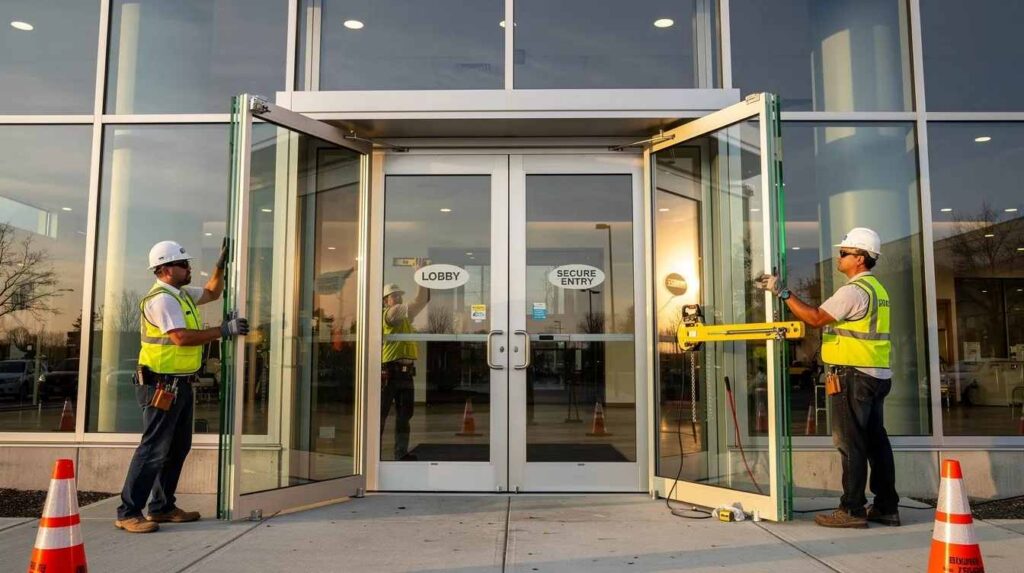
Systems like DefenseLite impact-resistant overglaze security systems create a secondary shield installed over existing windows, preserving the original glass while adding serious forced entry protection. Key advantages include:
- Polycarbonate panels can delay entry for several minutes during attacks, compared with seconds for standard glass.
- Abrasion resistant polycarbonate with hard-coat surfaces resists scratching and graffiti.
- Light transmission stays around 90%, preserving natural light without a “fortress” appearance.
- No daily deployment like metal shutters or roll-down barriers.
Thickness depends on threat level. A 1/4″ panel handles moderate risk. A 3/8″ panel suits most smash-and-grab attacks and localized unrest. A 1/2″ polycarbonate provides maximum forced-entry protection for the highest-risk window openings. Impact Security’s engineering team matches panel thickness and framing design to each facility’s specific threat profile.
Bullet Resistant Glass and Ballistic Polycarbonate: When Firearms Are a Concern
Bullet resistant glass combines layers of glass, polycarbonate, and interlayers engineered to stop bullets of specific calibers. For facilities prioritizing firearm threats, understanding bulletproof glass options for ultimate ballistic resistance helps align glazing selection with the calibers and attack scenarios you are planning against. Bullet-resistant glass also prevents penetration from blunt objects, meaning it doubles as effective protection against both firearms and forced entry.
Ballistic grade glazing is rated under UL 752, with levels ranging from handgun rounds (Level 1) through high-powered rifles. Impact Security’s BulletShield retrofit bullet-resistant security glazing and related systems can be retrofitted over existing windows to achieve ballistic resistance and forced entry performance without rebuilding the facade. Typical applications include courthouses, government buildings, law enforcement facilities, and data centers.
Threat Levels, Testing Standards, and Choosing the Right System
Buyers should demand independent testing documentation rather than relying on marketing terms like virtually unbreakable. The standards that matter for mob attack window protection include, and can be complemented by GSA/ISC blast resistant performance criteria for facilities also concerned about blast hazards:
| Standard | What It Simulates |
|---|---|
| ASTM F1233-08 | Defines forced entry protection levels for fenestration |
| ASTM F3038 | Simulates sustained mob attacks on glazing systems using heavy tools |
| ASTM F3561 | Forced entry after simulated active shooter weakening |
| UL 752 | Certifies ballistic-resistant glazing against firearms |
ASTM F3038 and Armed Mob Attack Simulation
ASTM F3038 is the most relevant standard for mob attack window protection because it tests glass for mob attack resistance using the kinds of tools and attack patterns seen in real civil unrest. The pass/fail criteria focus on preventing a body-sized opening-not just surviving a few hits. ASTM F3038 simulates sustained mob attacks on glazing systems, evaluating the entire assembly: glass or polycarbonate, framing, and anchors together.
Facility managers should specifically ask whether proposed polycarbonate security glazing or ballistic glazing has been tested to F3038 or comparable forced entry standards.
Matching Low, Medium, and High Threat Levels to Glazing Choices
| Threat Level | Scenario | Recommended Glazing |
|---|---|---|
| Low | Vandalism, graffiti, casual entry attempts | Security film or entry-level laminated glass |
| Medium | Smash and grab thefts, localized unrest | Laminated glass + polycarbonate shield |
| High | Repeated mob attacks, firearms, coordinated forced entry | Tested polycarbonate or ballistic systems meeting ASTM F3561 Level 8 (which resists sustained forced-entry attacks) and/or UL 752 |
In 2026, many insurers expect written evidence of compliance with recognized standards when evaluating coverage and deductibles. Keep test reports on file to support security audits and insurance conversations.
High-Risk Facilities That Need Mob Attack Window Protection
While any building with street-facing glass is vulnerable, some occupancies carry elevated risk. Effective measures for window protection range from immediate actions to permanent installations, and the right security solution depends on facility type and public-safety obligations.
Retail Storefronts, Pharmacies, and Cash-Intensive Businesses
Street-facing storefront windows are the first target in looting and flash-mob burglaries. Roll-down security shutters are deployed when a credible threat exists, and using plywood is a standard method for covering windows during potential civil unrest-but both block visibility and signal vulnerability. Retrofitting clear polycarbonate glazing over existing windows allows merchandise to remain visible while providing 24/7 forced entry resistance.
Jewelry cases, electronics displays, and pharmacy inventories benefit from 3/8″ or 1/2″ abrasion resistant polycarbonate, with higher-risk locations often upgrading to DefenseLite Pro impact security glazing for added strength. Property owners should also quarantine valuable items by moving them away from windows before potential unrest to minimize losses if a breach does occur.
Schools, Universities, and Places of Worship
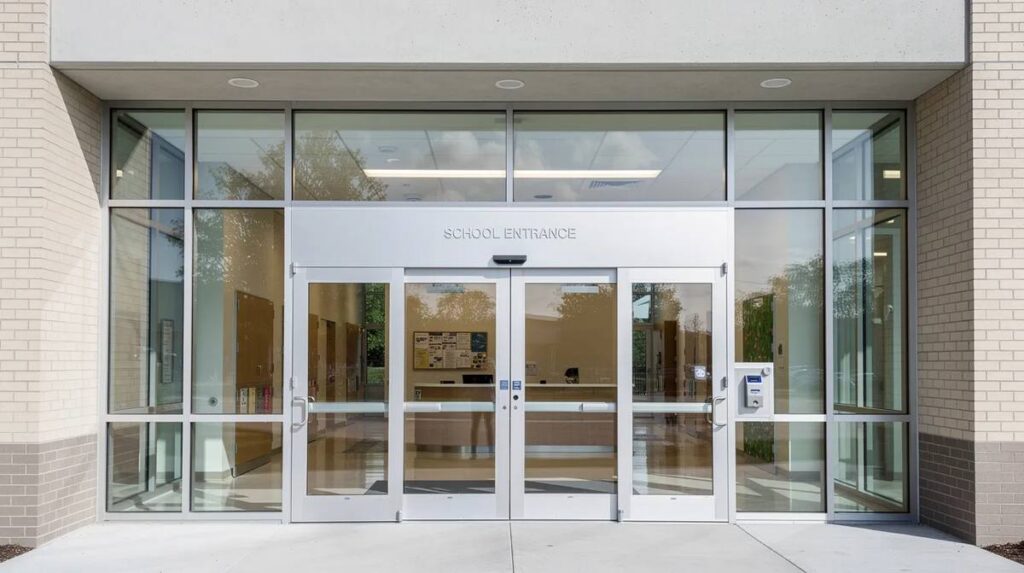
These facilities must balance welcoming architecture with credible entry protection against intruders and potential mob attacks. Priority zones include main entries, vestibules, sidelites, and ground-floor classrooms where even two to five minutes of delay dramatically improves lockdown outcomes.
The layered security approach combines multiple methods to enhance window protection. Combining physical barriers with surveillance systems enhances overall security. Shock-activated sensors can provide a loud alarm upon impact to deter attackers while polycarbonate panels prevent entry. Impact Security collaborates with school districts and religious institutions to phase upgrades building by building based on risk and available funding.
Hospitals, Clinics, and Healthcare Facilities
Emergency departments, lobbies, and pharmacy windows can become focal points during civil unrest or emotionally charged incidents. Polycarbonate or laminated glazing that withstands improvised weapons and crowd pressure is essential, while still permitting fast egress. Clear, abrasion resistant polycarbonate maintains a non-fortress appearance critical for public trust, especially when integrated into purpose-built forced entry security glazing and doors.
Government Buildings, Courthouses, and Critical Infrastructure
Courtrooms, city halls, data centers, and transportation hubs often require the highest level of forced entry and ballistic resistance. High-security shutters provide the highest level of physical protection against projectiles, but for buildings requiring transparency, ballistic grade glazing combined with F3038-rated forced entry resistance is the preferred security solution.
Woven stainless steel screens resist heavy impacts and knife slashes and can supplement glazing at utility and infrastructure sites. Impact Security can retrofit bullet resistant glass and ballistic polycarbonate over existing windows to minimize construction disruption while maintaining civic-friendly aesthetics.
Retrofit vs. Replacement: How the Mob-Resistant Glazing Process Works
Most Impact Security projects retrofit polycarbonate panels or ballistic glazing over existing windows rather than replacing entire units. This saves cost, speeds timelines, and minimizes interior disruption. Retrofit systems remain installed year-round-no daily deployment like shutters-and allow normal cleaning with mild soap and water, with solutions like DefenseLite product FAQs addressing maintenance, longevity, and performance questions.
The typical project follows these phases:
- On-site threat assessment and engineering survey
- Product selection matched to threat level and building conditions
- Custom fabrication at Impact Security facilities in Georgia or Arizona
- Professional installation by certified dealers nationwide
- Final inspection, documentation, and warranty activation
What Customers Should Know Before Choosing a System
Before selecting a system, facilities teams should address:
- Threat type: vandalism, mob attacks, smash-and-grab attacks, or firearms
- Time-to-breach goals and response capabilities
- Visibility, branding, and historic facade constraints
- Local building code and fire-safety requirements
Installing quality locks can help prevent forced entry through windows and doors as a complementary measure. Installing secondary locks on sliding windows prevents them from being lifted or forced open. These measures also play a role in preventing break-ins. Budget trade-offs matter: broader coverage across all windows versus higher performance at a few critical openings. Impact Security offers phased implementation plans to address the most vulnerable access points first.
FAQs: Mob Attack Window Protection and Security Glazing
What is mob attack window protection and how is it different from basic window security? Mob attack window protection specifically addresses preventing body-sized openings during riots, looting, and coordinated forced entry by multiple attackers using heavy tools. Basic window security may only address casual break ins or severe weather. Tested systems under ASTM F3038 or similar standards provide measurable delay against sustained aggression.
Is security film enough to protect my building during civil unrest? Security film can slow down forced entry attempts and reduce glass fragment injuries, but it cannot stop bullets or prevent penetration by a determined group with tools. For serious mob threats, polycarbonate security glazing or ballistic systems are necessary.
Can I add polycarbonate security glazing over my existing windows? Yes. Retrofit polycarbonate panels are engineered to mount over existing windows and frames without full replacement. Impact Security conducts compatibility assessments to verify that current framing and anchoring can support the added protection.
Will polycarbonate or bullet resistant glass make my building look like a fortress? Modern polycarbonate glazing maintains approximately 90% light transmission and a low-profile appearance. Natural light passes through clearly, and most visitors cannot distinguish protected windows from standard glass.
How long can polycarbonate security glazing resist a mob attack? Polycarbonate can delay entry for several minutes during attacks, compared with under 60 seconds for standard glass. Actual performance depends on panel thickness, framing quality, and the tools used, but engineered systems are designed to make entry extremely difficult for most attackers.
How do I know if a product offers the highest level of forced entry resistance? Ask for documentation showing testing to ASTM F3038, ASTM F3561, or UL 752. Verify that the glazing, frame, and anchoring were tested as a complete system. Working with experienced security glazing specialists like Impact Security ensures you receive maximum protection matched to your actual threat level.
Why Choose Impact Security for Mob Attack Window Protection
Impact Security is a dedicated security glazing manufacturer and installer-not a general glass shop. Since 2016, the company has specialized in forced entry, ballistic, and blast-resistant retrofits across the United States. Engineered systems like DefenseLite and BulletShield are designed specifically for existing windows, with fabrication centers in Marietta, GA and Glendale, AZ providing national coverage, as outlined in the company’s About Impact Security, LLC overview.
Impact Security has secured retail chains, school districts, hospitals, and government buildings against civil unrest and mob attacks. Every project includes turnkey service from assessment through professional installation, documented testing to relevant ASTM and UL standards, warranties, and long-term service support through a certified installer network.
Next Steps: Hardening Your Glass Before the Next Mob Attack
Unprotected glass remains the most predictable failure point during riots and civil unrest. Polycarbonate security glazing and ballistic systems provide the highest level of practical, transparent protection available. Securing doors and windows before unrest escalates is a practical preparedness step-not an overreaction.
Your action plan is straightforward: schedule a professional site assessment, prioritize doors and ground-floor windows, choose threat-appropriate glazing based on recognized standards, and phase installation before the next high-risk period.
Contact Impact Security for a free consultation or estimate. Certified installers are available nationwide for B2B and government projects. Gather drawings, photos, or basic window measurements beforehand to streamline your initial conversation and receive accurate guidance faster.