Table of Contents
- Why Commercial Vandalism Protection Matters in 2026
- How Vandals Target Commercial Property (and Where Weak Points Hide)
- Layered Vandalism Prevention: From Perimeter to Storefront Glass
- Protecting Glass: Security Glazing, Films, and Retrofit Shield
- Commercial Property Insurance, Vandalism Claims, and Documentation
- Common Mistakes in Commercial Vandalism Protection
- Why Choose Impact Security for Commercial Vandalism Protection
- Frequently Asked Questions
- Plan Your Commercial Vandalism Protection Before the Next Incident
Introduction: Why Commercial Vandalism Protection Matters in 2026
Commercial vandalism protection has become a top-of-mind concern for property owners across the United States. Since 2020, vandalism patterns have shifted dramatically-more coordinated smash-and-grab attacks, targeted glass destruction during civil unrest, and opportunistic tagging on high-foot-traffic corridors. Businesses in urban areas face increased vandalism risk, and vandalism leads to lost revenue during operational downtime that can stretch for days or weeks. Over time, repeated incidents can diminish property value significantly.
This article covers practical steps to prevent vandalism, how commercial property insurance handles vandalism claims, and what to do immediately when damage occurs. Whether you manage retail stores, school campuses, government facilities, healthcare buildings, or banks, the strategies here apply directly to your property.
How Vandals Target Commercial Property (and Where Weak Points Hide)
Between 2020 and 2025, vandalism patterns at commercial sites have followed a clear playbook: shatter street-facing glass for quick smash-and-grab theft, spray graffiti on poorly monitored walls, force entry through recessed doors, and exploit rooftop access during late hours. During 2020 civil unrest alone, the Twin Cities saw roughly 1,500 commercial locations damaged with losses exceeding $350 million.
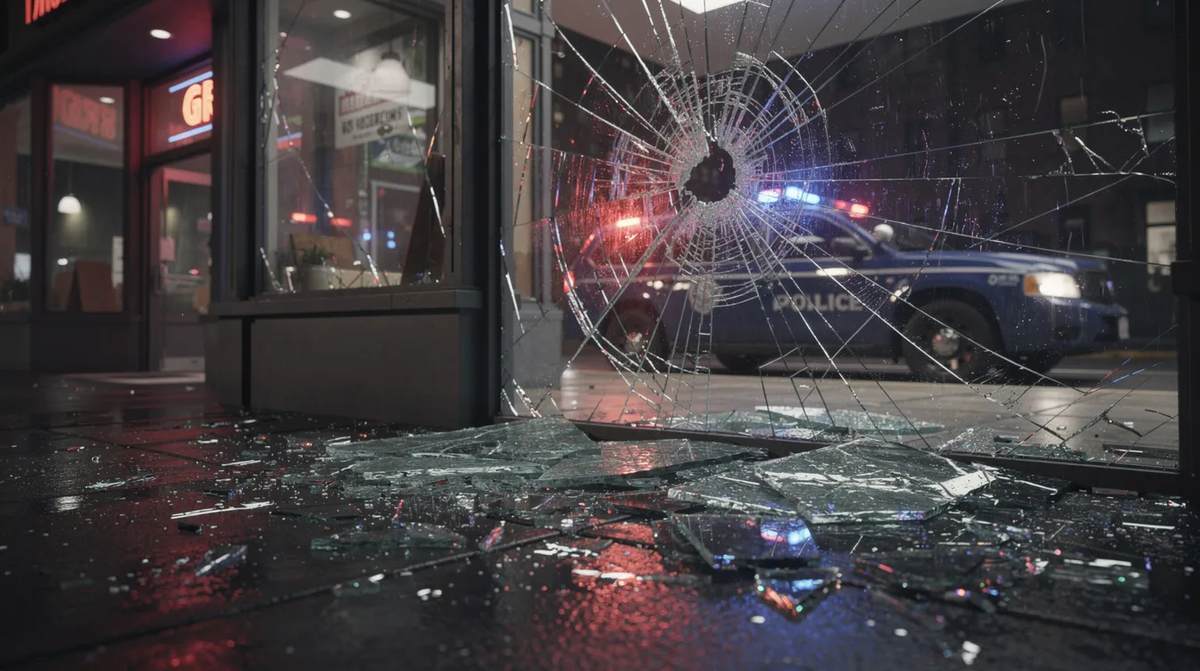
Vandals look for specific conditions before acting:
- Anonymity from blind spots and recessed entryways
- Quick escape routes near alleys or parking lot exits
- Weak points like unprotected storefront glass and poorly lit service yards
- Unmonitored roof access ladders and HVAC enclosures
- Properties where graffiti or broken windows sit unrepaired for days
High-visibility glass at street level, loading bays behind restaurants, and climbable downpipes on multi-story buildings become primary targets. For example, consider a downtown pharmacy with large street-facing windows-after one successful break-in, vandals returned three more times over 18 months, using the same recessed side entrance each time. A well-maintained exterior signals active management and can deter vandalism, while neglected properties invite repeat incidents. Maintaining clear visibility around windows and entrances reduces the opportunity vandals need.
Identifying Weak Points Before Damage Occurs
A simple “walk-the-property-at-night” assessment takes about 30 minutes and reveals vulnerabilities you will never notice during business hours. Turn off interior lights and walk every exterior face of the building after 9 p.m.
Look for these specific weak points:
- Dark corners and blind loading bays with no illumination
- Climbable downpipes, exposed ladders, and unprotected HVAC cages on the roof
- Glass doors and windows adjacent to parking lots with poor sightlines
- Unsecured dumpster enclosures that provide concealment or climbing platforms
- Gaps in fencing or gates with worn hardware
Roof-level vandalism incurs the highest repair costs because damage to mechanical systems and skylights is complex to fix. Regular maintenance prevents small gaps from becoming weaknesses. Repeat this assessment quarterly, after tenant changes, major storms, or remodels. Photograph and document everything-those records support insurance claims and justify capital spending on vandalism prevention upgrades later.
Layered Vandalism Prevention: From Perimeter to Storefront Glass
A multi-layered approach is effective for preventing commercial vandalism. Rather than relying on any single device, effective prevention stacks small obstacles from the property line inward: perimeter barriers, building shell controls, hardened glass and doors, and secured interior assets. Each layer buys time and increases the chance that vandals move on to an easier target.
CPTED (Crime Prevention Through Environmental Design) provides the framework. Practical CPTED actions include placing entrances where passersby can see them, trimming landscaping to reduce hiding spots, and ensuring staff visibility from the street. Developing security procedures for staff-like locking service entries after hours and reporting suspicious activity immediately-adds another layer without any capital expense. For higher-risk sites, integrated forced-entry and riot protection systems can strengthen these CPTED measures without compromising storefront visibility. Protective landscaping can create natural barriers against intruders when thorny hedges or dense plantings are placed beneath windows.
Key layers to address:
- Lighting and visibility at all access points
- Physical barriers at the perimeter (gates, bollards, fencing)
- Hardened glazing on doors, storefronts, and ground-level windows
- Security cameras with motion sensors for monitoring and evidence
- Staff procedures for reporting and response
Improving Visibility and Lighting Around Commercial Property
Lighting upgrades are typically the fastest, highest-ROI step you can take to deter vandalism. Lighting deters vandalism by eliminating hiding spots, and the cost of LED fixtures pays for itself quickly against even one avoided incident.
- Install motion-activated lighting at rear doors and service entries-motion-activated lighting helps eliminate concealment areas for potential vandals
- Place pole lights in parking lots and along building perimeters
- Use illuminated signage on storefronts to maintain visibility after hours
- Replace burned-out fixtures within 48 hours; dark zones invite trouble
- Pair proper lighting with high-resolution IP cameras, which provide effective surveillance and deterrence against vandalism
CCTV with motion alerts enhances early warning systems by notifying security teams in real time when someone enters a monitored zone. Inspect your lighting after 9–10 p.m. to see the property as vandals do, and document any dark zones for immediate repair work orders.
Physical Barriers and Perimeter Controls
Secure gates and barriers disrupt intruder movement effectively without turning your commercial property into a fortress. The goal is to slow access and channel foot traffic to monitored entry points.
- Install tamper-resistant hardware on gates and service access doors
- Apply anti-climb coatings to downpipes and structural columns-anti-climb coatings reduce access points for intruders
- Use lockable dumpster enclosures to eliminate concealment and climbing platforms
- Add tamper-protected cages on rooftop ladder access
- Secure entry points with high-security locks to prevent unauthorized access
- Place bollards near storefront glass to block vehicle-ramming attempts
Small, targeted changes to busy access points-an alley gate behind a restaurant, a service yard at a big-box retail location-can drastically reduce break-ins and roof-level vandalism that would otherwise lead to costly repairs for neighboring businesses.
Protecting Glass: Security Glazing, Films, and Retrofit Shields
Standard tempered storefront glass is a prime target for vandals because it shatters on impact, is highly visible from the street, and is expensive to replace. For many vandalism claims, the biggest cost is not only the broken windows themselves but also lost business operations during boarding, emergency repairs, and reglaze wait times.
Retrofitting existing commercial glass with specialized glazing systems-rather than full window replacement-controls cost and minimizes downtime. The key distinction: anti-graffiti film protects damaged surfaces from tagging and etching, while engineered overglaze systems like DefenseLite that outperform security window film in impact resistance keep vandals out even when the glass behind the system breaks.
Protection options at a glance:
- Anti-graffiti film: sacrificial surface layer for scratch resistance and paint removal
- Security window film (e.g., RiotLite): holds shattered glass in place, delays forced entry
- Retrofit polycarbonate shields (e.g., DefenseLite overglaze security system): full forced entry resistance over existing glass
- Full laminated or ballistic glass replacement: highest protection, highest cost and downtime
Retrofit Security Glazing Systems (DefenseLite, BulletShield, RiotLite)
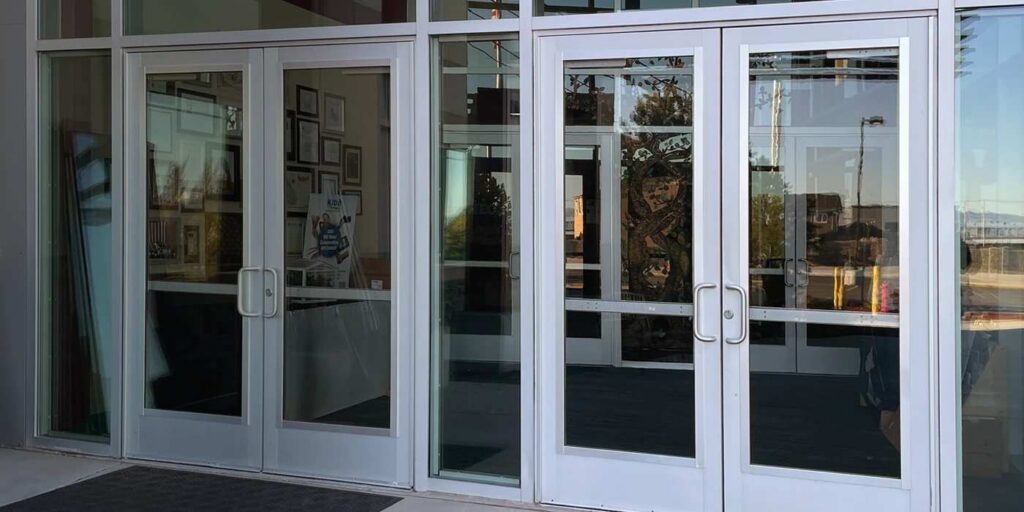
Impact Security’s DefenseLite system mounts an engineered, optical-grade polycarbonate shield directly over existing glass using vented aluminum extrusions. The shield absorbs impacts from bricks, bats, cinderblocks, and tools while keeping the original window intact in many cases. This additional protection is designed specifically for forced entry resistance and vandalism control without altering the building envelope.
DefenseLite Pro forced-entry security glazing achieves ASTM F3561 Level 8 forced entry resistance-the highest rating under that standard. BulletShield bullet-resistant retrofit panels add ballistic protection per UL 752 for high-risk environments. RiotLite provides a thick-gauge security film option for lower threat levels.
Key features:
- Forced entry resistance tested to ASTM F3561 (up to Level 8)
- Custom fit to doors, storefronts, curtain walls, and sidelights
- Nearly invisible once installed-minimal visual change for customers
- Patented moisture-venting extrusion prevents condensation behind the shield
- Nationwide professional installation by certified dealers since 2016
Property owners who want more technical details on performance, installation, and warranties can review DefenseLite product FAQs covering system design and benefits.
In one documented case, a retail location in Portland withstood cinderblock attacks after DefenseLite was installed. The polycarbonate shield held firm, preventing intrusion even though the glass behind it broke. That kind of result turns a potential $15,000+ loss into a shield panel swap.
When Anti-Graffiti Films Make Sense (and When They Don’t)
Clear anti-graffiti film works as a sacrificial layer: when vandals damage the surface with paint, markers, or acid etching, you peel off the damaged film and apply a new sheet. Using anti-graffiti coatings allows for easy removal of graffiti without damage to the underlying glass. Immediate removal of graffiti can deter future vandalism by signaling that the premises are actively monitored.
Film is ideal when:
- Vandalism is mostly tagging and surface damage (malls, transit shelters, interior glass)
- You need scratch resistance on branding or signage glass
- Budget does not yet allow for full retrofit shields
Film is not enough when:
- Your property faces smash-and-grab, forced entry, or rioting threats
- Doors and storefronts are on high-risk corridors with heavy foot traffic
- You need to protect valuable items behind street-level glass
Professional installation quality and film selection determine clarity, longevity, and ease of replacement after an incident. For most commercial property owners in high-risk areas, combining film with a stronger forced-entry resistant glazing system over doors and windows on primary entries is the right answer.
Commercial Property Insurance, Vandalism Claims, and Documentation
Commercial property insurance often covers vandalism damages, but definitions matter. Your insurance policy may distinguish between vandalism, theft, riot, and civil commotion-each with different policy terms, deductibles, and exclusions. An insurance company may deny coverage for vacant properties or premises that lack required security measures like locks, alarms, or occupancy conditions. Demonstrating that you have installed tested security glazing and protective shield systems can support underwriting discussions and show that you have taken reasonable steps to reduce risk.
Losses typically covered under vandalism provisions:
- Broken windows and damaged doors
- Signage, interior fixtures, and damaged surfaces
- Business interruption coverage can compensate for lost income during repairs
- Emergency board-up and temporary securing costs
Insurance premiums may rise after vandalism incidents, which makes effective prevention a financial priority. Regularly reviewing insurance policies ensures adequate vandalism coverage and confirms your policy limits match current replacement costs. Consistent reporting of minor incidents strengthens future claims by establishing a documented pattern. This information is general guidance-consult your broker or counsel for policy-specific details.
What To Do Immediately After Vandalism Damage Occurs
When vandalism strikes your business property, act fast. Secure the premises to prevent further loss, then call police immediately. A police report is required for vandalism insurance claims-without it, insurers can reject the claim outright. File your police report the same day, documenting every detail of the incident.
Follow this checklist:
- Take time-stamped photographs and video of all property damage
- Pull footage from security cameras covering the affected areas
- Create a written inventory of damaged property, including doors, glass, fixtures, and valuable items
- Arrange temporary repairs promptly-board-up, tarps, or emergency glazing-to prevent further exposure
- Save all invoices from emergency repairs and document payment details
- Notify your insurance company within 24 hours and file your insurance claim with supporting evidence
- Ensure your police report, incident logs, and claim narrative are consistent
Insurance companies may delay or deny vandalism claims when documentation is incomplete or inconsistent. Having prior records of installed security-lighting, cameras, DefenseLite systems, and maintenance visits-supports the argument that your business met its duty to prevent vandalism and can make the difference in a disputed claim.
Common Mistakes in Commercial Vandalism Protection (and How to Avoid Them)
Many businesses either overreact with ad hoc fixes after a single incident or underinvest until repeated vandalism becomes unmanageable. Both approaches cost more than a planned strategy.
Avoid these mistakes:
- Relying only on cameras without hardening glass-cameras document but do not physically stop forced entry. Pair security cameras with forced-entry resistant retrofit glazing on main entrances.
- Delaying repairs after damage occurs-a broken window left for weeks invites further vandalism and may harm your claim with insurers
- Leaving graffiti up for days-it signals that the property is unattended and invites repeat tagging from nearby businesses’ vandals too
- Not updating insurance coverage after renovations or tenant turnover-policy limits and coverage may no longer match your exposure
- Ignoring roof-level and upper-story vulnerabilities-skylights, rooftop HVAC, and unprotected ladder access are bypass routes
- Skipping quarterly risk reviews-small, consistent improvements outperform one-time big-ticket purchases that are not part of a plan
- Failing to train employees on reporting suspicious activity and securing access points after hours
Why Choose Impact Security for Commercial Vandalism Protection
Impact Security is a U.S.-based manufacturer founded in 2016, headquartered in Marietta, Georgia, specializing in retrofit security glazing systems for commercial and government facilities. When vandalism occurs or when you want to ensure it never does, Impact Security delivers engineered solutions-not generic advice. Their company background and security glazing expertise reflect a focus on integrating DefenseLite, BulletShield, RiotLite, and related systems into real-world projects nationwide.
- Nationwide network of certified installers and dealers
- Engineered product lines: DefenseLite Pro (forced entry), BulletShield (ballistic), RiotLite (riot/film), AccessShield (access control glazing)
- Fabrication centers in Marietta, GA and Glendale, AZ for fast turnaround
- Experience securing retail stores, school districts, hospitals, financial institutions, and government buildings
- Turnkey service: on-site assessment of weak points, custom engineering, fabrication, professional installation, and warranty support (2–15 years depending on system)
- Solutions tailored to enhance security for both high risk urban storefronts and suburban campuses
Partnering with a specialist helps commercial property owners align physical security upgrades with vandalism prevention goals and insurance risk management-so you can protect your property, your customers, and your bottom line.
Frequently Asked Questions About Commercial Vandalism Protection
Does commercial property insurance always cover vandalism to my storefront glass? Not always. Most commercial property insurance policies cover vandalism under named-peril or open-peril provisions, but exclusions exist for vacant properties, inadequate security, and sometimes civil commotion versus standard vandalism. Review your policy terms carefully and discuss any gaps with your broker before an incident forces you to file a claim.
Can security cameras alone prevent vandalism? Cameras are crucial for deterrence and evidence, but they do not physically stop a brick from going through glass. High-resolution IP cameras paired with motion sensors and proper lighting create a much stronger deterrent than cameras alone. For effective prevention, combine monitoring with hardened glazing on vulnerable openings.
How do retrofit glazing systems like DefenseLite help with vandalism claims? By keeping the building envelope intact during an attack, retrofit shields reduce claim severity-less property damage, shorter downtime, and faster return to normal business operations. Some insurers view tested forced-entry systems favorably when evaluating risk, which can positively influence coverage discussions and premium calculations over time.
Will stronger glass or shields make my building look less inviting to customers? DefenseLite is made from optical-grade polycarbonate that is nearly invisible once installed. In many cases, curb appeal actually improves because the shield also resists scratching and surface degradation. Customers and foot traffic are unaffected.
How long does it take to install retrofit security glazing on a typical storefront? After an initial site assessment, fabrication typically takes a few weeks depending on project scope. Installation itself is usually completed overnight or during off-hours to minimize disruption to business operations. A certified dealer coordinates the entire process from assessment to final walkthrough.
Is vandalism protection different for schools and government buildings than for retail? Yes. Schools face forced entry and active-shooter threat profiles that require specific glazing specifications-some states like Tennessee now mandate forced-entry resistant glazing on ground-level school windows. Government buildings may require ballistic ratings. Impact Security tailors product selection (DefenseLite, BulletShield, or RiotLite) to each environment’s threat level and compliance requirements, and offers active shooter mitigation glazing solutions for education and workplace facilities as part of a broader security strategy.
Plan Your Commercial Vandalism Protection Before the Next Incident
The most effective vandalism prevention strategy is one you build before the first incident-not after. Combining proper lighting, monitoring, physical barriers, and hardened glazing creates a property that vandals simply skip.
Request a free site assessment from Impact Security to identify weak points in your glass, doors, and building perimeter. Gather your recent incident history, insurance policy details, and site photos before reaching out-it makes your consultation more productive and your plan more precise.
Contact Impact Security or connect with a certified DefenseLite representative through their project contact form to start your commercial vandalism protection plan today.