Table of Contents
Vandalism doesn’t announce itself. One morning you arrive to find spray paint across your storefront windows, deep scratches carved into lobby glass, or acid etching that’s burned through the surface permanently. The cost to fix it is steep, and the damage to your valued reputation is immediate.
This guide covers everything you need to know about preventing costly glass replacement using anti-graffiti films and security glazing – two proven strategies that property owners, facilities managers, and security professionals are deploying across U.S. commercial buildings right now.
Introduction: The Real Cost of Glass Vandalism in 2026
Vandalism costs the U.S. $12 billion annually, and a disproportionate share of that total hits glass surfaces on commercial storefronts, office buildings, and public facilities. Cities like Philadelphia are budgeting graffiti abatement programs targeting 150,000 properties and street fixtures in their latest fiscal plans, and yet the damage keeps coming faster than cleanup crews can respond.
For a single retail store with four to six glass window panels, one vandalism incident can trigger $2,000 to $10,000 in glass replacement costs. When that damage repeats – and in high-graffiti urban corridors, it often does – the cumulative expense becomes a serious operational burden for small businesses and large portfolios alike. Repeated property damage disrupts tenants, drives away customers, and can erode curb appeal across an entire block.
This article focuses on exterior glass surfaces: storefront windows, glass doors, transit glazing, and other vulnerable building openings – not decorative interior glass. Glass protection against vandalism includes preventing breakage and protecting surfaces from damage, and the right approach depends on your threat profile. Glass protection strategies should match the type of anticipated vandalism threats, ranging from surface-level tagging to full forced entry attempts. The two primary strategies are anti graffiti film, a sacrificial window film applied directly to glass, and retrofit security glazing systems like polycarbonate shields that mount over existing windows.
Why Commercial Glass Is So Vulnerable to Vandalism
Large glass windows in retail stores, office buildings, and public facilities are designed to maximize natural light, display merchandise, and project a professional appearance. That same transparency makes them easier targets for vandals.
Common attack methods include:
- Spray paint and marker tagging, typically occurring between 11 p.m. and 4 a.m. when streets are least monitored
- Acid etching, which causes permanent damage to standard glass that cannot be buffed out
- Scratching with keys, blades, or other sharp tools that leave deep scratches across the surface
- Impact damage from thrown objects like rocks, baseball bats, or hammers during riots, protests, or smash-and-grab break ins
Downtown retail corridors, transit hubs, university campuses, and municipal buildings are repeatedly targeted. A single tagged or broken glass window signals neglect, and that neglect compounds. One damaged storefront attracts more vandalism attempts, affects neighboring small businesses, and begins to drag down property values and foot traffic across the area. The longer property damage goes unaddressed, the worse the cycle becomes – turning commercial storefronts into easier targets for escalating property crime.
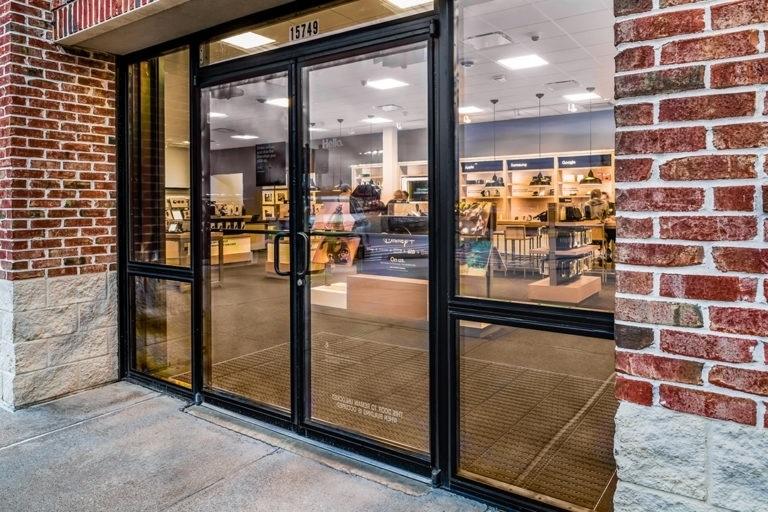
How Anti-Graffiti Window Film Protects Glass Surfaces
Anti-graffiti window film is a clear polyester (PET) film applied directly to glass surfaces. It creates a sacrificial layer between the vandal and the underlying glass, absorbing the damage so the glass itself stays intact.
Here’s how it works in practice:
- Anti-graffiti film protects glass from scratches and etching by intercepting contact before it reaches the pane. The film acts as a sacrificial layer, absorbing damage first – whether from spray paint, stickers, abrasion, or chemical attack.
- 3M Anti-Graffiti Film protects glass from acid etching. When the film is damaged, it is peeled off and a fresh layer is installed directly over the clean underlying glass. Anti-graffiti film absorbs damage from scratches and paint, so the original glass window stays untouched.
- 3M Anti-Graffiti Film is a sacrificial layer for glass, available in several configurations. 3M window films have a thickness of 4 mil to 6 mil, with visible light transmission around 86% and excellent optical clarity that keeps storefronts looking clean and bright.
- Installation typically takes about ten minutes per window. Installers can apply 3M Anti-Graffiti Film in about ten minutes, meaning they can protect an entire building façade in a single work session without disrupting business hours.
Installers can use modern anti-graffiti films on glass windows, bathroom mirrors, elevator interiors, polycarbonate panels, and some metal surfaces where graffiti is common. Manufacturers design specialty formulations like blister-free films for polycarbonate and other non-glass substrates that expand and contract with temperature changes.
Key Benefits of Anti-Graffiti Films vs Glass Replacement
The math on anti-graffiti film versus full glass replacement is straightforward. Installing film on a standard storefront panel costs roughly $200 to $400, while replacing that same glass panel runs $400 to $900 or more depending on glass type. Insulated or laminated panels push replacement costs even higher. Replacing damaged anti-graffiti film is faster than replacing glass – and after even one or two vandalism incidents, the film pays for itself.
Key advantages include:
- Replacement of the film is faster than replacing glass. Film changes are typically completed in hours during off-peak times, compared to multi-day lead times for custom glass orders, board-ups, and installation crews. Replacing damaged film is faster than replacing glass panels, which means your store avoids lost peak sales opportunities and extended closures.
- Anti-graffiti film can be replaced quickly after vandalism, often overnight, so customers never see the damage. Your storefront windows maintain their appearance and your business maintains its schedule.
- Optically clear films preserve visibility, merchandising displays, and daylighting – unlike plywood boards, metal grilles, or roll-down shutters that block the view and signal distress.
- Extending the life of existing glass through film reduces waste from repeated glass replacement cycles. It’s a cost-effective approach with real environmental upside.
- Most films offer 99% UV rejection to prevent fading of interior furnishings, flooring, and merchandise. Anti-graffiti film offers 99% UV rejection for interior protection, providing uv protection as an added benefit beyond graffiti protection. Those uv rays degrade interiors over time, and film blocks them at the surface.
Limits of Anti-Graffiti Film: When You Need Stronger Glass Protection
Anti graffiti film provides effective protection against surface vandalism – tagging, scratching, stickers, and light acid etching. But film alone is not a forced-entry or riot barrier. It cannot stop a determined attacker with a hammer or brick from shattering the glass behind it.
That said, security window films do offer meaningful secondary protection:
- Security window films hold shattered glass in place and provide a barrier against break ins. Even when the glass cracks, film keeps flying glass shards contained, reducing injury risk to people inside.
- Security window films can reduce injury from flying glass shards during impact events.
- Thicker security films absorb impacts, and delay break-in attempts by intruders, buying critical response time.
- Security films can discourage break ins and make forced entry difficult by requiring sustained effort to penetrate the opening.
- Proper installation of security films significantly enhances their effectiveness against forced entry. Edge anchoring and structural adhesive attachment to the window frame are essential.
Red flags that signal the need for stronger protection beyond film:
- Repeated smash-and-grab entry attempts
- Civil unrest events or riot risk in your area
- High-value inventory (jewelry, electronics, pharmaceuticals)
- Banking, pharmacy, or cannabis dispensary operations
When vandalism escalates from surface damage to physical attack, retrofit polycarbonate and security glazing systems like DefenseLite become the right product for the threat level.
Retrofit Security Glazing Systems for Vandalism and Riot Protection
Retrofit security glazing – like the DefenseLite system from Impact Security – mounts directly over existing glass windows and doors without requiring removal of the original glazing. The system uses clear polycarbonate shields anchored in engineered aluminum extrusions that flex on impact rather than shattering. Polycarbonate panels are 250 times stronger than glass, and polycarbonate security panels are 250 times stronger than glass by standardized impact testing, meaning they absorb blows from thrown objects, baseball bats, and even sustained forced entry attempts without breaching.
Polycarbonate materials are significantly more impact-resistant than traditional glass. Glass-clad polycarbonate combines scratch resistance with superior impact resistance, pairing a glass face for durability with a polycarbonate core that absorbs energy and prevents penetration. These composites maintain optical clarity while providing protection that standard glass simply cannot match.
Laminated security glass consists of layers bonded with a tough interlayer to prevent entry. Laminated security glass maintains visibility and provides prolonged protection from vandalism, serving as another option in the broader family of safety and security glass solutions alongside polycarbonate shields.
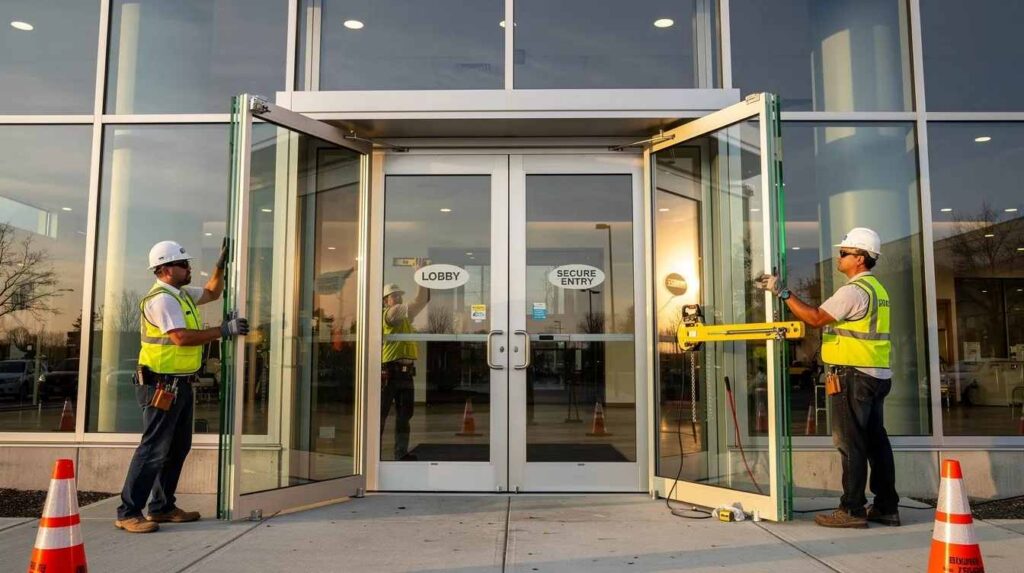
During the civil unrest events from 2020 through 2024, retail chains with retrofit shields like DefenseLite saw their openings survive intact while looters targeted neighboring unprotected stores, forcing them to board up for weeks. These systems provide 24/7 vandalism protection without bars or roll-down shutters, and installers can combine DefenseLite Pro impact security glazing with anti-graffiti film on the shield surface itself for added protection against tagging and scratching
Anti-Graffiti Films vs Security Glazing: Which Do You Need?
Choosing between anti-graffiti window film and a full retrofit security glazing system depends on what kinds of threats your building actually faces. Here’s a simplified three-tier model:
| Threat Level | Typical Damage | Recommended Solution |
|---|---|---|
| Surface-only vandalism | Spray paint, marker, scratches, stickers, light acid etching | Anti-graffiti film (sacrificial layer, easily removed and replaced) |
| Mixed graffiti + occasional breakage | Tagging plus thrown objects, rocks, opportunistic smash attempts | Anti-graffiti film combined with security window films or a lightweight polycarbonate shield |
| High-threat vandalism / forced entry | Organized smash-and-grab, riots, ballistic risk, sustained entry attempts | Full retrofit security glazing (DefenseLite, RiotLite, or BulletShield ballistic security panels) with optional anti-graffiti film overlay |
Anti-graffiti films are the right product for locations where graffiti, scratching, and acid etching are the primary issues and forced entry risk is moderate. They protect glass surfaces, they’re removed quickly when damaged, and they keep your exterior looking clean.
Polycarbonate shields and forced-entry systems are built for higher-risk sites: luxury retail stores, pharmacies, financial institutions, government buildings, and transit-facing glass. These systems prevent vandalism at the impact level – not just the surface level – and meet standards like UL 972 for burglary-resistant glazing.
Where Glass Vandalism Protection Matters Most
Different building types face different risks, and vandalism protection should be tailored accordingly.
- Retail and small businesses: Storefront glass, glass doors, and display windows in strip centers and downtown corridors are prime targets. Anti-graffiti film handles routine tagging; security glazing prevents smash-and-grab break-ins that can wipe out inventory and shut a store down for days.
- Office buildings and mixed-use properties: Lobby glass, ground-floor curtain walls, and parking-garage access doors need low-profile vandalism protection that doesn’t compromise the building’s professional appearance. Film is usually sufficient for surface graffiti; security glazing protects entries and high-exposure facades.
- Public facilities and transit: Libraries, municipal buildings, bus shelters, and train stations endure heavy tagging and scratching. Thick abrasion-resistant films (200 µm or more) or RiotLite security glazing polycarbonate shields are recommended for these high-abuse environments.
- Schools, hospitals, and government campuses: These buildings need to maintain a welcoming look while meeting security requirements. Many now specify UL 972–rated glazing or RiotLite window film systems tested to ASTM F3561 for ground-level openings, including areas where classroom window security is a priority. Impact Security regularly works with B2G customers on these upgrades, balancing graffiti protection with forced-entry resistance.
Why Professional Installation Beats DIY for Vandalism Protection
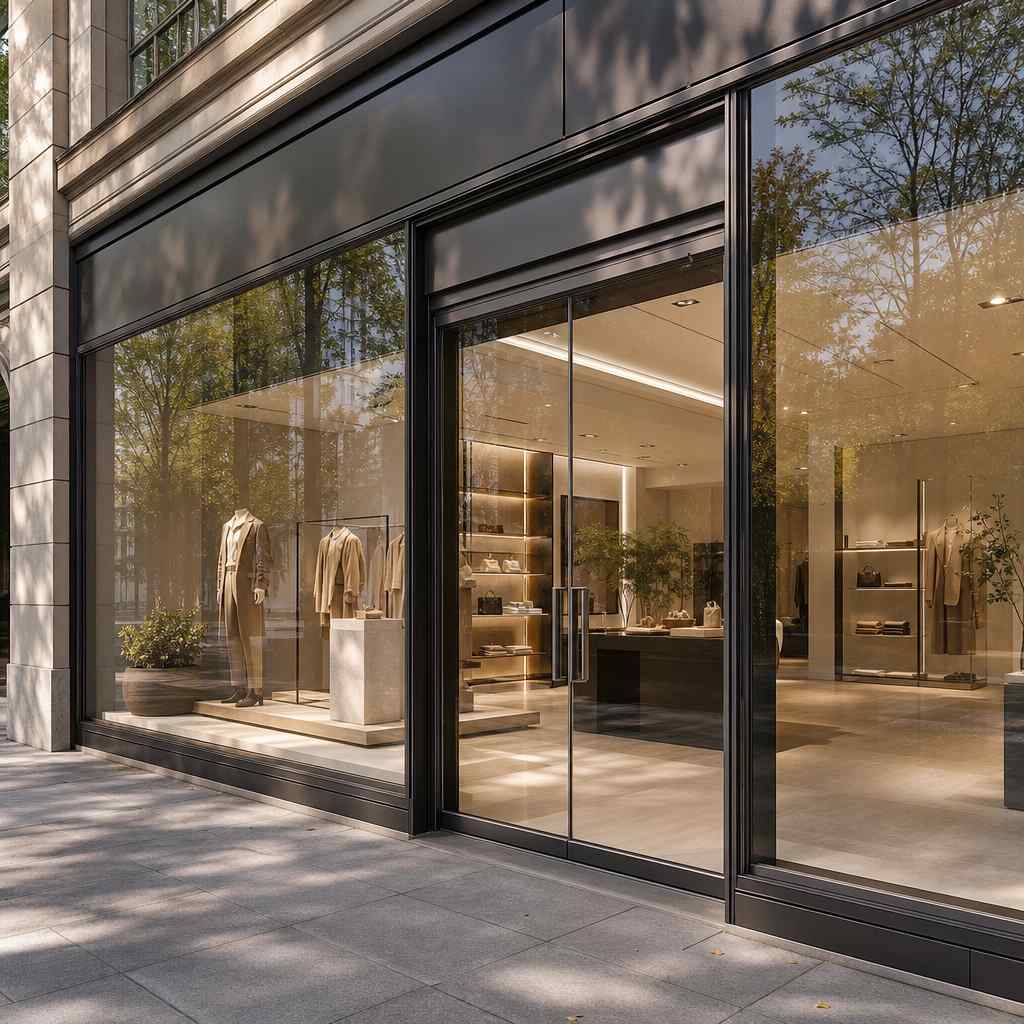
Both anti-graffiti films and security glazing perform best when installed by experienced installers, especially on large glass windows and complex framing systems. The difference between a film that lasts years and one that peels within months often comes down to installation quality.
Common DIY problems include:
- Visible seams and bubbles that reduce optical clarity
- Trapped dust and debris under the film surface
- Poor edge preparation that allows moisture intrusion and peeling
- Weak adhesion to the window frame that compromises security performance
Professional installation includes site assessment, precision measurement of oversized panels, proper edge sealing, custom framing for security glazing, and scheduling coordination to avoid disrupting business hours. Impact Security maintains a nationwide network of certified installers supported by fabrication centers in Marietta, GA and Glendale, AZ, ensuring consistent quality across projects from single storefronts to national retail rollouts while integrating energy-efficient security glazing solutions where appropriate.
What to Expect from an Impact Security Vandalism Protection Project
Working with Impact Security follows a clear, repeatable process designed for minimal disruption:
- Threat and damage assessment: A security professional evaluates your building’s exposure, existing glass types, vandalism history, and risk level.
- Recommendation: Based on findings, Impact Security recommends anti-graffiti film, retrofit security glazing (DefenseLite, RiotLite, or BulletShield), or a combined system – matched to the right product for your situation.
- Detailed estimate: You receive a scope of work with pricing, timeline, and warranty coverage details.
- Custom fabrication: Shields and framing are fabricated to your building’s exact dimensions at Impact Security’s manufacturing facilities.
- Professional installation: Certified installers complete the work during off-hours or scheduled windows to protect peak sales opportunities and minimize tenant disruption.
- Warranty and support: DefenseLite includes a 2-year full parts and labor warranty plus a minimum 7-year shield warranty, giving property owners long-term confidence.
For large portfolios – retail chains, school districts, government agencies – Impact Security phases work by façade, tenant, or risk level so vandalism protection rolls out in manageable stages.
Frequently Asked Questions About Glass Vandalism Protection
Can anti-graffiti film stop acid etching, or will my glass still need to be replaced?
Anti-graffiti film absorbs light to moderate acid etching damage before it reaches the underlying glass. After an acid attack, installers can easily remove and replace the damaged film layer – no glass replacement needed. Heavy concentrated acid may degrade the film, but the film continues to protect the glass beneath.
How long do anti-graffiti films typically last on busy storefronts?
In heavily tagged areas, thick films (6–8 mil) can last several years before replacement. Manufacturers often warranty standard 4 mil films for one year under normal conditions. Physical vandalism damage may require earlier replacement, but each swap remains fast and inexpensive.
Will window film or polycarbonate security panels change how my glass windows look from the street?
High-quality anti-graffiti window film transmits about 86% of visible light with minimal reflection, so the change is virtually undetectable. Polycarbonate shields are slightly lower in light transmission (typically 70–80% depending on thickness) but maintain a clean, unobstructed appearance far superior to bars, shutters, or plywood.
Is vandalism protection different for glass doors vs fixed windows?
The core products are the same, but glass doors require hardware accommodation – hinges, closers, handles – and may need custom-cut film or shield panels. Professional installation ensures the system works with door operation and doesn’t interfere with egress requirements.
What’s the difference between safety window film and anti-graffiti film?
Safety window film holds shattered glass together after breakage, reducing flying glass shards and injury risk. Anti-graffiti film acts as a sacrificial surface layer that absorbs scratches, spray paint, and etching so the underlying glass stays pristine. Some security window films serve both functions to varying degrees.
How do I know if my building needs full security glazing instead of just film?
If you’re experiencing repeated break ins, forced entry attempts, or operate in an area with civil unrest risk, film alone is not enough. High-value inventory, banking operations, and pharmacy dispensaries are strong indicators that retrofit security glazing – rated to standards like UL 972 – is the right step up.
Can these systems be removed later without damaging the original glass?
Yes. Manufacturers design both anti-graffiti films and retrofit polycarbonate shields to protect the original glass, not bond permanently to it. Installers can peel films off cleanly. Security glazing systems like DefenseLite attach to the exterior frame, and installers can remove them without altering the original glass window or window frame.
Why Choose Impact Security for Glass Vandalism Protection
Impact Security has specialized in retrofit security glazing since 2016, serving commercial buildings, schools, hospitals, government agencies, and national retail chains across the United States. Purpose-built products like DefenseLite and RiotLite deliver forced-entry and riot protection that standard glass and film alone cannot match, while the ability to integrate anti graffiti film on shield surfaces provides layered graffiti protection in a single system.
What sets Impact Security apart is turnkey execution. From initial site assessment and engineering through custom fabrication, professional installation, and ongoing warranty support, everything runs through one team – no need to coordinate multiple vendors. Solutions preserve the look of your glass windows and allow natural light to flow through, while dramatically improving vandalism protection and reducing lifetime glass replacement costs. Impact Security helps protect your building, your customers, and your brand without compromising the exterior aesthetic that matters to your business.
Next Steps: Schedule a Vandalism Protection Assessment
If vandalism is already costing your building money – or if you’re watching the trend in your area and want to prevent vandalism before it starts – the smartest move is a professional assessment.
Request a free estimate from Impact Security for your commercial buildings, office buildings, public facilities, or small businesses. Share photos of existing damage, building drawings, or your maintenance history so the team can recommend the right mix of anti-graffiti film and retrofit glazing to maintain your building’s appearance and protect against future incidents.
Acting before the next vandalism incident is the most cost-effective way to protect your glass, preserve your curb appeal, and avoid the cycle of repeat glass replacement. Reach out to Impact Security today and take the first step toward effective protection that lasts.