Table of Contents
Why Riot Glass Protection Matters Now
How and Why Glass Fails During Riots and Active Threats
Key Riot Glass Protection Options and Their Features
Where Riot Glass Protection Delivers the Most Value
How a Riot Glass Protection Project Works
Frequently Asked Questions About Riot Glass Protection
Why Choose Impact Security
Next Steps: Request a Riot Glass Protection Assessment
Why Riot Glass Protection Matters Now
Between the civil unrest waves of 2020–2024 and the surge in organized smash and grab theft hitting cities like Chicago and Los Angeles, commercial glass has proven to be the weakest line in perimeter security. Standard tempered or laminated glass shatters in seconds under bricks, bats, or hammers, giving rioters and looters immediate access to people and property.
Riot glass protection refers to retrofit security glazing systems-polycarbonate shields, security glass panels, and patented framing-that keep intruders out even when the underlying glass breaks. These solutions are specifically designed for facilities managers, school districts, multi-site retailers, and government facility directors who need to protect buildings without full window replacement.
Impact Security has manufactured and installed DefenseLite, BulletShield, and RiotLite systems across the United States since 2016, providing forced entry and ballistic glass security solutions from fabrication centers in Marietta, GA and Glendale, AZ. You can learn more about Impact Security’s background and security glazing expertise to understand how these systems are developed and supported nationwide. This guide covers key features of riot glass, protection tiers, real-world applications, project steps, cost ranges, and how to get a site-specific recommendation.
How and Why Glass Fails During Riots and Active Threats
Understanding how glass fails helps you choose the right level of protection rather than overspending or underprotecting.
Regular glass does not efficiently offer protection against vandalism or coordinated attack. Annealed glass shatters into dangerous shards on the first strike. Tempered safety glass crumbles into cubes, leaving an open hole. Basic laminated glass holds fragments together briefly but tears apart under repeated crowbar or sledgehammer force. Riot glass is different from regular glass as it does not shatter upon impact, and riot glass systems help minimize injuries from broken glass fragments during these events.
During riots and looting, attackers focus on glass doors, sidelites, and storefronts because glass is the fastest path inside. Multiple attackers delivering repeated blows can breach standard glazing in under 60 seconds. In active threat scenarios at schools and office lobbies, unprotected doors can be compromised in under 30 seconds-well before authorities arrive.
Standards like ASTM F1233 (forced entry resistance), ASTM F3561 (forced entry after ballistic attack), and UL 752 (bullet resistant equipment) define how true riot glass and ballistic glass are tested. Security film alone slows the shatter but tears under sharp tool force and frame anchorage often fails. Engineered riot glazing with polycarbonate overglaze flexes under load, distributes impact energy, and contains attackers outside the building.
Key Riot Glass Protection Options and Their Features
Riot glass protection works as a layered system. Depending on your risk profile and budget, you can deploy security window films, containment-grade overglaze shields, or ballistic glass options-or combine them across different zones of a building.
Here are the key features customers should evaluate when comparing solutions:
- Impact resistance: Riot Glass is 250 times stronger than standard glass and can withstand multiple impacts from weapons like hammers and axes
- Forced entry delay time: systems tested to ASTM F1233 and F3038 standards for sustained multi-tool attacks
- Optical clarity: riot glass maintains transparency while providing security, with scratch-resistant hard coats and UV resistance for sun exposure
- Retrofit compatibility: Riot Glass can be retrofitted onto existing window frames using specialized retrofittable security framing adapters, without removing existing glass
- Varying thicknesses and protection levels: match the system to your threat profile
Impact Security’s DefenseLite provides forced entry protection for commercial properties, RiotLite offers cost-optimized riot protection, and BulletShield delivers ballistic glass security-all installed over existing windows and glass doors to maintain visual appeal and natural light. Riot glass protects assets while maintaining the aesthetic appearance of buildings, making it an effective alternative to plywood board-ups that block visibility and damage brand perception.
Riot-Resistant Overglaze vs. Security Window Film
Many buyers start by asking about security film, then discover its limitations for riot and mob scenarios. Security window films like RiotLite security glazing film cost roughly $14–$16 per square foot installed. Security film is a cost-effective solution for glass-shard retention, storm protection, and bomb blasts shard control-but film is not engineered for prolonged sledgehammer or crowbar attacks during sustained forced entry attempts, especially when compared with DefenseLite versus traditional security glass film in real-world forced-entry testing.
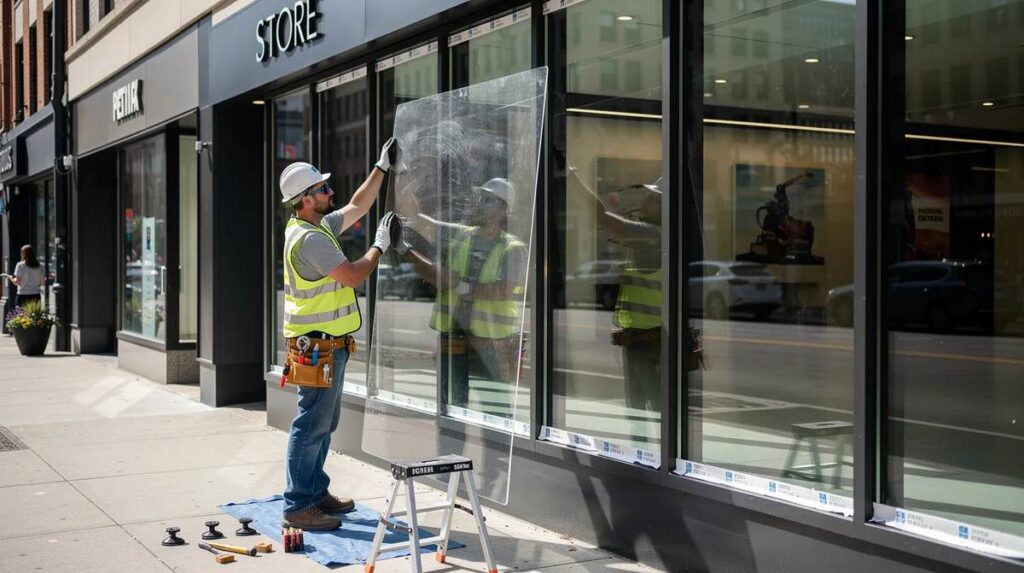
Engineered riot glass overglaze systems like DefenseLite and RiotLite use custom polycarbonate or laminate panels with standoff framing, anchored into existing frames for 24/7 protection, functioning as riot protective window glass and riot-proof door systems that keep attackers outside even under sustained assault. Riot Glass includes laminated security glass panels and polycarbonate shields in varying configurations. Consider a pharmacy during civil disturbance: film might buy 15–20 seconds before tearing, while a smash-proof anti-theft glass panel using containment-grade polycarbonate riot shields can deny access for the duration of the event, keeping looters outside until the situation resolves.
Riot shields typically carry 7–15 year warranties and feature field-serviceable panels. Film may need earlier replacement when exposed to heavy sun and wear.
Ballistic Glass and Active Threat Protection
Not every opening needs ballistic glass, but entry vestibules, reception counters, and security checkpoints in schools, hospitals, and government buildings often do. BulletShield and similar ballistic glass overglaze systems mount over existing storefront or curtain wall glass to achieve UL 752 handgun or rifle ratings while maintaining clear, inviting aesthetics, and a dedicated BulletShield ballistic glazing system can be tailored to specific entryways and threat profiles.
ArmorPlast panels provide military-grade strength against ballistic attacks and can be retrofitted into existing glazing systems. Riot Glass panels remain intact even when riddled with bullet holes, continuing to deny entry after a ballistic attack and buying critical time for lockdown and law enforcement response. Riot Glass can provide ballistic protection against certain firearms at rated UL 752 levels, with ballistic threats from handguns through rifle rounds addressed at different tiers, similar to how bulletproof glass and ballistic overglaze options are matched to specific threat levels. Typical use cases include K–12 schools following ASTM F3561 guidance, courthouses, police stations, and financial institutions seeking combined ballistic protection and forced entry resistance, where ballistic window film for active shooter delay can complement overglaze shields and other layers.
Where Riot Glass Protection Delivers the Most Value
Not all glass needs the same level of protection. The smartest approach is to prioritize the most vulnerable and highest-consequence openings rather than trying to armor an entire facade.
High-priority commercial buildings: street-level retail chains, pharmacies, jewelers, cannabis dispensaries, electronics stores, and luxury brands with large glass storefronts exposed to foot traffic. Containment-grade Riot Glass is ideal for high-risk retail environments concerned about organized smash and grab theft, and many of these businesses benefit from specialized storefront glass protection strategies tailored to protest-related looting and opportunistic crime.
Public and institutional applications: K–12 schools, courthouses, city and county offices, behavioral health facilities, and hospitals with glass lobbies or emergency department entrances.
Government and critical infrastructure: utilities, data centers, transit hubs, and police offices where ballistic and riot glass are combined to secure mission-critical operations.
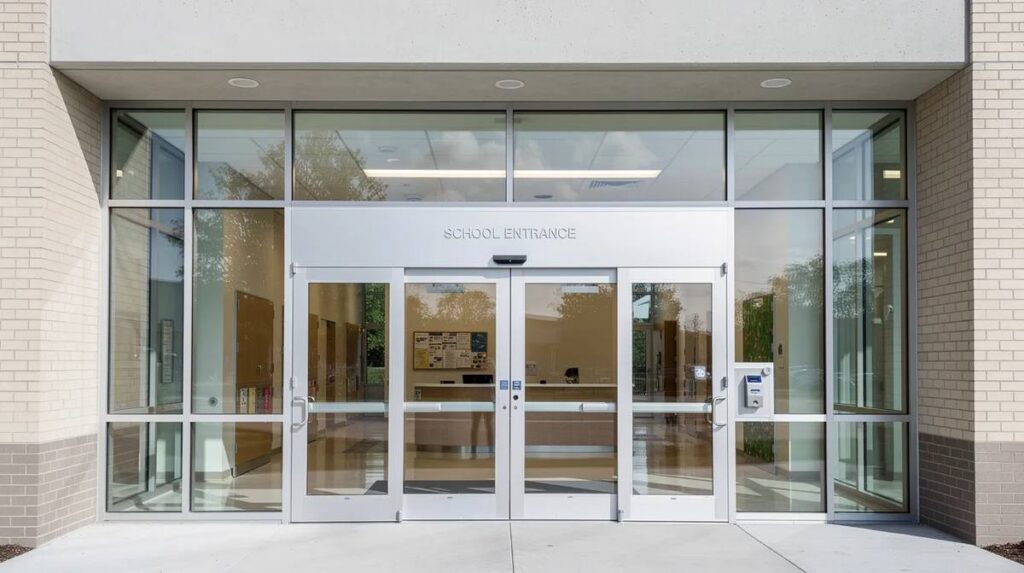
Priority locations on any building: main entrances, vestibules, side doors, loading dock glazing, ground-floor curtain walls, and large display windows facing public streets.
Real-world examples illustrate the impact: a multi-state retailer hardened 50+ storefronts with riot glass after repeated smash-and-grabs, stopping five confirmed break ins post-installation. A school district upgraded front entries with ballistic overglaze ahead of the school year, meeting F3561 standards. A municipal building installed BulletShield on its public-facing lobby to deter and defend against both riots and active threat scenarios.
How a Riot Glass Protection Project Works
Here is a practical roadmap so you know what to expect in terms of timelines, disruption, and decision points.
Assessment: Impact Security or an authorized dealer documents your existing glass types, framing, and door hardware. They identify forced entry and active threat vulnerabilities and align recommendations with your security policies or insurance requirements. Riot glass systems should match the protection level to a building’s risk profile.
Engineering and selection: Risk level, budget, and applicable standards (ASTM F3561 for schools, UL 752 for ballistic areas) drive whether the recommendation is DefenseLite, RiotLite, BulletShield, or a hybrid solution with security film. Riot Glass solutions can cost about the same as a single board-up when you factor in repeat incident costs.
Fabrication: Panels are custom-fabricated at Impact Security’s facilities with typical lead times of a few weeks depending on project size.
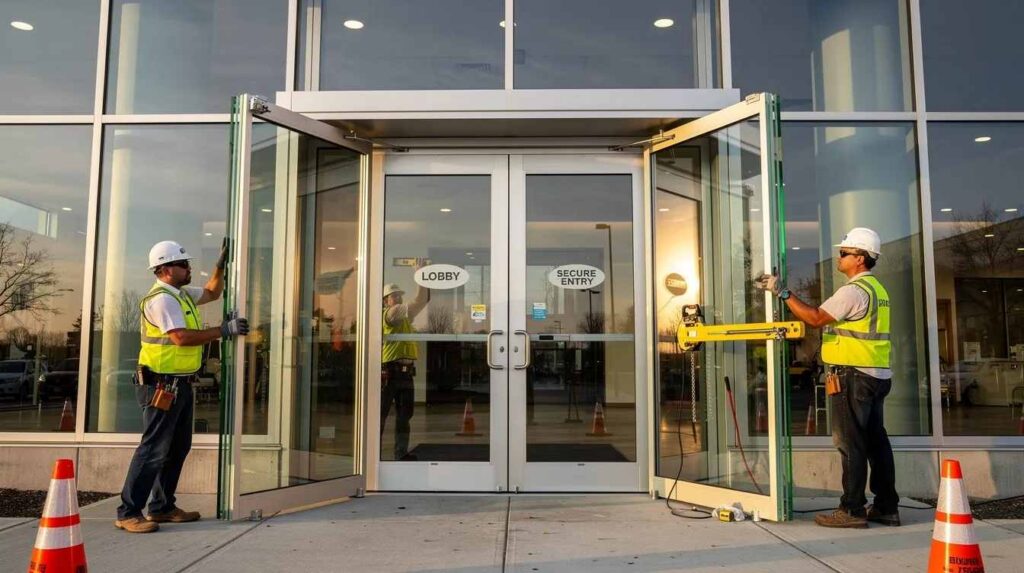
Installation: Riot Glass systems are installed by certified and trained dealers who retrofit security glass and framing over existing windows and doors, typically from the exterior. Riot Glass installation is minimally disruptive and cost-effective-most small commercial projects complete in days, not weeks, with minimal business interruption. Installation requires specialized retrofittable security framing adapters that integrate with your existing frames.
Handover: Final inspection, warranty documentation, care instructions, and coordination with security integrators so cameras and alarms complement your new glass security layer.
DefenseLite riot protective glass costs between $40–$75 per square foot, while ballistic-grade systems start around $200+ per square foot. Riot Glass systems are generally more expensive than standard laminated glass but deliver dramatically higher performance. Actual quotes require site measurements.
Frequently Asked Questions About Riot Glass Protection
Is riot glass the same as bulletproof glass? No. Riot glass is designed to prevent forced entry from hand tools, thrown objects, and sustained attack. It can delay unauthorized entry during an attack for extended periods. Ballistic glass like BulletShield provides bullet-resistant protection rated to UL 752 levels. Riot glass can provide ballistic resistance options when paired with the right system, but standard riot glass focuses on impact and entry denial.
Can you retrofit riot glass over my existing storefront? Yes. Riot Glass is designed to be retrofitted onto existing glass systems. Most commercial aluminum storefronts, curtain walls, and glass doors can accept retrofit panels without removing existing glass, though a site inspection confirms compatibility with your framing.
How much does riot glass protection cost per square foot? Security film runs approximately $14–$16 per square foot installed. Forced-entry riot shields range from $40–$75 per square foot. Ballistic overglaze starts at $200+ per square foot. Total cost depends on access, framing conditions, panel size, and project scope.
Will riot glass change how my building looks? Systems like DefenseLite and BulletShield are virtually invisible from typical viewing distances. Riot Glass maintains clarity and does not distort visibility, preserving branding, natural light, and appearance without sacrificing visual appeal.
How long does installation take? Many retail and office projects are completed during off-hours or phased so businesses remain open. Small storefronts may take a single night; large campuses may require several weeks.
Does riot glass help with energy savings or noise? The standoff overglaze creates an insulating airspace that can modestly reduce heat gain and outside noise, providing secondary comfort benefits alongside security.
How do I know what level of protection my facility needs? Request a security glazing assessment with Impact Security. They evaluate your threat profile-riots, smash and grab, active threats, ballistic risk-and align product choices with your policies, budget, and applicable standards to enhance your overall safety posture.
Why Choose Impact Security for Riot Glass and Ballistic Glazing
Impact Security is a specialized U.S. manufacturer and installer of retrofit security glazing-not a generic film vendor or commodity glass shop. With a nationwide authorized dealer network, in-house engineering, and fabrication centers in Georgia and Arizona, they deliver riot glass protection projects of any scale across the country, and their DefenseLite Pro high-impact security system is designed for the most demanding forced-entry scenarios.
Their proprietary systems-DefenseLite for forced entry, BulletShield for ballistic glass security, and RiotLite for cost-effective riot protection-are engineered and tested to recognized standards. Riot Glass products can withstand multiple impacts from various weapons under extreme conditions, and riot glass is engineered to withstand heavy impacts from tools and threats that would destroy conventional glazing.
Since 2016, Impact Security has served multi-site retail chains, school districts, hospitals, banks, and government agencies, providing turnkey service from threat assessment through installation and long-term warranty support. Their solutions protect commercial buildings and government buildings alike while maintaining the open, welcoming look that bars and roll-down shutters destroy. Riot glass is often used in commercial settings for enhanced security without compromising the world-class appearance your building demands.
Next Steps: Request a Riot Glass Protection Assessment
If you are concerned about protecting your property from riots, looting, smash and grab theft, or active threats, the first step is a free consultation with Impact Security. Their team will assess your existing glass, framing, and threat profile to recommend the right combination of DefenseLite, RiotLite, BulletShield, or security film for your specific situation.
Before reaching out, gather approximate square footage of glass openings, photos of main entrances and storefronts, any recent incident history, and whether you must meet active shooter or security glazing standards. This helps the team deliver an accurate, site-specific estimate faster.
Contact Impact Security by phone or online form to connect with a certified dealer in your region. Upgrading your glass security today can protect people, property, and operations during the next wave of unrest or active threat-without sacrificing visual appeal or the welcoming atmosphere your commercial buildings need to maintain.