Table of Contents
Introduction: Why Window Security Matters
Understanding Threats to Corporate Campus Windows
Core Components of a Window Security Strategy
Choosing Bullet-Resistant and Forced-Entry Resistant Windows
Integrating Window Security with Access Control
FAQs About Corporate Campus Window Security
Why Choose Our Team
Next Steps
Introduction: Why Window Security Matters on Today’s Corporate Campuses
Exterior glass and interior glazing are now among the most targeted weak points on modern corporate campus buildings. Enhancing window security requires a multi-layered approach combining physical reinforcements and surveillance technology-yet most facilities still rely on standard annealed or tempered glass that offers almost no resistance to tools, blunt force, or gunfire. In 2016, Google campus faced security threats including gunfire, exposing how vulnerable even high-profile corporate offices can be when windows are shot through. Impact-resistant glass makes it harder for unauthorized individuals to break in, while effective campus security reduces theft, arson, and vandalism risks across every facility type. This guide covers how to harden glass openings, choose the right bullet resistance levels, prioritize upgrades by campus size, and integrate glazing into corporate campus security services, access control systems, and daily operations.
Understanding Threats to Corporate Campus Windows and Glass Doors
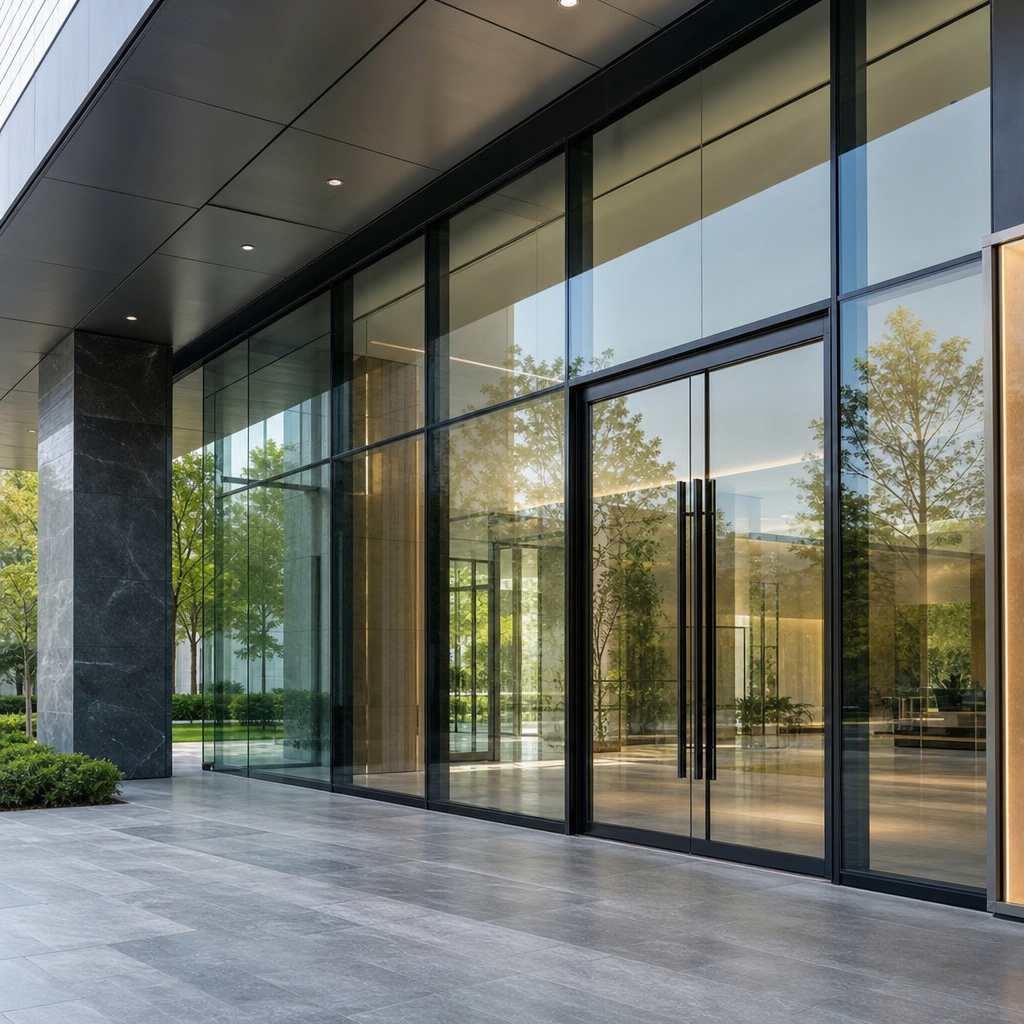
Windows, curtain walls, skylights, and glass lobby doors are frequent attack vectors because they’re visible, accessible, and inherently weaker than walls. Common security threats include burglary at side entrances, protest-related vandalism, disgruntled ex-employees targeting lobby glass, and organized groups using tools or vehicles for forced entry.
Ballistic threats compound the problem: handgun or rifle fire directed at reception areas, conference rooms facing public streets, or executive offices can shatter standard glazing instantly, underscoring the need for reinforcing window and door glass to resist active shooter attacks.
Survey data shows 43% of facility leaders say glass doors and windows are the perimeter security features most likely to fail under intrusion, while only 5% report high confidence in their glazing against specific threats like active shooters or natural disasters.
A successful security breach through glass triggers cascading business impacts-injury, IP theft from R&D labs, data center downtime, brand damage, and disrupted operations. Physical security measures aim to deter unauthorized entry and improve surveillance, but without addressing vulnerable glass areas, even robust security systems leave gaps.
Regular security assessments help to identify vulnerabilities around windows, and window sensors detect when a window is broken or forced open, providing early warning. Periodic inspections help uncover overlooked vulnerabilities in window security that evolve as criminal activity patterns and relevant risk factors shift.
Core Components of a Corporate Campus Window Security Strategy
Corporate campus window security is not just about adding bulletproof windows. It demands a comprehensive, layered forced entry protection strategy integrating glazing, frames, hardware, perimeter security, and access control measures into a single security envelope. Security barriers are the first line of defense for corporate campuses, and the strategy must extend from the campus boundary inward:
- Perimeter controls: Automated gate systems manage vehicle entry at corporate campuses. Controlled access gates restrict entry based on predefined permissions. Security barriers like bollards prevent unauthorized vehicle access. Bollards prevent vehicular attacks and come in various designs suited to parking lots, loading areas, and pedestrian zones. Anti-cut and anti-climbing fences deter unauthorized access at the boundary. Crash-rated fences provide maximum protection for corporate campuses facing vehicular threats. Automated gates act as deterrents to potential intruders near nearby businesses and public roads.
- Site hardening around glass: Landscaping should enhance visibility while reducing climbing assistance for intruders. Clear landscaping removes hiding spots near windows and increases visibility. High-visibility lighting-often called security lighting-deters intruders and increases visibility around windows at night. Physical barriers like security screens provide a physical barrier while allowing airflow in key areas such as ground-floor offices and ventilation zones.
- Risk-based zoning: Map every glass opening across the campus-public lobby, visitor center, employee entrance, executive suite, operations center, café, skybridge-and assign threat levels. Determine whether each zone’s priority is forced entry protection, bullet resistance, blast mitigation meeting GSA/ISC blast-resistant standards, or a combination, then stage improvements starting with vulnerable areas and sensitive areas first.
Choosing Bullet-Resistant and Forced-Entry Resistant Windows for Corporate Campuses
Different parts of a corporate campus require different levels of protection. Choosing the right bulletproof glass options is guided by UL 752 ballistic resistance standards, ranging from Level 1 (three 9mm handgun rounds) through Level 8 (five 7.62mm rifle rounds). Bullet-resistant glazing systems meet UL 752 ballistic resistance standards across multiple levels, providing tailored solutions for each relevant business scenario, similar to retrofit bullet-resistant glazing systems like BulletShield. Key glazing options include:
| Material | Best For | Pros | Cons |
|---|---|---|---|
| Laminated glass | Lobbies, storefronts | Optical clarity, scratch-resistant | Heavy, thick frames needed |
| Glass clad polycarbonate | Reception, secure offices | Reduced spall, lighter weight | Requires protective coatings |
| Polycarbonate/acrylic hybrids | Interior partitions, transaction windows | Lightweight, flexible | Scratches, UV degradation |
| Insulated ballistic glass units | Exterior walls needing energy efficiency | Thermal performance + security | Expensive, difficult retrofit |
Safety and security window films prevent shattering and delay entry attempts, and security window films are a cost-effective retrofit for enhancing glass strength on buildings where full replacement isn’t feasible. Key strategies for window security include installing security window film and other glass security solutions and reinforcing locking mechanisms at every hardened opening. Upgraded locking mechanisms include heavy-duty locks to prevent unauthorized access through doors adjacent to secured glass and complement commercial security window solutions such as DefenseLite and BulletShield. Framing systems and attachment details must be rated to the same forced entry and ballistic level as the glazing-otherwise the system fails at the frame, so specifying integrated safety and security glass protection systems is critical for performance.
Integrating Window Security with Campus Access Control and Security Operations
Window security on a corporate campus becomes exponentially more effective when integrated into campus-wide security operations, surveillance, and incident response. Critical integration points include:
- Access control: Access control systems on doors monitor perimeters near windows for suspicious behavior. Access control systems authenticate users before granting access to restricted areas. Access control systems improve accuracy and accountability in security across every building. Keycard access monitors employee movements throughout the facility. Automated gates deter potential intruders at corporate campuses by controlling vehicle and pedestrian entry. CCTV cameras can monitor high-risk window locations in real time, and integrated video analytics generate alerts when loitering or aggression is detected near glass.
- Training and awareness: Security awareness training educates employees on keeping windows secured and reporting damage. Active shooter training is essential for employee safety during emergencies. Security related training and security related induction requirements should cover glass as both an attack vector and a fragment hazard, helping keep people safe and supporting compliance support obligations.
- Emergency preparedness: Emergency egress must remain usable during an evacuation despite security enhancements. Emergency preparedness plans reduce potential damage from security breaches. Emergency plans should include evacuation protocols for natural disasters. Fire safety protocols must be standard in emergency preparedness plans. Emergency preparedness includes specific response plans for various scenarios-from workplace violence to civil unrest-giving first responders clear protocols and aligning with bullet-resistant glass security solutions for vulnerable facilities like churches.
- Ongoing maintenance: Routine audits identify issues with window security systems and hardware. Guard tours by officers should include glass integrity checks, and all UL 752 and forced-entry ratings should be documented in asset management systems to support long-term campus health.
FAQs About Corporate Campus Window Security
These FAQs address what facility directors, security leaders, and corporate real estate managers most often ask when planning window security upgrades for their campus.
How do I know if my current campus windows will withstand forced entry attempts?
Review architectural drawings for glazing type (annealed, tempered, laminated), thickness, and frame material. Schedule a professional security glazing assessment-specialists can probe frame leverage, anchorage strength, and test certifications across main entrances, side doors, and ground-floor windows to identify safety hazards and petty security incidents waiting to happen.
What’s the difference between “bulletproof” and bullet-resistant windows on a corporate campus?
No glass is truly bulletproof. Bullet-resistant windows are rated to stop a defined number of rounds at a specific caliber-for example, UL 752 Level 3 stops three .44 Magnum rounds. Prolonged gunfire or combined ballistic and forced entry attacks can eventually defeat any glazing, which is why layered security solutions matter.
Can I retrofit bullet-resistant windows into existing corporate campus buildings?
Yes. Options include inserting ballistic glazing into existing frames, applying over-glaze laminate systems, or replacing select storefront sections at high-risk openings. Retrofits minimize downtime for employees while delivering measurable forced entry protection. Consider structural feasibility, frame depth, and weight load before specifying.
How will security glazing affect the look and natural light of our campus?
Modern bullet-resistant glass and glass clad polycarbonate can achieve 60–70% visible light transmittance even at rifle-rated levels, closely matching standard glass in clarity, tint, and sightlines. This preserves brand aesthetics, customer experience, and daylighting throughout corporate offices-your visitors and clients won’t notice the difference.
What parts of the corporate campus should be upgraded first?
Prioritize main lobbies, reception and visitor check-in, executive suites, HR and legal offices, data centers, and any façade facing public streets or protest-prone vulnerable areas. Also address parking lots, loading areas, and any glass near automated gates where criminal activity or entry attempts are most likely.
How does window security fit into our broader corporate campus security services?
Secure windows complement manned security services, access control, cameras, and emergency planning. Upgrading glass reduces weak points, improves officer safety, helps protect sites and people safe within a secure environment, and aligns the physical environment with corporate security policies-protecting your business, your customers, and your operations against evolving challenges.
Why Choose Our Team for Corporate Campus Window Security
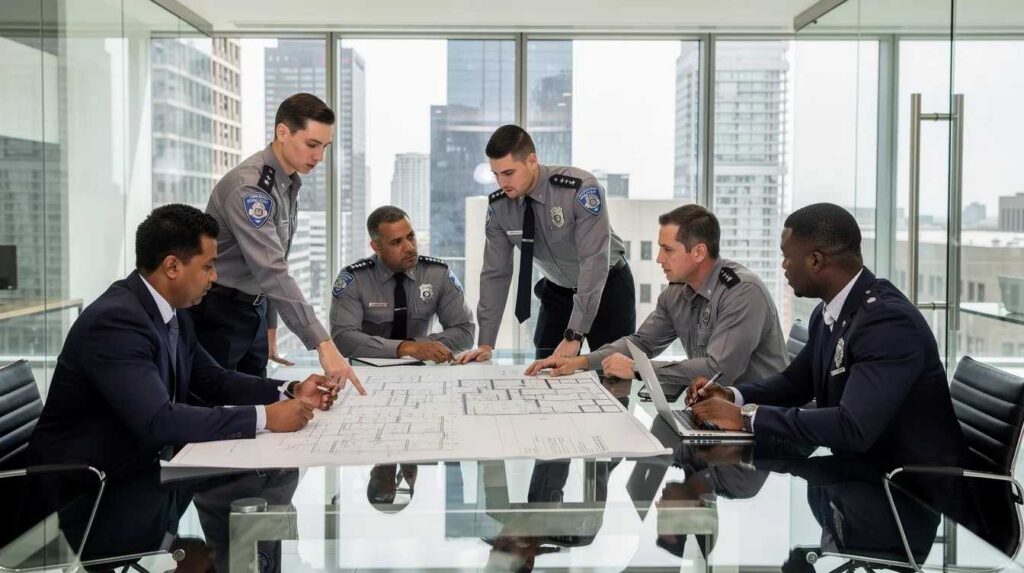
We focus specifically on securing complex, multi-building corporate campuses-integrating bullet-resistant and forced-entry resistant window systems into broader campus security strategies. Our consultative process includes walking the campus with security experts and facilities teams, mapping every vulnerable glass opening, reviewing current access control and security operations practices, and prioritizing upgrades that deliver the highest risk reduction first. We work with tested and certified glazing and framing systems rated to UL 752 Levels 1–8 and relevant forced-entry standards, and we collaborate with architects and general contractors to preserve campus aesthetics. Our project management is built for active campuses: phased installations, night and weekend work, clear communication with occupants, and long-term support for maintenance, inspections, and future expansion of your security program.
Next Steps: Strengthening Window Security Across Your Corporate Campus
Unsecured windows and glass doors remain one of the most exploited security issues on modern corporate campuses. Targeted upgrades to protect vulnerable glass can substantially reduce risk to your people, property, and operations. Here’s a simple roadmap:
- Schedule a window and glass security assessment across your campus
- Identify and rank high-risk buildings and façades by facility type and threat exposure
- Define target levels of bullet resistance and forced entry protection for each zone
- Plan a phased implementation aligned with budgets and capital projects
Involve security leadership, facilities, IT, HR, and executive sponsors early to ensure window upgrades support broader corporate campus security services and business continuity. Contact our team today to start your consultation, share floor plans for a preliminary review, or request sample specifications for secure window systems sized to your campus.