- Introduction
- Understanding Ballistic Window Film
- Security Benefits and Applications
- Installation and Performance Standards
- Common Challenges and Solutions
- Conclusion and Next Steps
- Frequently Asked Questions
Introduction
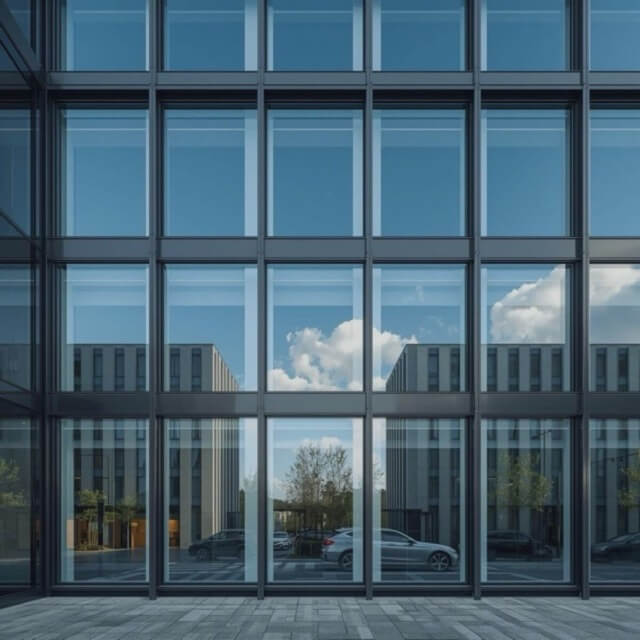
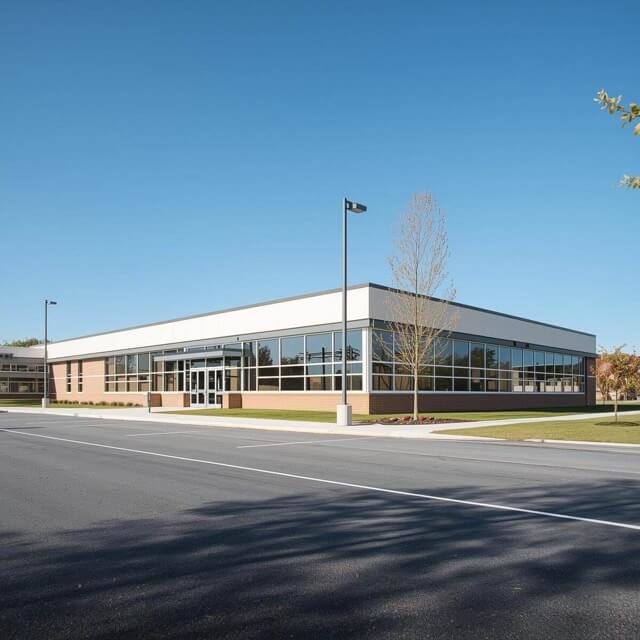
Ballistic window film is a polymer-based security product retrofitted onto existing glass to delay forced entry and contain broken glass fragments—but it does not stop bullets. This distinction matters because marketing terminology often blurs the line between security film and true ballistic protection, leading facility managers and building owners to make purchasing decisions based on incorrect assumptions about what these products can actually accomplish.
This guide covers the genuine security benefits of ballistic window film, installation requirements, performance standards, cost considerations, and practical applications across commercial, educational, and government buildings. Content falls outside the scope of true bullet resistant glass systems, which require completely different construction and testing standards. The target audience includes security professionals, school administrators, facility managers, and property owners seeking cost-effective solutions to enhance building protection without full glazing replacement.
Ballistic window film delays forced entry and contains glass fragments during impact events, but standard security film products cannot stop bullets from penetrating glass when applied to existing windows.
After reading this article, you will understand:
- The actual capabilities and limitations of security window film versus ballistic protection
- How forced entry delay protection works and what testing standards validate performance
- Installation requirements including frame anchoring and professional application processes
- Cost ranges and factors affecting total project investment
- Application scenarios where security film provides effective protection and where it falls short
Understanding Ballistic Window Film
Security window film serves as a building hardening measure that improves the protective performance of existing glass without requiring complete window replacement. The product consists of multiple polyester (PET) layers bonded with specialized adhesives that hold glass together when shattered, spreading impact energy across the glazing surface and maintaining barrier integrity longer than unprotected glass.
What Ballistic Window Film Actually Does
Security film provides two primary functions: delaying forced entry through windows and doors, and containing broken glass fragments that would otherwise become dangerous projectiles during impact events.
When an intruder attempts to gain entry through a filmed window, the adhesive bond keeps fractured glass attached to the film surface even after multiple impacts. This forced entry delay gives occupants time to respond, lockdown protocols to activate, and emergency services to arrive. Testing demonstrates that mid-grade films (8-12 mil thickness) typically delay entry by 30-60 seconds against common break-in tools, while heavy-duty films with proper frame anchoring can extend resistance to over one minute.
Glass fragment containment protects building occupants from injury during attacks, accidents, vandalism, explosions, or extreme weather events. Rather than shattering into dangerous shards, the glass remains adhered to the film, reducing secondary injuries and maintaining some weather protection for the building interior.
Common Misconceptions About Bulletproof Capabilities
The term “ballistic window film” creates significant confusion because standard security film cannot stop bullets when applied to existing glass. There is no such thing as bulletproof window film that transforms regular windows into bullet resistant barriers.
True ballistic protection requires engineered composite systems—multiple layers of glass and polycarbonate with specialized interlayers, often several centimeters thick—tested and certified to standards like UL 752, EN 1063, or NIJ 0108. Security window film is commonly referred to using ballistic terminology in marketing materials, but the International Window Film Association has explicitly stated that retrofit window films do not constitute bulletproof protection.
While security film may reduce spalling (glass fragment projection toward the interior) during ballistic attacks, it cannot reliably prevent bullet penetration in most cases. Buildings facing credible ballistic threats require ballistically rated glass systems, not retrofit film products. Understanding this limitation is essential before security professionals make procurement decisions based on performance claims that the products cannot actually deliver.
Security Benefits and Applications
Despite limitations against ballistic threats, security window film provides substantial protection against the more common threats most buildings actually face: forced entry attempts, vandalism, accidents, and severe weather.
Forced Entry Delay Protection
Security film transforms ordinary windows from easy access points into barriers that slow intruder progress, often deterring attempts entirely when attackers realize immediate entry is impossible.
The mechanism works through adhesive retention: even when glass cracks or shatters from repeated impacts, the film holds fragments together while remaining bonded to the existing glazing frame. Intruders must continue striking the same area, gradually tearing through film layers while making noise and remaining visible. This delay entry capability integrates with alarm systems, security cameras, and response protocols to create layered building security.
ASTM F3561-22 provides standardized testing for forced entry resistance. The RiotLite Security Window Film System, for example, achieved Level 3 performance when installed as a retrofit on ¼-inch single-pane tempered glass with structural caulk anchors. Testing involves first subjecting the fenestration system to simulated ballistic weakening (10 shots from 5.56 NATO ammunition), then mechanical forced entry attempts—representing realistic active shooter situations where windows may be damaged before entry is attempted.
Glass Fragment Containment
Beyond intrusion scenarios, security window film protects occupants from broken glass injuries during accidents, severe weather, and explosions.
Standard glass shatters into razor-sharp fragments that cause lacerations and eye injuries. Security film contains these fragments against the adhesive surface, maintaining barrier integrity even when the glass itself is compromised. This protection applies during car accidents near storefronts, wind-driven debris impacts during hurricanes, or blast events affecting government buildings.
Performance under safety glazing standards (ANSI Z97.1, BS EN 356, EN 12600) validates fragment containment capabilities. While laminated safety glass provides similar protection, security film achieves comparable results as a retrofit solution without requiring complete glass replacement.
Cost-Effective Building Hardening
For schools, commercial properties, and government buildings facing budget constraints, security window film provides meaningful security improvements at a fraction of full glazing replacement cost.
Complete bullet resistant glass installation might cost $100-$400 per square foot or more for the glazing alone. Security film installation ranges from $7-$20 per square foot depending on thickness and anchoring requirements—enabling protection of substantially more window area within the same budget.
Retrofit applications work particularly well for existing buildings where wholesale window replacement would be prohibitively expensive or architecturally problematic. School administrators can prioritize entry vestibules, ground-floor classrooms, and door glass for initial protection while planning phased improvements to remaining areas.
Installation and Performance Standards
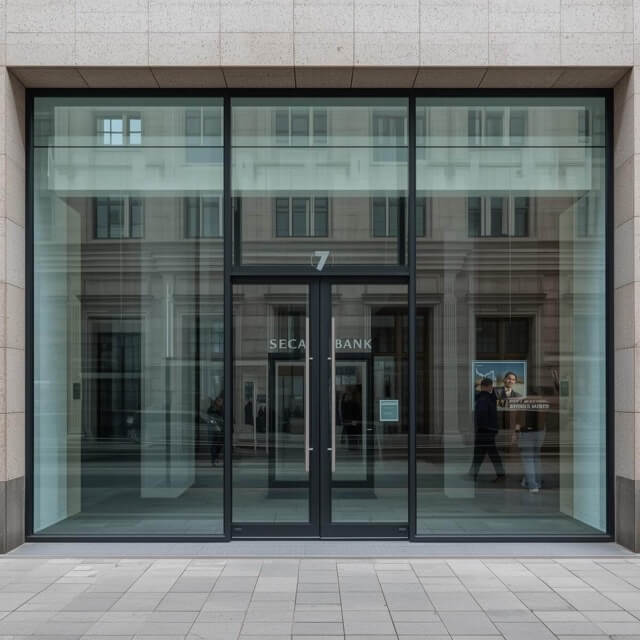

Professional installation is essential for security film to perform as intended. Improper application, inadequate surface preparation, or missing frame anchoring dramatically reduces protection levels regardless of film thickness or quality.
Professional Installation Process
Security film installation requires specialized training and equipment to achieve manufacturer-specified performance levels.
- Surface preparation: All glass surfaces must be thoroughly cleaned to remove coatings, residues, and contaminants that would compromise adhesive bonding. Old window film must be completely removed.
- Film application: The film is carefully positioned and applied using squeegees to eliminate air bubbles and ensure complete adhesive contact across the entire glass surface. Edges are trimmed precisely to frame dimensions.
- Frame anchoring: For maximum forced entry resistance, film edges must connect to the existing glazing frame using structural caulks or mechanical anchoring systems. Without this step, intruders can potentially pop filmed glass from frames despite intact film.
- Curing period: Adhesive bonds require 30-60 days to reach full strength. During this period, cleaning should be avoided or performed only with mild, non-ammonia solutions.
Performance Standards and Testing
Several testing standards govern security film performance, though proper interpretation requires understanding what each standard actually measures.
ASTM F3561-22 tests complete fenestration systems (glass + frame + hardware + film) under combined ballistic and forced entry conditions. Products achieving specific levels demonstrate quantified resistance, but the standard applies to systems—not films alone. A film that achieves Level 3 on one glass/frame combination may perform differently on other installations.
Safety glazing standards (ANSI Z97.1, CPSC 16 CFR 1201) measure impact response and fragment containment but do not address forced entry or ballistic scenarios. These remain relevant for understanding basic safety performance.
Films should be independently tested under relevant standards, with test reports available for review. Claims without supporting documentation warrant skepticism.
Film Types and Specifications Comparison
| Specification | 4-8 Mil Film | 8-12 Mil Film | 12-15+ Mil Film |
|---|---|---|---|
| Primary Protection | Fragment control, accident safety | Moderate forced entry delay | High forced entry resistance |
| Typical Delay Time | Seconds; limited resistance | 30-60 seconds | 1+ minute with anchoring |
| Frame Anchoring | Optional | Recommended | Required for rated performance |
| Cost Installed (per sq ft) | $7-10 | $9-14 | $12-20+ |
| Best Applications | Residential safety, minor vandalism | Commercial storefronts, schools | High-risk facilities, entry points |
Selection should be based on threat assessment and building requirements. Higher thickness alone does not guarantee better performance without proper installation and frame integration. A 14-mil film on weak aluminum frames may underperform an 8-mil film with structural anchoring on reinforced frames.
Common Challenges and Solutions
Successful security film implementation requires addressing several practical challenges that affect performance and project outcomes.
Glass Quality and Age Concerns
Older glass or previously damaged glazing may not support security film installation without risk of thermal stress cracking or seal failure.
Before film application, existing glass should be assessed for cracks, chips, weathering damage, and seal integrity on double-pane units. Annealed glass generally accepts film well, but tempered or insulated glazing requires careful product selection to avoid heat-induced breakage. Some window types may require replacement before film installation provides reliable protection.
Aesthetic and Visibility Requirements
Security film must balance protection against maintaining clear visibility and acceptable building appearance, particularly for retail storefronts and historic properties.
Clear shield films preserve maximum optical clarity while providing security benefits. Thicker or tinted films may cause slight haziness, coloration, or reflectivity changes that affect aesthetics. For applications where appearance is critical, specifying clear security films and requesting samples on representative glass helps verify acceptable visual outcomes before full installation.
Budget Constraints vs Security Needs
Large facilities with extensive window area may face costs exceeding available budgets for complete security film coverage.
Phased implementation allows initial protection of highest-risk areas—entry points, ground-floor door glass, and areas adjacent to valuable assets or occupied spaces where intruders would most likely attempt access. Subsequent phases extend protection to remaining windows as budgets allow. This approach delivers immediate security improvement while establishing a path toward comprehensive coverage.
Conclusion and Next Steps
Ballistic window film provides effective forced entry delay and glass fragment containment when properly specified and installed, making it a valuable component of building security strategies for schools, government buildings, commercial properties, and other facilities. However, security film products cannot stop bullets or provide true ballistic protection against active shooter situations—buildings facing credible ballistic threats require ballistically rated glass systems.
Immediate actionable steps:
- Conduct a facility security assessment identifying vulnerable windows, entry points, and high-priority protection areas
- Request consultation with security professionals experienced in fenestration hardening
- Evaluate threats specific to your facility to determine whether security film provides adequate protection or ballistic glazing is required
- Obtain detailed specifications and test reports from any security film products under consideration
- Verify installer credentials, experience with institutional projects, and warranty terms before proceeding
Related topics worth exploring include integration with intrusion alarm systems, staff training on lockdown protocols during security events, and comprehensive building security planning that addresses threats beyond window vulnerabilities.
Frequently Asked Questions
Can ballistic window film stop bullets from penetrating glass?
No. Standard security or ballistic window film applied to existing glass cannot stop bullets. While film may reduce spalling (glass fragments projecting toward the interior) during a shooting event, it does not prevent bullet penetration. True ballistic protection requires bullet resistant glass systems—composite constructions with multiple glass and polycarbonate layers tested to standards like UL 752 or EN 1063. The International Window Film Association has explicitly stated that retrofit window films do not constitute bulletproof protection.
How long does security window film delay forced entry through windows?
Forced entry delay depends on film thickness, frame anchoring, glass type, and attack tools used. Mid-grade security films (8-12 mil) typically delay entry by 30-60 seconds against common break-in implements like bats or crowbars. Heavy-duty films (12-15+ mil) with proper structural anchoring can extend resistance to one minute or longer. Systems tested to ASTM F3561 standards provide documented performance levels, though results depend on complete installation including frame attachment.
What is the difference between security film and actual bullet-resistant glass?
Security film is a retrofit product applied to existing glass that delays forced entry and contains broken glass fragments. Bullet resistant glass is a completely different construction—multiple layers of glass and polycarbonate with specialized interlayers, often several centimeters thick—engineered to absorb and stop specific projectiles. Bullet resistant glass must be tested and certified to ballistic standards (UL 752, NIJ 0108, EN 1063) specifying which ammunition types it defeats. Security film costs $7-20 per square foot installed; bullet resistant glazing systems cost substantially more and require engineered frames capable of supporting the additional weight.
How much does professional ballistic window film installation cost?
Installation costs vary by film thickness, anchoring requirements, window accessibility, and regional labor rates. Basic safety films (4-8 mil) typically cost $7-10 per square foot installed. Mid-grade security films (8-12 mil) run $9-14 per square foot. Heavy-duty films with frame anchoring (12-15+ mil) cost $12-20+ per square foot. A typical three-bedroom home with 200-300 square feet of glass might cost $2,500-$4,500 for mid-to-high grade film. Large commercial or institutional projects receive volume pricing. Frame anchoring systems add approximately $3-5 per square foot to base film costs.
Can security window film be installed on any type of existing glass?
Not all glass types support security film installation equally. Annealed glass generally accepts film well. Tempered glass may experience thermal stress from certain films, particularly reflective or dark-tinted products that increase heat absorption. Insulated (double-pane) glazing requires careful product selection to avoid seal failure from altered thermal loads. Older glass with existing damage, weathering, or manufacturing defects may crack under film-induced stresses. Low-E coatings require compatible adhesive systems. Professional assessment of existing glass condition should precede any installation to identify potential compatibility issues.
What maintenance is required for ballistic window film after installation?
Security film requires minimal ongoing maintenance but does need proper care to maintain performance and warranty coverage. Allow 30 days after installation for adhesive curing before any cleaning. Use only non-ammonia, non-alcohol cleaning solutions with soft, lint-free cloths—harsh chemicals can damage film surfaces or degrade adhesive bonds. Inspect edges and corners periodically for lifting or adhesive failure, particularly in high-humidity environments or areas with temperature extremes. Commercial film warranties typically cover 5-10 years; residential warranties often extend 10-15 years. Film replacement may eventually be needed as UV exposure and thermal cycling gradually degrade adhesive performance over many years.