- The Myth of “Bullet Proof Glass”: Understanding True Ballistic Resistance
- Why Retrofit Ballistic-Resistant Systems Outperform Full Glass Replacement for Storefront Security Solutions
- Engineered Excellence: The Technology Behind Advanced Storefront Protection
- Preserving Architectural Integrity: High Security That’s Virtually Invisible
- Beyond Ballistics: Comprehensive Protection Against Forced Entry and Smash-and-Grab Threats
- The Specification Process: Integrating Advanced Ballistic Security Seamlessly into Your Project
- Conclusion: Strategic Security Upgrades for Modern Storefronts
- Frequently Asked Questions
The Myth of “Bulletproof Glass”: Understanding True Ballistic Resistance
Defining Ballistic Resistance: More Than Just “Bulletproof”
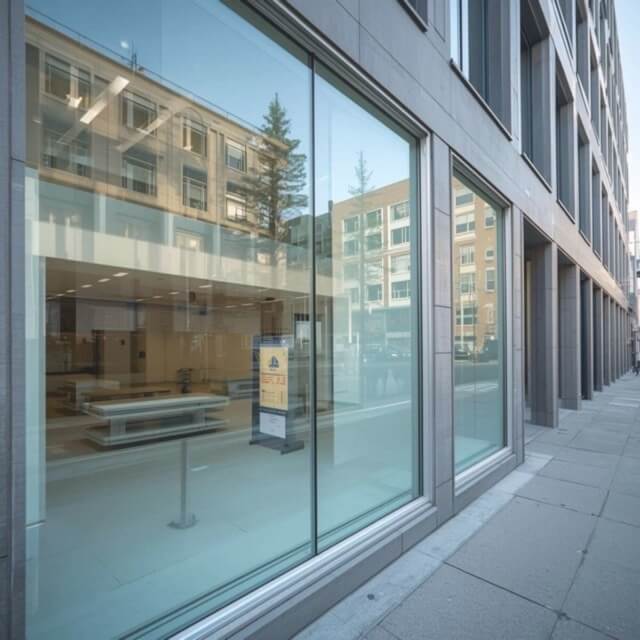
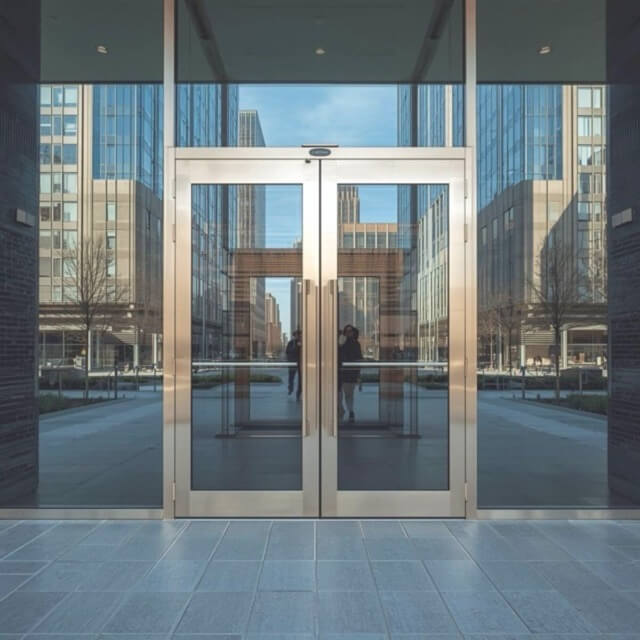
A bulletproof glass storefront is often assumed to be achievable with stronger glass like tempered panels—but in reality, true ballistic protection requires advanced multi-layered systems, not standard safety glass. The term “bulletproof glass” is a pervasive misnomer, often leading to misconceptions about security glazing. In reality, no material is truly “bulletproof” in the sense of being indefinitely impenetrable to all ballistic threats. The accurate, industry-standard term is “ballistic-resistant glazing.” This distinction is critical, as it reflects the engineered capability of a material to withstand, deform, and absorb the energy of a projectile, thereby preventing its passage and mitigating harm.
Ballistic resistance is a function of a system’s ability to delay, defeat, or absorb the kinetic energy of a specific projectile for a defined period. This involves multi-layered constructions, often integrating various polymers and glass lites, designed to sacrifice themselves layer by layer to slow and eventually stop a bullet. The objective is protection, not absolute invincibility, offering precious seconds for occupants to react during an attack.
Decoding UL 752 Ratings: Performance Levels and Threat Scenarios
To quantify and standardize ballistic resistance, the industry relies on rigorous testing protocols, with UL 752 being the definitive benchmark in North America. This standard categorizes glazing products based on their ability to resist specific types of projectiles at varying velocities and multiple impacts. Understanding these ratings is paramount for architects and security planners selecting appropriate protection levels tailored to identified threat scenarios.
The UL 752 standard details various levels, each corresponding to different firearms and ammunition:
- Levels 1-3 (Handgun Threats): These levels address common handgun calibers, such as 9mm, .357 Magnum, and .44 Magnum. Protection at these levels typically involves glass-clad polycarbonate or all-polycarbonate constructions designed to stop multiple rounds without spalling, which is the fragmentation of material from the protected side.
- Levels 4-6 (Rifle Threats): Progressing to higher threat levels, these ratings certify resistance against rifle rounds, including various shotgun slugs and high-powered hunting rifle cartridges. The glazing systems at these levels are significantly thicker and more complex, engineered to manage the much greater kinetic energy of rifle projectiles.
- Levels 7-8 (Armor-Piercing Threats): The highest UL 752 ratings are reserved for materials capable of defeating armor-piercing rifle ammunition. These applications are typically for critical infrastructure or high-security facilities where extreme threat mitigation is essential.
Each UL 752 rating specifies the type of weapon, caliber, bullet weight, velocity, and the number of shots the material must withstand without penetration or excessive spalling. This allows for a precise, threat-driven approach to security design, ensuring the chosen solution matches the specific risk profile of a building without over-engineering or under-protecting.
The Limitations of Traditional Monolithic Glazing in Ballistic Defense
Traditional monolithic glazing, including standard annealed, heat-strengthened, or even fully tempered glass, offers virtually no ballistic resistance. While tempered glass provides enhanced safety by shattering into small, relatively harmless pieces upon impact, this characteristic does not translate into security against firearms. A single bullet will penetrate standard glass materials, creating an immediate and unimpeded pathway for a threat.
These conventional glass types offer minimal resistance against forced entry attempts using blunt force. Their primary function is environmental separation and aesthetic appeal, not security. Relying on such materials for protection against ballistic or severe forced entry threats is a critical vulnerability that modern retrofit ballistic-resistant systems are specifically designed to address.
Why Retrofit Ballistic-Resistant Systems Outperform Full Glass Replacement for Storefront Security Solutions
For discerning architects and business owners, opting for a patented retrofit ballistic-resistant system is not just a security upgrade but a strategic decision to preserve architectural integrity and financial capital. This approach renders traditional, disruptive full glass replacement obsolete for most applications, offering superior advantages across multiple vectors, especially for enhanced storefront security solutions.
Economic Efficiencies: Capital Preservation and Reduced Downtime
One of the most compelling advantages of retrofit ballistic-resistant systems is their remarkable economic efficiency. Unlike full glass replacement, which necessitates the costly removal and disposal of existing glazing and framing, retrofit solutions leverage the existing infrastructure. This translates directly into substantial cost savings by preserving capital that would otherwise be allocated to extensive demolition, material procurement, and complex installation logistics.
Retrofit systems significantly reduce project timelines. A typical installation can be completed in a fraction of the time required for a full replacement, minimizing labor costs and, crucially, reducing operational downtime for the business. This ability to maintain operations or resume them swiftly provides a tangible economic benefit, safeguarding revenue streams and ensuring business continuity during the security upgrade process for ballistic-resistant windows for businesses.
Minimizing Operational Disruption for Businesses
The non-invasive nature of retrofit security glazing installations fundamentally redefines how security upgrades are approached. Businesses can often continue their operations with little to no interruption. There is no need for prolonged closures, extensive construction zones, or the unsightly presence of heavy machinery. This preserves the customer experience and avoids the negative publicity associated with major construction.
Installation typically involves attaching the ballistic-resistant system directly to the interior side of the existing glass and frame, usually performed during off-hours or with minimal access requirements. This approach ensures a seamless integration that respects the ongoing activities within the building, a crucial consideration for retail, healthcare, and office environments where continuity is paramount.
Sustainability and Resource Conservation in Security Upgrades
In an era where environmental responsibility is a key architectural and corporate value, retrofit security solutions stand out for their inherent sustainability. By retaining existing window frames and glass, these systems dramatically reduce the volume of construction waste sent to landfills. This directly conserves natural resources and decreases the energy consumption associated with manufacturing new frames and processing new glass.
This approach aligns with green building initiatives and demonstrates a commitment to sustainable practices. It offers a responsible pathway for enhancing security without incurring the significant environmental footprint often associated with traditional construction and demolition.
The Structural Challenges of Full Glass Replacement in Existing Storefronts
Opting for full glass replacement in an existing storefront often presents a myriad of structural challenges that are typically circumvented by retrofit solutions. Existing building frames, particularly in older structures, may not be engineered to accommodate the increased weight and thickness of modern ballistic-resistant glass. This can necessitate costly and complex structural modifications to the building’s facade, including reinforcing or entirely replacing mullions and framing systems.
Such modifications invariably involve extensive architectural review, permit acquisition, and potential impacts on adjacent building components. Retrofit systems, conversely, are engineered to integrate seamlessly with existing curtain wall systems and vision glass. They often utilize innovative attachment methods that distribute loads effectively, ensuring the system can be installed without compromising the original building’s structural integrity or aesthetic design. This direct integration ensures the enhanced security is virtually invisible, preserving the building’s original design intent.
Engineered Excellence: The Technology Behind Advanced Storefront Protection
Implementing advanced security measures requires a deep understanding of material science and structural engineering. The efficacy of a retrofit ballistic-resistant system lies in its sophisticated design, which fortifies existing glazing without demanding a complete overhaul. This approach leverages cutting-edge materials and precision engineering to deliver robust protection.
The Science of Ballistic-Resistant Polycarbonate: Laminated Strength
The core of modern ballistic-resistant glazing systems is often a highly engineered polycarbonate. Unlike traditional glass, polycarbonate possesses inherent ductility and impact resistance. When subjected to an impact, it flexes and absorbs kinetic energy rather than shattering. In advanced retrofit systems, multiple layers of this specialized polycarbonate are often laminated together, creating a monolithic shield. This lamination process enhances its ability to withstand extreme force, such as ballistic impacts, forced entry protection, and blast pressures. The result is a system that can deform without failing, effectively containing threats and preventing penetration.
Proprietary Attachment Systems: Fortifying Existing Frames and Glazing
A ballistic-resistant panel is only as strong as its attachment to the building’s structure. Superior retrofit solutions distinguish themselves through their proprietary attachment systems, meticulously engineered to integrate the security glazing seamlessly with existing window frames and curtain wall systems. These systems are designed to transfer impact loads efficiently from the security panel to the building’s primary structure. This prevents the panel from being dislodged under duress, ensuring the integrity of the entire opening. These robust anchoring methods are rigorously tested to meet stringent performance criteria, providing an unyielding barrier against determined threats.
How Retrofit Glazing Integrates with Current Curtain Wall Systems
The integration of retrofit glazing with existing curtain wall systems is a testament to precision engineering. Rather than requiring the removal and replacement of entire glass units, these advanced systems are designed to complement the existing framework. They install discreetly on the interior side of the glass, maintaining the exterior aesthetics of the building. This involves a careful assessment of the existing curtain wall’s structural capacity and the selection of an attachment method that ensures compatibility and performance. The process minimizes disruption and ensures the continued functionality and appearance of the original fenestration.
Durability and Longevity: A Long-Term Security Investment
Investing in a high-quality retrofit ballistic-resistant system is a strategic decision for long-term security. These engineered solutions are built for exceptional durability, designed to withstand not only immediate threats but also the rigors of environmental exposure over decades. The robust polycarbonate and specialized laminates resist yellowing, delamination, and degradation from UV radiation and extreme temperatures. This longevity translates into a lower total cost of ownership compared to recurring, often temporary, security fixes or the massive capital expenditure of full glass replacement. It represents an enduring asset that continually protects occupants and property.
Preserving Architectural Integrity: High Security That’s Virtually Invisible
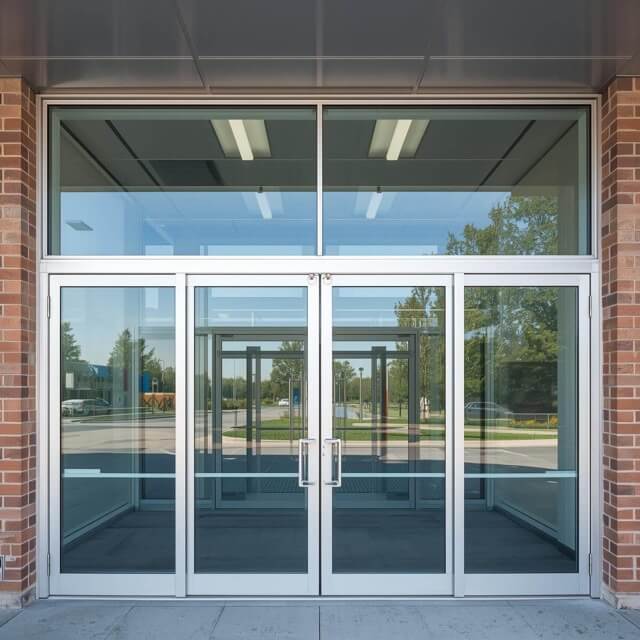
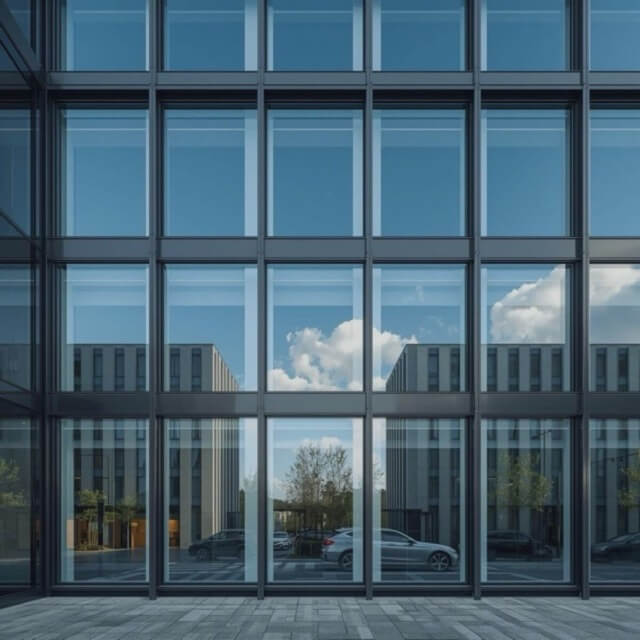
A critical challenge for architects and property owners is reconciling the need for enhanced security with the desire to maintain a building’s original design intent. Advanced retrofit ballistic-resistant systems address this by offering high-level protection that is virtually undetectable. This thoughtful engineering ensures that security measures enhance, rather than detract from, architectural aesthetics.
Maintaining Original Design Aesthetics and Uncompromised Sightlines
One of the most significant advantages of a high-quality retrofit ballistic-resistant system is its ability to preserve the existing architectural design. Unlike traditional “bulletproof glass for storefront” replacements that often entail thicker, heavier, and visibly different glazing, retrofit panels are applied internally, leaving the exterior facade unchanged. This approach ensures original sightlines remain uncompromised, allowing natural light to flood interior spaces and preserving the building’s intended visual connection with its surroundings. Architects can specify advanced protection knowing the building’s aesthetic integrity will remain fully intact, seamlessly blending security with design.
Addressing Glazing Appearance: Optical Clarity and Distortion Control
The visual quality of security glazing is paramount, particularly for architects concerned with a building’s refined appearance. Advanced polycarbonate security glazing is manufactured with exceptional optical clarity, specifically engineered to eliminate distortion and maintain true color rendition. The multi-layered construction and precise lamination techniques prevent the common issues of haziness or optical imperfections often associated with lower-quality security films or thicker glass alternatives. This meticulous attention to detail ensures the added security layer is virtually invisible, preserving the transparent quality of the original vision glass.
Adapting to Diverse Storefront Styles and Historic Preservation Needs
The versatility of retrofit ballistic-resistant glazing systems allows for adaptation to a vast array of storefront styles, from sleek modern facades to intricate historic structures. The custom-engineered nature of these solutions means they can be precisely cut and fitted to unique window configurations, including arched, curved, or irregularly shaped openings. For historic preservation projects, where maintaining original materials and appearance is critical, retrofit systems offer an invaluable solution. They enhance security without requiring the irreversible alteration or replacement of historically significant windows and frames, adhering strictly to preservation guidelines and ensuring compliance with historical building codes.
The Role of Engineering in Seamless Architectural Integration
Seamless architectural integration is not an accident; it is the direct result of advanced engineering. Every aspect of a high-performance retrofit system, from the thin profile of the polycarbonate panel to the precise design of the attachment hardware, is engineered to minimize visual impact. This thoughtful design process considers factors such as thermal performance, acoustic properties, and ease of installation, all while prioritizing the overarching goal of discreet protection. For architects like Alex Chen, this means the ability to specify robust architectural security solutions that blend effortlessly into the building’s design language, ensuring enhanced safety never comes at the cost of aesthetic brilliance.
Beyond Ballistics: Comprehensive Protection Against Forced Entry and Smash-and-Grab Threats
While engineered primarily to mitigate ballistic threats, advanced retrofit security glazing systems offer a multi-faceted defense that extends far beyond projectile resistance. These robust solutions create a formidable barrier against a spectrum of common storefront security challenges, enhancing overall property protection. They represent a significant upgrade to the building’s envelope, providing peace of mind against diverse risk factors.
Deterring Opportunistic Attacks and Violent Forced Entry Attempts
The inherent strength and integrity of ballistic-resistant glazing systems act as a powerful deterrent against opportunistic attacks and more organized violent forced entry attempts. Standard storefront glass, even tempered or laminated, provides only minimal resistance, often failing within seconds of a sustained attack. In contrast, the multi-layered construction of advanced security glazing is designed to absorb and distribute impact energy, significantly delaying or outright preventing unauthorized access. This increased resistance buys critical time for authorities to respond and often discourages assailants who seek quick, low-resistance targets. The physical barrier created is engineered to withstand repeated blows, thereby thwarting determined intruders.
Mitigating Damage from Smash-and-Grab Incidents and Vandalism
For businesses vulnerable to smash-and-grab prevention or persistent vandalism, the superior resilience of ballistic-resistant glazing offers substantial protection. Traditional glass shatters upon impact, leaving an open portal for theft and extensive debris requiring costly cleanup and operational downtime. Retrofit security glazing, however, is designed to remain intact even after severe impact, preventing immediate breach and maintaining the building’s envelope. This containment capability not only safeguards inventory and assets but also drastically reduces the financial and logistical burden associated with glass replacement, emergency boarding, and business interruption. The system’s robustness translates directly into reduced property damage and enhanced operational continuity.
Integrating with Existing Security Systems: A Layered Defense Strategy
Effective security relies on a layered defense, and advanced ballistic-resistant glazing seamlessly integrates into such a strategy. Rather than operating in isolation, these physical barriers complement and enhance existing electronic security measures such as CCTV surveillance, alarm systems, and access control. When an attack is attempted, the glazing’s resistance provides the necessary delay for alarm systems to trigger, surveillance cameras to capture critical evidence, and security personnel or law enforcement to intervene. This synergy ensures each security component reinforces the others, creating a more comprehensive and resilient protective framework for the entire facility. The physical barrier forms the crucial first line of defense.
The Role of Ballistic Systems in Overall Storefront Security Solutions
Within the broader context of storefront security, ballistic systems play a pivotal role that transcends their direct protective capabilities. They serve as a foundational element, transforming vulnerable points of entry into highly resilient barriers. This elevates the overall security posture of the entire structure, projecting an image of strength and deterring potential threats before they escalate. By securing the most exposed elements of a building—its windows and doors—these systems enable other security technologies to perform more effectively, knowing the primary physical breach has been addressed. The strategic integration of ballistic glazing is a proactive measure that underpins a robust and comprehensive security infrastructure.
The Specification Process: Integrating Advanced Ballistic Security Seamlessly into Your Project
For architects and building owners focused on maintaining design integrity while upgrading security, the specification process for advanced retrofit ballistic-resistant systems is remarkably streamlined. Unlike traditional full glass replacement, this approach emphasizes meticulous planning and engineering to ensure seamless integration and optimal performance without compromising aesthetics or operational flow. The goal is to achieve high-level security with minimal visual impact and disruption.
Initial Threat Assessment and Performance Level Selection Based on UL 752
The foundational step in specifying a ballistic-resistant system is a comprehensive threat assessment. This involves evaluating the specific risks a property faces, ranging from civil unrest and smash-and-grab attempts to targeted active threats. Based on this assessment, the appropriate performance level, as defined by UL 752 standards, is selected. UL 752 outlines various levels of ballistic resistance, from Level 1 (withstanding multiple shots from a 9mm handgun) to Level 8 (designed to stop rounds from a 7.62mm rifle). This precise categorization ensures the chosen solution directly addresses the identified threat profile, preventing over-specification or under-specification, and optimizing both security and cost-effectiveness.
Site Survey and Compatibility Evaluation for Existing Structures
One of the key advantages of retrofit ballistic-resistant glazing systems is their inherent compatibility with existing architectural elements. A detailed site survey is essential to evaluate the current glazing frames, mullions, and overall structural integrity. Expert technicians assess factors such as frame depth, material strength, and existing window configurations to determine the most effective and least invasive installation method. This evaluation ensures the retrofit solution can be seamlessly integrated into the current curtain wall system or window system, preserving the building’s original design aesthetic and structural characteristics. It mitigates the need for costly and disruptive full-frame replacement.
Collaboration with Security Glazing Engineers: Designing Custom Solutions
Successful implementation of advanced security glazing hinges on close collaboration with specialized security glazing engineers. These experts work directly with architects and project managers to design custom solutions that meet both the stringent security requirements and the specific architectural vision. They develop detailed schematics that ensure the retrofit system is virtually invisible, complementing the building’s existing lines and finishes. This engineering collaboration ensures patented attachment systems and glazing panels are precisely configured for optimal performance, while maintaining the aesthetic integrity that Principal Architect Alex Chen prioritizes. The result is an engineered solution that is both highly secure and visually harmonious.
Installation Considerations and Post-Installation Verification for Optimal Performance
The installation of retrofit ballistic-resistant glazing is a precise process that requires specialized expertise to ensure peak performance. Unlike the extensive demolition and reconstruction involved in full glass replacement, retrofit installations are typically less invasive, occur more rapidly, and minimize operational downtime for businesses. Post-installation, a rigorous verification process is undertaken to confirm the system meets all specified performance criteria and is correctly integrated with the existing structure. This verification may include visual inspections, operational checks, and adherence to manufacturer guidelines, guaranteeing the installed system delivers the expected level of threat mitigation and long-term reliability.
Conclusion: Strategic Security Upgrades for Modern Storefronts
Recapping the Superiority of Retrofit Ballistic-Resistant Systems
The preceding discussions have underscored a fundamental shift in how advanced security glazing is implemented. The superiority of patented retrofit ballistic-resistant systems over traditional full-frame glass replacement is evident across multiple critical dimensions. These engineered solutions deliver robust, multi-hazard protection against ballistic threats, forced entry, and blast events, all while strategically circumventing the significant operational disruptions and prohibitive costs associated with extensive structural modifications.
Crucially, these systems are designed for seamless integration, rendering them virtually invisible once installed. This preserves the existing architectural aesthetic and the building’s original design intent, directly addressing the common concern among architects regarding compromised visual integrity. By leveraging advanced materials and precision engineering, retrofit solutions offer an unparalleled combination of enhanced security performance and aesthetic fidelity, representing a smarter, more strategic investment for commercial security glass.
Empowering Architects and Business Owners with Informed Choices for Security
Understanding the distinct advantages of modern retrofit security glazing empowers architects and business owners to make truly informed decisions for their projects. No longer are security upgrades synonymous with extensive demolition, prolonged operational downtime, or a stark alteration of a building’s character. Instead, this knowledge equips stakeholders to select solutions that align precisely with both their security objectives and their commitment to design excellence.
This paradigm shift allows for a proactive approach to threat mitigation, integrating security as an invisible yet integral component of a building’s performance. For discerning professionals, this means the ability to specify and implement high-level protection that complements, rather than compromises, their design vision. It’s about leveraging cutting-edge engineering to achieve superior protection while maintaining, and even enhancing, a structure’s inherent value and aesthetic appeal.
The Future of Architectural Security and Design Integrity
The trajectory of architectural security is undeniably moving towards integrated, non-invasive solutions that prioritize both protection and preservation. Patented retrofit ballistic-resistant systems are at the forefront of this evolution, defining a future where advanced threat mitigation coexists harmoniously with design integrity. This approach not only provides immediate, critical security enhancements but also contributes to the long-term sustainability and value of a property by extending the life of existing infrastructure and minimizing construction waste.
As threats evolve, so too must our defensive strategies. The future demands intelligent, adaptable, and aesthetically sensitive security measures. By embracing the superior engineering and operational benefits of retrofit security glazing, architects and building owners are not just upgrading storefronts; they are investing in resilient, aesthetically uncompromised structures that are prepared for contemporary challenges, ensuring both safety and an enduring architectural legacy. These advanced solutions redefine the standard for bulletproof glass for storefront applications.
Frequently Asked Questions
What is the difference between “bulletproof glass” and ballistic-resistant glazing?
“Bullet proof glass” is a common misnomer. No material is truly “bulletproof” against all threats. The correct term is “ballistic-resistant glazing,” which denotes an engineered system designed to absorb and dissipate the energy of specific projectiles, preventing their passage and mitigating harm.
How do retrofit ballistic-resistant systems preserve a building’s design aesthetic?
Retrofit systems are installed discreetly on the interior side of existing windows and curtain wall systems, leaving the exterior facade unchanged. This approach maintains original sightlines, optical clarity, and the building’s architectural integrity, making the security enhancement virtually invisible.
What are UL 752 ratings, and why are they important for security glazing?
UL 752 is a North American standard that quantifies ballistic resistance. It categorizes glazing products based on their ability to resist specific types of weapons and ammunition (e.g., handguns, rifles) at varying velocities. Understanding UL 752 ratings allows for the precise selection of a ballistic-resistant system to match a building’s specific threat profile, ensuring appropriate protection without over-engineering.
Are retrofit security windows also effective against forced entry and smash-and-grab incidents?
Yes, advanced retrofit ballistic-resistant systems provide comprehensive protection beyond just bullets. Their multi-layered, impact-resistant construction significantly deters and delays forced entry attempts and mitigates damage from smash-and-grab incidents, helping to contain threats and protect assets.
How quickly can a retrofit ballistic-resistant system be installed compared to full glass replacement?
Retrofit installations are significantly faster and less disruptive than full glass replacement. They typically involve attaching the security system to existing frames during off-hours or with minimal operational impact, reducing project timelines and preserving business continuity.