Table of Contents
Why Looting Prevention Storefront Glass Matters
Understanding Today’s Looting and Smash-and-Grab Threats
What Is Security Glazing for Storefront Glass?
Best Glass Options for Looting Prevention
Retrofit Solutions for Existing Retail Storefronts
FAQs: Looting Prevention Storefront Glass
Why Choose Impact Security
Next Steps: Protect Your Business with Impact Security
Introduction: Why Looting Prevention Storefront Glass Matters in 2026
Retail theft incidents increased during civil unrest in 2020, and organized retail crime has only intensified since. Flash-mob smash and grab theft events in Chicago, San Francisco, Atlanta, and New York have shown that standard glass on retail storefronts shatters in under three seconds under a single hammer strike, giving looters and thieves easy entry long before police arrive. Average urban emergency response times run five to ten minutes, which means your storefront glass is the only thing standing between your merchandise and significant financial losses.
Modern looting prevention storefront glass is not just thicker glass. It refers to engineered security glazing systems-polycarbonate shields, riot glass, laminated security glass, and reinforced frames-that keep intruders out even after the glass itself cracks. This guide is written for retail chain managers, facility directors, property owners, and public-facing institutions like pharmacies, wireless stores, and luxury boutiques who need real answers about which glazing options work, how retrofits are done, and what testing standards actually prove.
Impact Security specializes in retrofit security glazing nationwide, with fabrication in Marietta, GA and Glendale, AZ, and a dedicated focus on designing advanced security glazing and retrofit protective systems. Everything that follows comes from field experience protecting thousands of retail storefronts against looting and forced entry. At the end, you can request a free, site-specific estimate.
Understanding Today’s Looting and Smash-and-Grab Threats
Organized retail crime now drives billions in annual losses. U.S. retailers reported shrink rates of 1.6% of sales in FY 2022-roughly $112.1 billion-with external theft accounting for about 36–37% of that total. The FBI reported over $8 million in stolen goods from 2020 to 2024, and retail theft incidents increased by over $8 million in that same period. Over 28% of burglaries occur in commercial business locations, making commercial properties and retail businesses primary easy targets.
Looters and organized groups attack storefront glass with bricks, hammers, sledgehammers, crowbars, and battery-powered saws. They hit display cases, glass doors, side windows, and any vulnerable entry points.
Standard tempered glass shatters into blunt cubes on impact, instantly creating a person-sized opening. The damage caused goes far beyond stolen merchandise: emergency board-ups with plywood, repeated glass replacement, lost sales while boarded up, higher insurance deductibles, and lasting brand damage when customers see a store that looks unsafe. Boarding up windows with plywood is a temporary measure for protection, but it signals vulnerability rather than strength.
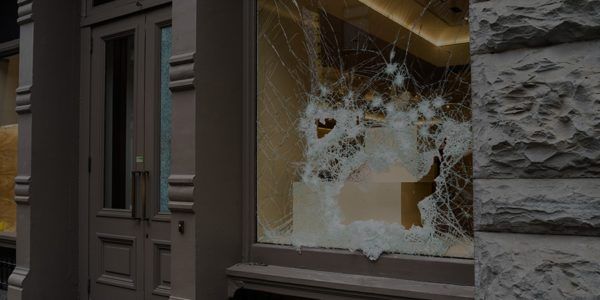
Consider a wireless retail store that suffered three break ins in twelve months through the same glass door. Cameras recorded each incident. Alarms triggered every time. But none of that stopped entry because the glass failed instantly. The real goal of looting prevention storefront glass is not to make glass “unbreakable” but to deny quick access-even when multiple attackers sustain an assault for several minutes.
What Is Security Glazing for Storefront Glass?
Security glazing and retail security glazing describe engineered systems-not simply thicker glass-that combine glazing material, framing, anchors, and hardware to resist forced entry and looting. Securing storefront glass requires layered physical security strategies, and the glazing itself is the critical first barrier. Security glazing can delay forced entry by criminals, giving alarms time to trigger and security personnel time to respond.
There are three main categories of glazing material used in storefront protection. Laminated security glass bonds two or more glass lites with PVB or ionoplast interlayers so that broken glass fragments stay held in place. Polycarbonate glazing and hybrid glass-polycarbonate systems flex and absorb energy rather than shatter. Proprietary retrofit shields like DefenseLite and RiotLite mount over existing glass to add a protective layer without replacing the storefront. Riot-resistant glazing provides a robust barrier against heavy impact across all these formats.
Key testing standards verify real-world performance. ASTM F1233-08 defines levels of protection for security glazing under tool-based impact. ASTM F3038 simulates mob-style forced entry with multiple attackers and tools over timed durations. UL 972 rates burglary-resistant glazing. Security glazing can withstand multiple impacts from common tools when it meets these benchmarks. The difference between forced-entry resistant glazing and ballistic-resistant glazing matters: most retail store locations facing smash and grab need forced-entry protection, not bullet resistance. Modern security glass for retail storefronts is clear, low-profile, and virtually invisible from the sidewalk, preserving merchandising, daylight, and curb appeal.
Best Glass Options for Looting Prevention
There is no single “best” glass for every store. The right solution depends on threat level, location, brand standards, and budget. Many high-risk facilities benefit from advanced DefenseLite polycarbonate security glazing. Think in three tiers: good (security film and basic laminated glass for low-to-moderate risk), better (laminated security glass with reinforced framing), and best (polycarbonate-based riot glass and DefenseLite systems for high-risk locations).
Laminated Security Glass for Storefronts
Laminated glass bonds two or more glass lites around a plastic interlayer. When struck, the glass cracks but the interlayer holds shattered glass fragments together, preventing immediate entry. Laminated glass can withstand hundreds of repeated blows before an opening forms, far outperforming standard glass. Laminated security glass is used in hurricane zones for its durability, which speaks to its resilience under sustained force. Wet glazing systems secure glass to the frame for increased protection, and this matters because in many break ins, standard aluminum frames or poor locks fail before the glass does. Ideal for new construction and moderate-risk areas, but determined multi-attacker looting events can eventually breach it.
Polycarbonate and Riot Glass Systems (Including DefenseLite)
Polycarbonate glazing is roughly 200–250 times stronger than standard glass of the same thickness. This material is flexible and difficult to tear, meaning it flexes and rebounds instead of shattering. Polycarbonate shields are virtually unbreakable and stop forced entry even under sustained tool-based attacks.
Riot glass resists impacts from hammers and crowbars, and riot glass can withstand multiple impacts from common tools without creating an opening, making it ideal for storefront security solutions for glass doors and windows. Riot glass can withstand impacts from hammers and crowbars repeatedly over extended assault durations.
Systems like DefenseLite polycarbonate overglaze security systems use polycarbonate or glass-clad polycarbonate panels mounted in custom aluminum frames over existing glass and glass doors. Riot glass can be retrofitted over existing glass for added security, making it a cost-effective solution for high-risk retail locations like jewelry stores, wireless carriers, luxury fashion, and cannabis dispensaries.
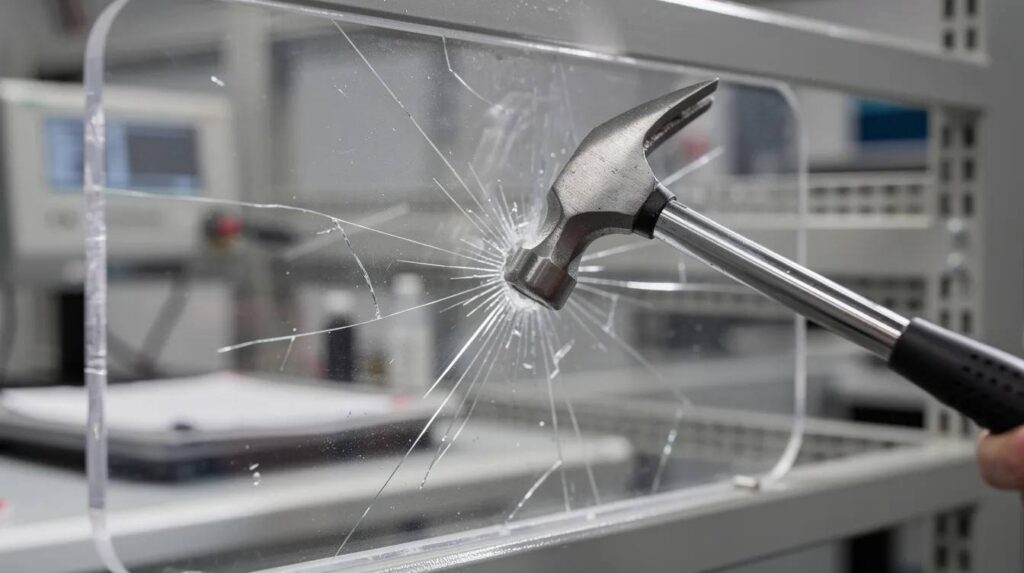
It is virtually unbreakable and maintains storefront aesthetics-customers see a clean, inviting store, not a fortress. Riot glass offers 24/7 protection against forced entry and vandalism without manual deployment. Riot glass provides 24/7 protection that works whether employees are present or not.
Security Window Films and When They Make Sense
Security window film can prevent broken glass from breaching during an attack by holding fragments together. A security film should be at least 8 mil thick for effective protection, and heavier gauges can stretch breach time from under three seconds to 30–90 seconds. RiotLite high-impact security film systems exemplify how attachment systems enhance the effectiveness of security window film by anchoring the filmed glass to the frame. Effective protection includes security film with attachment systems and physical barriers as part of a layered approach. Films are a cost-effective upgrade for side windows, offices, and lower-risk doors, but they cannot match the sustained resistance of polycarbonate riot glass or DefenseLite shields against prolonged, tool-based looting attacks.
Security Glass vs. Ballistic-Resistant Glazing
Forced-entry resistant security glass stops smash-and-grab, pry attacks, and looting. Ballistic-resistant glazing like BulletShield stops bullets-a different threat entirely, and solutions such as DefenseLite PRO retail security systems are engineered specifically for elevated forced-entry and smash-and-grab risks. Ballistic products add significant thickness, weight, and cost. Most retail businesses facing organized retail crime do not need ballistic glass; a threat and vulnerability assessment helps avoid overbuilding and keeps spending where it delivers the most protection per dollar.
Retrofit Solutions for Existing Retail Storefronts
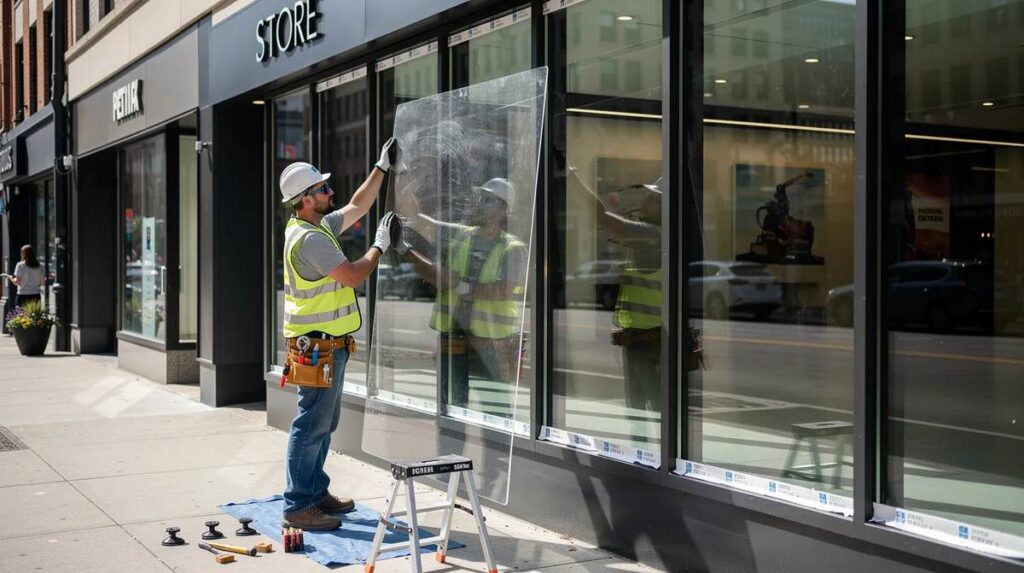
Most retail businesses already have built-out storefronts. Tearing out existing glass and framing is expensive and disruptive. Security glazing can be retrofitted onto existing storefronts, and that is exactly what DefenseLite Pro retrofit glazing systems are designed to do. The retrofit process at Impact Security follows a clear sequence: site assessment and threat review, field measurements and engineering for custom panels, fabrication at facilities in Marietta, GA or Glendale, AZ, and installation by certified dealers scheduled after hours so the retail store stays open.
The retrofit shield mounts over existing glass using surface-mounted or stand-off frames anchored into existing mullions. The original glass remains as a secondary barrier while the new panel absorbs all forced entry attempts.
This approach preserves aesthetic continuity-frames can be color-matched, panels stay optically clear, and merchandising and branding remain unaffected. Professional installation is important to ensure the effectiveness of security measures, which is why Impact Security uses trained, certified installers for every project and supports a nationwide network of DefenseLite dealers and installation partners.
Contrast this with temporary measures. Roll-down shutters provide a strong physical barrier during closed hours, and roll-down shutters create a solid barrier that shields glass from vandalism, but they must be manually deployed and block visibility when down.
Security gates add a visible layer of defense against property damage but can signal to customers that a neighborhood feels unsafe. Plywood boards up windows temporarily but damages brand perception and needs removal. Permanent retrofit security glazing works around the clock, looks professional, and eliminates the cycle of repeated glass replacement after each incident by functioning as riot protective window glass and doors designed to withstand sustained attacks.
FAQs: Looting Prevention Storefront Glass
How is looting prevention storefront glass different from standard tempered glass?
Standard tempered glass shatters on impact into small cubes, giving thieves immediate access. Security glazing stays intact under repeated impacts, delaying or preventing forced entry. Security glazing can delay forced entry by criminals long enough for alarms to activate and responders to arrive.
Will security glazing change how my retail storefront looks?
Retrofit systems like DefenseLite are designed to be virtually invisible from the sidewalk. Panels are optically clear and low-profile, preserving daylight, brand image, and the shopping experience for customers.
Can installation happen without closing my store?
Yes. Impact Security and its certified dealers typically work after hours or in phases. Small retail storefronts can often be completed overnight; large multi-bay locations may take several nights. Retail operations continue uninterrupted.
Does security glass replace alarms and cameras?
No. A layered security approach protects storefront glass during riots and everyday threats alike. Glazing provides the physical barrier, while monitored alarm systems and visible cameras deter opportunistic vandalism. Active monitoring and security cameras provide real-time awareness and evidence. Bright exterior lighting makes buildings less appealing to vandals. Together, these security measures form a powerful solution.
How long does looting prevention storefront glass last?
Properly coated and installed polycarbonate security glazing can last 15–25 years. Hard-coat warranties typically cover about seven years. Regular inspection and proper cleaning extend service life.
Will my insurance rates go down?
Many insurers view riot glass and security glass as risk-reduction measures that can positively affect coverage terms or deductibles. Provide your carrier with test reports and certification documentation for the best outcome.
How do I maintain polycarbonate or riot glass panels?
Use non-abrasive cleaners and soft microfiber cloths. Avoid ammonia-based or solvent cleaners that could haze or scratch polycarbonate. Periodically inspect seals, anchors, and hard-coat surfaces for wear.
Why Choose Impact Security for Retail Security Glazing
Impact Security is a U.S. manufacturer and installer focused exclusively on security glazing and retrofit protective systems for windows, glass doors, and retail storefronts. Product lines include DefenseLite for forced-entry resistant overglaze, RiotLite for riot and looting protection, and BulletShield for ballistic-resistant retrofits-all engineered to work with existing glass.
The service model is turnkey: threat assessment, design and engineering, in-house fabrication, certified installation, and ongoing support. Nationwide coverage through a trained dealer network, with fabrication hubs in Marietta, Georgia, and Glendale, Arizona, means fast lead times from coast to coast. Since 2016, Impact Security has protected national retail chains, pharmacies, electronics stores, cannabis dispensaries, banks, schools, and government facilities-drawing on lessons learned from real-world riot and looting events to engineer systems that perform when it matters.
Next Steps: Protect Your Business with Looting-Resistant Storefront Glass
Modern looting prevention storefront glass gives you a permanent, transparent alternative to plywood, bars, and repeated glass replacement-protecting inventory, employees, and brand reputation around the clock. Start by reviewing recent security incidents across all glass openings, prioritize high-risk locations, determine whether forced-entry or ballistic-resistant glazing fits your threat profile, and plan a retrofit consultation before the next wave of unrest or organized theft.
Contact Impact Security for a free, site-specific assessment and quote-whether you need to protect your business at a single storefront or roll out a multi-location program, and use the DefenseLite contact form for project-specific inquiries. Acting proactively before the next incident consistently costs less and produces better-designed solutions than reacting after multiple losses.