Table of Contents
What Is Vandal Resistant Glass and Why It Matters in 2026
How Vandal Resistant Glass Works: Materials, Construction & Test Standards
Comparing Options: Laminated Glass, Security Glazing Films, and Polycarbonate Retrofits
Applications, Common Mistakes, and When to Upgrade Your Glass
Why Choose Impact Security for Vandal Resistant Glass Retrofits
FAQs About Vandal Resistant and Security Glass
Every year, smash-and-grab theft, riots, and opportunistic attacks destroy thousands of windows across the USA, costing property owners millions in repairs, lost inventory, and downtime. Normal glass offers virtually no resistance to a determined attacker, and many facility managers discover this the hard way. This guide explains what vandal resistant glass actually is, how the technology works, and how to determine which solution fits your threat level, budget, and building type.
What Is Vandal Resistant Glass and Why It Matters in 2026
Vandal resistant glass is a category of security glazing engineered to withstand deliberate physical attacks, including repeated impacts from bats, bricks, hammers, and sharp tools. It is not the same as basic safety glass, which only protects people from accidental breakage. And it is not the same as bulletproof glass, which is designed against ballistic threats. Different performance ratings exist for vandal-resistant glass based on applications, so the right product depends on what you are trying to protect and who you are trying to protect it from.
The threat landscape in 2024 through 2026 has made these distinctions more urgent than ever. Retail chains face coordinated smash-and-grab incidents targeting electronics, jewelry, and cannabis dispensaries. Schools deal with graffiti, thrown projectiles, and the need to protect people during active-threat emergencies. Government buildings in protest-prone areas see windows shattered by bricks and improvised weapons. In every case, traditional glass fails almost instantly.
Here is how the main glass types compare when facing a vandal attack:
- Standard tempered safety glass shatters into small, relatively safe fragments on impact, but it offers zero delay to anyone trying to gain access through the opening. An attacker can be inside in seconds.
- Laminated glass holds glass shards together after impact and can delay unauthorized access, but under repeated blunt force it will visibly crack and eventually allow penetration. When vandal-resistant laminated glass breaks, it remains largely intact instead of shattering, and smash-resistant glass of this type cracks like a spiderweb when struck.
- Purpose-engineered polycarbonate retrofit shields, such as DefenseLite and RiotLite, mount over existing glazing to stop breakage and entry entirely. The impact resistance of these systems is significantly higher than standard glass, and they maintain visibility while enhancing security.
Vandal resistant glass can include laminated and tempered glass technologies, but the strongest protection comes from combination systems that layer multiple building materials for maximum performance. It is applied in commercial buildings for storefronts and display windows, and it serves as a deterrent by delaying forced entry, making it harder for intruders to break through in any reasonable timeframe.

The priority audiences for this technology include retail chains, schools, banks, hospitals, transit hubs, and facility managers responsible for high-visibility glazing. Vandal-resistant glass prevents dangerous injuries caused by sharp glass shards, which matters as much for occupant safety as it does for security.
Impact Security specializes in retrofit vandal resistant glass solutions that mount over existing windows and doors. This approach avoids full glass replacement, minimizes operational downtime, and preserves the look of your building.
How Vandal Resistant Glass Works: Materials, Construction & Test Standards
Understanding how resistant glass systems work starts with the materials and layers that make them effective.
The three main material families are:
- Laminated glass consists of multiple glass plies bonded by PVB or ionoplast interlayers. It utilizes multi-layered laminated composites to absorb impact energy, keeping fragments contained. Laminated glass is the foundation of most security glass and bullet resistant glass systems.
- Polycarbonate and acrylic composites, used in systems like DefenseLite and BulletShield, are dramatically harder to break than glass. Polycarbonate panels flex under impact rather than fracturing, absorbing force across the entire surface. These materials are often described as roughly 250 times stronger than glass by weight.
- Hybrid glass-polycarbonate stacks combine a sacrificial outer glass layer for scratch and weather resistance with a polycarbonate core that resists penetration. This combination creates a system that handles both everyday wear and violent attack.
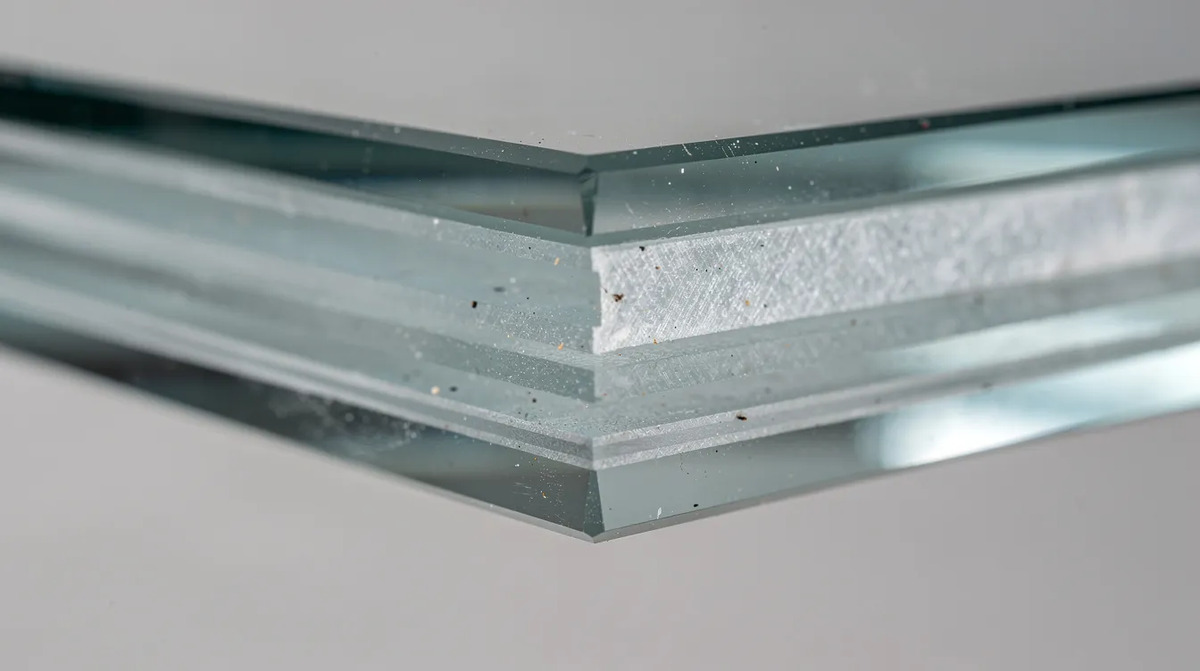
The layered construction in a retrofit system like DefenseLite works in a specific sequence: an outer sacrificial surface absorbs the initial strike, an energy-absorbing plastic core prevents penetration by flexing and distributing force, and an inner containment layer stops glass spall from reaching occupants. UV protection coatings prevent yellowing, while surface hard-coat technology resists scratching, graffiti, and weathering. Systems installed since 2016 have demonstrated strong clarity and durability over five to ten years when properly maintained.
A note on environmental durability: without proper UV capping, polycarbonate can yellow and lose optical quality. Service life expectations depend on coating quality and cleaning practices. It is an error to assume these systems are maintenance-free; periodic inspection of framing, anchors, and coatings is essential.
Several test standards and test methods govern how vandal resistant and security glazing performance is measured:
- UL 972 tests burglary-resisting glazing material against steel ball drops and simulated hit-and-run attacks. Test procedures for burglary resistance involve various weapons and tools to break glass under controlled conditions.
- ASTM F1233 evaluates forced entry resistance with tools like hammers and crowbars over timed intervals. ASTM F1915 covers glazing for detention facilities, with levels defined by hundreds of blunt and sharp impacts.
- EN 356 addresses impact resistance against manual attack in Europe, with levels from P1A (steel ball drops from 1.5 meters) through P6B–P8B (requiring 30 to over 70 hammer and axe blows before a 400 mm opening is created).
- ASTM F3561 is a newer standard that simulates ballistic weakening followed by forced entry attempts. DefenseLite Pro meets ASTM F3561 Level 8, the highest forced entry rating in that standard.
- UL 752 rates bullet resistance across many levels. Level 3 bullet resistant glass withstands three shots of .44 Magnum. Bullet resistant glass can also protect against 9mm and .357 Magnum rounds. Bullet resistant glass absorbs bullet force to stop penetration, and it is thicker than standard glass. Ballistic resistance glass minimizes injury from ballistic attacks, which matters for sites exposed to both vandalism and firearms threats.
There are many standards in the world that apply to security glazing, and it is important to note that “vandal resistant” does not automatically mean “bullet resistant.” If your risk assessment includes ballistic attacks or bomb blast scenarios, you need to specify those requirements separately. The ability to resist a brick is very different from the ability to stop a rifle round.
Comparing Options: Laminated Glass, Security Glazing Films, and Polycarbonate Retrofits
Choosing the right approach depends on your threat level, budget, and willingness to accept downtime. Here is a practical comparison of the three main paths.
Laminated glass replacement offers meaningful improvement over normal glass. Laminated glass holds shards in place when broken, and it reduces injury risk from flying glass shards. Depending on thickness, laminated glass can delay entry by a few minutes to total non-entry against lighter attacks. It also provides good UV protection and sound control. However, once cracked, the damage is visible and the glass must be replaced. Under sustained attack with heavy tools, laminated glass delays entry by minutes, but a determined attacker with a crowbar or axe will eventually breach it. Replacement often requires full frame upgrades, creating significant cost and downtime.
Security glazing film is the most affordable option. Products like RiotLite (tested to ASTM F3561 Level 3ET) hold fragments together and improve occupant safety. Riot control glass often uses laminate film to keep cracked glass in place, and film can be applied to existing glass for added protection. The limitations are real, though: the underlying glass still shatters, the film itself can be cut or peeled, and sustained forced entry attempts will breach the system compared to engineered overglaze systems like DefenseLite. For low-risk environments where the primary goal is to reduce injuries from flying fragments of broken glass, film is a reasonable starting point.
Polycarbonate retrofit systems provide the highest level of protection without replacing your existing glazing. Systems like DefenseLite polycarbonate security overglaze use a stand-off design that creates a clear shield in front of your current windows. Polycarbonate panels are significantly more difficult to break than glass, and these systems are engineered to absorb repeated bat, hammer, crowbar, or brick impacts without allowing penetration. Vandal-resistant glass of this type can reduce injuries from flying fragments of broken glass while also providing high penetration resistance against smash-and-grab theft. For sites needing bullet resistant glass performance, BulletShield offers UL 752-rated protection across a range of levels while preserving existing frames.
Matching your solution to your actual risk level:
- Low risk (opportunistic vandalism, graffiti): laminated glass or security film may be sufficient.
- Medium risk (coordinated smash-and-grab, repeated attacks): polycarbonate retrofit systems like DefenseLite Pro forced-entry glazing deliver ASTM F3561 Level 8 forced entry protection.
- High risk (riots, firearms threats, bomb blast concerns): ballistic glazing such as BulletShield UL 752-rated overglazing, specified with the appropriate bullet resistant glass level and possible blast mitigation layers.
Building code requirements, insurance carrier mandates, and internal security policies all influence which direction makes sense for your property. The cheapest option is rarely the most cost-effective when you factor in repeat repairs, insurance deductibles, and lost revenue from closures.
Applications, Common Mistakes, and When to Upgrade Your Glass
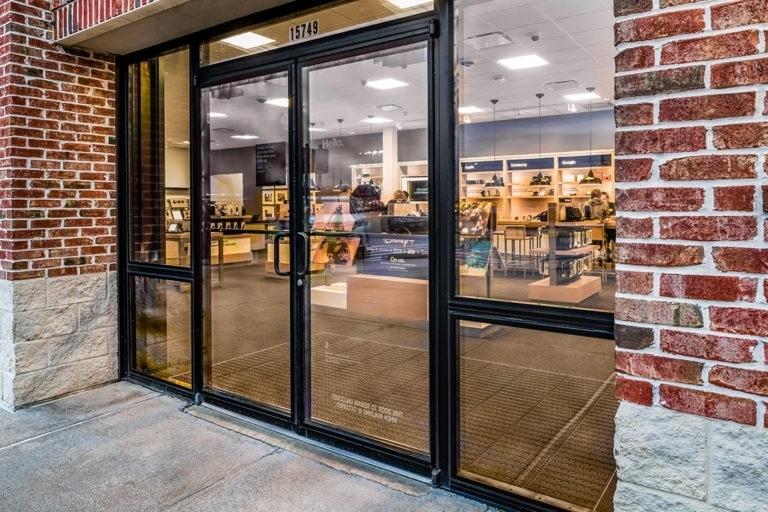
Vandal resistant glass and forced entry resistant glazing are installed across a wide range of commercial and institutional settings, including retail storefront security applications:
- Street-facing retail storefronts and display windows in electronics, jewelry, and dispensary locations
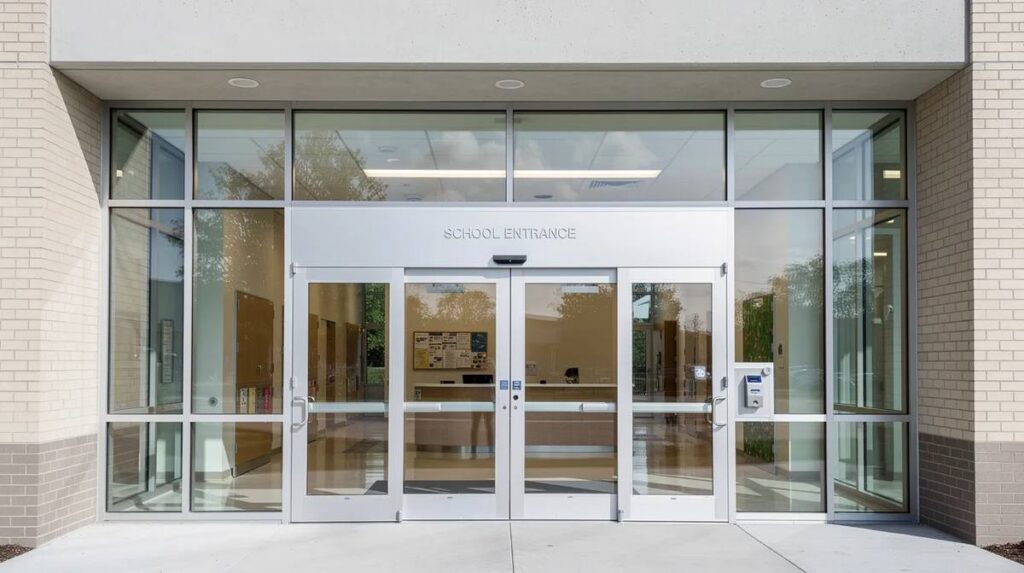
- School entrances, vestibules, and ground-floor classroom windows where vandal-resistant glass is installed to enhance safety during emergencies
- Government buildings including courthouses, permit offices, and city halls
- Banks, where vandal-resistant glass is used in teller windows to improve security
- Pharmacies and financial institutions handling high-value transactions
- Public transportation facilities, which use vandal-resistant glass to resist damage at bus shelters, stations, and ticket booths
It offers enhanced durability compared to regular glass in all of these high-risk areas, and this is where the investment in advanced security glazing systems pays for itself many times over.
Signs it is time to upgrade your glazing:
- Repeated break-ins or vandal incidents over the last 12 to 24 months
- Rising insurance premiums or new carrier requirements demanding higher-rated security glazing
- Visible damage, cracking, or outdated non-laminated annealed glass still in place
- Increased local crime statistics, community unrest, or protest activity near your property
Common mistakes facility managers make:
- Assuming that tempered glass is security glass. Tempered glass meets safety requirements for accidental human impact, but it does nothing to resist or delay forced entry.
- Over-relying on cameras and alarms while ignoring the physical barrier. Detection is important, but once an attacker breaches the glass, surveillance alone will not protect lives or inventory.
- Choosing the cheapest film without verifying test standards or real forced entry performance. Many products claim ratings but fail under actual tool attacks.
- Failing to integrate glazing upgrades with secure framing, doors, and locking hardware. A strong shield installed on a weak frame is a costly error.
How a professional security glazing assessment works: For many property owners, reviewing DefenseLite product FAQs and system details is a helpful starting point before scheduling an on-site review.
A qualified assessor will survey your existing glass type, frame materials, anchorage, and door hardware. They evaluate your threat profile based on location, use, and local crime data.
The deliverable is a recommendation for specific security glazing levels, whether vandal resistant, forced entry, bullet resistant, or blast rated, along with budget ranges and phasing options for multi-site portfolios. If you are interested in understanding exactly where your current glazing falls short, this assessment is the first step.
Why Choose Impact Security for Vandal Resistant Glass Retrofits
Impact Security is the manufacturer behind DefenseLite and BulletShield, founded in 2016 and headquartered in Marietta, Georgia, with fabrication centers in both Marietta and Glendale, Arizona. The company serves clients across the United States through certified dealers and installation partners, with deep experience across national retail brands, K–12 school districts, universities, hospitals, and federal, state, and local government agencies. This B2B and B2G focus means the team understands how to standardize vandal resistant glass solutions across multiple properties and regions.
What sets Impact Security apart is a retrofit-first approach. Rather than tearing out existing glass and frames, which creates weeks of downtime, their systems mount directly over current openings. In-house engineering and custom fabrication mean every panel is built to exact dimensions. The product range is tailored to specific risk profiles:
- DefenseLite Pro and RiotLite for vandal and riot protection, achieving ASTM F3561 Level 8 and Level 3ET forced entry resistance respectively
- BulletShield for UL 752 bullet resistant glass performance across Levels 1 through 8, covering threats from handgun rounds through higher-caliber rifle shots
- AccessShield for upgrading doors to forced entry or ballistic performance without full door replacement
- Safe-room solutions for interior partitions and sheltering areas
Project delivery is turnkey: site assessment, engineered shop drawings, precision fabrication, and professional installation scheduled around your operating hours to minimize disruption. Warranty options extend up to 15 years depending on the system, and maintenance guidance ensures long-term performance.
The trends in security glazing are moving toward exactly this kind of retrofit model, where you protect what you already have rather than starting from scratch. Impact Security’s systems have performed in documented riot, smash-and-grab, and active-threat scenarios, keeping glass intact, keeping people safe, and keeping businesses open.
Ready to find out what your current glazing can actually withstand? Contact Impact Security to request a free estimate or schedule a security glazing assessment. The team will help you interpret test standards, match solutions to your budget and risk tolerance, and develop a phased plan if you manage multiple sites.
FAQs About Vandal Resistant and Security Glass
Is vandal resistant glass the same as bullet resistant glass?
No. Vandal resistant glass is designed to resist blunt force, tool attacks, and attempted forced entry. Bullet resistant glass is a separate category built to stop ballistic attacks from firearms. Bullet resistant glass consists of laminated glass layers with polycarbonate interlayers, and it is tested to standards like UL 752. For example, Level 3 bullet resistant glass withstands three .44 Magnum shots. If your site faces both vandalism and firearms threats, you need a system rated for both, such as BulletShield.
Can vandal resistant glazing be added to existing windows and doors?
Yes. Retrofit systems like DefenseLite mount a polycarbonate shield directly over your current glass using stand-off framing and engineered anchors. This approach avoids full window replacement and can be installed on storefronts, school entrances, and government buildings without major construction.
How thick does vandal resistant glass need to be?
Thickness depends on the threat level and the standard you need to meet. Polycarbonate retrofit panels from Impact Security range from 0.25 inches to 1.25 inches. Thicker panels offer higher resistance ratings, but polycarbonate systems can often outperform much thicker laminated glass at lower weight due to their ability to flex and absorb energy rather than fracturing.
Will security glazing make my storefront look like a prison?
Modern retrofit systems are designed for clarity and minimal visual impact. High-quality polycarbonate shields with anti-reflective and UV coatings maintain visible light transmittance above 90 percent. Low-profile aluminum framing and hidden fasteners mean most customers and passersby will not even notice the system is there.
How much does vandal resistant glass cost compared to replacing all my windows?
Retrofit systems are typically less expensive than full glass and frame replacement because they preserve your existing structure. Cost varies based on opening size, threat level required, optical coatings, and installation complexity. A professional assessment will provide site-specific pricing. The real comparison should also include avoided costs: repeated glass replacement, insurance deductibles, lost business during closures, and potential liability.
How long does installation take, and will I have to close my business?
Most retrofit installations are completed within hours per opening, and Impact Security schedules work during off-hours or weekends to minimize disruption. Multi-site rollouts are phased so that no single location experiences extended downtime. In many cases, your business stays open throughout the entire process.
What maintenance does vandal resistant glazing require?
Routine cleaning with non-abrasive products and periodic inspection of framing, anchors, and coatings will maintain performance for years. Sacrificial coatings and hard-coat layers can be reapplied as needed. Impact Security provides maintenance guidance and ongoing service support with every installation.
Does vandal resistant glass help with energy efficiency?
Some systems, including DefenseLite Energy glazing solutions, improve thermal insulation and reduce solar heat gain. Certain configurations also reduce exterior noise by up to roughly 40 percent. This dual functionality, combining security with energy performance, is increasingly valuable for owners facing energy code requirements or sustainability targets.
Contact Impact Security with any site-specific questions. A free consultation helps you understand exactly which solution fits your risk profile, your budget, and the buildings you need to protect.