Table of Contents
Introduction: Why Security Glazing Matters
What Is Security Glazing for Office Buildings?
Key Threats Office Buildings Face
Types of Security Glazing Solutions
Retrofit vs. Full Replacement
Performance, Ratings, and Compliance
Beyond Security: Energy, Comfort, and Performance
Sector-Specific Use Cases
Why Choose Impact Security
FAQs
Next Steps
Introduction: Why Security Glazing Matters for Modern Office Buildings
Office security threats have shifted dramatically since the mid-2010s. What used to be simple after-hours burglary now includes coordinated forced entry, civil unrest targeting commercial spaces, and ballistic threats against public-facing institutions. In every scenario, glass is the weak point. Unprotected glass can be breached in seconds, giving attackers immediate access to people, equipment, and sensitive areas.
Standard safety glass-tempered or basic laminated-was designed to reduce injury from accidental breakage, not to resist a determined attacker. Security glazing goes further: it delays intruder access during attacks and protects against forced entry and ballistic threats. For most occupied commercial buildings, retrofitting existing windows and doors with security glazing is faster, less disruptive, and more cost-effective than ripping everything out.
This guide focuses on office and commercial building applications. Impact Security provides retrofit security glazing systems across the U.S. for office buildings, government offices, and other commercial spaces-and the principles here apply whether you manage a single building or a national portfolio.
What Is Security Glazing for Office Buildings?
Security glazing refers to glazing systems engineered to slow or stop forced entry attempts, smash-and-grab attacks, and ballistic threats. It goes well beyond what standard glass offers in a typical office window.
A few terms often get confused. Bullet-resistant glass is tested to stop specific calibers and round counts-it is not truly “bulletproof,” because no glazing stops every possible threat. Ballistic glazing and bullet-resistant glazing describe the same category. Forced entry resistance describes systems designed to withstand repeated blows from tools like hammers and crowbars. Tempered glass is heat-treated to be stronger than standard glass and shatters into blunt pieces rather than shards, but it provides no meaningful barrier once broken. Laminated glass retains fragments upon breakage for safety, holding broken glass in place-but alone, it can still be defeated quickly by a motivated attacker.
True security glazing for commercial security windows often uses impact-resistant overglaze systems like DefenseLite that incorporate multiple layers of glass, polycarbonate, or hybrid composites bonded with high-performance interlayers.
These can be installed as a protective shield over existing windows-a process sometimes called backglazing, which reinforces existing windows without full replacement.
The full system matters: glazing, framing, anchoring, and hardware must all perform together. Common applications include lobby curtain walls, ground-level windows, glass doors, door glass, transaction windows, and executive suites.
Key Threats Office Buildings Face Through Their Glass Openings
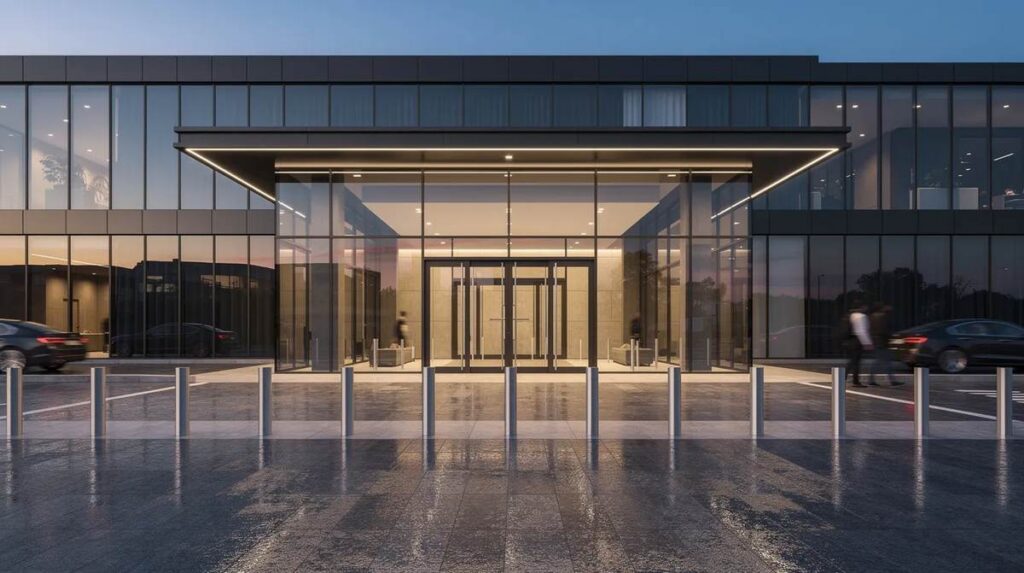
In most office break ins and high-profile incidents, attackers target glass first because it is typically the weakest part of the building envelope. Here are the main categories of security threats that security glazing addresses:
- Forced entry: Intruders use hammers, crowbars, bricks, and sharp objects to breach standard glass in seconds-often bypassing alarms and access control systems entirely. Burglars often test windows before trying doors, making vulnerable windows a primary point of attack.
- Smash and grab theft: Smash and grab thefts target display windows and lobbies in tech offices, law firms, medical practices, and any space with visible equipment. Even a short delay in breach time dramatically increases the chance of detection and response.
- Vandalism and civil unrest: Vandalism can leave storefronts shattered and unprotected overnight. Office tower lobbies and ground-floor retail tenants are especially exposed during protests or unrest, where broken glass means immediate closure and expensive emergency repairs.
- Ballistic threats: Ballistic threats are a growing concern for public-facing institutions, where active shooter mitigation strategies and retrofit glazing solutions are increasingly part of security planning. Reception areas, government tenant offices, and financial institutions inside commercial buildings may require ballistic protection rated to UL 752 or NIJ levels to address risks from active shooters or targeted attacks.
Types of Security Glazing Solutions for Office Environments
Choosing the right security glazing depends on the specific threats faced by a building and should be selected based on specific threat levels. Here is a practical comparison of the main materials used in commercial buildings:
| Material | Strengths | Limitations | Best For |
|---|---|---|---|
| Laminated glass | Excellent clarity, weather resistance, holds fragments after impact | Heavy, can crack under repeated blows | Storefronts, lobbies needing clarity |
| Polycarbonate | Lightweight and highly durable, ideal for high impact zones | Scratches more easily, needs UV coatings | Retrofit shields, forced entry zones |
| Laminated polycarbonate | Offers forced entry resistance and high-impact protection | Reduced optical clarity over time | Ground-floor windows, high-risk environments |
| Glass-clad polycarbonate (GCP) | Provides maximum ballistic resistance and aesthetic appeal | Heavier, higher cost | Ballistic rated glass for lobbies, government offices |
| Acrylic | Affordable, decent impact resistance | Used for low- to moderate-threat environments only | Interior transaction windows, lower-risk spaces |
Forced entry resistant systems-like retrofit polycarbonate shields and forced entry security glazing-flex, absorb impact, and stay in place after multiple blows. Ballistic glazing solutions, including retrofit bullet-resistant panels like BulletShield, provide tested ballistic protection for lobbies, reception areas, and sensitive spaces. Impact Security engineers these systems to integrate with existing storefronts, curtain walls, and entry systems, not as standalone pieces of resistant glass.
Retrofit vs. Full Replacement: Strengthening Existing Windows in Offices
Most occupied office buildings cannot shut down for full façade replacement. That makes retrofit security glazing the preferred approach in many B2B and B2G projects.
Retrofit shields, including higher-strength systems such as DefenseLite Pro, mount over existing windows and doors using custom-fabricated aluminum or steel frames with vented extrusions to prevent condensation. The existing glazing stays in place. This approach delivers reduced downtime, minimal disruption to tenants, and the flexibility to work outside business hours on high-traffic lobbies and entrances. Installed costs for mid-size commercial openings typically run $2,000–$8,000 per opening depending on size, complexity, and protection level.
Full replacement still makes sense when existing frames are structurally failing, during new construction or major façade renovations, or when the building’s risk profile demands heavy rifle-rated GCP panels that existing framing cannot support. Lead times for custom ballistic panels often run 6–16 weeks, so plan accordingly.
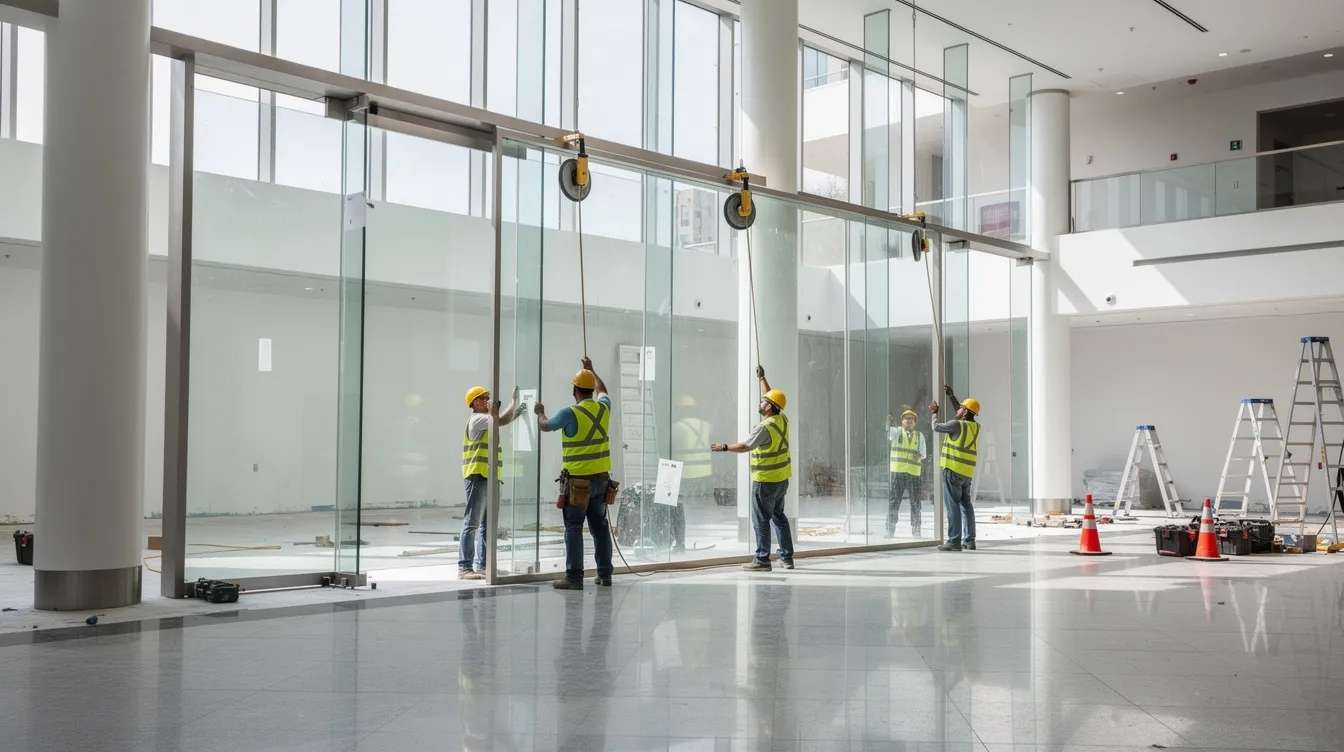
Consider a typical scenario: a multi-tenant office tower in Atlanta experiences repeated break ins through ground-floor side windows. A retrofit with forced entry resistant polycarbonate shields over the existing windows is completed in days per elevation, outside business hours-no lease interruptions, no tenant relocations. Security glazing also enhances property value and tenant appeal, making it an investment that pays forward.
Performance, Ratings, and Compliance: How to Evaluate Security Glazing
Security glazing for commercial spaces should be chosen based on tested performance standards, not marketing language.
Forced entry standards: Security glazing is often tested for compliance with ASTM F-3561 standards, which simulate an active shooter attack followed by forced entry with tools. ASTM F1233 classifies resistance (Classes I–V) based on repeated impacts, tool types, and duration.
Ballistic standards: Bullet resistant glass is rated according to UL 752 ballistic resistance standards, covering Levels 1–8. Level 1 stops three 9mm handgun rounds; Level 8 resists multiple .308 rifle shots. Office reception areas commonly specify Level 1–3 for handgun threats; government buildings and financial institutions may require Level 4–8 for enhanced security against ballistic attacks.
Safety glazing baselines: Safety glazing must comply with ANSI Z97.1 standards. CPSC 16 CFR 1201 is a US federal safety standard for glass, and safety glazing is required in hazardous areas per IBC regulations. SGCC certification ensures compliance with safety glazing standards. Laminated glass holds fragments together after impact, enhancing safety across all these frameworks.
Blast and hurricane: Blast-resistant glazing reduces flying debris during explosions while maintaining window integrity. Security glazing can meet Miami-Dade hurricane standards, and some products can be tested to Miami-Dade hurricane missile standards-meaning Miami-Dade hurricane missile testing standards apply to some security glazing used in storm-prone regions or federal buildings.
Code and life safety: Adding polycarbonate-based security glazing near egress paths must be coordinated with fire and life safety code requirements so upgrades do not conflict with fire ratings. Always request test reports, rating documentation, and system-level certifications-not just claims of “ballistic glass” performance.
Beyond Security: Energy Efficiency, Comfort, and Day-to-Day Performance
High performance security glazing delivers benefits well beyond physical protection.
Energy efficiency: Creating an additional glazing layer over existing windows forms an insulating airspace that reduces heat gain and loss. High-performance security glazing can reduce heat transfer, with manufacturer data showing 20–35% heating and cooling savings in properly designed retrofit systems-a meaningful figure in hot climates like Atlanta or Phoenix and in colder northern regions. Security glazing can include various features such as UV protection and energy-efficient coatings tailored to your climate.
Noise reduction: Acoustic insulation is a benefit of security glazing that blocks street noise. Thicker laminated layers and polycarbonate composites damp vibration, improving tenant comfort in dense urban office cores. Security glazing offers noise reduction and UV protection for office environments where concentration and productivity matter.
UV and glare: Systems can incorporate tinted glass, coatings, or interlayers that block UV, protecting interiors, IT equipment, and furnishings from fading while maintaining visibility and natural light. UV protection is standard in most quality security glazing systems.
Durability and maintenance: Impact Security designs products to retain clarity and performance over years of daily operations, using abrasion-resistant coatings on polycarbonate surfaces and weather-durable materials on exterior-facing components.
Where and How Office Buildings Use Security Glazing in Practice
Security glazing strategies vary by office type and the building’s risk profile. Here is where project teams typically focus:
- Entrances and lobbies: Forced entry resistant or ballistic glazing around revolving doors, vestibules, and reception areas where both aesthetic appeal and physical protection matter.
- Ground-floor windows and storefronts: Retail or food-service tenants beneath offices, plus side and rear elevations hidden from street view but vulnerable to forced entry and smash and grab attempts.
- Sensitive interior spaces: Transaction windows at reception counters, HR suites, data centers, executive offices, and cash-handling rooms inside commercial buildings. Detention facilities and similar high security zones use comparable materials.
- Sector-specific needs: Government offices and federal buildings often require higher ballistic protection. Financial institutions need controlled transaction windows with bullet resistant glazing. Healthcare providers protect pharmacy counters and patient registration areas.
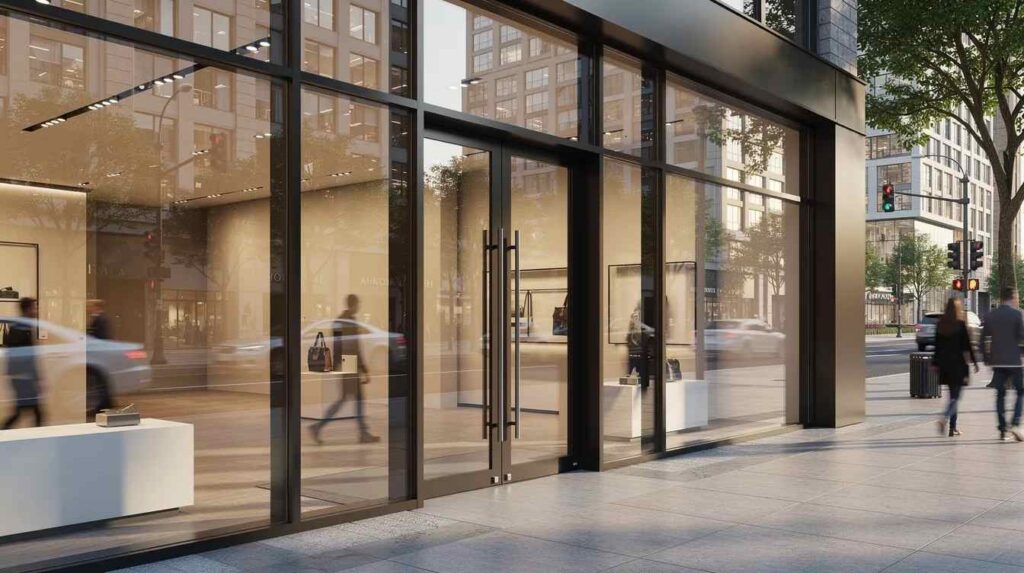
Impact Security works with facility managers, corporate security teams, and architects to prioritize openings and phase upgrades according to risk, security goals, performance requirements, and budget-whether the project involves a single lobby or a nationwide portfolio that can benefit from commercial security window solutions for secure glass windows and doors.
Why Choose Impact Security for Security Glazing in Office Buildings
Impact Security specializes in retrofit security glazing systems for office and commercial buildings across the U.S., through our DefenseLite, BulletShield, and related product lines, backed by company-wide expertise in advanced security glazing systems.
Our turnkey approach covers site assessment, threat evaluation, engineering, custom fabrication at our facilities in Marietta, GA and Glendale, AZ, professional installation, and ongoing warranty service. Since 2016, we have delivered B2B and B2G projects for office towers, corporate campuses, government-leased spaces, schools, hospitals, and national portfolios.
Our systems mount over existing windows and doors-protecting what you already have without full replacement. We work through a network of certified dealers and installers to deliver consistent quality and code-aware installation nationwide. Request a free estimate for office window security and safety glazing or connect with a local certified installer to review your specific office building needs.
Frequently Asked Questions About Security Glazing for Office Buildings
These are the questions we hear most from property owners, facility managers, and architects evaluating security glazing for commercial spaces.
Can I upgrade my existing office windows without replacing the entire window system?
Yes. Most Impact Security projects are retrofit solutions that mount forced entry resistant or bullet resistant shields over existing windows, storefronts, and glass doors. This preserves your existing glazing and framing while significantly increasing resistance to physical threats, ballistic attacks, and natural disasters like hurricanes.
Is security window film the same as bullet resistant glass?
No. Security film can help hold broken glass fragments together and slow simple forced entry attempts, but it does not stop bullets or provide true ballistic protection. Organizations needing protection from active shooters or multiple gunshots should specify tested ballistic glazing systems, not film-only solutions.
How do I know what level of ballistic protection my office needs?
Start with a professional security assessment that considers location, tenant mix, past incidents, and regulatory requirements. Impact Security and qualified consultants help match UL 752 or NIJ levels to realistic threat scenarios so you avoid over- or under-specifying-helping you make informed decisions tied to your project goals.
Will security glazing change the appearance of my building?
Modern retrofit systems are designed to be visually unobtrusive, with clear shields, custom finishes, and framing that aligns with existing storefronts and curtain walls. From the street, most upgrades are barely noticeable, preserving brand image and Class A or Class B office aesthetics.
How long does a typical office security glazing retrofit take?
Initial assessment, engineering, and fabrication are usually measured in weeks. Installation is often completed in days per elevation or area depending on scope. Work can be phased and scheduled around business hours to limit impact on tenants and daily operations.
Does security glazing impact energy efficiency or HVAC loads?
In many cases, adding a secondary glazing layer creates an insulating airspace that improves thermal performance and reduces drafts or hot and cold spots near windows. Discuss your specific energy efficiency goals with Impact Security so systems can be engineered with appropriate coatings and configurations for your climate and compliance needs.
Next Steps: How to Plan a Security Glazing Upgrade for Your Office Building
Start by identifying your most critical openings-lobbies, ground-floor windows, doors, and any spaces housing sensitive operations. Commission a professional security assessment to define your building’s risk profile and match it to the right protection level and materials.
Here is a simple process to follow:
- Initial consultation with Impact Security to discuss your security goals and project goals
- Site walk-through with measurements and documentation of existing windows and framing
- Threat and performance review to determine whether you need forced entry resistance, ballistic protection, or both
- Proposal with options covering materials, compliance, timeline, and budget
- Fabrication and installation scheduled to minimize disruption to tenants
Before reaching out, gather basic information: building type, number of openings to address, any incident history, and existing window specs if available. This speeds up every step of the process.
Ready to strengthen your office building? Request a free estimate from Impact Security, contact the DefenseLite team to speak with a security glazing specialist, or get connected to a certified installer in your region. Your windows do not have to be your weakest link.