- The True Cost of Security: Deconstructing Ballistic Sliding Door Investment
- Deconstructing the Investment: More Than Just a Number
- Key Factors Driving Ballistic Security System Costs
- Understanding Ballistic Ratings (UL 752) and Their Price Implications
- Retrofit vs. Full Replacement: A Value-Based Investment Analysis
- Why Architectural Integrity is a Priceless Feature
- The Engineering Behind Advanced Threat Mitigation
- Navigating the Specification Process: Getting an Accurate Project Assessment
- Conclusion: Reinvesting in Safety, Value, and Design
- Frequently Asked Questions
The True Cost of Security: Deconstructing Ballistic Sliding Door Investment
Beyond the Sticker Price: Framing Security as a Value-Driven Decision
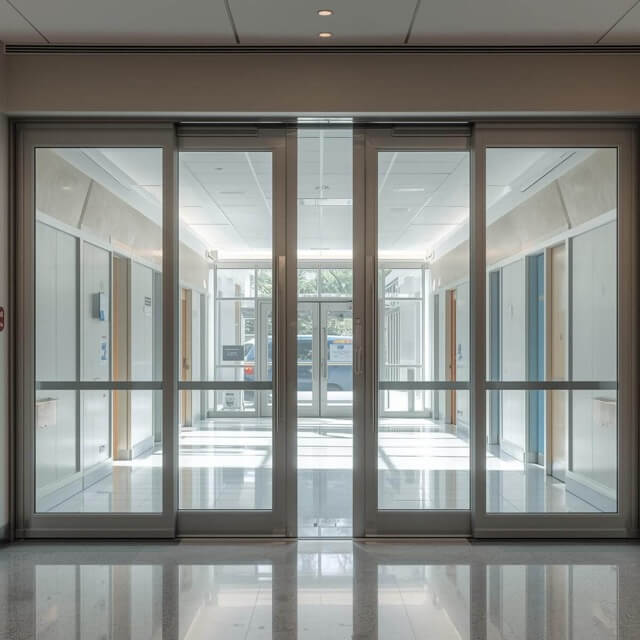
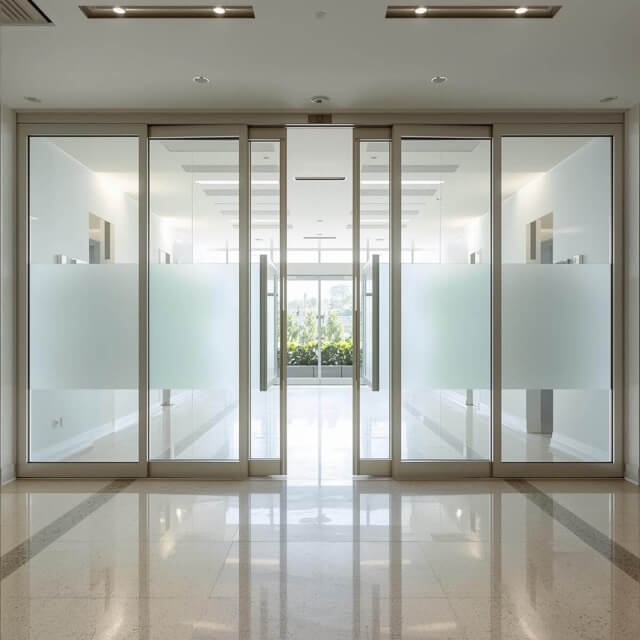
Clients and stakeholders often approach security enhancements with a focus on an immediate, quantifiable bulletproof sliding glass doors price. This perspective, while understandable, fundamentally misrepresents the nature of high-performance security. Advanced threat mitigation for critical infrastructure and private residences is not a commodity purchase.
It is a strategic investment that secures human capital, protects invaluable assets, ensures business continuity, and preserves long-term architectural integrity, thereby generating a return on investment far beyond a simple line item cost. The bulletproof sliding glass doors price depends on far more than materials alone, encompassing ballistic ratings, engineering complexity, and long-term security value.
The Illusion of a Simple “Price Tag” for Advanced Protection
The expectation of a singular, universally applicable price tag for advanced ballistic protection systems is an illusion. Unlike off-the-shelf consumer products, high-performance security solutions, particularly for complex access points like sliding glass doors, are inherently bespoke. Their efficacy is directly tied to their integration within a specific environment, requiring precise engineering to counter identified threat vectors while accommodating existing structural and aesthetic parameters. Variables such as the designated threat level, the existing architectural framework, and operational requirements preclude a one-size-fits-all costing model for commercial bullet-resistant doors.
Why a Comprehensive Understanding is Essential for Architects and Stakeholders
For architects and project stakeholders, a comprehensive understanding of what constitutes the “cost” of ballistic security is paramount. This knowledge empowers design professionals to articulate the long-term value proposition to clients, countering initial resistance driven by perceived high costs or aesthetic concerns. By framing security as a strategic investment rather than a mere expense, and by presenting solutions that respect architectural design while delivering superior protection, architects can guide clients toward informed decisions that safeguard their assets without compromising their vision.
Deconstructing the Investment: More Than Just a Number
Why Ballistic Security Solutions Are Inherently Custom-Engineered
Ballistic security solutions, particularly those designed for high-risk applications, are fundamentally custom-engineered systems. Each deployment addresses a unique confluence of potential threats, site-specific vulnerabilities, and existing architectural conditions. A patented retrofit system, for instance, must be meticulously designed to seamlessly integrate with pre-existing door mechanisms and structural elements, leveraging advanced materials and precision fabrication to achieve optimal ballistic resistance without necessitating a complete structural overhaul. This level of customization ensures targeted protection and maximum efficiency.
The Complexity of Integrating Security with Existing Architecture
Integrating robust security measures into an existing architectural design presents significant technical challenges. The goal is to achieve an uncompromised level of protection while maintaining the aesthetic harmony and operational functionality of the space. This often involves:
- Structural Load Bearing: Assessing and potentially reinforcing existing structural components to support the increased weight and stress of ballistic-rated materials and mechanisms.
- Seamless Aesthetic Integration: Designing components that blend with the current architectural style, avoiding an obtrusive or institutional appearance.
- Operational Fluidity: Ensuring that security enhancements do not impede the daily functionality or emergency egress capabilities of the door system.
Retrofit security for glass doors excels in this domain by focusing on modification and enhancement rather than disruptive demolition and replacement.
Shifting Focus from Initial Cost to Long-Term Asset Protection
The true cost of security extends far beyond the initial procurement and installation price. It encompasses the value of long-term asset protection, the mitigation of potential financial and human losses, and the preservation of business continuity in the face of evolving threats. A robust ballistic security system represents an insurance policy against unforeseen incidents, safeguarding high-value assets and personnel. By preventing catastrophic events, such as forced entry or ballistic attacks, the initial investment demonstrates its value many times over, providing enduring peace of mind and operational resilience.
Key Factors Driving Ballistic Security System Costs
Material Science and Component Grade: The Foundation of Protection
The core of any ballistic security system’s cost is directly tied to the advanced material science and component grade utilized. Achieving certified ballistic resistance requires specialized materials engineered to absorb and dissipate kinetic energy.
- Security Glazing: This includes multi-layered polycarbonate laminates, glass-clad polycarbonates, or specific types of monolithic acrylics. The choice of material and its thickness are determined by the specified ballistic threat level, such as UL 752 Levels 1-8. Each increase in threat level corresponds to more robust, and typically more expensive, material compositions.
- Structural Alloys: High-strength, often proprietary, steel or aluminum alloys are critical for frames and other structural components that must resist deformation and maintain integrity upon impact. These materials undergo rigorous testing to ensure they meet performance specifications.
The selection of these high-performance materials is non-negotiable for effective protection and significantly influences the overall system cost.
Understanding Frame Reinforcement and Operational Hardware Requirements
Ballistic glass is only as effective as the frame and hardware that secure it. The integrity of the entire assembly is paramount.
- Frame Reinforcement: Existing door frames are rarely designed to withstand ballistic impact or sustained forced entry attempts. Retrofit solutions often involve integrating patented internal steel reinforcement systems that fortify the existing frame structure, distribute impact loads, and prevent separation.
- Specialized Hardware: Standard sliding door hardware is inadequate for high-security applications. Ballistic systems demand:
- Multi-point locking mechanisms that secure the door panel at several points along the frame.
- Continuous hinges (for swing doors) or heavy-duty, reinforced roller assemblies and tracks (for sliding doors) are designed to prevent forced removal or dislodgment.
- High-grade, tested security pivots and interlocks that maintain structural cohesion under extreme stress.
These engineered components are crucial for the system’s operational reliability and its ability to withstand determined attacks, representing a significant portion of the overall investment.
Installation Complexity: Integrating High-Performance Security Seamlessly
The installation process for a high-performance ballistic security system is a highly specialized task requiring precision engineering and expert technicians. It is not comparable to standard door installation.
- Precision Integration: Components must be fitted with extreme accuracy to ensure ballistic overlap and structural continuity. This is particularly true for retrofit systems where new elements must perfectly interface with existing structures.
- Structural Considerations: Technicians must understand and account for the building’s structural dynamics, ensuring that reinforcement is correctly applied and that the system does not compromise the building’s integrity.
- Minimal Disruption Methodology: While complex, advanced retrofit installations are designed to minimize disruption to ongoing operations. This involves meticulous planning, pre-fabrication, and efficient on-site execution, reducing construction timelines and associated operational downtime compared to a full rip-and-replace approach.
This specialized labor and methodology, while seemingly a cost factor, ultimately contribute to the system’s effectiveness and the overall economic benefit of reduced project timelines and operational impact.
Understanding Ballistic Ratings (UL 752) and Their Price Implications
When evaluating the investment in high-performance security, understanding ballistic ratings is paramount. The initial ballistic-rated sliding door cost is directly influenced by the specified level of protection required. This security specification typically refers to established industry standards that define a system’s ability to withstand specific ballistic threats.
Decoding UL 752 Standards: Protection Levels and Threat Scenarios
Underwriters Laboratories (UL) 752 is the definitive standard for bullet-resisting equipment, outlining a comprehensive set of criteria for materials and systems designed to mitigate ballistic penetration. This standard categorizes protection into eight primary levels, each correlating to the type and caliber of ammunition it is engineered to defeat.
- UL 752 Level 1: Protects against ordinary handguns, such as 9mm.
- UL 752 Level 2 & 3: Addresses higher-power handguns, such as .357 Magnum and .44 Magnum.
- UL 752 Level 4 & 5: Includes protection against high-powered rifles, such as .30-06 Springfield.
- UL 752 Level 6-8: Mitigates multiple impacts from even higher-velocity rifles and armor-piercing rounds.
Each ascending level necessitates increasingly robust materials and sophisticated engineering, directly impacting the complexity and cost of the security solution. Specifying the appropriate UL 752 rating requires a precise threat assessment to avoid both under-protection and unnecessary over-engineering.
The Direct Correlation Between Ballistic Rating and Material/Engineering Costs
The ballistic rating selected for a security system directly dictates the material specifications and engineering complexities, thereby influencing the overall investment. Higher UL 752 levels demand a greater density and thickness of security glazing, often involving multi-ply polycarbonate and laminated glass. These advanced materials are significantly more expensive to manufacture and process.
Furthermore, the framing systems for higher ballistic ratings require specialized reinforcement, such as hardened steel or composite alloys, precisely engineered to prevent deflection or material failure upon impact. The integration of these components into a functional, aesthetically pleasing sliding door system involves intricate design and manufacturing processes, all of which contribute to the final system price. This is not merely a cost of materials but an investment in proven engineering and performance integrity.
Beyond UL 752: Addressing Forced Entry and Multi-Threat Considerations
While UL 752 meticulously addresses ballistic threats, a comprehensive security strategy often extends beyond projectile impact. High-performance sliding glass doors must also contend with forced entry attempts using blunt force, cutting tools, or sustained attack. Solutions that incorporate forced entry protection typically feature:
- Enhanced Interlayers: Specialized laminates within the glazing that resist delamination and penetration under sustained physical attack.
- Reinforced Anchoring Systems: Proprietary methods for securing the glazing within its frame and the frame to the building structure, designed to withstand significant dynamic loads.
- Secure Locking Mechanisms: Advanced, multi-point locking hardware engineered to deter and delay determined intruders.
Integrating these capabilities transforms a ballistic-resistant system into a multi-threat solution, offering superior protection against a broader spectrum of adversarial tactics. This layered defense naturally entails additional material, design, and installation costs, reflecting the enhanced security posture achieved.
Retrofit vs. Full Replacement: A Value-Based Investment Analysis
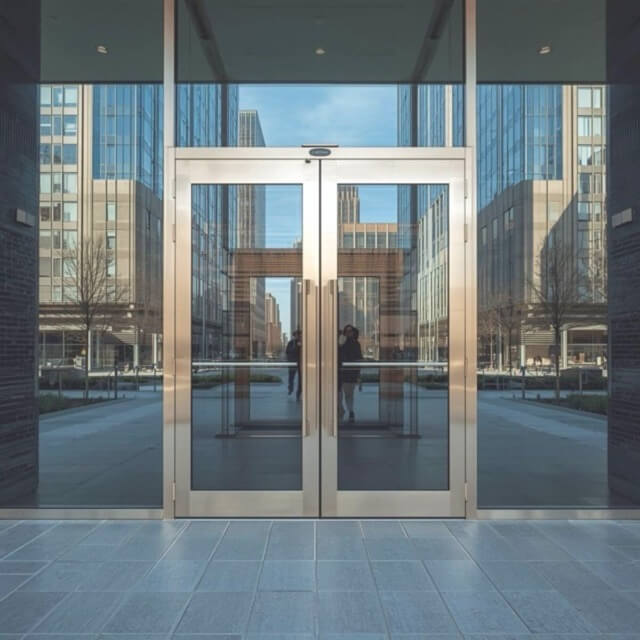
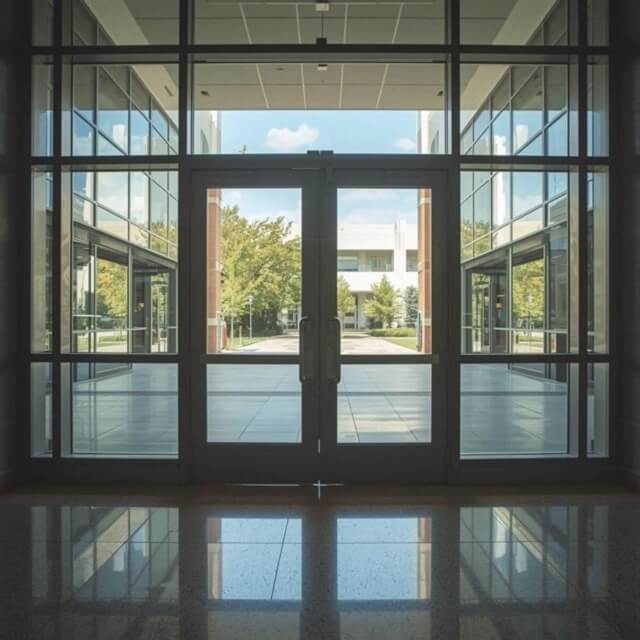
The decision between retrofitting an existing opening with a high-performance security system and undertaking a full structural replacement carries significant implications beyond the initial sticker price. A nuanced, value-based investment analysis reveals that retrofitting often presents a more economically sound and less disruptive path, particularly for advanced patented systems.
The Unseen Costs of Full Structural Replacement: Disruption and Downtime
Opting for full structural replacement of existing sliding glass doors, or any significant architectural element, introduces a cascade of unforeseen and often substantial costs. These extend far beyond the procurement of new materials and installation labor.
- Demolition and Disposal: The cost of removing and safely disposing of existing structural elements and glazing.
- Extensive Labor and Project Management: Increased labor hours for site preparation, structural modifications, and finishing work.
- Business Interruption: For commercial or institutional properties, prolonged construction can lead to operational downtime, loss of revenue, and reduced productivity.
- Relocation and Safety Protocols: The need to relocate occupants or implement stringent safety measures for extended periods.
- Permitting and Regulatory Hurdles: Potentially more complex and time-consuming permitting processes due to structural changes.
These “soft costs” or indirect expenses can easily overshadow the direct material costs, making full replacement a far more expensive proposition than initially perceived, while simultaneously introducing significant operational friction.
Preserving Existing Aesthetics and Architectural Intent with Patented Retrofit Systems
A significant advantage of advanced retrofit security for glass doors, such as patented solutions like BulletShield, lies in their ability to seamlessly integrate with existing architectural elements. This approach eliminates the need for extensive structural modifications, thereby preserving the original design vision and aesthetic integrity of the building.
- Minimal Visual Impact: Engineered to blend discreetly with existing door frames and fenestration systems.
- Maintenance of Original Design Lines: Allows for the retention of custom finishes, historical details, or specific architectural styles.
- Reduced Construction Footprint: Installation is typically less invasive, requiring fewer trades and a shorter on-site presence.
By focusing on enhancing the existing structure rather than replacing it entirely, these patented systems provide high-level protection without compromising the architect’s original intent or the property’s established aesthetic.
Long-Term Value: Comparing Lifespan, Maintenance, and Scalability
Evaluating security investments demands a long-term perspective that considers lifespan, maintenance requirements, and scalability. High-performance retrofit security for glass doors is engineered for durability, often extending the useful life of the entire fenestration system.
- Extended Lifespan: Quality materials and expert installation ensure a robust system designed for decades of reliable performance.
- Reduced Maintenance: Modern security glazing and framing systems are typically low-maintenance, requiring only standard cleaning and periodic operational checks. This contrasts with older, less resilient systems that may require frequent repairs or component replacements.
- Scalability for Future Needs: A well-designed retrofit security system can often be adapted or upgraded to meet evolving threat landscapes or changing security protocols, offering future-proofing capabilities. This avoids the prohibitive costs associated with entirely new installations as security requirements change.
This comprehensive view highlights that while the initial outlay for a high-performance retrofit security system may be an investment, its long-term benefits in terms of cost avoidance, operational continuity, and adaptability deliver superior value.
Why Architectural Integrity is a Priceless Feature
In high-end residential, commercial, and institutional projects, architectural integrity is not merely a preference. It is a fundamental aspect of property value, brand identity, and user experience. Integrating security should enhance, not detract from, this critical design vision.
The Imperative of Maintaining Design Vision in Security Implementations
For architects and property owners, the design vision represents a significant investment of time, expertise, and capital. Architectural security solutions that compromise this vision can undermine the property’s aesthetic appeal, functionality, and market value. Clients frequently push back against security measures that appear obtrusive or intrusive, signaling a clear demand for solutions that integrate harmoniously. The imperative is to implement robust protection without sacrificing the visual language, material palette, or spatial dynamics that define a structure’s unique character. Advanced security systems recognize this and are engineered to be felt, not seen, providing peace of mind without visual intrusion.
Seamless Integration: How Advanced Solutions Avoid Obtrusiveness
Achieving seamless integration requires a sophisticated approach to design and engineering. Advanced security solutions avoid obtrusiveness through several key strategies:
- Slim-Profile Framing: Utilizing minimalist, high-strength frame designs that blend with existing architectural lines.
- Optically Clear Ballistic Glazing: Employing multi-layered laminated glass that provides superior ballistic resistance without compromising light transmission or visual clarity.
- Concealed Mechanisms: Integrating locking systems, operating hardware, and reinforcement elements within the door frame or surrounding structure, out of plain sight.
- Custom Finishes: Offering a wide range of finishes and colors that match or complement the building’s existing palette.
This dedication to discreet integration ensures that the security features are virtually indistinguishable from standard high-performance fenestration, maintaining the original design intent without compromise.
Enhancing Property Value Through Discreet, High-Performance Security Upgrades
Discreet, high-performance security upgrades are not merely a cost center. They are an investment that can significantly enhance a property’s value and marketability. In an environment where security concerns are increasingly prevalent, a building that offers superior protection without aesthetic compromise becomes a highly desirable asset.
- Increased Market Appeal: Discerning tenants and buyers prioritize both safety and sophisticated design.
- Premium Positioning: Properties featuring seamlessly integrated, certified security systems can command higher valuations.
- Peace of Mind: The tangible benefit of enhanced security, coupled with an unblemished architectural aesthetic, offers invaluable peace of mind to occupants and owners alike.
Ultimately, by deploying solutions that offer robust protection while upholding the highest standards of architectural integrity, a property’s intrinsic value is not just preserved but actively enhanced, affirming that true security is an invisible yet powerful asset.
The Engineering Behind Advanced Threat Mitigation
Achieving high-performance ballistic security, particularly for existing architectural elements like sliding glass doors, extends far beyond simply selecting robust materials. It necessitates a deep understanding of structural dynamics, material science, and integrated system design. The efficacy of a bullet-resistant solution, especially a retrofit system, is fundamentally rooted in its engineering.
Proprietary Technology: The Innovation Driving Patented Retrofit Solutions
The leading edge of advanced threat mitigation is defined by proprietary technology. These are not merely off-the-shelf components but specifically engineered, patented systems designed to address complex security challenges without compromising aesthetic or functional integrity. Such innovations, like the BulletShield system, represent years of research and development focused on creating solutions that integrate seamlessly with existing architectural frameworks. They leverage specialized materials and unique structural configurations that are scientifically proven to dissipate kinetic energy from ballistic threats, offering superior protection where conventional glazing or framing systems would fail. This intellectual property differentiates high-performance security solutions, ensuring that clients receive a system that is not only effective but also uniquely tailored to their specific needs.
Rigorous Testing Protocols and Real-World Performance Validation
Credibility in ballistic security is built on demonstrable performance, not just material specifications. Reputable manufacturers subject their systems to exhaustive testing protocols by independent, accredited laboratories. These tests often adhere to stringent international standards such as UL 752 for ballistic resistance, ASTM F1233 for forced entry, or NIJ standards for personal armor. Laboratory conditions, while critical, represent only one facet of validation.
Beyond static laboratory tests, real-world performance validation is paramount. This involves testing the entire integrated system, the framing, the glazing, the mounting hardware, and the locking mechanisms, under conditions that simulate actual threat scenarios. This comprehensive validation ensures that the system performs as an impenetrable barrier, consistently mitigating risks across various threat vectors. Such rigorous verification provides architects and their clients with a high degree of assurance that the proposed solution will stand up to its stated performance specifications.
The Role of Custom Fabrication and Precision Engineering in System Efficacy
Unlike new construction, where security elements can be integrated from the ground up, retrofitting ballistic protection into existing sliding glass doors presents unique engineering challenges. This is where custom fabrication and precision engineering become indispensable. A one-size-fits-all approach is insufficient and can compromise both security and architectural aesthetics.
- Tailored Integration: Each retrofit solution must be custom-fabricated to precise measurements, ensuring a perfect fit within the existing door frame and surrounding structure. This bespoke approach prevents weak points that could be exploited during an attack.
- Material Selection: Precision engineering extends to the selection and integration of specialized ballistic materials, such as specific polycarbonate or laminated glass configurations, optimized for both protection level and weight distribution.
- Structural Load Considerations: Engineers must meticulously assess existing structural loads and design the retrofit system to enhance, rather than detract from, the building’s integrity. This includes reinforcement strategies that maintain the original design aesthetic while adding significant protective capabilities.
- Operational Consistency: Custom engineering ensures that the newly secured sliding glass door retains its intended functionality, operating smoothly and reliably without adding undue bulk or restricting movement, addressing a key concern for architectural design and user experience.
Navigating the Specification Process: Getting an Accurate Project Assessment
The journey from identifying a security need to implementing a high-performance ballistic solution involves a structured and detailed security specification process. This process is crucial for ensuring that the proposed solution not only meets the threat mitigation requirements but also aligns with architectural intent and budgetary considerations.
The Criticality of a Thorough Site Evaluation and Threat Assessment
An accurate assessment of both the physical site and the potential threats is the bedrock of any effective security upgrade. Without this foundational analysis, any proposed solution is merely an educated guess, potentially leading to over-engineering, under-protection, or significant cost overruns.
- Site Evaluation: This involves a meticulous examination of the existing structure, focusing on the specific areas requiring protection.
- Detailed measurements of openings, existing framing materials, and wall construction.
- Analysis of structural integrity and load-bearing capacities.
- Identification of potential vulnerabilities in surrounding elements, such as adjacent windows or walls.
- Assessment of existing access control systems and operational flows.
- Threat Assessment: This critical step identifies the specific risks and desired level of protection.
- Evaluating the most probable attack scenarios, ranging from active shooter events to forced entry attempts.
- Determining the appropriate ballistic resistance level, for example, UL 752 Level 3.
- Considering the operational context, such as pedestrian traffic, public visibility, and evacuation routes.
This comprehensive evaluation allows security engineers to design a system that is precisely tailored to the unique security profile and architectural constraints of the project.
The Expertise of Certified Dealers in Solution Design and Implementation
Successfully deploying a patented ballistic retrofit system demands specialized expertise that extends beyond general construction knowledge. Certified dealers possess a unique blend of engineering insight, product-specific training, and installation proficiency. They are instrumental in translating threat assessments into viable security solutions.
Certified dealers undergo rigorous training directly from the system manufacturer, ensuring a deep understanding of the proprietary technology, installation protocols, and performance specifications. Their role encompasses:
- Solution Design: Collaborating with architects and security consultants to integrate the ballistic system seamlessly into the existing structure, considering both protection and aesthetics.
- Technical Guidance: Providing expert advice on material selection, structural modifications, and compatibility with other building systems.
- Precision Installation: Executing installations with the meticulous attention to detail required to maintain the system’s ballistic rating and warranty validity.
- Compliance Assurance: Ensuring that the installed system adheres to all relevant building codes, safety regulations, and performance standards.
Engaging with certified professionals minimizes risks, ensures optimal system performance, and ultimately provides greater value than a general contractor might deliver.
Requesting a Tailored Proposal: What Information is Needed for a Precise Quote
Moving from conceptual discussions to a precise, actionable quote requires comprehensive data. The more detailed and accurate the information provided, the more precise the resulting proposal will be, enabling clear decision-making. To facilitate an accurate assessment and a tailored proposal, clients should be prepared to provide:
- Architectural Drawings: Detailed plans, elevations, and sections of the area requiring security upgrades.
- Specific Dimensions: Precise measurements of all openings, including width, height, and depth of existing frames.
- Existing Construction Details: Information on the materials and construction methods of surrounding walls, floors, and ceilings.
- Desired Protection Level: Clear articulation of the required ballistic rating (e.g., UL 752 Level 3) and any forced-entry resistance needs.
- Aesthetic Considerations: Any specific requirements regarding finish, color, hardware, or integration with existing design elements.
- Operational Requirements: Details on the frequency of use, access control integration, and any other functional demands.
- Budgetary Framework: While a precise cost is the goal, providing a general budgetary scope can help guide material and design choices.
Supplying this information enables certified partners to provide an accurate estimate that reflects the true scope and specific engineering required for a high-performance ballistic retrofit, moving beyond speculative bulletproof sliding glass doors price inquiries to a value-based investment.
Conclusion: Reinvesting in Safety, Value, and Design
The decision to enhance the security of a facility, particularly with advanced ballistic protection for elements like sliding glass doors, represents a significant strategic investment. It is a nuanced process that transcends a simple line-item cost, touching upon core organizational values and long-term asset protection.
The Strategic Advantage of a Bullet-Resistant Retrofit System
Choosing a patented, custom-engineered retrofit system like BulletShield offers distinct strategic advantages over full replacement or less sophisticated alternatives. It provides superior threat mitigation by integrating advanced ballistic technology into existing structures, preserving the original architectural vision, and minimizing operational disruption. This approach is inherently more cost-effective than a complete structural overhaul, transforming an expense into a value-driven asset enhancement. The strategic benefit lies in protecting both human capital and physical assets with a solution that is durable, effective, and maintains the aesthetic integrity of the property. It represents a proactive measure that safeguards an organization’s future against evolving security challenges.
Beyond Price: The Unquantifiable Benefits of Enhanced Security and Peace of Mind
While the direct costs of a ballistic security upgrade are tangible, many of its most profound benefits are unquantifiable, yet invaluable. Enhanced security directly translates into an elevated sense of safety and peace of mind for occupants, employees, and visitors alike. This psychological assurance contributes to a more productive, stable, and secure environment.
Beyond the immediate protection, an investment in robust security reinforces an organization’s commitment to safety, bolstering its reputation and demonstrating responsible stewardship. The ability to continue operations unimpeded by security concerns, to protect critical infrastructure, and to safeguard proprietary information are all benefits that far outweigh the initial investment, preventing potentially catastrophic losses that cannot be easily measured in monetary terms.
Your Next Step: Partnering for a Future-Proof and Aesthetically Sound Security Solution
For architects, facility managers, and security stakeholders contemplating advanced ballistic protection, the next critical step is to engage with expert partners. This involves moving beyond generalized inquiries to a collaborative process of detailed assessment and tailored solution design. Seek out specialists who combine deep engineering expertise with a proven track record in implementing patented retrofit systems.
Partnering with a certified provider ensures that your security solution is not only future-proof, capable of addressing current and emerging threats, but also aesthetically sound, seamlessly integrating with and enhancing your architectural vision. It is an investment in comprehensive protection that respects design, minimizes disruption, and delivers enduring value, ultimately reinforcing safety, functionality, and peace of mind for years to come.
Frequently Asked Questions
What factors contribute to the cost of bullet-resistant glass for sliding doors?
The cost of bullet-resistant glass for sliding doors is influenced by several factors. These include the specified ballistic rating (e.g., UL 752 level), the type of security glazing used (multi-layered polycarbonate or laminated glass), the complexity of frame reinforcement and specialized hardware, and the precision required for custom installation, especially for retrofit security solutions.
Why choose a retrofit security system over a full replacement for commercial bullet-resistant doors?
A retrofit security system, such as a patented BulletShield solution, offers significant advantages by integrating advanced protection into existing structures. This approach minimizes disruption, preserves architectural integrity, and often proves more cost-effective than a full structural replacement, which incurs substantial demolition, disposal, and business interruption costs.
What is a UL 752 rating, and how does it affect the cost of a ballistic-rated sliding door?
UL 752 is a standard for bullet-resisting equipment that categorizes protection into eight levels based on the type of ammunition it can defeat. A higher UL 752 rating requires more robust materials, greater thickness of security glazing, and more sophisticated engineering, directly increasing the ballistic-rated sliding door cost.
Can retrofit security for glass doors maintain the original architectural aesthetic?
Yes, advanced retrofit security for glass doors is specifically engineered to seamlessly integrate with existing architectural elements. Solutions often feature slim-profile framing, optically clear ballistic glass, concealed mechanisms, and custom finishes to maintain the original design intent without compromising aesthetic appeal or introducing an obtrusive appearance.
How does forced entry protection differ from ballistic protection in security glazing?
While ballistic protection primarily addresses projectile impact, forced entry protection focuses on resisting physical attacks using tools or blunt force. Security glazing with forced entry resistance typically includes specialized interlayers that prevent delamination and penetration under sustained assault, offering a multi-threat mitigation strategy beyond just bullet resistance.