- Introduction
- Understanding Security Window Types
- Security Window Materials and Construction
- Security Window Installation and Implementation
- Common Challenges and Solutions
- Conclusion and Next Steps
- Frequently Asked Questions
Introduction
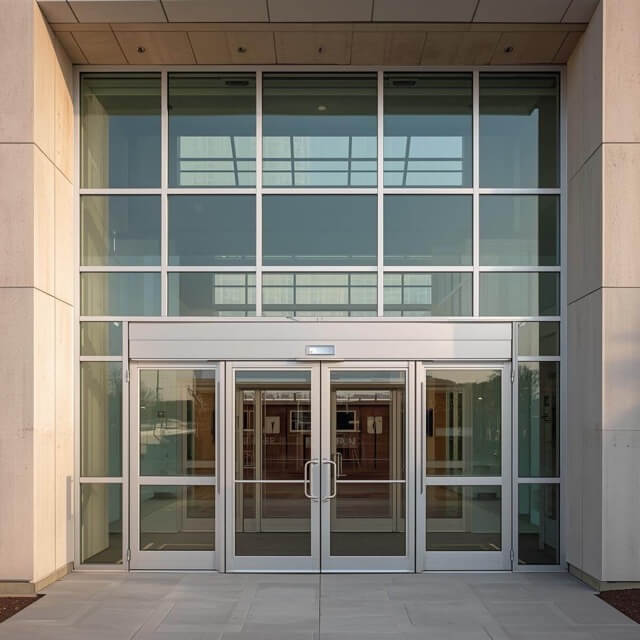
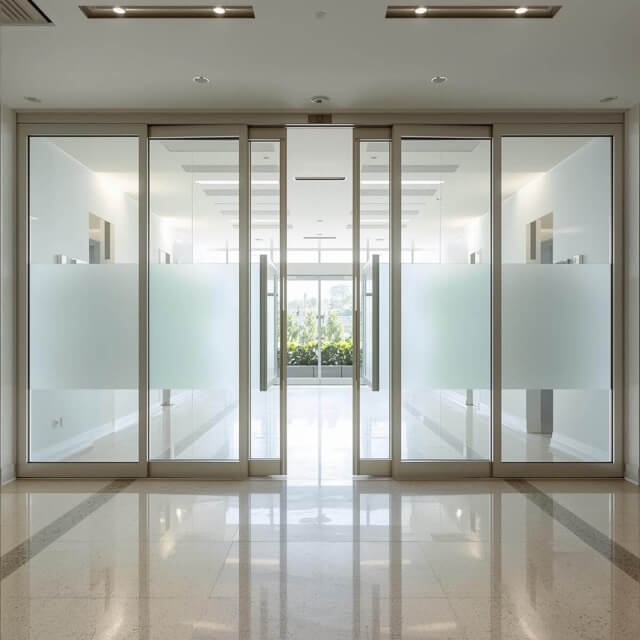
Security windows are specialized glazing systems designed to protect residential and commercial properties from forced entry, vandalism, ballistic threats, and severe weather damage. Unlike standard windows or basic security accessories like bars and sensors, these purpose-built barriers combine impact-resistant materials with reinforced frames to create comprehensive protection for vulnerable openings in your property. Security windows offer many benefits, including enhanced safety, noise reduction, and durability for both home and business environments.
This guide covers the full range of security window options available in 2026, including bulletproof windows, burglar-resistant glazing, and security screen systems. We examine materials, construction methods, installation requirements, and cost considerations for both residential and commercial applications. Basic window accessories such as security films, alarms, and decorative bars fall outside this scope—our focus is on integrated window systems manufactured to meet specific protection standards. Security windows enhance and improve the feeling of safety and peace in the home, giving homeowners comfort and protection without sacrificing natural light or airflow.
Whether you’re a homeowner seeking peace of mind against break ins, a business owner protecting high-value inventory or cash handling areas, or a facility manager responsible for schools, hospitals, or government buildings, understanding security window options helps you make informed decisions about property protection. Additionally, security windows can help reduce insurance premiums for property owners.
Direct answer: Security windows are reinforced glazing systems that combine impact-resistant materials (laminated glass, polycarbonate, or hybrid composites) with strengthened frames and multi-point locking hardware. They provide graded protection against forced entry, ballistics, and severe weather according to industry standards such as UL 752, ASTM F1233, and EN 1063.
Key outcomes from this guide:
- Understanding the different types of high security windows and their protection ratings
- Knowledge of glazing materials, frame systems, and construction methods
- Clarity on installation requirements for residential and commercial applications
- Practical cost-benefit analysis to match your budget with actual risk levels
- Awareness of common challenges and emerging trends in security glazing
Understanding Security Window Types
Security windows function as protective barrier systems with various protection levels designed to meet specific threat profiles. In many cases, security windows provide protection against forced entry, ballistics, and even explosions, demonstrating their effectiveness in a range of threat scenarios. The range extends from basic forced entry resistance suitable for residential applications to high-level ballistic protection for government facilities and financial institutions.
Security rating classifications follow established industry standards that define performance requirements through rigorous testing. Understanding these standards helps you choose windows that meet your actual security needs without paying for unnecessary protection levels.
Security windows can be used in residential, office, or factory settings to provide safety and durability.
Bulletproof and Ballistic-Resistant Windows
Bulletproof windows—more accurately called bullet resistant glass systems—are designed to stop firearm projectiles while maintaining visibility. The UL 752 standard defines protection levels from Level 1 (capable of stopping three shots from a 9mm handgun) through Level 8 (rifle protection against multiple .308 rounds).
These high security windows find primary use in banks, jewelry shops, pharmacies, government buildings, diplomatic facilities, and other locations where firearms present a credible risk. The glazing must not only stop projectiles but also prevent dangerous spalling (fragments from the interior surface) that could injure occupants inside. Selecting the right materials and design is essential to achieve the best result in terms of safety and durability.
Material thickness increases substantially with protection level. A UL Level 1 window might measure 0.75 inches thick, while Level 8 protection requires 2.5 inches or more of specialized composite materials. This thickness directly affects weight, frame requirements, and cost. Quikserv’s security windows include bullet-resistant glass and frames, stainless steel construction, and secure locking features.
Burglar-Resistant Security Windows
Burglar-resistant windows focus on preventing forced entry through tools, blunt force, or repeated impacts. Rather than stopping bullets, these systems resist attacks from hammers, axes, crowbars, and other implements commonly used in burglary attempts.
Testing standards like ASTM F1233 and UL 972 define performance requirements for forced entry resistance. These windows suit residential ground floors, retail storefronts, schools, office buildings, and commercial properties where break-in attempts represent the primary threat rather than armed assault.
The protection hierarchy places burglar-resistant glazing below ballistic ratings but well above standard windows. Many properties benefit from this intermediate level—it addresses realistic risk without the additional cost and complexity of bullet resistant glass.
Security Screen Windows
Security screen windows use high-strength stainless steel mesh or woven metal barriers to combine protection with ventilation. Unlike solid glazing systems, screens permit fresh air flow while still preventing forced entry. Security screens are also designed to withstand storms and exposure to water, offering durability and resistance to severe weather conditions.
These systems typically meet forced entry standards through their mesh construction and reinforced frames. They offer added security for homes where airflow matters—particularly in climates where homeowners want windows open for ventilation without compromising safety. Boss Security Screens’ window security screens are made from stainless steel mesh that resists cutting, prying, and blunt force, and come with a 15-year product warranty.
Security screens can be custom-built for various window types, including casement and sliding windows. Hammerglass supplies ready-made systems suitable for various window types and fenestrations.
Security screens represent the lightest and most affordable category of security windows, though they cannot match the protection levels of solid glazing systems. They suit applications where visibility and airflow take priority over maximum resistance.
Security Window Materials and Construction
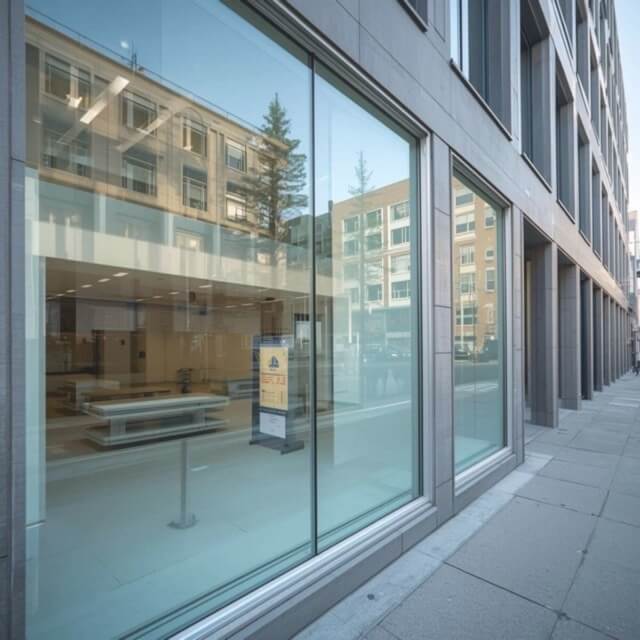
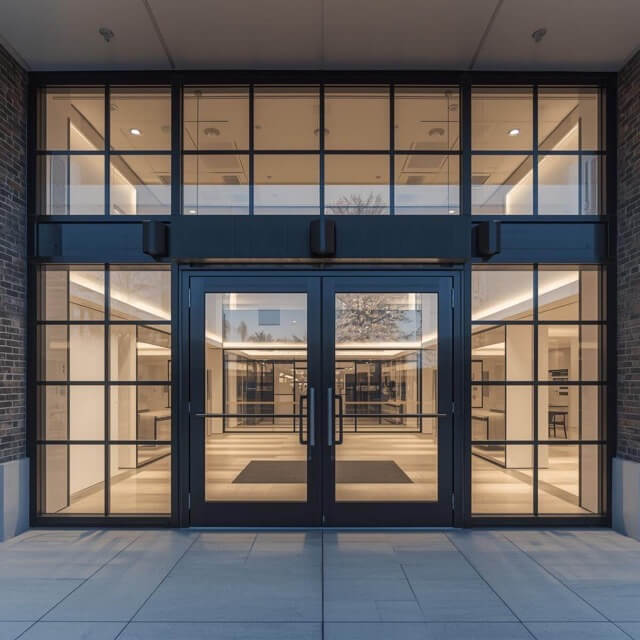
The protective capability of any security window depends on its materials and how those components integrate into a complete system. Understanding construction details helps you evaluate products and specifications when buying security windows for your property. In addition, security windows often provide added benefits such as improved insulation and noise reduction, further enhancing their value.
Manufacturers leverage technical expertise and strong materials to enhance security features and prevent break-ins, providing a strategic advantage in safeguarding assets and personnel. Using robust materials not only increases resistance to forced entry but also means high-security windows can reduce the frequency and cost of glass replacement due to vandalism. Security windows are critical components for any business or organization that must balance customer service with employee and asset safety.
Glazing Materials
Laminated glass forms the foundation of most security glazing. Multiple glass layers bond together with polyvinyl butyral (PVB) or SentryGlas Plus (SGP) interlayers that hold fragments together upon impact and resist penetration. All-glass laminates offer excellent optical clarity and durability for both burglar-resistant and ballistic applications.
Polycarbonate glazing provides exceptional impact resistance—approximately 200 times stronger than standard annealed glass. Products like Hammerglass combine polycarbonate with protective coatings for scratch resistance. Polycarbonate weighs less than glass and resists shattering, making it suitable for high-threat environments. However, it requires UV protection and careful maintenance to prevent yellowing over time.
Glass-clad polycarbonate (GCP) hybrid systems place a glass layer on the exterior for weather and scratch resistance with polycarbonate on the interior to absorb impact energy. This combination delivers optimal performance for UL 752 Levels 4-8, where rifle threats require maximum resistance.
Tempered glass offers improved strength over standard glass but lacks the penetration resistance of laminated systems. It finds use in lower security applications or as a component layer within more complex assemblies.
Frame Systems
Steel frames provide maximum strength for ballistic and high-security applications. These frames handle the substantial weight of thick glazing while resisting the forces generated by impacts or explosions. Multi-point locking mechanisms integrated into steel frames secure the window at multiple positions around the opening.
Reinforced aluminum frames suit commercial applications where weight concerns balance against security requirements. Modern aluminum frame systems incorporate steel reinforcement at critical stress points and can accommodate forced-entry-resistant glazing for most commercial needs.
Frame integration with existing structures presents challenges during retrofit installations. The frame must anchor securely to surrounding wall construction—sometimes requiring structural reinforcement of the rough opening to handle loads from heavy security glazing.
Hardware and Locking Systems
Multi-point locking systems engage the frame at three or more positions, distributing force across the entire perimeter rather than concentrating stress at a single lock point. Shoot bolts extending into the frame header and sill add further resistance to prying attacks.
Tamper-resistant hardware uses specialized fasteners that cannot be removed with common tools. Hinges, locks, and mounting hardware all require security-grade specifications to avoid creating weak points in an otherwise robust system.
The entire assembly—glazing, frame, and hardware—must work together as an integrated system. A bullet resistant glass panel installed in a weak frame or secured with standard hardware creates a false sense of security while leaving the property vulnerable.
Security Window Installation and Implementation
Professional installation proves essential for security windows because improper mounting compromises the entire system’s effectiveness. Certification requirements, structural considerations, and quality assurance procedures distinguish security window installation from standard window replacement.
Installation Process
Proper installation follows a structured process to ensure the finished result meets design specifications:
- Initial security assessment and measurement evaluates threat levels, examines existing openings, determines structural capacity, and establishes precise dimensions for custom manufacturing. This assessment should consider ground floor exposure, neighborhood risk factors, and insurance requirements.
- Custom manufacturing to exact specifications produces glazing and frames matched to your specific openings and protection requirements. Lead times range from several weeks for standard configurations to months for specialized ballistic or custom shapes.
- Professional installation with frame reinforcement addresses structural requirements, ensures proper anchorage, and maintains the continuous barrier from wall to glazing. Installers may need to reinforce rough openings, add steel plates, or modify existing framing to handle increased loads.
- Testing and quality assurance verification confirms proper fit, seal integrity, hardware function, and optical clarity. Certification labels from UL or other testing organizations should be visible and documentation provided to the customer.
- Warranty registration and maintenance scheduling establishes the ongoing relationship needed to maintain protection over the window’s expected 20-year lifespan. Manufacturers provide specific maintenance requirements that must be followed to preserve warranty coverage.
Residential vs Commercial Applications
| Criterion | Residential | Commercial/Institutional |
|---|---|---|
| Typical threat level | Forced entry, vandalism, opportunistic burglary | Wide range: forced entry through rifle threats, blast protection |
| Common materials | UL Levels 1-3; laminated glass; polycarbonate overlays | UL Levels 4-8; glass-clad polycarbonate; heavy laminated glass |
| Frame types | Reinforced vinyl or aluminum; steel for high-risk areas | Steel or heavy reinforced aluminum with structural anchoring |
| Cost per window | $3,000-$8,000 for UL 1-3 protection | $8,000-$25,000+ for higher ratings; deal tray installations additional |
| Cost per square foot | $80-$200 installed | $150-$500+ installed |
| Installation complexity | Moderate; fewer permits; less structural work | High; permits required; engineering review; multi-trade coordination |
Residential applications typically address break ins and forced entry with appropriate burglar-resistant glazing. Commercial installations for banks, jewelry stores, and high-risk retail often require ballistic protection with integrated features like transaction windows and deal tray systems for safe cash transfer.
Common Challenges and Solutions
Security window implementation involves obstacles that can delay projects or result in compromised installations. Understanding these challenges in advance helps you plan effectively. It is important to choose products from companies with deep expertise and knowledge of the security window market, as this ensures access to innovative, high-quality solutions that meet your specific needs.
When considering solutions, authorized retailers play a key role by providing comprehensive security assessments and advice, helping you select the most effective protection measures for your property.
In the maintenance phase, regular maintenance of security windows can help ensure their effectiveness over time, reducing the risk of vulnerabilities and extending the lifespan of your investment.
Building Code and HOA Compliance
Building codes regulate glazing safety, fire egress, energy performance, and structural modifications. Homeowner associations may restrict visible security features or require architectural approval.
Solution: Research permit requirements and HOA guidelines before selecting products. Request manufacturer documentation showing code compliance for safety glazing standards (ANSI Z97.1, CPSC 16 CFR 1201) and energy codes. Many manufacturers offer assistance preparing documentation for HOA architectural review.
Aesthetic Integration with Existing Architecture
Thick frames and heavy glazing can conflict with building design, particularly for historic properties or contemporary architecture emphasizing transparency. The result may look institutional rather than residential.
Solution: Explore custom powder coating options matching existing trim colors. Consider retrofit overlay systems like DefenseLite that add protection to existing windows with minimal visual change. Work with manufacturers offering slimmer frame profiles or frameless installation options for suitable applications.
Cost vs Security Level Balance
Security window costs escalate rapidly with protection level. Homeowners or business owners may overspend on unnecessary ballistic protection or underspend and fail to address actual risks.
Solution: Conduct a realistic security assessment before buying. Match protection levels to credible threats—residential properties in most areas need forced-entry resistance, not rifle-rated glazing. Invest your budget where vulnerability is highest (ground floor, accessible openings) rather than spreading money across all windows. Consider that average residential burglary losses run $2,400-$2,600 plus repair costs—security windows should make financial sense relative to risk.
Maintenance and Long-term Performance
Security windows require ongoing attention to maintain effectiveness. Polycarbonate can scratch or yellow, seals degrade, and hardware wears with use. Neglected maintenance shortens useful life and may void warranties.
Solution: Establish a maintenance schedule following manufacturer recommendations. Clean glazing with approved products only—harsh chemicals damage polycarbonate and interlayers. Lubricate hardware annually. Inspect seals and weatherstripping for deterioration. Register warranties promptly and document maintenance activities in case of future claims.
Conclusion and Next Steps
Security windows offer customizable protection ranging from basic forced-entry resistance through rifle-rated ballistic glazing. Each piece is designed to provide a sense of security and completeness, ensuring all aspects of safety and design are addressed. Security windows are also ideal for shops and storefronts, offering advanced protection for commercial premises and helping to safeguard businesses from burglaries. In a world where the external environment can be unpredictable and potentially dangerous, security windows act as a crucial barrier against external threats, severe weather, and chaos beyond your property. They can provide protection against break-ins and vandalism, and enhance a property’s safety by acting as a strong physical barrier.
The right choice depends on your specific risk profile, property type, budget, and aesthetic requirements. High security windows represent a significant investment, but one that provides peace of mind, potential insurance benefits, and protection of property and occupants.
Immediate action steps:
- Conduct a security assessment of your property, identifying vulnerable openings and realistic threat levels
- Research qualified installers in your area who hold certifications from security glazing manufacturers
- Establish a realistic budget based on protection requirements—forced-entry-resistant residential windows start around $3,000 installed; ballistic commercial installations run substantially higher
- Request multiple quotes with detailed specifications to compare materials, ratings, and warranty terms
- Verify installer references and examine completed projects similar to your requirements
Related topics worth exploring include security doors (which should match window protection levels), integrated alarm systems, and comprehensive property protection planning that addresses all potential entry points.
Frequently Asked Questions
What is the difference between bulletproof and burglar-resistant security windows?
Bulletproof windows (bullet resistant glass systems) are designed and tested to stop firearm projectiles according to standards like UL 752, which rates protection from handgun through rifle threats. Burglar-resistant windows focus on preventing forced entry using tools, blunt force, or repeated impacts, tested under standards like ASTM F1233 and UL 972. Bulletproof windows also resist forced entry, but burglar-resistant windows cannot stop bullets. The protection you need depends on whether firearms represent a credible threat at your location.
How much do security windows cost compared to standard windows?
Standard residential windows typically cost $300-$1,000 per window installed. Security windows start around $3,000-$6,000 per window for UL Level 1-3 protection, with higher ballistic ratings reaching $8,000-$15,000 or more per window. Per square foot, standard windows run $10-$50 while security glazing costs $60-$500+ installed depending on protection level. Commercial installations with deal tray systems and transaction capabilities add additional cost beyond base glazing.
Can security windows be installed in existing window frames?
Retrofit options exist for adding protection to existing windows without full replacement. Overlay systems like DefenseLite attach protective glazing over existing glass, while back-glazing systems add security layers to the interior. However, existing frames must have sufficient structural capacity to support added weight, and framing may require reinforcement. Full replacement often proves more effective for high-security applications but retrofit systems offer lower cost and less construction disruption.
Do security windows block natural light or airflow?
Thicker security glazing reduces visible light transmission somewhat compared to standard windows, though high-quality materials minimize this effect. Multi-layer composites may cause slight optical distortion. Fixed security glazing eliminates natural ventilation entirely—if fresh air matters, security screen windows provide airflow with forced-entry protection, or operable security windows with proper ratings can be specified. Modern security glazing includes options for low-E coatings that balance security with energy performance and noise reduction.
How long do security windows typically last with proper maintenance?
Quality security glazing systems typically last 20 years or more when properly maintained. Durability depends on materials—all-glass laminates generally outlast polycarbonate, which may scratch or yellow without protective coatings and proper cleaning. Hardware and seals require periodic maintenance and may need replacement before glazing. Follow manufacturer maintenance schedules, use approved cleaning products, and address seal deterioration promptly to maximize lifespan.
Are security windows covered by homeowners or commercial insurance policies?
Insurance coverage varies by policy and carrier. Damage to security windows from covered incidents (storms, vandalism, burglary attempts) typically falls under property coverage subject to deductibles. Some insurers offer premium discounts when security windows meet recognized standards (UL 752, ASTM F1233), recognizing reduced risk of successful break-ins. However, the additional cost of upgrading to security windows is generally not reimbursed unless specifically required by policy terms. Contact your insurer before installation to understand coverage and potential premium benefits.