Table of Contents
- Why Vandal Resistant Windows Matter in 2026
- How Vandal Resistant Windows Work: Glass, Polycarbonate, and Framing
- Benefits of Vandal Resistant Windows Beyond Security
- How Impact Security Designs and Installs Vandal Resistant Window Systems
- Why Choose Impact Security
- FAQs About Vandal Resistant and Impact Resistant Windows
- Next Steps: Schedule a Security Glazing Assessment
Introduction: Why Vandal Resistant Windows Matter in 2026
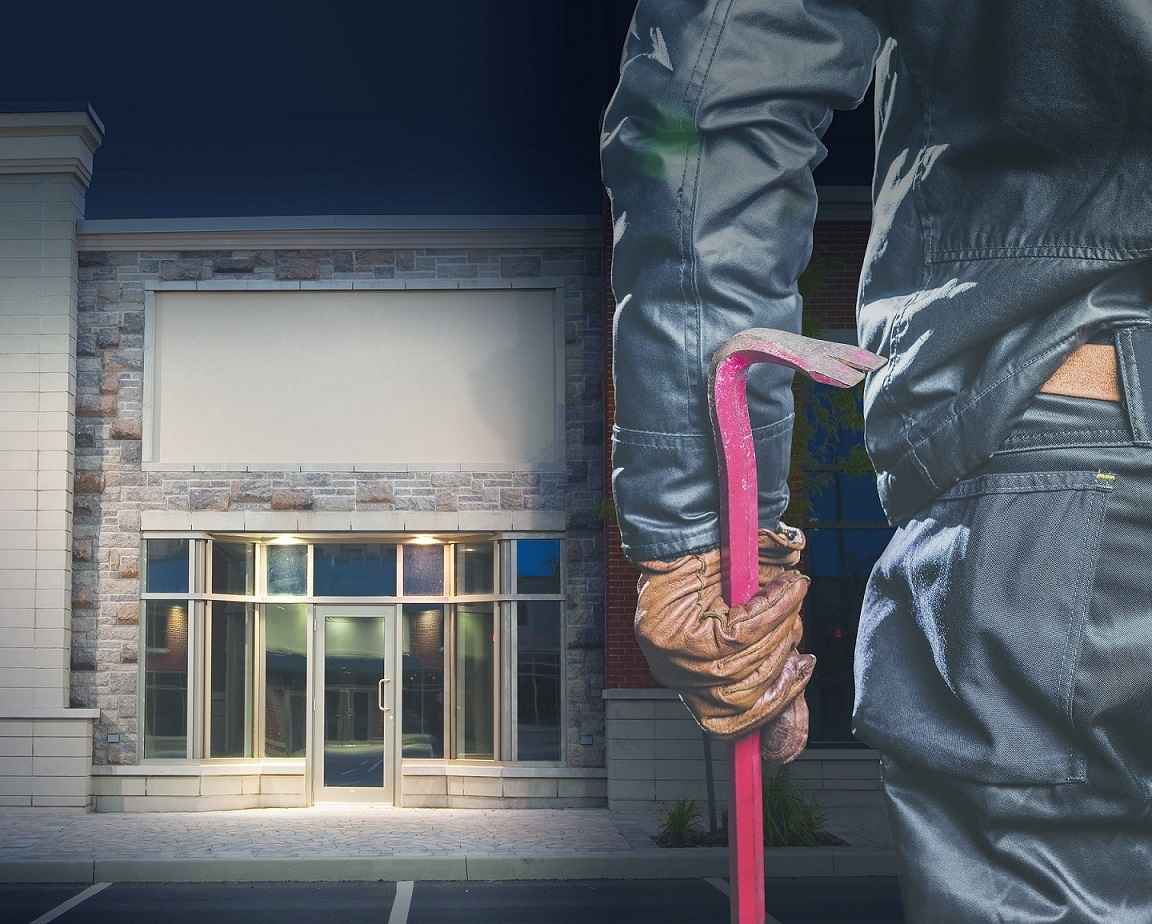
Since 2020, smash-and-grab crimes and storefront vandalism have surged across U.S. cities. Regular windows use glass that shatters easily upon impact, making standard glass windows the weakest point in any commercial building. Traditional glass simply cannot hold up against bats, bricks, or crowbars swung at full force.
Vandal resistant windows are designed to withstand forced entry and intentional damage without requiring you to rip out existing windows. Unlike hurricane windows built primarily for hurricane force winds and flying debris, these systems focus on stopping deliberate, repeated attacks from tools. This article covers B2B and B2G applications-schools, retail chains, government buildings, hospitals-and shares practical guidance from Impact Security’s retrofit projects completed between 2016 and 2026.
How Vandal Resistant Windows Work: Glass, Polycarbonate, and Framing
Vandal resistance depends on three elements working together: the glazing material, the attachment system, and the existing frame and wall structure.
Laminated glass is the starting point for many impact resistant windows. It is made with multiple bonded layers-typically two panes of glass with a polyvinyl butyral or ionoplast inner layer that holds shards in place when broken. Impact resistant glass, also known as laminated glass, includes a polymer layer between glass panes. When smash-resistant glass is struck, it cracks like a spider web pattern instead of shattering, keeping glass shards contained and reducing injury risk. Laminated glass can delay forced entry attempts, but under sustained tool attacks its limits appear-it delays entry by a few minutes, not hours.
Polycarbonate security glazing is the next level. Polycarbonate panels made from durable, transparent plastic are 250 times stronger than glass and significantly harder to break than normal glass. Smash-resistant glass of this type withstands blunt objects and sharp tools across multiple impacts without being penetrated. For example, DefenseLite Pro uses engineered polycarbonate shields mounted over existing storefront glass with custom aluminum frames and mechanical anchors-a retrofit panel that protects without replacing the window.
Some vandal-resistant options also provide ballistic protection. Level 3 bullet-resistant glass withstands three shots of .44 magnum, while higher-rated systems designed for ultimate ballistic resistance deliver bullet resistance against rifle rounds, suitable for schools, courthouses, and government lobbies.
Key Components of a Vandal Resistant Window System
Every system is constructed from these critical elements:
- Security glazing layer: Options range from laminated glass to glass-clad polycarbonate. Greater thickness and additional layers increase forced-entry resistance. The outer pane faces the exterior threat while the inner membrane absorbs impact energy.
- Attachment and framing: Reinforced aluminum or steel frames improve durability and security. Standard window frames can be easily pried open, while vandal-resistant frames are heavy-duty and anchored with continuous mechanical fasteners. Heavy-duty interior glazing beads are installed from inside the building to prevent pry-out attacks at the edges.
- Stand-off air gap: Creating a cavity between original glass and the retrofit shield improves impact absorption, reduces outside noise, and can create energy savings similar to an insulated glass unit.
- Testing and certification: Systems should meet forced-entry protocols like ASTM F1233 and ballistic standards such as UL 752 to verify quality and real-world performance.
Retrofit vs. Full Replacement: When Each Makes Sense
Retrofit systems are the best option when existing windows and frames remain structurally sound-historic facades, multi-location retail chains, and schools that cannot close for weeks of construction. They allow you to maintain the building’s appearance while adding protection across various window types, including larger windows and doors, making them a practical option for security windows for schools.
Full replacement impact resistant windows or hurricane windows are required when frames have severe structural deterioration, or coastal buildings must meet current codes for high winds, water infiltration, and hurricane season requirements. Impact resistant windows withstand winds up to 170 mph and impact resistant glass withstands winds up to 170 mph, making them essential in high-velocity hurricane zones. Have a security glazing specialist assess conditions before deciding.
Benefits of Vandal Resistant Windows Beyond Security
Most customers call about smash-and-grab prevention but quickly discover additional value:
- Forced-entry resistance: Vandal resistant windows delay entry attempts by several minutes, giving law enforcement time to respond. They provide delayed access against break-ins and can deter burglars who rely on speed. Impact resistant windows can deter home invasions effectively, and this technology applies equally to a house, a pharmacy, or a cannabis dispensary.
- Riot and vandalism protection: During civil unrest from 2020–2024, retail storefront security solutions using polycarbonate retrofit shields prevented repeated glass loss and business interruption at retailers across the world.
- Storm and accidental impact: Laminated glass can protect against flying debris during severe storms. Polycarbonate storm panels for hurricanes complement impact resistant glass to minimize injury from flying glass shards, and vandal resistant windows reduce injury risk from glass shards overall.
- Energy savings and comfort: Adding a shield with a stand-off gap reduces heat gain and loss. DefenseLite security glazing systems block up to 99% of harmful UV rays, protecting merchandise and furnishings.
- Noise reduction: Laminated glass reduces sound transmission effectively, and safety and security glass systems with polycarbonate panels dampen vibrations from traffic, sirens, and airports. Many school districts choose these systems as part of their school glass protection strategy and partly to reduce outside noise.
- Appearance: Modern security glazing appears nearly invisible-no bars, no grilles, no fortress aesthetic.
- Insurance and lifecycle cost: One-time upgrades often cost less over time than repeated single pane replacements and downtime. Products sold with documented test data help secure favorable insurance treatment.
Common Mistakes to Avoid When Upgrading Windows for Security
Many organizations invest in security glass but leave critical vulnerabilities:
- Relying on thin safety film alone for high-risk locations where thicker laminated glass or polycarbonate is more appropriate. Film helps briefly but fails under sustained attack.
- Upgrading glass panes but ignoring door hardware, locks, and frames that can be pried open, allowing intruders to gain access in seconds.
- Choosing generic impact resistant windows engineered only for hurricane season debris, not tested for deliberate, sustained attacks where someone applies force repeatedly with tools.
- Under-specifying performance-picking glazing that passes a single impact test but not multi-hit forced-entry or ballistic standards relevant to the actual threat profile.
Involve security, facilities, and risk management teams together so the glazing strategy matches your organization’s overall safety plan.
How Impact Security Designs and Installs Vandal Resistant Window Systems
Impact Security offers a turnkey model: assessment, engineering, fabrication, certified installation, and warranty, operating nationwide from fabrication centers in Marietta, GA and Glendale, AZ. Founded and led by security glazing specialists, the company focuses exclusively on retrofit security glazing.
Typical project workflow:
- On-site assessment: Measuring openings, identifying vulnerable doors, windows, storefronts, and curtain walls across the property.
- Threat and code analysis: Determining priorities-vandal resistance, forced entry, ballistic threats, or a combination.
- System selection: Matching needs to DefenseLite Pro for forced entry, RiotLite for riot protection, BulletShield for ballistic threats, or custom safe-room glazing.
- Fabrication: Custom-cut polycarbonate or glass-clad polycarbonate panels sized to existing frames, with engineered framing, gaskets, and fasteners. Manufacturers ensure quality control before shipping.
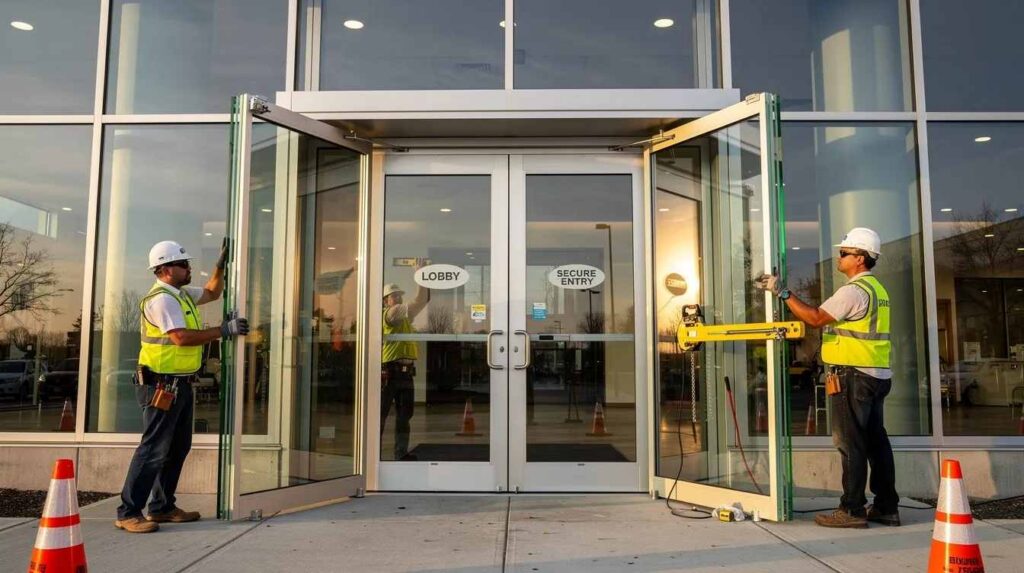
- Installation: Performed by certified installers, often completed while facilities remain open. Many projects are installed during off-hours to minimize disruption. A typical school retrofit can be completed in about one week.
- Warranty and support: Coverage for polycarbonate clarity, structural durability, and workmanship, with the ability to service or upgrade as threats evolve.
What Customers Should Know Before Choosing a Vandal Resistant Solution
Before requesting a quote, gather this information for a faster, more accurate estimate:
- Building type and occupancy (school, retail chain, courthouse, hospital)
- Primary threats (smash-and-grab, protest damage, active shooter, mixed risk)
- Performance requirements (forced-entry duration, ballistic level, noise control, energy savings)
- Existing conditions (age and material of current frames, glass type, access for installers)
- Basic data: opening sizes, photos, past incident history, and insurance requirements
Why Choose Impact Security for Vandal Resistant Windows
Impact Security has focused exclusively on retrofit security glazing since 2016, serving K–12 school districts, federal and municipal buildings, national retailers, and healthcare systems across the United States.
- Technical expertise: In-house engineering that understands forced-entry, ballistic, and blast standards-not just basic building codes. The company’s technology is purpose-built for high-risk applications.
- Turnkey service: A single source for assessment, design, fabrication, installation, and ongoing service reduces coordination headaches for facility managers and architects.
- Retrofit advantages: Faster installs, less disruption, lower cost compared to replacing every frame with hurricane windows or custom ballistic units. Existing architectural features remain intact.
- Proven track record: Independently tested solutions with documented performance data available to architects and security consultants. Vandal resistant windows feature reinforced frames to prevent forced entry, and every system is constructed to meet or exceed the relevant standards.
FAQs About Vandal Resistant and Impact Resistant Windows
Are vandal resistant windows the same as hurricane windows? They share impact resistant glass technology, but hurricane windows are tested primarily for high winds and debris under ASTM E1886/E1996, while vandal resistant windows are tested for deliberate, repeated forced-entry attacks under standards like ASTM F1233. The threat profiles differ.
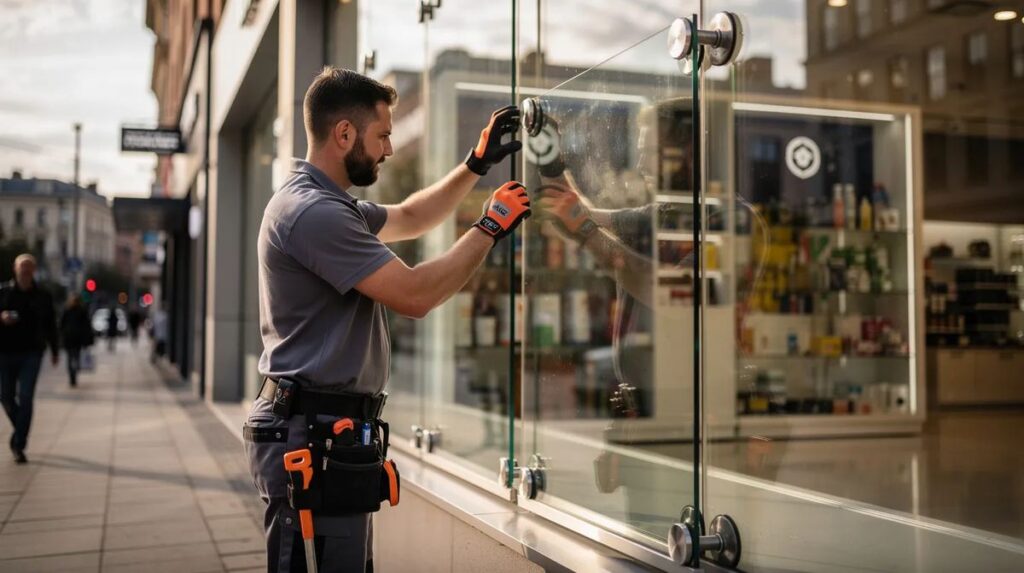
Can I upgrade my existing glass without replacing the entire window? Yes. Retrofit systems attach directly to current frames, adding a polycarbonate or laminated glass shield over your existing windows. Impact Security specializes in this approach for commercial and institutional buildings.
How resistant are these windows to hammers, crowbars, and bricks? Very. Polycarbonate panels absorb repeated hits without shattering, and the reinforced framing prevents the panel from being popped out. Systems are tested under multi-hit protocols far beyond what a single pane of normal glass can handle.
Will vandal resistant windows make my building look like a fortress? No. Modern security glazing uses optically clear material with low-profile framing that appears nearly invisible from the exterior. There are no bars or grilles-just clean, unbreakable glass aesthetics.
Do these systems help with outside noise and energy bills? Absolutely. The combination of laminated glass or polycarbonate plus a stand-off air gap reduces sound transfer and improves insulation, delivering measurable energy savings and a quieter interior.
How long does installation take for a typical facility? A small retail storefront might take one to two days. A multi-building school campus could take one to two weeks. Work is staged around business hours to minimize disruption.
Next Steps: Schedule a Security Glazing Assessment
Vandal resistant windows protect against forced entry, vandalism, outside noise, and weather events-all while keeping your existing windows in place. Whether your priority is stopping burglars at a retail location or hardening a school entrance against an active threat, retrofit security glazing delivers protection without the cost and downtime of full window replacement.
Contact Impact Security for a free estimate or security glazing assessment. Provide your building type, location, number of openings, and any recent incidents for a fast, accurate proposal. Impact Security coordinates around business hours, school calendars, and government operations to minimize disruption.
Harden your vulnerable glass now-before the next incident, storm, or hurricane season puts people and property at risk. Request your free assessment today.