- The Engineering of Retrofit Security Glazing
- How Retrofit Systems Manage Kinetic Energy
- Key Specification Criteria: Decoding UL 752 Threat Levels
- Preserving Architectural Integrity: Seamless Integration
- Why Retrofit Outperforms Replacement for Existing Buildings
- Conclusion: Threat Mitigation with Design Fidelity
- Frequently Asked Questions
For decades, specifying ballistic protection meant accepting a significant architectural compromise. Traditional solutions required the complete removal and replacement of existing windows with heavy, bulky units that altered sightlines and clashed with the original design intent. This forced a difficult choice between preserving a building’s aesthetic integrity and ensuring occupant safety.
Today, a new class of security glazing has emerged to resolve this conflict. Advanced retrofit systems, engineered to be installed over existing glass, offer a sophisticated and effective alternative. They provide robust, certified protection without demanding architectural sacrifice, rendering the choice between security and aesthetics obsolete.
The Engineering of Retrofit Security Glazing
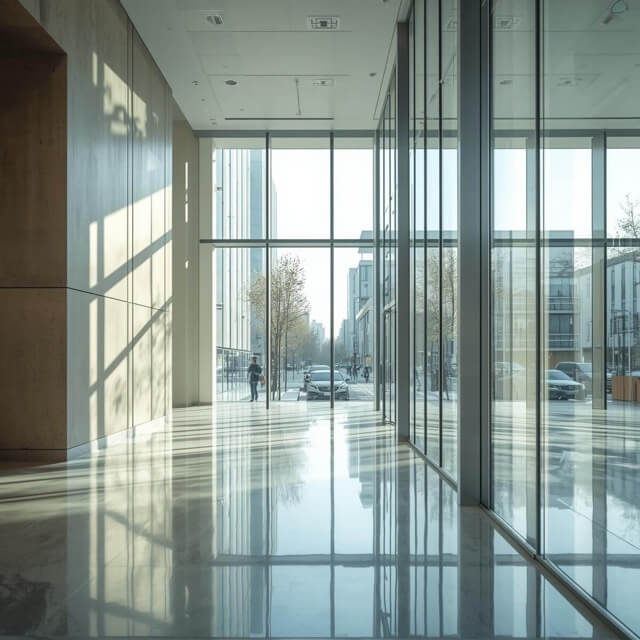
At the forefront of this evolution are patented security glazing solutions engineered to mount onto the interior of an existing window or door frame. This “over-glaze” approach is fundamentally different from full replacement. It creates a secondary, independent barrier that works in concert with the original window assembly.
The system consists of a custom-fabricated shield of ballistic-grade polycarbonate or multi-ply laminate. This shield is anchored to the building’s window mullions or surrounding wall structure using a proprietary extruded aluminum framing system. This design allows the protective layer to be installed discreetly, preserving the original exterior appearance and interior millwork of the window.
How Retrofit Systems Manage Kinetic Energy
The effectiveness of a retrofit system lies in its ability to manage kinetic energy. Rather than attempting to rigidly stop a projectile, which can cause catastrophic failure in monolithic materials, the system is designed to flex, absorb, and disperse impact energy across its entire surface.
When a projectile strikes the shield, the polycarbonate deforms, effectively catching the bullet and decelerating it. The intentional air gap between the protective panel and the original glass is a critical design component. This space allows the shield to safely flex inward upon impact, preventing energy transfer that could shatter the primary glass pane and ensuring the projectile is fully contained.
Material Science and System Components
The performance of any security glazing is a direct result of its material composition. Retrofit systems leverage an engineered combination of components to achieve their certified threat levels.
- Polycarbonate: This thermoplastic polymer is the cornerstone of modern transparent armor. It is a fraction of the weight of ballistic glass but possesses up to 250 times its impact strength. Its unique ductility allows it to deform significantly without fracturing, making it exceptionally effective at absorbing ballistic and blunt-force impacts.
- Architectural Air Gap: The engineered space between the retrofit shield and the existing glass is a dynamic component. It allows for the necessary back-face deformation of the polycarbonate, provides a thermal break that helps maintain the building’s energy performance, and preserves the acoustic properties of the original window unit.
- Lamination: For higher threat levels, particularly those involving high-velocity rifle rounds, multi-ply laminated panels are specified. These composites bond layers of polycarbonate and other durable plastics together. This layering forces the projectile to expend a significant amount of energy as it attempts to delaminate and penetrate each successive layer, increasing the overall stopping power of the system.
Key Specification Criteria: Decoding UL 752 Threat Levels
Translating security needs into a precise technical specification requires using established industry standards. For ballistic-resistant materials, the definitive benchmark in North America is the Underwriters Laboratories (UL) 752 standard. Specifying the correct UL 752 level is essential to ensure the chosen solution is appropriate for the anticipated threat.
A Guide to UL 752 Bullet Resistant Glass Levels
UL 752 is a test standard that certifies the performance of a material by subjecting it to controlled ballistic attacks. A test sample passes if it prevents penetration by the projectile. Each level specifies the caliber of weapon, type of ammunition, number of shots, and velocity of the projectile the material must withstand.
The eight primary levels of UL 752 protection are designed to counter progressively more powerful firearms.
- Levels 1-3: These are designed to stop projectiles from common handguns. Level 1 addresses smaller caliber handguns like a 9mm, while Level 3 is tested against higher-powered handguns like a .44 Magnum. These levels are frequently specified for corporate offices, retail establishments, and schools.
- Levels 4-8: These higher levels provide protection against more powerful, high-velocity rifles. Level 4 addresses hunting-style rifles. Level 8 is designed to defeat multiple shots from a 7.62mm rifle, a common military and law enforcement weapon. These are typically specified for government buildings, critical infrastructure, and high-risk facilities.
Beyond Spall: The Importance of a “No Spall” Rating
A critical but often overlooked detail in ballistic specifications is the distinction between “Spall” and “No Spall.”
Spall refers to the fragments of glazing material that are ejected from the rear surface of the shield upon impact. While the projectile may be stopped, these high-velocity fragments can still cause serious or lethal injury.
A “No Spall” rating is a much higher standard of safety. A product with a No Spall rating must not only stop the projectile but also ensure no fragments are ejected from the protected side. For any application involving the protection of human life, specifying a UL 752 rating with a No Spall requirement is an non-negotiable best practice.
Preserving Architectural Integrity: Seamless Integration
For architects, the primary challenge in hardening a building’s envelope has always been the aesthetic compromise. Modern retrofit security glazing systems, however, are engineered specifically to solve this problem. They provide certified protection while remaining virtually invisible, ensuring the architect’s original design vision is preserved.
Applying Retrofit Systems to Curtain Walls and Storefronts
The sweeping glass facades of curtain walls and the transparency of storefronts are defining architectural features. Retrofit ballistic systems protect these elements without compromising their visual purpose. From the exterior, the building’s appearance remains unchanged. The original glass, mullions, and sightlines are all preserved. The protective layer is installed on the interior side, where it can be seamlessly integrated with the existing window framing.
The system’s integrity relies on how it anchors to the building itself. Advanced systems use patented anchoring mechanisms that engage directly with the existing window mullions. These anchors transfer the kinetic energy of an attack away from the glazing and into the robust structure of the curtain wall or storefront framing. This prevents the failure of the primary window assembly.
Maintaining Aesthetics with Custom-Engineered Frames
The interior appearance is critical to maintaining design integrity. The custom-engineered frames that hold the ballistic shield are meticulously designed to blend in with the existing window system.
During the initial assessment, the existing mullion dimensions, profiles, and colors are precisely documented. The new interior frames are then fabricated and finished to match these specifications, creating clean, consistent sightlines. The result is an installation that appears to be an original component of the window design, not a security add-on.
Why Retrofit Outperforms Replacement for Existing Buildings
Beyond preserving architectural integrity, retrofit solutions offer compelling logistical, financial, and performance advantages over full window replacement.
- Minimal Disruption: Retrofit installation is a clean and quiet process conducted from the building’s interior. There is no demolition of existing windows, so business can continue uninterrupted. Installation can be scheduled outside of normal business hours to eliminate any impact on tenants or customers.
- Cost-Effectiveness: A full replacement project includes costs for demolition, structural modifications, extensive labor, and business interruption. Retrofit solutions avoid most of these ancillary costs. By leveraging the existing window infrastructure, a retrofit project typically results in a total cost that is 50-70% less than a comparable full replacement.
- Superior Performance: The air gap in a retrofit system acts as a standoff, a critical performance component. An aggressor’s round shatters the sacrificial outer glass, which helps deform and slow the projectile. The projectile then crosses the air gap before striking the flexible polycarbonate shield. This design dramatically reduces energy transfer and provides exceptional multi-hit capability compared to rigid glass.
- Sustainability: By reusing the building’s existing window infrastructure, a retrofit solution champions adaptive reuse. It avoids the environmental cost and landfill waste associated with manufacturing and demolition, significantly lowering the project’s overall embodied carbon.
Conclusion: Threat Mitigation with Design Fidelity
The compromise between security and aesthetics is no longer necessary. Advanced retrofit glazing systems represent a paradigm shift, offering a solution that puts design fidelity and robust security on equal footing. By engineering a custom system that anchors over existing glazing, these solutions provide certified, multi-shot ballistic protection that is virtually invisible. This approach preserves the original architectural intent, from historic landmarks to modern glass facades.
The future of architectural security is one of seamless integration. As threats evolve, the demand for protection that is felt but not seen will only intensify. The most advanced retrofit systems available today prove that it is possible to achieve formidable, certified protection that respects and preserves architectural integrity. Our buildings can be both beautiful and safe.
Frequently Asked Questions
What is the main difference between a traditional ballistic window and a retrofit system?
A traditional ballistic window is a complete, factory-sealed unit that requires the full removal and replacement of the existing window. A retrofit system is a secondary, interior-mounted layer of security glazing, typically polycarbonate, that is installed over the existing glass. This preserves the original window and building envelope.
Will retrofit security glazing change the appearance of my building?
No. From the exterior, the building’s appearance remains completely unchanged because the system is installed on the interior. From the inside, the framing is custom-designed and finished to match the existing window mullions, making the security upgrade blend in seamlessly.
How are bullet resistant glass levels certified?
Bullet resistant materials are certified according to UL 752 standards. Underwriters Laboratories (UL) conducts standardized tests where a material is shot with a specific firearm, caliber, and number of rounds. If the material prevents projectile penetration according to the test criteria for a given level (e.g., Level 3 or Level 8), it receives that certification.
Can retrofit glazing stop threats other than bullets?
Yes. The material properties of polycarbonate, specifically its high impact strength and flexibility, make it highly effective against other threats. These systems provide formidable resistance to forced entry from tools like sledgehammers and axes, as well as protection from flying glass shards during a blast event.
Is retrofitting more cost-effective than full window replacement?
Yes, significantly. Retrofitting avoids the major costs associated with full replacement, including demolition, structural reinforcement, extensive labor, and business disruption. A retrofit project is typically 50-70% less expensive than a full replacement offering the same level of ballistic protection.