Table of Contents
Why Bomb Blast Window Protection Matters Now
How Bomb Blasts Damage Glass Windows
Blast Protection Options: Film, Laminated Glass, and Polycarbonate Retrofits
Designing for Blast Mitigation in Real Buildings
How Blast Resistant Retrofit Systems Work
What Facility Managers Should Know Before Choosing Blast Protection
FAQs
Why Choose Impact Security
Next Steps: Plan Your Bomb Blast Window Protection Strategy
Why Bomb Blast Window Protection Matters Now
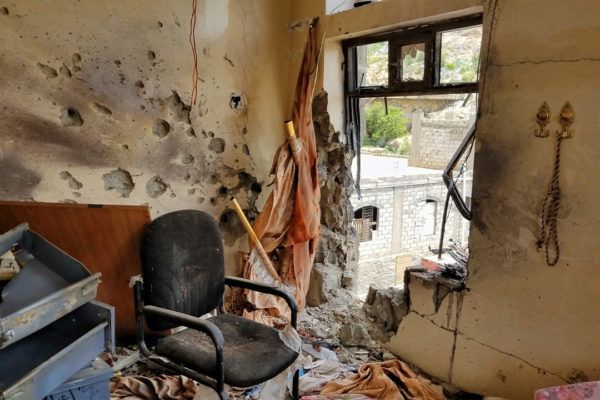
When a bomb blast strikes a building, ordinary glass windows become the deadliest hazard inside. The 1995 Oklahoma City bombing demonstrated this brutally-FEMA’s Risk Management Series Report 428 found that roughly 40% of survivors cited glass as a contributing factor in their injuries. From the 2005 London bombings to more recent terrorist attacks and industrial accidents through 2024, the pattern repeats: most blast injuries are caused by flying glass shards, not by the pressure wave itself. Across military and civilian research, 80% or more of non-fatal blast related injuries come from glass fragmentation and secondary debris.
Bomb blast window protection refers to any engineered measure that prevents shattered glass from becoming dangerous projectiles during an explosion. Blast protection methods include safety security films, laminated glass, and blast resistant systems such as polycarbonate retrofit shields. Impact Security provides retrofit blast mitigation systems-specifically DefenseLite polycarbonate shields-that mount over existing windows and doors to protect people in government buildings, schools, hospitals, and commercial facilities without full window replacement.
This article covers how bomb blasts damage glass, available blast protection options, how retrofits work in practice, what to consider in building design, and how to choose the right partner.
How Bomb Blasts Damage Glass Windows
A bomb explosion generates a rapid pressure wave-a sudden positive overpressure spike followed by a negative phase that creates suction. Together, these forces push and pull on glass windows and frames with devastating speed. Conventional annealed glass shatters almost instantly at overpressures as low as 0.5 psi, sending flying glass shards inward at high speeds-fragments can travel 60–100+ mph and reach 30–50 feet into occupied space, turning broken glass into dangerous projectiles.
Heat strengthened glass offers roughly double the strength of annealed glass but still produces sharp fragments when it fails. Tempered glass is about four times stronger and breaks into smaller pieces, yet those pieces remain hazardous under blast pressure. Laminated glass retains fragments through bonded interlayers and reduces the risk of injury, but even laminated blast resistant windows can fail if the window frame pulls free during a bomb blast. Effective blast protection combines glass, frame, anchorage, and surrounding wall as a complete system-window performance is impacted by the entire assembly, not just the glass. Blast resistant glazing systems must include reinforced frames and stronger anchors.
Vulnerable locations include street-facing glass storefronts, curtain walls, lobby glazing in government buildings, hospital entrances, and school office windows near public roads.
Blast Protection Options: Film, Laminated Glass, and Polycarbonate Retrofits
Three main categories of bomb blast window protection serve different threat levels and budgets. Blast protection focuses on reducing hazardous glass fragments across all approaches, but capabilities vary significantly. Understanding DefenseLite versus security glass film helps clarify how engineered overglaze systems compare to applied films in real-world attacks.
Blast Film
Blast film is a security window film made of multiple polyester layers bonded with strong adhesives, applied to the interior surface of existing glass windows. Bomb blast films come in thicknesses like 300 and 450 microns (roughly 4–15 mil), and blast mitigation films can be customized in film thickness to match the threat scenario. Products like 3M’s S2400 film offer 560% elongation at break, helping the film stretch rather than tear.
Anti-shatter films can reduce injuries from flying glass fragments by holding shattered glass fragments together. However, blast mitigation measures do not stop the window from breaking under extreme pressure; blast film is blast mitigation, not full blast resistance. Performance depends heavily on proper installation, frame anchoring, and existing window conditions, all of which affect overall blast protection. Thicker films improve fragment retention but cannot prevent whole-lite blowout if the frame fails. Window frames must be reinforced to handle blast pressures effectively. Blast film works well as a cost-effective alternative for lower-threat locations.
Laminated and Blast Resistant Windows
Purpose-built blast-resistant windows use two or more glass plies bonded with PVB or ionoplast interlayers inside engineered frames. Blast-resistant glazing prevents glass from shattering into dangerous shards by keeping fragments adhered to the interlayer. These systems are tested to UFC, GSA, and ASTM blast criteria-international standards like ASTM F2912 evaluate glazing systems against air blast loads, and the General Services Administration standards classify glazing response into five protection levels covered in detailed GSA/ISC blast-resistant performance standards. Drawbacks include high cost, long lead times, and significant disruption during replacement. Higher threat levels require purpose-designed blast-resistant systems of this caliber.
Polycarbonate Retrofit Shields
Installing secondary glazing provides added blast protection without replacing windows. DefenseLite’s polycarbonate offers 250 times the impact resistance of glass and is roughly 30 times stronger than acrylic.
A standoff-mounted polycarbonate shield creates a cavity-if the existing glass shatters, the shield flexes, captures glass fragments, and keeps them from entering occupied space.
Catch systems like these can reduce fragment travel into occupied rooms. Blast curtains or netting can also capture broken glass fragments as supplementary measures, but polycarbonate shields provide a more permanent protective barrier.
Impact Security’s DefenseLite systems also deliver forced entry resistance and can be engineered for combined blast protection and ballistic mitigation, similar to other blast-resistant glass panels and bomb protection solutions.
Budget constraints influence the choice of blast protection methods, and polycarbonate retrofits offer a strong middle ground.
Designing for Blast Mitigation in Real Buildings
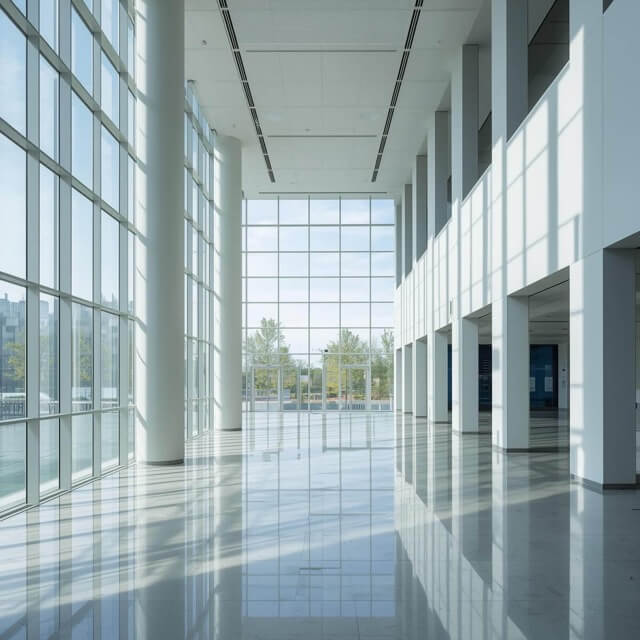
Blast mitigation is a building design problem, not just a product choice. A thorough risk assessment must consider threat type (terrorist attack, industrial accident, vehicle-borne IED), standoff distance from roads or parking structures, and occupant density. High risk environments like hospitals, schools, and airports demand continuous operations, making retrofit solutions especially attractive.
Architects and security consultants should integrate blast protection early-selecting blast resistant windows for critical elevations, limiting excessive glazing in exposed zones, and specifying robust framing. For existing buildings constructed before modern blast criteria, retrofits are often the only practical path. Layered security is increasingly important: glazing systems that handle bomb blasts, forced entry from potential intruders, and active shooter mitigation scenarios simultaneously. Impact Security’s polycarbonate systems can be engineered to address these overlapping threats, which is more cost-effective than purchasing separate systems for each unique requirements scenario, especially when deploying higher-strength DefenseLite Pro impact security glazing for elevated risk profiles.
How Blast Resistant Retrofit Systems Work
Assessment and Engineering
Impact Security begins with a site assessment to document existing windows, frame condition, anchorage points, and mullion spacing. Blast consultants may model expected blast loads using UFC or GSA criteria to determine the appropriate polycarbonate thickness, standoff distance, and fastener layout for each opening.
Fabrication and Installation
Shields are fabricated at Impact Security’s centers in Marietta, GA and Glendale, AZ using CNC-cut optical clarity polycarbonate and custom aluminum extrusions. Professional installation is essential for effective bomb blast films and retrofit shields alike-professional installers eliminate air bubbles during application, and certified installation ensures compliance with safety standards. Installers must adhere to industry standards for optimal performance because improper installation can compromise the entire protection system. Retrofitting films and shields is usually less disruptive than replacing entire window systems, with most projects completed during off-hours.
Performance in a Blast Event
During an explosion, existing glass may crack or shatter, but the polycarbonate shield flexes under load, retains fragments, and remains anchored to its frame.
The system helps protect occupants by preventing glass fragmentation into the occupied zone, reducing blast related injuries and limiting damage caused to interiors. Additional benefits include forced entry delay, improved sound insulation, and energy performance gains.
A mid-size federal building facing a city street, for example, might face an 18-month timeline and major disruption for full window replacement. A DefenseLite retrofit can achieve comparable blast mitigation in weeks, at lower cost, while the building stays operational.
What Facility Managers Should Know Before Choosing Blast Protection
Key Questions to Ask
- What is our credible blast threat-industrial accident, terrorism, or vehicle-borne event?
- Are we governed by UFC, GSA, DoD, or DHS blast criteria?
- Can we afford full blast resistant window replacement, or is a retrofit more realistic?
- Do we also need forced entry and ballistic resistance in the same system?
- How much downtime can our facility withstand during installation?
Common Mistakes to Avoid
- Treating blast film alone as a complete solution without evaluating frame strength or anchoring-proper installation is crucial for bomb blast film effectiveness, but film cannot compensate for weak frames.
- Ignoring frame and wall performance while focusing only on glass selection.
- Selecting products without independent blast testing data or engineering documentation.
- Failing to coordinate with facilities teams on HVAC, condensation, and cleaning access when adding secondary glazing.
- Choosing lowest upfront cost without considering lifecycle maintenance, scratch resistance, and warranty terms.
Why Professional Installation Matters
Blast protection is an engineered life-safety system. Installation tolerances, attachment methods, and sealant details determine whether the system performs under extreme conditions. Impact Security works through trained and certified dealers nationwide to ensure consistent quality, proper testing, and documentation for risk managers and insurers.
Before engaging any vendor, document your current glazing inventory, note vulnerable openings, and gather existing risk assessments.
FAQs
Are blast resistant windows the same as “bombproof” windows? No. “Bombproof” is misleading marketing. Every blast resistant system is engineered to withstand specific blast loads and stand-off distances. No glazing system can guarantee survival against every possible bomb blast scenario.
What’s the difference between blast resistant and ballistic resistant glazing? Blast resistance addresses the pressure wave and flying debris from an explosion. Ballistic resistance stops bullets. Some polycarbonate-based retrofits can be engineered for both, but each threat requires separate, verified testing, particularly when selecting BulletShield ballistic resistant retrofit panels for higher-caliber threats.
Will blast film alone protect my building? Security film significantly improves fragment retention-bomb blast films hold shattered glass fragments together and can reduce injuries from flying glass shards. For lower-risk scenarios, film with proper anchoring is appropriate. For higher-threat government buildings, a polycarbonate retrofit or full blast resistant window system offers a more robust added layer of safety.
How disruptive is retrofitting blast protection? Most DefenseLite installations take days to weeks, happen during off-hours, and require no removal of existing windows. This avoids interior demolition and keeps facilities operational throughout the project.
How do I know what level of blast protection my building needs? Conduct a formal risk assessment considering building use, location, and regulatory requirements. Impact Security collaborates with blast consultants and architects to translate threat findings into specific glazing and framing solutions.
What maintenance do retrofit systems require? Inspect polycarbonate shields periodically for scratches, check frames and fasteners, and clean with non-abrasive methods. Shields can be replaced individually without reworking the entire frame, making lifecycle costs more manageable than repeatedly replacing damaged glass after incidents.
Why Choose Impact Security
Impact Security is a U.S.-based specialist in retrofit security glazing, serving B2B and B2G customers nationwide since 2016. Their DefenseLite and BulletShield systems mount over existing glass windows and doors, avoiding costly tear-outs while delivering engineered blast protection, forced entry resistance, and optional ballistic mitigation.
With in-house engineering and fabrication in Marietta, GA and Glendale, AZ, Impact Security maintains tight quality control for custom solutions-including non-standard window dimensions and complex curtain walls, reflecting the company’s broader focus on advanced retrofit security glazing systems. A nationwide network of certified professional installers handles everything from assessment through installation and aftercare. Impact Security supports clients with drawings, test reports, and specifications that architects and engineers can incorporate into bid packages, giving risk managers and insurers the documentation they need, and showcases real-world results through commercial security window solutions for high-risk facilities.
Next Steps: Plan Your Bomb Blast Window Protection Strategy
Ignoring bomb blast risk leaves glass windows as the weakest link in building security. Effective blast protection no longer requires replacing every window.
- Inventory critical glass windows and doors facing public streets, parking areas, or sensitive zones.
- Engage internal stakeholders-security, safety, risk management, operations-to clarify threat scenarios and tolerance for downtime.
- Contact Impact Security to schedule a free consultation or site assessment, providing basic drawings or photos where possible.
- Review a tailored blast mitigation proposal outlining recommended products, performance expectations, budget, and installation timeline.
Ready to protect your facility? Reach out to Impact Security today to discuss blast-resistant windows, blast film upgrades, or polycarbonate retrofit systems for your specific building. Involving Impact Security early in renovation or new security projects ensures blast protection integrates efficiently with your broader security and building design strategy.