Table of Contents
Use this guide to jump directly to the section most relevant to your project:
Why Certified Security Glazing Systems Matter in 2026
What Is a Certified Security Glazing System?
Key Threat Types Certified Security Glazing Must Address
Understanding Core Security Glazing Materials
How Certified Security Glazing Systems Are Tested
ASTM F3561 and System-Level Forced Entry After Ballistic Attack
Glazing Performance: Reading and Comparing Certifications
Sector-Specific Applications for Certified Security Glazing
Benefits of Using Certified Security Glazing Systems
How a Security Glazing Upgrade Project Typically Works
Common Mistakes When Specifying Security Glazing
What to Consider Before Choosing a System
Why Certified Retrofit Glazing Often Beats Full Replacement
Why Choose Impact Security
Frequently Asked Questions
How to Get Started
Introduction: Why Certified Security Glazing Systems Matter in 2026
Between 2000 and 2022, the United States recorded 1,375 school shootings. The 2021–22 academic year alone saw 327 school shooting incidents. Add the escalating pattern of smash-and-grab retail theft, targeted violence at healthcare facilities, and increasingly severe natural disasters, and you start to understand why security glazing has moved from a specialty line item to a baseline requirement for public buildings, schools, hospitals, and retail properties across the country.
A certified security glazing system is not just a thicker pane of glass. It is a complete, tested assembly-glazing materials, framing system, anchors, hardware, and installation method-verified by independent, third-party laboratories for specific threats such as ballistic resistance, forced entry, blast, and storm impact. Certification means traceable test reports, dated results, specified threat levels, and clear pass/fail criteria. That is what separates a genuinely protective system from marketing language like “smash resistant” or “bulletproof equivalent.”
This guide walks you through how certifications work, which security standards matter, how glazing systems are tested, where they are deployed across different building types, and how Impact Security’s retrofit glazing systems-including DefenseLite, BulletShield, and RiotLite-fit into a practical risk-reduction strategy.
What Is a Certified Security Glazing System?
A certified security glazing system is an integrated assembly engineered to resist specific threats-forced entry attacks, ballistic fire, blast overpressure, or windborne debris-and independently verified through rigorous testing against recognized standards. It is not a single product. It is the combination of glazing materials (laminated glass, polycarbonate, glass-clad polycarbonate), glazing frames, security tipped anchors, hardware, and the installation method, all evaluated together. Change any single component and the certification no longer applies.
This distinction matters because it separates certified systems from generic safety glass or untested security films. Safety glazing-governed by standards like ANSI Z97.1 and CPSC 16 CFR 1201-is designed to reduce serious injury from accidental human impact, such as someone falling through a glass door or walking into a patio slider. It addresses hazardous locations like shower enclosures, walking surfaces, and childcare facilities. Security glazing systems go far beyond that mandate. They are built and tested to delay or prevent deliberate forced entry, stop bullets at defined calibers, or contain blast fragments during an explosion.
Certified systems meet specific security and safety standards, unlike ordinary glass or standard glass that shatters into dangerous shards under attack. Modern systems are often retrofit solutions installed over existing glass-like Impact Security’s DefenseLite Pro and BulletShield-allowing facility managers to upgrade protection without tearing out every primary window in an occupied building.
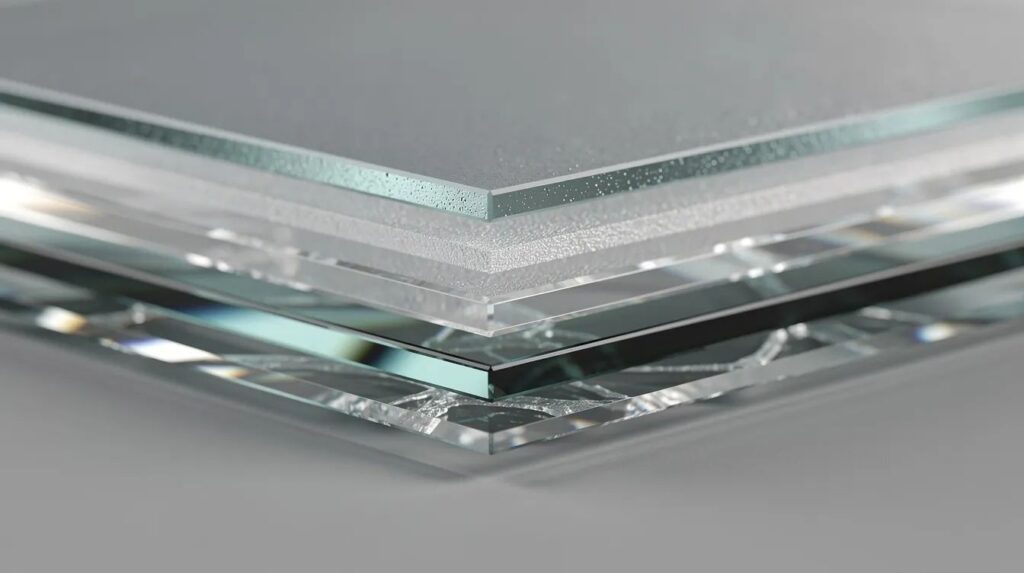
Every certification is tied to a specific test standard (UL 752, ASTM F3561, UL 972, GSA TS01, ASTM F1642, ASTM E1886/E1996) and a specific system configuration. If the test report says “Level 3 with aluminum splice frame and 12mm laminated inner lite,” that is exactly what must be installed to claim that rating.
Key Threat Types Certified Security Glazing Must Address
No single glazing system covers every risk equally. The threat profile of your building determines which certifications matter and which performance levels you need. Here are the primary categories.
Forced entry threats include smash-and-grab burglary, coordinated retail looting, and manual attacks with bats, sledgehammers, and crowbars on storefronts and school entries. Security glazing systems delay forced entry for critical response time-often the three to eight minutes between when an attack begins and when law enforcement arrives. Standards like UL 972, EN 356, and ASTM F1233 quantify how long a system resists these attacks.
Ballistic threats involve handguns and rifles used in robberies or active shooter incidents. Security glazing can provide ballistic protection against specific firearms, and well-designed systems can withstand multiple gunshots to protect occupants inside. The correct term is bullet resistant glazing, not “bulletproof”-no material is truly impervious to every projectile. Different certifications exist based on threats like forced entry and ballistic resistance, and specifiers must match the correct level to the realistic threat.
Blast and explosion hazards range from vehicle-borne improvised explosive devices to accidental industrial blasts. Blast-resistant glazing reduces hazards from explosions in high risk environments by controlling glass fragments and maintaining structural integrity under dynamic overpressure. Blast mitigation testing under GSA TS01 and ASTM F1642 classifies fragment behavior from “No Hazard” to increasingly dangerous levels.
Natural disasters-hurricanes, tornadoes, and severe windstorms-require glazing systems that withstand flying debris, pressure cycling, and racking while keeping the building envelope intact. Standards like ASTM E1886/E1996 and Miami-Dade NOA protocols address these scenarios for coastal and tornado-prone regions. Security glazing can mitigate vandalism damage from thrown objects and severe weather simultaneously.
Certified systems are often multi-threat-rated (for example, forced entry plus ballistic), but performance always depends on the specific standard and level tested.
Understanding Core Security Glazing Materials
Material choice drives glazing performance, weight, optical quality, and cost. Here is how the three primary categories compare.
Laminated glass consists of multiple layers of glass bonded with interlayers such as PVB, SGP, or ionoplast. Security glazing includes multiple layers of glass and interlayers to achieve its rated performance. Laminated glass retains fragments upon breakage rather than scattering dangerous shards, which is why it is the foundation of most architectural glazing materials used in storefronts, curtain walls, and insulating glass units. It also delivers secondary benefits: noise reduction, UV protection, and energy efficiency improvements. Its limitations include significant weight and the potential for interlayer delamination over time if exposed to moisture or prolonged UV without proper edge sealing.
Polycarbonate and other plastics offer extremely high impact resistance and flexibility at a fraction of the weight of glass. Polycarbonate is lightweight and highly impact-resistant, making it a core component of many forced entry and riot-resistant retrofit shields, and understanding what polycarbonate is made of helps specifiers balance impact performance with long-term durability. It must be UV-protected through coatings and properly framed to prevent bowing, crazing, and yellowing over extended outdoor exposure.
Hybrid glazing stacks-glass-clad polycarbonate and multi-ply combinations-merge the rigidity and optical clarity of glass with the energy absorption of plastics. These are favored for higher-level bullet resistant glazing and ballistic glass applications where both spall control and visual clarity are critical.
Safety glazing materials include tempered glass, laminated glass, and polycarbonate, each suited to different safety applications and threat levels. Impact Security uses these architectural glazing materials across products like DefenseLite, BulletShield, and RiotLite, tuning the material stack for the specific threat level and budget of each project.
How Certified Security Glazing Systems Are Tested
Credible certification relies on independent, ISO/IEC 17025-accredited laboratories using standardized test procedures. Certified security glazing must pass third-party laboratory tests for certification-there is no self-certification path that carries weight in specifications or code compliance. Here is how the major testing protocols work.
Human impact tests form the baseline for safety glazing products. ANSI Z97.1 establishes safety performance specifications for glazing materials used in hazardous locations. CPSC 16 CFR 1201 is a federally enforceable glazing standard that dictates how glass must perform when struck by a human body in doors, sidelites, and other vulnerable openings. These impact test protocols use a soft-body impactor (typically a weighted bag) to simulate a person hitting the glass, with fragment retention requirements that reduce the risk of serious injury from broken glass. SGCC certification ensures glazing products meet these safety performance standards through independent verification. This is baseline safety glazing-important, but not designed for deliberate attack resistance.
Forced entry impact tests under UL 972, EN 356, and ASTM F1233 escalate severity. UL 972 measures resistance to forced entry attacks on glazing systems using steel ball drops and tool-based attacks, with the requirement that the system delays or prevents creation of a breach large enough for a person to pass through. These tests simulate real-world burglary and forced entry scenarios.
Ballistic testing under UL 752 evaluates bullet resistant glazing by firing a defined number of rounds at specified calibers and distances. Levels range from Level 1 (9mm handgun) through Level 8 (7.62mm rifle), with Level 10 stopping a single .50 BMG round. Typical assemblies rated UL 752 Levels 1–3 measure between 30.1 and 45 mm thick and weigh approximately 15.5 to 23 pounds per square foot. Specifiers in banks, police stations, and government buildings match these levels to threat assessments based on likely weapon types.
Blast mitigation tests under GSA TS01, ASTM F1642, and ISO 16933 subject glazing systems to simulated air-blast waves. Fragment hazard classifications range from “Minimal Hazard” to “No Hazard,” with anchoring and edge retention playing decisive roles in glazing performance.
Storm and natural disaster tests under ASTM E1886/E1996 and Miami-Dade NOA protocols evaluate windborne debris impact and pressure cycling, critical for exterior windows in coastal and tornado-prone regions.

Safety glazing minimizes injury risks from broken glass during accidental events. Security glazing goes further-it is tested and certified to resist deliberate, sustained attack. Certified security glazing is tested as a complete system including framing and installation, not just the glazing panel in isolation.
ASTM F3561 and System-Level Forced Entry After Ballistic Attack
ASTM F3561 is the landmark test standard specifically designed for certified security glazing systems subjected to ballistic shots followed by forced entry attempts. It simulates the most dangerous real-world scenario: an active shooter fires through a glazed opening to weaken it, then attempts to breach the compromised opening to gain access.
ASTM F3561 is the baseline for school security glazing and sets performance standards for school security glazing across the country. For a broader look at how this standard emerged and how schools are reinforcing windows and doors against active shooter threats, see our school security update on reinforcing window and door glass. The standard evaluates complete assemblies-glazing, frames, anchors, and hardware-not film on existing glass, not a standalone pane. This is the most common specification misunderstanding among architects and school districts: citing F3561 compliance for a product that was never tested as a full system with framing and anchorage.
The standard defines performance levels 1 through 8, with higher levels demanding greater entry resistance after increasingly severe ballistic damage. The test protocol proceeds in defined steps:
- Ballistic weakening: 10 shots (8 in a compass pattern, 2 at center) using AR-15/M193 ammunition, plus shots at lock and hardware points.
- Forced entry attack: A 100-pound impactor is dropped from heights defined by the performance level, simulating a person attempting to batter through the damaged opening.
- Pass/fail criteria: The system must prevent passage of a 6-inch sphere through any opening created during the test.
Levels 1–2 align with lower-risk retail and office environments. Levels 3–5 map to medium-risk applications like schools and hospitals. And Levels 6–8 target high-risk government buildings and critical infrastructure. Glazing systems must resist forced entry to enhance school safety, and F3561 quantifies exactly how much resistance a system provides under realistic conditions.
Impact Security uses F3561 and related standards as design targets when engineering retrofit systems that must maintain forced entry resistance after gunfire damage. The standard ensures that the system installed on-site performs to the same level demonstrated in the laboratory.
Glazing Performance: Reading and Comparing Certifications
If a vendor tells you their product is “bulletproof” or “riot-proof” without referencing a specific standard and level, treat it as a red flag. Performance ratings guide the protective capabilities of security glazing against threats, and the only way to verify those ratings is through the actual test report.
Here is what to look for in a certification report:
| Data Point | Why It Matters |
|---|---|
| Standard name and revision year (e.g., UL 752–2015) | Ensures you are referencing current test procedures |
| Threat level (caliber, energy, or impact mass) | Tells you exactly what the system stops |
| Glazing build-up (thicknesses, interlayer types) | Confirms the exact product configuration tested |
| Frame type and anchorage | Validates system-level performance, not just the glass |
| Lab accreditation and test date | Confirms independent verification and recency |
One glazing system can carry multiple test reports-for example, UL 972 burglary resistance plus GSA TS01 Minimal Hazard blast rating. Each applies only under the defined conditions in that specific test report.
When cross-comparing systems:
- Match threat level and test standard first-never compare a UL 752 Level 3 system against a Level 1 and call them equivalent.
- Then review optical quality, weight, and retrofit feasibility for your existing glazing conditions.
- Finally, compare lifecycle cost rather than just initial material price, factoring in installation, maintenance, and future upgradeability.
Optical and environmental performance features may accompany certified security glazing systems, including UV filtering, acoustic dampening, and energy efficiency. Many comprehensive safety and security glass solutions combine these attributes with multi-threat resistance in a single system. Always request full test reports and do not rely solely on summary brochures. Impact Security routinely provides formal documentation for its glazing systems so specifiers can verify every claim.
Sector-Specific Applications for Certified Security Glazing
Security glazing is commonly used in schools, hospitals, and government buildings for safety, but the specific requirements vary significantly by building type. Here is where and how certified glazing systems are deployed across the U.S.
K-12 schools and universities represent the fastest-growing segment. In 2026 alone, 32 incidents of gunfire on school grounds have been recorded in the United States, resulting in 15 deaths and 15 injuries. Secure vestibules, classroom sidelites, corridor windows, and interior door glass are the primary targets for upgrade. ASTM F3561 sets the baseline for school security glazing, and security glazing systems delay intruder access during active shooter events-buying the minutes that allow lockdown procedures and evacuation to work. Emerging state-level legislation is increasingly requiring forced entry resistant glazing at ground-floor entry points in new construction and major renovations.
Retail storefronts and malls need to protect high-value merchandise from smash-and-grab forced entry attacks while preserving visibility and branding. Purpose-built systems like DefenseLite PRO retail security glazing and broader storefront security solutions for glass doors and windows drastically reduce after-hours break-ins and limit losses. A clear security glazing system allows customers to see product displays while providing a substantial barrier against opportunistic theft.
Healthcare facilities face a complex mix of threats at emergency entrances, reception areas, behavioral health units, pharmacy windows, and transaction windows. The challenge is balancing patient-calming environments with real vandalism, ballistic, and forced entry protection. Glazing products in healthcare must meet stringent safety standards without creating an institutional or oppressive atmosphere.
Government buildings, courthouses, and police stations require the highest performance levels. Bullet resistant glazing for lobbies, transaction windows, holding areas, and interview rooms is often specified at UL 752 Levels 4–8. Blast mitigation and forced entry resistance standards are frequently mandated by federal and state procurement rules. Safety glazing is required in hazardous locations per the international building code, and government facilities layer multiple protective systems to achieve maximum protection.
Corporate, financial, and critical infrastructure applications include executive suites, trading floors, data centers, and cash-handling areas. These projects integrate forced entry security glazing for doors and windows with access control, intrusion detection, and CPTED design principles to create layered security.
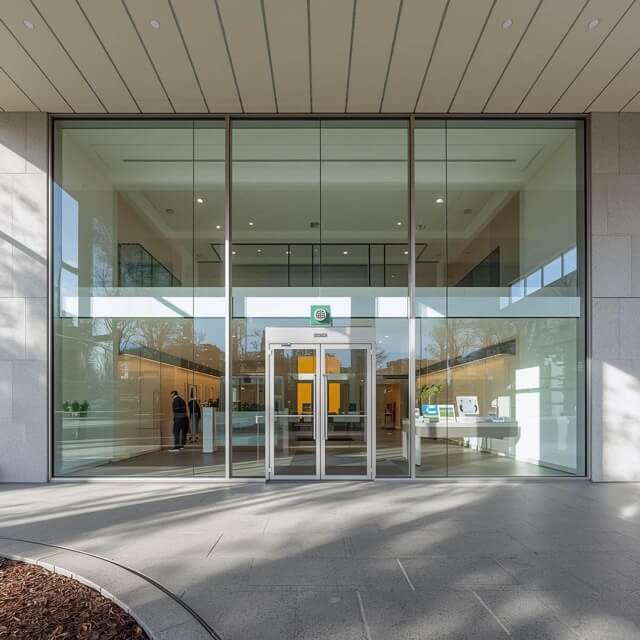
Benefits of Using Certified Security Glazing Systems
Certified security glazing systems provide measurable risk reduction, regulatory compliance, and operational continuity that non-certified glazing products simply cannot match.
Life safety and injury reduction are the most critical benefits. Better fragment retention means less flying broken glass during blasts or natural disasters. Security glazing systems delay forced entry for critical response time, giving occupants additional minutes to evacuate and first responders time to intervene. In active shooter scenarios where events average eight minutes but first responder arrival takes approximately three minutes, those gained minutes are the difference between containment and catastrophe.
Property and asset protection follows directly. Delayed forced entry reduces losses from theft, protects electronics, pharmaceuticals, and sensitive documents, and decreases downtime after vandalism events. For retail chains, even a modest entry resistance upgrade can dramatically reduce shrinkage and insurance claims.
Compliance and liability benefits are increasingly tangible. Certified security glazing helps satisfy building codes, security guidelines, and insurer requirements. Many carriers offer premium reductions or better insurability when recognized industry standards are met. Having a verifiable test report on file makes underwriting conversations and authority-having-jurisdiction approvals far smoother.
Aesthetic and operational advantages matter more than most people expect. Modern security glazing integrates aesthetics with safety features-Impact Security’s retrofit shields are designed to be virtually invisible from the street. Installation causes minimal disruption compared with full tear-outs. Secondary benefits like noise reduction and improved energy efficiency through multi layer thin films and advanced interlayers add operational value to every project.
How a Security Glazing Upgrade Project Typically Works
A well-managed project moves from threat assessment to design, fabrication, installation, and verification-often while the building remains fully occupied. Here is the typical sequence.
Step 1 – Site assessment. Impact Security or its certified dealers walk the building, documenting existing glazing systems, hardware, existing windows, and threat exposure. Special attention goes to key risk zones: main entrances, perimeter exterior windows, and critical interior barriers. Existing glazing conditions are recorded to determine whether retrofit or full replacement is the right path.
Step 2 – Engineering and product selection. The threat profile is matched to a certified glazing system. DefenseLite systems absorb and deflect energy from attacks for forced entry and riot scenarios. BulletShield is selected for combined ballistic and forced entry requirements. Specific standards (UL 972, UL 752, ASTM F3561, blast or hurricane standards) are referenced based on the facility’s risk assessment.
Step 3 – Fabrication. Panels are custom-sized in Impact Security’s fabrication centers in Marietta, Georgia and Glendale, Arizona. Edge banding, coatings, vented aluminum extrusions, and framing finishes are applied to blend with building aesthetics and existing glazing conditions. Tough structural adhesives and security tipped anchors are prepared for the specific installation.
Step 4 – Installation. Certified installers use minimally invasive retrofit methods, often mounting impact protective systems over existing glazing from the interior. An efficient retrofit installation allows rooms to remain largely functional during the process-critical for schools scheduling work during breaks and retailers who cannot afford extended closures. Proper installation by certified teams maintains tested performance and warranty coverage.
Step 5 – Documentation and maintenance. Each project delivers test reports, as-built documentation, and care instructions. Scheduled inspections and cleaning protocols maintain clarity and glazing performance over time. Patented technology and proprietary framing details are documented so future maintenance teams know exactly what is installed and how to service it.
Common Mistakes When Specifying Security Glazing (and How to Avoid Them)
Many projects underperform not because of bad glazing products, but because of mis-specification or incomplete systems. Here are the errors we see most often.
Citing the wrong standard for the product type. Specifying ASTM F3561 compliance for a simple film-on-glass solution is a common error. That standard applies to complete framed security glazing systems with hardware and anchorage-not aftermarket security films applied to standard glass. Multi layer thin films and security films can provide modest delay, but they are not the same as a certified system and should not be presented as equivalent.
Ignoring frames and anchorage. We have seen real-world failures where glazing performed perfectly but glazing frames pulled out of the wall or locks failed under forced entry attacks. The framing system and its connection to the building structure are just as critical as the glazing material itself.
Over-relying on thickness instead of test results. “Thicker is better” is an expensive assumption that is often wrong. Installation method, edge attachment with tough structural adhesives, and anchor design can matter as much as-or more than-material thickness alone. Always verify with the actual test report.
Value-engineering out certified components mid-project. Swapping tested hardware for a cheaper alternative or changing the anchor pattern voids the certification. This creates code, insurance, and liability exposure that far exceeds any savings.
Waiting to involve a specialist. Partnering early with a manufacturer like Impact Security for design-assist ensures that specification language references the correct standards and threat levels from the start, avoiding costly redesigns later.
What to Consider Before Choosing a Certified Security Glazing System
Approach glazing upgrades as part of a layered security strategy, not as an isolated purchase. The right system is the one that matches your specific threat environment, budget, and operational requirements.
Key assessment questions to answer first:
- What are the most credible threats at this location-forced entry, ballistic, blast, natural disasters?
- What response times can you realistically expect from law enforcement or private security?
- Which openings are mission-critical for maintaining operations and life safety?
- Are there featured projects or comparable facilities nearby that have already been upgraded?
Budget and phasing are realities for every facility manager. Prioritize zones: main entrances and ground-floor glazing first, then critical internal barriers, then remaining exterior windows. Phased installations spread costs across fiscal years and allow you to validate appearance and performance before committing to full-building coverage. This makes certified security glazing an affordable solution even for budget-constrained school districts and municipalities.
Aesthetics and occupant comfort cannot be afterthoughts. Maintaining daylight and views is essential in schools, retail, and hospitality. A fortress appearance undermines the welcoming environment these buildings need. Low-profile retrofits that preserve the original design intent are available and should be the default specification for most applications.
Alignment with emergency plans closes the loop. Ensure glazing upgrades support lockdown procedures, coordinate with access control and communications systems, and integrate with the overall security architecture rather than operating as a standalone fix.
Why Certified Retrofit Glazing Often Beats Full Replacement
Many existing buildings-especially those built before 2010-were not designed for modern threat profiles or today’s stringent safety standards. Full tear-out and replacement of every window, door glass panel, and storefront is the most thorough approach, but it is rarely the most practical one.
A retrofit security glazing system mounts over existing glass, dramatically improving forced entry and ballistic performance with far less demolition, waste, and disruption. Patented overglaze systems like the DefenseLite polycarbonate retrofit security system and other DefenseLite polycarbonate glass security and bullet resistant products are engineered specifically to install over existing doors and windows. Full replacement requires removing existing glazing frames, re-flashing, and often disrupting interior finishes and building occupants for weeks or months.
Time and occupancy advantages are decisive for many clients. Retrofits can often be installed after hours or during school breaks, with rooms remaining largely functional. Faster timelines are crucial for schools and retailers responding to urgent threats or grant deadlines. When a system is installed quickly and correctly, the building is protected without a prolonged construction period.
Lifecycle cost benefits compound over time. Retrofits carry a lower first cost than full replacement of high-performance curtain walls or historic storefronts. They also offer future upgradeability-shield panels can be swapped for higher-performance versions as threats evolve, without replacing the entire fenestration. This makes retrofit the preferred path for new construction phasing as well, where initial budgets may not support the highest threat levels on day one.
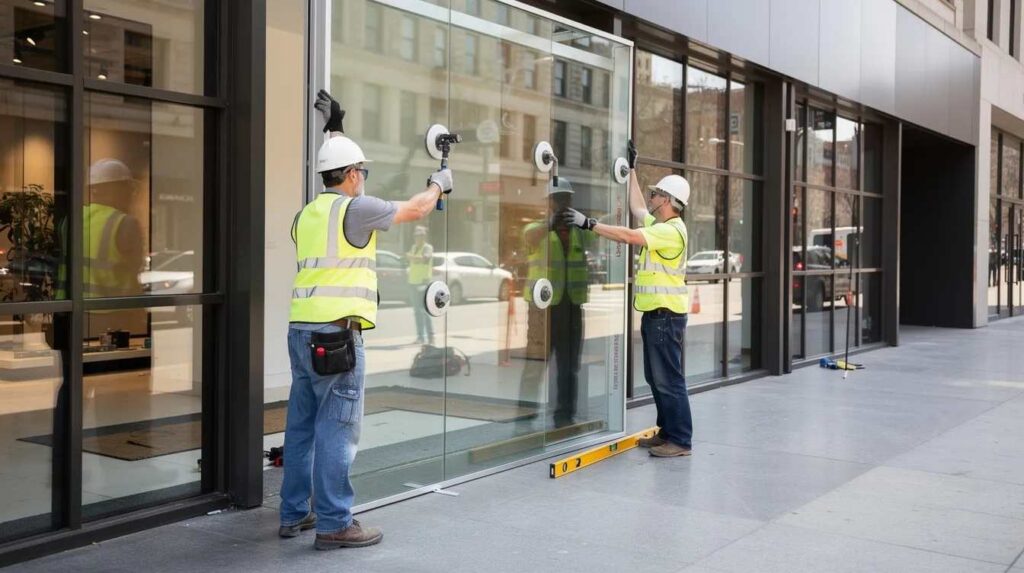
Impact Security specializes in retrofit security glazing systems engineered specifically for this purpose, with certified installers nationwide and proven performance in occupied facilities including schools, retail chains, healthcare facilities, and public buildings.
Why Choose Impact Security for Certified Security Glazing Systems
Impact Security is a U.S. manufacturer and installer focused exclusively on security glazing and protective building materials since 2016. This is not a side business or a product line within a general glass company-it is the entire focus of the organization.
Core product families include:
- DefenseLite Pro and RiotLite: riot protective window and door glazing and forced entry-resistant retrofit shields for windows, doors, and storefronts, engineered to absorb and deflect energy from sustained manual attacks.
- BulletShield: ballistic and forced entry retrofit glazing. BulletShield systems meet UL 752 ballistic standards for security across multiple threat levels when correctly specified with the appropriate framing and anchorage.
- AccessShield and custom safe-room glazing for controlled access points and high-security interior barriers.
Turnkey service sets Impact Security apart from component suppliers. Every project includes threat assessment, engineering, CAD details, fabrication, professional installation, and service/warranty support. Fabrication centers in Marietta, Georgia and Glendale, Arizona support national distribution and tight timelines.
Certification and testing are treated as design criteria, not marketing afterthoughts. Systems are independently tested to recognized standards for forced entry resistance, ballistic resistance, and impact performance. Full test reports are available for every product line, supporting independent verification by architects, security consultants, and authorities having jurisdiction.
Real-world experience spans deployments in schools, national retail chains, healthcare providers, and government agencies across multiple U.S. regions. Impact Security coordinates with architects, general contractors, and security consultants on complex projects where glazing is one element of a comprehensive security strategy.
The focus is helping facility owners harden existing glass openings quickly, discreetly, and cost-effectively-without compromising aesthetics, daylight, or the operational environment that public buildings benefit from.
Frequently Asked Questions About Certified Security Glazing Systems
Here are the questions we hear most frequently from facility managers, architects, and procurement teams evaluating security glazing options.
What is the difference between safety glazing and a certified security glazing system?
Safety glazing prevents injury from accidental impacts-someone falling into a glass door or a child running into a sidelight. It complies with ANSI Z97.1 and CPSC 16 CFR 1201, which are focused on human impact scenarios in hazardous locations. A certified security glazing system goes far beyond this baseline: it is tested for deliberate forced entry, ballistic threats, blast, or storm impact using entirely different testing protocols and pass/fail criteria. Safety glazing is required by building codes in locations where accidental human impact is likely. Security glazing is specified where intentional attacks are a credible risk.
Does certified security glazing make my building “bulletproof”?
No. “Bulletproof” is a misleading term that implies absolute invulnerability. The correct terminology is bullet resistant glazing, rated to specific ballistic levels. UL 752 defines levels based on caliber, number of shots, and projectile velocity. A Level 1 system stops 9mm handgun rounds. A Level 8 system stops 7.62mm rifle rounds. BulletShield systems meet UL 752 ballistic standards at specified levels, meaning they resist defined threats under defined conditions-not every possible weapon.
Can I keep my existing windows and just add a retrofit system?
In most cases, yes. Retrofit shields like DefenseLite and BulletShield are specifically designed to mount over existing windows, preserving the original glazing while adding certified forced entry or ballistic protection. However, if existing glazing frames are structurally compromised, corroded, or do not meet minimum load requirements, full replacement may be necessary. A site assessment determines which approach is appropriate for each opening.
Which standards should schools and public facilities look for?
ASTM F3561 sets performance standards for school security glazing and is the most relevant standard for fenestration systems that must resist forced entry after ballistic attack. UL 752 applies where standalone ballistic resistance is required. UL 972 and EN 356 cover forced entry from tool-based attacks. For government contexts, GSA TS01 and ASTM F1642 address blast mitigation. Schools should also ensure baseline compliance with safety glazing standards like ANSI Z97.1 and CPSC 16 CFR 1201 for all glazing in hazardous locations.
Will certified security glazing affect visibility or building aesthetics?
High-quality certified systems are engineered for optical clarity and color neutrality. Impact Security’s retrofit shields are designed to be virtually invisible from normal viewing distances, preserving the building’s appearance and maintaining daylight for occupants. Custom finishes on framing components match existing architectural finishes, ensuring that the security upgrade does not create a visually jarring “fortress” effect.
How long does it take to design and install a certified system?
Timelines vary by project scope. A typical school vestibule or retail storefront project can move from initial assessment to completed installation in four to eight weeks. Larger campus-wide or multi-location deployments may take longer, especially if custom engineering or non-standard sizes are involved. Current demand for security glazing, particularly in the education sector, can affect lead times, so early engagement is recommended.
Can these systems help with insurance or compliance requirements?
Yes. Many insurers and authorities having jurisdiction favor certified security glazing for high-risk occupancies. Having third-party test reports on file makes underwriting conversations and code compliance approvals significantly easier. Some insurance carriers offer premium reductions when recognized standards-particularly UL 752, ASTM F3561, and UL 972-are documented for the property. The glazing industry is seeing increasing alignment between security certifications and favorable insurance treatment.
How to Get Started with a Certified Security Glazing Upgrade
The worst time to specify security glazing is after an incident. The best time is right now, when you can make decisions thoughtfully, compare options, and phase work to fit your budget.
Here is a simple three-step path to get moving:
- Document your risk areas. Walk your facility, identify vulnerable glazing openings, and note any past incidents or near-misses. Ground-floor exterior windows, main entrances, and high-value interior spaces are almost always the priority zones.
- Gather your documentation. Collect floor plans, photos of key glazing systems, and any existing specifications or building drawings. This accelerates the assessment process.
- Schedule a consultation. Contact Impact Security or a certified dealer to discuss your threat levels, priorities, and timeline. For projects pursuing grants or bond funding-especially in education and the public sector-early engagement is essential because design and approval cycles are longer than most teams expect.
When you contact Impact Security, expect a preliminary discussion of threat levels and priorities, budget-range guidance and phasing ideas, and either an on-site assessment or virtual review leading to a formal estimate. There is no obligation and no cost for the initial consultation.
Request a free estimate, connect with a local certified installer, or submit your architectural drawings for review through Impact Security’s website or sales team. Every day your glazing remains unprotected is a day your building is more vulnerable than it needs to be.