Table of Contents
- Why Windows Are Still Your Weakest Link Against Break-Ins
- What Makes a Window Truly Break-In Resistant?
- Laminated Glass Windows vs. Polycarbonate Security Shields
- Beyond the Glass: Frames, Anchoring, and Alarm System Integration
- Where Break-In Resistant Windows Matter Most
- What to Consider Before Investing in Break-In Resistant Windows
- Why Choose Impact Security for Break-In Resistant Window Upgrades?
- FAQs About Break-In Resistant Windows and Security Glazing
- Next Steps: Strengthen Your Glass Before the Next Break-In Attempt
Impact Security specializes in retrofit security glazing for existing glass windows and glass doors, adding break-in resistant protection without tearing out what you already have.
Introduction: Why Windows Are Still Your Weakest Link Against Break-Ins
Around 80% of burglaries involve entry through windows or patio doors. Over 70% of home break-ins occur through windows and doors, especially ground floor windows at the side or rear of buildings. FBI crime data from 2020–2025 consistently identifies glass as the primary vulnerability in forced entries, and the pattern holds across residential, commercial, and institutional properties.
Regular window glass-even two panes of it-is an easy target. A punch tool, hammer, or thrown rock shatters a single pane of annealed glass in one blow. Tempered glass crumbles into fragments just as fast. Intruders can gain entry in seconds, often quietly enough that neighbors notice nothing. Standard windows simply offer no meaningful resistance.
The good news: break-in resistant windows do not require ripping out all the windows in your building. Retrofit laminated glass and polycarbonate security shields can protect existing glass, existing frames, and existing architecture without a major remodel. This article covers how break-in resistant glazing works, how laminated glass windows compare to polycarbonate shields, how these systems integrate with alarm systems and glass break sensors, and what facility managers should evaluate before choosing a solution.
What Makes a Window Truly Break-In Resistant?
Break-in resistant windows are designed to delay or deter forced entry long enough for detection and response, not to create some mythical unbreakable glass. The practical goal is buying time: 3, 5, or 10+ minutes of resistance against blunt tools, which is enough for alarms to activate and responders to arrive.
Three elements determine whether a window assembly actually delivers that delay:
- Glazing material. Impact-resistant windows use tempered or laminated glass, polycarbonate panels, or hybrid combinations. Plastic interlayers enhance the break-in resistance of windows by absorbing energy and holding fragments together under repeated strikes.
- Framing and anchoring. Impact-resistant windows are constructed with reinforced frames tied securely to the surrounding structure. The overall window assembly is only as strong as its weakest component-superior glazing in a weak frame is money wasted.
- System design and attack duration. Certified security ratings indicate windows have been tested against forced entry with specific tools over defined time periods, such as European RC2–RC4 classifications or ASTM forced-entry standards.
Contrast this with ordinary annealed glass: a single hit with enough force leads to full shatter and instant access. No delay, no detection window. Break-in resistant windows require substantial time and noise to breach, and forcing entry through windows in this category delays burglars and risks detection. They provide increased security against break ins compared to traditional windows, and they significantly slow down intruders during break-in attempts. Impact-resistant windows can withstand high impact forces that would destroy a standard glass pane instantly.
Laminated Glass Windows vs. Polycarbonate Security Shields
Most window types marketed as burglar proof or labeled as unbreakable glass windows are built with either laminated glass or polycarbonate-or a combination. Each performs differently and carries different cost implications. Impact Security’s DefenseLite and BulletShield systems are polycarbonate-based retrofit shields that mount over existing glass, not simple replacement glass windows.
Laminated Glass Windows: Stronger Than Standard Glass, But With Limits
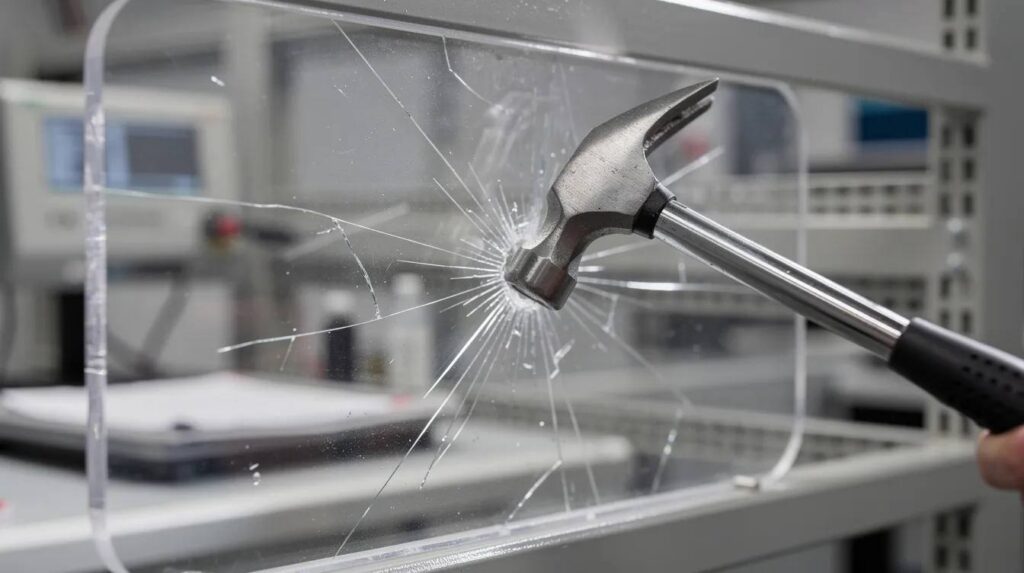
Laminated glass is the most widely used security glazing option on the market today. It consists of two or more layers of glass bonded by a plastic layer-typically PVB-that holds everything together under impact. When struck, the outer glass pane may crack, but laminated glass holds shards in place when broken rather than collapsing into the opening.
In practical terms, laminated glass can delay entry by a few minutes against lighter blunt force attacks. It stops easy, single-blow entry and flying debris, which is why it appears in hurricane-impact windows and higher-end residential new construction. It makes breaking glass louder and more time-consuming, which can deter intruders who rely on speed.
The limitations matter for security planning:
- Under sustained attack with heavy tools, laminated glass can eventually be cut through or peeled back.
- Weight and thickness often require full window replacement, new window frames, and structural changes-especially in older buildings.
- Security film can hold glass in place after impacts, but film alone does not provide the same resistance as engineered laminated or polycarbonate systems.
Laminated glass windows are a solid upgrade where full replacement is already planned. But for many commercial or public buildings, retrofit security glazing offers better ROI and less disruption than basic security window film solutions.
Polycarbonate Retrofit Shields: The “Unbreakable” Layer in Front of Your Glass
Polycarbonate panels are 250 times stronger than glass and represent the closest real-world equivalent to unbreakable glass options. At equivalent protection levels, polycarbonate windows weigh 50%–60% less than traditional glass, making them practical for retrofit installation over existing windows without structural overhaul. DefenseLite is a patented polycarbonate overglaze system that is 250 times stronger than standard glass and engineered specifically for this purpose.
Here is how DefenseLite-style systems work:
- Custom-fabricated clear polycarbonate panels are mounted to the exterior or interior of existing windows and glass doors.
- Proprietary framing captures the panel edges and flexes under impact, absorbing energy rather than cracking.
- The system preserves the appearance of standard glass windows-nearly invisible from the street.
Key benefits:
- Withstands repeated blows from bats, hammers, crowbars, bricks, and riot-style attacks
- Maintains daylighting, visibility, and normal window function
- Keeps existing glass windows, sashes, and existing frames in place-no major remodel
- Polycarbonate windows have 250 times the impact resistance of glass, delivering maximum protection against forced entry
Some polycarbonate panels offer ballistic protection against firearms. Ballistic variants like BulletShield ballistic retrofit panels can be engineered to specific UL 752 levels, relevant for banks, police stations, courthouses, and certain schools, providing enhanced protection well beyond standard forced-entry resistance.
Beyond the Glass: Frames, Anchoring, and Alarm System Integration
A window is only as strong as its weakest component. Reinforcing glazing without addressing frames, anchoring, and detection is one of the most common mistakes in security upgrades. Reinforced frames may use steel, aluminum, or fiberglass for strength, and they must be mechanically fastened into existing mullions or the surrounding structure. Reinforced hardware makes it significantly harder to force windows open, and multi-point locking systems secure windows at multiple points along the frame to resist prying.
Common attack methods on unprotected openings include smashing door glass and crawling through, prying at frame corners where glass meets frame, and using crowbars on sidelights instead of hitting solid doors. All of these target potential entry points that most people overlook. Casement and fixed window styles are generally more secure than sliding windows because they offer fewer prying opportunities. Security screens act as a physical barrier while allowing for ventilation in operable openings.
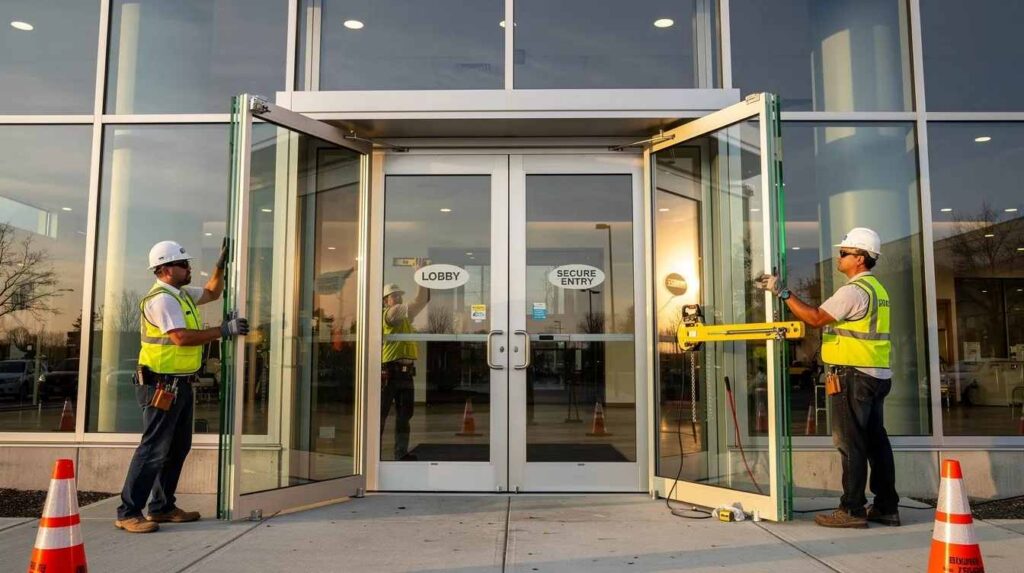
Integrated retrofit designs combat these methods with continuous framing that covers vulnerable areas at the edge of glass, fastener patterns tested to resist prolonged prying, and advanced DefenseLite security glazing systems that provide options for securing glass doors and storefronts that see heavy daily use.
Pairing Break-In Resistant Windows with Alarms and Glass Break Sensors
Mechanical resistance and electronic detection should work together as complementary security measures-not compete for budget. Security glazing slows or prevents entry. Alarm systems, glass break sensors, and window sensors alert occupants and responders while the attacker is still outside. Integrated sensors can trigger alarms when glass is broken, and glass break sensors alert homeowners immediately upon glass breakage.
Practical integration looks like this:
- Retain or add glass break sensors behind retrofit shields to detect attempts on original glass
- Use magnetic contacts and motion sensors on operable windows and glass doors so any opening that is opened unexpectedly triggers the security system
- Tie sensors into a central monitored alarm system or security operations center, with security cameras covering ground level windows and other vulnerable areas
In many smash-and-grab events, burglars count on being in and out in under 90 seconds. Break-in-resistant glazing stretches that timeline well beyond their comfort zone. Paired with a monitored alarm, this combination often causes potential intruders to abandon the attempt entirely-a big difference compared to relying on either measure alone.
Where Break-In Resistant Windows Matter Most
Impact Security primarily serves B2B and B2G clients-schools, retail chains, healthcare, financial institutions, and government facilities-but the same principles apply to multifamily and high-end residential projects, especially those with significant glass exposure at street level where smash-proof anti-theft glass panels can prevent smash-and-grab incidents.
High-risk scenarios where break-in resistant windows deliver the most value, including environments exposed to civil unrest where riot-protective window and door systems help prevent looting and vandalism:
| Use Case | Primary Threat | Key Glazing Need |
|---|---|---|
| Urban retail / jewelry stores | After-hours smash-and-grab through storefront glass | Forced-entry shields on all ground floor windows and doors |
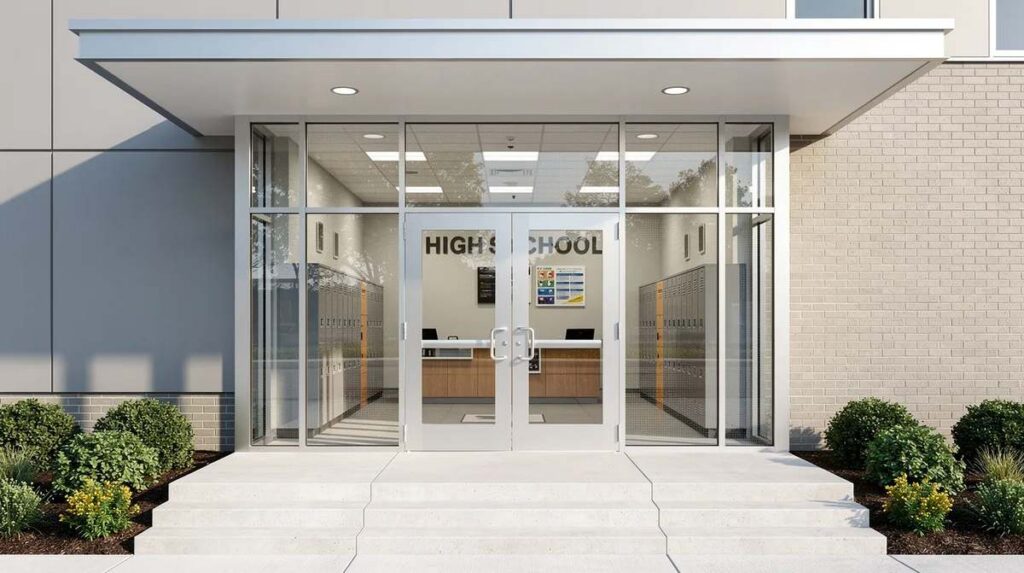
| School districts | Forced entry and active assailant at main entries and sidelites | Retrofit panels that deter burglars and delay access without a prison-like look |
| Hospitals / behavioral health | Patient-initiated vandalism, violent incidents | Impact resistance with clear, therapeutic sightlines |
| Government offices | Forced entry, ballistic threats at public lobbies | Ballistic-rated glazing at reception, shatterproof windows throughout |
Glass doors and full-height sidelites are often the first point targeted in an attempted break in-a burglar finds these faster to breach than solid walls or heavy doors. Retrofit solutions are especially valuable for older or historic buildings where replacing entire window systems is cost-prohibitive or limited by preservation rules.
What to Consider Before Investing in Break-In Resistant Windows
Decision-makers should look beyond marketing phrases like “burglar proof” and evaluate specific performance, installation, and lifecycle factors. Here is what matters:
- Threat profile: Is the risk smash-and-grab theft, vandalism, riots, opportunistic burglary, or ballistic? Each demands a different level of protection and different window types.
- Performance level: How many minutes of attack resistance are needed? Against what tools? This determines whether laminated glass, polycarbonate, ballistic-rated systems, or other bulletproof windows and doors solutions are appropriate.
- Building type: School, retail, office, government, healthcare-each has different occupancy patterns, aesthetic needs, code constraints, and energy consumption considerations.
- Retrofit vs. replacement: Can you keep existing windows and add superior protection, or do frames and sashes need full replacement? Retrofit options preserve existing architecture and often deliver energy savings through added insulation value.
- Budget and downtime: Can installation happen outside business hours? Can the project be phased by façade or building?
Request a site-specific assessment rather than buying off-the-shelf film or unbreakable glass without engineering. Impact Security provides on-site or virtual assessments, measurements, and custom-engineered solutions based on exact opening sizes and frame conditions.
Common Mistakes to Avoid with Break-In Resistant Glazing
- Relying on standard laminated glass windows without reinforcing frames or locks-added security at the glass means nothing if an intruder can pry the frame apart.
- Applying DIY security film and assuming it will prevent break ins by determined intruders using tools. Film is a home security solution for minor threats, not a substitute for engineered systems.
- Upgrading a few prominent front windows while leaving side and rear glass doors completely unprotected-burglars target the easiest access point, not the prettiest one.
- Ignoring integration with existing alarm systems and security cameras creating blind spots that undermine your investment.
The corrective approach: evaluate all ground floor windows and glass doors, plus any easily accessible second-story openings. Coordinate with both security integrators and glazing specialists to ensure every component will function correctly as part of a unified security system. Regularly inspect installed systems and sensors to confirm continued performance. Consider thorny bushes or other landscaping as additional deterrence at ground level windows.
Why Choose Impact Security for Break-In Resistant Window Upgrades?
Impact Security-parent company of DefenseLite and BulletShield- focuses exclusively on security glazing and retrofit protective systems across the United States, with fabrication centers in Marietta, GA and Glendale, AZ.
- Proven retrofit focus: Specializes in adding forced-entry and ballistic protection to existing glass windows and doors without full replacement, protecting your investment in existing architecture.
- Engineered systems: DefenseLite, BulletShield, RiotLite, and AccessShield are designed, tested, and documented for specific threat types, not generic off-the-shelf products.
- Turnkey delivery: Threat assessment, engineering, fabrication, professional installation, and warranty coordinated through one team and certified dealers nationwide.
- B2B and B2G expertise: Experience with school districts, national retail brands, hospitals, banks, and federal/state agencies since 2016.
- Aesthetics and operations: Systems are clear, low-profile, and designed to maintain visibility, daylighting, and normal door and window function. Other benefits include resistance to bomb blasts, severe weather, and increased protection against vandalism.
Many clients initially consider laminated glass windows or safety window film but ultimately choose Impact Security’s DefenseLite Pro polycarbonate shield systems for higher impact resistance and better long-term cost of ownership, supported by the performance details outlined in the DefenseLite product FAQs.
FAQs About Break-In Resistant Windows and Security Glazing
Are break-in resistant windows really burglar proof?
No window system is truly burglar-proof. Break-in-resistant windows are designed to delay or deter forced entry, requiring substantial time, noise, and effort to breach. This delay is what triggers detection and response, making the difference between a successful break-in and a failed attempt.
What is the difference between laminated glass windows and a polycarbonate retrofit like DefenseLite?
Laminated glass uses a plastic layer between glass panes to hold fragments together. Polycarbonate retrofit shields mount over your existing glass and deliver 250 times the impact resistance at 50%–60% less weight. DefenseLite is a polycarbonate system that protects without replacing your windows.
Do I have to replace all my windows and glass doors?
No. Impact Security’s retrofit systems are installed over existing glass and existing frames. You keep your current windows and doors while gaining superior protection.
How do break-in resistant windows work with existing alarm systems and glass break sensors?
Retrofit shields complement your security system. Glass break sensors can be retained behind the shield to detect attacks on the original glass. Window sensors and motion sensors continue to function correctly alongside the glazing upgrade.
Will security glazing make my building look like a bunker or reduce natural light?
Quality polycarbonate maintains approximately 88–90% light transmission. These systems are designed to be nearly invisible and preserve your building’s appearance-no bars, no tint, no bunker aesthetic.
How long does a retrofit security glazing project take?
Timelines vary by scope, but most projects move from assessment through installation in weeks, not months. Impact Security coordinates fabrication and scheduling to minimize disruption to your operations.
Can these systems help with riots, vandalism, or severe weather debris?
Yes. Products like RiotLite are specifically designed for civil unrest scenarios, and all polycarbonate shields provide resistance to flying debris, vandalism, and storm damage-delivering unbreakable glass performance across multiple threat types.
Next Steps: Strengthen Your Glass Before the Next Break-In Attempt
Standard glass is the fastest path for burglars to gain access to your building. Every day those openings remain unprotected is another day your facility stays an easy target.
- Standard windows offer zero delay-impact-resistant glazing changes that equation entirely.
- Laminated glass windows and polycarbonate shields both improve security, but retrofits are faster and more economical for existing buildings.
- Maximum protection comes from combining mechanical resistance with monitored alarm systems and glass break sensors to deter intruders at every stage.
Contact Impact Security for a free, no-obligation security glazing assessment and estimate. Whether you manage a single critical facility or a multi-site portfolio across the country, Impact Security’s certified dealer and installer network can deliver a turnkey solution engineered for your specific threat profile. Reach out today to schedule your assessment and take the first step toward closing the weakest link in your home’s security or facility’s perimeter.