Table of Contents
Glass Protection for Commercial Buildings: Why It Matters
Common Risks to Commercial Glass and Occupants
Safety Glass, Security Glass, and Advanced Glazing Types
Security Film, Retrofit Options, and Window Replacement
Benefits Beyond Safety and Security
Planning a Commercial Security Windows Strategy
Why Choose Our Team
FAQs About Bullet Resistant Glass and Commercial Protection
Conclusion
Why Glass Protection Matters in Modern Commercial Buildings
Modern commercial buildings use more glass than ever: large storefront windows, curtain walls, entry doors, office partitions, and bright lobbies designed around natural light. The problem is that unprotected glass can be breached in seconds, leaving people exposed and creating an easy path to valuable assets.
Glass protection for commercial buildings combines safety glass, window films, security glazing, and advanced systems such as laminated glass, bullet-resistant glazing, and glass-clad polycarbonate. In practical terms, commercial glass protection utilizes specialized glazing and reinforcing films to improve safety and security without turning commercial spaces into bunkers.
From 2020–2025, smash-and-grab incidents and organized retail theft increased in many cities; the FBI reported more than 3,300 flash-mob shoplifting incidents from 2020–2024, with over $8 million in property loss. Facility managers are also planning for active threats, natural disasters, and stricter insurance expectations. This guide explains threats, glass types, retrofit security solutions, professional installation, and key considerations for building owners.
Common Risks to Commercial Glass and Building Occupants
Glass is often the weakest part of the building envelope and one of the first targets during an incident. Risk varies by site: downtown retail spaces, a suburban office park, and critical infrastructure all face different security threats, but the failure mode is similar: broken glass, exposed openings, and reduced structural integrity.
Common risks include:
- forced entry attempts and smash-and-grab thefts
- vandalism, riots, graffiti, and accidental impacts
- storms, flying debris, blasts, and other natural disasters
- ballistic threats in high-risk environments
Effective security solutions do not promise “unbreakable” glass. They delay, deter, and contain damage so alarms, security personnel, and responders have time to act.
Forced Entry Attempts and Smash-and-Grab Incidents
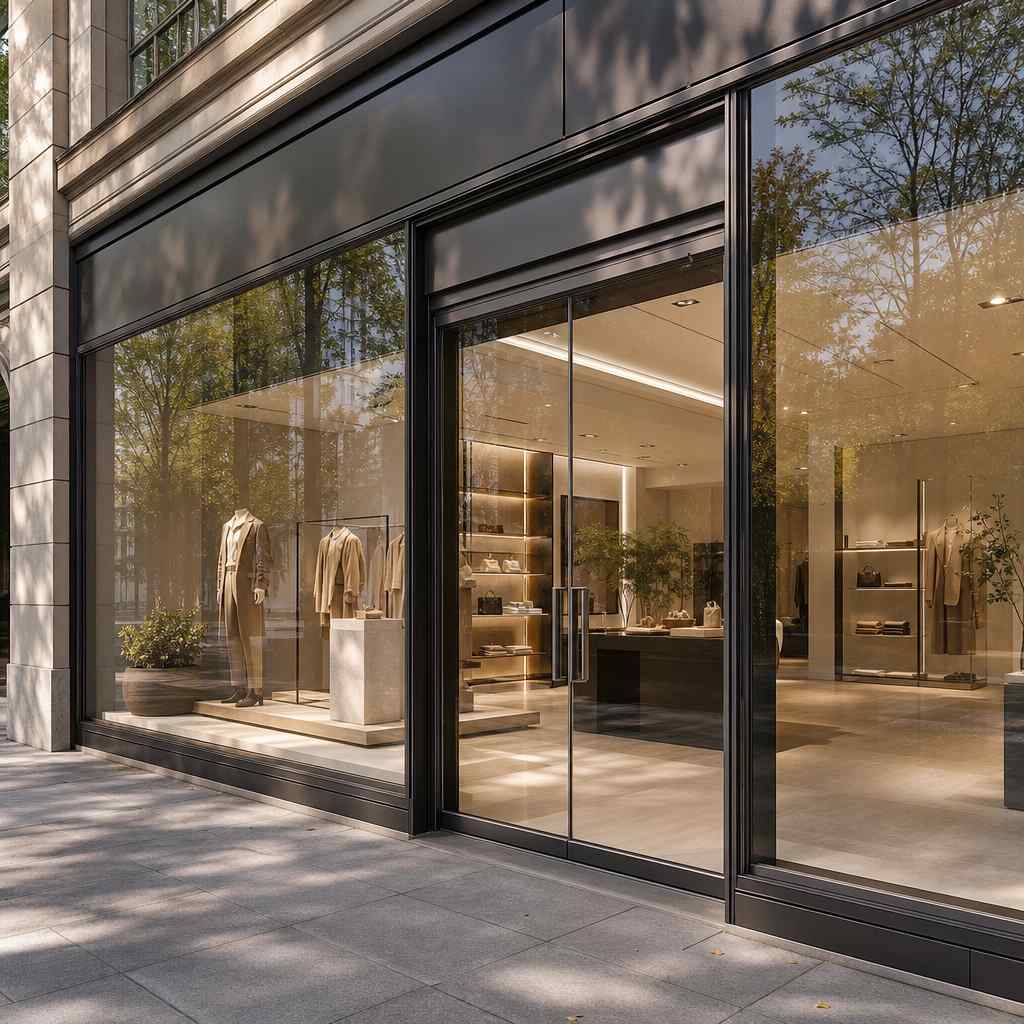
Intruders often test storefront glass before doors. A brick, hammer, or crowbar can break standard glass or tempered glass quickly, especially on vulnerable windows near locks. Once the opening is clear, unauthorized access may happen before responders arrive.
Laminated safety glass, security film, and polycarbonate systems help keep the opening closed after impact. Laminated glass creates a resilient barrier that can delay forced entry for several minutes, while intrusion deterrence film holds shattered glass in place to delay entry times. Safety films slow down intruders during break-ins by making entry noisy, visible, and physically difficult.
For example, a pharmacy with untreated storefront glazing may lose entry in seconds. With properly installed security window films and frame attachment, the same forced entry resistance can stretch to 60–120 seconds or more, changing the outcome of the break-in.
Key protective measures include:
- laminated glass or reinforced glass at primary entrances
- security film with attachment to the window frame
- glass-break sensors, lighting, and cameras
- stronger framing systems so the glass and frame work together
Vandalism, Riots, and Everyday Damage
Not every incident is theft. Thrown objects during protests, random tagging, etched glass, accidental impacts, and graffiti can damage the glass surface and make a commercial property look neglected.
Anti-graffiti film protects glass from vandalism and can be easily replaced. Polycarbonate shields are unbreakable under blunt force, making them useful where repeated impact is likely. Glass-clad polycarbonate can also protect primary glazing while preserving a polished appearance.
These security measures matter most at ground level, transit-adjacent sites, and busy public-facing façades. Separate cosmetic risks, such as scratches and tagging, from structural risks, such as shattering or breach, before choosing the upgrade.
Ballistic and High-Threat Scenarios
Banks, schools, healthcare facilities, government offices, data centers, and cash-handling sites may need bullet-resistant glass or bullet-resistant windows. Bullet-resistant glass absorbs the kinetic energy of bullets to protect against projectiles, using multiple layers of glass and polymer tested to defined threat levels.
The common reference is UL 752, which tests bullet-resistant glazing against specific calibers, velocities, and shot counts. Glass-clad polycarbonate is often used when high resistance and a glass-like appearance are both required.
Security film and normal safety glazing are not substitutes for true ballistic systems. They may reduce glass fragments and spall, but firearms risk requires a documented threat assessment and engineered commercial applications.
Understanding Glass Types: From Tempered Glass to Advanced Safety Systems
Not all commercial glass performs the same way. The real question is not only “How strong is it?” but “What happens after it breaks?” Glass protection options enhance building safety and security by preventing catastrophic shattering and keeping openings contained for enhanced safety.
Common materials include annealed glass, tempered glass, laminated safety glass, polycarbonate, fire-rated glass, and multi-layer security glass systems. Fire-rated glass withstands thermal shock and contains severe smoke and radiant heat, while security glazing focuses on intrusion, impact, and ballistic resistance.
Tempered Glass: Strong but Short-Lived Once Broken
Tempered glass is heat-treated to become up to five times stronger than standard glass, and it is commonly used in mall entries, office lobbies, glass doors, and storefronts. It handles everyday loads better than annealed glass.
When it fails, tempered glass shatters into small pieces that reduce the risk of lacerations. That is good for safety, but weak for security: the panel often falls out, leaving an open void.
For many existing structures built since the early 2000s, tempered glass is common in doors and storefronts. It usually needs security film, secondary glazing, or full window replacement to provide meaningful forced entry resistance.
Laminated Safety Glass for Security Window Applications
Laminated glass bonds multiple panes of glass with a plastic interlayer for increased safety. After impact, it tends to “spiderweb” while remaining in place, reducing broken glass hazards and helping protect occupants.
This makes laminated safety glass a strong baseline for schools, retail, mixed-use projects, and high-occupancy areas. It can also be combined with insulated glazing, low-e coatings, and solar control features for energy efficiency.
Still, laminated glass is not automatically ballistic. Determined attacks or firearms threats may require bullet resistant glazing, glass clad polycarbonate, or other multi-layered glazing systems that absorb high impact forces and resist projectiles.
Polycarbonate and Glass Clad Polycarbonate for High-Security Glazing
Polycarbonate is transparent, lightweight, and highly impact-resistant. It is useful in security window retrofits, transaction areas, control rooms, and sensitive interior rooms, though it can scratch without coatings or protective layers.
Glass-clad polycarbonate combines outer glass with inner polycarbonate. The glass resists scratching and weathering, while the polycarbonate absorbs impact. These systems are common in pharmacies, critical infrastructure, government lobbies, and secure environments.
Because profiles are thicker and heavier, advertised performance depends on correct installation, engineered framing systems, anchors, and hardware.
Where Security Window Films Fit into the Picture
Security film is a retrofit layer applied to existing glass. Advanced security films enhance glass impact resistance, and safety window films strengthen glass and reduce injury risks by holding glass fragments together after breakage.
Heavy-duty polyester films are cost-effective for retrofitting existing glass. 3M Ultra Series films offer enhanced tear resistance, and modern film technology can include blast mitigation film, solar control, decorative finishes, and privacy features. Blast mitigation film minimizes flying glass shrapnel during explosions.
Security window films are not bullet-resistant glass. They work best when paired with a frame attachment system, especially on existing glazing where replacing windows immediately is not practical.
Retrofit and New-Build Options for Securing Commercial Glass
Not every project can justify full window replacement. Many commercial projects use layered security measures: stronger glazing where risk is highest, commercial window film across broad areas, and secondary systems where exterior appearance matters.
Full Security Window Replacement in New Construction or Major Renovations
Window replacement makes sense for new construction, façade renovations, failing frames, or sites that need certified ballistic performance. During design, owners can specify laminated safety glass, insulated units, bullet-resistant windows, or glass clad polycarbonate.
Early planning helps architects coordinate energy targets, visible light, acoustic goals, building codes, and safety standards. It also ensures the window frame, mullions, anchors, and hardware support the selected glass.
Secondary Glazing and Backglazing for Existing Commercial Buildings
Secondary glazing uses interior-mounted panels behind existing glass. Backglazing adds an impact-resistant layer behind the original window. These options can add physical protection without changing the exterior, which helps historic façades, Class A towers, and branded retail spaces.
Installation details matter: standoff distance, ventilation, drainage, shades, and thermal movement all affect performance. Secondary glazing is often the middle ground between basic window films and full replacement.
Upgrading Existing Glass with Security Film
Commercial window film installation usually involves cleaning, film application, trimming, and optional attachment with structural sealants or mechanical retainers. Window film installation is quick and cost-effective compared to glass replacement, and professional installation minimizes disruption during the application process.
DIY installation often leads to bubbles and uneven finishes. Proper installation improves adhesion, appearance, and warranty coverage. In occupied buildings, work can often be phased after hours to minimize disruption.
Film does not turn standard glass into ballistic glazing, but it can delay intrusion, reduce injury risks, and improve resilience. The cost of window film varies by project size and film type, but it is often the fastest first-line improvement.
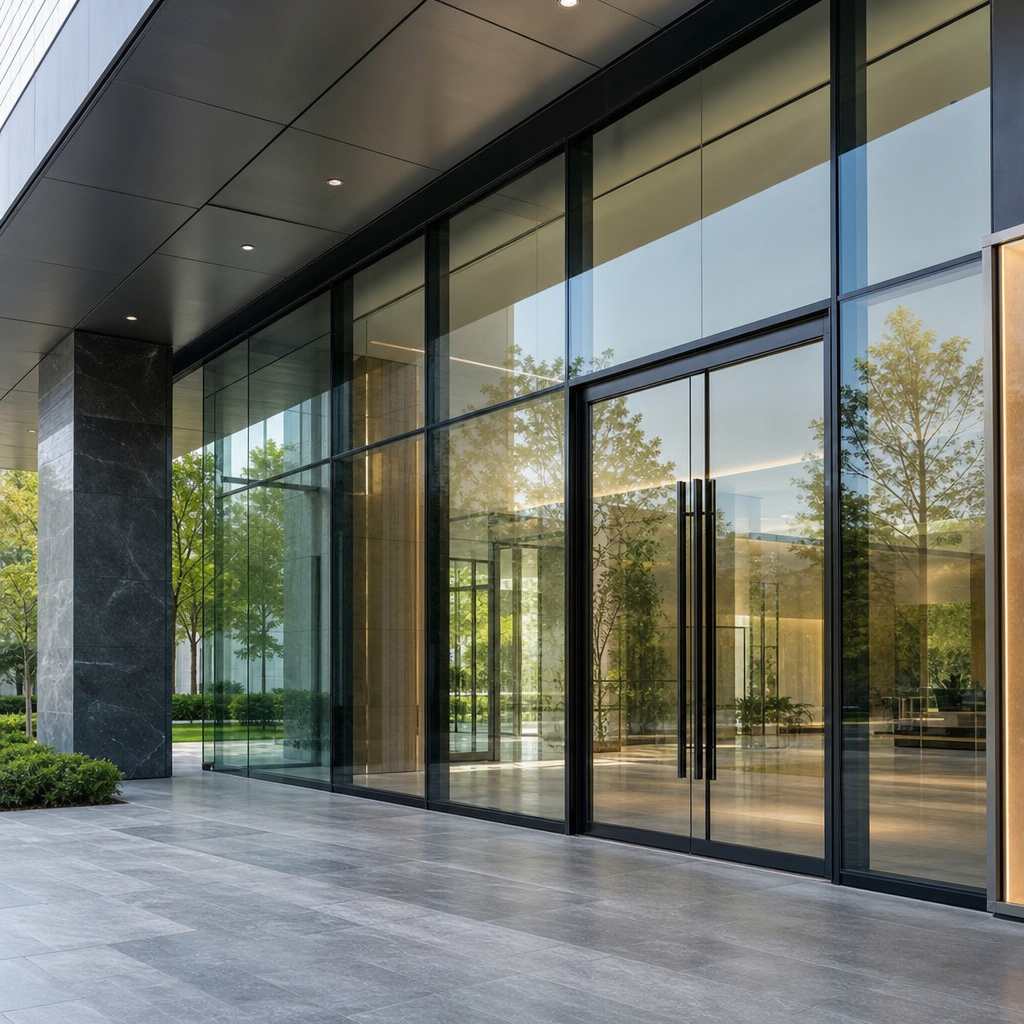
Beyond Security: Performance Benefits of Protected Commercial Glass
Glass protection is not only about stopping a threat. It can also improve comfort, energy costs, asset protection, and tenant confidence.
Energy Efficiency and Thermal Comfort
Laminated and insulated safety glass can include low-e coatings and tints to reduce solar heat. Solar control window films block solar energy and reduce glare, and window film minimizes glare, improving employee productivity.
Window film can reduce cooling costs by up to 30%. Energy savings from window film can reduce HVAC loads by up to 30%, helping hvac systems work less aggressively on hot days. Installing window film can lead to lower utility bills, and window film enhances comfort by stabilizing indoor temperatures.
Window film typically pays for itself in three to five years. Some window films qualify for energy rebates, enhancing cost-effectiveness.
Noise Reduction and Privacy
Laminated glass and multiple layers of glazing reduce traffic noise better than single-pane systems. Privacy window films can manage sightlines in clinics, conference rooms, and lobbies without eliminating daylight.
Decorative films create the appearance of frosted glass at lower costs. Specialty films include smart films that change from clear to frosted, offering flexible privacy in commercial spaces.
Asset Protection and Property Value
Security films can block up to 99% of UV rays. Window film blocks up to 99% of UV rays, providing UV protection and helping protect flooring, furniture, merchandise, and technology from fading.
Long-term savings from window film include lower maintenance costs, fewer emergency board-ups, and less downtime after minor damage. Documented upgrades can also support insurance discussions, tenant retention, and resale due diligence.
Planning a Glass Protection Strategy: Practical Steps for Commercial Properties
A good plan starts with the actual building, not a product brochure. Inventory existing glass, identify threats, set priorities, and match each zone to the right level of protection.
Assessing Risks and Existing Glass Conditions
Begin with a site walk. Record pane sizes, glass type, height above floor, exposed locks, entry doors, and whether existing glazing is annealed, tempered, laminated, or unknown.
Review incident history, local crime patterns, storm exposure, and tenant use. Unprotected ground-floor storefronts, large lobby walls, and exposed stairwells often deserve priority.
Selecting Appropriate Security Solutions by Zone
Use a simple framework:
| Zone | Typical areas | Common solution |
|---|---|---|
| Zone 1 | storefronts, primary entries | laminated glass, security film, stronger frames |
| Zone 2 | lobbies, corridors | safety glazing, commercial security windows, privacy film |
| Zone 3 | cash rooms, data rooms | bullet resistant glass, glass clad polycarbonate |
| Zone 4 | back-of-house | targeted film or standard safety upgrades |
Do not over-specify. A site concerned mainly with smash-and-grab theft may not need rifle-rated bullet resistant glazing. A high-risk reception desk might.
The Importance of Professional Installation and Ongoing Maintenance
Professional installation is critical because installers must verify compatibility, frame strength, glass condition, and manufacturer requirements.
Properly installed glass reduces risks of breakage and injury, while poor installation can void ratings.
Most window films last for many years with proper care. Routine inspections help catch early signs of wear in window films, including edge lift, scratches, seal issues, or adhesive failure.
Regular inspections by glass services minimize potential hazards and help maintain comprehensive safety over time.
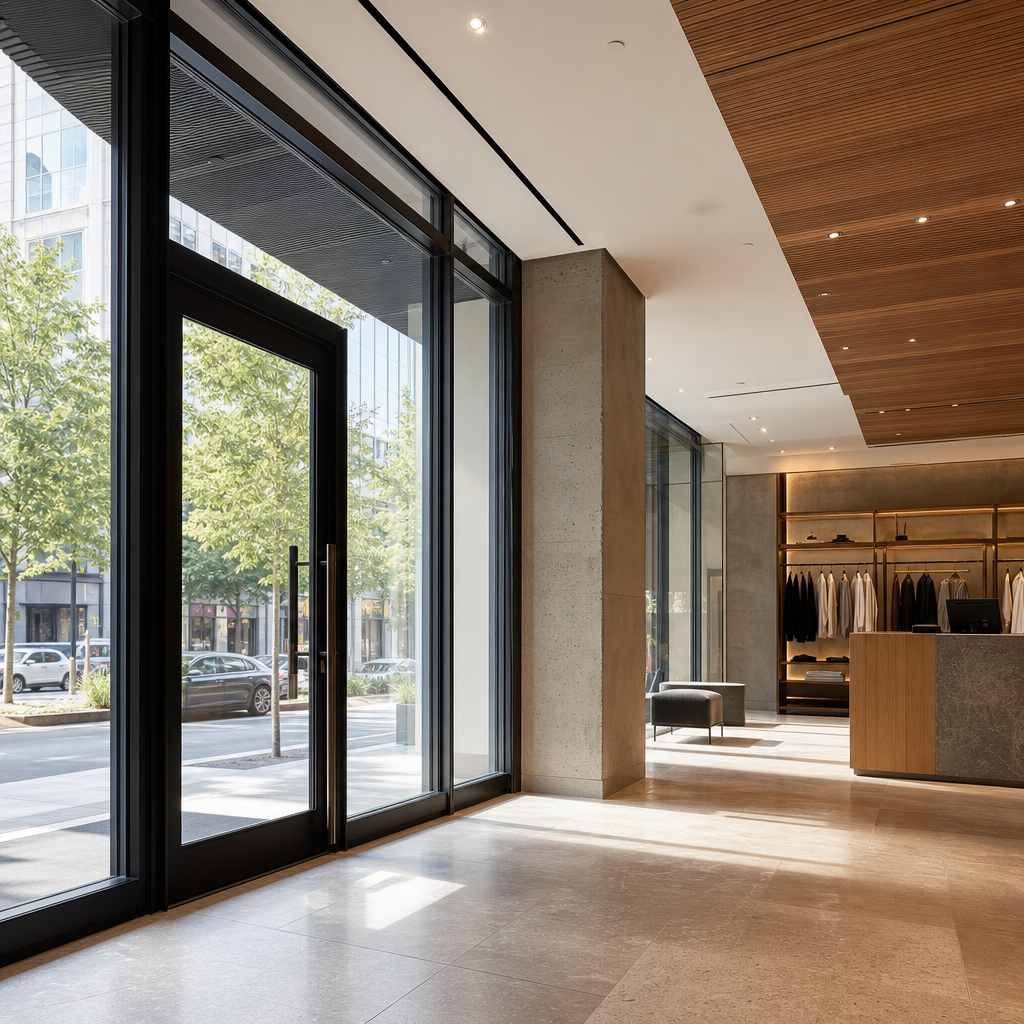
Why Choose Our Team for Commercial Glass Protection
Our team helps building owners choose practical security solutions based on risk, budget, aesthetics, and operations. We support commercial applications such as schools, offices, healthcare, retail centers, and high-traffic public areas.
Commercial glass services enhance building security and safety. These services help prevent unauthorized access effectively. Commercial glass services ensure compliance with safety standards by aligning products, documentation, and installation practices with code and project requirements, including references from the American National Standards Institute where applicable.
From security film to laminated safety glass, secondary glazing, and glass-clad polycarbonate, we focus on transparent recommendations and careful craftsmanship. Contact us to schedule a site assessment for your commercial property.
Frequently Asked Questions About Commercial Glass Protection
What is the difference between safety glass and security glass in a commercial building?
Safety glass is designed mainly to reduce injuries from breakage. Security glass adds broader protection against forced entry, impact, vandalism, or ballistic threats depending on the system.
Can security film really stop forced entry attempts?
Security film cannot make glass unbreakable. It can hold broken glass together, slow entry, increase noise, and buy time for alarms or responders.
Do I need bullet resistant glass for my business?
You may need bullet resistant glass if a documented risk assessment identifies firearms exposure, such as in banks, public agencies, high-risk schools, or cash-handling sites. Many businesses are better served by laminated glass, reinforced glass, or security window film.
Will glass protection upgrades change the look of my storefront or lobby?
Not necessarily. Clear films, laminated glazing, and secondary systems can preserve visibility and natural light. Tinted, frosted, or decorative options can also improve privacy and design.
How long do security films and laminated safety glass last in commercial applications?
Most window films last for many years with proper care, often a decade or longer depending on exposure and maintenance. Laminated glass can last decades when edges, seals, and frames are maintained.
Is there a big difference in cost between security window film and glass replacement?
Yes. Film is usually far less expensive and less disruptive, while full replacement offers higher performance when frames, ratings, or ballistic protection are required. Cost depends on size, access, film type, glass type, and attachment method.
How quickly can glass protection be installed in an occupied commercial building?
Many film and retrofit projects can be completed in phases or after hours. Professional crews plan access, cleaning, staging, and cure time to minimize disruption.
Conclusion: Building a Safer, More Resilient Commercial Property
Glass is a critical security weak point, but it can be upgraded in practical tiers: security film, laminated safety glass, secondary glazing, glass-clad polycarbonate, and bullet-resistant glazing where needed.
The right system protects building occupants, reduces broken glass hazards, supports energy efficiency, and helps secure valuable assets. If you are evaluating commercial glass protection, request a professional site survey and a clear proposal tailored to your building, budget, and risk profile.